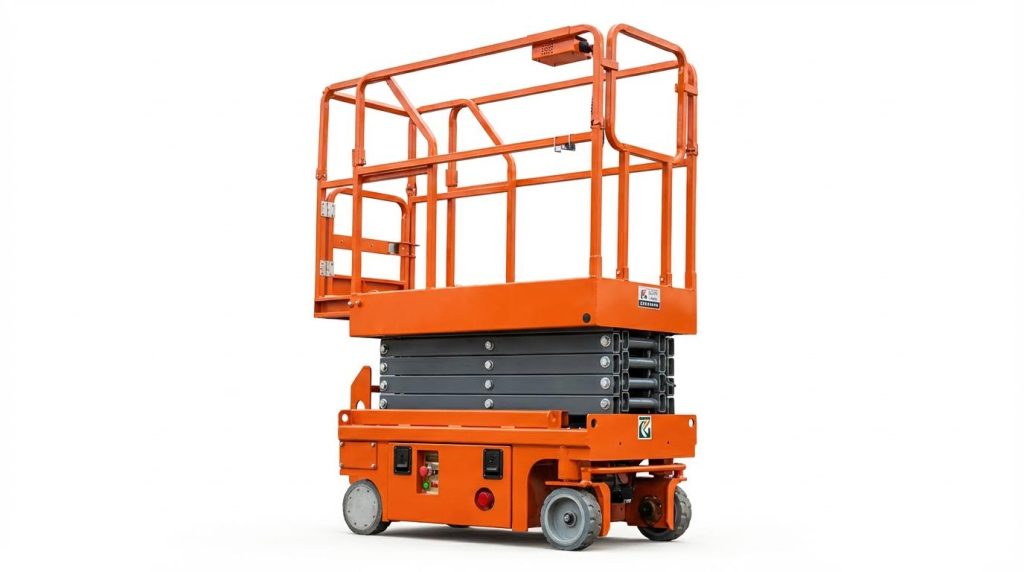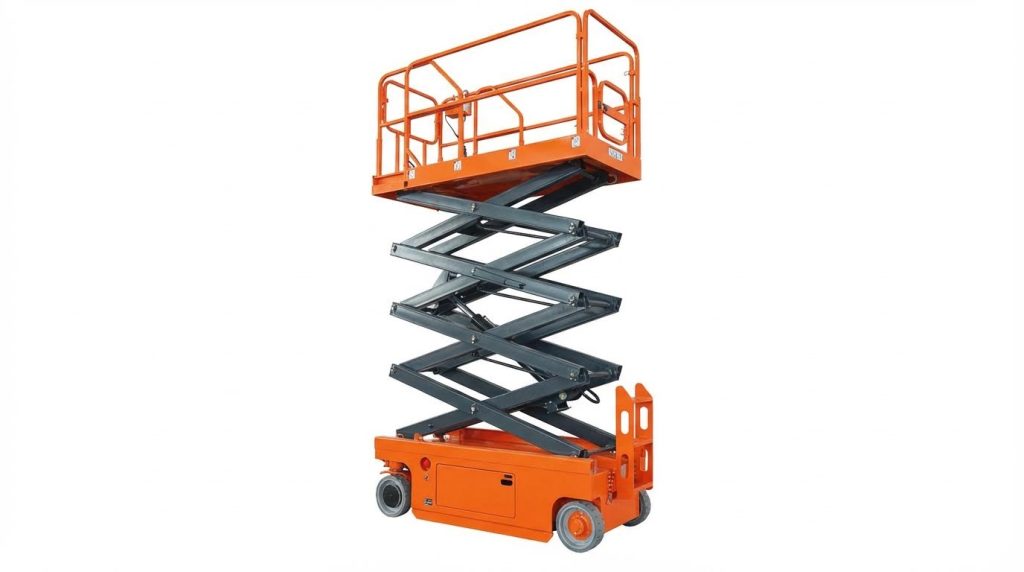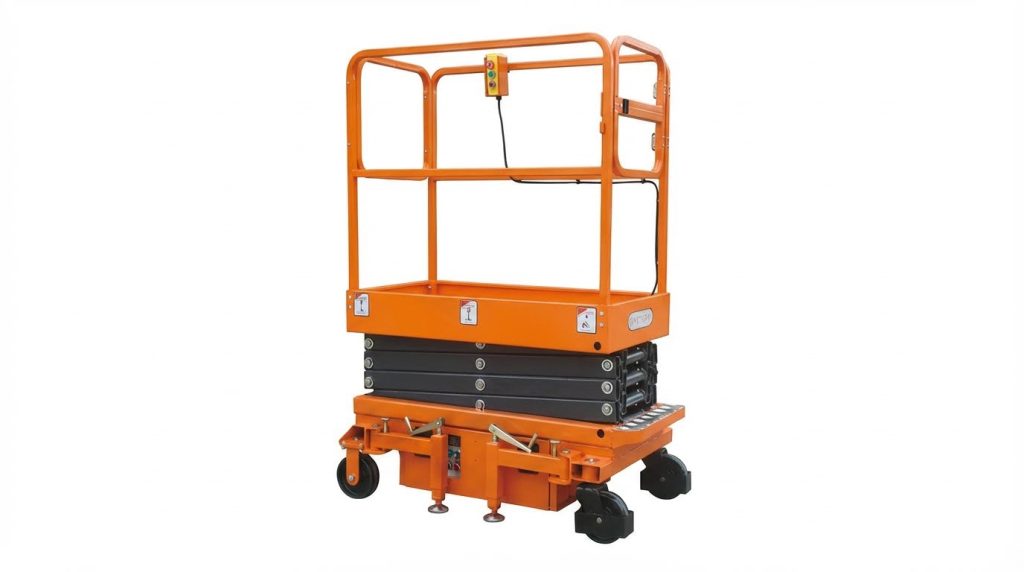
Engineers and safety managers increasingly evaluated alternatives to scissor lifts to address reach, stability, and access constraints on complex job sites. This article examined the core performance limits of conventional scissor lifts and compared them with vertical masts, compact towers, boom lifts, towables, and spider lifts. It linked platform geometry, duty cycle, and structural behavior to real-world constraints such as floor loading, reach envelopes, and regulatory compliance. The goal was to provide a structured framework for selecting safe, cost-effective aerial access solutions across construction, industrial maintenance, and logistics applications.
Core Performance Limits Of Scissor Lifts
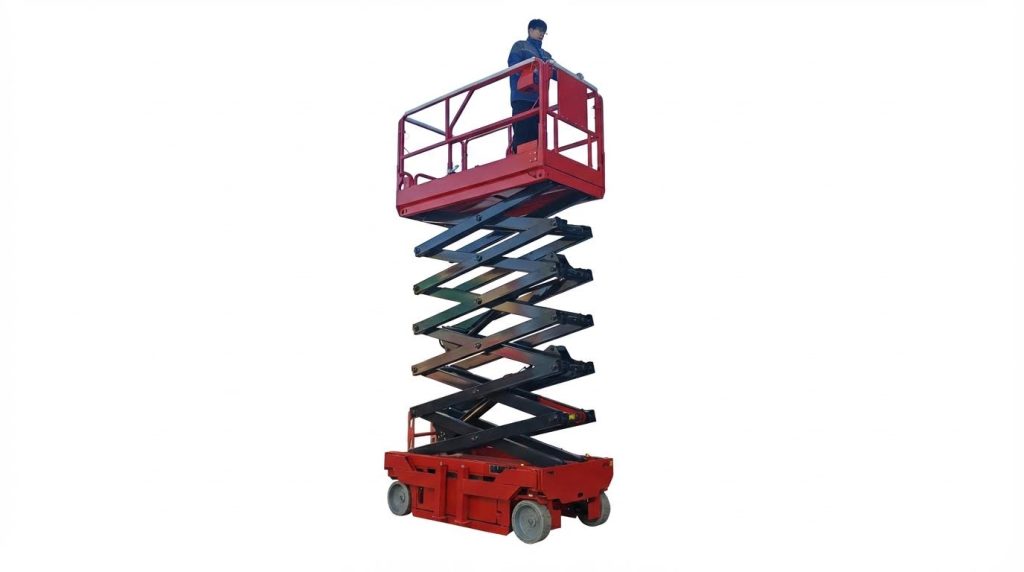
Scissor lifts in MEWP Group A provided predominantly vertical access within defined tipping lines. Their compact chassis and straight up-down motion suited repetitive tasks where outreach was not required. Understanding the inherent limits of reach, stability, and power duty cycles allowed engineers to specify when a scissor lift remained appropriate and when an alternative platform was necessary.
Vertical Reach, Footprint, And Platform Capacity
Typical self-propelled scissor lifts offered working heights between 4.5 m and 15 m, with high-capacity construction units reaching about 15 m. In contrast, boom lifts in Group B achieved heights up to approximately 56 m, so scissor lifts remained constrained to low and mid-rise work. The scissor mechanism kept the platform directly above the chassis, which minimized horizontal outreach but simplified load path prediction. Engineers balanced platform size against site constraints: larger decks carried multiple workers and tools but required wider aisles and turning radii. Rated capacity values often ranged from 230 kg to more than 450 kg, depending on platform width and duty class. Designers and specifiers had to respect both total rated load and any specified point-load or concentrated-load limits to avoid overstressing the deck or scissor arms.
Stability, Tipping Lines, And Load Distribution
Scissor lifts operated with the platform kept inside the machine’s theoretical tipping lines under normal conditions. This geometry improved inherent stability compared with boom lifts whose arms projected beyond the chassis. However, stability still depended heavily on ground bearing capacity, tire condition, and correct deployment of outriggers where fitted. Uneven load distribution on the platform, such as workers clustering at one edge with heavy materials, shifted the center of gravity toward a tipping line and reduced safety margins. Wind loading increased overturning moments; manufacturers defined maximum permissible wind speeds, and operators had to derate or prohibit outdoor use above these limits. Additional lateral surface area, such as sheeting or signage fixed to guardrails, increased wind forces and violated most MEWP instructions, because it degraded stability calculations used in the original design certification.
Power, Duty Cycles, And Indoor/Outdoor Constraints
Scissor lifts used either electric drives and hydraulic pumps or internal combustion power units. Electric scissor lifts suited indoor work because they produced zero local exhaust emissions and low noise levels, but their usable duty cycle depended on battery capacity, charge state, and ambient temperature. Lead-acid battery systems required proper charging regimes, electrolyte level checks, and clean terminals to maintain consistent performance over full shifts. Outdoor rough-terrain scissor lifts used diesel or petrol engines combined with higher ground clearance and more aggressive tires, which expanded site access but increased weight and ground pressure. This limited use on low load-bearing slabs or suspended floors, where spider or mast lifts often provided safer alternatives. Continuous high-cycle operation, such as production maintenance, imposed thermal and wear limits on hydraulic components; engineers mitigated this with correct fluid selection, scheduled inspections for leaks and hose degradation, and adherence to manufacturer duty-cycle ratings.
Vertical Mast, Tower, And Compact Aerial Options
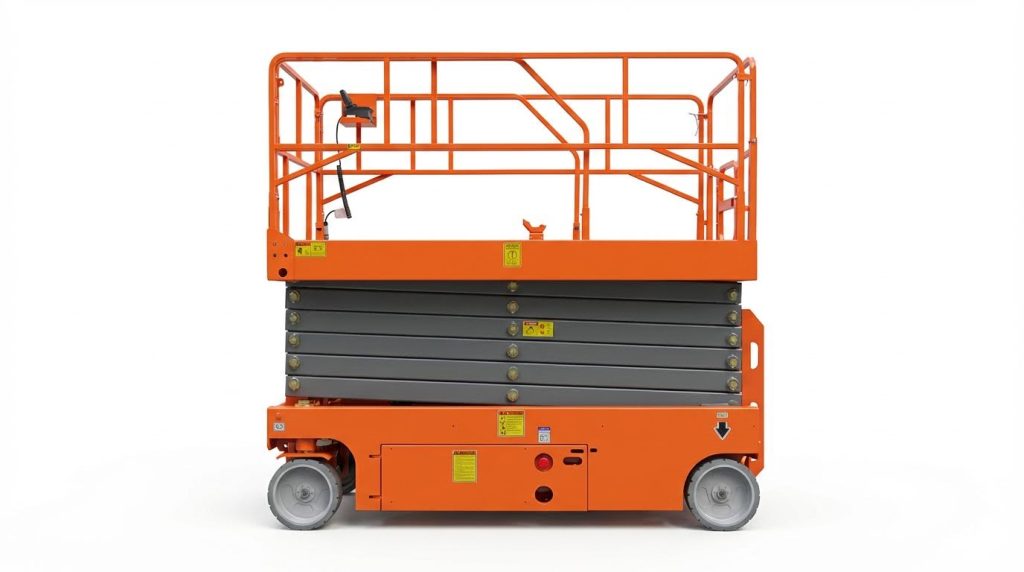
Vertical mast, tower, and compact aerial platforms filled the gap between ladders and full-size MEWPs. Engineers used these machines where scissor lifts were too bulky or where point access, not large platforms, governed the selection. They offered reduced floor loading, tighter turning radii, and lower acquisition and operating costs. This section compares push-around and self-propelled masts, vertical towers, and order pickers as engineered alternatives for constrained work envelopes.
Push-Around And Self-Propelled Mast Lifts
Push-around mast lifts belonged to Group A, typically Type 1 MEWPs, and moved only when fully stowed. Operators manually positioned the chassis, then elevated a single or double mast to reach work heights similar to small scissor lifts, often 4–10 m. Their compact base and low mass allowed use on finished floors, mezzanines, and in elevators where scissor lifts exceeded allowable point loads. Self-propelled mast lifts, usually Group A, Type 3, integrated drive motors and platform controls so operators could reposition the unit while elevated. They traded higher complexity and cost for productivity gains in maintenance, light installation, and industrial facilities with frequent short moves between work points. Both variants required the same fundamental inspections as other MEWPs: hydraulic circuits, emergency lowering, guardrails, and placards, plus verification that stabilizers or outriggers fully contacted solid substrates before elevation.
Vertical Towers For Tight, High-Cycle Work
Vertical towers functioned as highly compact, high-cycle access solutions for repetitive tasks in constrained aisles or process lines. Typical applications included facility maintenance in congested plants, assembly operations above conveyors, and service work in atria with limited floor space. These units prioritized minimal footprint, low turning radius, and rapid up‑down cycles over large platform area or outreach. Designers optimized mast sections and bearings for frequent duty, so lubrication schedules and periodic wear inspections on sliding surfaces and pivot pins were critical. Because towers often operated near ceilings, ducts, and lighting, pre-use work-area inspections had to focus on overhead obstructions and inadequate ceiling height. Where towers could travel while elevated, operators needed training on dynamic stability, speed limits, and prohibition of stunt driving or abrupt steering inputs that increased overturn risk.
Order Pickers For Warehousing And Logistics
Order pickers provided a specialized vertical access solution for warehousing and logistics, where the primary task involved handling unit loads rather than performing extended-duration work at height. These machines combined a small operator platform with integrated load-handling features, such as forks or shelves, sized for pallets, cartons, or totes. They operated in narrow aisles and interfaced with racking systems, so designers emphasized precise maneuverability, low overall width, and controlled acceleration and braking. From a safety perspective, order pickers shared aerial lift hazards like falls, struck-by incidents, and tip-overs, but added racking impact and falling-object risks from stored goods. Operators required training on platform positioning, maintaining three points of contact while handling loads, and respecting manufacturer load-capacity curves for both operator and cargo. Regular inspections had to cover drive systems, steering, brakes, lift chains or hydraulic cylinders, and emergency lowering devices, plus verification that guardrails, access gates, and fall protection provisions met applicable regional standards.
Boom, Towable, And Spider Lifts As Alternatives
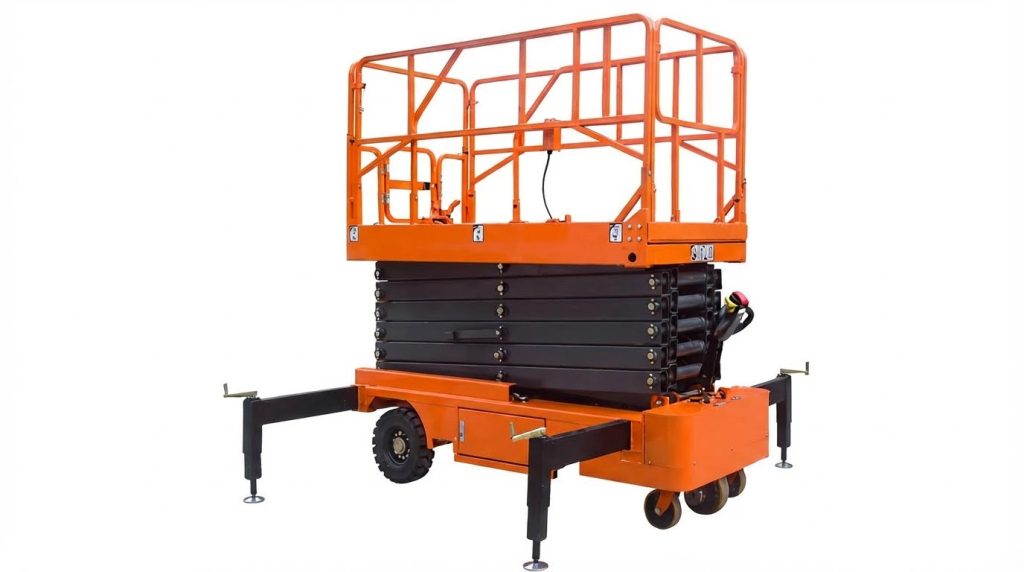
Boom, towable, and spider lifts extended aerial access beyond the vertical envelope of scissor lifts. Engineers used these platforms where outreach, obstacle clearance, and complex access paths were critical. They offered higher working heights, flexible positioning, and better access in congested or fragile work zones. Proper selection required matching geometry, load capacity, ground conditions, and regulatory constraints to the intended duty cycle.
Articulating And Telescopic Boom Lift Selection
Articulating boom lifts used multi-section hinged booms to reach over and around obstacles such as pipe racks or façades. Telescopic booms used straight, extendable sections to maximize horizontal outreach and working height, with some models reaching approximately 56 m. Group B MEWPs in this category extended the platform outside the tipping lines, so stability margins and ground bearing pressures required careful calculation. Selection criteria included required working height, horizontal outreach, platform capacity, power source, and whether the application involved indoor, outdoor, or mixed use. Articulating booms suited congested sites and maintenance over machinery, while telescopic booms suited façade work, steel erection, and applications demanding long, unobstructed outreach.
Towable Boom Lifts For Multi-Site Operations
Towable boom lifts mounted the lifting structure on a lightweight, trailer-type chassis with an integrated tow hitch. This configuration allowed transport behind light commercial vehicles, reducing logistics cost for contractors serving multiple small sites. Their working heights and outreaches were lower than large self-propelled booms but adequate for building maintenance, signage, and light construction. Engineers evaluated towable units based on gross trailer mass, available towing vehicle capacity, set-up time, and stabilizer footprint. Maintenance guidelines recommended indoor parking when possible, battery disconnection during long idle periods, and scheduled hydraulic oil replacement, for example initially after two months and then typically every six months with ISO VG 46 anti-wear oil above 0 °C. For sub-zero operation, antifreeze hydraulic oil and coolant management in diesel power units were essential to prevent system damage.
Spider Lifts For Low Load-Bearing Floors
Spider lifts used articulated or telescopic booms on a compact base with outriggers and often rubber tracks. Their primary advantage was low ground bearing pressure, which allowed use on suspended slabs, tiled floors, or landscaped surfaces with limited load capacity. Engineers specified spider lifts where access routes were narrow, doorways constrained width, or where point loads from conventional booms exceeded floor design values. Outriggers distributed loads over pads, but designers still verified slab capacity and local punching shear. Typical applications included atrium maintenance, shopping centres, historic buildings, and indoor industrial plants. Maintenance practices mirrored other boom lifts, with emphasis on regular lubrication of arm pins, inspection of hoses and cables for wear, and protection from dust and outdoor contaminants.
Safety, OSHA Compliance, And Operator Training
Boom, towable, and spider lifts fell under MEWP safety frameworks and, in the United States, OSHA regulations such as 29 CFR 1910.67 and 1926.453. Hazards included falls, ejections from the platform, tip-overs, structural failure, entanglement, and electric shock from overhead lines. Safe operation required pre-start inspections of vehicle systems, lift controls, hydraulic circuits, guardrails, and emergency lowering devices, with defective units locked out until qualified repair. Work area assessments identified slopes, voids, overhead obstructions, debris, and power lines, with minimum 3 m clearance from energized conductors unless additional controls were implemented. Operators used full-body harnesses with lanyards on boom-type platforms, kept gates closed, stayed within guardrails, and did not use the lift as a crane or for oversize loads. OSHA and manufacturer guidance required documented training and retraining after incidents, near misses, or introduction of different lift types, ensuring that engineering controls and procedural measures worked together to maintain acceptable risk levels.
Summary: Selecting Safe, Cost-Effective Lift Solutions
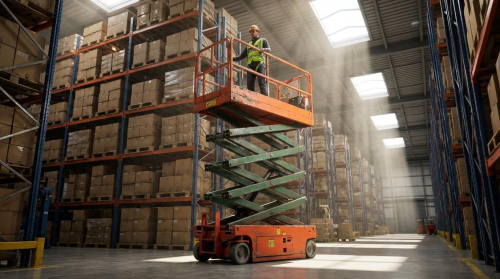
Engineers and fleet managers evaluated scissor lift alternatives by balancing reach, footprint, and duty cycle against safety and regulatory constraints. Mobile elevating work platforms fell into Group A scissor and mast-style machines or Group B boom-type machines, with Types 1–3 defining allowed travel while elevated. Vertical mast and tower platforms provided compact, low-mass access for one or two workers in congested industrial plants, while order pickers optimized vertical travel in logistics environments. Boom, towable, and spider lifts extended working envelopes horizontally and vertically, enabling work over obstacles and on low-capacity slabs where conventional scissors were unsuitable.
From a technical perspective, selection started with required working height and outreach, then platform capacity and allowable floor loading. Group A, Type 1 or Type 3 solutions typically suited repetitive maintenance, light installation, and warehouse tasks with stable floors and constrained aisles. Group B booms, including towable and spider variants, addressed façade work, external construction, and complex access near obstacles or overhead services. Engineers also considered power source, matching electric or hybrid machines to indoor or emissions-controlled sites and internal combustion units to outdoor or heavy-duty applications.
Regulatory compliance centered on OSHA aerial lift rules, MEWP classifications, and manufacturer instructions. Safe operation required pre-start equipment inspections, work area hazard surveys, and strict adherence to fall protection and load-capacity limits. Organizations implemented structured training and periodic retraining to address electrical, fall, struck-by, and tip-over hazards, and they prohibited crane-like lifting unless explicitly approved by the manufacturer.
Lifecycle cost and reliability depended heavily on disciplined maintenance. Daily walk-around checks, scheduled lubrication, hydraulic oil changes aligned with temperature conditions, and battery and tire care reduced unplanned downtime. Detailed maintenance logs supported legal compliance and informed replacement decisions. Looking forward, the industry trend moved toward lighter, more energy-efficient platforms, finer control systems, and enhanced stability and overload protection. A balanced strategy combined scissor lifts with mast, boom, towable, and spider platforms, selecting each machine by quantified task requirements, site constraints, and total cost of ownership rather than by equipment familiarity alone.