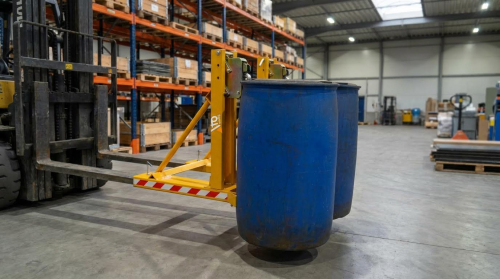
Transporting fuel and chemicals in 55-gallon drums required strict adherence to a layered regulatory framework. Federal DOT, OSHA, EPA, and NFPA standards interacted with state and local codes from jurisdictions such as New York, Oregon, Washington, and California. These rules governed container design, packaging methods, secondary containment, palletizing practices, and emergency preparedness. The following sections analyzed regulatory roles, drum specifications, operational controls, and practical compliance steps for safely moving 55-gallon drums in industrial operations.
The article also examined how hazard classes and flash points determined whether drum rules or tank truck regulations applied. It linked regulatory text to field practices such as pre-trip inspections, grounding and bonding, HASP-driven procedures, and handling unknown or damaged drums. By connecting statutory requirements with real-world logistics, it provided a structured roadmap for compliant, technically sound transport of liquid fuels and hazardous chemicals in 55-gallon drums.
Regulatory Framework For 55-Gallon Drum Transport

Regulatory control of 55-gallon drum transport relied on a layered framework. Federal agencies defined baseline hazardous materials, worker safety, and environmental protection requirements. States and municipalities then added routing, permitting, and vehicle-specific rules tailored to local risk. Compliance programs had to integrate all levels to avoid gaps and conflicting obligations.
Federal DOT, OSHA, EPA, and NFPA Roles
The U.S. Department of Transportation (DOT) regulated off-site transportation of hazardous materials in commerce, including 55-gallon drums. DOT rules defined packaging performance (UN/DOT drum ratings), hazard communication, shipping papers, and vehicle operation. OSHA regulated worker protection during drum filling, handling, loading, and on-site storage, including labeling, hazard communication, and flammable liquid handling under 29 CFR 1910.106 and 1910.1200. The EPA addressed environmental protection, especially hazardous waste drums, requiring secondary containment systems sized for at least 10% of total volume or the largest container, whichever was greater. NFPA codes such as NFPA 30 and NFPA 400 provided consensus standards for flammable and combustible liquid storage, separation distances, and fire protection features. Authorities having jurisdiction often incorporated NFPA provisions into fire and building codes. Facilities typically used NFPA guidance to design storage areas that also satisfied OSHA and EPA expectations.
State And Local Codes: NYC, Oregon, Washington
State and local codes added detailed controls beyond federal baselines. In New York City, the 2006 code required permits to transport, store, sell, deliver, or use petroleum, shale oil, coal tar, and related liquids, except for specified high-flashpoint products moved under federal transport rules. Petroleum and related liquids, excluding volatile flammable oils, could travel in steel, iron, or wooden drums up to 55 gallons, or in approved safety cans. Interstate tank truck transport in NYC had to follow commissioner-prescribed routes and times if vehicles did not meet fire department standards. Oregon Administrative Rules, effective through June 1, 2025, restricted gasoline and other low flash point liquids on worker-transport vehicles. Class A, B, and D worker vehicles could only carry such liquids in UL-approved closed safety containers of at most 19 liters placed outside passenger areas. Larger gasoline containers could ride on Class C vehicles only if workers rode in the cab or a separate compartment and containers were secured and isolated. Washington’s WAC 296-843-18005 governed hazardous drum and container handling at sites, including pre-movement hazard assessment, cautious uncovering of buried drums, and use of salvage drums and absorbents to contain full drum volume in case of rupture.
Hazard Classes, Flash Points, And Applicability
Regulatory applicability depended strongly on hazard class and flash point. Under DOT, flammable liquids typically had flash points below 60 °C, while combustible liquids had higher flash points and often faced less stringent transport requirements. The 2006 New York City code distinguished petroleum and similar liquids with flash points above 300 °F, which did not require a local permit if transported in compliance with federal rules. Low flash point liquids such as gasoline triggered stricter state-level transport controls, as seen in Oregon’s worker-transport vehicle limits. NFPA 30 aligned storage and handling requirements with flammability class, influencing separation distances, ventilation, and fire protection for drum storage. Facilities had to map each product’s hazard class, flash point, and waste status to the correct mix of DOT, OSHA, EPA, NFPA, and local rules to define packaging, labeling, storage, and routing obligations.
When Tank Trucks Rules Apply Versus Drums
Regulations differentiated between packaged goods in drums and bulk liquids in tank trucks. DOT bulk packaging rules applied when liquids traveled in cargo tanks above defined capacity thresholds, while drum shipments fell under intermediate packaging standards and palletization guidance. The 2006 New York City code required special routing and timing for interstate tank trucks carrying petroleum or coal tar that did not meet fire department specifications, reflecting higher risk from large bulk volumes. In contrast, 55-gallon drums moved under containerized hazardous materials rules, with emphasis on UN/DOT drum ratings, palletizing, and securement. EPA hazardous waste provisions treated drums and tanks similarly for secondary containment performance, but implementation details differed between drum containment pallets and tank diked areas. Operators had to determine when scaling up from multiple
Drum Design, Packaging, And Containment Rules

Engineering compliant 55-gallon drum systems required attention to drum design, packaging, and containment as an integrated whole. Federal DOT, EPA, and OSHA rules interacted with NFPA and state codes to define acceptable drum types, overpacking practices, and spill control capacity. Operators had to match drum construction and UN performance ratings with the chemical’s physical and compatibility profile, then overlay secondary containment and palletizing methods suitable for transport and storage. The following subsections outlined the core technical and regulatory constraints that governed safe drum-based fuel and chemical logistics.
Drum Construction, UN/DOT Ratings, And Compatibility
Regulators and carriers expected 55-gallon drums to comply with UN/DOT performance-oriented packaging standards in 49 CFR. Steel, stainless steel, plastic, and composite drums carried UN markings that specified packaging type, performance level (X, Y, Z), specific gravity or hydrostatic test pressure, and year and country of manufacture. Engineers had to select drum materials compatible with the chemical, avoiding corrosion, softening, or permeation; for example, strong oxidizers could attack carbon steel, while certain hydrocarbons permeated some plastics. State codes, such as the 2006 New York Code, limited petroleum transport in steel, iron, or wooden barrels to 55 gallons, and required approved safety cans for smaller quantities. Compatibility analysis also had to consider closure systems, gasket materials, and lining types to prevent leaks and maintain UN performance under transport vibration and thermal cycling.
Lab Packs, Overpacking, And Salvage Drums
California hazardous waste rules treated lab packs and overpacked drums as engineered containment systems rather than simple outer containers. Inside containers had to be non-leaking, tightly sealed, and constructed of materials compatible with the waste, and in many cases had to meet DOT hazardous materials specifications. These inner vessels were then overpacked in an open-head DOT-specification metal drum with a maximum capacity of 416 liters, filled completely with nonbiodegradable sorbent capable of absorbing the entire liquid volume. Incompatible wastes, as defined in state and federal regulations, could not share the same outside container, and reactive wastes generally had to be rendered non-reactive before packing. EPA guidance and WAC 296-843-18005 required DOT-specification salvage drums for leaking or damaged containers in spill-prone areas, ensuring that the entire contents of a compromised drum could be contained and isolated during emergency response.
Secondary Containment, Sumps, And Spill Capacity
EPA secondary containment requirements for drum storage focused on worst-case liquid release capacity. Containment systems, including sumps, bermed pads, or prefabricated spill pallets, had to hold at least 10% of the total stored volume or the volume of the largest single container, whichever was greater. Designers typically sloped containment bases or provided drains so that accumulated rainwater or minor spills could be removed, unless drums were elevated above the floor or otherwise protected from standing liquid. Operators had to remove spills, leaks, and precipitation promptly to prevent overflow and loss of containment integrity. NFPA codes and OSHA standards then layered additional constraints, such as separation distances, fire resistance of containment structures, and ventilation for flammable or volatile chemicals. For outdoor or remote sites, engineers also had to consider freeze protection, UV exposure of polymers, and structural loads from stacked drums on grating over sumps.
Palletizing, Securing, And Overpacks For Shipping
Proper palletizing and securing of 55-gallon drums controlled dynamic loads during transport and reduced the risk of puncture or tip-over. According to carrier guidance such as DHL’s, drums were best shipped on hardwood or plastic pallets with plank gaps under 20 millimetres to support the chime and prevent point loading. Drums required at least two metal or high-strength plastic straps, often with corner cleats, to clamp them to the pallet and limit cosmetic and structural damage. Multiple drums on a pallet were banded together, then covered with a full-height overpack slipcover of 2-ply or 3-ply cardboard, vertically banded in two directions to the pallet and cargo. Weight limits, such as a one-ton maximum for three pallets in the cited guidance, helped maintain vehicle stability and comply with DOT cargo securement rules. For hazardous materials, shippers also had to ensure that palletizing did not obscure hazard labels, UN numbers, or orientation marks, and that drums remained upright and accessible for inspection and emergency response.
Operational Safety, Handling, And Transport Controls
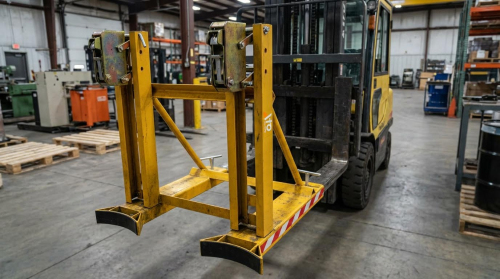
Operational controls governed how compliant packaging translated into real-world safety performance. Regulations and best practices focused on preventing loss of containment, ignition, and uncontrolled exposure during normal transport and foreseeable upsets. Effective programs integrated vehicle condition, routing, static control, worker protection, and contingency planning into one coherent system. For 55-gallon (≈208 liter) drums, these controls bridged the gap between regulatory text and field execution.
Pre-Trip Inspections And Route Planning
Pre-trip inspections reduced the probability of mechanical failure and loss of containment during transport. Drivers inspected brakes, tires, lights, steering, and trailer couplings, and they checked drum cargo areas for structural integrity and cleanliness. Procedures, such as those described by Rogério Borges Vitor in 2025, required verification of closures, absence of leaks, and correct securement of drums before departure. In hazardous materials operations, inspectors also confirmed that required placards, shipping papers, and emergency response information were present and legible.
Regulations in Oregon and other jurisdictions required that fuel containers be securely fastened and placed outside passenger compartments where possible. Route planning minimized risk by avoiding tunnels, densely populated areas, and environmentally sensitive zones when alternatives existed. Carriers identified alternate routes in advance to address closures, accidents, or severe weather without ad hoc detours through high-risk areas. Dispatchers and drivers coordinated on restrictions such as time-of-day access, bridge limitations, and local hazmat routing rules that could affect 55-gallon drum movements.
Grounding, Bonding, And Ignition Control
Grounding and bonding controlled static electricity during transfer operations involving drums and containers. The 2006 New York Code required that vehicles used for fuel transport be grounded during filling or discharging, and that all pipe connections and fill caps remain oil-tight. Operators connected bonding cables between the transfer system and each drum before opening bungs or starting pumps to equalize potential. These measures reduced the chance of static discharge igniting flammable vapors from low flash point liquids.
Washington’s WAC 296-843-18005 required that tools and material-handling equipment be selected and operated to avoid ignition of flammable atmospheres. This requirement covered non-sparking tools, intrinsically safe pumps, and classified electrical equipment where vapors could accumulate. Oregon rules prohibited carrying gasoline and similar liquids with workers unless containers met U.L. safety standards and were located outside passenger areas, which reduced ignition sources near vapors. Defensive driving practices, including speed control on curves and descents, further reduced rollover risk that could expose vapors to hot surfaces or friction sparks.
Worker Protection, Labeling, And HASP Integration
Worker protection requirements integrated PPE, labeling, and site-specific health and safety plans (HASPs). OSHA standards on hazard communication and laboratory chemicals required proper labeling of drums and closed containers when not in use. Washington’s WAC 296-843-18005 mandated that unlabeled drums be treated as hazardous until identified, sampled, and labeled according to the site HASP. Employers briefed employees on potential hazards before drum movement operations, emphasizing inhalation, skin contact, and fire risks.
PPE requirements followed chemical-specific safety data sheets and regulatory guidance. Rogério Borges Vitor’s 2025 procedure specified gloves, goggles, and protective clothing during loading, unloading, and inspection of tank vehicles; similar principles applied to drum handling. HASPs incorporated sampling plans, emergency procedures, and training requirements for workers exposed to drum and container operations. Integration with OSHA’s hazardous waste and emergency response frameworks ensured that spill containment, decontamination, and medical response capabilities matched the inventory of 55-gallon drums on site.
Handling Unknown, Buried, Or Damaged Drums
Unknown, buried, or damaged drums required elevated controls because of uncertainty and higher failure probability. WAC 296-843-18005 required employers to assess hazards, including radioactive or highly toxic contents, before moving drums. Soil or debris covering drums had to be removed cautiously to avoid rupture, and ground-penetrating systems or similar detection devices estimated drum location and depth before excavation. Unlabeled or unknown drums were treated as containing hazardous substances until characterization and labeling were complete.
The regulation required that movement of drums and containers be minimized and that each drum be inspected for soundness before handling when feasible. If drums could not be moved without a high risk of rupture or leakage, operators had to use pumps or devices classified for the material to transfer contents into sound containers,
Summary: Key Compliance Steps And Best Practices
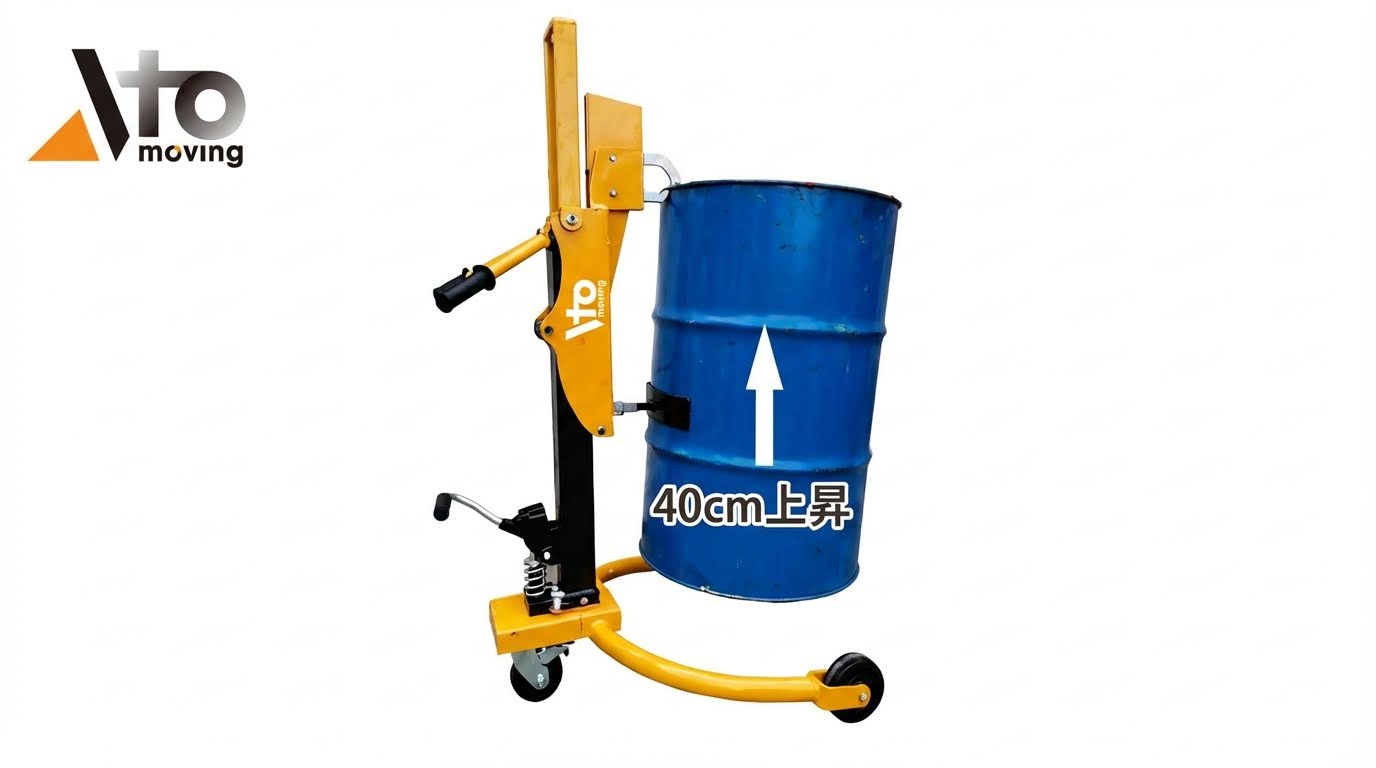
Regulatory compliance for transporting fuel and chemicals in 55-gallon drums required an integrated approach across federal, state, and local frameworks. Operators had to align DOT hazardous materials transport rules, OSHA worker protection standards, EPA secondary containment requirements, and NFPA fire codes with jurisdiction-specific provisions such as the 2006 New York Code, Oregon Administrative Rules, and Washington’s WAC 296-843-18005. Correct drum selection and packaging remained fundamental: UN/DOT-rated drums compatible with contents, proper closures, use of lab packs and salvage drums where required, and adherence to California-style overpacking rules for hazardous waste, including sorbent-filled overpacks and segregation of incompatible materials. EPA secondary containment criteria mandated that drum storage and transfer areas contain at least 10% of the total stored volume or the largest single drum volume, with provisions for drainage, removal of accumulated liquids, and protection of containers from standing liquids. For transport, palletization and securement practices such as those recommended by DHL—stable pallets, limited gaps, robust strapping, and full overpack slipcovers—helped prevent shifting, puncture, and cosmetic damage that could compromise drum integrity or markings. Operational controls closed the compliance loop. Pre-trip inspections, route planning away from dense populations where feasible, and strict leak checks reduced incident likelihood, while grounding and bonding during loading and unloading minimized ignition risk around low flash point liquids. Worker protection obligations included PPE, clear labeling, hazard communication, HASP integration, and special procedures for unlabeled, buried, or damaged drums, which regulations treated as hazardous until characterized. Looking ahead, enforcement trends pointed toward tighter traceability, wider adoption of engineered secondary containment systems, and increased emphasis on real-time monitoring of drum conditions during transport. Organizations that embedded these requirements into standard operating procedures, training, and equipment specifications achieved lower incident rates and smoother regulatory interactions, while maintaining flexibility to adapt to evolving codes and standards.