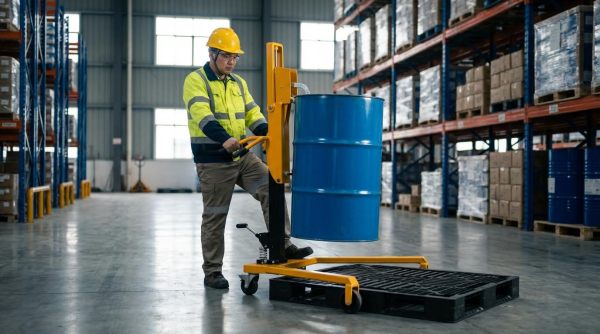
Safe drum dolly operation relied on sound engineering controls, disciplined procedures, and consistent maintenance. This article examined drum dolly types, load ratings, and risk factors, then linked them to ergonomic and regulatory requirements. It also detailed structured inspection regimes from daily checks to annual preventive maintenance, including cleaning, lubrication, and corrosion control. Finally, it described safe operating techniques, floor and traffic management, and hazardous material handling, before consolidating key safety controls that facilities could implement systematically.
Drum Dolly Types, Loads, And Risk Factors
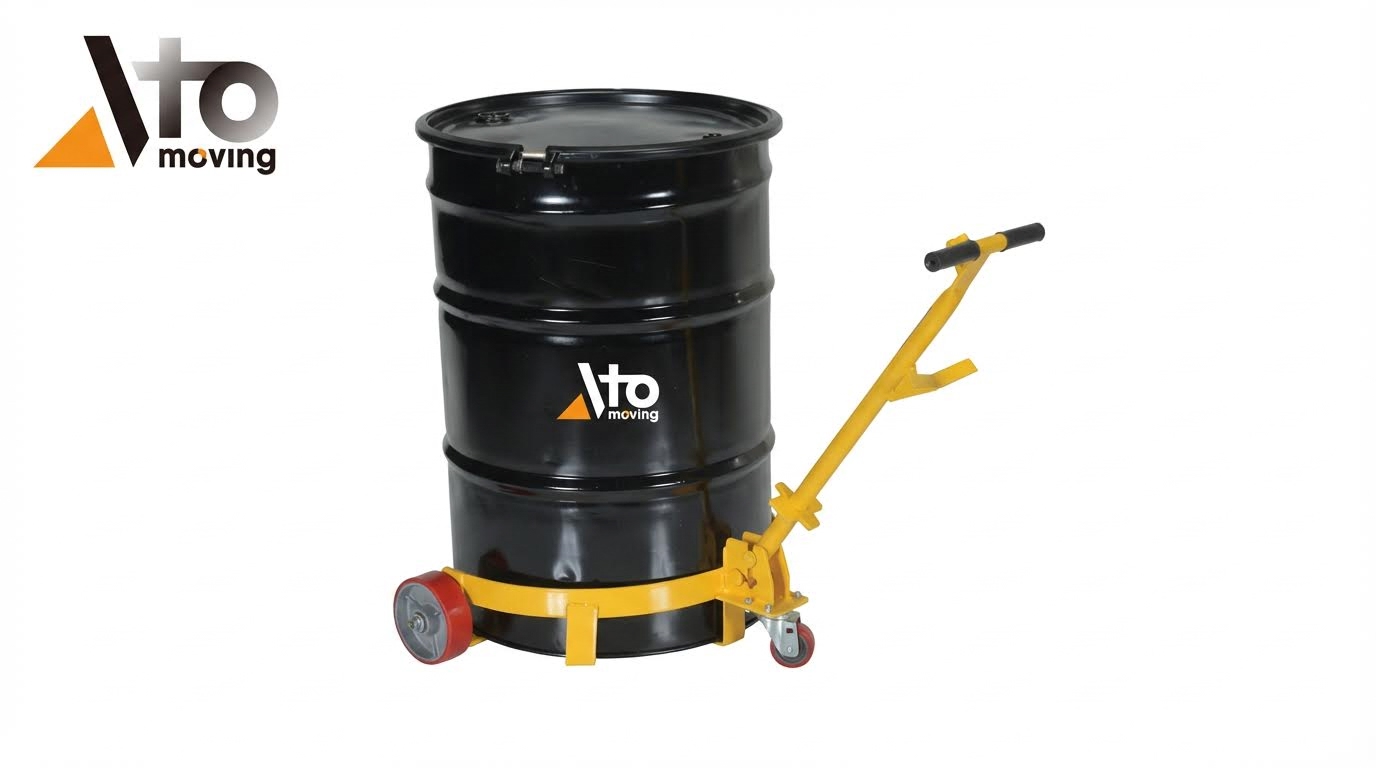
Drum dollies supported industrial material handling in warehouses, chemical plants, and manufacturing facilities. Engineers evaluated dolly selection and use by drum type, floor conditions, and process layout. Risk factors included overloading, poor stability, inadequate maintenance, and insufficient operator training. Understanding dolly designs, load paths, and human factors allowed organizations to reduce incidents and improve throughput.
Common Drum Dolly Designs And Use Cases
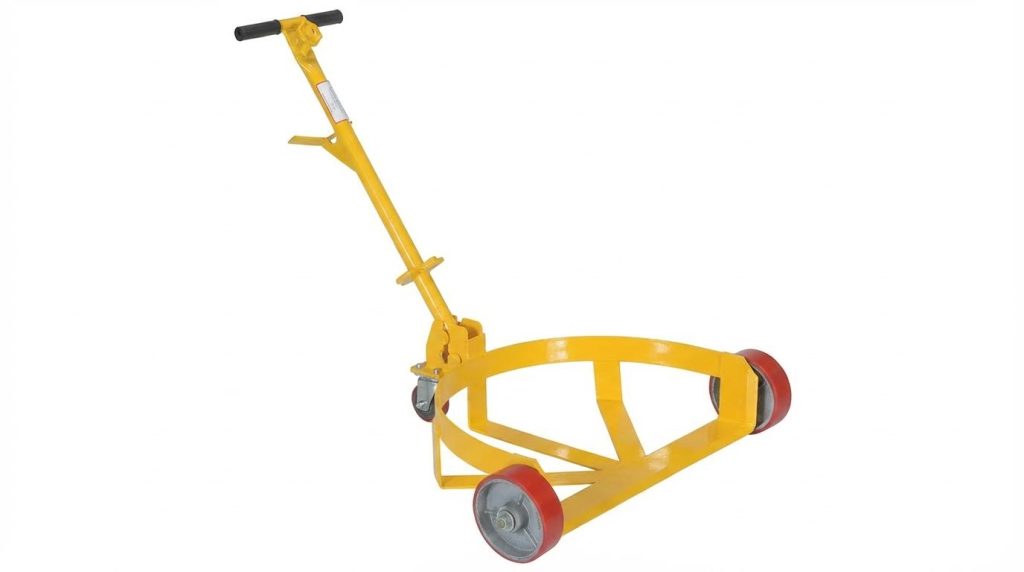
Typical drum dollies carried 200–250 liter drums in steel, plastic, or fiber construction. Basic designs used a circular or cross-shaped frame with four swivel casters for low-level horizontal transport. Advanced models incorporated adjustable cradles, straps, or clamp rings that held the drum firmly and reduced tipping during cornering or ramp travel. Facilities selected low-profile dollies for tight aisles, high-clearance units for rough floors, and specialty designs for hazardous or high-value contents. In chemical and pharmaceutical plants, operators combined drum dollies with drum mover or hoists for staged movements between storage, decanting, and process areas.
Load Ratings, Stability, And Center Of Gravity
Manufacturers specified drum dollies with rated capacities that often reached 500 kilograms for heavy drums. Engineers needed to match this rating to the maximum filled drum mass, including contents and drum weight, with a safety margin. Stability depended on the relationship between drum center of gravity, wheelbase width, and caster layout. When operators pushed high on the drum shell, they shifted load toward the front casters, increasing overturning moment if a wheel struck debris or a floor defect. Best practice kept forces applied near the bottom of the drum, maintained even load distribution on all casters, and avoided stacking or off-center placement that raised the effective center of gravity.
Hazard Analysis For Drum Handling Tasks
Formal hazard analyses examined every step of drum handling, from loading onto the dolly to final positioning. Typical hazards included crush injuries to feet or ankles, tip-overs on slopes, loss of control on contaminated floors, and leaks from damaged drums. Risk assessments considered drum contents, route length, floor gradients, congestion, and frequency of handling. Controls followed the hierarchy: engineering measures such as securement devices and braking casters, administrative controls like designated routes and training, and appropriate personal protective equipment. Facilities periodically reviewed incident data and near-miss reports to refine procedures and update equipment selection.
Ergonomic And Regulatory Considerations
Ergonomic evaluations focused on push and pull forces, handle heights, and required postures during maneuvering. Studies showed that controlling drums from low attachment points reduced tipping risk and lowered musculoskeletal loading. Engineers aimed to keep initial push forces below recommended occupational limits while accounting for worst-case floor resistance and ramp gradients. Regulatory frameworks referenced general material handling safety, machine guarding, and hazardous materials transport, requiring clear drum labeling and documented training. Compliance programs integrated drum dolly operation into broader traffic management plans, pedestrian segregation, and housekeeping standards to maintain safe, efficient workflows.
Pre-Use Inspection And Maintenance Practices
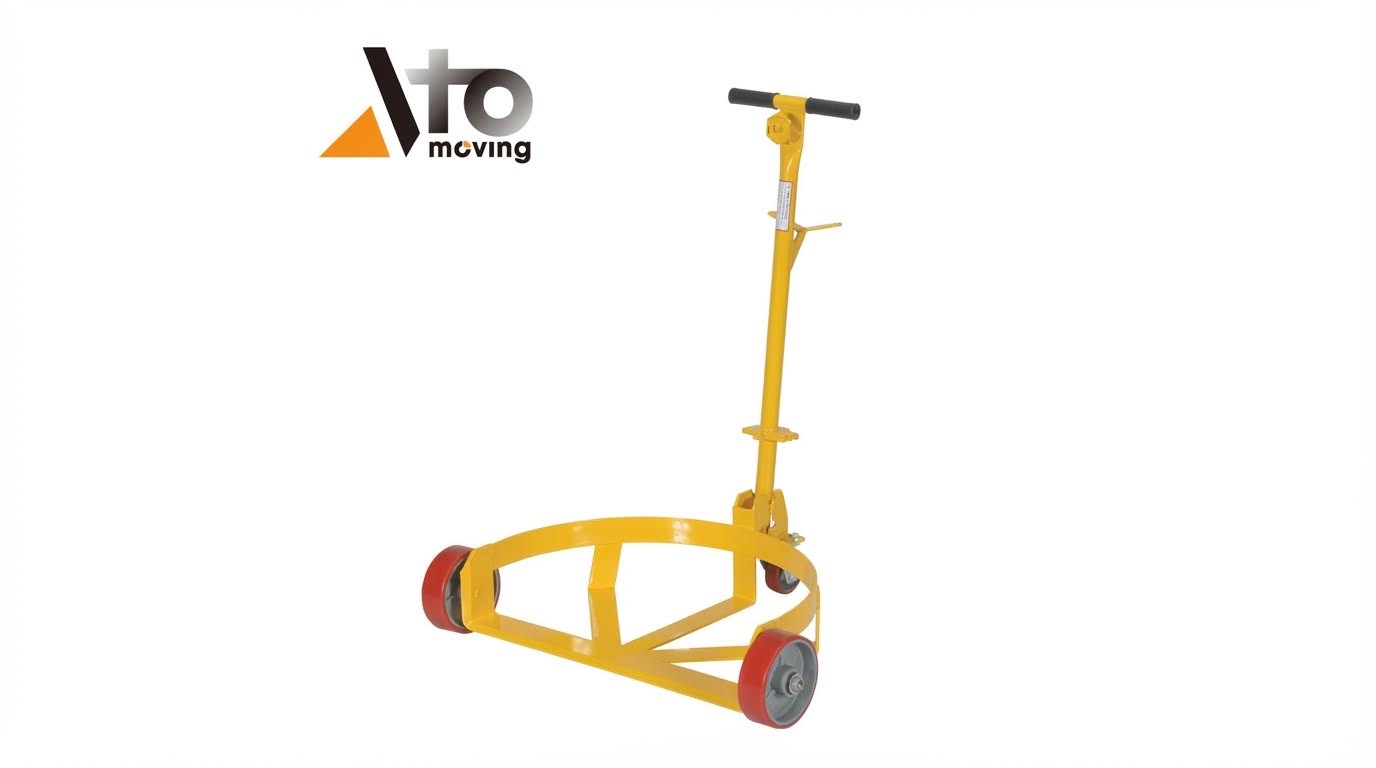
Structured inspection and maintenance regimes kept drum dollies safe and reliable in industrial environments. Engineering teams linked defect rates and incident frequency directly to the quality of pre-use checks and scheduled maintenance. This section outlined a tiered approach from daily functional checks to annual overhauls, including cleaning and lubrication practices and the role of digital tools in predictive maintenance. The goal was to reduce unplanned downtime, prevent structural failures, and keep handling risks within acceptable limits.
Daily Mechanical Checks And Functional Tests
Operators performed daily inspections before each shift to detect immediate hazards. They checked wheels and casters for debris, flat spots, excessive wear, and free rotation under load. They inspected the frame, handles, and cradles for visible cracks, bends, or loose fasteners that could compromise structural integrity. Straps, clamps, or adjustable cradles had to latch securely and hold the drum without slip. Operators verified that brakes, locks, or safety stops engaged and released correctly during a short functional test in a clear area. Any abnormal noise, vibration, or tracking deviation during this test indicated the need to remove the dolly from service and report it for maintenance.
Weekly To Annual Preventive Maintenance
Weekly maintenance extended beyond visual checks to include closer examination of load paths and joints. Technicians inspected welds and bolted joints for signs of fatigue, corrosion, or elongation of holes. They verified handle integrity, alignment, and correct function of controls, including any mechanical or foot-operated braking systems. Monthly tasks included tightening all accessible bolts and nuts to specified torque and confirming that the dolly still carried its rated load without deformation. Hydraulic components, where present, were checked for leaks and fluid levels. Annual maintenance typically involved a professional inspection, non-destructive checks where warranted, and replacement of worn wheels, bearings, straps, and damaged structural parts. Updating or validating safety features, such as locking mechanisms or guards, ensured continued compliance with current safety standards.
Cleaning, Lubrication, And Corrosion Control
Regular cleaning reduced rolling resistance and improved control during drum transport. Maintenance staff removed dirt, pallet splinters, and wrapping fragments from wheels, casters, and axles, paying attention to tread grooves. Where design allowed, they partially disassembled wheel assemblies to clean hard-to-reach areas. They used mild detergents and water, avoiding aggressive chemicals that could attack coatings, seals, or polymer wheels. After cleaning, they dried metal parts thoroughly to limit corrosion. Lubrication focused on wheel bearings, pivot points, hinges, and brake linkages, using lubricants compatible with the operating environment, especially around hazardous or food-grade products. Periodic inspection of paint, plating, or other protective coatings allowed early treatment of chips and rust spots, which helped preserve structural integrity over the dolly’s service life.
Using Digital Tools For Predictive Maintenance
Digital tools increasingly supported predictive maintenance for drum dollies in larger fleets. Maintenance teams used computerized maintenance management systems to schedule daily, weekly, monthly, and annual tasks and to log defects, repairs, and replaced components. Trend analysis of wheel replacements, bearing failures, or frame damage helped identify high-risk operating areas or misuse patterns. Some facilities tagged dollies with barcodes or RFID, linking each unit to its full inspection and load history for traceability. Integrating inspection checklists into mobile applications reduced paperwork and ensured that operators completed mandatory safety checks before use. Over time, these data-driven approaches allowed engineers to optimize inspection intervals, justify design upgrades, and reduce lifecycle costs while maintaining or improving safety performance.
Safe Operating Procedures For Drum Dollies
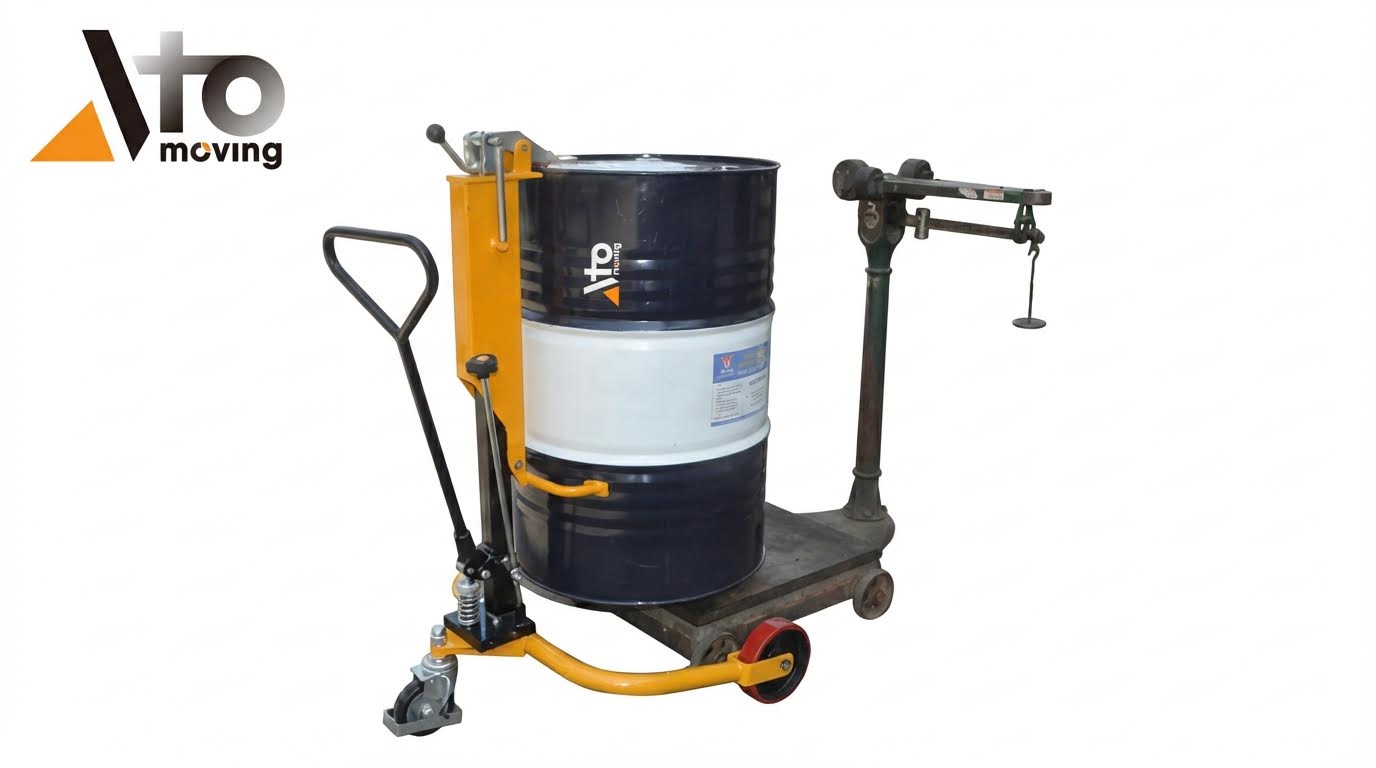
Safe drum dolly operation depended on disciplined procedures, consistent training, and engineered controls. Facilities that standardized operating methods reduced musculoskeletal injuries, crush incidents, and product loss. The following procedures described how operators positioned loads, applied correct push–pull techniques, managed floor and traffic conditions, and responded to hazardous contents and emergencies.
Positioning, Securing, And Centering Drums
Operators always verified the dolly’s rated capacity exceeded the drum mass, up to typical limits near 500 kg. They positioned the drum so its vertical axis aligned with the dolly centerline to keep the center of gravity inside the wheelbase. Misaligned drums increased lateral moments and raised tipping risk during turns or over floor defects. Adjustable cradles, clamps, or straps held the drum shell firmly and limited relative motion under acceleration or braking. Operators lowered drums gently into the cradle, checked full seating on the support surface, and confirmed no contact with ground or nearby obstacles before movement.
Push–Pull Techniques And Tipping Prevention
Studies showed that pushing at the top of a drum shifted load to the front casters and amplified tipping on irregular floors. Best practice was to apply force low on the drum or via a dedicated handle that attached below the drum’s center of gravity. Tools that gripped the dolly sidewall allowed users to pull from a low point, keeping weight more evenly distributed across all wheels. Operators avoided sudden starts, stops, and sharp pivots, which produced dynamic load transfer and increased overturning moments. When moving manually, they maintained a stable stance, kept elbows close to the body, and limited exerted force to ergonomic guidelines.
Floor Conditions, Ramps, And Traffic Management
Safe operation required clean, defect-free travel paths with no pallets, cartons, or waste obstructing the route. Facilities removed floor hazards such as holes, cracks, and raised edges that could stop a caster and trigger a tip. On ramps or inclines, operators controlled speed, maintained the drum uphill of their body when practical, and avoided diagonal travel that reduced lateral stability. Designated pedestrian walkways and marked dolly lanes separated foot traffic from material movement zones. Optional visual signals, such as safety lights, improved dolly visibility at intersections and blind spots, especially in congested production areas.
Handling Hazardous Contents And Emergency Stops
Drums containing hazardous substances required clear labeling and communicated handling procedures before movement. Operators used appropriate personal protective equipment and selected routes that minimized exposure risk in case of leaks or spills. They relied on built-in safety stop switches or braking mechanisms instead of trying to stop a loaded dolly with feet or hands. Body parts stayed clear of wheels and drum pinch points during both motion and emergency maneuvers. Facilities integrated spill response plans, including absorbents and containment equipment, near drum routes so incidents could be controlled quickly and in compliance with regulatory requirements.
Summary: Key Safety Controls For Drum Dollies
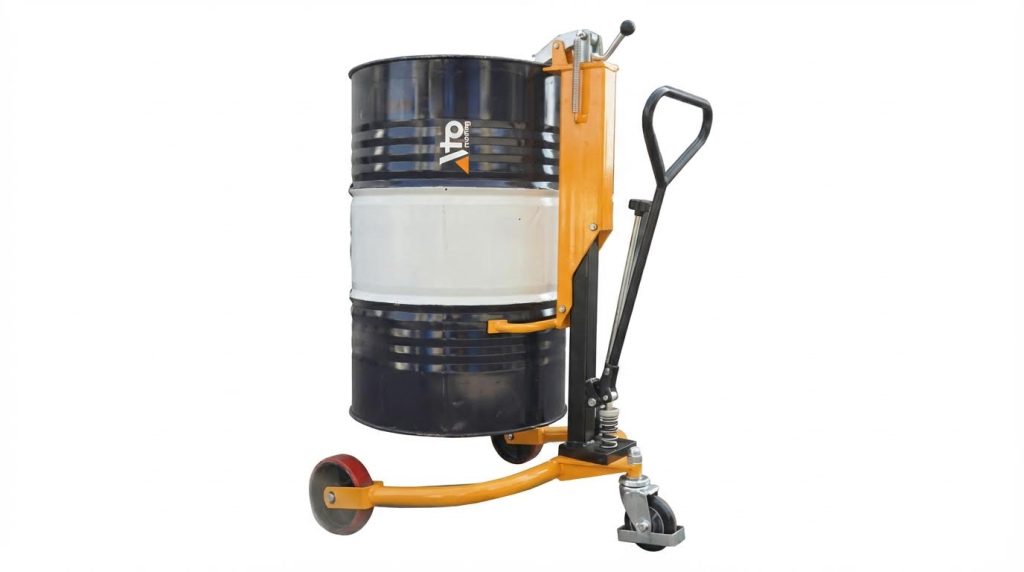
Safe drum dolly operation relied on a combination of engineered features, structured maintenance, and disciplined operator behavior. Technically, the highest-risk factors involved overload, poor drum centering, high center of gravity, and horizontal forces applied too high on the drum shell. Controls that reduced these risks included appropriate load rating selection, secure cradles or straps, low-force push–pull points, and stable four‑caster configurations. When engineers and supervisors integrated these controls into equipment selection and procedures, incident rates and manual handling injuries decreased significantly.
From an industry perspective, organizations that implemented formal inspection regimes achieved longer equipment life and fewer unplanned failures. Daily checks of wheels, casters, and frames, combined with weekly to annual structural and functional inspections, created a layered defense against catastrophic failures. Future trends pointed toward wider use of digital condition monitoring, load sensing, and connected maintenance logs to predict failures before they occurred. These technologies aligned with regulatory expectations for documented risk assessments and verifiable control measures in drum handling operations.
Practical implementation required clear standard operating procedures, operator training, and physical controls in the work area. Marked travel lanes, protected pedestrian walkways, and strict housekeeping around ramps and transitions reduced collision and tipping hazards. For drums containing hazardous materials, labeling, segregation, and emergency stop protocols were essential, along with spill response planning. Overall, the evolution of drum dolly safety moved toward engineered ergonomics, data‑driven maintenance, and integrated traffic management, while still relying on trained operators to apply these controls consistently in daily work. drum handler, drum transporter, and drum cart solutions played a key role in advancing safety and efficiency.