
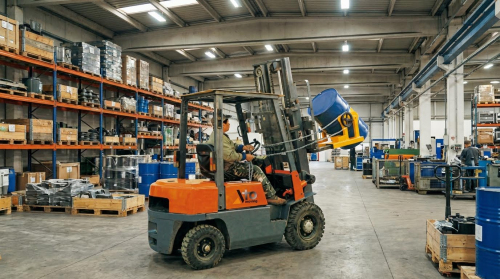
Safe drum handling and movement are critical in industrial operations to prevent accidents, environmental contamination, and equipment damage. This article explores comprehensive engineering best practices covering hazard assessment, mechanical equipment selection, and safe handling procedures. Understanding these principles helps ensure compliance with safety standards and enhances operational efficiency.
We will examine how to assess drum hazards, select appropriate mechanical transport equipment, implement safe manual and automated handling techniques, and conclude with key safety practices and engineering considerations for industrial environments.
Assessing Drum Hazards and Preparing for Movement
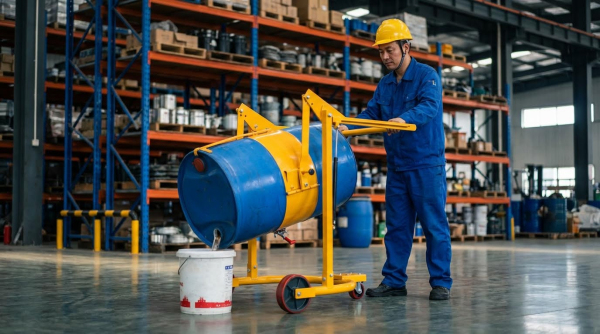
Identifying Contents and Reviewing Safety Data Sheets
Proper identification of drum contents is critical before handling. Reviewing Safety Data Sheets (SDS) provides essential information about chemical properties, hazards, and emergency measures. This step ensures handlers understand potential risks such as toxicity, flammability, and reactivity. Accurate content identification guides the selection of appropriate handling protocols and equipment.
Inspecting Drums for Damage, Leaks, and Proper Sealing
Visual inspection of drums is necessary to detect dents, corrosion, or punctures that could compromise structural integrity. Checking for leaks involves examining seals, closures, and drum surfaces for signs of fluid escape or residue. Proper sealing prevents contamination, spills, and exposure to hazardous materials. Damaged drums must be segregated and managed according to safety regulations to avoid accidents.
Estimating Drum Weight and Selecting Appropriate PPE
Estimating the weight of a drum, including its contents, informs safe handling methods and equipment selection. Weight can vary significantly depending on material density and fill volume. Personnel must wear appropriate personal protective equipment (PPE) such as gloves, safety goggles, and chemical-resistant clothing, tailored to the identified hazards. PPE selection aligns with SDS recommendations and operational risk assessments.
Recognizing Site-Specific Risks and Environmental Conditions
Site-specific factors such as floor conditions, space constraints, and ambient temperature affect drum handling safety. Environmental conditions like wet or oily surfaces increase slip hazards. Awareness of nearby ignition sources is vital when handling flammable materials. Tailoring procedures to the operational environment minimizes risks and ensures compliance with occupational safety standards.
Mechanical Equipment for Safe Drum Transport
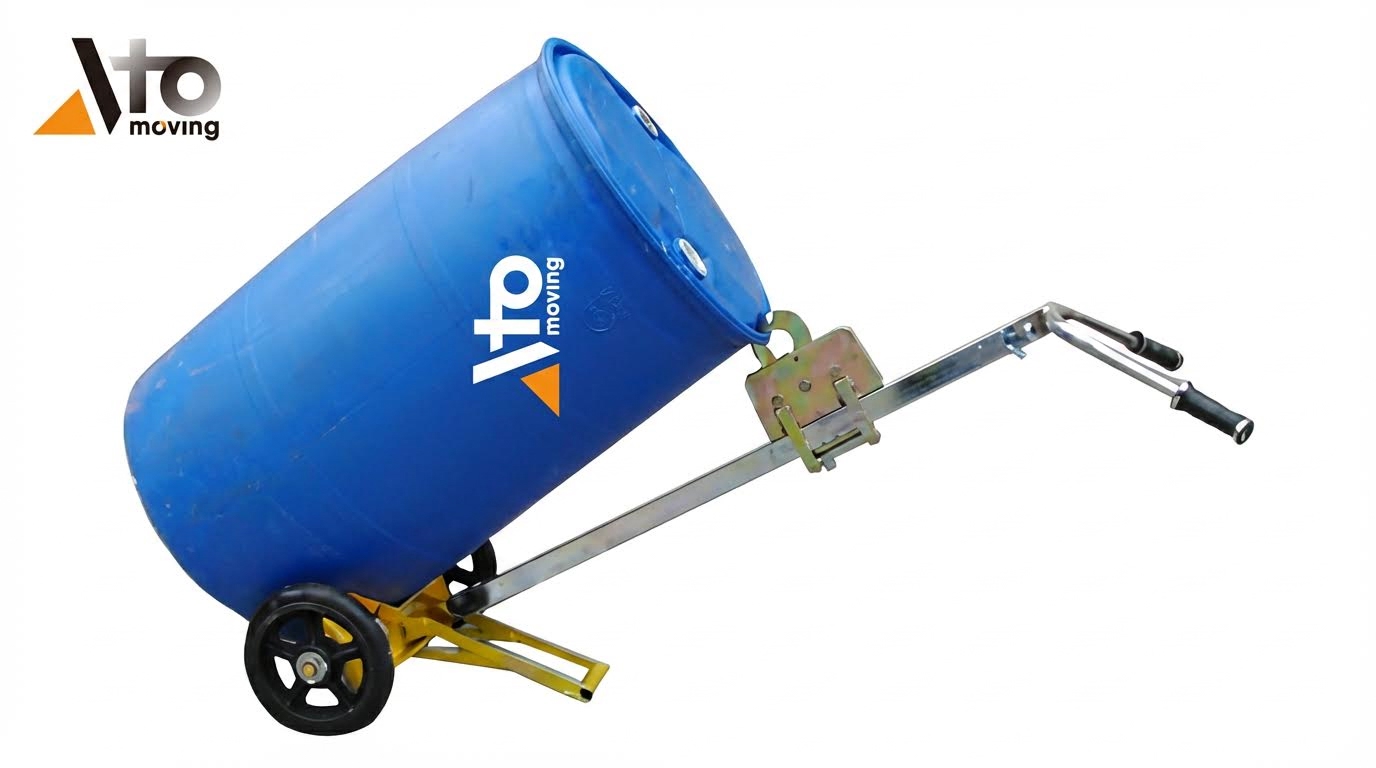
Types of Drum Handling Equipment: Carts, Dollies, and Forklift Attachments
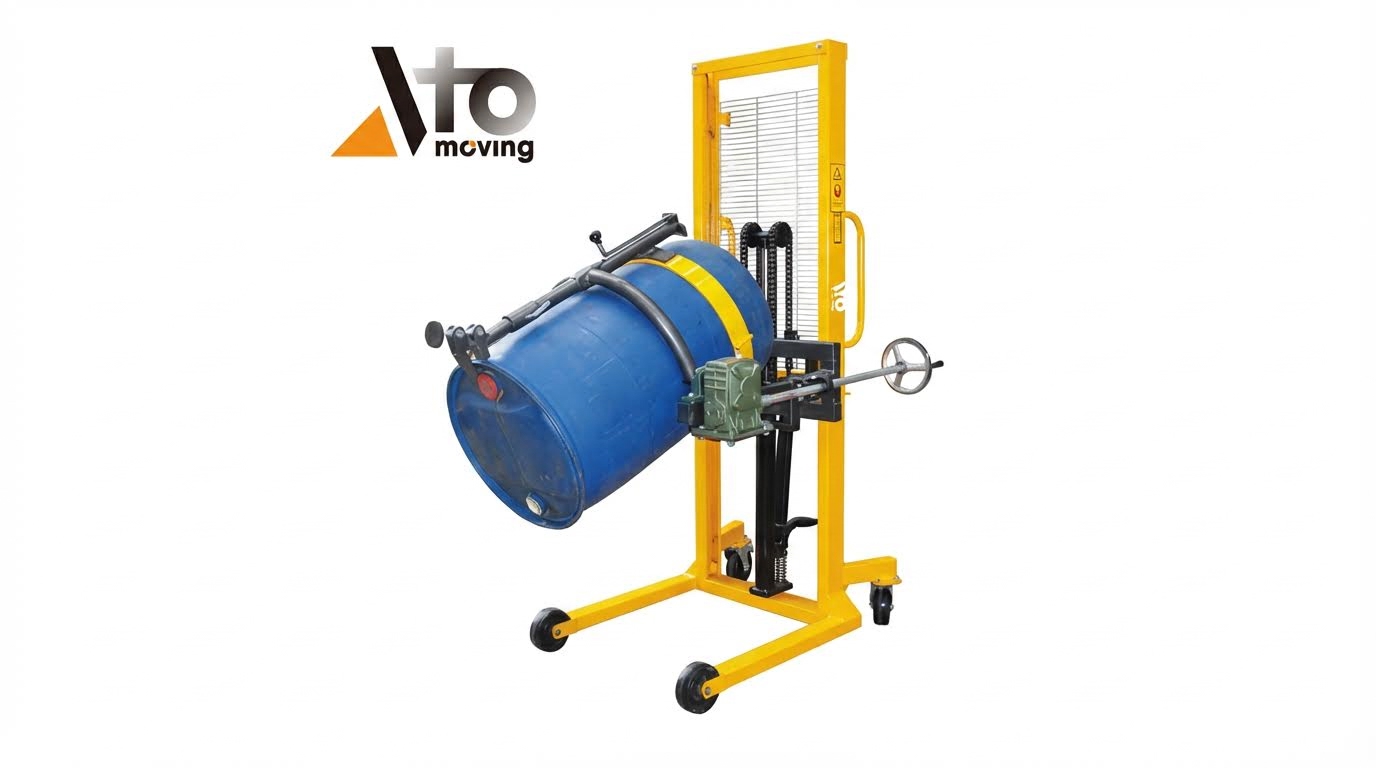
Drum handling equipment includes a variety of devices designed to facilitate safe and efficient movement. Drum carts and dollies offer manual transport options, typically equipped with secure cradles or straps to stabilize drums during movement. Forklift attachments, such as drum clamps and rotators, enable mechanical lifting and precise positioning, reducing manual handling risks. Selecting the appropriate equipment depends on drum size, weight, and operational environment.
Design Features: Load Capacity, Retention Systems, and Wheel Selection
Key design considerations focus on load capacity to match drum weights, often ranging from 200 to 1000 kilograms. Retention systems, including locking clamps and adjustable straps, prevent drum displacement during transport. Wheel selection is critical; pneumatic wheels absorb shocks on uneven surfaces, while polyurethane wheels provide durability on smooth floors. Proper wheel bearings ensure smooth maneuverability and reduce operator fatigue.
Ergonomic Operation and Maintenance of Drum Moving Devices
Ergonomic design minimizes operator strain by incorporating adjustable handles and optimal control placements. Devices should allow for natural body posture during use, reducing musculoskeletal injury risk. Regular maintenance involves inspecting wheels, retention mechanisms, and structural integrity to ensure safe operation. Lubrication of moving parts and timely replacement of worn components maintain equipment reliability and prolong service life.
Specialized Equipment for Hazardous and Flammable Materials
Handling hazardous or flammable drums requires equipment with explosion-proof features and chemical-resistant materials. Specialized drum handlers may include grounding straps to prevent static discharge and sealed containment trays to capture leaks. Compliance with relevant safety standards, such as NFPA and OSHA guidelines, is essential. These devices often integrate remote operation capabilities to minimize operator exposure to dangerous substances.
Safe Procedures for Manual and Automated Drum Handling
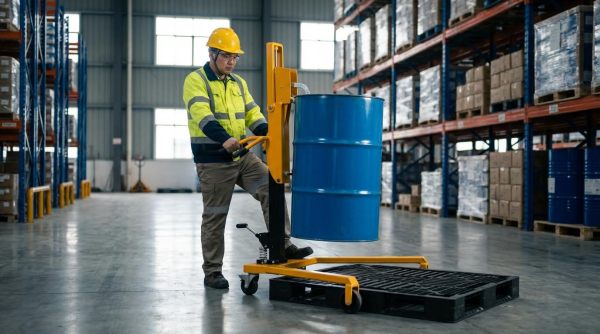
Proper Manual Lifting Techniques to Minimize Injury Risk
Manual lifting of drums requires strict adherence to ergonomic principles to prevent musculoskeletal injuries. Workers should keep the drum close to their body, bend at the knees rather than the waist, and avoid twisting motions during the lift. Using team lifts or mechanical assistance is recommended for drums exceeding 25 kilograms to reduce strain. Training on proper posture and lift techniques is essential to maintain workplace safety and reduce injury rates.
Rolling and Positioning Drums Without Causing Damage or Spills
Rolling drums on their edges is a common manual handling method but must be done carefully to avoid structural damage or leaks. The surface should be smooth and free of obstacles to prevent tipping. Positioning drums requires controlled movements; using drum dollies or carts can enhance stability and reduce the risk of spills. Operators must ensure the drum is upright and secure before transport or storage to maintain containment integrity.
Automated Systems: Drum Hoists, Tilt Palletizers, and Remote Handling
Automated equipment improves safety and efficiency in drum handling by minimizing direct human contact. Drum hoists equipped with secure gripping mechanisms can lift and move drums vertically with precision. Tilt palletizers facilitate safe drum tilting for emptying contents without manual effort. Remote handling systems allow operators to control drum movement from a safe distance, particularly useful for hazardous or flammable materials. Regular maintenance and operator training are critical for reliable automated system performance.
Compliance with Safety Standards and Explosion Prevention Measures
Adherence to regulatory standards such as OSHA and NFPA guidelines is mandatory for safe drum handling. Equipment and procedures must comply with explosion prevention protocols, especially when dealing with flammable substances. Grounding and bonding of drums during transfer prevent static discharge. Safety audits and risk assessments help identify potential hazards and ensure continuous compliance. Proper signage and personal protective equipment further enhance operational safety in industrial environments.
Summary of Key Safety Practices and Engineering Considerations
Effective drum handling requires a comprehensive approach combining hazard assessment, proper equipment selection, and adherence to safety protocols. Identifying drum contents and reviewing Safety Data Sheets (SDS) remain fundamental to prevent chemical exposure and ensure correct handling methods. Regular inspection for damage, leaks, and sealing integrity helps maintain containment and reduces spill risks. Estimating drum weight accurately supports appropriate personal protective equipment (PPE) choice and equipment sizing.
Mechanical aids such as carts, dollies, and forklift attachments must be selected based on load capacity and ergonomic design to minimize operator fatigue and injury. Retention systems and wheel types are critical design features that enhance stability and maneuverability during transport. Maintenance of these devices ensures consistent performance and safety compliance, especially when handling hazardous or flammable materials, which require specialized equipment to mitigate explosion risks.
Manual handling techniques emphasize proper body mechanics to reduce musculoskeletal injuries. Rolling and positioning drums carefully prevents damage to both the container and the work environment. Automated systems, including drum hoists and tilt palletizers, increase efficiency and safety by limiting direct human contact with heavy or hazardous drums. Adhering to regulatory safety standards and explosion prevention measures is essential to maintain a secure industrial setting.
Looking ahead, advancements in ergonomic design and automation will continue to enhance drum handling safety. Integration of sensor technologies and remote operation may further reduce human exposure to hazards. Implementing these best practices requires training, regular equipment evaluation, and a commitment to continuous improvement within industrial operations.