
UN-rated drums are engineered packagings that pass standardized impact, pressure, and stacking tests so they can legally carry hazardous materials under DOT rules. This article explains what UN drums are, how DOT uses them, and when they are mandatory so you can confidently answer “are UN drums ok with DOT for transport” in real-world operations. You will see how to read UN markings, match them to packing groups and specific gravity, and choose the correct drum construction for your chemical, waste, or lab-pack application. The goal is simple: safer shipments, fewer violations, and packaging that performs as expected when something goes wrong.
What UN-Rated Drums Are And How DOT Uses Them

UN-rated drums are packagings tested to UN performance standards so DOT can legally authorize them for hazardous materials transport under 49 CFR. In practical terms, if you ask “are un drums ok with dot for transport,” the answer is yes—when the drum type, test level, and markings match the specific hazmat and mode you are shipping.
DOT in the US adopts these UN standards and then specifies when and how you must use UN drums for different hazard classes, packing groups, and inner pressures. Understanding how the tests, markings, and construction codes work is the foundation of compliant packaging decisions.
UN performance standards and drum testing
UN performance standards define a series of abuse tests that drums must pass before DOT accepts them for hazmat transport. These tests prove that correctly closed packagings can survive real-world drops, stacking, vibration, and internal pressure without leaking dangerous goods.
| Test Type | Typical Requirement / Level | What It Simulates | Operational Impact |
|---|---|---|---|
| Drop test | 1.8 m (PG I), 1.2 m (PG II), 0.8 m (PG III) drop performance | Forklift mishandling, falls from truck tailgates or pallets | Choose X, Y, or Z marking to match your packing group and handling risk. |
| Hydrostatic pressure test | Up to 300 kPa for liquid drums, held 5 minutes without leak or deformation pressure rating | Vapor pressure from warm liquids, gas evolution, or altitude changes | Verify the kPa on the marking meets or exceeds your liquid’s internal pressure. |
| Leakproofness test | Applied to closed-head / liquid drums liquid suitability | Seepage through bung threads, gaskets, seams | Critical for flammables and toxics where even slow weeping is unacceptable. |
| Stacking test | Vertical static load for 24 h without structural failure stacking test | Warehouse racking and multi-layer pallet stacks | Ensures safe stacking height and pallet patterns in storage and transit. |
| Vibration test | Flat plate must slide freely under drum during test vibration resistance | Truck, rail, or sea vibration loosening closures | Reduces risk of closures backing off on long hauls. |
DOT relies on these UN tests rather than prescribing wall thickness alone, because real failures come from impact, pressure, and fatigue. If your material, fill level, and closure torque match the tested configuration, DOT treats the drum as acceptable for that hazmat.
💡 Field Engineer’s Note: In hot climates or heated warehouses, internal liquid pressure can rise far above lab conditions, so always leave headspace and select a pressure rating with margin—especially for high-vapor-pressure solvents and reactive mixtures.
How UN tests relate to real accidents
Most serious drum failures in the field trace back to events the UN tests model: a drum dropped off a forklift tine, stacked four-high on an uneven pallet, or baked in a container at 40°C. Matching the UN test level to your worst-case scenario is the practical way to keep “are un drums ok with dot for transport” from turning into a post-incident investigation.
Reading and decoding UN drum marking codes
UN drum markings compress the key performance data DOT cares about into one code so shippers can quickly verify suitability. If you can read the code, you can answer whether that specific drum is legal for your material, packing group, and fill density.
A typical liquid drum code might look like: 1A1/X1.8/300/22/USA/M4567 marking example. Each segment has a defined meaning.
| Code Segment | Meaning | Typical Values | Operational Impact |
|---|---|---|---|
| UN | UN packaging symbol (often embossed) | UN | Confirms the drum was tested to UN performance standards. |
| 1A1 | Packaging type and material | 1A1, 1A2, 1H1, 1H2, 1G, 1N2, etc. | Tells you drum vs jerrican, steel vs plastic vs fiber, open vs closed head. |
| X / Y / Z | Packing group rating | X (PG I–III), Y (PG II–III), Z (PG III) | Must be ≥ the packing group of your hazmat. |
| 1.8 or 400 | For liquids: max specific gravity; for solids: max gross mass (kg) | 1.2–2.0 SG, or 200–400 kg | Ensures drum was tested for your product density or weight. |
| 300 | Hydrostatic test pressure (kPa) for liquids | 100–300 kPa | Must meet or exceed the internal pressure your liquid may generate. |
| 22 | Year of manufacture | Two-digit year | Important for service life limits and reuse decisions. |
| USA | Country authorizing the mark | USA, CAN, etc. | Shows which competent authority oversaw testing. |
| M4567 | Manufacturer / certifier code | Letters and digits | Lets you trace test reports and quality records. |
- Packing group check: Ensure the X/Y/Z letter is equal to or higher than your material’s packing group – this is the fastest “is this drum ok?” filter.
- Density or mass check: Compare your liquid’s specific gravity or total filled weight to the marked value – prevents bulging, seam failure, and overloading pallets.
- Pressure check (liquids): Confirm the kPa rating covers worst-case temperature and vapor pressure – avoids weeping bungs and popped gaskets in transit.
Quick field method to vet a drum
In the yard, ask three questions: 1) Does the X/Y/Z match my packing group? 2) Is my SG or net kg below the marking? 3) Is the drum type (1A1 vs 1H2, etc.) compatible with my chemical and state (liquid vs solid)? If all three are yes, your starting point with DOT is strong, assuming closures and documentation are correct.
Drum construction types and material codes

UN drum type codes (1A1, 1H2, 1G, etc.) tell DOT and shippers exactly how the drum is built and which hazards it can safely contain. Different constructions have different capacity limits, closure styles, and typical use cases.
| UN Code | Construction / Head Type | Key Regulatory Limits | Best For / Operational Impact |
|---|---|---|---|
| 1N1 / 1N2 | Other metal drums, non-removable (1N1) or removable head (1N2) metal drum spec | Max 450 L, max net mass 400 kg; rolling hoops required >60 L; openings ≤70 mm on 1N1 | Non-steel metals where corrosion or product purity requires specialty alloys. |
| 1D | Plywood drum, removable head plywood spec | Max 250 L, max net mass 400 kg | Dry or low-risk solids where weight and cost matter more than durability. |
| 1G | Fiber drum, removable head fiber drum spec | Max 450 L, max net mass 400 kg; water-resistant construction required | Powders, granules, and low-hazard solids kept indoors or under cover. |
| 1H1 / 1H2 | Plastic (HDPE) drum, non-removable (1H1) or removable head (1H2) plastic drum spec | Max 450 L, max net mass 400 kg; openings ≤70 mm on 1H1; UV-resistant material | Acids, detergents, many aqueous chemicals where corrosion resistance is critical. |
| 3H1 / 3H2 | Plastic jerricans, non-removable (3H1) or removable head (3H2) jerrican spec | Typically ≤60 L; same pressure and closure integrity rules as drums | Smaller volumes where manual handling and pouring control are important. |
- Metal (1A, 1N): High mechanical strength and temperature resistance – ideal for flammable liquids and rough handling.
- Plastic (1H, 3H): Excellent chemical resistance and lighter weight – reduces corrosion and handling strain.
- Fiber / plywood (1G, 1D): Economical for dry, lower-risk solids – not suitable for most liquids or outdoor exposure.
💡 Field Engineer’s Note: When in doubt between materials, check not just chemical compatibility charts but also your handling environment—fiber drums that look fine on paper often fail early on wet docks or in open yards where rain and forklift abrasion quickly destroy the outer plies.
Closed head vs open head within each material
Closed head (non-removable) designs like 1H1 or 1A1 are generally for liquids and must pass leakproofness and pressure tests. Open head designs like 1H2, 1A2, 1G, and 1D favor solids, sludges, and materials that need scooping or shoveling. Choosing the wrong head style is one of the fastest ways to turn “are un drums ok with dot for transport” into a violation, even if the UN mark itself is valid.
DOT Rules For Using UN Drums In Hazmat Transport

UN drums are acceptable with DOT for transport only when their UN rating, material, and condition match the specific hazardous material, packing group, and use limits set in 49 CFR. This section explains how to stay compliant so you can confidently answer “are UN drums ok with DOT for transport” for your own operation.
💡 Field Engineer’s Note: Most drum violations I have seen were not about the drum itself, but about a mismatch between the UN code, packing group, and the actual chemical in the drum. Always verify the marking against the shipping paper before loading.
When UN drums are required under 49 CFR
UN-specification drums are required whenever 49 CFR designates “UN performance packaging” for a listed hazardous material, especially for liquids, higher hazard Packing Groups, and most hazardous waste shipments.
- UN performance packaging: Many hazardous materials in 49 CFR Part 173 must use UN-tested packagings that passed drop, pressure, and stacking tests – this proves the drum can survive real transport abuse. Drum UN testing overview
- Regulated liquids and higher hazards: Closed head drums for flammable or reactive liquids must be UN-rated and pressure-tested – this mitigates leaks and vapor releases during highway or rail vibration. Closed head drum usage
- Hazardous waste and lab packs: Outer drums for lab packs (e.g., UN 1A2, 1B2, 1N2, 1H2) must be UN-rated to at least Packing Group III – this keeps mixed small containers contained if one fails. Lab pack requirements
- Overpacks and salvage: Overpacks do not replace the inner drum’s UN rating, while salvage drums must meet stricter UN performance – this ensures damaged or leaking drums still withstand handling. Overpack usage
How DOT “UN performance” links to real tests
UN-rated drums undergo drop tests up to 1.8 m for Packing Group I, 1.2 m for Group II, and 0.8 m for Group III, plus pressure and stacking tests, so DOT can rely on proven performance instead of case-by-case approvals. UN drum test requirements
Matching packing group, pressure, and SG ratings
To be DOT-compliant, the drum’s UN code must match or exceed the hazard’s Packing Group, specific gravity (SG) or gross mass, and any hydrostatic pressure requirement printed in the marking.
| UN Marking Element | What It Controls | Typical Range / Example | Operational Impact |
|---|---|---|---|
| Packing group letter (X, Y, Z) | Maximum hazard level allowed | X = PG I–III; Y = PG II–III; Z = PG III only Code example | Choose “X” if any material in that drum is PG I; “Z” is only for low-risk PG III. |
| Density / specific gravity rating | Maximum liquid density the drum was tested for | Example: “1.8” SG for liquids Code example | Do not put liquids heavier than this rating; otherwise impacts and stacking can rupture the drum. |
| Maximum gross mass | Total weight (drum + contents) allowed | Many drum types limited to 400 kg net mass and 450 L capacity Drum capacity limits | Weigh filled drums; exceeding gross mass can collapse lower drums in a 2–3 high stack. |
| Hydrostatic test pressure (kPa) | Internal pressure the drum safely holds | Example: “300” kPa for certain liquid-rated drums Hydro test details | Required for liquids that build vapor pressure in warm trailers or containers. |
| Design type (1A1, 1H2, 1G, etc.) | Material and head type | Steel, plastic, fiber, plywood, non-steel metal, closed or open head Drum type codes | Must be compatible with the chemical and physical form (liquid vs solid) to avoid failures. |
- Packing group match: A drum marked “Y” cannot carry a PG I material, but an “X” drum can carry PG I, II, or III – this enforces a safety margin for higher hazard contents.
- Specific gravity / mass: For liquids, compare the drum’s SG rating to the product’s density; for solids, verify maximum gross mass – this prevents buckling or seam failure under impact and stacking loads.
- Pressure rating: For volatile liquids, the kPa number on the drum must meet or exceed the required test pressure – this controls vapor-driven leaks in hot weather or altitude changes. Hydrostatic test
Example: Checking if a UN drum is OK with DOT for your load
If your liquid is Packing Group II with density 1.3 and needs 250 kPa test pressure, a drum marked “1H1/Y1.8/300/…” is acceptable because Y covers PG II, 1.8 SG exceeds 1.3, and 300 kPa exceeds 250 kPa, aligning with DOT’s performance-based requirements. UN code example
Closure, reuse, and retest requirements
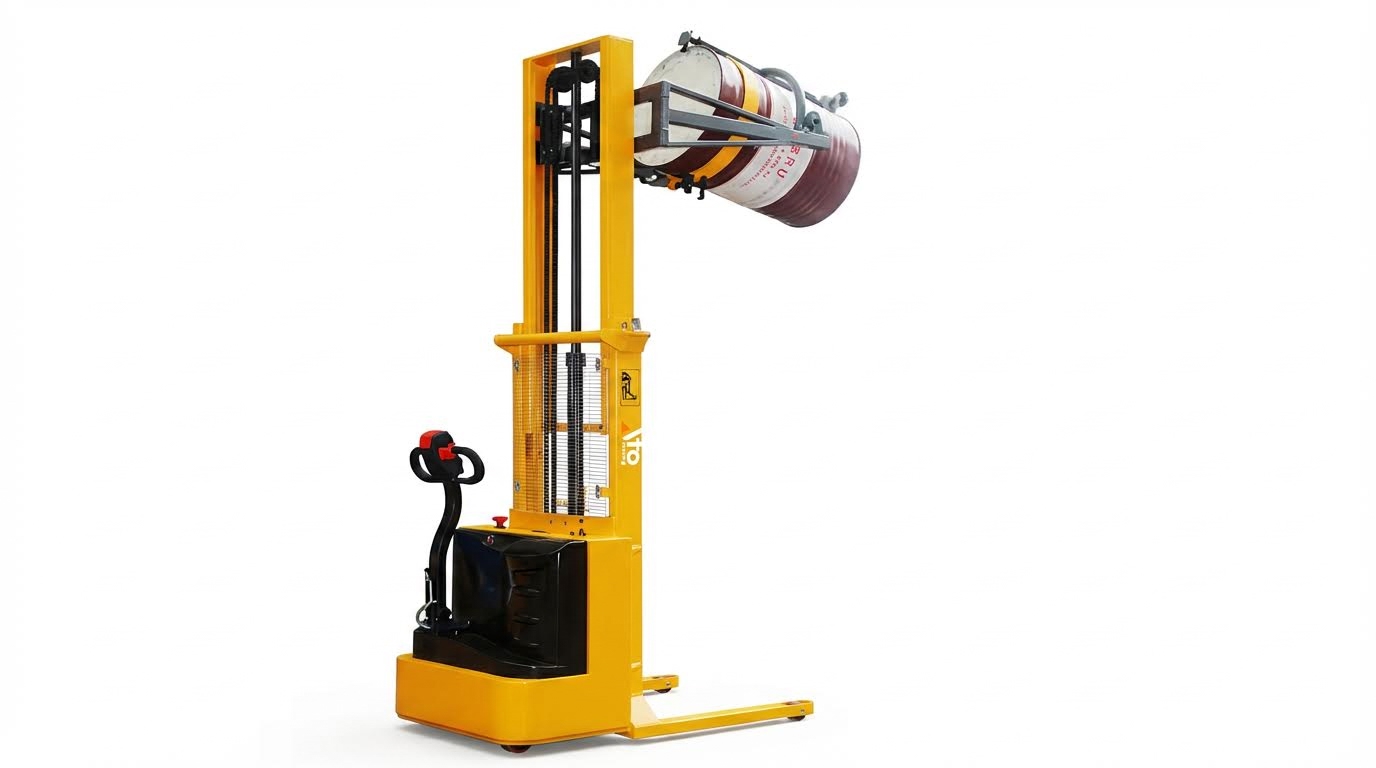
DOT requires UN drums to be closed exactly as tested, reused only under specific conditions, and periodically retested by the design owner to keep the UN mark valid.
- Closure to manufacturer’s instructions: Rings, bolts, gaskets, and bungs must be installed to the tested torque and configuration – this keeps the UN rating valid for drop and leak tests.
- Leakproofness for liquids: Closed head drums for liquids must pass leakproofness testing, and closures must remain secure and leakproof in normal transport – this prevents weeping or slow seepage during long hauls. Closure and leakproofness rules
- Reuse for waste by highway: DOT allows previously used packagings to be reused for hazardous waste by highway only if inspected for leaks, loaded by the shipper, unloaded by the consignee, and used once under these conditions – this limits fatigue and hidden damage risk. Reuse provisions
- Empty drums still regulated: Under EPA’s empty container rule, “empty” drums can still contain up to 3% residue by weight for ≤ 416 L, so they must be handled as potentially hazardous – this avoids fire and exposure incidents during backhauls. Empty drum rule
- Periodic retesting of designs: Steel and other UN drums undergo routine qualification tests (drop, leak, hydrostatic, stacking) typically on an annual cycle – this proves the design still meets its original UN performance rating. Steel drum testing
- Common failure points: DOT enforcement often finds improper closures, overweight drums, wrong UN code for the chemical, and reuse without inspection – these are preventable with a simple loading checklist. Compliance failures
Quick checklist before shipping a UN drum under DOT
- Step 1: Verify the UN code matches packing group and state (liquid/solid) – prevents using a PG III-only drum for a PG I or II chemical.
- Step 2: Confirm density / gross mass and kPa ratings are adequate – avoids failures under impact, stacking, and vapor pressure.
- Step 3: Follow closure instructions exactly (gaskets, torque, ring position) – maintains leakproofness and the tested UN performance.
- Step 4: Inspect any reused drum for corrosion, dents, and seam damage – prevents hidden weaknesses from causing leaks in transit.
- Step 5: Ensure markings and labels are legible and unobstructed – allows inspectors and emergency responders to identify contents quickly.
Choosing The Right UN Drum For Your Application
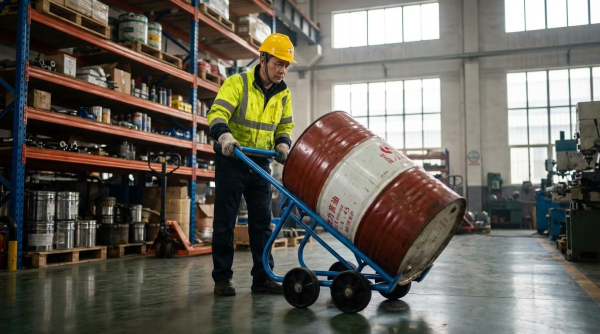
Choosing the right UN drum means matching head type, material, and UN code to the chemical, its state (liquid or solid), and the DOT packing group so the package actually performs as tested in transport.
If you are asking “are UN drums ok with DOT for transport,” the answer is yes—provided the drum’s UN mark, material, and head style match the 49 CFR requirements for your specific hazardous material and packing group.
Closed head vs open head for liquids and solids
Closed head (tight head) drums are the default for liquids, while open head drums are usually the safer, more controllable choice for solids, powders, and viscous materials.
- Closed head drum (non-removable head): Designed for liquids – Minimizes leak paths and supports pressure testing.
- Open head drum (removable lid with ring): Designed for solids and semi-solids – Allows easy loading and cleaning.
- UN liquid drums: Must pass leakproofness and hydrostatic pressure tests – Prevents seepage during road and rail vibration.
- UN solid drums: Focus on drop and stack strength – Protects contents in rough handling and warehouse stacking.
| Drum Type | Typical UN Codes | Best For | Key Tests Performed | Operational Impact |
|---|---|---|---|---|
| Closed head steel | 1A1 | Low–high viscosity liquids, flammable or reactive | Drop, leakproofness, hydrostatic pressure, stacking UN drum testing | Better for pumped filling and sealed liquid transport up to marked kPa rating. |
| Open head steel | 1A2 | Solids, powders, sludges, some viscous liquids | Drop, stacking; pressure only if liquid-rated Drum selection | Fast loading/unloading of bags, chunks, and waste solids. |
| Closed head plastic | 1H1 | Corrosive liquids, detergents, many aqueous chemicals | Drop, leakproofness, hydrostatic pressure, stacking Plastic drum requirements | Good chemical resistance; lighter handling than steel. |
| Open head plastic | 1H2 | Solids, lab packs, some regulated liquids | Drop, stacking; PG III lab pack testing when used as outer Lab pack rule | Common outer drum for small hazardous waste containers. |
How to decide quickly: closed vs open head
If it pours like a liquid and you will pump or gravity-drain it, default to a closed head liquid-rated UN drum. If you shovel, tip, or bag the material, default to an open head solid-rated UN drum with a locking ring.
💡 Field Engineer’s Note: For viscous products (inks, greases, sludges), an open head drum often beats a closed head—even if the product “flows.” You avoid trapped heel, speed up clean-out, and reduce back injuries from tilting heavy drums to get the last 20–30 kg out.
Selecting drum materials and UN codes by chemical type
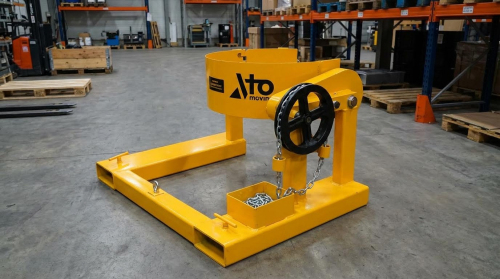
Drum material and UN code must match the chemical’s corrosion profile, physical state, and packing group so the drum actually survives the UN drop, pressure, and stacking stresses in real-world transport.
| Material / Drum Type | Typical UN Code | Max Capacity / Net Mass | Best For | Operational Impact |
|---|---|---|---|---|
| Non-steel metal, closed head | 1N1 | Up to 450 L, 400 kg 1N1 limits | Liquids where special metals improve compatibility | Welded seams and reinforced chimes improve impact resistance. |
| Non-steel metal, open head | 1N2 | Up to 450 L, 400 kg 1N2 limits | Solids needing corrosion-resistant metal | Rolling hoops required above 60 L to aid handling. |
| Plywood drum | 1D | Up to 250 L, 400 kg 1D limits | Dry solids with moderate hazard | Lighter than metal; lids lined to prevent sifting of powders. |
| Fiber drum | 1G | Up to 450 L, 400 kg 1G limits | Dry, low-risk solids | Water-resistant construction helps avoid delamination in damp warehouses. |
| Plastic drum, closed head | 1H1 | Up to 450 L, 400 kg 1H1 limits | Corrosive and aqueous liquids | UV-resistant plastics and proper wall thickness reduce cracking in outdoor storage. |
| Plastic drum, open head | 1H2 | Up to 450 L, 400 kg 1H2 limits | Solids, lab packs, some liquids | Gasketed lids help keep dust and granules contained. |
- Corrosive acids and detergents: 1H1 or 1H2 HDPE drums – Resist chemical attack better than carbon steel.
- Flammable or reactive organics: 1A1 or 1A2 steel drums – Handle higher temperatures and mechanical abuse.
- Dry, non-reactive powders: 1G fiber or 1D plywood – Lower cost and weight where allowed by the UN code.
- High-hazard liquids (Packing Group I): X-rated drums with full liquid testing – Meet 1.8 m drop and high kPa pressure levels UN rating tests.
How to read code vs chemical quickly
Match the first three characters (e.g., 1H1, 1A2, 1G) to the material and head type, then check the X/Y/Z and specific gravity or mass line to confirm the drum is tested for your packing group and density.
💡 Field Engineer’s Note: Do not push fiber or plywood drums to the top of their 400 kg net mass limit just because the code allows it. In real fleets, minor moisture, rough forklift handling, and side impacts quickly expose the weakness of marginal fiber construction at high weights.
Overpacks, salvage drums, and lab pack scenarios

Overpacks, salvage drums, and lab packs serve different roles: overpacks protect intact UN packages, salvage drums contain damaged or leaking ones, and lab packs legally bundle many small inner containers under special 49 CFR rules.
- Overpack: Outer container around intact UN-rated packages – Adds protection and makes handling easier but does not replace inner UN ratings.
- Salvage drum: Special UN-tested drum for damaged/leaking packages – Provides a higher containment margin for emergencies.
- Lab pack: System of small inner containers inside a tested outer drum – Allows compliant shipment of mixed small hazardous waste containers.
Overpack containers consolidate multiple UN-rated packages and must either show the inner markings through the wall or repeat them on the outside so operators and inspectors can still see the hazard and UN numbers Overpack usage. They are not appropriate for damaged or leaking containers, which require salvage drums that meet stricter performance standards Salvage drum requirement.
| Scenario | Allowed Outer Drum Types | Key Limits | Operational Impact |
|---|---|---|---|
| Lab pack – small hazardous waste containers | UN 1A2, 1B2, 1N2 metal or UN 1H2 plastic, tested to PG III Lab pack outer drums | Gross mass ≤205 kg per package 205 kg limit | Good for clearing labs and maintenance shops with many small containers. |
| Overpack – intact drums or jerricans | Large plastic or steel overpack container | Inner packages must remain compliant; markings visible or duplicated Overpack markings | Simplifies forklift handling and protects from puncture or weather. |
| Damaged or leaking drum | UN salvage drum (higher performance) | Used when integrity of original packaging is compromised Salvage drum requirement | Controls spills and keeps load legal for emergency recovery transport. |
Are UN drums ok with DOT for transport in these cases?
Yes, UN drums are acceptable to DOT for transport when they carry appropriate UN performance marks for the material and packing group, and when you use them correctly as inner containers, lab pack outers, overpacks, or salvage drums under the specific 49 CFR sections that apply.
💡 Field Engineer’s Note: When building lab packs, the 205 kg cap is easy to exceed with dense liquids and glass. Weigh the drum as you build the pack, not at the end, or you will be re-packing a full 200 L drum on the dock.

Final Thoughts On UN Drum And DOT Compliance
UN-rated drums give you a proven safety margin only when you match what is in the drum to what is on the mark. The geometry, material, and head type must fit the liquid or solid, while the X/Y/Z rating, specific gravity or mass, and kPa value must cover your worst credible conditions. When you respect these limits, the UN tests for drop, stacking, vibration, and pressure translate directly into fewer leaks and fewer roadside incidents.
DOT rules then tie everything together. They decide when UN drums are mandatory, how you must close them, when you may reuse them, and how to handle overpacks, salvage, and lab packs. If you treat markings, closure instructions, and weight checks as a strict checklist, you turn compliance into a repeatable process, not a guessing game.
The practical best practice is simple. Standardize approved drum types by hazard class and packing group. Train loaders to read UN codes and follow closure torque values. Inspect reused drums and keep design retest records. Done together, these steps keep your operation legal, protect workers and responders, and ensure every UN drum you ship is truly “ok with DOT for transport.”
Frequently Asked Questions
Are drums considered bulk hazmat?
No, drums are not automatically considered bulk hazmat. According to regulations, bulk packaging refers to containers with a capacity greater than 119 gallons (450 liters) for liquids or over 882 pounds (400 kg) for solids. Drums typically fall below these thresholds. Bulk Packaging Guidelines.
What are UN-approved drums?
UN-approved drums are containers that meet the United Nations standards for safely transporting hazardous materials. These drums undergo rigorous testing to ensure they can handle specific types of dangerous goods. The certification is enforced by the US Department of Transportation (DOT). UN Rating Codes Guide.
What category do drums fall under?
Drums used in material handling and transport typically fall under the category of non-bulk packaging. They are designed to store and move smaller quantities of materials compared to bulk containers. Non-bulk packaging is ideal for managing goods in warehouses and during transport. Packaging Categories Explained.