
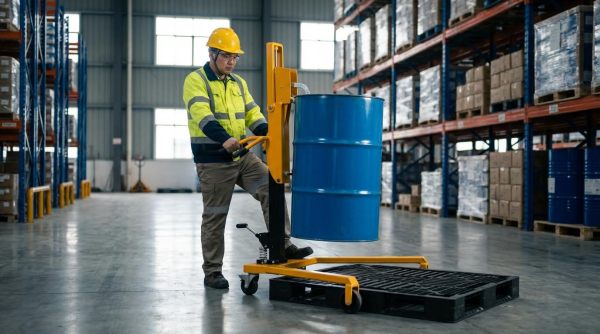
Industrial drum handling exposed workers to high injury risks and hazardous material releases. This article examined the risk profile and failure modes in drum handling, including typical injury mechanisms, content-related hazards, and environmental contributors. It then detailed engineering controls and purpose-built equipment, from manual aids to forklift and crane attachments, and defined ergonomic and PPE requirements. Finally, it consolidated best practices for handling, storage, transport, blocking, bracing, and spill response to guide safer drum system design and operation.
Risk Profile And Failure Modes In Drum Handling
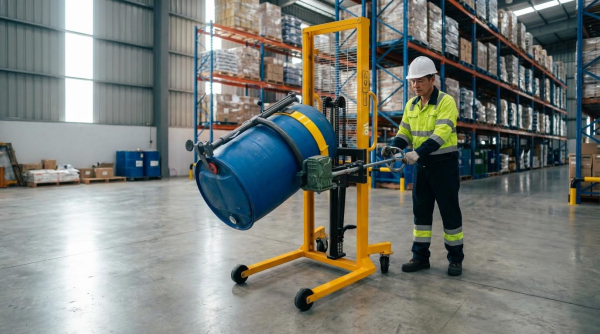
Drum handling exposed operators to high mechanical loads, awkward postures, and unpredictable drum behavior. Typical injuries included back sprains, crushed toes and fingers, and chemical exposure when containment failed. Risk increased sharply when workers rolled or tilted drums manually instead of using engineered handling equipment. Understanding the dominant injury mechanisms and failure modes allowed engineers to specify appropriate controls, layouts, and equipment.
Typical Injury Mechanisms And Root Causes
Typical injuries arose from over-exertion, pinch points, impact, and loss of control of the drum. Workers strained backs and shoulders when they lifted or upended drums weighing 180–270 kg without mechanical assistance. Crushed fingers and smashed toes occurred when drums slipped off chimes, dropped from trucks, or shifted during rolling and tilting. Root causes included underestimating drum mass, poor technique, and attempting to arrest a falling drum instead of letting it drop.
Uncontrolled rolling on sloping or uneven floors created run-away drums that struck workers or structures. Handling empty or half-filled drums also posed risk because contents sloshed, changing the center of gravity and destabilizing the drum. Inadequate training on hand placement at the chime led to hands entering crush zones during lowering or upending. Lack of fit-for-purpose devices, such as drum trucks, cradles, or below-hook lifters, forced operators to improvise and increased incident frequency.
Hazards From Contents: Chemical, Thermal, Pressure
Drum contents significantly changed the risk profile beyond pure mechanical hazards. Drums often contained corrosive, toxic, or flammable liquids, so label checks and SDS review were critical before any movement. Failure modes included leakage through damaged seams or missing bungs, and catastrophic spills when compromised drums were lifted or dropped. These events exposed workers to skin burns, inhalation hazards, and ignition risks in the presence of sparks or hot surfaces.
Pressurized or off-gassing drums introduced additional failure modes. Temperature changes during storage or transport could increase internal pressure, stressing closures and gaskets. Opening such drums without controlled venting risked sudden release of vapour or liquid jets at the operator. Heated contents or drums stored near process heat created burn hazards during contact and handling. Engineering controls therefore included pressure-rated closures, segregation of incompatible materials, and temperature-controlled storage zones.
Environmental Factors: Floors, Space, And Visibility
The handling environment strongly influenced both likelihood and severity of incidents. Slippery floors from spills, condensation, or smooth coatings reduced friction at the drum–floor and shoe–floor interfaces, increasing loss-of-control events. Uneven surfaces, thresholds, and ramps created tipping and rolling hazards, especially when workers moved drums on edge or with hand trucks. Poor housekeeping left debris and protrusions that damaged drums or caused sudden stops and overbalancing.
Restricted space around storage rows limited safe body positioning and forced awkward postures during rolling, tilting, or coupling to equipment. Overly dense layouts reduced escape routes if a drum toppled or a spill occurred. Inadequate lighting degraded visibility of labels, leaks, and floor hazards, delaying hazard recognition and response. Well-designed facilities therefore specified flat, non-slip floors, defined drum aisles, controlled stacking geometry, and illumination levels that met industrial safety standards.
Engineering Controls And Equipment For Safe Drum Handling
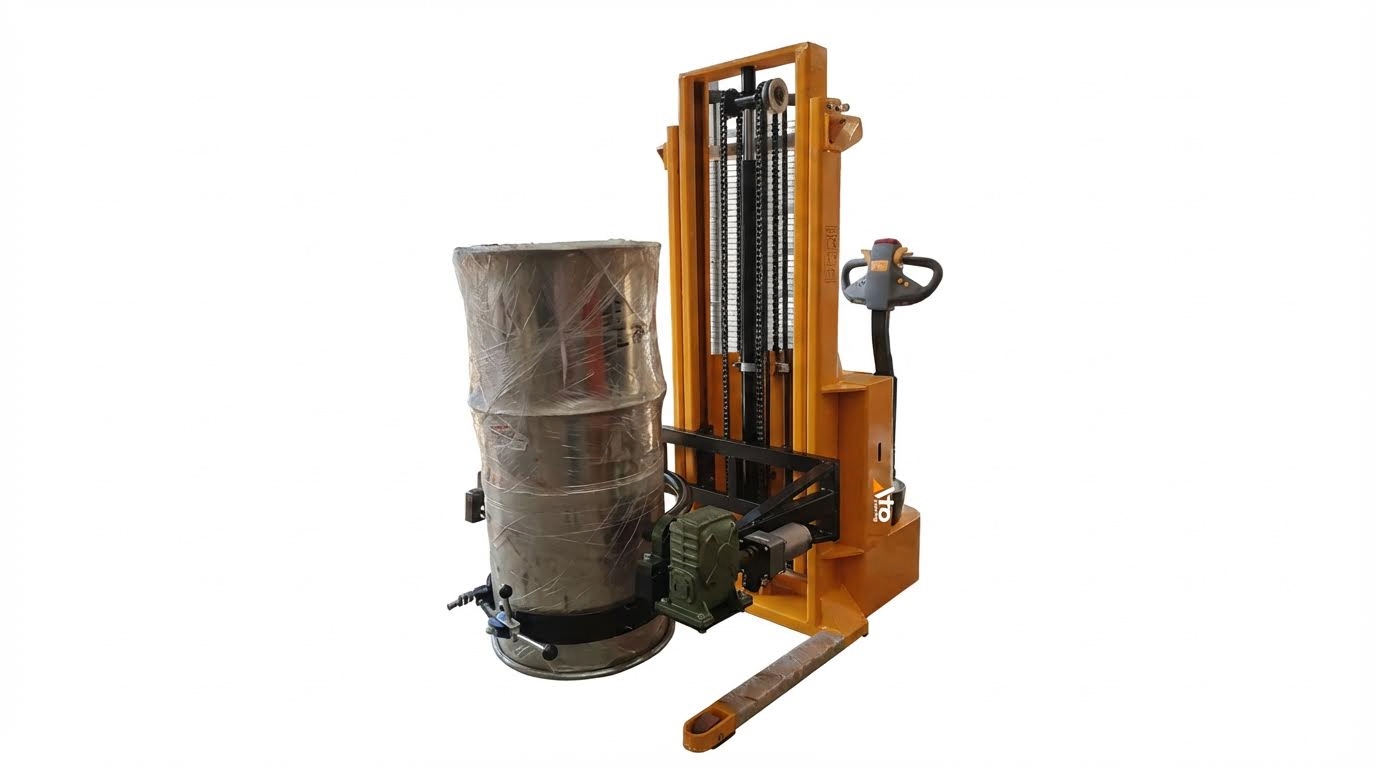
Engineering controls reduced reliance on operator strength and judgment and shifted drum handling risk to designed mechanisms. Modern drum systems used dedicated lifters, tilters, and transporters to control motion, orientation, and restraint of loads up to about 270 kg. Facilities integrated these devices with forklifts, cranes, and automated guided vehicles (AGVs) to minimize manual contact, especially for hazardous contents. Effective design linked equipment capability, ergonomics, PPE, and layout into a single engineered system rather than isolated devices.
Selecting Purpose-Built Drum Handling Equipment
Engineers selected drum handling equipment by mapping tasks into functions such as lifting, tilting, rotating, stacking, and decanting. Purpose-built devices included drum trucks, cradlers, porters, positioners, rotators, below-hook lifters, and drum rackers for horizontal storage or dispensing. Specification considered maximum drum mass, typical 200 L steel drums weighing 180–360 kg when filled, plus safety factors and duty cycle. Designers evaluated gripping method, for example rim clamps, cinch bands, or external vacuum or mechanical grippers, to maintain secure control without deforming the container. For hazardous chemicals, they prioritized equipment with positive locking, controlled tilt mechanisms, and materials compatible with corrosive or flammable contents.
Forklift, Crane, And AGV Attachments For Drums
Forklift-mounted drum handlers allowed operators to move multiple drums on pallets or engage single drums using clamp or grab attachments. These attachments reduced manual rolling and limited common injuries from crushed hands or toes, provided operators respected rated capacities and avoided side impacts that could puncture shells. Below-hook drum lifters, used with overhead cranes or hoists, supported vertical lifting, high-level pouring, and precise placement into racks or mixers. Advanced systems, including power-propelled drum handlers and AGV-compatible grippers, enabled automated transport and decanting while keeping operators outside the hazard zone. Integration required verified compatibility between attachment ratings and base machine load charts, including dynamic effects when tilting or rotating drums.
Ergonomics And Load Limits For Manual Operations
Engineering teams treated manual drum handling as a last resort, constrained by strict ergonomic limits. Typical guidance restricted unaided manual lifting to far below the mass of a full 200 L drum, so manual tasks focused on controlled rolling, pivoting, or positioning empty or near-empty drums. Safe techniques used leg muscles, kept the back straight, and avoided crossing hands over the chime, which reduced torsional stress and crush points. Designers specified mechanical aids whenever estimated drum mass exceeded safe push–pull forces or when surfaces were uneven, confined, or slippery. Risk assessments considered cumulative strain, not just single lifts, and favored adjustable-height tilters or lifters that positioned bung openings at waist or chest level.
PPE Specification And Facility Layout Requirements
Engineering controls worked best when supported by appropriate PPE and a layout that minimized secondary hazards. Specifications for drum areas typically included safety footwear with toe protection, chemical-resistant gloves, and eye or face protection, with aprons or coveralls where splashes or leaks were credible. Layout design provided adequate aisle width for drum trucks and forklifts, clear sight lines at intersections, and floor finishes with high slip resistance even when wet. Storage zones limited stack height, often to two drums, and avoided configurations requiring ladders for inspection or handling. Lighting levels allowed operators to read labels and detect leaks, while drainage, spill containment, and SDS access ensured that any failure of primary containment remained controlled.
Best Practices For Handling, Storage, And Transport
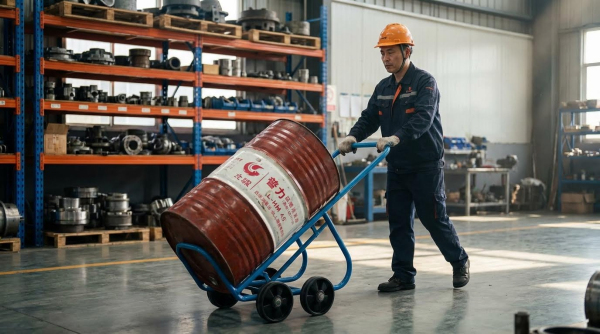
Pre-Handling Checks: Labels, SDS, Integrity, And Weight
Operators first verified drum identity and hazards by reading the label before any movement. They treated unlabeled or illegible drums as hazardous until personnel identified the contents via documentation or testing. Teams consulted the relevant Safety Data Sheet (SDS) or MSDS to understand chemical, thermal, and pressure hazards, along with required PPE and incompatibilities. They inspected closures, bungs, and lids, replacing missing components and tightening loose fittings to prevent leakage during handling.
Visual checks focused on corrosion, bulging, dents near chimes, and evidence of past over-pressurization. Personnel examined floors around drums for stains, puddles, or residues that indicated slow leaks or prior spills. They estimated drum mass from fill level and product density, recognizing that a 208 L drum often weighed 180 kg to 360 kg when full. Supervisors used these estimates to decide whether to use powered drum handlers, forklifts, or team handling, avoiding manual techniques beyond ergonomic limits.
Manual Rolling, Tilting, And Upending: Safe Techniques
Where procedures allowed manual handling, workers used standardized body mechanics to minimize musculoskeletal load. To roll a drum on its bottom chime, they stood in front, placed both hands on the far side of the top chime, and pulled until the drum balanced on the lower chime. They rolled the drum with hands on the chime without crossing arms, keeping fingers away from pinch points against walls, pallets, or other drums. For lowering a vertical drum to horizontal, they shifted hands to the lower chime, bent at the knees, and controlled descent with leg muscles rather than spinal flexion.
Upending a drum from horizontal to vertical relied on mechanical aids such as drum lifter bars or below-hook lifters wherever available. If manual upending was necessary, workers crouched with feet apart, gripped both sides of the chime, kept the spine neutral, and lifted primarily with leg extension. They maintained the drum close to the body to reduce moment arms and kept the center of mass within the base of support to avoid tipping. Supervisors restricted manual techniques to empty or low-mass drums and mandated gloves and safety footwear to protect against slips and crush injuries.
Safe Storage, Stacking Limits, And Inspection Routines
Facilities stored 208 L drums in stable rows that enabled visual inspection and safe access with handling equipment. Common practice limited stacking to two drums high and two drums wide per row for floor storage, due to variability in drum strength, pallet condition, and fill level. Engineers specified compatible pallets with intact deck boards and no protruding fasteners to avoid punctures and instability. Where higher stacking was necessary, they used racking systems designed for drum loads with documented load ratings and seismic considerations.
Inspection routines included scheduled checks for corrosion, bulging, leaks, and label degradation. Personnel avoided storage patterns that required ladders or climbing on pallets to inspect rear rows, instead designing aisles and rack layouts for ground-level visibility. They separated incompatible chemicals by distance, secondary containment, or fire-rated barriers according to regulatory guidance. Housekeeping standards kept aisles free of obstructions, liquids, and loose absorbents that could hide leaks or create slip hazards around stored drums.
Transport, Blocking, Bracing, And Spill Response Plans
During internal transport, operators preferred moving drums on pallets using forklifts or pallet trucks rather than rolling individual drums. Forklift drivers positioned forks fully under pallets, avoided contact with drum shells, and traveled at controlled speeds to limit dynamic loads. For road or container transport, they applied blocking and bracing patterns that eliminated drum movement in all directions, referencing industry guidance for tie-down spacing and dunnage materials. They verified that closures met transport regulations and that torque values for bungs and rings followed documented procedures.
Spill response planning integrated with transport practices through pre-positioned absorbents, overpack drums, and drain protection devices along typical drum routes. Personnel trained on recognizing leaks during loading, unloading, and transit checks, and on isolating affected areas quickly. Response plans referenced SDS information for neutralization, vapor control, and required PPE, including respiratory protection for volatile or toxic products. Facilities documented notification chains, reporting thresholds, and post-incident inspection steps to ensure both regulatory compliance and continuous improvement of drum handling systems.
Summary And Design Implications For Safer Drum Systems
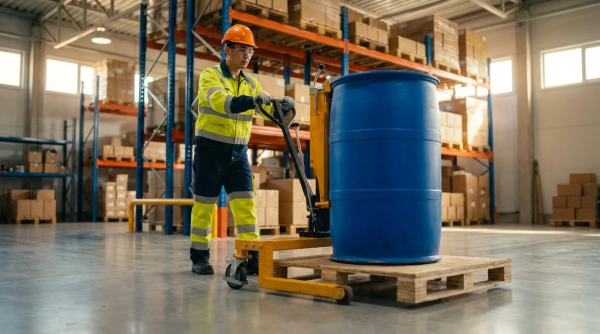
Engineering controls for drum handling focused on breaking the chain between heavy, unstable loads and human exposure. Risk analysis identified primary injury mechanisms such as back strains, crushed extremities, and chemical exposure from leaks or failed closures. Controls therefore prioritized purpose-built handling equipment, defined load limits, and strict pre-handling checks of labels, SDS, integrity, and weight. Facilities that implemented these measures reduced manual handling and improved containment of hazardous contents.
Designers of drum systems needed to treat drums, handling devices, and layout as a single integrated system. Equipment specifications had to cover transport, stacking, lifting, tilting, and decanting, with compatible interfaces between drums, pallets, trucks, and below-hook devices. Storage design limited stack height, ensured direct visual access for inspection, and included containment for potential leaks. Transport systems required provisions for blocking, bracing, and securement to prevent drum movement and impact damage in transit.
Future drum handling systems would increasingly combine mechanical assist devices, powered manipulators, and automated vehicles. Trends pointed toward ergonomic trolleys, powered drum lifters with controlled tilt, and integrated weighing and dispensing functions. However, even advanced equipment still depended on accurate labeling, up-to-date SDS, and disciplined inspection and maintenance routines. Designers had to balance automation with maintainability, fail-safe gripping, and clear human–machine interfaces.
For practical implementation, organizations needed standard operating procedures that matched equipment capability, drum types, and facility constraints. Engineers should define maximum manual handling weights, mandatory use of specific devices for filled drums, and PPE requirements based on contents and task. Layouts should provide adequate aisle width, lighting, and non-slip floors, with segregated zones for hazardous materials. A balanced approach combined hierarchy-of-controls thinking, realistic ergonomics, and regulatory compliance to deliver drum handling systems that protected workers while maintaining throughput and flexibility.