Order Picking In Logistics: Methods, KPIs, And Equipment For Different Order Profiles
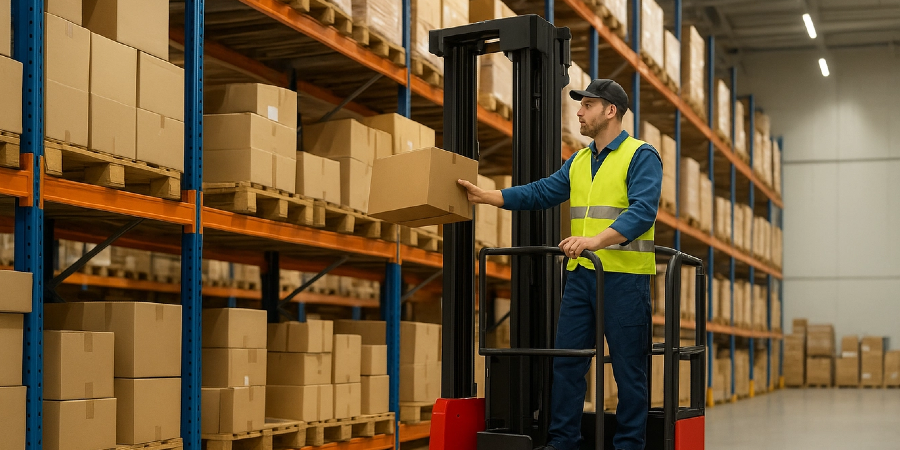
Order picking in logistics decides your cost per order, service level, and how far you can scale peak volumes. This guide walks through core picking methods, how different order profiles drive strategy, and which KPIs actually show if the system works. You will also see how to match semi electric order picker and order picking machines to SKU and demand patterns, from manual carts to goods-to-person systems. Use it as a practical blueprint to redesign or benchmark your own order picking in logistics setup.
Foundations Of Order Picking Strategy
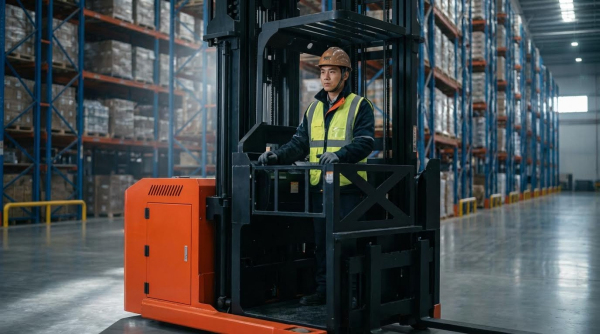
Order profiles and demand patterns
Order picking in logistics starts with understanding what your orders look like over time. Order profile and demand pattern drive almost every design choice: layout, labor model, equipment, and level of automation.
Key order profile dimensions to define before choosing a warehouse order picker method:
- Lines per order: single-line vs multi-line orders.
- Units per line: eaches, inner packs, full cases, or pallets.
- Order size mix: small parcel, carton, pallet, or mixed.
- SKU velocity: A/B/C items, seasonality, and promotions.
- Order priorities: standard, express, same-day, cut-off driven.
- Customer type: B2B bulk orders vs B2C e‑commerce.
Typical demand patterns you must map before locking in a picking strategy:
- Stable demand: predictable daily profile, low volatility.
- Seasonal peaks: strong weekly/annual peaks that stress capacity.
- Campaign-driven: marketing spikes around launches or promotions.
- Long-tail SKUs: many slow movers with sporadic orders.
- Cut-off compression: high share of orders near shipping cut-offs.
Why demand patterns matter to picking design
Stable, predictable volume favors more automation and tightly optimized batch or wave strategies. Highly volatile or promotional demand often needs more flexible manual or hybrid setups that can absorb sudden spikes without breaking service levels.
Core picking methods and workflows
The core methods for order picking in logistics differ mainly in how they trade travel time, sorting effort, and coordination complexity. Choosing the right mix depends on order profile and building geometry.
- Discrete (order-by-order) picking: one picker completes one order at a time; simple but travel-heavy.
- Batch picking: one picker collects items for multiple orders in a single trip to cut travel time. It works well with many small orders and shared SKUs by consolidating picks.
- Zone picking: the warehouse is divided into zones, and each picker stays in one area to reduce travel and congestion for large, high-volume sites.
- Wave picking: orders are grouped into time- or carrier-based “waves” to align labor, dock schedules, and carrier cut-offs and increase productivity.
- Bulk picking: large quantities of a single SKU are picked once and later sorted into individual orders; this can lift pick rates by 100–200% for fast movers when many orders share the same item.
| Method | Best for order profile | Main advantages | Main trade-offs |
|---|---|---|---|
| Discrete picking | Low volume, varied SKUs, simple setups | Easy to manage and train; clear order ownership | Highest travel time per line; lower throughput |
| Batch picking | Many small orders sharing SKUs | Less travel per line; higher picker productivity by combining orders | Needs sorting step and good cart/slotting logic |
| Zone picking | Large buildings, high line counts | Shorter walk distances; easier local optimization | More coordination; orders touch multiple people |
| Wave picking | High volume with tight shipping cut-offs | Aligns picking with docks and carriers to stabilize flow | Less flexible for real-time rush orders |
| Bulk picking | Very fast movers, many overlapping orders | Very high pick rates; one trip feeds many orders with centralized sortation | Requires robust downstream sortation capacity |
Manual, guided, and automated picking options
Manual picking uses paper or handheld devices; it needs low capital but is labor-intensive, with typical rates of 100–200 picks/hour and error rates of 1–3% in many operations. Technology-guided methods such as pick-to-light can raise pick rates by up to 50% by cutting search time in high-volume areas, while voice-directed picking can improve productivity by 10–20% by keeping hands and eyes free. Fully automated bin-picking robots can reach 400–800+ picks/hour with error rates often below 0.5% in suitable SKU profiles.
Role of WMS, WES, and real-time data
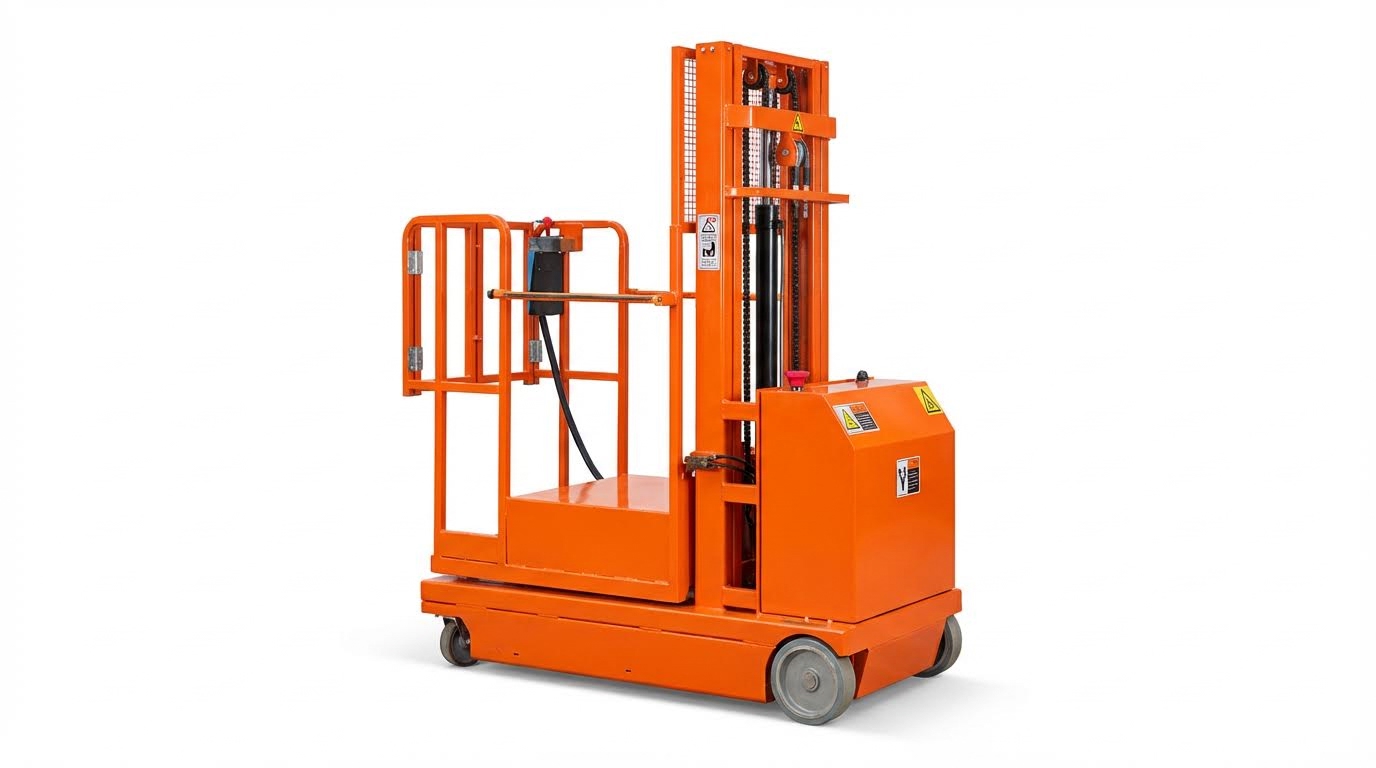
Digital control systems are the backbone of modern order picking in logistics. They decide what to pick, when, in what sequence, and by whom.
- Warehouse Management System (WMS):
- Maintains inventory accuracy and location control.
- Releases work as discrete, batch, wave, or bulk picks.
- Interfaces with barcode, RFID, voice, and light systems to guide operators.
- Warehouse Execution System (WES):
- Orchestrates real-time work across zones, equipment, and labor.
- Dynamically assigns tasks to balance queues and reduce congestion.
- Often manages wave release, batching, and priority rules.
- Real-time data layer:
- Barcode and RFID scans verify each pick and update stock for accurate inventory.
- Labor and equipment telemetry feeds live dashboards for lines picked per hour and on-time readiness across the shift.
When WMS and WES use real-time data correctly, they can change picking strategy on the fly. For example, they can switch from discrete to batch picking as volume increases, or release micro-waves to hit carrier cut-offs without overloading any zone.
How real-time control protects KPIs
Real-time visibility into order status and picker performance helps protect accuracy and service KPIs. Best-in-class operations reached order picking accuracy of 99.9% or higher and on-time shipments of 99.8% or more by tightly managing these metrics. Systems that detect exceptions early allow quick re-picks, slotting changes, or labor reallocation before cut-offs are missed.
Technical Comparison Of Core Picking Methods
This section compares the main methods used for order picking in logistics and how they impact travel time, labor, and accuracy. Use it as a quick engineering view to match methods to your order profiles and automation roadmap.
Discrete, batch, zone, and wave picking
These four methods are the backbone of most order picking in logistics. The right choice depends on order size, SKU count, and demand variability.
| Method | How it works | Best for | Main advantages | Main risks / limits |
|---|---|---|---|---|
| Discrete (single-order) | Picker completes one order at a time, walking all required locations. | Low order volume, many SKUs, high order variability. | Simple to run and train; easy tracking by order; low IT dependence. | Highest travel time per line; labor-intensive; hard to scale during peaks. |
| Batch picking | Picker collects items for multiple orders in one trip using totes or cart slots. Order identity is maintained during picking or at packing. Picking multiple orders simultaneously reduces travel time. | Many small orders, repeated SKUs across orders, stable item locations. | Lower travel per line; higher lines/hour; good fit with mobile carts and scanners. | More complex planning; risk of order-mix errors if identification is weak. |
| Zone picking | Warehouse divided into zones; each picker stays in a zone and works only its lines. Orders move from zone to zone or are consolidated. This minimizes travel and congestion in large sites. | Large facilities, high volume, clear ABC zoning, mixed order sizes. | Shorter walking distances; easier local expertise; supports specialization by product type. | Needs strong coordination between zones; imbalances cause bottlenecks. |
| Wave picking | Orders grouped into time-based “waves” by carrier cut-off, route, or product family. Pickers process each wave as a campaign. Multiple orders are picked in parallel within a wave. | Operations with fixed shipping windows, routing constraints, or heavy consolidation needs. | Good dock and labor coordination; easier carrier alignment; predictable short-term workload. | Less flexible for real-time priorities; late orders may miss a wave; requires WMS/WES support. |
How to choose between the four core methods
Use discrete picking when:
- Order volume is low or highly variable.
- You need maximum process simplicity and quick onboarding.
- Systems support is limited.
Use batch picking when:
- Many orders share the same fast-moving SKUs.
- Travel distance dominates your labor cost.
- Your team can handle more complex cart layouts and scanning.
Use zone picking when:
- The building is large and travel paths are long.
- Products can be grouped by size, temperature, or handling class.
- You want to stabilize labor by area and skill.
Use wave picking when:
- Carrier cut-offs and dock capacity are critical constraints.
- You must synchronize picking with packing and loading.
- You already run a capable WMS/WES to build and release waves.
Bulk picking versus batch picking logic
Bulk and batch picking both reduce travel, but they treat “order identity” differently. That difference drives layout, IT logic, and required sortation capacity.
| Aspect | Bulk picking | Batch picking |
|---|---|---|
| Core principle | Pick total quantity for many orders with no order assignment during picking. Sorting to orders happens later. | Pick several orders in one trip while keeping each order identifiable (by tote, slot, or label). Order identity is maintained throughout. |
| Typical flow | Storage → bulk pick to pallet/tote → move to sortation area → order-level sort → pack/ship. | Storage → batch pick to multi-compartment cart or totes → direct to pack → ship. |
| Best for | Very high-volume SKUs where one trip can satisfy dozens of orders; promotion items; e‑commerce bestsellers. | Moderate to high order counts with overlapping SKUs; mixed-SKU orders; limited sortation infrastructure. |
| Labor impact | One picker can feed many packers; pick rates can increase significantly for fast movers. One trip may satisfy dozens of orders. | Travel reduced versus discrete; more balanced pick/pack labor; less dependence on dedicated sortation teams. |
| Sortation requirement | High: needs organized put-wall, conveyor, or manual sort area to split bulk quantities into orders. | Low to medium: some consolidation at pack, but items often arrive already separated by order. |
| Control complexity | WMS must calculate total quantities per bulk wave and then drive secondary sort logic. | WMS must assign orders to batches and manage container IDs, but no second sort step is required. |
| Main risks | Sortation bottlenecks; space congestion in bulk and put-wall areas; mis-sorts if scanning discipline is weak. | Cart or tote mis-assignment; limited benefit if SKU overlap between orders is low. |
- Use bulk picking for a small set of ultra-fast movers where one pallet move feeds many orders.
- Use batch picking when overlap is moderate across many SKUs and you lack high-speed sortation.
- Many warehouses combine both: bulk for A-items, batch or discrete/zone for B/C-items.
Manual versus automated and G2P systems

Manual, semi-automated, and goods-to-person (G2P) systems represent a spectrum of capital cost versus labor and accuracy performance in order picking in logistics.
| Approach | Typical technologies | Indicative performance / effect | Strengths | Limitations |
|---|---|---|---|---|
| Manual picking | Paper lists, handheld RF or barcode scanners. | Average 100–200 picks/hour with 1–3% error rate. Manual picking is labor-intensive and prone to error. | Lowest CAPEX; very flexible; easy to re-slot SKUs or change processes. | High labor cost; limited throughput; performance varies strongly by operator. |
| Semi-automated guidance | Pick-to-light / pick-by-light, voice-directed picking, barcode/RFID scanning. | Pick-to-light can increase pick rates by up to 50%. Visual guidance reduces search time and errors. Voice can boost productivity by 10–20%. Hands-free operation improves accuracy. | Higher accuracy; better lines/hour; keeps human flexibility; scalable in phases. | Still travel-intensive; depends on solid WMS integration and training. |
| Automated / G2P systems | AS/RS, shuttles, conveyors, autonomous robots, automated bin-picking. | G2P can cut picking time by up to 60%. Automation brings items directly to pickers. Automated robots can reach 400–800+ picks/hour with <0.5% error. Robots sustain high speed with very low error rates. | Highest throughput and accuracy; reduced labor dependence; good use of vertical space. | High upfront cost; best suited to stable, high, and predictable volumes. Automation fits predictable, high-volume profiles. |
When deciding between manual and automated order picking in logistics, align the solution with your demand profile and risk tolerance.
- Favor manual or lightly automated systems when demand is volatile, SKU shapes and packaging change often, or budgets are tight. Manual picking remains suitable for volatile or seasonal demand and diverse SKUs.
- Favor G2P and high automation when you have stable, high order volumes, limited SKU variety, and the capital to invest for long-term labor savings. Automated systems work well with predictable high volumes and stable product lines.
- Consider hybrid approaches (voice, lights, smart WMS) to bridge the gap, improving accuracy and lines/hour without full automation complexity. Hybrid solutions combine automation benefits with human adaptability.
Matching KPIs, Equipment, And Tech To Order Profiles
Throughput, accuracy, and labor KPIs
For order picking in logistics, start by aligning KPIs with your order profile: units vs lines vs orders. High‑SKU e‑commerce needs different metrics than pallet‑level B2B. Use the benchmarks below to decide where you stand and what to improve first.
| KPI | What it Measures | Best‑in‑Class Benchmark | When it Matters Most |
|---|---|---|---|
| Order picking accuracy | % of orders picked correctly before shipment | >= 99.9% benchmark data | Direct‑to‑consumer, pharma, high return‑cost items |
| Lines picked & shipped per hour | Lines processed per person‑hour | >= 92.8 lines/hour (best‑in‑class) benchmark data | High‑line small‑item operations (e‑commerce, spares) |
| Orders picked & shipped per hour | Orders completed per person‑hour | >= 35 orders/hour (best‑in‑class) benchmark data | Many small orders, similar line counts |
| On‑time ready to ship | % of orders ready at planned time | >= 99.8% (best‑in‑class) benchmark data | Carrier cut‑off driven operations, tight SLAs |
| Internal order cycle time | Time from order receipt to shipment | < 2 hours (best‑in‑class) benchmark data | Same‑day and next‑day promise environments |
| Overtime hours to total hours | % overtime vs total labor hours | < 2% (best‑in‑class) benchmark data | Labor‑intensive manual or hybrid operations |
Translate these KPIs into design choices:
- If accuracy is below 99.5%, prioritize scan verification, pick‑to‑light, or voice systems before high‑capex automation.
- If lines per hour are low but accuracy is good, switch from discrete to batch/zone picking and add mobile carts.
- If overtime is high, consider automation for travel and transport (conveyors, AGVs) rather than full G2P first.
- For volatile demand, track KPIs weekly and keep processes flexible; avoid locking into rigid automation too early.
How KPIs tie to order profiles
Piece‑picking e‑commerce: focus on lines/hour, accuracy, and internal cycle time. Case/pallet B2B: focus on orders/hour and on‑time ready to ship. Project or make‑to‑order: focus on order cycle time and on‑time readiness rather than raw throughput.
Equipment choices by order and SKU profile
Equipment must match how many lines per order you pick, how many orders you ship, and SKU velocity. The table below links typical order/SKU profiles to practical equipment choices for order picking in logistics.
| Order / SKU Profile | Typical Picking Method | Best‑Fit Equipment & Tech | Rationale |
|---|---|---|---|
| Many small orders, low lines/order, fast‑moving SKUs | Batch or wave picking method description | Mobile picking carts, barcode scanners, pick‑to‑light, basic conveyors | Batching reduces travel; lights and scanning cut error rates and speed up picks. |
| High SKU count, slow/medium velocity, variable orders | Discrete or batch picking | Handheld scanners, voice‑directed picking, RF terminals | Low capex, flexible for changing SKUs, 10–20% productivity gain with voice guidance. performance data |
| High line counts per order, dense storage | Zone or wave picking | Zone‑based shelving/racking, conveyors between zones, pick‑to‑light in hot zones | Zone assignment cuts travel and congestion in large buildings. zone picking definition |
| Very fast‑moving SKUs, many orders share same items | Bulk or batch picking | Flow racks, pallet jacks, sortation area with put‑walls and scanning | Bulk picking can increase pick rates by 100–200% for frequent products. bulk vs batch explanation |
| High volume, limited SKU range, repeatable orders | Zone, batch, or G2P | Pick‑to‑light, conveyors, AS/RS, shuttle‑based G2P systems | Lights and G2P reduce search time and can cut picking time by up to 60%. G2P benefits |
| Fragile, high‑value, or regulated products | Discrete or tightly controlled batch | Barcode/RFID scanning, pick‑to‑light at locations, controlled packing stations | Scan and light confirmation minimize mis‑picks and provide strong traceability. RFID and barcode notes |
| Pallet/case‑level wholesale or manufacturing supply | Bulk or discrete pallet picking | Lift trucks, pallet racking, RF scanners, simple voice or RF guidance | Focus on safety, travel distance, and dock‑to‑stock cycle time, not piece‑picking speed. |
To choose between manual and tech‑assisted picking:
- Use manual carts + paper only in very low volume or highly variable environments.
- Add barcode or RFID scanning once error cost or compliance risk rises.
- Layer pick‑to‑light in the fastest zones where walk time is already optimized.
- Introduce voice picking when hands‑free work and 10–20% productivity gain justify headsets and software. voice productivity data
Manual vs semi‑automated performance snapshot
Manual picking typically achieved 100–200 picks/hour with 1–3% error rates. Automated bin picking robots reached 400–800+ picks/hour with <0.5% error in suitable applications. manual rates robotic rates
Automation, AGVs, and hybrid picking concepts
Full automation is not always the best answer for order picking in logistics. The right solution often combines human flexibility with targeted automation for travel, storage, or guidance. Use the decision table below as a quick filter.
| Operational Situation | Recommended Level of Automation | Typical Technologies | Why it Fits |
|---|---|---|---|
| Low/volatile volume, many new SKUs, uncertain growth | Manual / light tech | Mobile carts, handheld scanners, basic WMS | Keeps capex low and processes flexible for change. Manual picking suits volatile demand and diverse SKU shapes. decision framework |
| Growing volume, repeatable processes, but still changing SKUs | Hybrid (people + guidance) | Voice picking, pick‑to‑light, barcode/RFID, mobile put‑walls | Hybrid approaches improve accuracy and efficiency without full automation complexity. hybrid concept |
| High, predictable volume (>5,000+ orders/month), stable SKU mix | High automation / G2P | AS/RS, shuttle systems, robotic bin picking, conveyors | Automation works well with high, predictable volume and stable product lines, and can cut picking time by up to 60%. G2P data automation criteria |
| Labor constraints, long walk distances, multi‑zone layouts | Transport automation | AGVs/AMRs for tote or pallet movement, conveyors between zones | AGVs navigate autonomously and remove non‑value‑add walking and pushing from pickers. AGV description |
| Peaky demand (strong seasonality), but high annual volume | Scalable hybrid + modular automation | Voice and light systems, mobile robots that can be added seasonally | Lets you ramp capacity for peak without over‑investing for average demand. Hybrid solutions maintain adaptability. hybrid benefits |
When designing AGV and hybrid concepts, follow a stepwise approach:
- Stabilize manual processes and reach consistent KPIs (accuracy, lines/hour, overtime).
- Introduce scan verification and simple batch/zone logic to remove basic waste.
- Add guidance tech (voice, lights) in the highest‑volume areas first.
- Automate transport with AGVs or conveyors where walk time dominates labor cost.
- Only then evaluate full G2P or robotic bin picking for the most constrained zones.
Where AGVs add the most value
AGVs and similar vehicles were most effective when pickers spent a large share of their shift walking or pushing carts rather than physically picking. By letting AGVs handle moves between storage, pick modules, and packing, operations reduced human error and freed labor for value‑add tasks. Final Thoughts On Designing Order Picking Systems
Effective order picking design starts with facts, not technology. Define order profiles, SKU velocity, and demand peaks in detail. Then choose methods and layouts that cut travel and touches while keeping flows simple enough to run every day.
Use KPIs as engineering limits, not dashboard decoration. Accuracy, lines per hour, and on‑time readiness must guide each design choice, from batch versus zone logic to where you place your fastest SKUs. When these metrics drift, adjust slotting, waves, and labor before adding more hardware.
Digital control links the whole system. A capable WMS/WES with real-time data lets you switch between discrete, batch, bulk, and waves as volume changes. It also protects accuracy through scan checks and clear task assignment.
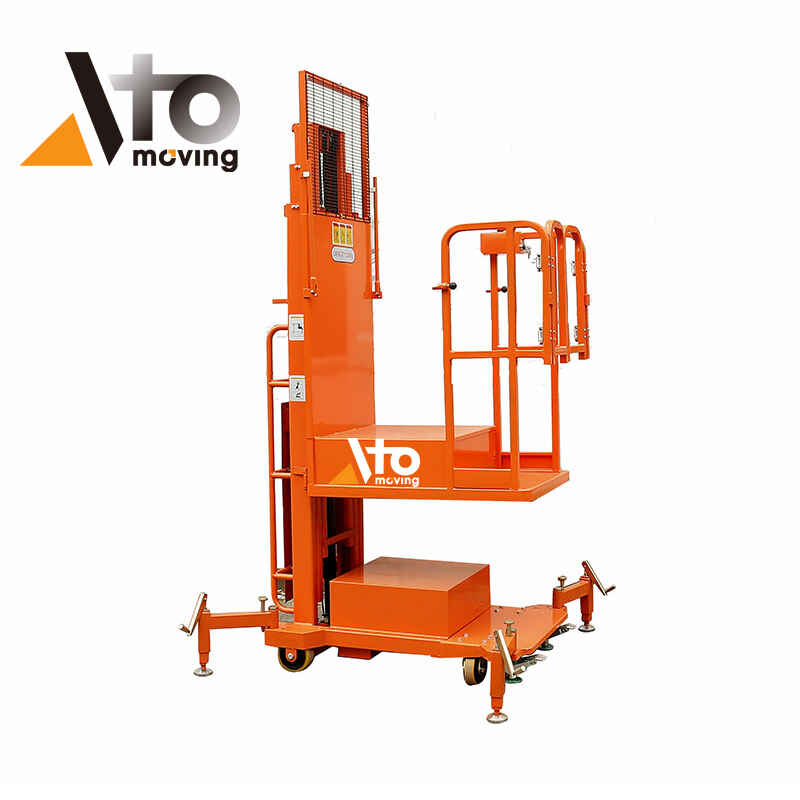
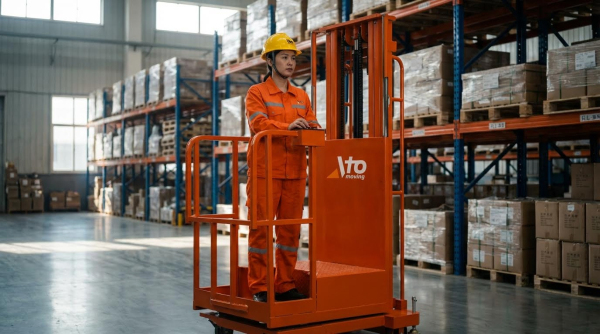
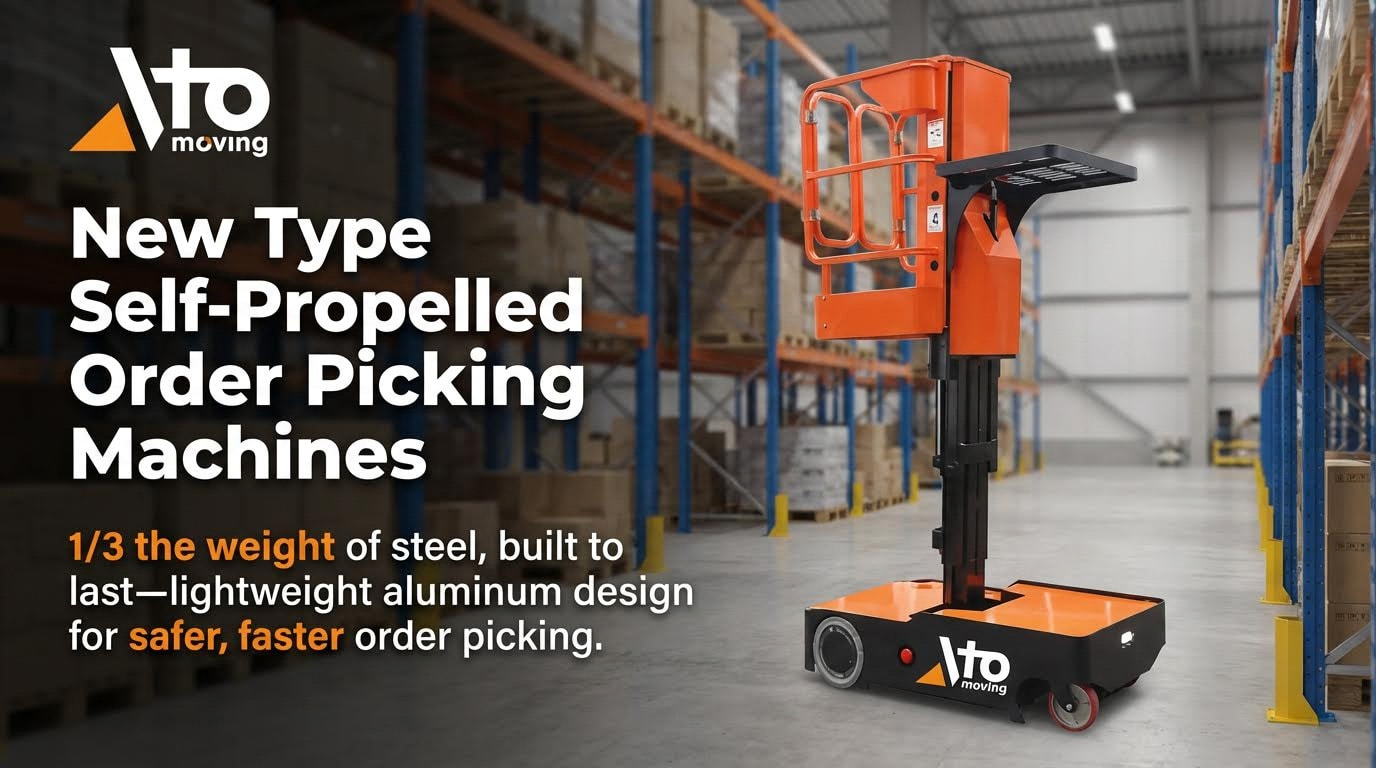
For equipment, scale in stages. Start with stable manual processes, then add scanning, guidance, and transport automation. Move to G2P and robotics only when volumes and profiles justify the capital. Semi-electric order pickers and self-propelled platforms from Atomoving can fit into this roadmap as you lift height, density, and throughput.
In the end, the best order picking system is not the most automated. It is the one that stays safe, accurate, and predictable at peak load, year after year.
Frequently Asked Questions
What is Order Picking in Logistics?
Order picking is the process of selecting items from their storage locations to fulfill customer orders. It is a critical step in warehouse operations, ensuring that the right products are collected efficiently and accurately. The goal is to meet customer demand within specified timeframes while optimizing operational efficiency. Order Picking Guide.
What Does Picking Mean in a Warehouse?
Picking refers to the work step in which customer orders are collected by removing goods from warehouse shelves. This process is often equated with “commissioning” and plays a key role in preparing items for shipment. Accurate picking ensures customer satisfaction and smooth warehouse operations. Fulfillment Glossary.