Warehouse order picking performance depended on how well facilities combined layout, storage systems, digital control, and automation. Engineering teams needed to treat picking as an integrated system, not an isolated task. This article examined how to design flow-through layouts, apply velocity-based slotting, and select storage technologies that support fast, reliable picks. It then analyzed WMS-centric control, data and KPI frameworks, and the role of automation, robotics, and predictive tools in building scalable, high‑performance picking operations.
Engineering The Warehouse For Fast, Accurate Picks
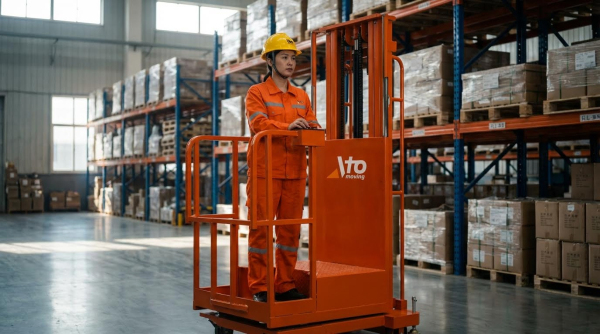
Engineering a warehouse for high-performance picking required a holistic view of material flow, storage media, and operator movement. Facilities that treated layout, slotting, and infrastructure as an integrated system consistently achieved lower unit costs and higher service levels.
Flow-Through Layouts And Zoned Operations
A flow-through layout arranged functional areas in the same sequence as the order fulfillment process: receiving, putaway, storage, picking, consolidation, packing, and shipping. This eliminated backtracking and cross-traffic, which reduced travel distance and collision risk. Engineering teams separated forward picking zones from returns and bulk storage to avoid stock contamination and counting errors, as emphasized in Mecalux guidance. Zoned operations assigned operators to clearly defined areas and used consolidation points or carts to merge orders, which supported wave, batch, or zone picking strategies while minimizing congestion. Signage and logical aisle numbering allowed quick orientation and supported WMS-directed routing.
Slotting Rules Based On Velocity And Ergonomics
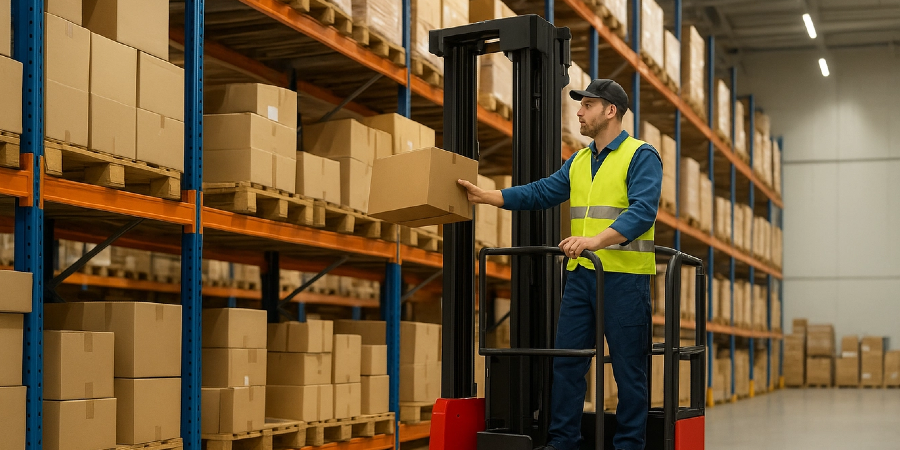
Slotting based on demand velocity and physical characteristics directly impacted pick rate and injury risk. High-velocity SKUs moved into forward pick zones close to shipping and at ergonomic heights, typically between 0.75 m and 1.5 m above floor level, to reduce bending and reaching. Engineers used continuous inventory profiling to re-slot items as demand shifted, supported by WMS data on order lines per SKU. Heavy or bulky items stayed in lower bays to reduce lifting risk, while small parts used bins, totes, and dividers to cut search time and protect contents. Ergonomic rules also considered two-handed picking, clear grasp points, and minimizing the need to rotate or reorient product during the pick.
Storage System Selection For Different Load Types
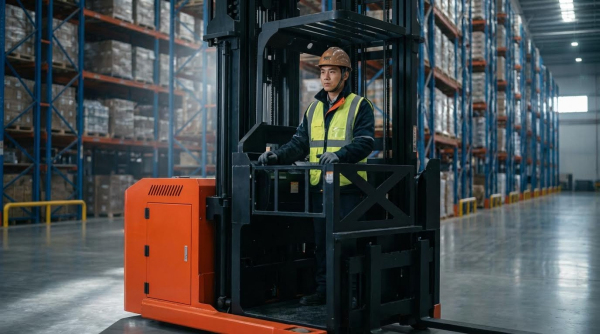
Storage system selection depended on unit load, turnover, and picking method. Pallet racks worked best where each pallet held a single SKU and case or pallet picking dominated, with fast movers located at lower beam levels to shorten cycle times. For each-level picking, carton-flow or dynamic shelving created dense, gravity-fed pick faces and reduced walk distance by increasing pick locations per metre of aisle, as Mecalux sources described. Compact systems such as drive-in racks or shuttle-based deep-lane storage freed floor space that could be reassigned to forward picking or consolidation. Engineers specified AS/RS or vertical modules for slow movers or high-SKU-count environments, trading higher capital cost for reduced travel and floor space, typically recovering investment within about 18 months according to industry data.
Safety, Signage, And Lighting For Reliable Picking
Safe infrastructure formed the baseline for sustainable picking performance. Clear floor markings and standardized signage for aisles, zones, and emergency routes reduced incidents and simplified training, as recommended in logistics best-practice documents. Adequate, uniform lighting in racks, pick tunnels, and dock areas improved label legibility and location confirmation, which decreased mis-picks and near-miss events, especially around manual pallet jack equipment. Engineers integrated safety into layout by segregating pedestrian and forklift paths, enforcing speed limits, and designing pick stations with anti-fatigue mats and minimal reach distances. Order and cleanliness, supported by 5S and lean logistics principles, limited obstructions in travel paths and allowed operators to move faster without increasing risk.
Digital Control: WMS, Data, And Pick Optimization
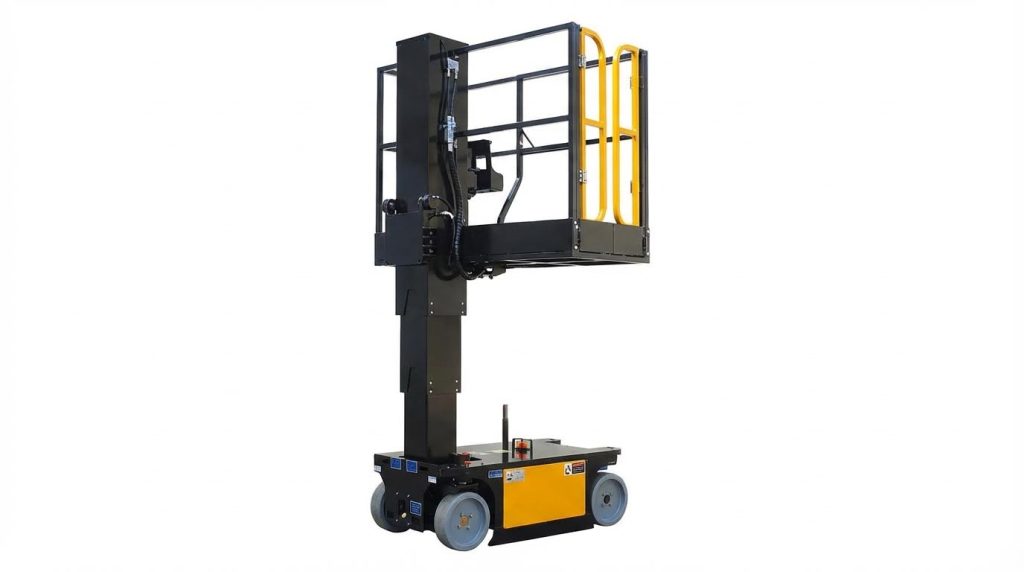
Digital control in warehouse picking relied on accurate, real-time data and tightly integrated systems. A well-implemented warehouse management system (WMS) coordinated inventory, labor, and material flows to reduce travel, errors, and delays. By combining WMS logic with engineered pick strategies, scan verification, and analytics, operations teams increased lines per hour while maintaining near-zero error rates. This section examined how WMS, integration, and data-driven optimization turned manual picking into a controlled, repeatable industrial process.
WMS-Driven Traceability And Inventory Accuracy
A WMS provided end-to-end traceability by recording every stock movement from receiving to shipping. Each operation, such as putaway, replenishment, picking, and returns, updated inventory in real time, which reduced mismatches between system and physical stock. Sources from Mecalux highlighted that this digital traceability supported exhaustive control over order preparation and minimized stock losses. When combined with structured location codes and barcoded or RFID labels, the WMS ensured that operators always picked from the correct location and batch, which increased picking accuracy and simplified audits.
Inventory accuracy depended on disciplined transaction capture and clear process design. Radiofrequency (RF) terminals or mobile devices connected to the WMS guided operators through step-by-step tasks and validated each scan. Cycle counting strategies, driven by item velocity and criticality, replaced large annual counts and maintained accuracy without stopping operations. Real-time stock visibility also enabled proactive replenishment of forward pick locations, avoiding picker idle time due to stockouts. High accuracy in the WMS reduced safety stock requirements and improved service levels without oversizing inventory.
Traceability extended into returns and quality management. Dedicated return zones with WMS-controlled workflows classified items for restock, rework, or disposal, which prevented contaminated or incorrect stock from reentering active inventory. In regulated industries, detailed lot and serial tracking supported compliance and recall management. Overall, WMS-driven traceability created a reliable data backbone, which later analytics and automation modules used to further optimize picking.
Integrating WMS, ERP, And Scan Verification
Integrating WMS with enterprise resource planning (ERP) systems ensured that customer orders, purchase orders, and inventory valuations stayed synchronized. Mecalux sources indicated that this automatic communication aligned logistics execution with commercial and financial planning. Orders flowed from ERP to WMS, which then generated optimized pick waves, replenishment tasks, and shipping documentation without manual rekeying. This reduced administrative errors and shortened order cycle times. Bi-directional integration also allowed real-time feedback of shipped quantities and backorders to customer service and planning teams.
Scan verification acted as a local error-proofing layer within these integrated flows. Operators used RF scanners or camera-based imagers to confirm item, quantity, and location at each step. The WMS validated scans against expected data and blocked incorrect picks before they left the aisle. This approach significantly increased accuracy compared with paper-based picking and manual checks. When item dimensions and weights were stored in the WMS, the system could also validate carton content and detect incomplete or inconsistent orders during packing.
Standard interfaces and APIs simplified integration with automation and robotics platforms. Robotic systems such as goods-to-person AMRs or robotic picking cells relied on the WMS for task queues, SKU data, and location assignments. Conversely, they sent completion signals and exception events back to the WMS. Consistent master data and scan-based verification across human and robotic subsystems ensured coherent inventory records. Over time, integrated WMS–ERP–automation architectures supported modular expansion, allowing facilities to add new technologies without redesigning core data flows.
Route Optimization, Batching, And Pick Strategies
Route optimization software within the WMS calculated pick paths that minimized travel distance while respecting aisle directions, congestion points, and zone boundaries. Mecalux references noted that tools such as Easy WMS optimized routes to eliminate unnecessary walking and backtracking. The system sequenced picks so operators followed a continuous flow through the warehouse instead of revisiting the same locations. Properly engineered routes, combined with logical layout design, reduced non-value-adding travel and increased lines picked per labor hour.
Batch, wave, and zone picking strategies further improved efficiency when matched to order profiles. Batch picking grouped multiple small orders sharing common SKUs, which reduced repeated visits to high-velocity locations but required reliable consolidation processes. Wave picking released sets of orders based on criteria such as carrier
Automation And Robotics In Picking Operations
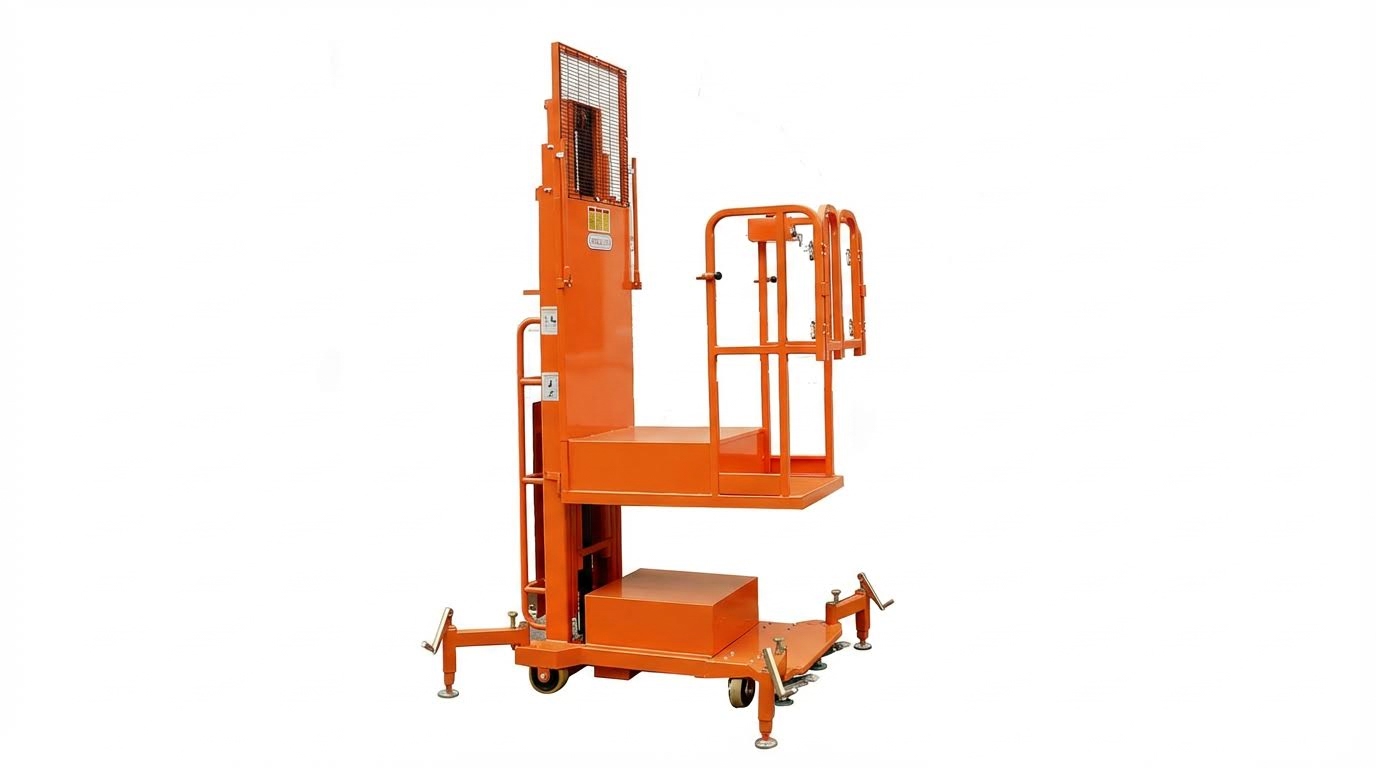
Automation in warehouse picking operations increased throughput, reduced errors, and stabilized performance under variable demand. Engineers combined mechanical handling systems, software, and human factors engineering to design scalable solutions. The following subsections outlined the main automation building blocks and their integration constraints.
Conveyors, AS/RS, And Goods-To-Person Systems
Conveyor systems mechanized horizontal transport between receiving, storage, picking, and packing. They reduced non-value-adding walking and enabled continuous material flow to workstations. Designers specified conveyor speed, accumulation logic, and merge/divert controls to match required order lines per hour and avoid blocking. Pairing conveyors with automated storage and retrieval systems (AS/RS) such as mini-load or pallet AS/RS ensured a constant feed of totes or pallets to pick stations.
AS/RS systems stored SKUs densely and retrieved them automatically according to WMS instructions. This reduced travel and search time and typically paid back investment in about 18 months for well-sized projects. Goods-to-person systems, including vertical carousels, vertical lift modules, and shelf-to-person AMRs, brought inventory directly to operators. These systems improved ergonomics, cut walking time, and often delivered 300–350+ picks per operator-hour with 99.9%+ accuracy when correctly engineered.
Engineers needed to verify load dimensions, mass, and center of gravity against AS/RS and conveyor specifications. They also had to design suitable interfaces between automated subsystems and manual areas, including accumulation buffers and ergonomic pick faces. Robust controls integration with the WMS ensured that storage, retrieval, and conveyor routing aligned with order priorities and wave or batch logic.
Pick-To-Light, Voice, And AI-Driven Pick Guidance
Pick-to-light systems used LED indicators and confirmation buttons at storage locations to guide operators. They worked best in high-density, high-velocity zones where frequent picks justified infrastructure cost. These systems increased pick speed and accuracy by minimizing search time and providing immediate visual confirmation. However, engineers had to plan power, low-voltage wiring, and mounting on racks or flow shelves.
Voice-directed picking used headsets and wearable terminals to issue instructions and receive spoken confirmations. It supported hands-free operation and flexible reconfiguration of pick paths or zones through software. Voice systems required reliable wireless coverage, acoustic tuning, and thorough operator training to reach full performance. Both light and voice systems integrated with WMS task management to enforce real-time validation and sequence control.
AI-driven guidance layers sat on top of WMS data to optimize pick paths and task assignment. Solutions such as AI pick guidance software or robot-coordination platforms dynamically reallocated work to reduce idle time and congestion. Some systems provided color-based or graphical user interfaces on mobile devices or robot-mounted screens to direct operators. These tools used inventory data, storage locations, and demand patterns to double or better traditional manual productivity while reducing training time.
AGVs, AMRs, Cobots, And Robotic Picking Cells
Automated guided vehicles (AGVs) and autonomous mobile robots (AMRs) transported pallets, shelves, or totes without constant human supervision. AGVs followed fixed paths using guidance technologies, while AMRs navigated dynamically with onboard sensors and mapping. Shelf-to-person and pallet-to-person AMRs moved entire racks or pallets to workstations, removing forklift bottlenecks and improving safety. Typical payload capacities ranged from about 500 kg for shelf systems to over 2 000 kg for pallet movers.
Collaborative robots, or cobots, worked alongside humans at pick or pack stations. Engineers used them for repetitive reach, place, or packaging tasks, leaving exception handling and complex decisions to people. Robotic picking cells combined machine vision, grippers, and motion control to pick items directly from totes or conveyors. These cells achieved high, repeatable unit-level pick rates but required careful design of SKU presentation, lighting, and gripping technology.
Fleet management software coordinated AGVs, AMRs, and robots, assigning missions and resolving traffic conflicts. Integration with WMS and warehouse control systems ensured that robot tasks matched order priorities and inventory rules. Safety engineering remained critical, including risk assessments, speed and separation monitoring, and clear pedestrian-robot interaction rules. Properly deployed, these systems reoriented labor toward exception handling, kitting, and quality checks rather than travel and simple transfers.
Digital Twins, Predictive Tools, And System Scaling
Digital twins of warehouse operations allowed engineers to simulate layouts, automation options, and control strategies before deployment. These
Summary: Designing High-Performance Picking Systems
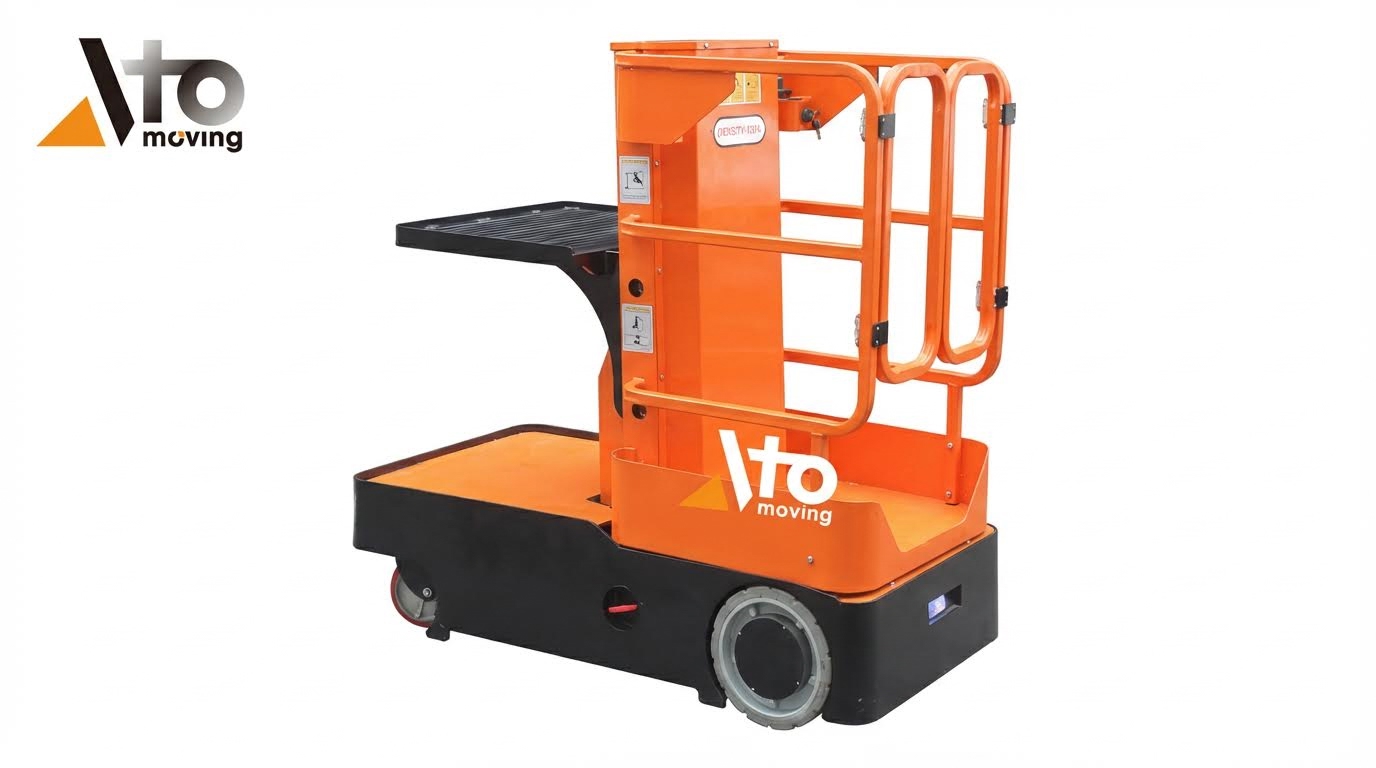
High-performance picking systems combined engineered layouts, digital control, and scalable automation. Facilities used flow-through layouts, velocity-based slotting, and appropriate storage systems to cut travel distance and handling touches. Safety, signage, and lighting underpinned reliability by reducing incidents and search time.
On the digital side, warehouse management systems (WMS) ensured traceability, real-time inventory accuracy, and optimized slotting. Integration with ERP and scan verification synchronized orders, reduced manual data entry, and improved error detection. Route-optimization, batching, and structured pick strategies such as wave, batch, and zone picking minimized walking and balanced workloads. Well-designed KPIs and analytics platforms then monitored throughput, accuracy, labor utilization, and space use, enabling continuous improvement.
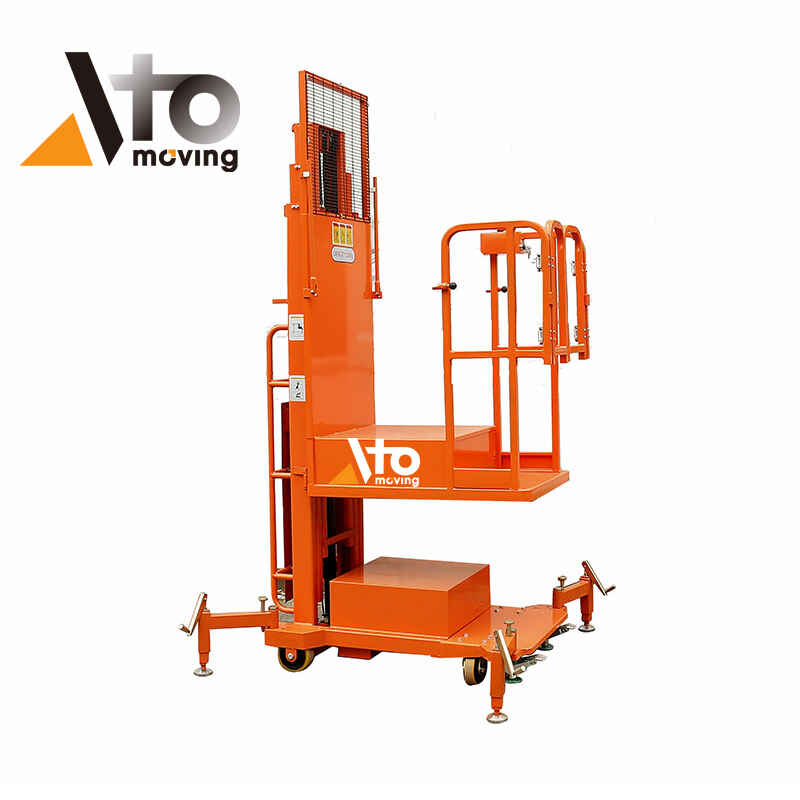
Automation extended these gains. Goods-to-person AS/RS, conveyors, and automated shuttles reduced operator travel and stabilized cycle times. Light- and voice-directed picking, AI guidance, and order picking machines, robotics-as-a-service platforms increased units per hour while lowering training time. AGVs, AMRs, and robotic picking cells offloaded repetitive transport and handling, while predictive tools and digital twins supported capacity planning and scenario testing.
Implementers needed to phase investments, starting with process discipline, layout optimization, and WMS, then layering semi electric order picker and robotics as volumes and SKU complexity grew. They also had to address ergonomics, change management, and cybersecurity, and validate that systems complied with local safety and machinery regulations. Overall, warehouse picking evolved from manual, paper-driven operations into cyber‑physical systems, where data, software, and mechatronics worked together to deliver shorter order cycles, higher accuracy, and resilient capacity under volatile demand.