Warehouse order picking efficiency depends on how well managers combine layout design, slotting policies, routing methods, and digital control. This article examines core principles of efficient order picking, then compares discrete, batch, cluster, wave, zone, and goods-to-person strategies in depth. It also analyzes how robotics, automation, AI, and digital twins reshape picking system design and performance measurement. By the end, you will see how to match specific picking methods to your facility profile, order mix, and service-level targets when evaluating what are the three strategies of picking in a warehouse and beyond.
Core Principles Of Efficient Order Picking
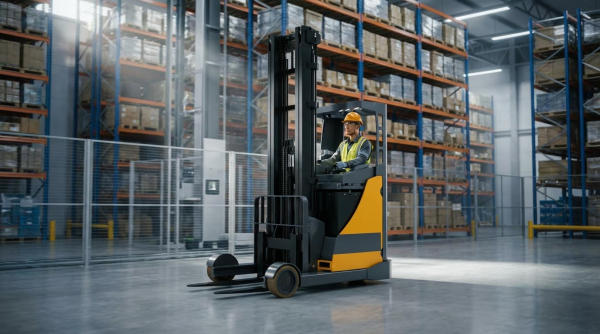
Efficient order picking depends on four tightly linked pillars: physical design, digital control, performance measurement, and safe human work. When engineers ask “what are the three strategies of picking in a warehouse,” they usually compare zone, batch, and wave picking, but these sit on top of core design rules. A facility with optimized layout, robust WMS–ERP integration, well-chosen KPIs, and strong ergonomics will support any picking strategy with lower cost and higher accuracy. The following sections outline these fundamentals so you can scale from discrete picking to advanced hybrid models with confidence.
How Layout, Slotting, And Pick Paths Drive Performance
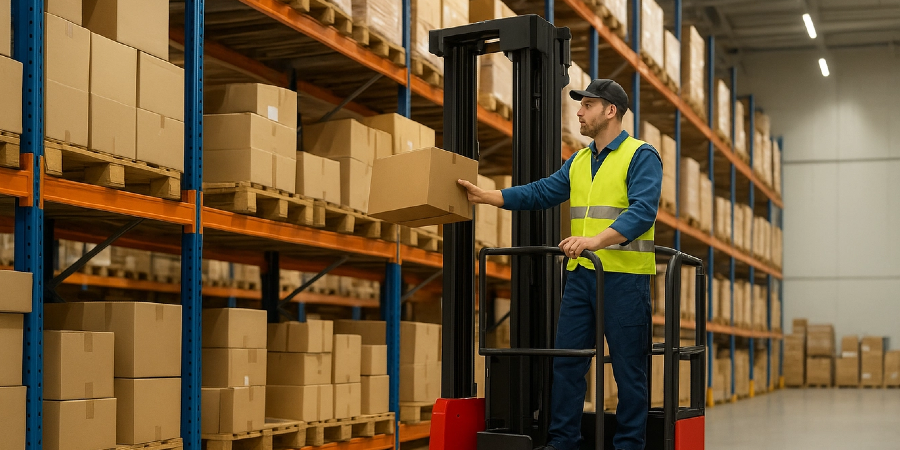
Warehouse layout sets the physical limits of every picking strategy. A good design separates receipt, storage, picking, returns, and packing zones to prevent cross-traffic and inventory loss. Slotting places high-velocity SKUs in the golden zone, typically between mid-thigh and shoulder height, near main pick paths and packing areas. This reduces bending, reaching, and walking distance per line picked.
Engineers design pick paths to minimize backtracking and deadheading. Common routing patterns include S-shape and midpoint heuristics, which research showed could cut picking time by about 40% in constrained environments like frozen warehouses. For three core warehouse picking strategies—zone, batch, and wave—layout must support short, conflict-free routes with adequate aisle widths for both manual and mechanized equipment. Compact storage systems, such as flow racks near fast movers, increase pick-face density and reduce travel, which is usually the largest component of picking labor cost.
Role Of WMS, ERP Integration, And Real-Time Data
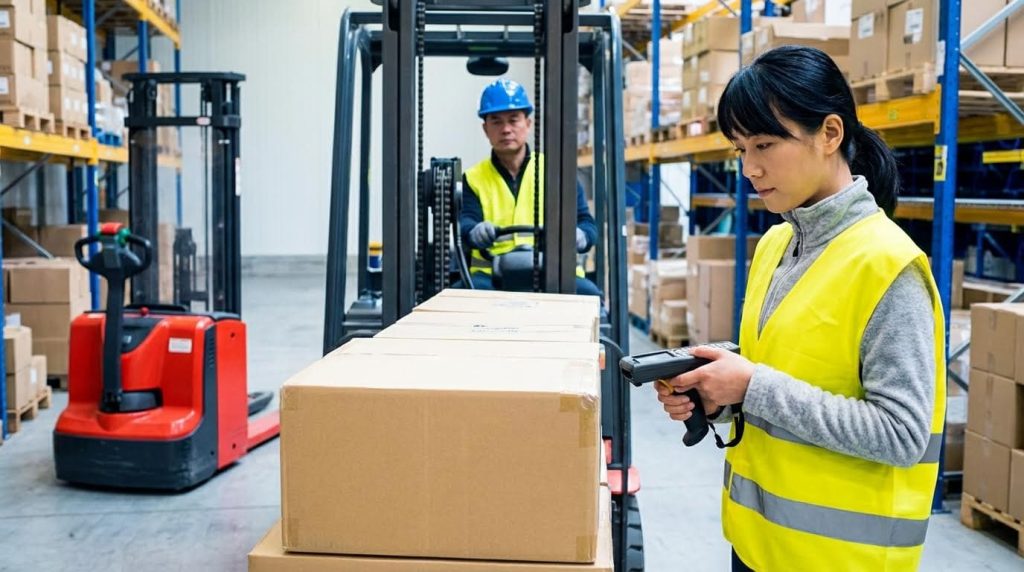
A warehouse management system coordinates storage assignment, pick list generation, and routing. It digitizes inventory locations and provides full traceability, which is essential when operating multiple picking strategies in parallel. Tight integration between WMS and ERP ensures order data flows automatically, with order priorities, carrier cut-offs, and promised ship dates visible to operations.
Real-time data enables dynamic decisions, such as switching from discrete to batch picking when order profiles change during the day. The WMS can release waves aligned with carrier schedules, balance work between zones, and trigger replenishment before pick faces go empty. RF terminals, voice systems, and pick-to-light devices feed back execution data, allowing the system to adjust routes or labor allocation. For engineers evaluating what are the three strategies of picking in a warehouse, a robust WMS is the enabler that makes zone, batch, and wave picking controllable at scale.
Key KPIs For Evaluating Picking Strategies
Quantitative KPIs allow objective comparison between discrete, batch, zone, and wave picking. Core metrics include lines picked per labor hour, orders completed per hour, and travel distance per line. Internal order cycle time, measured from order release in the WMS or ERP to completion at packing, indicates responsiveness and helps identify bottlenecks in specific zones or waves.
Accuracy metrics, such as pick error rate per thousand order lines and return rate due to picking mistakes, show the real cost of speed-focused strategies. Utilization and workload-balance indicators, often derived from labor management modules, reveal whether zones are over- or under-staffed. Engineers should track service-level adherence, for example percentage of orders shipped within the promised window, when assessing which of the three main warehouse picking strategies best fits a facility. Automated analytics tools help visualize trends and support continuous improvement decisions.
Safety, Ergonomics, And Compliance Constraints
Safety and ergonomics constrain how far any picking method can be pushed. Layout and slotting must minimize excessive lifting, twisting, and long carries, especially for heavy SKUs. Placing heavy items low and close to the aisle, and sequencing picks so heavy units are handled first, reduces injury risk and product damage. In cold or hazardous environments, routing strategies also limit worker exposure time.
Regulatory frameworks and internal standards require clear aisle markings, signage, and adequate lighting to support safe picking with manual and powered equipment. Ergonomic workstations at packing and consolidation areas reduce unnecessary walking and awkward postures. Training on equipment, storage systems, and picking procedures underpins safe adoption of zone, batch, and wave strategies. By embedding safety and compliance into design, facilities achieve sustainable gains in throughput instead of short-lived productivity spikes followed by fatigue, errors, or incidents.
Discrete, Batch, Cluster, And Wave Picking
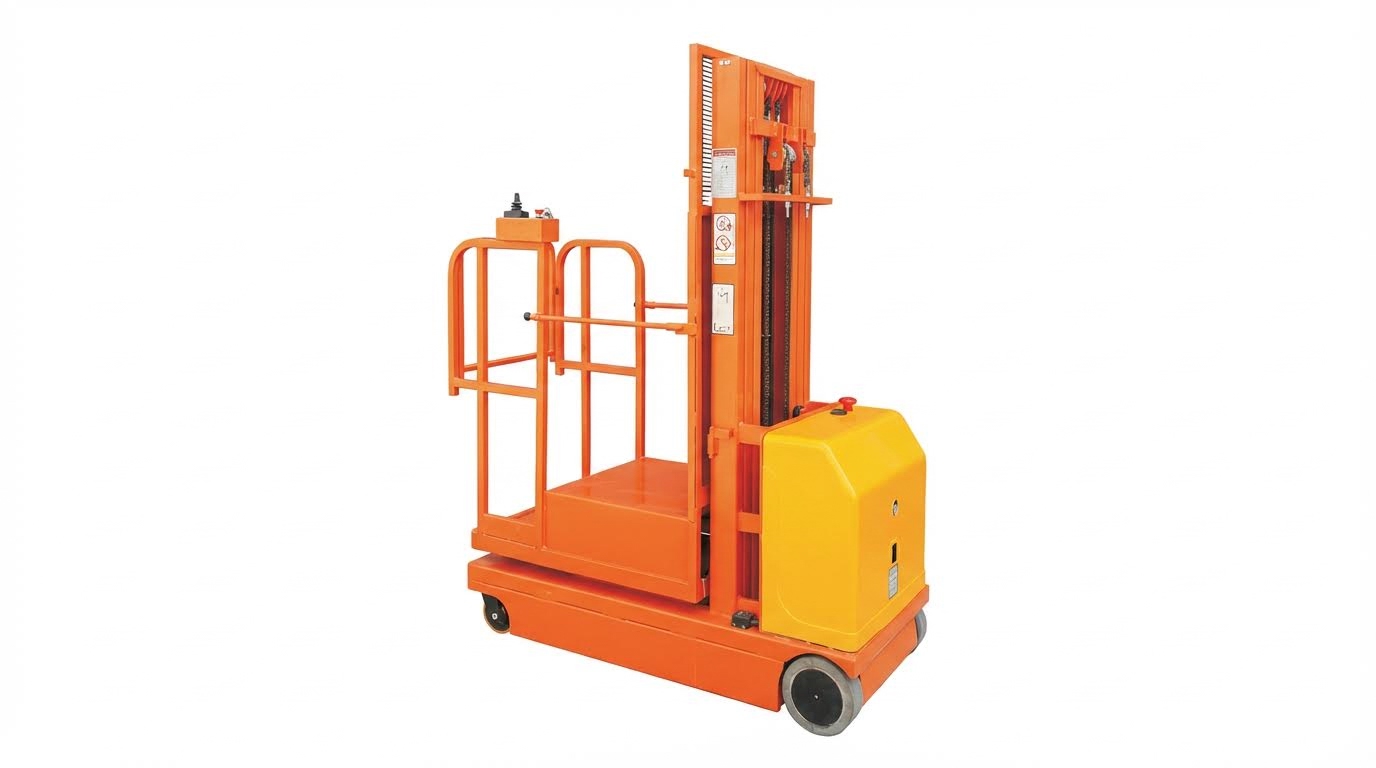
When logistics teams ask “what are the three strategies of picking in a warehouse,” they usually refer to discrete, batch or cluster, and wave picking as the core approaches. Each method structures picker travel, order grouping, and consolidation differently, which directly affects labor productivity, lead time, and error rates. Understanding how these strategies behave under different order profiles and SKU mixes allows engineers to configure layouts, WMS rules, and staffing plans that minimize non‑value‑adding travel. This section explains how to design and apply these methods and when to combine them for better performance.
Discrete Picking: Use Cases, Limits, And Design Rules
Discrete picking processes one order at a time, with a picker completing all lines before starting the next order. The method suits low to medium order volumes, small SKU assortments, or operations that prioritize order integrity over maximum throughput. Engineers typically apply it in spare parts stores, cold rooms, or high-value environments where verification at each order is critical. Design rules focus on minimizing travel: compact pick zones, ABC slotting, and optimized pick paths such as S-shape or midpoint routing. A WMS or ERP-driven pick list should sequence locations to avoid backtracking and enforce heavy-to-light picking to protect product integrity. The main limitation is scalability; as order volumes rise, picker travel time and congestion increase almost linearly, pushing labor costs up.
Batch And Cluster Picking For High-Volume Orders
Batch and cluster picking answer the same question—how to cut travel when order volumes increase—but use different consolidation mechanics. Batch picking groups orders that share SKUs; the picker collects aggregate quantities into totes or carts, and a downstream station sorts items to individual orders. This strategy works well for high-frequency SKUs and e‑commerce profiles with many small, similar orders. Cluster picking lets the picker handle multiple orders simultaneously using a cart or rack with dedicated compartments per order. The WMS or RF device directs the picker to place each item into the correct slot, eliminating a separate sortation step. Cluster picking reduces handling stages but requires strong real-time guidance and location control to avoid misallocation. Both strategies reduce travel distance per order line, but they increase local complexity at the cart or sortation area, so clear labeling, ergonomics, and error-proofing are essential.
Wave Picking For Schedule-Driven Fulfillment
Wave picking organizes discrete or batch work into time-boxed groups, or “waves,” aligned with shipping cutoffs, carrier departures, or production schedules. The WMS releases orders in waves that share attributes such as carrier, route, service level, or zone, allowing synchronized picking, packing, and loading. Engineers use wave parameters to control workload balance, avoid dock congestion, and ensure high-priority orders complete first. Within a wave, the system can still apply discrete, batch, or cluster logic, so wave picking acts as a planning layer rather than a physical technique by itself. Key design tasks include setting wave sizes, release times, and lockout rules for late-arriving orders. Wave picking fits large, schedule-driven facilities like retail distribution centers, but it can reduce flexibility for late same-day orders if cutoff times are too rigid.
Hybrid Approaches And Transition Strategies
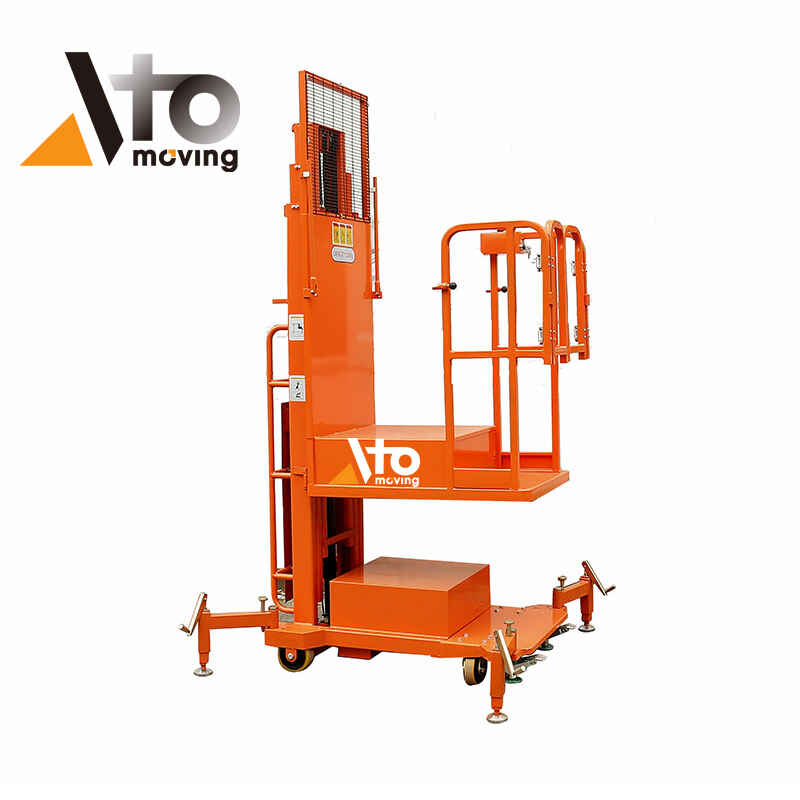
Real warehouses rarely rely on a single method; they blend discrete, batch, cluster, and wave picking by zone, SKU family, or time of day. A common hybrid design uses discrete picking for bulky or fragile items, batch or cluster picking for small high-velocity SKUs, and wave control to synchronize everything with carrier departures. Transitioning from discrete to more advanced methods starts with data: analyze order lines per order, SKU velocity, and travel time to identify where batching yields the highest benefit. Next, configure the WMS to support multi-order carts, location sequencing, and clear exception handling for shorts or substitutions. Pilot new strategies in a limited area, then scale once KPIs such as lines per labor hour, error rate, and order cycle time confirm improvements. Over time, facilities can layer in zone-based designs and automation, but maintaining simple, well-documented procedures for operators remains critical to sustain performance gains. Tools like warehouse order picker, order picking machines, and scissor platform can further enhance efficiency in these operations.
Zone, Pick-And-Pass, Goods-To-Person, And Automation

Zone, pick-and-pass, goods-to-person, and automation-based designs answer a recurring engineering question: what are the three strategies of picking in a warehouse, and how should they coexist with more advanced technologies. This section explains how to engineer zones and routing, when to use pick-and-pass, and how to layer conveyors, AGVs, robotics, AI, and digital twins on top. The goal is to connect layout, control logic, and software so that order picking scales with throughput, SKU complexity, and service levels.
Zone And Pick-And-Pass: Design, Routing, And Control
Zone and pick-and-pass architectures build directly on the classic three strategies of picking in a warehouse: discrete, batch, and zone picking. In a zone design, engineers divide storage into areas based on SKU velocity, temperature class, hazard class, or physical size. Each picker or automated carrier stays inside one zone, which reduces travel distance and increases familiarity with local SKUs. Pick-and-pass adds a flow dimension: orders or totes move sequentially through only the zones that contain required SKUs, often via conveyors or cart routes.
Mechanical design must support unidirectional, low-conflict flows to avoid congestion. Engineers specify aisle width, conveyor speed, accumulation capacity, and transfer angles so that containers queue safely without backpressure. Control logic in the WMS or WCS decides whether zones work sequentially or in parallel, and whether totes can bypass empty zones. For high-throughput e‑commerce, pick-and-pass often combines batch logic at the front end with consolidation or automatic sortation at the back end to control cycle time and dock schedules.
Goods-To-Person, Conveyors, AGVs, And Atomoving
Goods-to-person systems invert traditional walking-based methods and answer what are the three strategies of picking in a warehouse from a flow perspective: move people to goods, move goods to people, or mix both. In goods-to-person, storage subsystems such as shuttles, mini-load cranes, or mobile racks deliver totes or trays to ergonomic pick stations. This architecture can support very high line rates while stabilizing operator walking distances near zero. Conveyors or sorters link storage, decanting, picking, and packing, and require careful mechanical sizing for speed, accumulation length, and merge/divert density.
AGVs and AMRs transport pallets, cartons, or totes between zones and buffer points, decoupling picking from long-distance transport. Engineers select navigation technology, payload, and turning radius based on aisle geometry and floor quality. Atomoving solutions integrate with WMS and WCS layers to orchestrate missions, avoid deadlocks, and maintain safe separation from pedestrians. Proper integration ensures that automated carriers arrive at pick stations in sync with labor capacity, preventing starvation or overflow and stabilizing order cycle times.
Robotics, Cobots, And Picking Assistance Systems
Robotic and cobotic systems extend the three fundamental picking strategies by automating the most repetitive or ergonomically challenging tasks. Stationary pick-and-place robots handle high-volume, consistent SKUs, while articulated arms with advanced grippers tackle mixed-SKU bins. Cobots share workspaces with human pickers, taking over heavy lifts, deep reaches, or high-frequency motions to reduce musculoskeletal risk. Mechanical engineers must validate end-effector design, payload, reach, and cycle time against carton dimensions, product fragility, and required throughput.
Picking assistance systems such as pick-to-light, put-to-light, and voice-directed picking enhance human performance in both manual and semi-automated zones. These systems guide operators through optimized routes and confirm each pick, reducing error-induced returns. Integration with WMS allows real-time validation of quantities and locations, while labor management data highlights bottlenecks. When combined with zone or batch picking, these aids raise productivity without fully redesigning the mechanical layout, providing a bridge toward higher automation levels.
AI, Digital Twins, And Predictive Optimization
AI and digital twins allow engineers to test and refine what are the three strategies of picking in a warehouse—discrete, batch, and zone—before altering physical infrastructure. A digital twin mirrors racks, conveyors, AGVs, robots, and labor in a simulation environment, using real demand data and control rules. Engineers evaluate alternative slotting rules, routing heuristics such as S-shape or midpoint, and different zone boundaries under peak and off-peak conditions. Studies in cold-chain facilities showed that optimized routing and precedence constraints could reduce picking time by roughly 40% under suitable conditions.
Machine learning models forecast demand, detect emerging bottlenecks, and recommend re-slotting or wave parameters. Combined with real-time WMS and sensor data, they adjust pick paths, release waves, or AGV mission priorities dynamically. Predictive maintenance on conveyors, shuttles, and robots reduces unplanned downtime that would otherwise disrupt picking waves. This convergence of AI, digital twins, and automation enables continuous improvement of warehouse order picking strategies without constant physical rework, while preserving safety and regulatory compliance.
Summary: Matching Picking Methods To Your Facility

Warehouse managers evaluating what are the three strategies of picking in a warehouse typically compare discrete, batch, and zone-based methods, then extend the analysis to cluster and wave picking. The optimal choice depends on order profiles, SKU count, service levels, and automation maturity. A structured comparison against measurable KPIs such as order cycle time, lines picked per labour hour, error rate, and travel distance per line allows objective selection and continuous refinement. Modern facilities increasingly combine methods dynamically, orchestrated by a warehouse management system and integrated ERP data, rather than relying on a single static strategy.
From a technical standpoint, discrete picking fits low-volume, low-SKU, or high-value environments where order integrity and traceability dominate, while batch and cluster picking suit high-order-count operations with repeated SKUs and limited line diversity per order. Zone, pick-and-pass, and goods-to-person strategies become attractive when facilities grow in footprint, introduce temperature-controlled areas, or handle heterogeneous storage technologies. Wave and waveless real-time prioritisation allow schedule-driven fulfilment aligned with carrier cut-off times and omnichannel promises. Simulation and digital twins increasingly support scenario testing, including routing heuristics and slotting rules, before physical changes occur.
Implementation should start with a detailed baseline: travel heatmaps, congestion points, dwell times, and error root causes. The WMS must support mixed strategies in parallel, granular slotting rules, and constraint-based routing, while maintaining full product traceability and regulatory compliance, especially in food, pharma, and hazardous goods. Facilities should also consider ergonomics and safety when densifying pick areas or increasing pick rates, including lighting, signage, warehouse order picker selection, and workstation design. Over time, elastic logistics capabilities, such as the ability to switch between discrete, batch, and zone-heavy operation during peaks, will differentiate resilient warehouses that can adapt to demand shocks, SKU proliferation, and rising e-commerce service expectations. Additionally, integrating advanced tools like scissor platform lift systems and manual pallet jack solutions can further enhance operational efficiency.