Warehouse pick rate sat at the center of modern fulfillment performance. Operations teams used it to translate layout, methods, labor, and automation decisions into hard numbers that affected service levels and cost. This article examined how to define pick rate and core KPIs, how to engineer processes for higher throughput, and how to apply automation, AI, and scissor platform lift to picking. It concluded with a structured approach for setting realistic targets and systematically achieving best-in-class warehouse performance.
Defining Warehouse Pick Rate And Core KPIs

Warehouse pick rate described how many order lines, pieces, or orders operators completed per hour. Engineers used it as a primary capacity and productivity metric when designing storage, labor plans, and automation. To manage it effectively, operations teams translated pick rate into a small, stable set of KPIs that covered speed, accuracy, and service level. These KPIs then tied directly into financial outcomes, such as labor cost per order and working capital tied in inventory.
Lines, Pieces, And Orders Per Hour Explained
Lines per hour measured how many order lines a picker completed in one hour, regardless of quantity per line. This KPI worked well for environments with mixed quantities and a wide SKU range, such as spare parts or e‑commerce. Pieces or cases per hour instead counted the physical units picked, which suited high-volume case or each-pick operations. Orders per hour aggregated the full order cycle, including walking, picking, verification, and handoff, and therefore captured both pick productivity and process design quality.
Typical engineering targets expected an average picker to reach 120–175 pieces or cases per hour, while best-in-class pickers exceeded 250 picks per hour. In lines-per-hour terms, a target of 130 lines per hour was common, with well-optimized operations achieving 140+ lines per hour. Engineers selected which metric to prioritize based on order profile, SKU count, and handling unit (each, case, pallet). They also normalized metrics by shift length and indirect time to ensure fair comparisons between teams, shifts, and facilities.
Accuracy, Fill Rate, And On-Time Ship KPIs
Order accuracy measured the percentage of orders shipped without picking or documentation errors. Typical targets sat around 99%, while high-performing operations aimed for 99.5–99.9% accuracy. Inventory accuracy, usually targeted at 98% or higher, underpinned pick accuracy by ensuring that system stock matched physical stock. Order fill rate indicated what percentage of order lines or units the warehouse shipped in full from available inventory, with 97–98% considered acceptable and 100% best in class.
On-time shipping tracked whether orders left the warehouse within their promised dispatch window. Typical expectations ranged between 98–99% on-time shipments, with values above that regarded as excellent. Engineers linked these KPIs to replenishment quality, dock-to-stock time, and slotting strategy because stockouts and late put-away degraded both fill rate and on-time performance. Continuous cycle counting and regular database checks supported inventory accuracy, which then stabilized pick accuracy and reduced rework and returns.
Benchmark Targets For Average And Best-In-Class
Engineering teams used benchmark bands to distinguish average from best-in-class performance. For picking productivity, an average operation targeted 120–175 picks per hour, while best-in-class exceeded 250 picks per hour under stable conditions. A lines-per-hour target around 130 served as a baseline, with 142 lines per hour already indicating above-target performance. Order accuracy benchmarks clustered around 99% for acceptable operations and 99.5–99.9% for top performers.
On-time shipment benchmarks ranged between 98–99%, and anything above that level required tight coordination with carriers and internal schedules. Inventory accuracy targets of 98% or more, supported by structured cycle counting, reduced dead stock and improved stock turnover ratio. Advanced technologies such as voice-directed picking historically increased pick rates by up to 30% compared with paper or basic RF processes. Engineers used these benchmarks when sizing labor, selecting automation, and building business cases for investments in semi electric order picker or automated solutions.
Linking Pick Rate To Customer Satisfaction
Pick rate influenced customer satisfaction through its effect on lead time, order completeness, and reliability. Higher pick productivity reduced order cycle time, which supported tighter cut-off times and faster delivery promises. However, engineers balanced speed with accuracy, because picking errors cost between USD 10 and 250 per mistake and degraded customer trust. High order accuracy and fill rate reduced returns, reships, and customer service interventions, which customers perceived as consistent, dependable service.
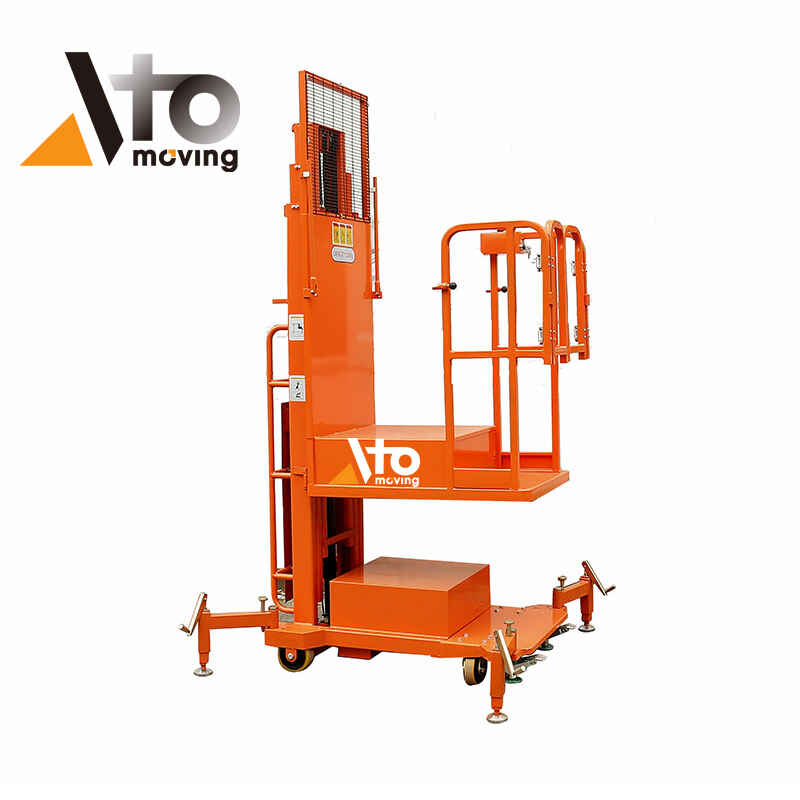
On-time shipping KPIs directly fed customer satisfaction metrics such as on-time delivery and perceived reliability. Real-time visibility of throughput and performance on warehouse floor displays helped teams react quickly to bottlenecks and protect service levels. By linking warehouse KPIs to external indicators like customer complaints, returns rate, and net promoter scores, organizations quantified how process changes in picking affected the end customer. This systems view allowed engineers to justify investments that improved both operational efficiency and customer experience simultaneously. For instance, adopting advanced order picking machines or optimizing workflows with tools like warehouse order picker solutions could drive measurable improvements.
Engineering The Picking Process For Higher Throughput

Engineering the picking process for higher throughput required a structured approach that combined layout design, process methods, and technology. Operations that treated picking as an engineered system, not just a labor activity, achieved higher pick rates and tighter service levels. The goal was to increase lines or pieces per hour without degrading accuracy, safety, or worker sustainability. This required coordinated decisions on slotting, pick paths, methods, and management routines.
Layout, Slotting, And Optimized Pick Paths
Layout engineering focused on minimizing non-value-adding travel while preserving clear, safe flows. High-velocity SKUs moved closest to packing and dispatch, with medium and slow movers positioned progressively further away to reduce average walking distance. Slotting strategies grouped items by demand, size, compatibility, and handling constraints so pickers could access them with minimal bending, reaching, or searching. Vertical space utilization with appropriate racking increased storage density while keeping golden zone locations, roughly between 0.75 m and 1.6 m, for fast movers to protect ergonomics.
Optimized pick paths used data from WMS to sequence locations and avoid backtracking. Facilities that analyzed historical orders and heat maps of movement often reported productivity gains near 9% just from improved routing. Wide, clearly marked aisles allowed bidirectional traffic and reduced congestion at high-volume locations. Regular reviews of slotting based on updated demand profiles, seasonality, and new product introductions maintained performance over time. Engineering teams validated changes using time studies and throughput simulations before large-scale implementation.
Picking Methods: Discrete, Batch, Zone, And Wave
Picking method selection strongly influenced achievable pick rate and labor balance. Discrete order picking, where one picker completed one order at a time, offered simplicity and high accuracy but often produced longer travel distances. Batch picking combined lines for multiple orders into a single route, reducing walking time and increasing lines picked per hour when SKUs overlapped across orders. Zone picking divided the warehouse into areas, assigning pickers to specific zones to reduce travel and specialization time; orders then consolidated downstream. Wave picking grouped orders by carrier, shipping time, or priority, aligning picking windows with dispatch schedules to protect on-time shipping KPIs.
Engineering teams frequently used a hybrid of these methods, tuned to order profiles and SKU counts. High-SKU, low-line orders often favored discrete or zone picking, while high-line, repetitive profiles favored batch or wave approaches. WMS support was critical for coordinating releases, routing containers or totes, and managing order consolidation logic. Periodic method reviews, driven by KPI trends such as lines per hour, on-time ship, and congestion incidents, ensured the chosen strategy stayed aligned with demand patterns and capacity constraints.
Lean Practices, Ergonomics, And Safety By Design
Lean warehouse practices targeted the classic wastes: unnecessary motion, waiting, over-processing, and defects such as picking errors. Standardized, clearly documented pick sequences reduced variation and made abnormalities visible. Just-in-Time replenishment and well-defined min-max levels helped avoid stockouts at pick faces, which otherwise forced rework and delayed orders. Visual cues, such as floor markings, signage, and rack labels, shortened search time and supported error-free picking. Continuous improvement cycles, using data from WMS and operator feedback, systematically removed bottlenecks and micro-delays.
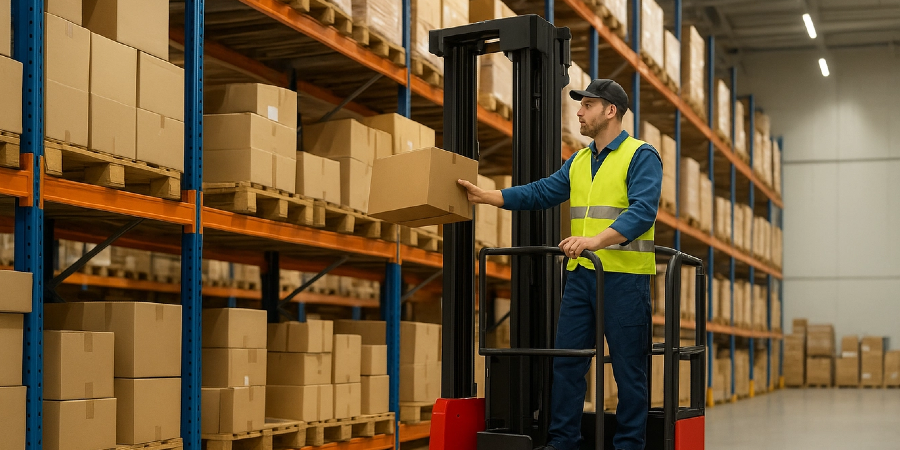
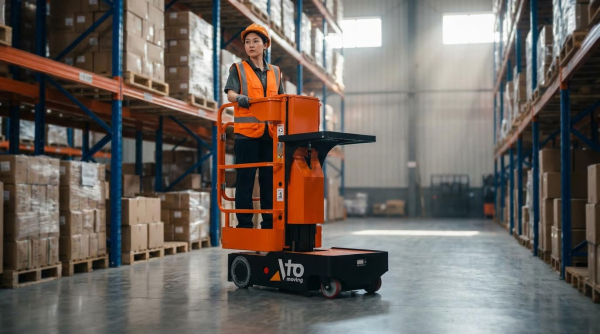
Ergonomic design protected throughput by reducing fatigue and injury risk. Engineering controls included setting shelf heights to keep frequent picks within the neutral reach zone and using mechanical aids for heavy or awkward loads. Adequate lighting, low-glare surfaces, and clear sightlines improved reading of labels and reduced mispicks. Safety by design integrated guarded walkways, separation of pedestrian and vehicle traffic, and controlled crossing points for semi electric order picker or tuggers. Operations that embedded safety into layouts and workflows typically sustained higher long-term productivity, because unplanned downtime from incidents and strain injuries decreased.
Training, Standard Work, And Visual Management
Training underpinned consistent pick performance and safe operation. New pickers needed structured onboarding that covered layout orientation, pick methods, equipment use, and error-prevention techniques such as scan verification. Refresher training and micro-learning sessions reinforced best practices when process changes or new technologies were introduced. Standard work captured the current best-known method for each picking scenario, including travel patterns, scanning steps, and exception handling. Engineers used time studies of standard work to set realistic performance targets and identify improvement opportunities.
Visual management translated real-time performance into actionable information on the warehouse floor. Monitors or boards displayed KPIs such as lines per hour, pick accuracy, on-time ship percentage, and backlog status at shift and zone levels. Operators could immediately see whether they were on target and where support was needed. Color coding, andon-style alerts, and simple dashboards highlighted deviations like rising backorders or abnormal dwell times at pick stations. When combined with daily tier meetings and short problem-solving huddles, visual management helped stabilize processes and align teams around throughput and quality objectives.
Automation, Digital Twins, And Advanced Technologies
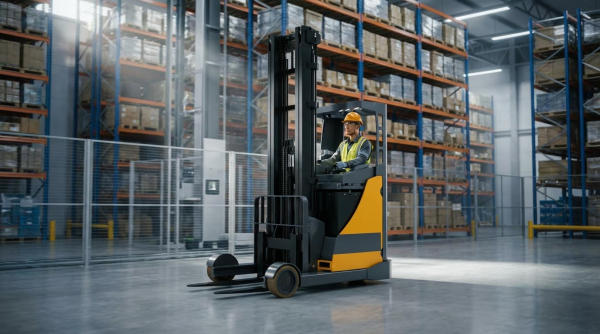
Automation and data-driven control reshaped warehouse picking performance before 2026. Modern facilities used software, mechatronics, and analytics to raise pick rates, improve accuracy, and stabilize labor productivity. Engineering teams treated picking as a cyber-physical system, where layout, equipment, and algorithms interacted in real time. This section examined how software platforms, semi-automated technologies, and digital twins supported aggressive performance targets without sacrificing safety or quality.
WMS, LMS, And Real-Time KPI Monitoring
Warehouse Management Systems (WMS) orchestrated inventory, locations, and picking tasks with precise rule sets. They generated optimized pick lists, controlled replenishment, and enforced FIFO or FEFO strategies to reduce dead stock and stockouts. Labor Management System (LMS) modules layered on top of WMS to measure individual and team throughput, such as lines per hour or picks per hour. These systems compared actual performance against engineered standards, exposing bottlenecks and underutilized capacity.
Real-time KPI monitoring turned abstract targets into actionable shop-floor feedback. Facilities tracked order accuracy near 99–99.9%, on-time shipping around 98–99%, and inventory accuracy above 98% using dashboards. Monitors on the warehouse floor displayed live pick productivity, dock-to-stock time, and order fill rate, supporting visual management. When KPIs drifted, supervisors adjusted pick paths, staffing, or carrier schedules using data instead of intuition.
Integration between WMS, LMS, and Enterprise Resource Planning (ERP) systems aligned operational performance with business goals. Engineers used throughput data, stock turnover ratio, and backorder rates to validate layout changes and automation investments. Advanced WMS functions digitized documentation, synchronized cycle counting, and triggered automatic alerts for discrepancies or late replenishments. This reduced manual checks, shortened response time, and supported continuous improvement loops.
Voice, Pick-To-Light, And Semi-Automated Systems
Voice-directed picking used headsets and speech recognition to guide operators step by step. Workers kept their hands and eyes free, which improved safety and situational awareness, especially around lift stacker or in cold rooms. Under favorable conditions, voice systems increased pick rates by roughly 30% and cut error rates by up to 50–90% compared with paper processes. Operations reported order accuracy levels approaching 99.9% and faster onboarding, because new staff reached target performance within days instead of weeks.
Pick-to-light systems mounted light modules on storage locations to signal item, quantity, and confirmation. This visual guidance minimized search time and reduced typical mistakes such as wrong SKU or miscounted quantity. In engineered cells, pick-to-light supported high-frequency lines and synchronized well with conveyors feeding packing stations. When combined with barcode or RFID scanning, these systems created a closed-loop verification process at each pick.
Semi-automated solutions bridged the gap between manual picking and full automation. Facilities often combined voice or light guidance with RF scanners, dynamic slotting rules, and structured pick carts. This layering allowed stepwise productivity gains without complete process redesign. Engineers evaluated each zone by SKU velocity and error cost, then deployed the appropriate technology mix to maximize return on investment while maintaining flexibility.
AS/RS, AGVs, AMRs, And Goods-To-Person Designs
Automated Storage and Retrieval Systems (AS/RS) mechanized put-away and retrieval using shuttles, cranes, or vertical lift modules. These systems increased storage density and cut search and walk time, often reducing individual pick cycles from minutes to seconds. Case studies reported picking time reductions of roughly 70–75% and significant floor-space recovery for value-adding operations. Controlled inventory access also reduced shrink and improved traceability for audits.
Automated guided vehicles (AGVs) and autonomous mobile robots (AMRs) transported pallets, totes, or carts between zones without continuous human control. Using navigation algorithms and, in newer systems, machine learning, they adapted routes to congestion and priority changes. This decoupled transport from picking, so human pickers focused on value-added tasks while robots handled repetitive moves. Facilities that implemented these systems reported higher throughput without proportional increases in headcount.
Goods-to-person designs combined AS/RS and mobile robotics to bring items directly to ergonomic pick stations. Operators stayed in a small footprint while shuttles, lifts, or AMRs delivered storage units in sequence. This architecture minimized travel distance, standardized motions, and simplified training. Engineers tuned buffer sizing, queue logic, and station layout to sustain target lines per hour while protecting operator ergonomics and safety.
AI, Predictive Analytics, And Digital Twin Modeling
Artificial intelligence and predictive analytics used historical and real-time data to anticipate workload and optimize resources. Models forecasted demand spikes, adjusted reorder points, and proposed dynamic slotting to keep high-velocity SKUs near pick faces. Algorithms also optimized pick path generation, which had previously improved picking productivity by close to 9% in documented cases without additional labor. These tools supported decisions on staggered breaks, staffing levels, and carrier pickup timing.
Digital twins created virtual replicas of warehouses, including racks, equipment, and control logic. Engineers simulated new layouts, automation options, and picking strategies before physical deployment. They tested scenarios such as adding AMRs, changing batch sizes, or reconfiguring zones, and evaluated impacts on throughput, queue lengths, and congestion. This reduced commissioning risk and shortened ramp-up times for complex projects.
As data quality improved, digital twins and AI worked in closed loops with WMS and LMS. Real-time KPIs calibrated models, while model outputs fed back as new operating parameters or task assignments. This cyber-physical approach enabled continuous tuning of pick rates, accuracy, and resource utilization, aligning day-to-day operations with long-term performance targets.
Summary: Setting And Achieving Pick Performance Targets
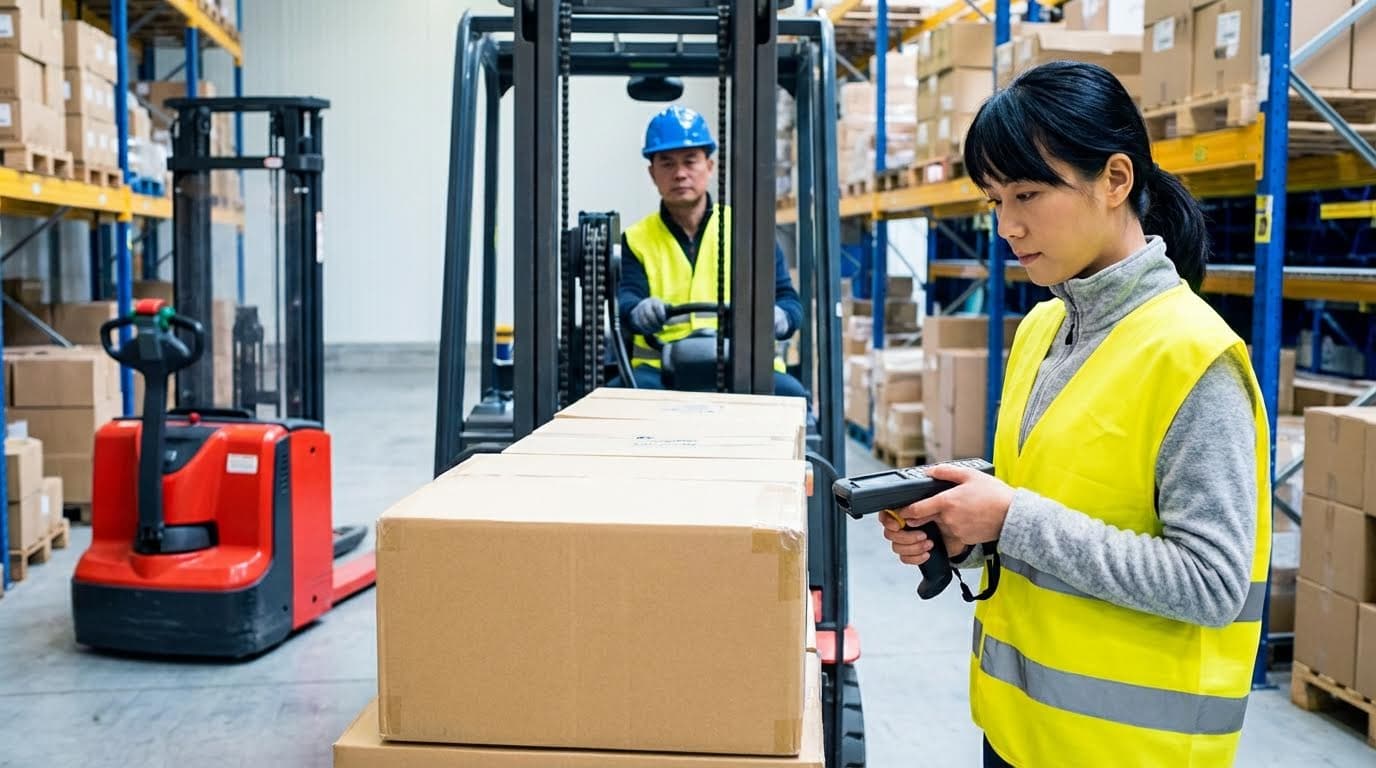
Engineering warehouse pick performance required clear definitions, robust KPIs, and realistic benchmark targets. Operations that approached best-in-class levels typically combined optimized layouts, disciplined processes, and data-driven management with selective automation. Evidence from 2024–2025 case data showed that lines-per-hour, pick accuracy, and on-time shipping responded measurably to improvements in slotting, pick paths, and digital control systems.
From an industry perspective, the performance bar continued to rise. Average operations targeted around 120–175 picks per hour and 98–99% order accuracy, while best-in-class facilities aimed for over 250 picks per hour and 99.5–99.9% accuracy. Semi-automated and automated material handling systems, including AS/RS, goods-to-person solutions, and voice-directed picking, demonstrated 30–75% reductions in pick time and accuracy approaching 99.9%. Future trends pointed toward tighter WMS–ERP integration, pervasive real-time KPIs on the shop floor, and broader use of AI for demand prediction, dynamic slotting, and labor planning.
Practical implementation required phased deployment. Sites that succeeded typically started with baseline measurement, quick wins in layout and pick-path optimization, and standardization of picking methods and work instructions. They then layered WMS, LMS, and real-time dashboards, followed by targeted automation where the business case was strongest, such as high-velocity SKUs or constrained labor zones. A balanced roadmap treated automation as an amplifier of well-engineered processes, not a substitute for them.
The technology landscape evolved rapidly, but the fundamentals stayed stable. Clear KPIs, continuous training, lean waste elimination, and ergonomically safe workstations remained foundational. Digital twins and predictive analytics enhanced scenario testing and investment decisions but still depended on accurate data and disciplined execution. Organizations that regularly reviewed performance against targets, adjusted designs, and aligned quarterly goals with customer service expectations were the ones that consistently achieved and sustained high warehouse pick rates. For operations involving warehouse order picker systems or scissor platform solutions, integrating these tools effectively became critical. Additionally, the use of manual pallet jack equipment ensured flexibility in manual operations.