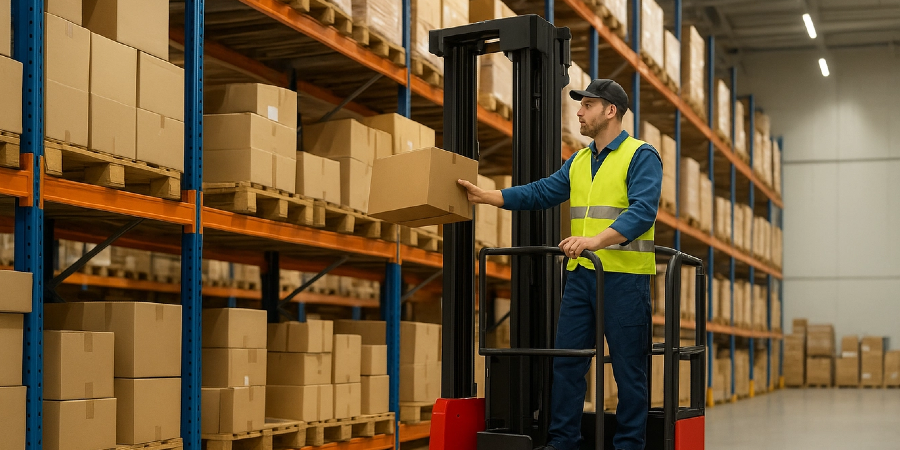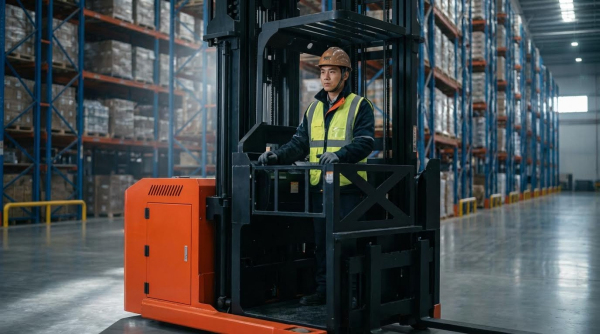
Warehouse picking, or order picking, is the core process of retrieving items from storage locations to fulfill customer orders. Understanding what picking is in a warehouse requires a clear view of concepts, methods, and performance metrics that govern this labor-intensive activity. This article explains fundamental terminology, compares manual and automated picking methods, and examines how technologies such as WMS, RF, and robotics reshape picking system design. It concludes with engineering implications for designing safe, efficient, and scalable picking operations.
Core Concepts And Terminology In Picking
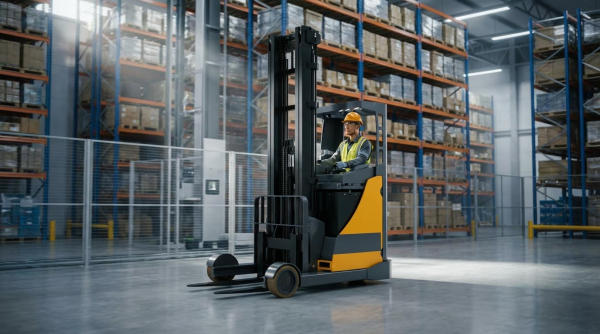
This section explains what picking is in a warehouse and why it matters for cost, service level, and engineering design. It defines the standard picking units, order structures, and performance indicators used by industrial engineers and logistics managers. Understanding these core terms creates a common language for later sections on process design, automation, and optimization. It also supports SEO intent around “what is picking in a warehouse” by grounding the phrase in precise technical usage.
What Warehouse Picking Is And Why It Matters
Warehouse picking is the process of retrieving items from defined storage locations to assemble customer or production orders. It starts after an order enters the WMS or ERP and ends when all required lines are picked and released to packing or staging. Engineers treat picking as a discrete, labor-intensive subsystem that can represent more than 35% of total warehouse operating cost. Its performance directly affects order lead time, delivery reliability, and error-driven costs such as returns and rework.
From a mechanical and layout engineering view, picking links storage media, handling equipment, and information systems into a coordinated flow. Poorly designed pick areas increase travel distance, congestion, and non-value-adding motions. Good design integrates slotting rules, pick paths, and ergonomics to minimize movement and physical strain. For SEO users asking “what is picking in a warehouse,” it is best described as the engineered process that converts stored inventory into correctly assembled outbound orders at the lowest feasible cost and risk.
Common Picking Units: Piece, Case, Tote, And Pallet
Picking units define the physical granularity of material flow. Piece picking handles individual sellable units, typical in e‑commerce and spare parts operations with high SKU variety and small order lines. It requires precise location control, clear labeling, and ergonomically designed pick faces within reach zones. Case picking deals with full cartons, usually single-SKU, and suits store replenishment or wholesale flows with higher volumes per line.
Tote-based picking uses reusable containers as intermediate carriers for items or order lines. Operators or automated systems place picked items into dedicated totes that travel to packing or consolidation. Totes stabilize small or irregular items, support conveyor or automated transport, and enable batch or cluster picking strategies. Pallet picking operates at the largest unit, handling full or partial pallets. It is efficient when each pallet stores a single SKU and when downstream customers consume large quantities, such as in manufacturing supply or big-box retail.
Order Structures: Single, Batch, Cluster, And Waves
Order structure describes how the system groups demand into executable picking work. Single-order (discrete) picking assigns one order to a picker or mission; it simplifies control and verification but increases travel for higher volumes. Batch picking groups multiple orders that share SKUs or locations so a picker collects consolidated quantities in one route. This reduces walking distance but requires downstream sortation or consolidation.
Cluster picking extends batching by physically separating orders during the pick tour, for example using multi-compartment carts or multi-tote frames. The picker visits each location once and distributes items directly into the correct order slots, cutting a consolidation step at the cost of more complex cart design and error-proofing. Wave picking releases orders in time-based or priority-based waves, aligning picking with carrier cut-offs, dock schedules, or labor availability. Engineers often combine these structures, selecting by SKU profile, order size, and service window.
Key KPIs: Accuracy, Cycle Time, And Units Per Hour
Key performance indicators translate warehouse picking performance into measurable engineering and management metrics. Pick accuracy typically equals correctly picked order lines divided by total shipped lines or orders, expressed as a percentage. High-automation environments often target accuracy above 99.8%, while manual operations may accept slightly lower levels with additional checks. Accuracy drives customer satisfaction and directly influences costs from returns, repacking, and claims.
Order cycle time measures the elapsed time from order release to completion of picking, sometimes extended to packing or shipping confirmation. Engineers analyze its distribution to verify that the system meets service-level agreements under peak loads. Units per hour, or lines per hour, quantifies picker productivity and supports labor planning and ROI calculations for new technologies. Supporting KPIs include travel distance per line, touches per unit, and utilization of pick faces. Together, these indicators allow continuous improvement of what picking is in a warehouse: a controlled, optimizable transformation of stored SKUs into ready-to-ship orders.
Picking Methods And Process Design
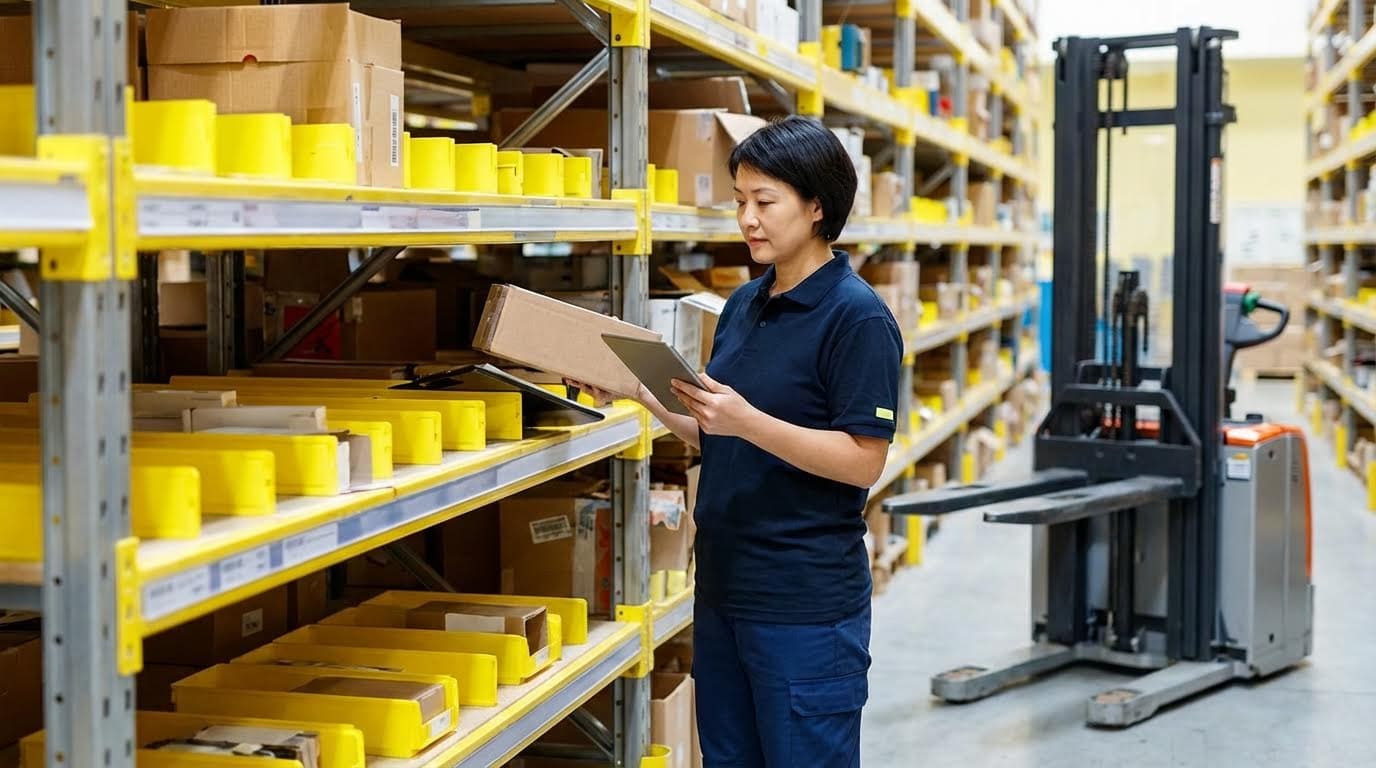
Picking methods and process design define how a warehouse executes “what is picking in a warehouse” at scale. Engineers align the picking concept with layout, equipment, software, and labor to control cost, speed, and accuracy. The right design reduces travel, standardizes work, and supports gradual migration from manual to automated solutions as demand grows.
Manual, Assisted, And Automated Picking Systems
Manual systems relied on operators walking storage aisles with paper lists or RF devices. This approach suited low to medium volumes but generated long walking distances, high labor content, and variable accuracy. Assisted systems introduced technologies such as RF scanning, pick-to-light, and voice instructions to guide operators and validate picks in real time. These reduced typical error rates and enabled higher “lines per hour” without fully changing the layout. Automated systems, including AS/RS, conveyors, and goods-to-person stations, moved the core of “what is picking in a warehouse” from walking to supervising machines. They delivered high throughput, short order cycle times, and predictable quality, but required higher capital expenditure and careful integration with the WMS.
Zone, Wave, And Combined Picking Strategies
Zone picking divided the warehouse into logical areas, with each operator responsible for SKUs in one zone. This design reduced travel distance per operator and simplified training because workers learned a smaller SKU set. Wave picking grouped orders into time-based or carrier-based waves, which synchronized picking with packing and dispatch schedules. It stabilized loading docks and minimized congestion in shared aisles. Combined strategies integrated methods such as zone plus batch or wave plus cluster picking to match complex demand patterns. Engineers selected combinations based on order profiles, SKU velocity, and service-level targets, always tying the strategy back to the core question of what is picking in a warehouse for that specific business model.
Slotting, Pick Paths, And Layout Engineering
Slotting defined where each SKU sat in the storage system using rules based on velocity, cube, and handling constraints. High-velocity SKUs moved close to packing areas and at ergonomic heights to cut travel and bending. Engineers modeled pick paths to minimize backtracking and deadheading, often using WMS algorithms to generate shortest or serpentine routes. Layout engineering linked receiving, storage, picking, and packing zones so that material flows followed simple, mostly one-way paths. When companies asked what is picking in a warehouse from a cost perspective, slotting and path optimization typically offered the fastest payback because they reduced travel distance without major capital changes.
Safety, Ergonomics, And Regulatory Compliance
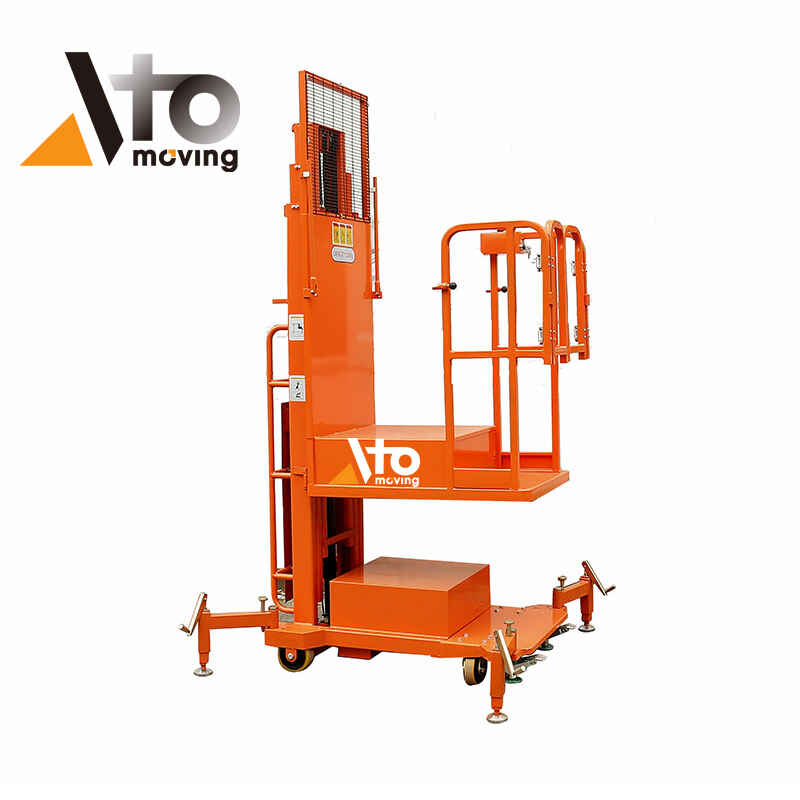
Safety and ergonomics shaped how engineers translated picking concepts into daily practice. Designs respected manual handling limits, provided adequate aisle width, and controlled interactions between people and industrial trucks. Ergonomic principles drove decisions on shelf heights, carton weights, and use of aids such as scissor platform or cart-based picking. Regulatory frameworks, including occupational health and safety rules and local building codes, constrained racking design, egress routes, and signage. Well-designed lighting, labeling, and traffic marking reduced mispicks and accidents. When defining what is picking in a warehouse for long-term operation, engineers treated safety and compliance as hard constraints, then optimized methods and technology within those boundaries.
Technology, Automation, And Emerging Trends
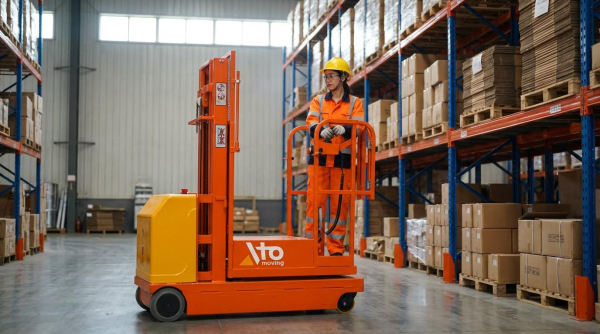
Technology reshaped the answer to “what is picking in a warehouse” from a manual search task into a data-driven, cyber‑physical process. Modern systems linked software, sensors, and automation so that pickers, robots, and control software acted on the same real-time inventory truth. This section explained how WMS and RF technologies synchronized data, how pick-to-light and voice systems guided operators, how robotics and automated transport supported goods-to-person flows, and how AI and digital twins optimized end-to-end performance.
WMS, RF, And Real-Time Inventory Control
A Warehouse Management System defined how the warehouse executed picking workflows, from order release to confirmation. It stored master data, inventory status, and location information, then generated optimized pick lists based on order priorities and slotting rules. RF (radio frequency) scanners connected operators to the WMS, enabling real-time confirmation of each pick, adjustment, and movement. This closed the loop between “what is picking in a warehouse” conceptually and how each pick line updated stock levels digitally. Real-time control reduced stockouts and mis-picks because the system validated item, quantity, and location at the point of pick. It also enabled dynamic reallocation of work when demand patterns, congestion, or equipment status changed.
Pick-To-Light, Voice, And Goods-To-Person Systems
Pick-to-light systems used light modules and numeric displays at storage locations to indicate which SKU and quantity an operator should pick. They suited high-throughput, dense pick faces with repeatable orders, because they minimized search time and visual confusion. Voice-directed picking used headsets and wearable terminals; the WMS sent spoken instructions and received verbal confirmations. This allowed hands-free, eyes-up operation, improving ergonomics and safety, particularly in case and pallet handling. Goods-to-person systems inverted the traditional “person-to-goods” model by transporting totes, trays, or pallets to stationary pick stations. Automated shuttles, conveyors, or AS/RS cranes brought inventory to operators, which cut travel time and supported high pick rates with controlled ergonomics.
Robotics, Cobots, And Automated Transport (Atomoving)
Robotic picking applied articulated arms or delta robots to grasp cases or individual items, often guided by vision systems. These solutions worked best for standardized packaging, predictable SKU geometries, and stable demand. Collaborative robots, or cobots, shared workspaces with humans, handling repetitive or heavy tasks while operators focused on exceptions and complex handling. Automated transport platforms, including solutions such as walkie pallet truck, moved totes, pallets, or carts between storage, picking, and packing areas. They reduced manual pushing, pulling, and long walking distances, which directly impacted units picked per hour and injury rates. Integrating robots, cobots, and automated transport with the WMS and safety systems required precise traffic rules, speed limits, and clearly defined interaction zones.
AI, Digital Twins, And Data-Driven Optimization
AI techniques processed historical and real-time data to predict demand, adjust slotting, and select the best picking strategy under current conditions. Algorithms evaluated whether discrete, batch, cluster, or wave picking minimized travel for a given order pool. Digital twins created virtual replicas of the warehouse, including racks, equipment, and control logic. Engineers used these models to simulate different layouts, pick paths, and automation levels before investing in physical changes. Continuous data collection from WMS, RF devices, sensors, and robots allowed closed-loop optimization of KPIs such as pick accuracy, cycle time, and units per hour. This data-driven approach turned “what is picking in a warehouse” from a static definition into an evolving, continuously improved process aligned with service-level and cost targets.
Summary And Engineering Implications For Picking Systems
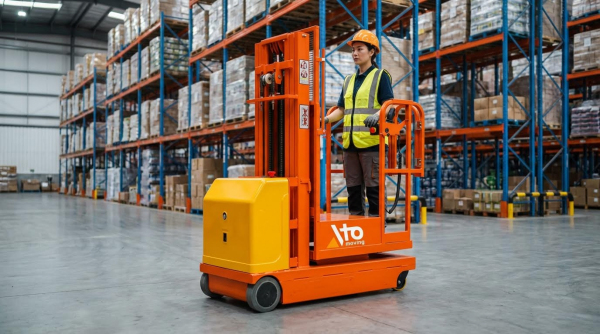
Warehouse picking answered the question “what is picking in a warehouse” as the engineered process of retrieving SKUs from storage to fulfill orders with defined speed, accuracy, and cost targets. It represented more than 35% of warehouse operating cost, so its design strongly influenced overall logistics performance. Core concepts covered units of pick (piece, case, tote, pallet), order structures (single, batch, cluster, waves), and KPIs such as accuracy, cycle time, and units per hour. Methods ranged from manual and RF-assisted picking to goods-to-person automation with robotics, conveyors, and automated storage systems.
From an engineering perspective, these insights implied that picking design must start from quantitative requirements: order profiles, SKU velocity curves, service levels, and labor constraints. Layout, slotting rules, and pick-path algorithms needed to minimize travel distance while respecting safety, ergonomics, and regulatory limits on loads and exposure. Technology choices, including WMS, RF, pick-to-light, voice, and robotic solutions, had to integrate with existing ERP and control systems using robust data models and standardized interfaces. Correct KPI definition and automatic data capture enabled continuous improvement, Lean waste reduction, and rapid detection of bottlenecks.
Future trends indicated deeper use of AI, digital twins, and real-time analytics to simulate “what if” scenarios, re-slot SKUs dynamically, and rebalance zones or waves during the shift. Engineers evaluating what picking is in a warehouse increasingly treated the process as a cyber-physical system, where algorithms, human factors, and material flow interacted. Practical implementation required phased deployment, pilot zones, operator training, and rigorous change management to avoid disruption. A balanced roadmap combined incremental optimization of manual processes with targeted automation, ensuring scalability and resilience against demand volatility and supply chain shocks. Scissor platform lift and walkie pallet truck solutions were among the tools considered for enhancing efficiency in such environments.