Safety teams that ask is a pallet truck classed as lifting equipment need a clear, defensible answer. The decision drives which regulations apply, how often trucks need inspection, and what records employers must keep.
This article explains the full framework from definitions through to enforcement. It starts by defining pallet truck types and what regulators treat as a lifting operation. It then compares how LOLER and PUWER apply, including risk-based inspection intervals and documentation duties.
Next, it reviews global rules for powered pallet trucks, including OSHA requirements, operator training, and maintenance standards. The article closes with a practical summary and compliance checklist so engineering, EHS, and operations teams can align on one consistent policy for pallet truck selection, use, and control.
Defining Pallet Trucks And Lifting Equipment
This section explains how regulators define pallet trucks and when authorities class a pallet truck as lifting equipment. It focuses on the key question is a pallet truck classed as lifting equipment and links that to LOLER and PUWER duties. Engineers and safety managers can use these definitions to set inspection regimes, training, and documentation that match legal expectations.
Types Of Pallet Trucks And Typical Use Cases
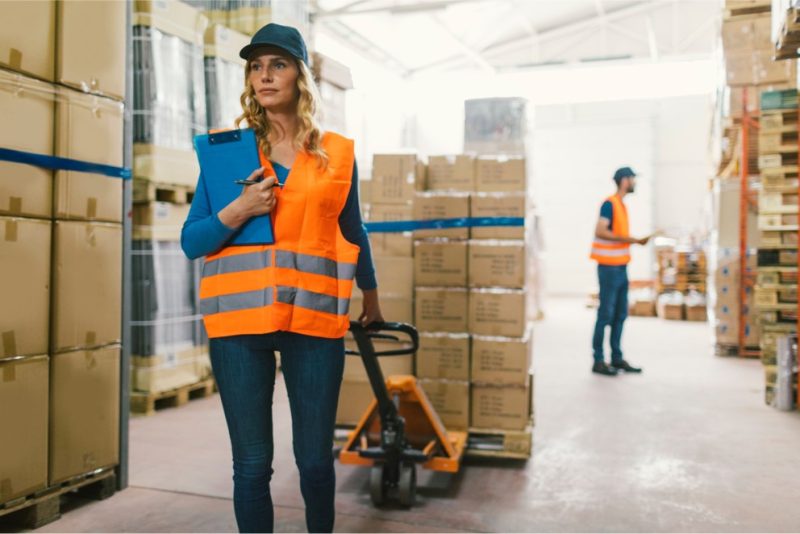
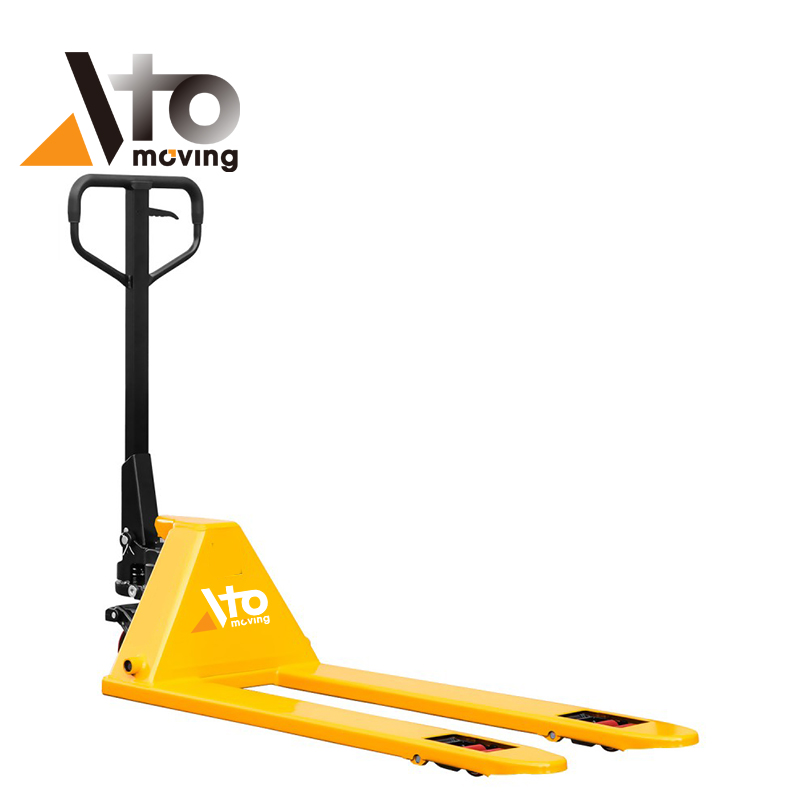
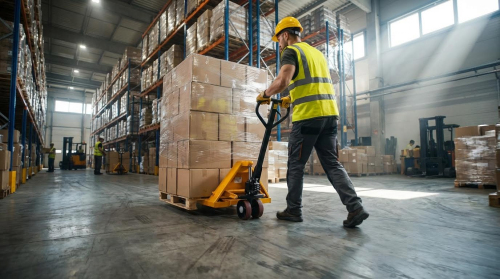
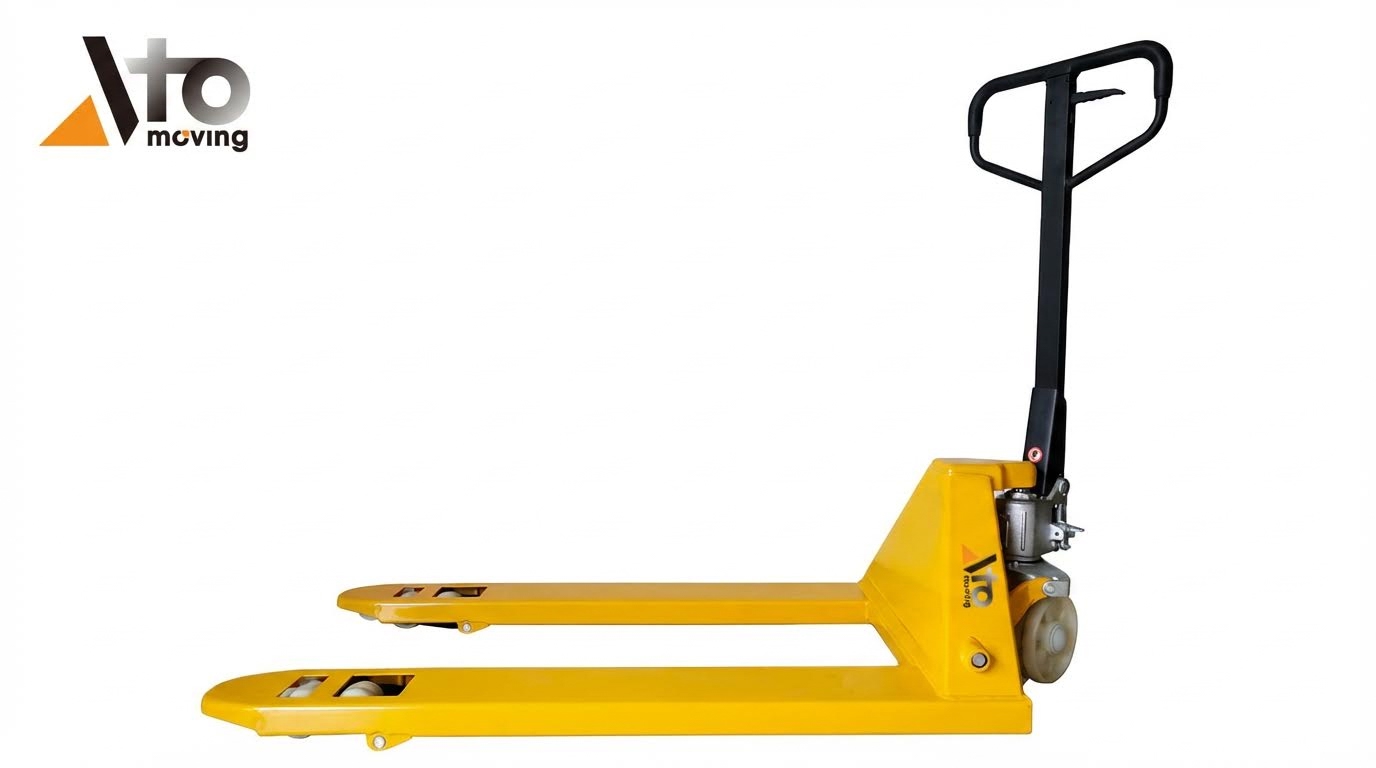
Pallet trucks move palletised loads over short distances at low level. Typical types include:
- manual hand pallet trucks for light to medium loads
- pedestrian powered pallet trucks for higher throughput
- ride-on powered pallet trucks for long travel distances
- high-lift pallet trucks that raise loads to work height
Most models lift only enough to clear the floor, usually below 300 millimetres. Operators use them in loading bays, racking aisles, production cells, and inside trailers. When engineers ask “is a pallet truck classed as lifting equipment”, they must first identify the type and maximum lift height, because that drives whether LOLER applies or only PUWER.
What Counts As A Lifting Operation Under LOLER
LOLER covered lifting operations that raised or lowered loads with significant risk. Regulators treated the height and consequence of failure as key factors. If a pallet truck only lifted a pallet a few centimetres to roll it, authorities did not usually see this as a lifting operation. In contrast, high-lift pallet trucks that raised loads above roughly 300 millimetres fell under LOLER, because a dropped load could cause serious injury. So, when asking “is a pallet truck classed as lifting equipment”, the answer depended on whether the task met LOLER’s definition of a lifting operation.
Distinguishing Low-Lift And High-Lift Pallet Trucks
The dividing line between low-lift and high-lift trucks is their maximum fork height.
| Aspect | Low-lift pallet truck | High-lift pallet truck |
|---|---|---|
| Typical lift height | Up to about 300 mm | Above about 300 mm |
| Regulation focus | PUWER only | LOLER and PUWER |
| Main purpose | Horizontal transport | Feeding workstations or stacking |
| Risk level | Lower fall risk | Higher fall and crush risk |
Low-lift units raised enough to clear floor irregularities and dock plates. High-lift versions positioned pallets at ergonomic heights or stacked loads. This distinction answered the query “is a pallet truck classed as lifting equipment.” Low-lift units were normally treated as work equipment under PUWER, while high-lift models were treated as lifting equipment under LOLER due to their extra height.
Comparing Pallet Trucks, Forklifts, And Reach Trucks
Pallet trucks, forklifts, and reach trucks all moved pallets, but with different lift envelopes and risks. Pallet trucks handled loads close to floor level and offered simple controls. Forklifts used masts to lift several metres, often to mezzanines or high racking. Reach trucks extended masts into racking for high tiering in narrow aisles.
Because forklifts and reach trucks lifted to greater heights, regulators clearly classed them as lifting equipment under LOLER. The grey area sat with pallet trucks, which led to the frequent search “is a pallet truck classed as lifting equipment.” In practice, low-lift pallet trucks sat closer to wheeled handling aids, while high-lift pallet trucks behaved more like compact forklifts in regulatory terms. Understanding these differences helped engineers choose the correct inspection regime, operator training level, and documentation set for each machine type.
LOLER Vs PUWER: When Each Regulation Applies

Safety teams often ask is a pallet truck classed as lifting equipment under UK law. The answer depends on lift height, task, and risk level. This section explains how LOLER and PUWER divide duties for low-lift and high-lift pallet trucks. It also links those duties to inspection strategy, documentation, and legal exposure in real operations.
UK LOLER Scope For High-Lift Pallet Trucks
LOLER applied to equipment that carried out a lifting operation. For pallet trucks, the key trigger was lift height. Low-lift trucks raised loads only enough to move them, usually below about 300 millimetres. Regulators did not treat that as a lifting operation, so LOLER did not apply.
High-lift pallet trucks that lifted above roughly 300 millimetres fell under LOLER. In that case, the truck was classed as lifting equipment. A competent person then had to complete a Thorough Examination at defined intervals. Typical practice used 12‑month intervals for pallet trucks without lifting accessories.
That examination focused on load path integrity and safety systems. It covered forks, chassis welds, mast or scissor structure, and hydraulic components. Where high-lift trucks handled suspended or elevated loads near people, engineers often chose shorter intervals based on risk.
PUWER Duties For All Pallet Trucks And Attachments
PUWER applied to almost all work equipment, including every pallet truck. It covered manual hand trucks, powered pedestrian units, ride‑on pallet trucks, and compact designs. Under PUWER, duty holders had to ensure the truck was suitable, safe, and maintained.
Key PUWER duties included:
- selecting pallet trucks that matched load, environment, and floor conditions
- guarding moving parts where contact could injure operators
- maintaining braking, steering, and controls in safe condition
- providing clear instructions and operator training
Attachments such as load platforms or special fork sleeves also fell under PUWER. Where an attachment turned a pallet truck into true lifting equipment, LOLER could apply as well. Engineers therefore reviewed each configuration, not only the base truck, when deciding if it was a manual pallet jack classed as lifting equipment.
Risk-Based Inspection Intervals And Thorough Exam
PUWER moved from a simple annual rule to a risk-based inspection model. Duty holders now set inspection intervals using a formal risk assessment. That assessment considered daily utilisation, impact risk, environment, and history of defects.
Typical patterns looked like this for pallet trucks:
| Use profile | Typical PUWER inspection interval |
|---|---|
| Light, indoor, low collision risk | 12 months |
| Medium use, mixed traffic | 6–12 months |
| Heavy use, cold stores or loading docks | 3–6 months |
These PUWER inspections sat alongside LOLER Thorough Examinations for high-lift trucks. LOLER examinations focused on lifting integrity and safety factors. PUWER inspections looked wider at brakes, steering, wheels, and general condition. Engineers often aligned both into a single visit but recorded them under the correct regulation.
Documentation, Record Keeping, And Legal Exposure
Clear records gave the strongest defence when incidents occurred. For PUWER, inspectors produced a written report after each inspection. Good practice delivered this within about 48 hours. The report listed the truck identity, inspection scope, defects, and repair deadlines. Duty holders then kept these records for the period required under Regulation 6.
For LOLER, Thorough Examination reports followed a set format. They identified any defects that required immediate withdrawal from service. They also listed time‑bound repairs and next examination due dates. Missing or incomplete LOLER reports could indicate that a high-lift pallet truck was wrongly treated as non‑lifting equipment.
Legal exposure increased where inspection gaps, poor records, or ignored defects existed. Consequences included fines, invalidated insurance, and personal liability for managers. From a compliance view, the safest position was to ask early whether a walkie pallet truck was classed as lifting equipment and then document that reasoning in the risk assessment file.
Global Safety Requirements And Operator Training
Global rules for pallet trucks focus on powered units because regulators class them as powered industrial trucks. This matters when companies ask is a pallet truck classed as lifting equipment, since duties change with truck type and lift height. Safety frameworks in the United Kingdom, United States, and other regions all link legal duties to training, maintenance, and documented inspections. The goal is simple: keep operators, pedestrians, and loads safe through repeatable controls.
OSHA Rules For Powered Pallet Trucks And PITs
OSHA treated powered pallet trucks as Powered Industrial Trucks under 29 CFR 1910.178. The ASME definition covered any power‑driven truck used to carry, push, pull, lift, stack, or tier materials. That meant powered pallet jacks, rider pallet trucks, and similar units all sat inside the PIT rules. Manual pallet trucks fell outside this PIT standard but still needed safe-use training under general duty requirements.
OSHA rules required employers to:
- Classify powered pallet trucks as PITs and control who could operate them.
- Apply manufacturer load limits and never exceed rated capacity.
- Control traffic routes, intersections, and shared pedestrian areas.
- Keep floors clean, dry, and able to support combined truck and load weight.
These duties sat alongside UK questions like is a pallet truck classed as lifting equipment under LOLER, but OSHA focused more on use conditions than lift height.
Training, Certification, And Refresher Triggers
OSHA required a full training cycle before any operator used a powered pallet truck. The cycle had three parts: formal instruction, practical training, and workplace evaluation. Employers had to tailor content to the exact truck type and site hazards. They also had to certify each operator in writing.
Refresher training and re‑evaluation became mandatory when:
- An operator drove unsafely, caused an accident, or had a near miss.
- An evaluation showed unsafe operation.
- The operator switched to a different truck type or model.
- Workplace conditions changed, for example new layouts or floor types.
OSHA expected evaluations at least every three years. Other regions followed similar cycles, even when they used different legal terms or asked is a pallet truck classed as lifting equipment in their own codes.
Daily Checks, Preventive Maintenance, And Repairs
Daily pre‑use checks were a core control for powered pallet trucks. OSHA expected operators to inspect steering, brakes, controls, horn, and safety devices before the shift. For electric units, checks also covered batteries, connectors, and charge status. Any defect meant the truck must be taken out of service until repaired by competent staff.
Good maintenance programs used three layers:
- Operator walk‑around checks at the start of each shift.
- Planned preventive maintenance based on hours or calendar time.
- Corrective repairs after faults, collisions, or overload events.
UK PUWER and LOLER rules added another angle. They tied the is a pallet truck classed as lifting equipment question to inspection depth and frequency. High‑lift pallet trucks needed thorough examinations under lifting rules. All pallet trucks still required PUWER inspections to confirm safe condition.
Digital Tools, AI Monitoring, And Asset Lifecycle
Digital tools made it easier to manage mixed fleets of manual and powered pallet trucks. Electronic checklists replaced paper pre‑use forms and forced operators to log key items before the truck could move. Telematics modules tracked impacts, travel speed, and access control. Some systems linked driver badges to truck start‑up, so only trained operators could use powered units.
Artificial intelligence tools started to analyze event data across sites. They highlighted patterns like frequent overload alarms or repeated near misses at the same junction. Maintenance teams used this data to adjust service intervals and parts stocking. Safety teams used it to refine routes and training content.
Lifecycle planning also improved. Fleet managers could see when repair costs on older trucks started to exceed replacement value. They could compare high‑lift units, which sat firmly in the is a pallet truck classed as lifting equipment category, with low‑lift units that mainly triggered PUWER‑type duties. This data‑driven view supported safer, lower‑cost fleets over time.
Practical Summary And Compliance Checklist Conclusion
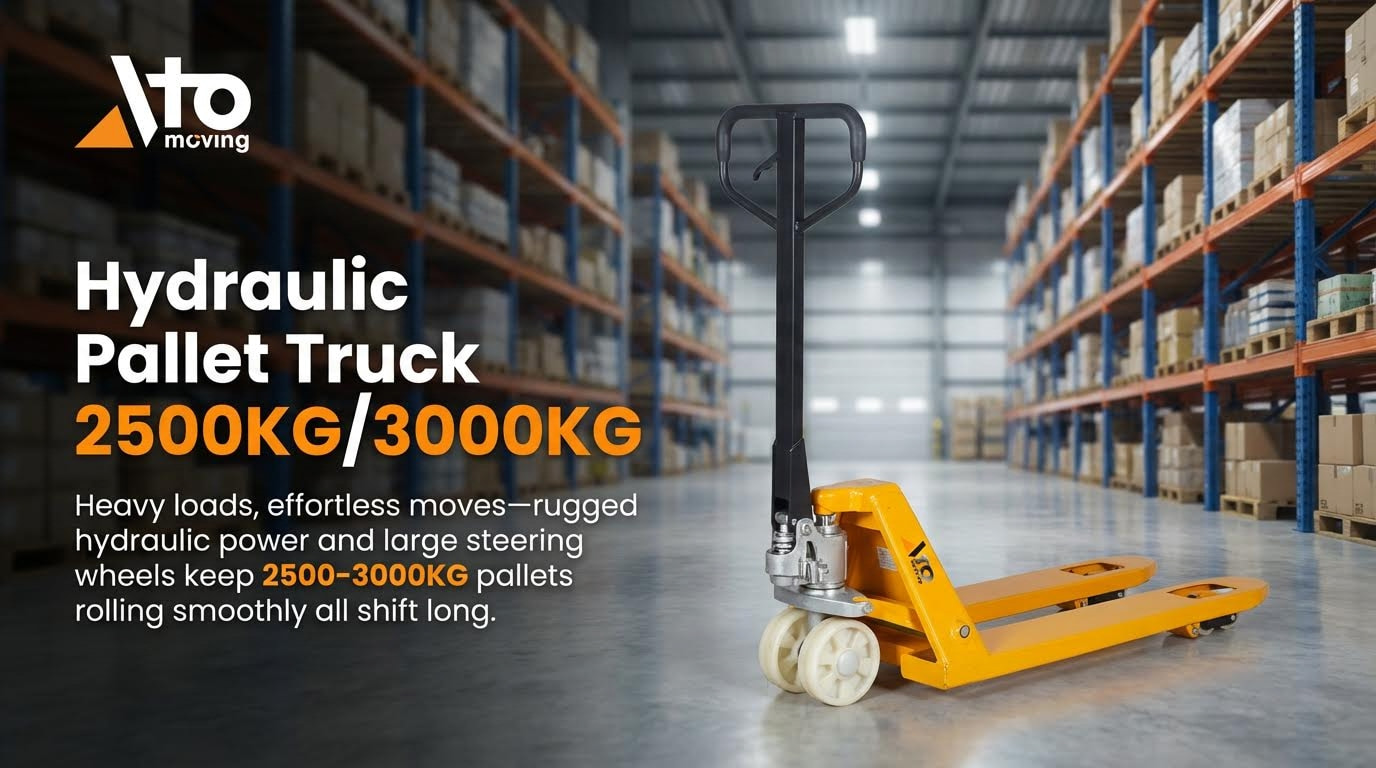
Facility managers often ask whether a pallet truck is a pallet truck classed as lifting equipment under LOLER. The answer depends on lift height and how the truck handles the load. Low-lift units that only raise pallets a small distance for travel usually sit under PUWER only. High-lift units that place loads at working or storage height normally fall under both LOLER and PUWER.
A practical compliance approach starts with clear classification. Document for each truck type: lift height, power source, typical load, and operating area. Use that record to decide if LOLER applies, then set inspection and thorough examination intervals from a risk assessment. Keep reports, defect logs, and maintenance records in one system so you can show a full history during audits or incident investigations.
Next, focus on people and process. Provide task-specific training, not generic material handling instruction. Link refresher training to events such as near misses, equipment changes, or layout changes. Build simple daily check routines into shift start-up, and lock out any unsafe truck until repair.
Finally, review your controls at least yearly. Check if traffic routes, floor conditions, and storage heights still match the original risk assessment. Digital tools and AI monitoring can support this work, but they do not replace competent inspections and on-site supervision. A balanced view treats pallet trucks as low-complexity equipment but high-consequence when misused.