How To Use A Pallet Lifter: A Practical Step‑By‑Step Guide
Knowing how to use a manual pallet lifter correctly improves safety, reduces damage, and keeps your operation moving efficiently. This guide walks you through the full process, from basic concepts and pre‑use checks to lifting, driving, parking, and routine maintenance. You will also see how to match hydraulic pallet truck and electric high lift pallet truck to your workload so you get the best balance of cost, performance, and operator comfort. Use it as a practical reference for training new operators and standardizing safe work practices in your facility.
Understanding Pallet Lifters And Core Safety Basics
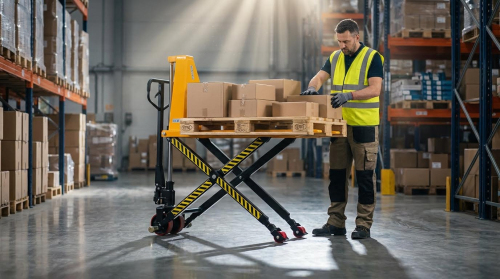
What A Pallet Lifter Is And Common Types
A pallet lifter is any mechanical device designed to raise and move palletized loads safely, usually over short distances. In most warehouses, this includes manual pallet jacks, manual or semi-electric stackers, and fully electric pallet trucks or stackers. Knowing how to use a pallet lifter starts with choosing the right type for your load, travel distance, and operator capability. Manual units suit lighter, occasional work, while electric lifters handle higher volumes and reduce physical strain. To match equipment to the task, consider typical pallet weight, lift height, aisle width, and daily pallet throughput. Electric stackers, for example, can handle significantly more pallets per day than manual units, which are usually better for lower-throughput, budget-sensitive operations. Manual equipment is typically recommended for lighter loads and power-restricted areas, while electric units are preferred for high-speed loading and multi-level rack access. Understanding these basic categories helps you select a pallet lifter that is both safe and efficient for your specific environment.
Key Components And Safety Features
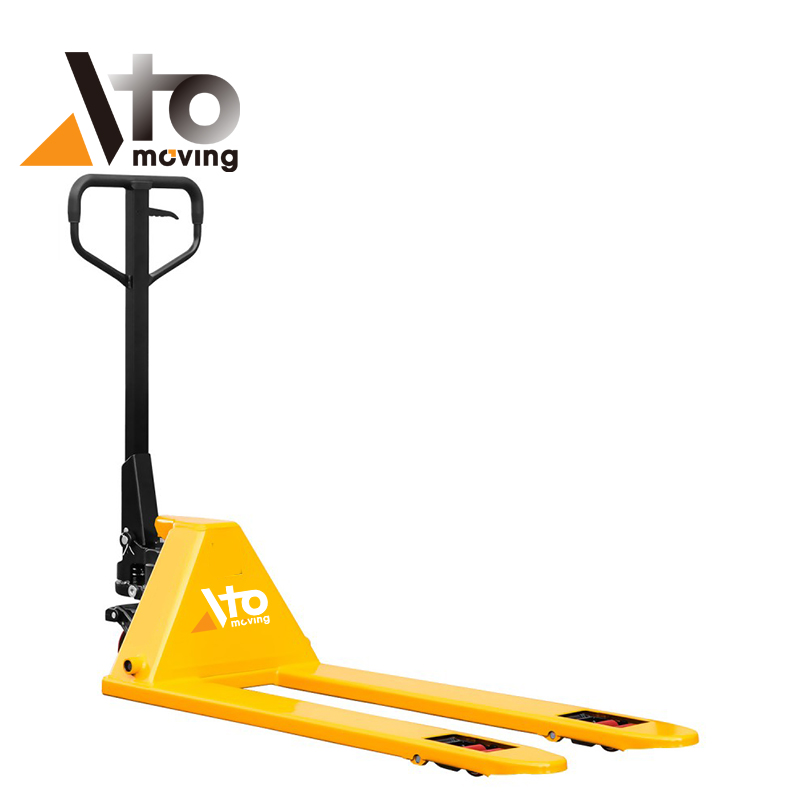
Before learning how to use a pallet lifter in motion, operators must recognize its main components and built-in safety features. Core structural elements include the forks, mast or frame, wheels or rollers, steering handle or tiller, and (for powered units) the hydraulic power pack, battery, and control head. Safety-critical features often include an emergency stop button, horn, protective load backrest, and clearly marked capacity plate. An effective emergency stop and horn, together with an intact load backrest and strict adherence to rated capacity, are key controls to prevent overloading and shifting loads. On both manual and electric lifters, forks should be free from cracks or bends, and wheels must rotate smoothly without debris buildup. Standard pre-use checks include inspecting forks for damage, wheels for free rotation, and hydraulic or battery systems for leaks, low fluid, or corrosion. These components and safety devices work together to keep the load stable, protect the operator, and minimize the risk of mechanical failure during lifting and travel.
Standards, Training, And Operator Readiness
Safe, efficient operation depends as much on people and processes as on equipment design. Formal training on how to use a pallet lifter should cover load limits, stability, route planning, and emergency procedures, not just the button or handle functions. Operators need to understand weight capacity markings and basic load distribution principles, such as keeping the heaviest items low on the pallet and centered over the forks to maintain a low, stable center of gravity. Even load distribution across the forks and securing mixed loads with straps or wrap are standard best practices for stability. Daily pre-operational inspections are also part of operator readiness. Guidance for pallet stackers emphasizes checking for moving-part hazards, falling-object risks, and manual handling issues before starting work. A trained, alert operator who follows these checks is far less likely to overload the machine, misuse controls, or operate in unsafe conditions, which directly reduces incidents and unplanned downtime.
Step‑By‑Step Operation: From Inspection To Parking
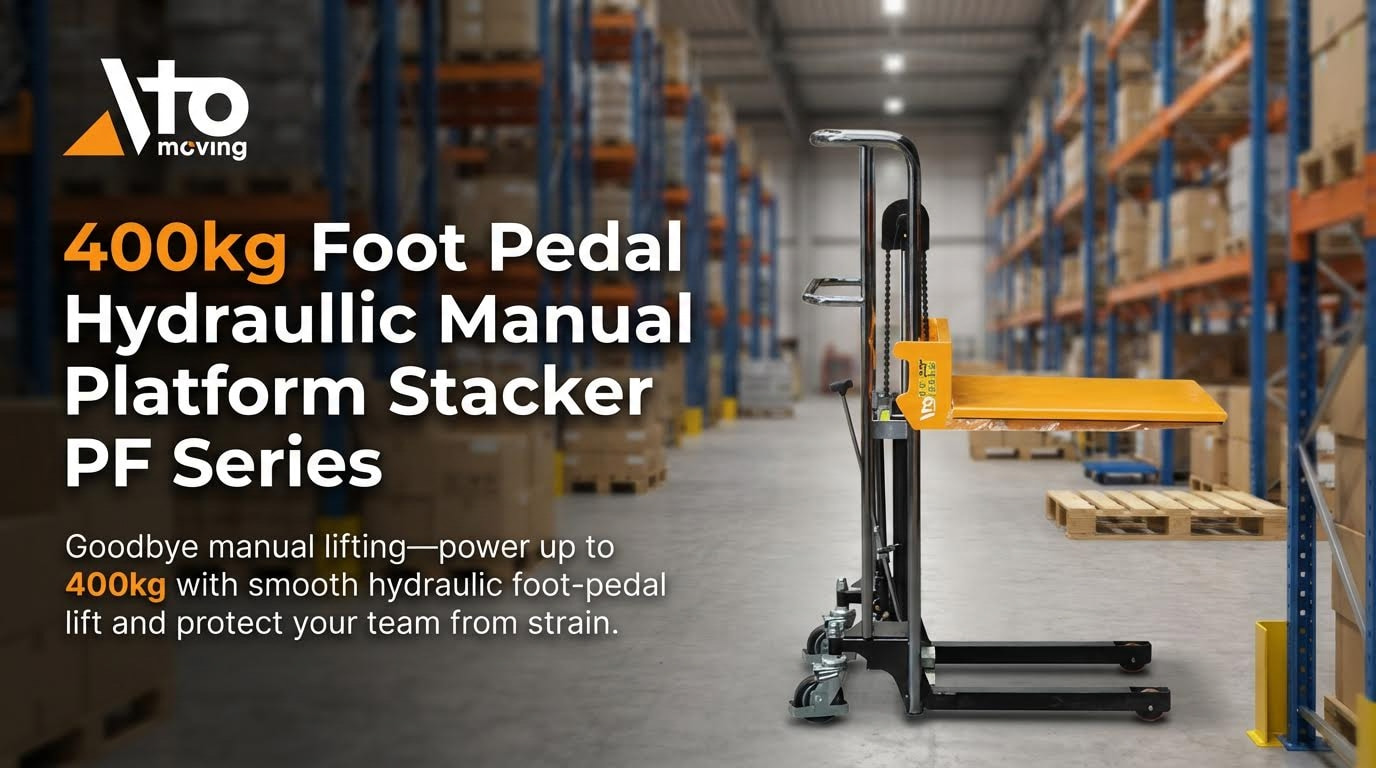
Pre‑operational inspections and safety checks
Before you focus on how to use a manual pallet lifter, build a consistent pre‑shift inspection routine. Start with a 360° walk‑around to check for hazards such as damaged moving parts, potential falling objects above the work area, and manual handling risks. Inspect forks for visible wear, cracks, or bending, and check wheels or rollers for smooth rotation and embedded debris that could affect tracking or stopping. For powered units, confirm the battery is fully charged and that terminals are free from corrosion, then scan hydraulic lines, cylinders, and the tank area for leaks or low fluid levels. Pre‑Operational Inspection
- Test the lifting mechanism with a light load to ensure smooth raising and lowering without jerks or sinking.
- Confirm the emergency stop, horn, and any load backrest or guarding are intact and functional. Safety Features and Emergency Protocols
- Verify steering response, braking (if fitted), and that the handle or tiller returns to neutral correctly. Operational Checks
If you detect leaks, structural damage, or malfunctioning controls, tag the manual pallet lifter out of service and report it instead of attempting makeshift repairs.
Picking up, lifting, and transporting a pallet
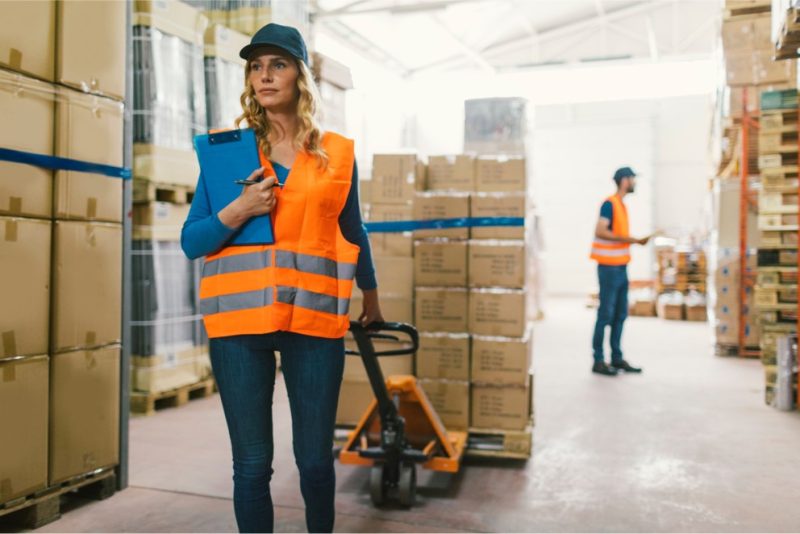
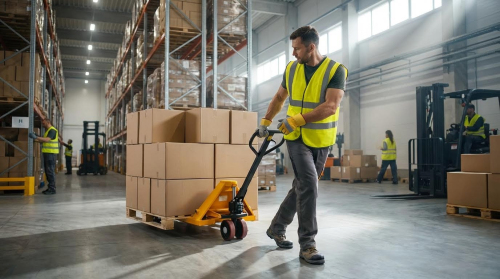
Understanding how to use a manual pallet lifter safely starts at the pallet entry point. Approach the pallet squarely, with forks at their lowest position, and align them centrally under the pallet openings. Drive or push forward slowly until the heels of the forks are fully under the pallet, making sure the load sits evenly left‑to‑right and that no deck boards are broken. Place heavier items at the bottom of the pallet to keep the center of gravity low, and secure mixed or unstable loads with straps or wrap before lifting. Load Distribution and Weight Limits
- Check the nameplate and confirm the pallet weight is within the rated capacity; never guess heavy loads.
- Raise the pallet only a few inches off the floor to clear bumps while maintaining maximum stability. Operation Techniques
- Use smooth, gradual lift and travel controls; avoid sudden acceleration or hard braking that could shift the load.
Transport the pallet at walking speed, keeping the route clear of pedestrians where possible and maintaining good visibility; if the load blocks your view, operate in reverse where design and site rules allow.
Navigating tight aisles and special environments
In tight aisles, efficient technique is just as important as knowing the basics of how to use a manual pallet lifter. Plan your path before you enter the aisle so you minimise reversing and avoid blind corners. Use slow, deliberate steering inputs and reduce speed well before turns, allowing the rear of the truck or handle swing to clear racking, guards, and columns. Many powered units offer a creep or turtle mode for confined areas; use this low‑speed setting to maintain control and reduce collision risk. Navigating Workspace
- Keep forks low when travelling in aisles, raising only when you are positioned at the rack or drop‑off point.
- Sound the horn at intersections, doorways, and when exiting aisles with limited visibility.
- In cold storage or on slippery floors, reduce speed further and allow extra stopping distance; check that tyres or wheels are suitable for the surface. Environmental Challenges
On uneven or ramped surfaces, travel with the load upgrade where possible, keep the pallet close to the ground, and avoid side‑on travel across slopes, which can compromise stability.
Parking, shutdown, and post‑use cleaning
Correct parking and shutdown are the final steps in any safe routine for how to use a manual pallet lifter. Choose a designated parking area that does not block exits, walkways, fire equipment, or emergency access routes. Lower the forks fully to the floor so they cannot become a trip hazard or roll under someone’s feet, then neutralise the controls and apply the brake if fitted. For powered equipment, switch off the key or main disconnect and connect the charger if required, following site charging procedures. Storage Guidelines
- Wipe down forks, wheels, and the chassis to remove dirt, debris, and any spilled oil or product. Post‑Operational Cleaning
- Visually recheck for new leaks, damage, or unusual wear that may have occurred during the shift.
- Record issues and maintenance actions in the logbook and report significant defects so they can be addressed before the next use. Maintenance Log
This close‑out routine keeps the manual pallet lifter ready for the next operator and reduces unplanned downtime caused by missed defects or poor housekeeping.
Maintenance, Performance, And Equipment Selection
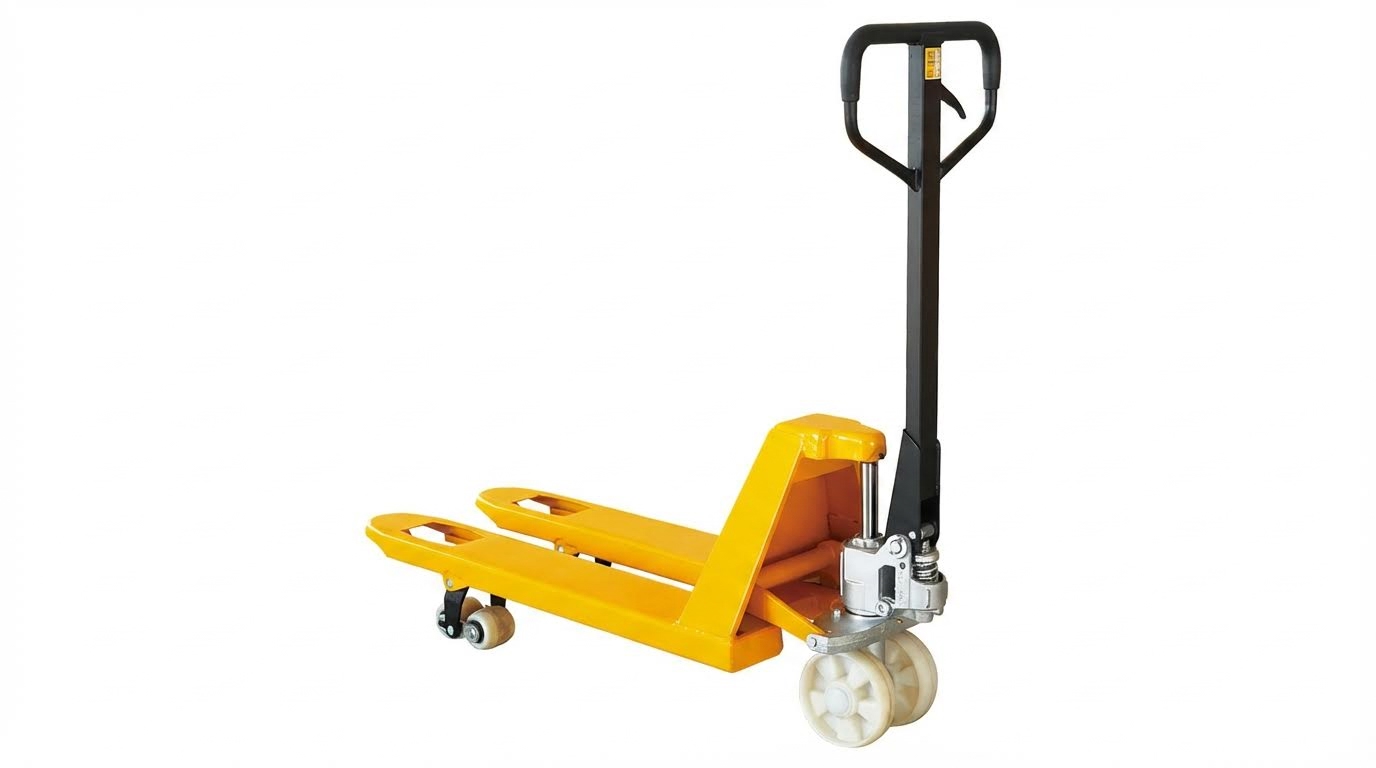
Daily, weekly, and monthly maintenance tasks
Planned maintenance is a core part of how to use a manual pallet lifter safely and keep performance consistent. Daily tasks focus on quick safety checks, while weekly and monthly work goes deeper into wear, lubrication, and corrosion. A clear schedule reduces unplanned downtime and extends the service life of both manual and electric lifters.
- Daily tasks
- Do a visual scan for damaged, bent, or cracked forks and a jerky or stiff handle action. Daily inspection guidance
- Check wheels and rollers for debris, flat spots, or chips, and wipe down forks and frame to remove dirt and spilled oil. Cleaning practices
- Perform a quick hydraulic test by pumping the handle three times; sluggish lifting suggests low oil or internal leakage. Hydraulic test method
- Weekly tasks
- Lubricate wheel axles with silicone spray, pivot joints with multi‑purpose oil, and the center pivot with white lithium grease to cut friction and wear. Lubrication routine
- Use a wrench to tighten fork bolts and handle base nuts, and roll the lifter empty while listening for rattles that indicate loose parts. Fastener checks
- Conduct a moderate load test to detect sinking (possible seal issues) and spin wheels to check for grinding that suggests worn bearings. Weekly safety checks
- Monthly tasks
- Scrub under forks and around wheel axles with hot water and detergent, then dry thoroughly to avoid rust. Monthly cleaning
- Check fork straightness with a straightedge, inspect the pump rod for rust streaks, and examine wheels for cracks or flat spots. Inspection protocol
- Apply a corrosion inhibitor on steel parts for long‑term rust protection, especially in damp or cold storage areas. Rust protection
Hydraulic, battery, and electrical system care
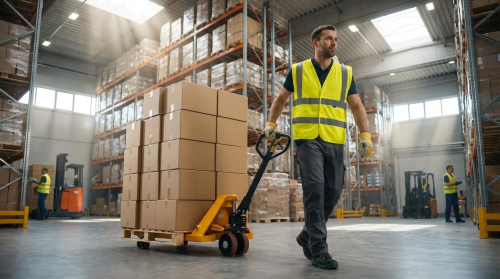
Good system care is essential to safe operation and is a practical extension of how to use a manual pallet lifter correctly. Hydraulics keep lifting smooth, while batteries and electrics drive powered units and their safety functions. A structured checklist approach reduces failures and helps catch leaks, corrosion, or wiring damage early.
- Hydraulic system care
- Inspect hydraulic fluid level regularly and top up with the specified oil when low, then test by lifting to full stroke and checking for smooth motion. Hydraulic maintenance checklist
- Look for leaks around the pump, cylinders, hoses, and seals; any oil on the floor or frame needs investigation before further use. Leak inspection
- During operational checks, confirm that raising and lowering are smooth, with no sudden drops or jerks that could destabilize a pallet. Operational checks
- Battery system care (electric lifters)
- Verify battery charge level before shifts and recharge as needed, following the charger’s instructions to avoid overcharging. Battery checks
- Inspect cables, lugs, and connectors for looseness, cuts, or corrosion, and correct issues before the truck returns to service. Cable inspection
- Electrical system and controls
- Test all control functions, including lift, lower, travel, horn, and any emergency stop, to confirm they respond correctly. Control testing
- Inspect the harness and visible wiring for damaged insulation or exposed conductors, and remove the unit from service if defects appear. Wiring inspection
- If fitted, check the brake system for effective stopping and inspect brake components for wear or damage during routine maintenance. Brake checks
- Post-use cleaning and documentation
- After use, clean dirt, debris, and spills from wheels and forks, then store the lifter where it does not create trip hazards or block exits. Post-operational cleaning Storage guidance
- Log defects and maintenance actions in a maintenance record and report serious faults to a supervisor before the next shift. Maintenance log use
Matching manual vs. electric lifters to your workload
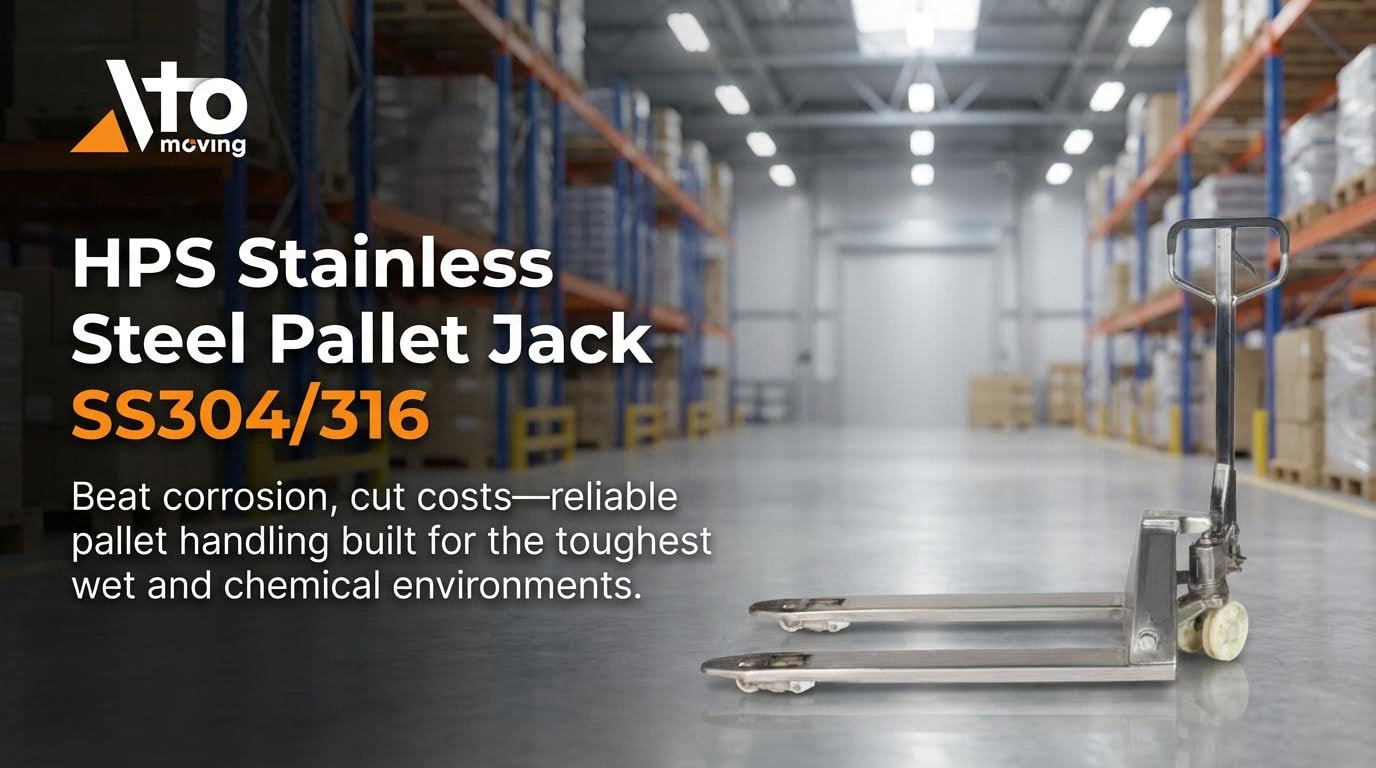
Choosing between manual and electric lifters is part of learning how to use a manual pallet lifter efficiently across a full shift. The right choice depends on throughput, lift height, distance, energy constraints, and ergonomics. Data on cost, labor savings, and injury rates helps build a business case.
| Factor | Manual lifter | Electric lifter |
|---|---|---|
| Capital cost | About 40% lower purchase price. Capex comparison | Higher upfront cost, offset by labor savings. |
| Labor and throughput | Typically up to 60 pallets/day with more physical effort. Throughput data | Up to 180 pallets/day and 30–40% faster cycles in high‑volume sites. High‑volume performance |
| Operating cost | No energy cost; annual maintenance roughly $120–$300. Maintenance costs | Energy use about 126 kWh/year (~$15) and annual maintenance around $300–$400, plus battery replacement every ~3 years. Energy and battery data |
| Ergonomics and safety | Higher worker fatigue and more musculoskeletal injuries. Fatigue and injury rates | Reduced strain, with facilities reporting ~19% fewer musculoskeletal injuries after switching. Injury reduction |
| Best use cases | Light loads below about 1,500 kg, shorter distances, power‑restricted zones, and annual throughput under 100,000 pallets. Optimal scenarios | High‑throughput docks (>50 pallets/hour), multi‑level racking above 3 m, continuous cold chain, and multi‑shift operations where labor savings can exceed $30,000 per year. Labor savings |
Practical selection tips
For small warehouses or back‑of‑store areas with intermittent pallet moves, a manual pallet lifter usually offers the lowest total cost of ownership. In busy distribution centers, electric lifters often pay back their higher price quickly through reduced labor, lower injury rates, and less downtime. Cold stores should also consider low‑temperature hydraulic fluids for manual units and insulated or heated batteries for electric units to maintain performance. Matching equipment to your actual pallet count, shift pattern, and aisle layout is just as important as knowing the basic operating steps.
“”
Final Thoughts On Safe, Efficient Pallet Lifter Use
Safe pallet lifter use depends on matching the right machine to the job, then running it within clear limits every shift. Geometry, load placement, and center of gravity control how stable the pallet stays on the forks. When operators keep loads low, centered, and within the rated capacity, the risk of tip‑over or dropped product falls sharply. Pre‑use inspections and structured maintenance then protect the mechanical chain that carries that load: forks, wheels, hydraulics, battery, and controls.
Daily checks catch cracks, leaks, and worn parts before they fail under load. Weekly and monthly tasks restore smooth motion and keep corrosion under control. Good hydraulic and electrical care also ensures that emergency stops, horns, and brakes work when operators need them most. Choosing between manual and electric units should follow real throughput and distance data, not guesswork. Manual lifters suit lighter, low‑volume work; electric units suit long shifts and high pallet counts.
For operations and engineering teams, the best practice is clear. Standardize training, inspection checklists, and shutdown routines. Align equipment choice with workload and environment. Partner with a specialist such as Atomoving for well‑matched pallet lifters and technical support. This integrated approach delivers lower injury rates, less damage, and higher, more predictable productivity.
Frequently Asked Questions
How to Use a Pallet Jack Safely?
A pallet jack is a key piece of material handling equipment used to move heavy loads. To use it safely, first ensure proper training. For manual pallet jacks, locate the release lever and lower the prongs before moving the load. Push rather than pull the pallet jack to avoid back strain and maintain better control. Pallet Jack Guide.
- Always inspect the pallet jack for damage before use.
- Ensure the load is balanced and does not exceed the lift capacity (typically 5,000–5,500 lbs).
- Push the pallet jack instead of pulling to reduce injury risk.
Do You Need Training to Operate a Pallet Jack?
Yes, OSHA requires certification for operating powered pallet jacks under 29 CFR 1910.178(l). While manual pallet jacks do not require certification, safety training is still highly recommended to prevent accidents and injuries. Proper training ensures operators understand controls, weight limits, and safe handling practices. OSHA Certification FAQ.