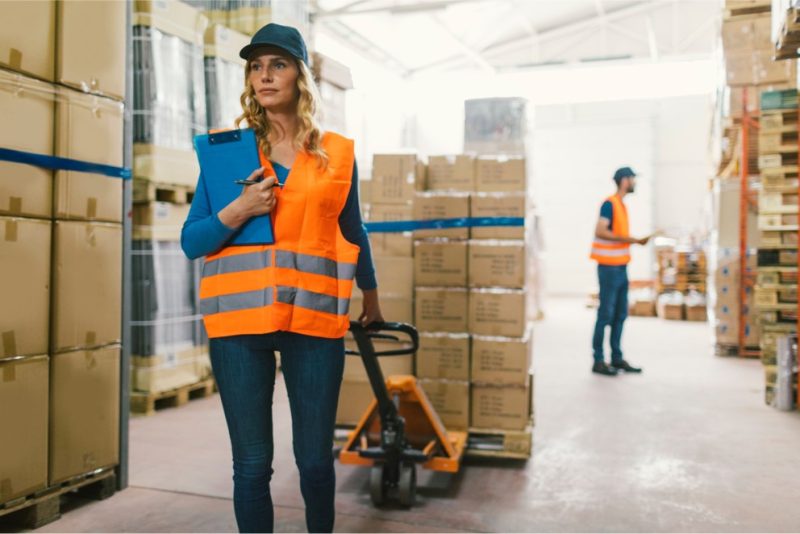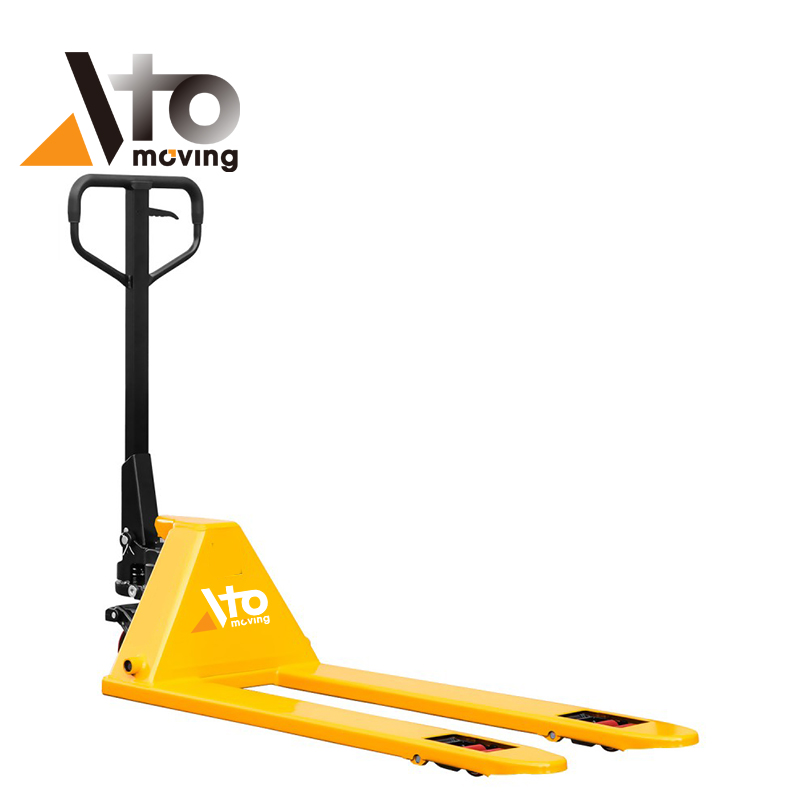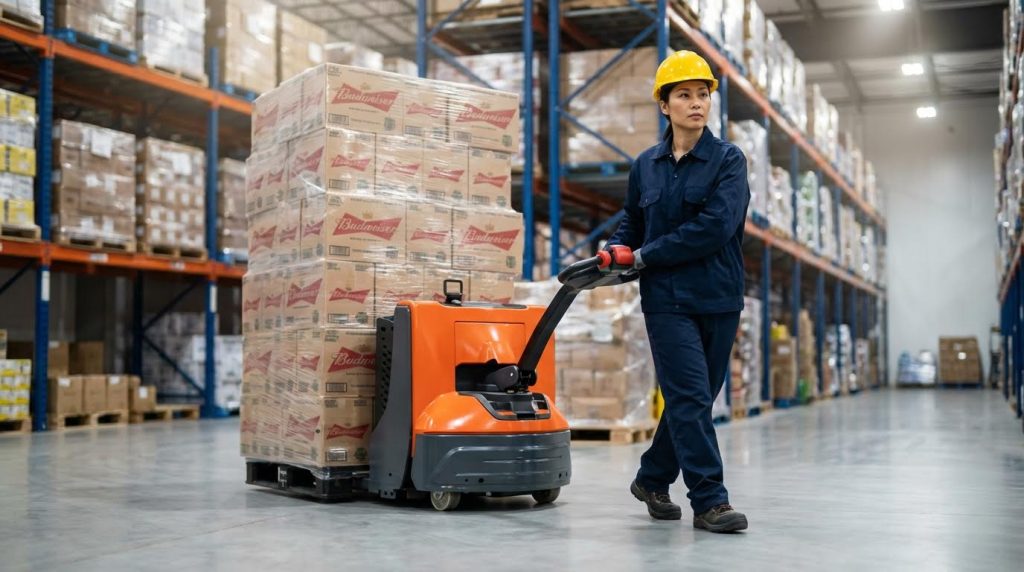
If you work with pallets every day, you have probably asked yourself how high can a manual pallet jack lift and what the real limits are in practice. This guide explains typical lift height ranges, the engineering factors that cap those heights, and how those numbers translate to aisles, racking and pallet types. You will see how standard, low‑profile and high‑lift manual jacks differ, and what “raised” and “lowered” height really mean on the warehouse floor. By the end, you will be able to match lift height limits to safe, efficient use in your own operation.
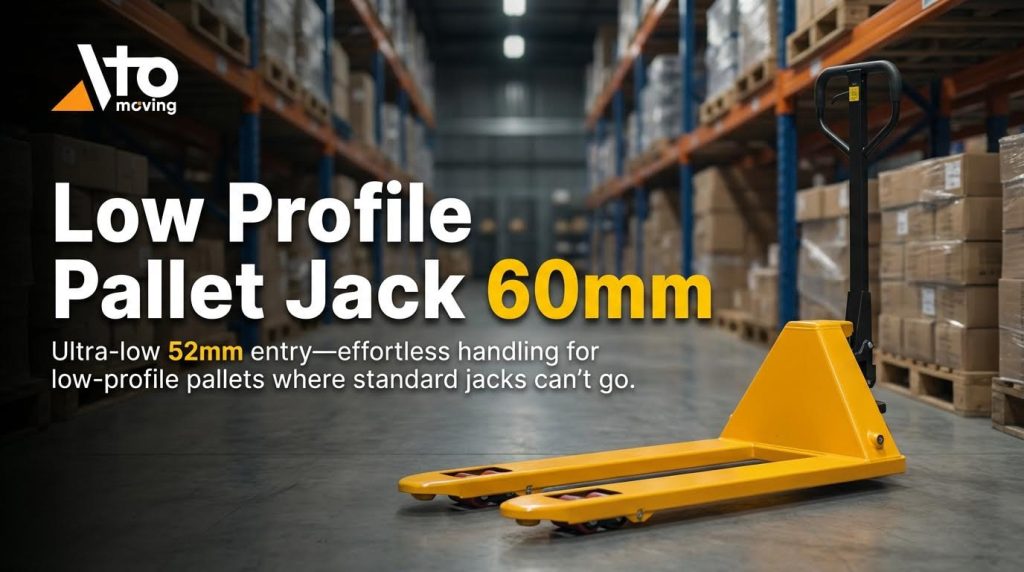
Defining Lift Height Limits On Manual Pallet Jacks
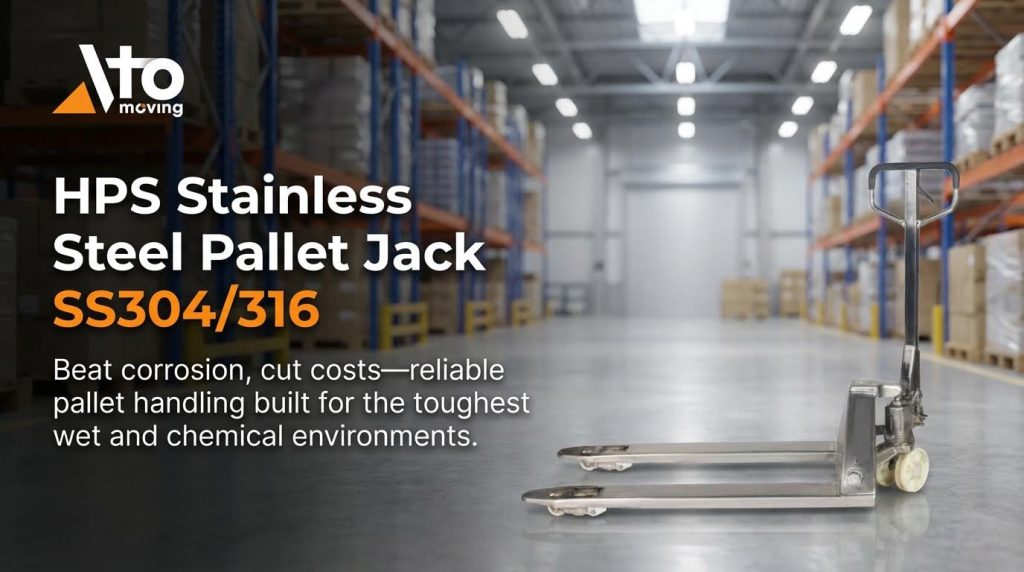
Standard vs high‑lift pallet jack ranges
When you ask how high can a manual pallet jack lift, you first need to separate standard, low‑profile, and high‑lift designs. Standard manual pallet jacks typically provide a net lift in the 6–8 inch range from fully lowered to fully raised position. This matches guidance that standard units offer about 3–4 inches lowered height and 7.5–8 inches raised height, giving roughly 4–5 inches of usable lift for most warehouse pallets in typical 27″ x 48″ models. Low‑profile pallet jacks trade lift range for clearance: they drop as low as about 1.75 inches at the forks to get under special or damaged pallets, while still raising only into the same 6–8 inch band for transport clearance compared with standard 3 inch minimums. High‑lift pallet jacks are a different category meant to act as work-positioners, not just floor transport. Many of these units raise loads to around 12 inches for ergonomic picking height in special-application “high-lift” sizes, and some niche manual designs reach roughly 20–32 inches, with rare heavy-duty versions going up toward 1.8 m where they function more like manual stackers than classic pallet jacks in published high-lift ranges.
Typical lift ranges by manual pallet jack type
| Type | Approx. min fork height | Approx. max fork height | Typical net lift |
|---|---|---|---|
| Standard manual pallet jack | 3–4 in | 7.5–8 in | ~4–5 in |
| Low‑profile manual pallet jack | ~1.75 in | ~6–7 in | ~4–5 in |
| High‑lift pallet jack (work‑positioner) | 2.5–3.5 in | ~12 in | ~8–10 in |
| Extended high‑lift / stacker‑type manual unit | 3–4 in | 20–32 in+ | 16–28 in+ |
Values are typical engineering ranges based on published dimensional data for standard, low‑profile, and high‑lift units. Always confirm exact figures from the product data sheet.
Key dimensions: lowered, raised and net lift
To answer how high can a manual pallet jack lift for a specific truck, you need three numbers: lowered height, raised height, and net lift. Many manual pallet trucks use a minimum fork height around 75–85 mm (about 3 inches) and a maximum fork height around 185–195 mm (about 7–7.7 inches), giving a net lift of roughly 110 mm (about 4.3 inches) between the two positions as specified for several hand pallet truck models. Technical standards for manual pallet trucks describe similar geometry, with a minimum fork height of about 30 mm, intermediate working positions at 86–90 mm, and a maximum height around 185 mm, while the chassis itself rises roughly 85 mm off the floor in the working position in published design guidance. In practice, you can think of “lowered height” as the clearance you need under the pallet deck boards, and “raised height” as the clearance you gain under the pallet for transport, dock plates, and floor irregularities. The difference between them is your usable or net lift, and that net value is what matters when you check compatibility with pallet thickness, ramp transitions, and racking beam elevations.
- Lowered fork height – must be less than pallet entry height so the forks can fully insert.
- Raised fork height – must be enough to clear floor joints, dock plates, and minor slopes without bottoming out.
- Net lift (raised minus lowered) – determines whether you can safely break contact with the floor and handle non‑standard pallets or platforms.
For high‑lift pallet jacks, the same three dimensions apply, but the raised height and net lift are much larger. High‑lift units that reach around 12 inches of raised height still start with a lowered position similar to standard jacks, so almost all of the extra travel appears as additional net lift for ergonomic working height rather than extra clearance for travel in high-lift application data..
Engineering Factors That Control Maximum Lift
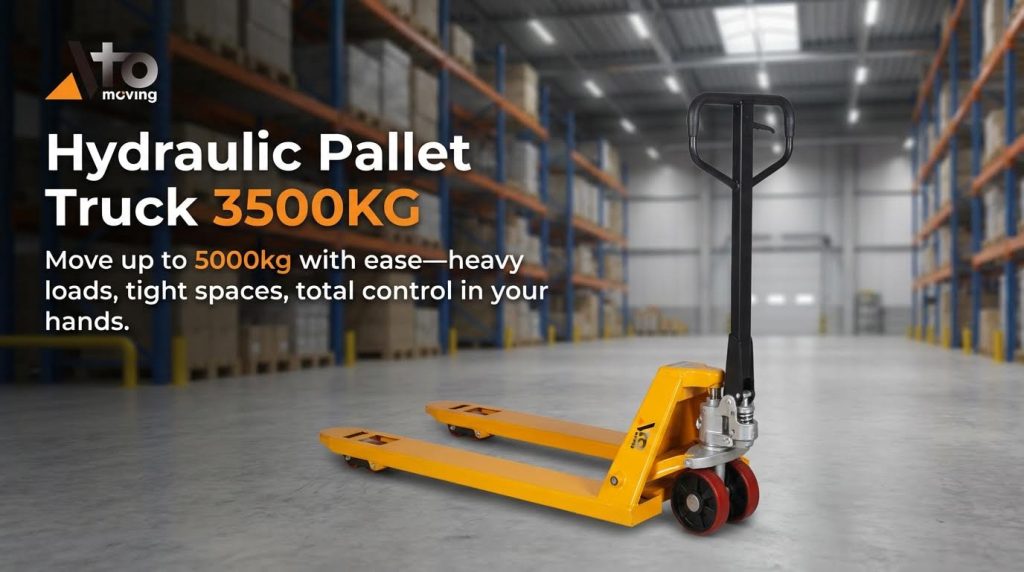
Hydraulic geometry and stroke limitations
The hydraulic geometry is the first hard limit on how high can a manual pallet jack lift. A standard jack only needs enough cylinder stroke to raise the forks roughly 3–4 inches from a lowered height of about 3 inches to a raised height around 7.5–8 inches for typical warehouse models. The linkage between the pump piston, rocker arms, and fork frames multiplies this limited cylinder stroke into the fork lift, but only within a narrow geometric window before joints start to over-extend. High‑lift pallet jacks that reach 12 inches or more of lift use longer‑stroke hydraulics and different lever ratios, but this increases pump effort and component stress compared with standard 6–8 inch lift units. Engineers therefore size the cylinder and geometry so the jack reaches its rated lift height before any linkage “goes over center” or binds, which would be a serious safety risk.
Why not just add more stroke?
Adding stroke increases overall chassis height, pump travel, and handle effort. It also raises the load higher above the wheels, which amplifies tipping forces and frame bending moments, so geometry, not just cylinder size, controls maximum lift.
Stability, center of gravity and tipping risk
Stability is the second major answer to how high can a manual pallet jack lift. As the forks rise, the load’s center of gravity moves upward and slightly toward the steer wheels, reducing the stability margin of the three‑point support triangle. High‑lift models that reach 20–32 inches above the floor must therefore use wider bases, different wheel layouts, or stabilizing legs to control tipping risk. Even at low lift heights, a 2,000–5,000 kg rated pallet jack carries enough mass that a small sideways shift in center of gravity can overload one wheel set.
- Higher lift increases overturning moment around the load wheels.
- Uneven floors or ramps further reduce lateral stability.
- Off‑center pallets or tall, stacked loads worsen tipping risk.
For these reasons, standard jacks are optimized for low lift to travel, while high‑lift designs are intended mainly as static work positioners, not for moving loads at full height.
Fork, chassis and wheel design constraints
The fork, chassis and wheel layout also limit how high can a manual pallet jack lift in practice. Standard pallet jacks are sized around 27 inch overall fork width and 48 inch fork length to suit 48×40 inch pallets, with a lowered height near 3 inches so the entry wheels can clear the pallet deck boards. Raising the maximum lift height means the fork beams must resist higher bending stress and the chassis must stay rigid with more load leverage. Wheel diameter and placement matter as well: typical steering wheels around 180 mm diameter and small load rollers are chosen to keep the frame low, which naturally restricts total lift range.
| Design element | Effect on max lift |
|---|---|
| Fork section size | Must increase for higher lift to control deflection and fatigue. |
| Chassis depth | Deeper frames improve stiffness but reduce ground clearance. |
| Wheel size/layout | Larger wheels improve rolling but raise minimum height, limiting lift window. |
Low‑profile models with minimum fork heights down to about 1.75 inches for special pallets trade away some lift range to stay ultra‑thin. High‑lift pallet jacks that reach about 12 inches for ergonomic work heights use heavier forks, reinforced frames and different wheel arrangements to keep stresses, deflection and stability within safe limits.
Matching Lift Height To Applications And Aisles
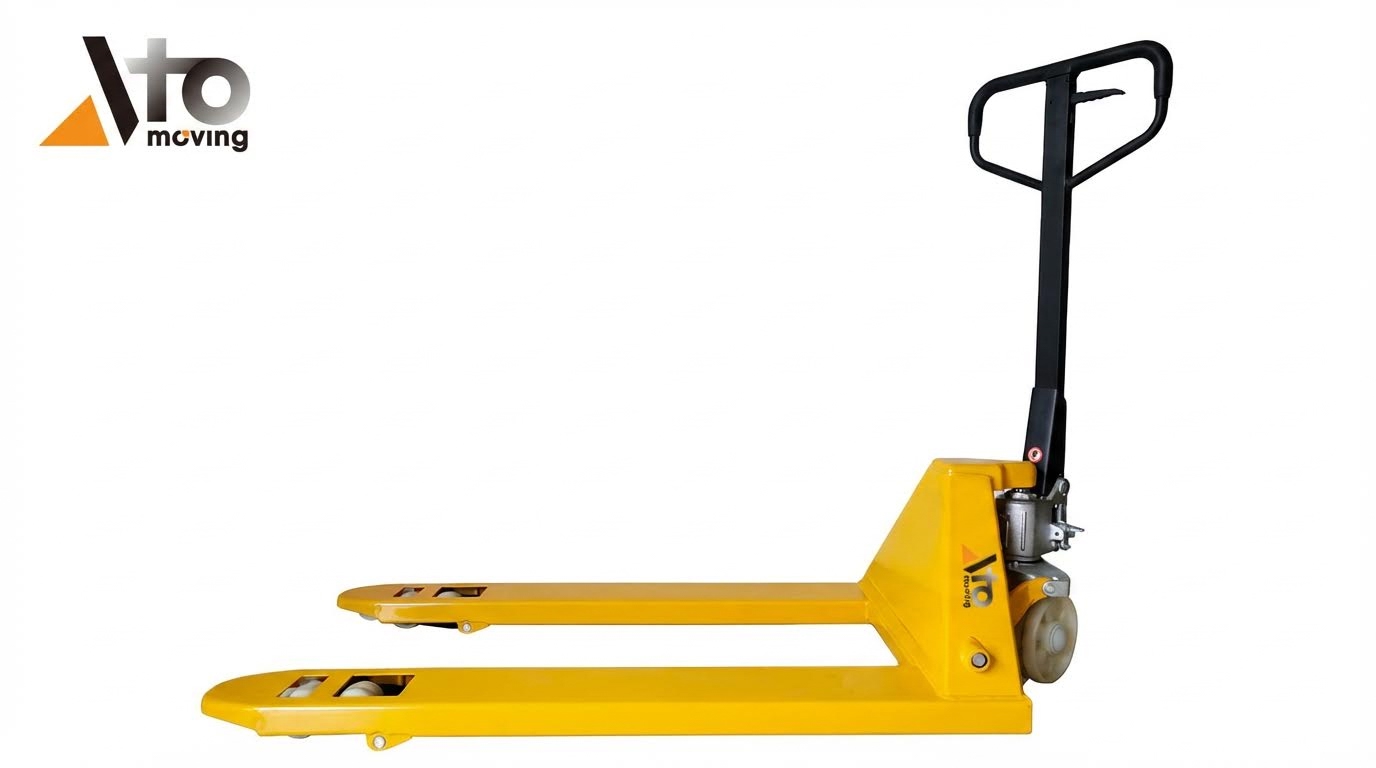
Choosing between standard, low‑profile and high‑lift
When you ask how high can a manual pallet jack lift, the answer needs to match your floor conditions, pallets and aisles. Standard manual pallet jacks typically lift between about 6 and 8 inches, which is enough to pick up most 48″ x 40″ pallets and keep them clear of the floor for travel Pallet Jack Lift Height Ranges. Low‑profile jacks trade lift height for a much lower minimum fork height, down to about 1.75 inches, to get under damaged or low‑clearance pallets Minimum Pallet Jack Lift Heights. High‑lift manual jacks increase raised height, with many reaching 20–32 inches and some specialty designs going up to about 31.5 inches Maximum Pallet Jack Lift Heights.
- Standard pallet jacks (typical 27″ x 48″) suit general warehouse work with 48″ x 40″ pallets, offering around 3–4″ lowered height and 7.5–8″ raised height for basic ground‑level handling and truck loading Standard Pallet Jack Dimensions.
- Low‑profile jacks are narrower and shorter (for example 21″ wide x 42″ long) and are designed for Euro pallets and tight spaces, with very low minimum fork heights for poor‑condition pallets or non‑standard skids Pallet Jack Size Chart Comparison – Low-Profile.
- High‑lift pallet jacks sacrifice travel distance and capacity for vertical travel, lifting loads up to about 12 inches or more for ergonomic work heights, case picking or feeding small machines Special Application Sizes – High-Lift. They are best when the pallet stays in one workstation rather than moving long distances.
Quick selection checklist
- Use standard if most work is floor‑to‑floor or truck‑to‑floor with typical 48″ x 40″ pallets.
- Use low‑profile if you fight low deck boards, Euro pallets or damaged pallets that standard forks cannot enter.
- Use high‑lift if your main goal is working height and ergonomics, not long‑distance transport.
Lift height, pallet types and racking interface
To match lift height to your operation, you need to relate how high can a manual pallet jack lift to pallet construction and racking geometry. Standard pallets and jacks work together when the minimum jack height is below the pallet’s entry height and the maximum jack height clears the floor by a safe margin (typically 1.5–2 inches) during travel. Typical standard jacks have 3–4 inch lowered height and 7.5–8 inch raised height, which works well with most 48″ x 40″ block or stringer pallets on the floor or in truck trailers Standard Pallet Jack Dimensions.
- Pallet type compatibility
- Low‑profile pallets or damaged deck boards may require jacks with minimum fork heights down to about 1.75–3 inches so the forks can enter without lifting or prying the load Minimum Pallet Jack Lift Heights.
- The distance between forks (often 20–27 inches) must match the pallet’s stringer spacing so both fork blades support the load evenly and avoid broken boards Fork Width Requirements.
- Racking and aisle interface
- Manual pallet jacks are mainly for ground‑level positions, but high‑lift units can raise pallets to about 12 inches for low stands or conveyor in‑feeds, not for beam‑level racking Special Application Sizes – High-Lift.
- For aisles, allow at least 6 inches of side clearance and about a 12‑inch turning radius beyond the pallet footprint so the jack can rotate without striking uprights or loads Clearance Space Requirements.
| Application question | What to check | Typical implication |
|---|---|---|
| Floor vs racking? | Are you only on the floor or dock level? | Manual jacks are fine; high‑lift only for low stands. |
| Pallet design? | Deck height and entry openings | May require low‑profile minimum height. |
| Aisle width? | Pallet width + 6″ clearance + turning radius | Might push you to narrow or standard widths. |
Engineering tip: avoid racking misuse
Manual pallet jacks are not designed to place or retrieve pallets from beam levels. Their limited lift height and lack of mast stability mean they should only interface with racking at ground level or low raised platforms. For higher levels, a stacker or forklift with the right rated lift height and capacity is required.
“”
Summary: Setting Realistic Lift Height Expectations For Manual Jacks
Manual pallet jack lift height comes from a tight balance of geometry, hydraulics, structure and stability. Standard and low‑profile jacks focus on low minimum fork height and modest net lift so they roll under typical pallets and clear floor changes safely. High‑lift and scissor‑type units push raised height higher, but engineers must add stroke, steel and bracing to keep linkages, forks and frames within safe stress and stability limits.
As the load rises, the center of gravity climbs and shifts. This increases overturning forces on the three‑point support. That is why high‑lift units use wider bases or stabilizers and should not travel with loads raised. They work best as static work‑positioners.
For operations teams, the right approach is simple. First, define pallet type, entry height and floor conditions. Then match lowered height, raised height and net lift to those numbers, not to wishful racking uses. Use standard or low‑profile jacks for floor and dock work. Use high‑lift only where you need ergonomic height at fixed stations. For anything above low stands, move to a stacker or other Atomoving lifting solution designed for true vertical storage.
Frequently Asked Questions
How high can a manual pallet jack lift?
A standard manual pallet jack typically lifts a pallet between 6 to 8 inches off the ground. Some models may reach up to 7.75 inches, but most are designed for this lower range. If you need higher lifting capabilities, consider using a high-lift pallet jack, which can elevate loads up to 32 inches. Lift Height Guide.
What is the maximum height for stacking pallets safely?
As a general rule, pallets should not be stacked higher than 60 inches to ensure safety and stability during transport or storage. Always place heavier items at the bottom and lighter ones on top to prevent tipping and damage. Pallet Stacking Safety Tips.