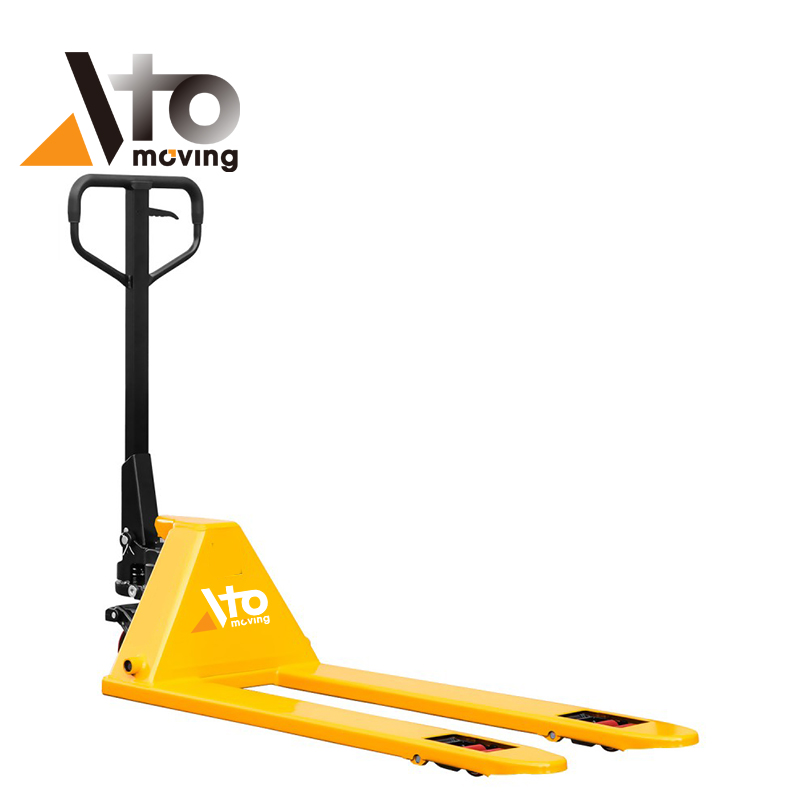
Knowing how to service a pallet jack on a clear schedule dramatically extends equipment life, cuts downtime, and protects operators. This guide breaks down practical inspection routines, lubrication standards, and hydraulic checks so your pallet jacks run safely for years instead of months.
We will move from daily walk-around checks to annual overhauls, focusing on the critical systems that actually fail in real warehouses: wheels, forks, hydraulics, batteries, and brakes. Use these service routines to standardize maintenance, control costs, and keep every jack ready for work.
Core Principles Of Pallet Jack Preventive Maintenance

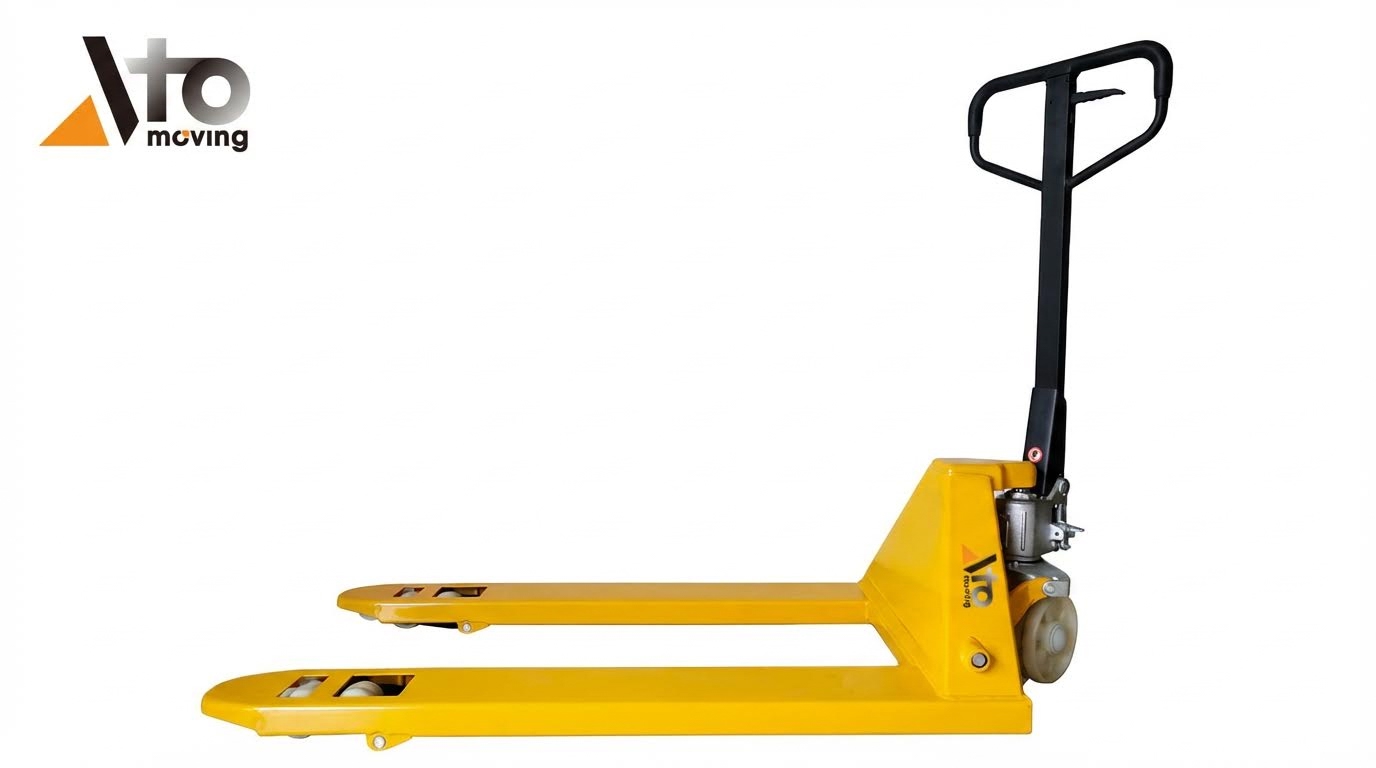
Core preventive maintenance principles for pallet jacks focus on short, repeatable checks, structured service intervals, and disciplined record-keeping to extend service life and cut failures while you learn how to service a pallet jack correctly.
- Planned, not reactive: Shift from breakdown repairs to scheduled inspections and lubrication – reduces emergency downtime and cost by an estimated 20–30%. Preventive maintenance savings
- Short, daily checks: Keep operator inspections under about 7 minutes – ensures they actually get done every shift. Daily inspection timing
- Multi-level intervals: Use daily, weekly, monthly, quarterly, and annual tasks – matches task complexity with the right frequency. Tiered maintenance routines
- Hydraulic-first mindset: Prioritize hydraulic oil level, leaks, and air bleeding – prevents most “no-lift” complaints before they stop work. Hydraulic maintenance steps
- Rolling gear focus: Watch wheels, bearings, and axles closely – reduces push force, floor damage, and steering complaints. Wheel inspection guidance
- Structural safety line: Treat cracked frames or forks as “remove from service” – protects operators from sudden collapse under load. Fork and frame checks
- Clean and corrosion-aware: Build washing and rust control into monthly routines – slows hidden metal loss at welds and fork heels. Corrosion control programs
- Document everything: Log inspections, faults, and repairs by serial number – lets you spot bad actors and justify replacement. Maintenance record elements
- Train operators: Teach pre-shift checks and abuse avoidance – cuts overloads, impacts, and premature wheel or fork failure. Training impact on failures
💡 Field Engineer’s Note: In real warehouses, most “mystery” failures trace back to skipped daily checks. If you only standardize one thing, make sure every operator does the 5–7 minute walk-around before the first pallet.
How Preventive Service Extends Jack Lifespan
Preventive service extends pallet jack lifespan by protecting hydraulics, wheels, and structure from progressive wear, which is the core of any practical guide on how to service a pallet jack for long life.
| Component / Area | Key Preventive Action | Failure Prevented | Operational Impact |
|---|---|---|---|
| Hydraulic pump and circuit | Check fluid level and quality, bleed air, inspect for leaks | No-lift, spongy lift, seal blowout | Keeps rated lifting height and capacity available for full-shift work |
| Hydraulic seals (O-rings, rod seals) | Inspect when lift loss persists, replace worn seals | Chronic oil leaks, sudden lift loss under load | Reduces messy oil on floors and unplanned downtime for repairs |
| Load and steer wheels | Inspect for flat spots, cracks, diameter loss | High rolling resistance, floor damage, steering issues | Lowers push force and keeps travel smooth in 2.0–2.5 m aisles |
| Forks | Check straightness, cracks, thickness reduction | Fork fracture, tipping due to uneven forks | Maintains safe handling of typical 1,000–2,000 kg pallet loads |
| Frame and welds | Inspect for cracks, bending, corrosion | Catastrophic structural failure | Protects operators in high-utilization, multi-shift fleets |
| Lubrication points | Grease pivots, axles, chains per schedule | Bearing seizure, stiff steering, linkage wear | Ensures low-effort steering and accurate load placement |
| Safety controls & brakes (powered) | Test release, lower, and brake holding | Runaway trucks, uncontrolled lowering | Reduces incident risk on ramps and loading docks |
Hydraulic care is the single biggest life extender because most pallet jacks fail functionally at the pump long before the steel wears out. Technicians check oil level with forks fully lowered, top up only with the specified hydraulic fluid, and bleed air by cycling the handle with the release open until lift becomes solid. Hydraulic maintenance method Persistent lift loss after bleeding usually signals worn O-rings or rod seals and justifies seal replacement instead of repeated topping-off. Seal failure indicators
Rolling components are the next life limiter. Inspections catch wheels that are more than about 6 mm (¼ in) undersize, cracked, or chemically damaged so they can be replaced in pairs before they overload bearings and axles. Wheel wear criteria Keeping push forces low is not just ergonomic; it also prevents operators from ramming pallets to overcome resistance, which bends forks and twists frames over time.
Structural inspections protect the longest-life parts: forks and frame. Weekly or monthly checks for cracks, bent blades, tip deformation, and more than 10% thickness loss flag units that should be removed from service rather than “nursed along.” Fork inspection guidance Corrosion-control washes and inhibitors slow pitting at welds and fork heels, which otherwise quietly reduce capacity until a sudden failure under load. Corrosion program details
How preventive maintenance cuts total cost of ownership
Planned inspections and lubrication reduce overall maintenance costs by roughly 20–30% versus running to failure, mainly by avoiding emergency call-outs, overtime labor, and collateral damage to floors and racking. Cost savings data Extending jack life by even 1–2 years across a fleet also delays capital replacement and keeps spare ratios lower.
Maintenance Intervals: Daily To Annual Cycles
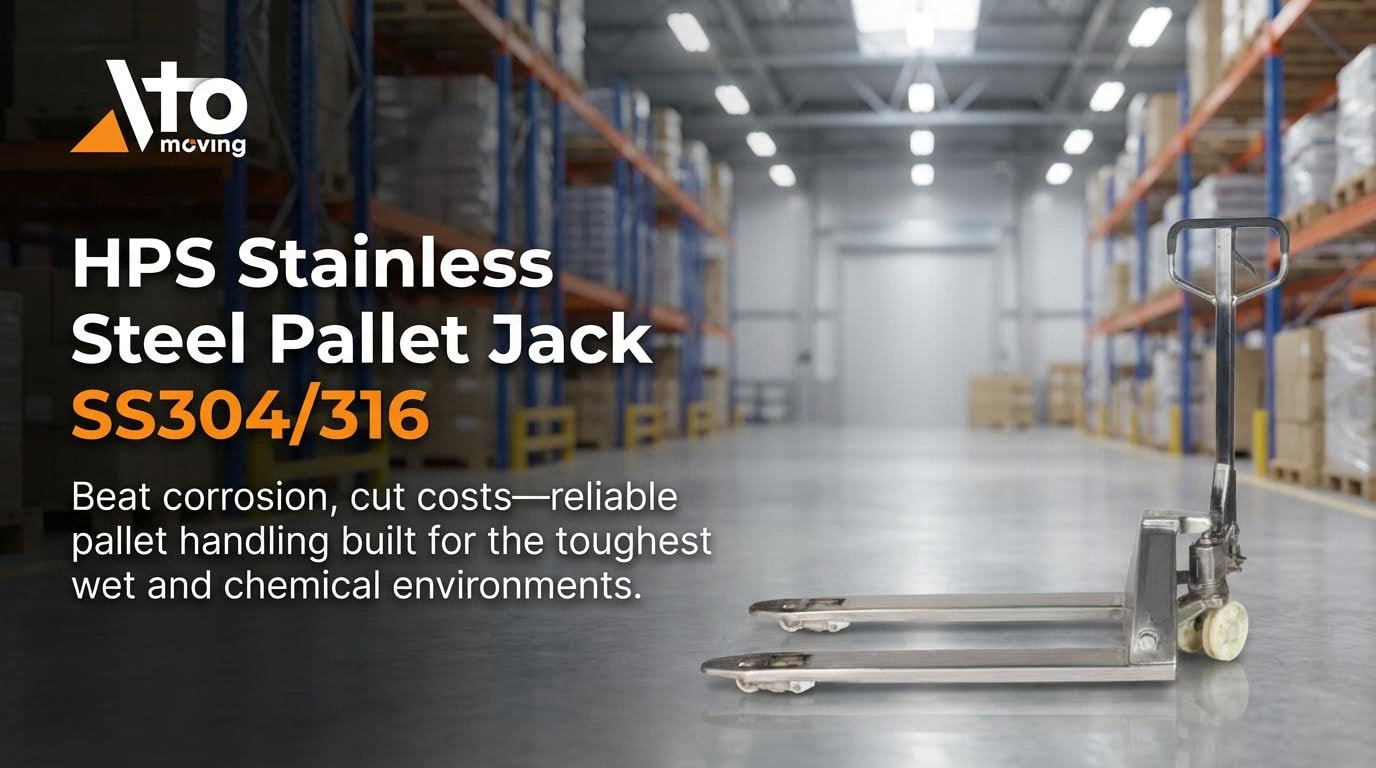
Effective pallet jack service relies on layered maintenance intervals from daily to annual, each targeting different failure modes so you know exactly how to service a pallet jack across its full lifecycle.
| Interval | Typical Duration | Main Tasks | Operational Impact |
|---|---|---|---|
| Daily (per shift) | 5–7 minutes | Visual check, forks, wheels, handle, quick hydraulic test | Catches obvious damage and leaks before work starts |
| Weekly | ~10 minutes | Deeper cleaning, wheel spin tests, simple load checks | Prevents debris buildup and early wheel/bearing failure |
| Monthly | 15–30 minutes | Hydraulic level check, full lubrication, brake and safety tests | Maintains lift performance and smooth steering |
| Quarterly | 30–60 minutes | Detailed system inspection, wheel bearing service, battery testing | Resets wear before peak seasons or heavy campaigns |
| Annual | 1–2 hours | Full inspection, fork thickness measurement, load test, seal review | Confirms capacity and informs repair vs replace decisions |
Daily inspections are operator-led and fast. They include checking fork straightness, wheel condition, handle integrity, and performing a simple hydraulic test by lifting and holding a moderate load to detect sinking or erratic lowering. Daily checklist details Any defects trigger a tag-out and maintenance request rather than “just using it for one more load.” Weekly tasks add cleaning, wheel spin checks, and bolt tightening, usually taking around 10 minutes per unit. Weekly routine scope
Monthly routines go deeper into the systems that actually determine life: hydraulics, lubrication, and (for powered jacks) electrical and brakes. Technicians check hydraulic fluid levels with the forks fully lowered, top off with the correct oil, lubricate all pivot points, and test all safety devices and brake function. Monthly maintenance tasks Quarterly and annual work adds wheel bearing inspection, hydraulic servicing if needed, load testing to verify capacity, and fork thickness measurements, plus a structured review of whether ongoing repairs still make economic sense compared to replacement. Quarterly and annual checks
- Daily operator checks: Done by users, focused on safety and “will it work today?” – no tools, minimal training.
- Weekly & monthly tasks: Often done by in-house maintenance – basic tools and lubrication products.
- Quarterly & annual work: Best for experienced technicians – measurements, seal work, and load tests.
💡 Field Engineer’s Note: When usage is heavy, tighten the calendar by usage hours, not by the wall clock. A jack running two or three shifts per day needs its “monthly” lubrication closer to every 2 weeks to keep steering effort and bearing temperatures under control.
Critical Mechanical Systems And Service Procedures
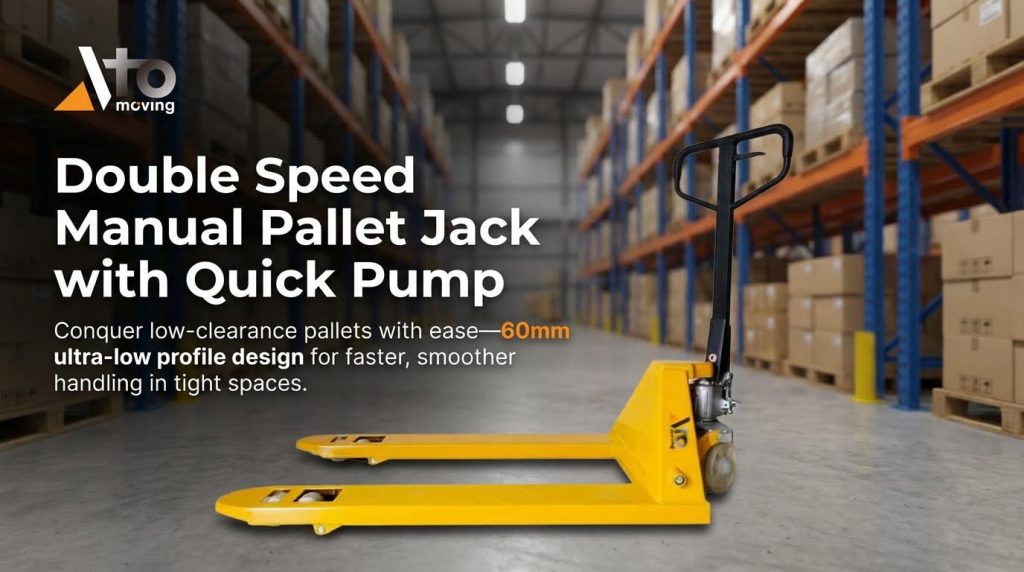
This section explains how to service a pallet jack by focusing on the hydraulic unit, forks, frame, wheels, and bearings so you prevent failures before they stop your operation.
- Goal: Create a repeatable mechanical service routine – Maximizes jack lifespan and minimizes unplanned downtime.
- Focus: Hydraulics, structure, and rolling gear – These are the systems that actually lift and move the load.
- Method: Inspect, measure, lubricate, and document – Turns “fix it when it breaks” into predictable maintenance.
Hydraulic pump, seals, and fluid checks
The hydraulic circuit is the heart of lift performance, so you service a pallet jack here first whenever it will not lift, lifts slowly, or drifts down under load.
- Check fluid level: Lower forks fully, clean around the reservoir, remove the fill plug, and confirm fluid near the top – Low level is a common cause of poor lifting performance. Hydraulic system maintenance guidance
- Inspect oil condition: Look for milky (water), dark burnt oil, or metal flakes – Contamination accelerates pump and seal wear. Hydraulic system checklist
- Bleed trapped air: Lower forks, open release valve, then pump the handle quickly 10–20 times with no load and close the valve – Removes air pockets that cause “no-lift” or spongy operation. Bleeding instructions Air in hydraulic circuit
- Check for external leaks: Inspect around pump housing, ram, fittings, and under the jack after parking – Oil on the floor indicates seal or hose issues and slip hazards. Leak inspection points
- Assess lift holding: Raise a moderate load and hold; if forks sink noticeably in 1–2 minutes, suspect internal leakage – Often worn O-rings or rod seals. Hydraulic test in daily checklist
- Seal and O-ring replacement: For persistent lift loss, safely support the jack, drain fluid, remove the valve cartridge, replace O-rings, then refill with compatible ISO-grade hydraulic oil – Restores pressure without full pump replacement. Hydraulic circuit maintenance
- Temperature considerations: Use hydraulic oil with viscosity suited to 0–40°C ambient – Too thick oil in cold rooms causes slow lift; too thin oil in heat reduces holding capacity. Viscosity guidance
| Hydraulic Check | Typical Frequency | What You Look For | Operational Impact |
|---|---|---|---|
| Fluid level & condition | Monthly | Level near fill port, clear oil | Prevents slow lift and pump wear |
| Air bleeding | As needed (no-lift/spongy) | Restored firm lift after 10–20 strokes | Eliminates “no-lift” complaints without major repair |
| External leak check | Daily visual | No fresh oil under or on jack | Reduces slip hazards and fluid loss |
| Lift-hold test | Daily/weekly | Load holds height for several minutes | Confirms internal seals still sealing properly |
💡 Field Engineer’s Note: In cold storage, operators often blame “weak hydraulics” when the real issue is thick oil. Before you tear down the pump, verify oil grade and warm the jack; many “dead” units come back once viscosity is under control.
Quick step-by-step: how to service a pallet jack hydraulic unit
- Step 1: Park on level ground and lower forks fully – Returns maximum fluid to the reservoir.
- Step 2: Clean around the fill plug – Prevents dirt entering the hydraulic system.
- Step 3: Remove plug and check level/condition – Low or dirty oil is your first diagnostic clue.
- Step 4: Top up with specified hydraulic oil if needed – Wrong oils can swell or shrink seals.
- Step 5: Bleed air by cycling handle with valve open, then closed – Restores solid, repeatable lifting.
- Step 6: Perform a lift-and-hold test under moderate load – Confirms seals and valves are functioning.
Fork, frame, and structural integrity inspections

The forks and frame carry all structural loads, so how to service a pallet jack safely always includes a disciplined crack, bend, and corrosion inspection routine.
- Fork straightness and camber: Inspect forks weekly with a straightedge for bends, excessive camber, or twist – Distorted forks change load distribution and increase tipping risk. Fork inspection guidance
- Cracks and tip damage: Look along welds, fork heels, and tips for visible cracks or deformed tips – Any crack is a remove-from-service condition. Fork inspection and replacement
- Thickness wear: Measure fork thickness at heel vs. an unworn area; if reduction exceeds about 10%, replace – Lost section reduces rated capacity. Wear criteria
- Lowering and travel clearance: Ensure forks lower fully and are not blocked by debris under the frame – Debris can falsely simulate “hydraulic issues.” Fork operation checks
- Frame and welds: Visually inspect the pump housing area, steer-wheel yoke, and main spine for cracks, bends, or corrosion – Cracks here often indicate overload history and can precede sudden failure. Frame & structure checks
- Corrosion control: In humid or chemical environments, deep clean monthly and apply corrosion inhibitor to welds, fork heels, and axle mounts – Slows pitting that quietly reduces capacity. Corrosion control programs
| Structural Area | Key Check | Service Decision | Operational Impact |
|---|---|---|---|
| Fork blades | Bends, twist, >10% thickness loss | Replace forks if any crack or excessive wear | Maintains rated capacity and stable stacking |
| Fork tips | Crushed or hooked tips | Replace or remove from service | Prevents snagging pallets and sudden tip failure |
| Frame spine | Cracks at welds or pump mounts | Retire jack or professionally repair | Avoids catastrophic structural break under load |
| Corroded zones | Flaking rust, pitting | Clean, treat, or replace if deep | Extends life in wet/chemical areas |
💡 Field Engineer’s Note: When you see hairline cracks around the steer-wheel yoke or pump welds, stop using the jack immediately. Those cracks often grow suddenly after a hard impact, and the failure usually happens when the operator is directly in front of the load.
How to integrate fork & frame checks into your daily walkaround
- Step 1: Stand to the side and sight both forks from tip to heel – Quickly reveals bends or twist.
- Step 2: Run your hand (with gloves) along the side of each fork – Feel for cracks, gouges, or sharp edges.
- Step 3: Look under the frame at the pump housing and yoke – Check for fresh rust lines or visible cracks.
- Step 4: Cycle full raise and full lower with no load – Confirms full travel and no binding.
Load, steer wheels, and bearing maintenance
Rolling gear is where operators feel most problems, so knowing how to service a pallet jack correctly means treating wheels and bearings as wear parts with clear replacement rules.
- Load wheel inspection: Check for flat spots, cracks, missing chunks, deep cuts, embedded debris, and diameter loss – Worn wheels increase rolling resistance and strain operators. Load wheels & rollers Wheel inspection and replacement
- Wear limits: Replace load wheels if diameter is reduced by more than about 6 mm (¼ in) from new – Maintains correct fork height and smooth rolling. Wear criteria for wheels
- Pair replacement: Always replace wheels in pairs on the same axle – Prevents tilting and uneven load sharing. Pair replacement recommendation
- Steering wheel checks: Verify free rotation, correct alignment, and absence of flat spots or cracks – Directly affects maneuverability and tracking. Steering wheel checks
- Bearing and axle service: During wheel replacement, clean axles, inspect for scoring, and pack bearings with appropriate grease if not sealed – Prevents premature bearing seizure. Wheel replacement steps
- Lubrication of rolling components: Apply grease to wheel axles and
Power, Controls, And Lubrication Best Practices
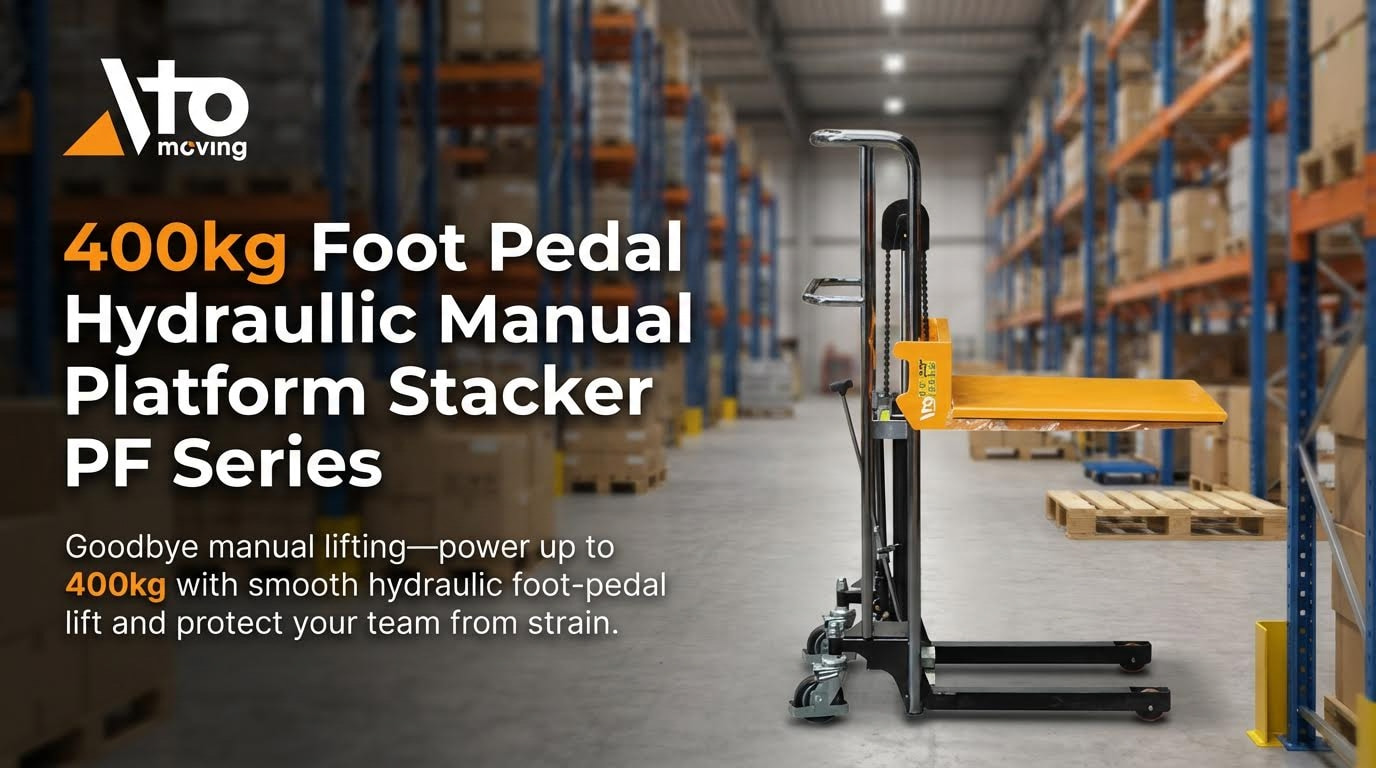
Power systems, controls, and lubrication routines are the backbone of how to service a pallet jack so it runs safely, quietly, and for 10+ years in real-world warehouse conditions.
This section focuses on three high-impact areas: batteries, braking/controls, and lubrication. Together they dictate uptime, operator effort, and whether your pallet jack fleet quietly earns money or quietly destroys itself.
Battery care for electric and Li-ion pallet jacks
Correct battery care for electric and Li-ion pallet jacks protects run time, avoids sudden shutdowns under load, and prevents expensive premature battery replacement.
For electric pallet jacks, battery checks are a daily and weekly discipline, not a yearly event. Visual checks should confirm that cell caps, terminal covers, and cable insulation are intact, and that terminals are free from corrosion. Battery inspection guidelines recommend verifying covers and monitoring discharge indicators to avoid deep discharge that shortens battery life.
- Lead-acid water level checks: Inspect electrolyte level weekly – Low water exposes plates, causing capacity loss and sulfation. Lead-acid care practices highlight regular top-ups with distilled water.
- Terminal cleaning: Clean corrosion monthly – Reduces resistance, heat, and voltage drop under heavy current draw.
- Charge discipline: Follow recommended charge cycles – Prevents chronic undercharge or overcharge that kills cells early.
- Li-ion charge window: Keep Li-ion between roughly 20–80% when possible – Extends cycle life versus constant 0–100% swings. Li-ion maintenance guidance stresses avoiding extreme states of charge for storage.
- Temperature control: Avoid charging in extreme cold or heat – Reduces risk of plating (in cold) and thermal aging (in heat).
- Daily operator checks: Confirm charge level before shift – Prevents mid-aisle shutdowns that block traffic and create safety exposures. Daily inspection routines include battery level verification.
How battery care fits into how to service a pallet jack
When planning how to service a pallet jack, treat the battery like a consumable asset with a defined life. Systematic water checks, terminal cleaning, and correct charging can easily add hundreds of operating hours before replacement is needed.
💡 Field Engineer’s Note: In cold rooms near 0°C, lead-acid batteries lose effective capacity fast. Plan shorter runs and more frequent opportunity charging, or you will see pallet jacks stalling halfway down 30–40 m aisles under moderate loads.
Brake, control, and safety function testing
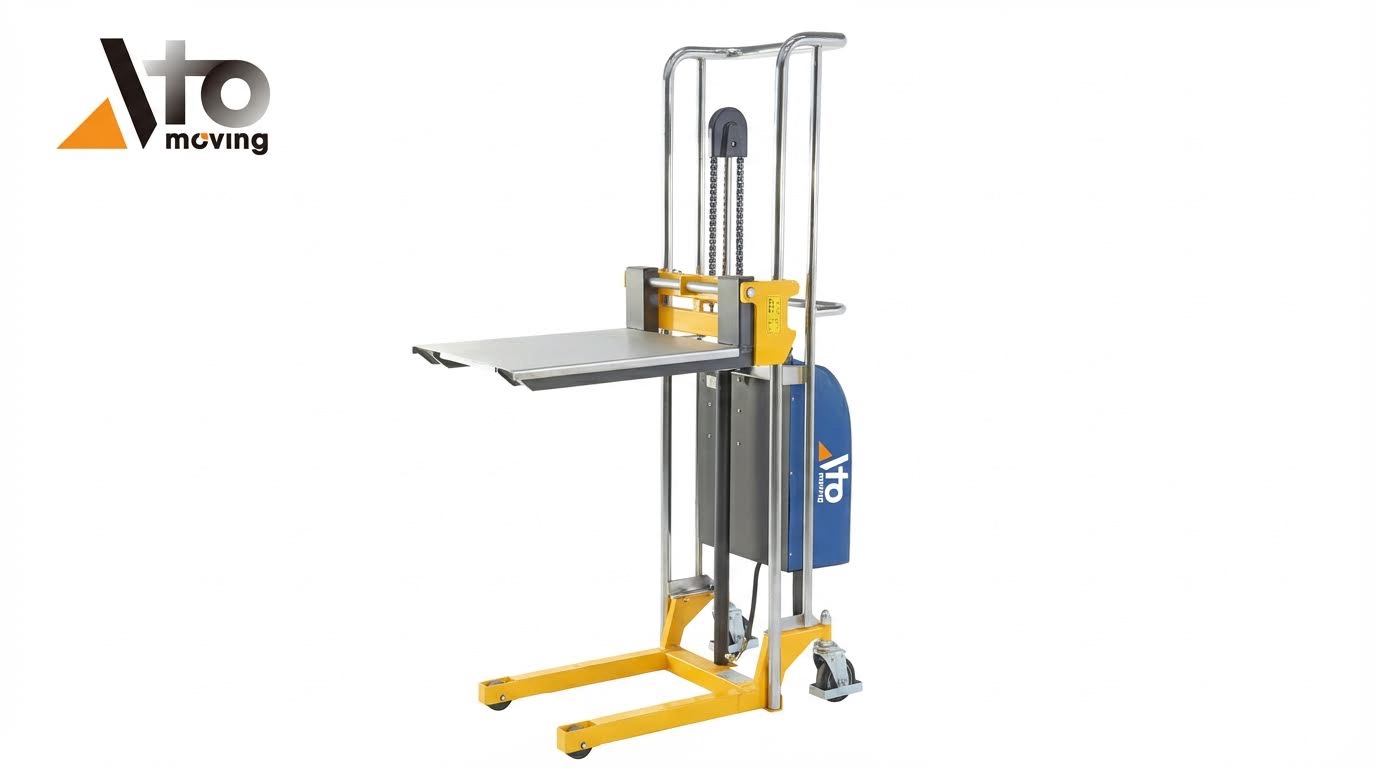
Brake, control, and safety function testing ensures a pallet jack can stop, steer, and lower safely before you trust it under a 1,000–2,500 kg pallet.
For any powered pallet jack, the braking system must hold on slopes and respond predictably to pedal or control input. If the service brake pedal travels fully to the floor, that is treated as a failure condition. Guidance for industrial trucks specifies that brakes must work in reverse and that the parking brake must hold the truck stationary when engaged, especially on inclines where uncontrolled motion can cause serious crush injuries. Brake inspection criteria emphasize these tests.
- Service brake test: Apply brakes at low speed on a flat area – Pedal should feel firm and stop the truck in a short, predictable distance.
- Reverse braking: Verify braking response while traveling backward – Critical in tight aisles where reverse travel is common.
- Parking brake hold test: Park on a slight gradient and apply parking brake – Jack must not roll; drifting indicates adjustment or component wear.
- Lowering control test: Cycle lift/lower several times with a moderate load – Lowering must be smooth, with no sudden drops or erratic motion. Daily checklists recommend a quick hydraulic test by lifting and holding a moderate load to detect sinking or erratic lowering. Operator inspection routines include this step.
- Release valve function: Confirm the release lever or control cleanly selects raise, lower, and neutral – Prevents uncontrolled descent while positioning loads.
- Safety labeling: Check capacity markings and equipment ID – Supports safe loading and regulatory compliance. Safety and operational control checks call out label and ID verification.
Where brake and control tests sit in a full service routine
When mapping how to service a pallet jack, brake and control tests belong in your daily and monthly checklists. Daily tests catch obvious failures before a shift; monthly tests under load and on gradients verify deeper system health.
💡 Field Engineer’s Note: Many “mysterious” steering complaints trace back to worn or flat-spotted steer wheels, not the handle or linkage. Always spin-test steer wheels and check for flat spots when operators report heavy steering or wandering under load.
Lubrication standards, products, and schedules
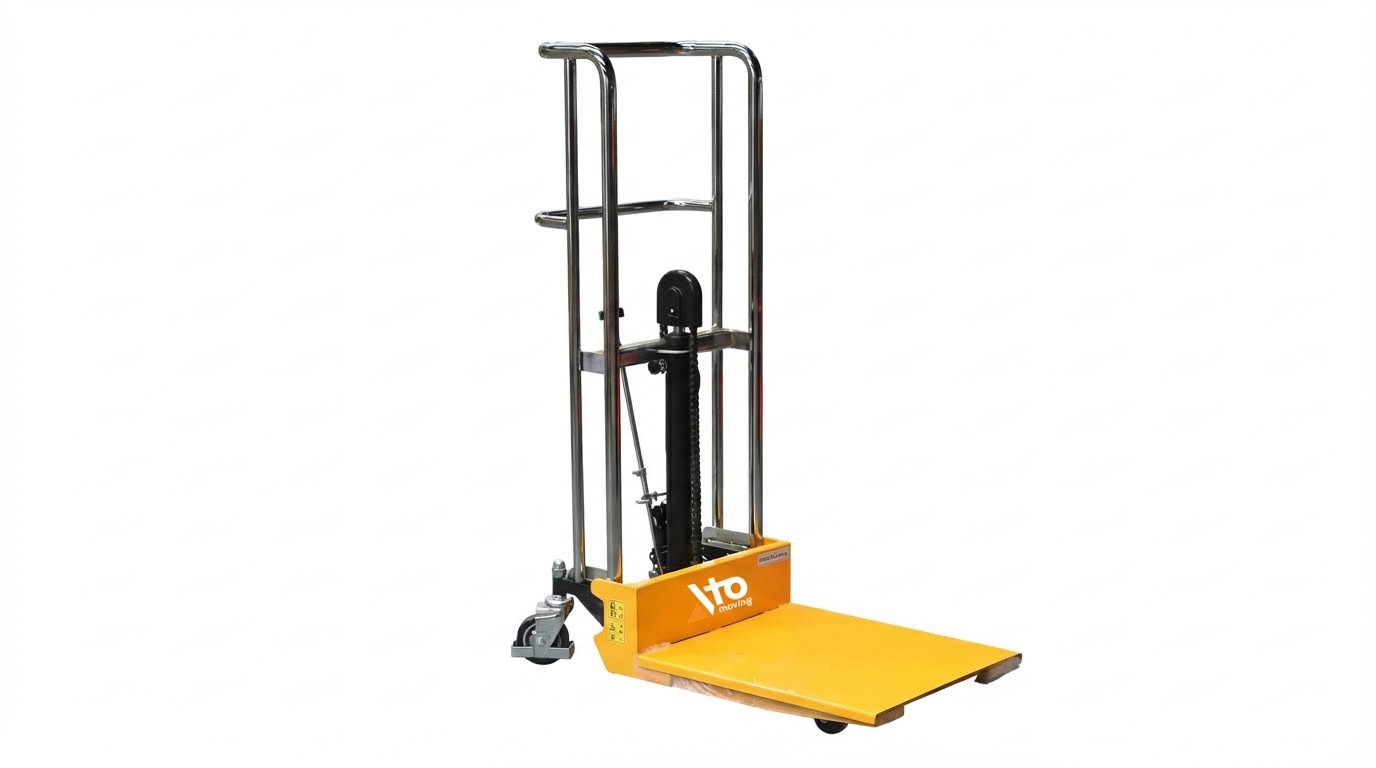
Correct lubrication standards, matched lubricants, and disciplined schedules reduce rolling resistance, eliminate squeaks, and can easily double the service life of pivot pins and wheel bearings.
Lubrication is one of the lowest-cost elements of how to service a pallet jack, yet it delivers some of the highest returns in reduced wear and operator effort. Regulatory and industry guidance identifies key lubrication points such as wheels, axles, fittings, and chain linkages. Plants often use silicone spray on wheel axles, multi-purpose mineral oil on pivot joints, and white lithium grease on center pivots to cut friction and extend component life. Lubrication point examples highlight these practices.
Component / Point Recommended Lubricant Typical Interval (normal warehouse) Operational Impact Wheel axles (load & steer) Silicone spray or light oil Weekly to monthly Lower rolling resistance; easier starts and turns with 1,000–2,000 kg pallets. Steering pivots & center pivots White lithium or lithium-based grease Monthly Prevents stiff steering and metal-on-metal wear at the tiller head. Handle pivot & linkage pins Multi-purpose mineral oil or lithium grease Monthly Smoother lift/lower control; reduces play that leads to sloppy controls. Wheel bearings (if not sealed) Bearing grease Quarterly Extends bearing life; reduces noise and floor damage from seized wheels. Drive chains (electric models) Chain lubricant Weekly to monthly Consistent drive response; prevents chain stretch and shock loading. Industry guidance also describes structured lubrication schedules: steering pivot points, handle pivots, and lift linkage pins lubricated monthly with lithium grease; wheel bearings serviced quarterly; and drive chains on electric models lubricated weekly to monthly depending on duty. Lubrication schedules emphasize increasing frequency in demanding or dirty environments. Another source specifies silicone spray on wheel axles, mineral oil on pivot joints, and white lithium grease on center pivots, with weekly lubrication of wheels and pivots and monthly re-lubrication of high-load joints. Non-industrial lubricants are discouraged to prevent pump clogging and seal damage. Lubrication standard examples outline these rules.
- Clean before lube: Wipe dirt from grease points first – Prevents grinding abrasive dust into pins and bushings.
- Correct product selection: Match lubricant to point and environment – Wrong viscosity or chemistry can wash out or attack seals.
- Scheduled intervals: Tie lubrication to monthly and quarterly PMs – Ensures it is not skipped when operations get busy.
- Documentation: Record lubrication dates and products used – Supports warranty claims and root-cause analysis when components fail early.
How lubrication links to other pallet jack service tasks
When planning how to service a pallet jack end-to-end, integrate lubrication with wheel, fork, and hydraulic inspections. You already have the jack raised and wheels exposed, so greasing axles and pivots at the same time minimizes downtime.
💡 Field Engineer’s Note: In dusty or powder-handling plants, avoid heavy, sticky greases on exposed points. Dust cakes into a grinding paste. Use lighter or dry lubricants and shorten intervals to keep joints moving without building abrasive sludge.
“”

Final Considerations For Long-Life Pallet Jack Fleets
Effective pallet jack fleets do not last longer by accident. They last longer because teams apply the same engineering logic to service that designers use for structure and hydraulics. Daily walk-arounds catch visible damage and leaks before loads move. Weekly and monthly routines then go deeper into hydraulics, wheels, and pivots so wear never reaches the point of sudden failure.
Hydraulic care protects the core lifting function, while strict fork and frame inspections protect operators from structural collapse. Wheel, bearing, and lubrication standards keep rolling resistance low, which cuts both operator strain and impact damage to frames and forks. Battery, brake, and control checks ensure powered units stop, steer, and hold safely, even in tight aisles and on slopes.
The best practice is clear. Build a tiered maintenance program, assign owners for each interval, and document every check by serial number. Tighten intervals for harsh environments or multi-shift use. When thickness loss, crack growth, or hydraulic faults cross defined limits, retire or replace units instead of “making do.” Operations that follow this discipline turn pallet jacks into long-life, low-risk assets and keep Atomoving equipment earning safely year after year.
Frequently Asked Questions
How to Service a Pallet Jack
Servicing a pallet jack involves regular maintenance to ensure safe and efficient operation. Start by inspecting the wheels and forks for wear and tear, and replace any damaged parts. Lubricate moving components like wheel bearings and hydraulic lift mechanisms to prevent friction. Check the battery (for electric models) and ensure it is fully charged and free of corrosion. If troubleshooting an electric pallet jack, you may need to reset it by turning it off, disconnecting the power source, and holding the reset button for 10-20 seconds before reconnecting and testing. For detailed guidance on resetting, refer to Pallet Jack Reset Instructions.
How to Operate a Pallet Jack on an Incline
Operating a pallet jack on an incline requires extra caution to maintain control and safety. Always keep the pallet jack in front of you when moving downhill to ensure better control. Use a hand pallet truck equipped with brakes if frequent use on inclines is necessary. Secure the load properly to prevent slipping or shifting during transport. For additional safety tips, consult Incline Safety Guidelines.