Facilities that search for how to lift a pallet safely need clear rules that work on the floor, not just in manuals. This article explains core principles of safe pallet handling, from hazard checks and route planning to PPE, housekeeping, and traffic control.
You will see how manual pallet handling and ergonomics limit what a single person should lift and how posture, task design, and engineering controls reduce bending, reach, and musculoskeletal disorders. The section on pallet jacks and forklifts links load centers, mast control, and approach methods to stable lifting, travel, and stacking, including dock and trailer entry safety.
The final part brings these ideas together into a concise summary of best practices and compliance goals so safety, operations, and engineering teams can agree on one standard method for how to lift a pallet in each scenario.
Core Principles Of Safe Pallet Handling
Core principles explain how to lift a pallet without injuries or damage. They link hazard assessment, pallet inspection, PPE, and ergonomics into one safe handling system. These principles apply whether workers lift empty pallets by hand or move loaded pallets with jacks and forklifts. A clear method reduces musculoskeletal disorders, struck‑by incidents, and load failures.
Hazard Assessment, Planning, And Route Inspection
Start every pallet move with a quick hazard scan. Check if the task needs manual handling, a manual pallet jack, or a forklift. Plan the full route before lifting or picking up the pallet. Look for tight turns, blind corners, slopes, and overhead obstructions.
Inspect the floor for water, oil, loose wrap, or debris. These conditions increase slip and push forces. Confirm that aisles and doorways are wide enough for the load and equipment. For long moves, plan rest points to limit fatigue. When you explain how to lift a pallet in training, include a simple checklist: load, route, floor, and people around you.
Pallet, Load, And Floor Condition Checks
Never lift or move a pallet before a fast visual check. Defects turn a routine move into a high‑risk job.
- Look for broken deck boards, missing blocks, and exposed nails.
- Check for warped or leaning pallets in a stack.
- Verify load wrapping, banding, and center of gravity.
- Confirm the floor is level, clean, and strong enough for the load.
When teaching how to lift a pallet by hand, check weight first. Kick or nudge the pallet to gauge resistance before committing. For equipment lifts, make sure fork openings are clear and not blocked by damaged boards. Reject pallets with major cracks or loose top boards. Use a designated repair or scrap area so damaged pallets do not return to circulation.
PPE, Housekeeping, And Traffic Management
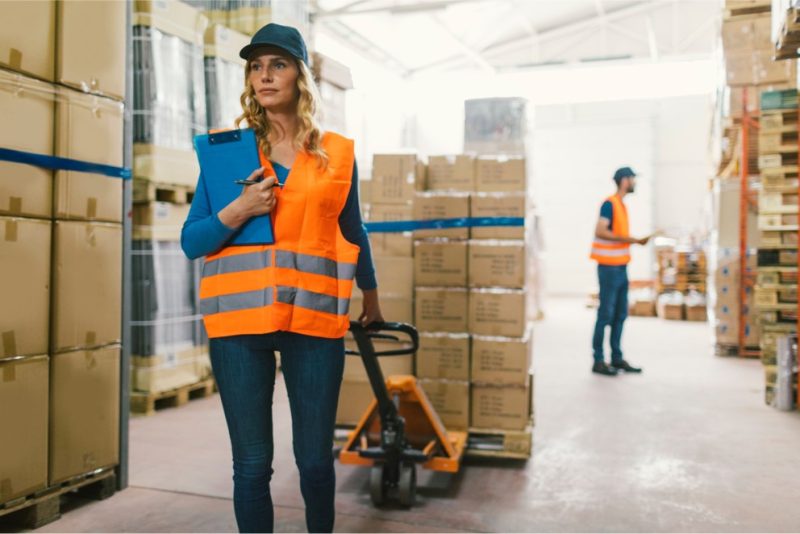
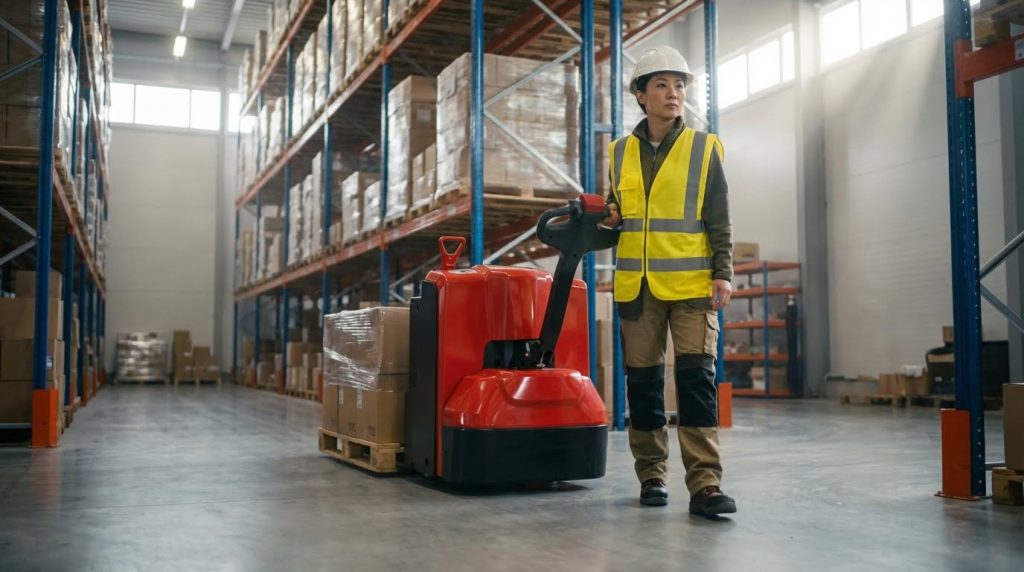
Basic PPE reduces common pallet injuries. Use safety shoes with toe protection to resist dropped pallets or loads. Wear gloves to limit cuts, splinters, and pinch points. High‑visibility vests improve detection by forklift operators in busy aisles.
Good housekeeping supports safe pallet lifting. Keep aisles free of stray pallets, wrap, and broken boards. Clean spills quickly, especially near docks and ramps. Mark pedestrian lanes and equipment routes with floor lines or barriers. Use one‑way traffic patterns where possible to cut crossing conflicts.
Coordinate manual handlers, walkie pallet truck users, and forklift drivers. Set rules for horn use at intersections and dock doors. Limit phone use and distractions in handling zones. Clear communication makes how to lift a pallet safely part of a wider traffic control plan.
Ergonomic Limits, Team Lifts, And Task Rotation
Ergonomic limits define when manual pallet lifting stops being safe. Keep individual lifts within reasonable mass, commonly below about 20–25 kg for routine work. If a pallet or load feels too heavy or awkward, stop and get help or use equipment. Encourage workers to test the load by a small lift at one corner.
Team lifts help with bulky or tall items. One person leads the count and movements. Both lifters keep the load at similar height and close to the body. Explain in training that knowing how to lift a pallet also means knowing when not to lift it alone.
Task rotation reduces repeated bending and twisting. Alternate workers between low‑level picking, jack operation, and paperwork or inspection tasks. Use height‑adjustable pallet positions or stack empty pallets under active loads to bring work closer to waist level. These controls cut musculoskeletal disorder risk while keeping throughput stable.
Manual Pallet Handling And Ergonomics
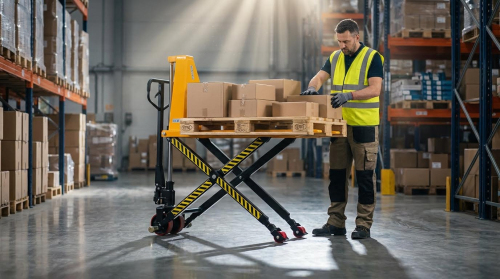
Manual pallet handling still occurs in most warehouses, even where trucks and jacks are available. Knowing how to lift a pallet by hand safely protects workers from strains and long-term musculoskeletal disorders. This section explains posture, load control, and ergonomic design so supervisors can set clear limits and choose the right aids.
Manual Pallet Lifting Posture And Technique
Workers should avoid dead-lifting a flat pallet from the floor. A safer method is to stand close, grip the pallet with two hands, flip it onto its side, and rest it on the ground edge. From there, they slightly lift while keeping one hand on the front and one on the back, then slide or carry the pallet a short distance.
For any manual lift, the spine should stay neutral. The worker bends at the hips and knees, not the waist, and keeps the pallet or load close to the body. Feet stay shoulder-width apart for balance, and the head faces forward to avoid twisting. The lift uses leg muscles while the torso stays braced.
Key technique checks include:
- Test the pallet weight before lifting.
- Keep hands away from pinch points and broken boards.
- Avoid lifting above shoulder height.
- Lower by bending the knees, not dropping the pallet.
Supervisors should coach short, repeatable cues like “close, knees, no twist” during training.
Managing Load Weight, Shape, And Stability
Safe manual pallet handling starts with load assessment. Workers should check the pallet for cracks, loose boards, and protruding nails before touching it. They should also scan the load for sharp edges, wrap, or banding that could cut or snag.
When deciding how to lift a pallet or palletized load, three factors matter most:
| Factor | Safe practice |
|---|---|
| Weight | Keep individual manual lifts below about 20–25 kg where possible; use team lifts or equipment above that. |
| Shape | Avoid one-handed carrying of long or wide pallets; keep the center of mass near the body. |
| Stability | Check if stacked goods can shift; secure with wrap or straps before moving. |
Unstable or tall loads should not be moved manually. Workers should break the load down to smaller units or use a manual pallet jack. Routes must be clear of water, grease, and debris to prevent slips while carrying.
Stacked empty pallets also need control. They should be aligned straight, with heavier or better-condition pallets at the bottom. Workers should avoid carrying a pallet high in front of the face, which blocks vision and increases trip risk.
Engineering Controls To Reduce Bending And Reach
Engineering controls reduce the need to ask how to lift a pallet safely in the first place. The goal is to keep work between mid-thigh and elbow height and to minimize forward reach. This lowers spinal loading and shoulder strain.
Practical controls include:
- Using height-adjustable pallet jacks or lift tables to keep the top layer near waist height.
- Stacking extra empty pallets on a jack to raise the working surface.
- Using pallet turntables or rotating platforms so workers can spin the load instead of twisting their backs.
- Repositioning pick faces so heavy cases are not stored at floor level.
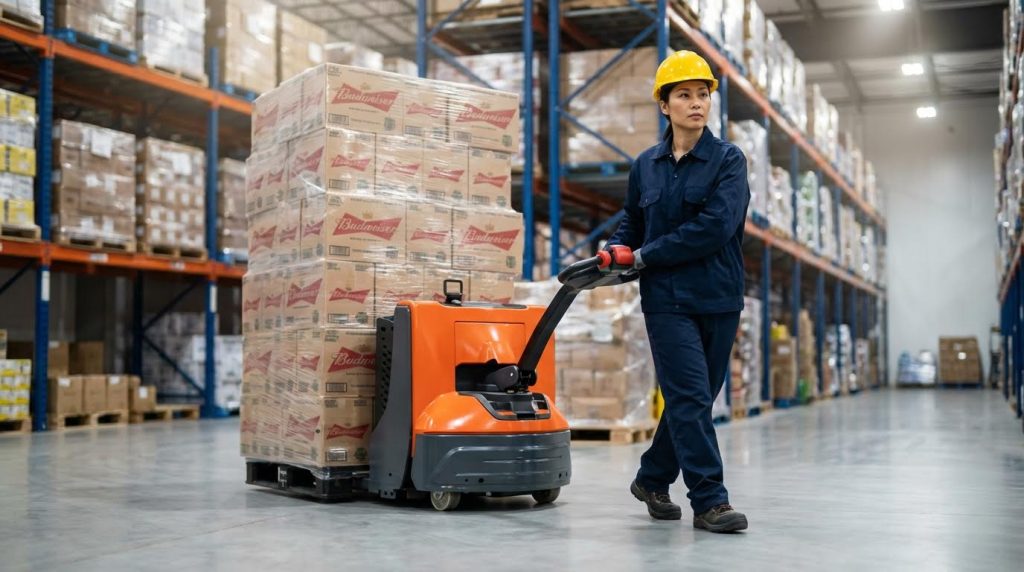
In grocery and cold storage work, bottom-layer picks created high bending frequency. Facilities reduced bending by raising the first pallet level with blocks, stands, or adjustable equipment. Smooth, well-maintained floors also reduce the push and pull force when moving loaded hydraulic pallet truck.
Where loads exceed safe manual limits, powered aids such as hoists, powered pallet stackers, or conveyor feeds should replace hand lifting. Engineering out the lift is more reliable than relying only on technique or back belts.
Preventing MSDs With Ergonomic Work Design
Musculoskeletal disorders from pallet handling usually build up over time. High repetition, heavy loads, and awkward postures combine to overload muscles and joints. Good ergonomic work design reduces these three stressors at the same time.
Effective programs use several elements:
- Set clear manual weight limits and require team lifts or equipment above those limits.
- Design tasks so workers push rather than pull when moving palletized loads.
- Rotate staff between high-exertion pallet work and lighter tasks to limit fatigue.
- Train workers to spot early MSD symptoms and report them before they worsen.
Layout design also matters. Storage plans should avoid deep reaches over guard rails or other pallets. Travel routes should be short and direct, with enough space to turn while keeping the load close. Floors must stay clean, dry, and free of ruts that increase whole-body vibration during jack use.
Finally, periodic ergonomic reviews help track injury trends and adjust methods. Facilities can measure bending counts, push forces, and lift heights, then prioritize changes that give the largest risk reduction with the least disruption to throughput.
Safe Operation Of Pallet Jacks And Forklifts
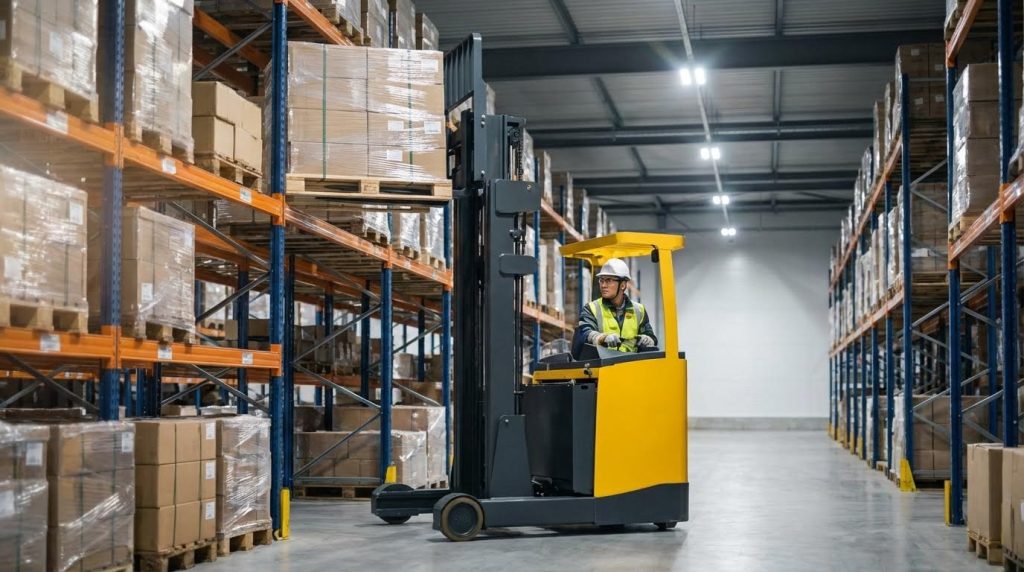
This section explains how to lift a pallet safely with pallet jacks and forklifts. It links load limits, stability, and route safety so operators avoid tipovers, crush points, and strain. The focus stays on practical steps that supervisors can turn into checklists and training content.
Manual Pallet Jack Operation And Load Limits
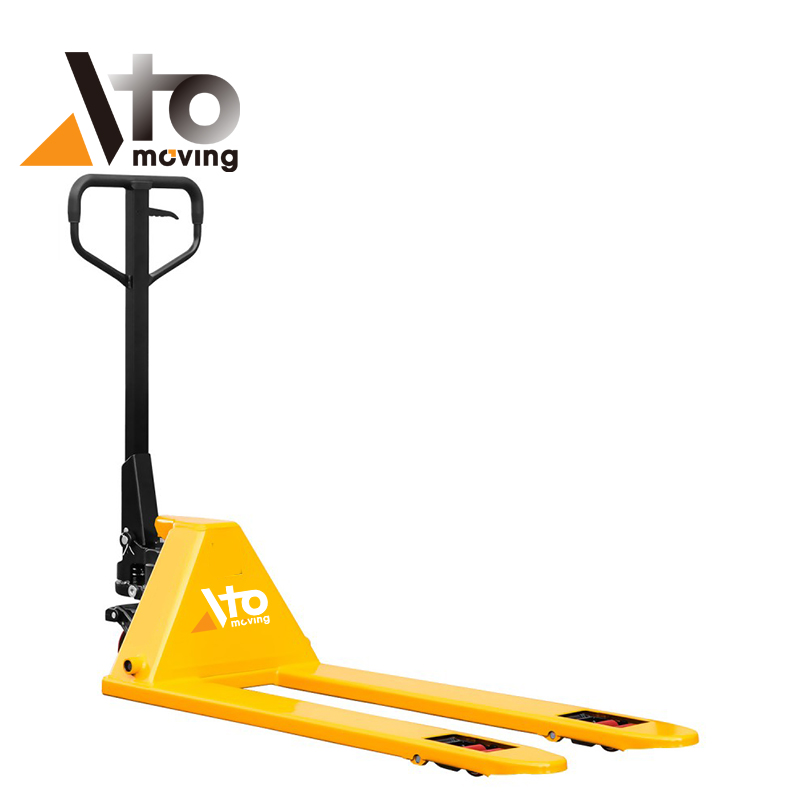
Manual pallet jacks lift a pallet with a short hydraulic stroke, but the operator still supplies the push or pull force. Before you lift a pallet, check the jack’s rated capacity on the data plate and compare it with the pallet weight. Stay well below the limit on slopes, rough floors, or long travel distances because rolling resistance rises fast.
To lift a pallet correctly, center the forks under the stringers and push the jack fully in so the wheels sit clear of the pallet deck. Use small pump strokes with both hands on the handle and keep feet clear of the truck and pallet edges. Keep the pallet just high enough to clear the floor, usually less than 50 millimetres.
For better control, operators should:
- Push instead of pull whenever possible to protect shoulders and back.
- Keep the pallet in front of the body, not beside the legs.
- Slow down at doorways, blind corners, and cross aisles.
Inspect wheels, forks, and the hydraulic unit regularly. Rough running, oil leaks, or bent forks increase force, reduce steering control, and raise injury risk.
Forklift Load Center, Capacity, And Mast Control
Forklifts answer the question of how to lift a pallet at higher levels or with heavier loads. Capacity depends on the rated load center, which is the distance from the fork face to the load’s center of gravity. A common rated load center is 600 millimetres, but you must check the plate for each truck.
If the actual load center is longer than the rating, effective capacity drops and the truck becomes less stable. Operators should:
- Place the pallet so the load is tight against the fork heel.
- Distribute weight evenly across both forks.
- Keep the heaviest part of the load toward the mast.
Lift the pallet only when the truck is stopped, the parking brake is set, and the mast is vertical. Raise the pallet to a safe travel height, often 100 to 200 millimetres, then tilt the mast slightly back to lock the load against the backrest. Avoid sudden mast tilt changes because they shift the load center and can cause loss of control.
Approaching, Lifting, Traveling, And Stacking
Safe pallet handling starts with a straight, square approach. Stop the truck about 200 to 300 millimetres from the pallet, align the mast, then drive slowly forward with forks at entry height. Insert the forks at least two thirds of the pallet length to avoid breaking deck boards or punching through the opposite side.
When you lift a pallet off a stack, check overhead clearance and nearby structures such as racks, sprinklers, and door tracks. Raise the pallet just clear of the stack, tilt back slightly, and back out straight before turning. Travel with the pallet low, mast slightly back, and speed matched to floor conditions and visibility.
For stacking, place heavier pallets on lower levels and lighter pallets on top tiers. Approach the stack slowly, stop short, raise to final height, then move forward with minimal clearance. Set the pallet down with the mast vertical, then lower the forks until they are free before reversing out. Avoid side-shifting or tilting while the pallet is in contact with the stack because this can damage boards and rack beams.
Dock, Trailer, And Railcar Entry Safety
Loading docks and vehicles add extra risk when you lift a pallet with powered trucks. Before entry, chock trailer wheels and apply vehicle brakes so the unit cannot move under load. Use rated dockboards or bridge plates that match the combined weight of truck, operator, and pallet.
Inspect the trailer or railcar floor for rot, corrosion, or broken boards before driving inside. Check that door height and internal clearances fit the mast and overhead guard. Drive straight across dockboards and avoid turning on the plate to reduce edge loading.
Inside trailers, keep pallets low, use headlights and dock lights, and sound the horn at the door. Maintain enough space to turn without striking walls, posts, or stacked pallets. Never use a forklift to force open railcar doors or push stuck pallets unless the attachment and procedure are approved. These controls keep the path stable and prevent sudden floor or vehicle movement while handling pallets.
Summary Of Best Practices And Compliance Goals
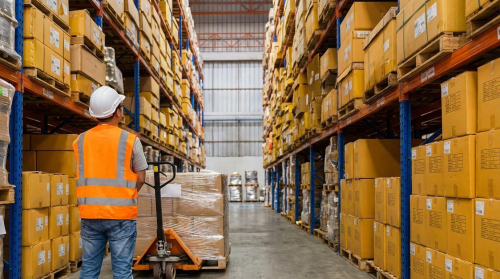
Knowing how to lift a pallet safely links manual technique, equipment use, and route planning. Facilities that handle pallets should combine ergonomic limits, clear traffic control, and strict inspection routines. The goal is simple. Keep workers, loads, and equipment stable from pick-up to final stack.
Best practice starts with planning every lift. Workers inspect pallets for broken boards, protruding nails, and loose deck boards before use. They check the route for wet spots, debris, and tight corners. They choose the right method for how to lift a pallet: manual handling only for light, manageable units; pallet jacks or forklifts for heavier or awkward loads.
Key controls include:
- Use mechanical aids whenever the pallet or stacked load exceeds safe team-lift limits.
- Keep the load close to the body and avoid twisting when flipping or carrying empty pallets.
- Center the load on forks, stay within truck capacity, and keep the load low when traveling.
- Secure docks, chock wheels, and verify trailer floors before entry with equipment.
Compliance goals align with general occupational safety rules. Employers must remove known hazards and provide training and PPE. They document pallet jack and forklift training, enforce speed and stacking limits, and maintain floors and equipment. Future programs will add more ergonomic design, powered assists, and real-time monitoring, but safe pallet lifting will still depend on planning, clear routes, and disciplined operators.