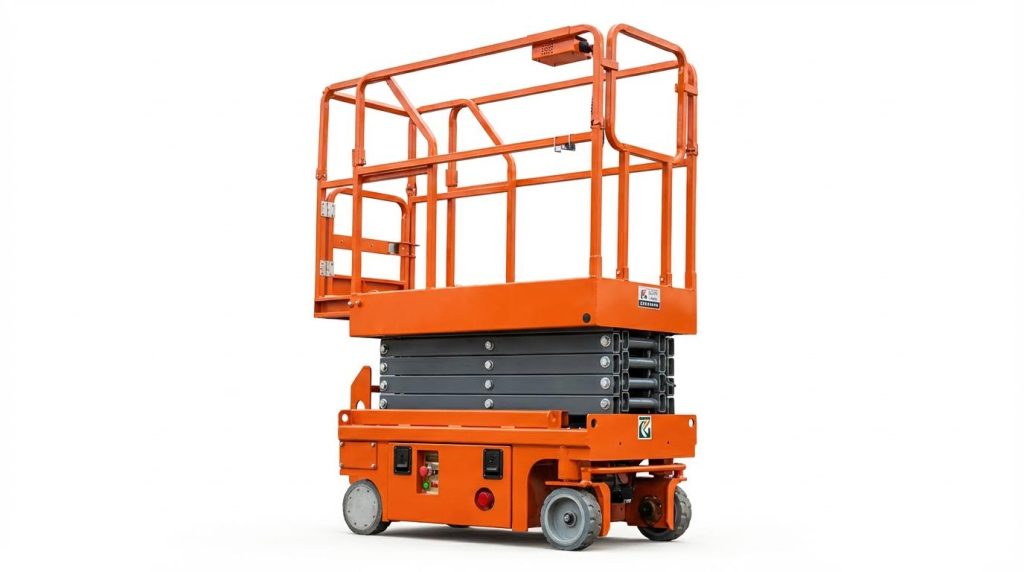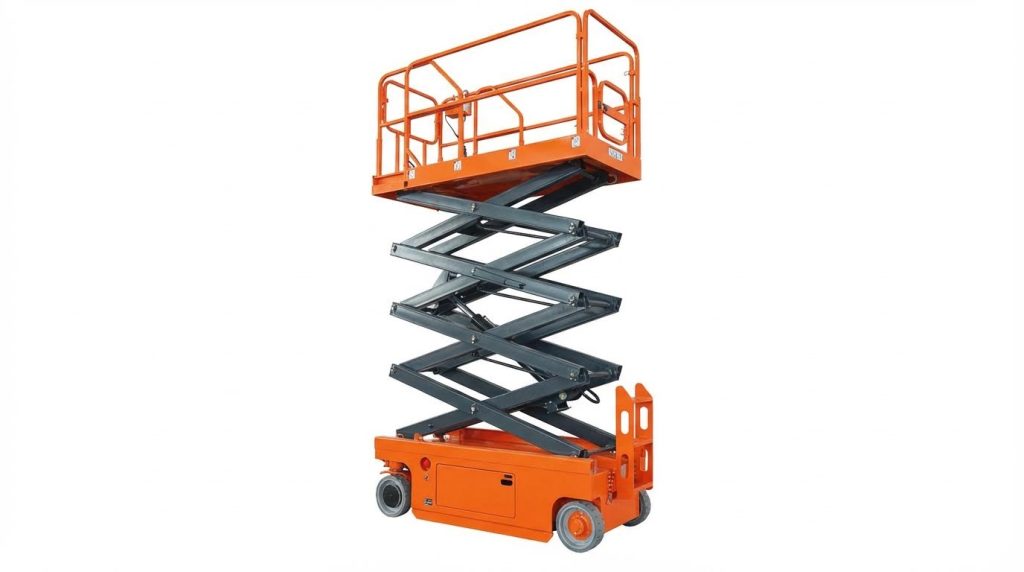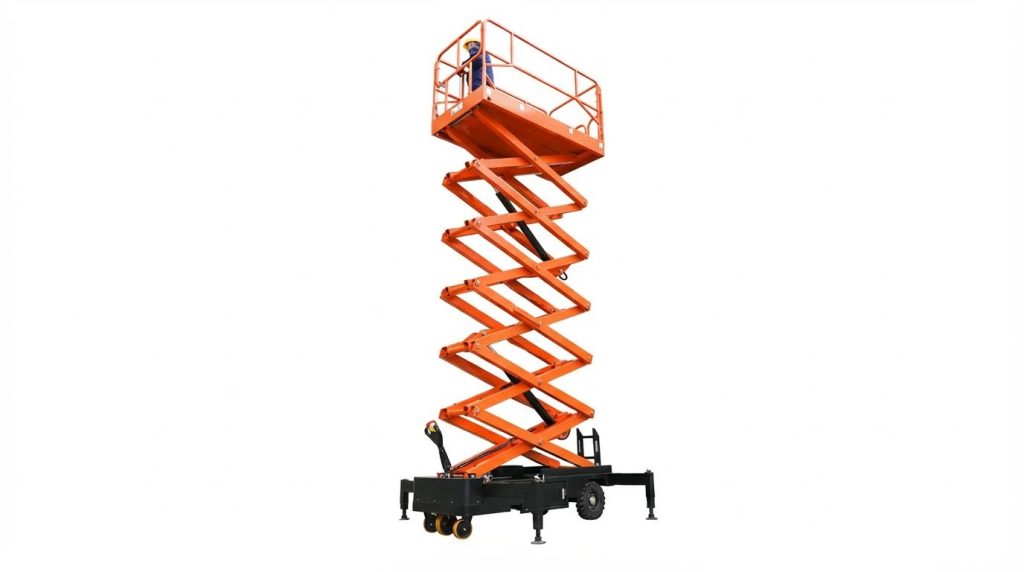
Cherry pickers, or order picking machines, played a central role in modern warehouse logistics, enabling safe access to high-level storage locations. Their design combined electric drives, hydraulic lifting, and integrated safety systems to support intensive duty cycles in narrow-aisle environments. Effective use depended not only on machine capability but also on rigorous operator training, structured inspections, and compliance with MEWP safety standards. This article examined core machine types and functions, safety engineering and training requirements, technical specification and sizing, and lifecycle maintenance strategies to help engineers and facility managers optimize cherry picker deployment in warehouse operations.
Core Functions And Types Of Warehouse Cherry Pickers
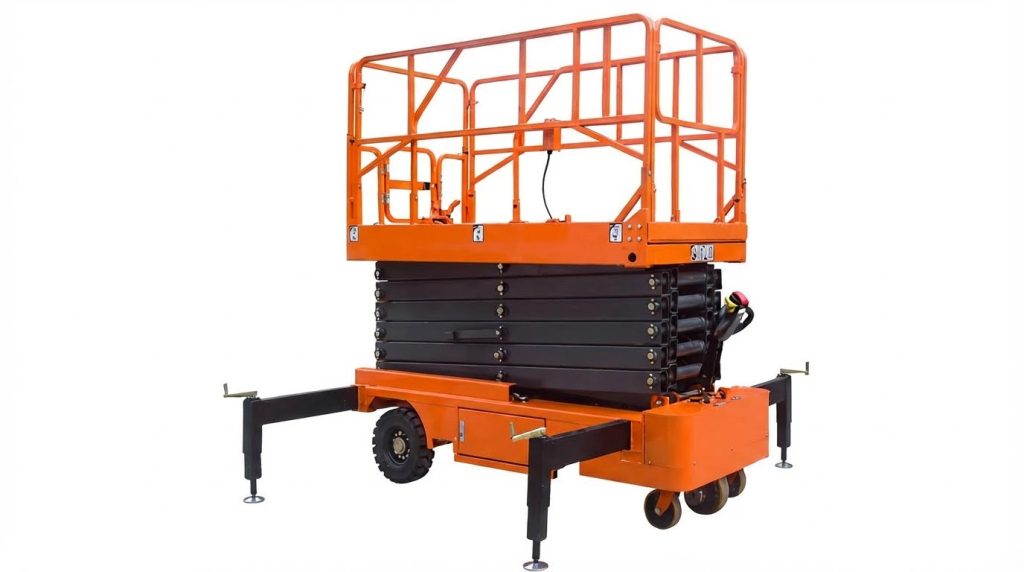
Warehouse cherry pickers, also called order pickers or MEWPs, provided vertical access for personnel and light loads. They combined elevation, horizontal reach, and precise positioning to support high-bay storage and inventory handling. Electric drive systems enabled quiet, emission-free operation suitable for indoor logistics. Different architectures, such as vertical masts, articulated booms, and scissor mechanisms, matched distinct warehouse layouts and throughput targets.
Order Picker Vs. Other MEWP Technologies
Order pickers elevated the operator with a small platform and forks, optimized for unit or case picking from racking. They typically operated in narrow aisles, with tight turning radii and limited outreach, prioritizing vertical travel and fine positioning over long horizontal reach. Other MEWPs, such as scissor lifts and articulated boom lifts, focused on access for maintenance or construction tasks rather than picking workflow. Scissor lifts raised larger platforms vertically with higher capacities, while boom lifts provided outreach around obstacles but often required wider aisles and more clearance. In warehouse operations, managers usually selected order pickers for frequent stock handling and reserved scissor or boom MEWPs for facility maintenance, lighting, and infrastructure work.
Key Components And Safety-Critical Features
Key components of a warehouse cherry picker included the operator platform, forks or load handler, mast or lifting structure, chassis, and control system. The control panel acted as the command center, integrating drive, steer, lift, and lower functions, along with status indicators and emergency controls. Safety-critical features comprised the Deadman switch, emergency stop, guardrails, entry gates, and designated harness anchor points. The Deadman switch forced the operator to maintain constant input; if released, the machine stopped motion to prevent uncontrolled travel. Additional safety design elements included non-slip platform surfaces, load charts with safe working load (SWL), and interlocks that inhibited elevation when conditions such as excessive tilt or overload occurred. Engineers also incorporated clear warning labels and audible alarms to support situational awareness in busy warehouse environments.
Electric Drive, Hydraulics, And Stability Systems
Warehouse cherry pickers typically used electric traction motors powered by industrial batteries, which eliminated exhaust emissions and reduced noise. The lift function relied on hydraulic cylinders, supplied by a pump driven by an electric motor, to raise and lower the platform and forks. Flow control valves and proportional control logic allowed smooth, precise elevation changes that minimized load sway. Stability systems monitored parameters such as platform height, load, tilt angle, and drive speed, then limited functions if stability margins decreased. Some models incorporated automatic leveling or active stability control to compensate for minor floor irregularities, while still requiring operation on firm, level surfaces. Control software often reduced drive speed at higher elevations and locked out travel if a tilt alarm triggered, supporting compliance with MEWP safety standards and manufacturer limits.
Typical Warehouse Use Cases And Duty Cycles
In warehouses, cherry pickers supported order picking from high racks, replenishment, cycle counting, and stock verification. Operators used them to access individual cartons or items, rather than full pallets, at heights that exceeded reach truck operator positions. Duty cycles often involved frequent short lifts, repeated acceleration and braking, and numerous start-stop events over an 8 to 10 hour shift. Electric order pickers therefore required batteries sized for high cycling, with adequate ampere-hour capacity to avoid excessive mid-shift charging. In mixed-use facilities, managers deployed cherry pickers for truck loading at dock doors, placement of promotional or seasonal stock, and light maintenance such as changing warehouse lighting. Understanding these duty cycles informed selection of platform capacity, lift speed, travel speed, and battery configuration to maintain throughput without compromising safety or equipment life.
Safety Engineering, Training, And Compliance
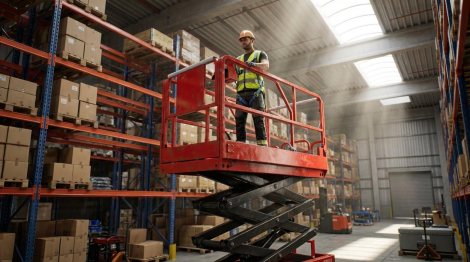
Safety engineering for warehouse cherry pickers integrated technical design, operator behavior, and regulatory compliance. Facility managers treated mobile elevating work platforms (MEWPs) as high-risk equipment requiring structured controls. Standards such as ISO 16368 and regional MEWP regulations defined baseline requirements for design, inspection, and training. Effective safety programs combined engineered safeguards, documented procedures, and continuous competence development.
Operator Certification And Site-Specific Training
Cherry picker operators required formal theory and practical training on the exact MEWP category and model. Recognized schemes, such as IPAF MEWP courses, previously covered controls, stability limits, and emergency procedures. Employers then added site-specific induction addressing local traffic routes, racking layout, and interaction with pedestrians and other equipment. Operators needed to read the manufacturer’s manual, understand safety symbols, and demonstrate correct use of all controls before unsupervised operation.
Regulations typically mandated refresher training at defined intervals or after incidents and near-misses. Supervisors monitored behavior in live operations and intervened when operators bypassed safety rules or misused equipment. Facilities documented licenses, training records, and familiarization sign-offs to demonstrate compliance during audits. This structured approach reduced human-error-related accidents, which historically represented a large share of MEWP incidents.
Harness Use, Fall Protection, And Guardrail Rules
Cherry pickers elevated the operator platform, so fall protection engineering remained critical. Operators wore full-body harnesses connected to approved anchor points when required by manufacturer instructions or site rules. Harnesses needed correct sizing, chest and leg strap adjustment, and periodic inspection for cuts, UV damage, and hardware corrosion. Working without a harness at height on an order picker platform significantly increased fatal fall risk.
Guardrails provided primary collective protection and had to remain intact, closed, and free from modification. Operators could not stand, sit, or climb on guardrails to gain extra reach, nor use ladders or boxes on the platform. Platforms had to stay clear of loose materials that could create trip hazards or obstruct emergency egress. Combined use of guardrails, harness tie-off, and disciplined housekeeping formed a layered fall-protection strategy.
Pre-Shift Inspections And Functional Safety Checks
Pre-shift inspections served as the first safety barrier against mechanical or control failures. Operators visually checked structure, platform, forks, tires, and hydraulic components for cracks, leaks, or deformation. They verified battery state of charge, warning lights, horns, limit switches, and that the Deadman (enable) switch functioned correctly. A short no-load function test confirmed lifting, lowering, steering, and drive responses matched the manual.
Formal checklists guided daily, monthly, and six-monthly inspections, with qualified technicians handling deeper diagnostics. Items typically included hydraulic oil levels, filters, wiring integrity, emergency lowering systems, and tilt or overload alarms. Any defect that affected stability, braking, or control required immediate tagging and removal from service. Proper documentation of findings and repairs supported traceability and regulatory compliance.
Risk Assessment, Rescue Planning, And Ground Controls
Before operating a cherry picker, supervisors conducted a task-specific risk assessment. They identified hazards such as narrow aisles, racking impacts, floor defects, slopes, overhead structures, and nearby power lines. Control measures included speed limits, exclusion zones for pedestrians, and restrictions on elevation to firm, level surfaces only. Weather-related factors, such as wind or condensation in loading bays, also influenced whether elevation remained safe.
Rescue planning ensured that a stranded operator could return to ground quickly and safely. Ground personnel learned how to use base controls and manual lowering valves without exposing themselves to additional risk. Communication devices, such as radios or mobile phones, supported coordination during emergencies or equipment malfunctions. Documented rescue procedures, periodic drills, and clear authority lines completed the safety engineering framework around cherry picker use.
Specification, Sizing, And Lifecycle Maintenance
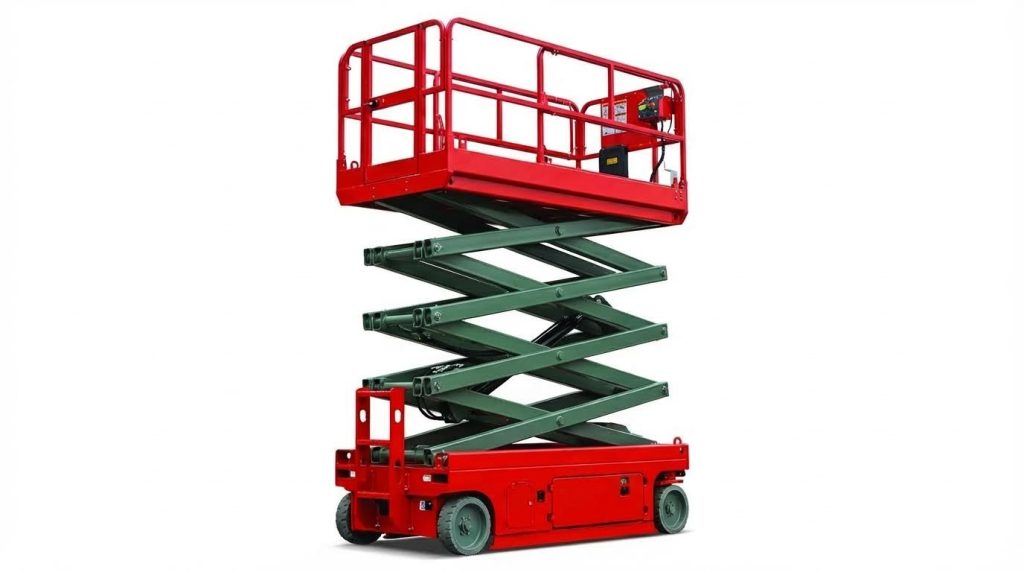
Engineering-driven specification of cherry pickers in warehouses required matching machine capability to load, reach, and aisle geometry. Designers and facility engineers evaluated platform capacity, lift height, and turning radius against racking layouts and pallet profiles. Energy storage and charging strategies influenced shift coverage, peak-demand management, and ventilation needs in enclosed spaces. Lifecycle maintenance planning, including structured inspections and overhaul intervals, determined long-term safety, availability, and cost per operating hour.
Load, Reach, And Aisle-Width Selection Criteria
Engineers sized platform capacity based on the heaviest expected load plus operator, tools, and attachments. Typical electric warehouse cherry pickers supported approximately 110–450 kilograms on the platform, depending on model. Designers checked that the intended working load stayed below the manufacturer’s safe working load (SWL) with margin for dynamic effects. They considered center-of-gravity shifts when handling long cartons or irregular loads at height.
Reach specification combined maximum platform height and horizontal outreach where applicable. For racked warehouses, engineers aligned maximum lift height with the top beam level plus clearance for handling. Narrow-aisle order pickers prioritized vertical reach with minimal horizontal offset to maintain stability within tight aisles. Articulating or boom-type MEWPs served mixed-use facilities that required side reach around obstacles and building services.
Aisle-width criteria depended on chassis width, steering geometry, and required clearance around racking and obstacles. Narrow-aisle models operated in aisles only slightly wider than the truck, but still required safety clearances for sway and steering error. Planners validated turning paths at aisle ends, including allowance for pallet overhang and column locations. They also considered floor flatness and joint layout, because uneven surfaces reduced safe working heights and maneuvering margins.
Battery Capacity, Charging, And Energy Efficiency
Battery capacity determined how long an electric cherry picker operated between charges under typical duty cycles. Larger traction batteries provided longer run time but increased machine mass and charging duration. Engineers compared daily lift counts, travel distances, and elevation changes to manufacturer consumption data to size batteries. They also accounted for accessory loads such as lighting and control electronics.
Charging strategy influenced both availability and battery life. Facilities used scheduled overnight charging, opportunity charging during breaks, or battery exchange systems for multi-shift operations. Correct chargers, voltage, and charge curves were selected according to battery chemistry and capacity. Overcharging or repeated deep discharging shortened service life, typically designed for about three to five years under rigorous but compliant use.
Energy efficiency depended on drive system design, hydraulic efficiency, and operator behavior. Regenerative lowering or braking, where available, reduced net energy use and heat generation. Keeping tires correctly inflated and floors clean lowered rolling resistance and power demand. Training operators to avoid unnecessary travel at height and to plan picking routes further reduced energy consumption and charging frequency.
Preventive Maintenance And Inspection Intervals
Preventive maintenance programs combined daily operator checks with scheduled technical inspections. Before each shift, operators visually inspected the machine for leaks, damage, loose components, and debris on the platform. They verified control functions, emergency stop, Deadman switch, alarms, and indicators. Basic motion tests confirmed lifting, lowering, steering, and braking performance.
Monthly or periodic inspections by qualified technicians followed manufacturer checklists. Tasks included reviewing logbooks, checking hydraulic oil levels and filters, examining hoses and fittings for wear, and assessing structural welds. Technicians inspected electrical wiring, connectors, and battery condition, including terminals and electrolyte levels or state-of-charge diagnostics. They compared performance to specification and recorded findings in inspection reports.
Longer-interval maintenance, often at six months or annually, involved deeper strip-down and replacement of wear components. This could include pins, bushings, chains, rollers, and safety interlocks. Facilities also used these intervals to verify operator training records and update procedures based on incident reports. Adhering to these intervals reduced unplanned downtime and ensured compliance with regulatory inspection requirements for MEWPs.
Managing Total Cost Of Ownership Over Equipment Life
Total cost of ownership (TCO) analysis treated cherry pickers as long-term capital assets rather than isolated purchases. Engineers and asset managers combined acquisition cost, financing, energy, maintenance, and residual value into a cost-per-hour or cost-per-pick metric. Battery life, tire wear, and hydraulic component longevity significantly influenced operating costs over five to ten years. Poor charging practices or skipped maintenance increased failures and shortened service life.
Data from maintenance logs and telematics, where available, supported optimization of service intervals and utilization balancing across fleets. High-utilization units might justify more frequent inspections
Summary: Optimizing Cherry Picker Use In Warehouses
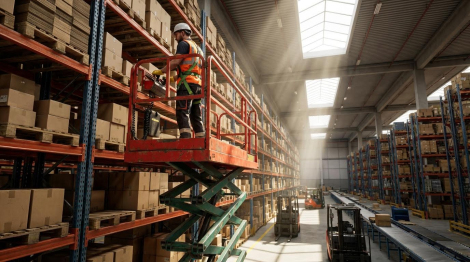
Optimizing cherry picker use in warehouses required a balanced focus on machine capability, engineered safety, and lifecycle economics. Order pickers and other MEWPs delivered high-density storage and fast access when correctly matched to load, reach, and aisle constraints, with electric drives and hydraulic systems providing precise, low-emission operation. Safety performance depended on certified operators, consistent harness use, compliant guardrail behavior, and disciplined pre-shift inspections combined with structured risk assessment and documented rescue plans. Well-defined maintenance regimes, including daily checks, monthly technical inspections, and periodic strip-downs, extended service life, stabilized availability, and reduced unplanned downtime.
At industry level, stricter MEWP standards and operator training programs reduced accident rates and pushed manufacturers toward better stability controls, interlocks, and diagnostics. Warehouses increasingly integrated cherry pickers into broader intralogistics systems, coordinating them with racking design, WMS strategies, and traffic management to maximize throughput per square metre. Future trends pointed toward smarter MEWPs with telematics, remote condition monitoring, and energy-optimized charging, as well as closer alignment with automated storage solutions rather than full replacement by robots. Environmental and regulatory pressures also favored efficient electric platforms with lower noise and zero local emissions.
In practice, facilities that achieved the best results treated cherry pickers as engineered systems, not just lifting tools. They selected models using quantified criteria for SWL, working height, turning radius, and floor conditions, then backed this with formal training, PPE enforcement, and clear site rules on speed, elevation, and platform loading. They implemented documented inspection checklists, ensured only defect-free units entered service, and stored equipment correctly during off-peak periods to preserve batteries and hydraulics. A balanced approach—combining safety discipline, technical fit-for-purpose, and proactive maintenance—allowed warehouses to capture productivity gains while keeping risk within acceptable, standards-compliant limits.