Warehouse picking is shifting from clipboards and pallet jacks to data-driven, robotic workflows that run around the clock. For operators under pressure from labor shortages, rising service levels, and limited space, this transformation is a game changer for warehouse and picking areas. This article walks through how facilities are moving from manual to smart flows, which automation technologies form the new backbone, and how to engineer the right mix for your volumes and SKU profile. You will also see how to build a practical roadmap so today’s investments stay flexible for tomorrow’s demands.

From Manual Picking To Smart, Automated Flows
Core Picking Models: P2G, G2P And Hybrid
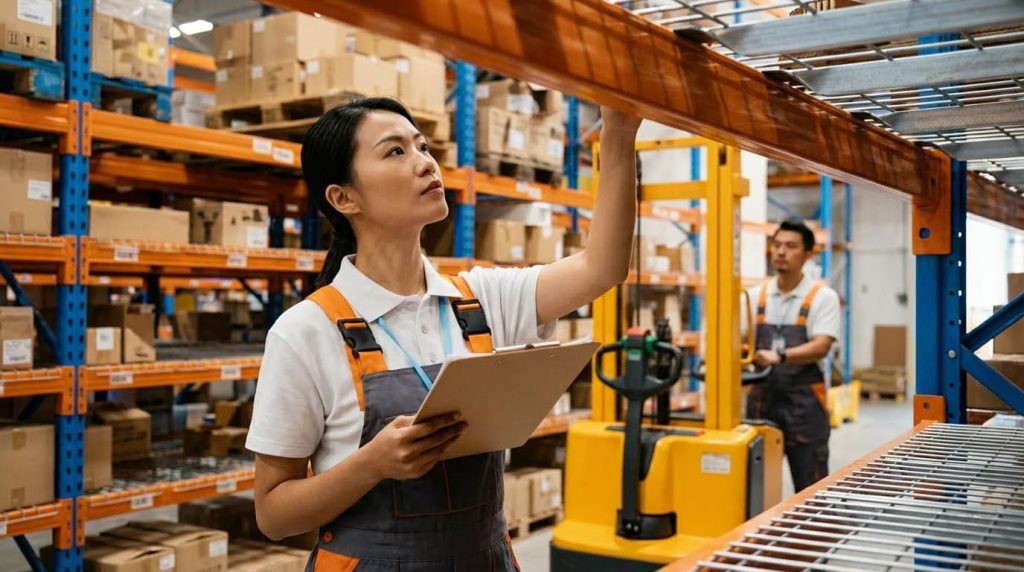
Most facilities still start from a manual, person-to-goods (P2G) baseline, where pickers walk aisles and travel time dominates cost. Smart flows replace this with three main models that, correctly engineered, are a game changer for warehouse and picking areas.
- Person-to-Goods (P2G)
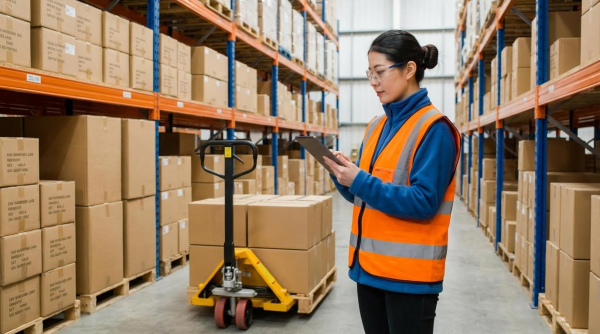
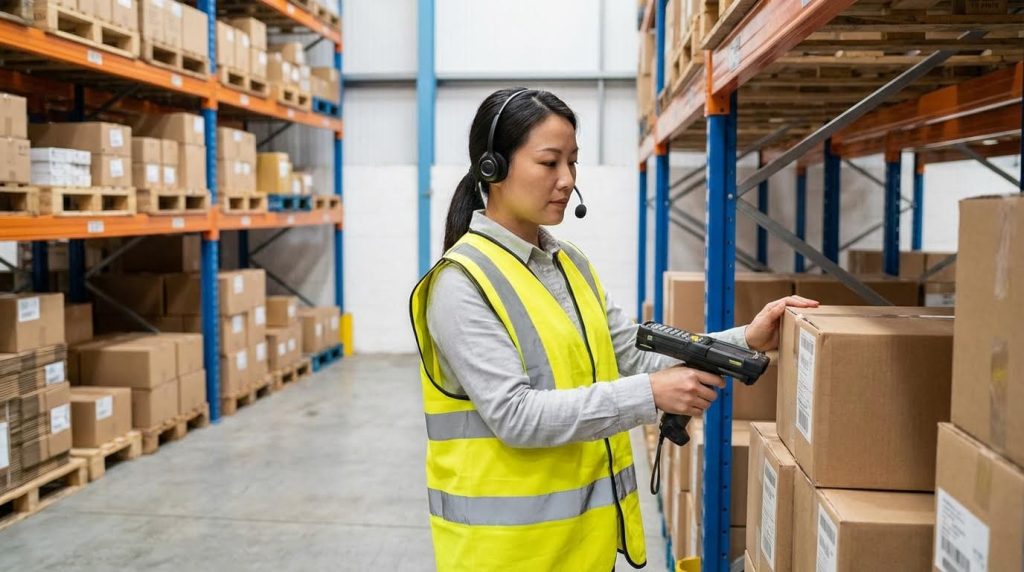
In classic P2G, workers move to storage locations with paper lists, RF scanners, or voice systems. Adding autonomous mobile robots (AMRs) to guide workers to optimal pick locations upgrades this to “directed P2G,” where software assigns routes and batches in real time based on algorithms and dynamic zoning strategies. This reduces unproductive walking and supports discrete, zone, batch, and cluster picking in the same footprint. - Goods-to-Person (G2P)
In G2P, robots or shuttles bring SKUs to ergonomic workstations instead of sending people into the aisles. Automated storage and retrieval systems (AS/RS) can cut floor space by up to 85% while boosting pick speed and accuracy, and they integrate tightly with WMS and ERP platforms for high-density, high-throughput operations. Robots deliver totes or trays, and pick-to-light cues guide the operator for fast, low-error picks with minimal travel time. - Hybrid Architectures
Most brownfield sites end up with hybrid flows that mix P2G and G2P by zone, SKU velocity, or order profile. For example, fast movers might sit in a G2P shuttle, while slow and bulky items remain in directed P2G zones served by AMRs. Robotic piece and case picking on AS/RS outputs further reduce manual touches and stabilize throughput across SKU and order variability. This layered approach lets you phase investments while still delivering a game changer for warehouse and picking areas in stages.
When to favor each picking model
P2G suits low-volume or highly variable operations that cannot justify heavy automation. G2P fits high-volume, repeatable flows where dense storage and high labor productivity are critical. Hybrid designs are ideal for mixed SKU profiles, seasonal peaks, or constrained brownfield buildings.
Key Pain Points: Labor, Errors, Space, Safety
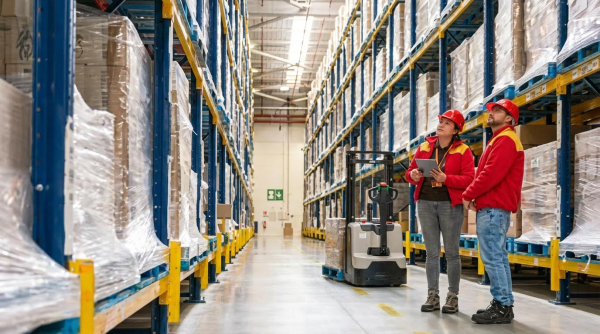
Moving from manual to smart flows addresses the four structural constraints in most warehouses: labor, accuracy, space, and safety. Tackling these systematically is a game changer for warehouse and picking areas because it reduces variable cost while stabilizing service levels.
- Labor Availability And Cost
Manual picking is labor-intensive and sensitive to absenteeism and peak-season hiring. Automated picking systems let companies reduce dependence on temporary labor and reallocate staff from walking and searching to exception handling and value-add tasks stabilizing personnel costs over time. AMRs and AS/RS can also operate extended hours or 24/7 to absorb demand spikes without proportional headcount increases and improve workforce productivity. - Picking Errors And Quality
Manual paper- or RF-based processes are prone to mis-picks, shorts, and wrong locations. Automated systems combine optimized pick paths, guidance (lights, displays, AR), and verification to lower error rates dramatically. AS/RS deployments have shown mean error reductions of around 85% and near-99.99% uptime, cutting returns and reshipment costs while improving service reliability. For SMEs, this translates directly into fewer customer complaints and a stronger brand position across channels. - Space Utilization And Layout Constraints
Conventional wide-aisle racking and manual trucks consume floor space and limit vertical utilization. Automated systems allow narrower aisles and higher storage, deferring building expansions and new leases through better space optimization. AS/RS can reclaim up to 85% of floor area for productive use or future growth while increasing pick speed. This combination of density and throughput is a game changer for warehouse and picking areas in high-cost real-estate markets. - Safety And Ergonomics
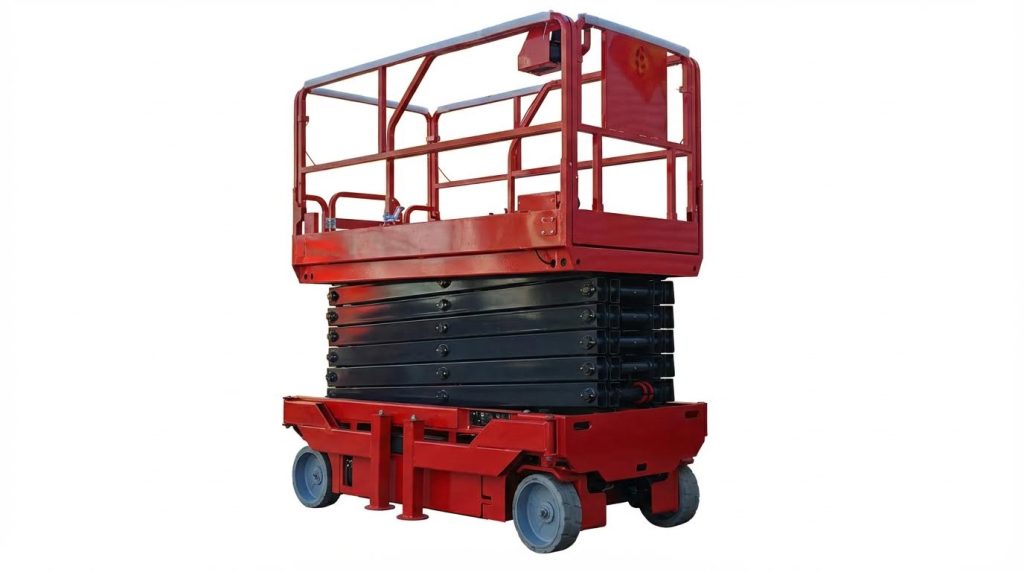
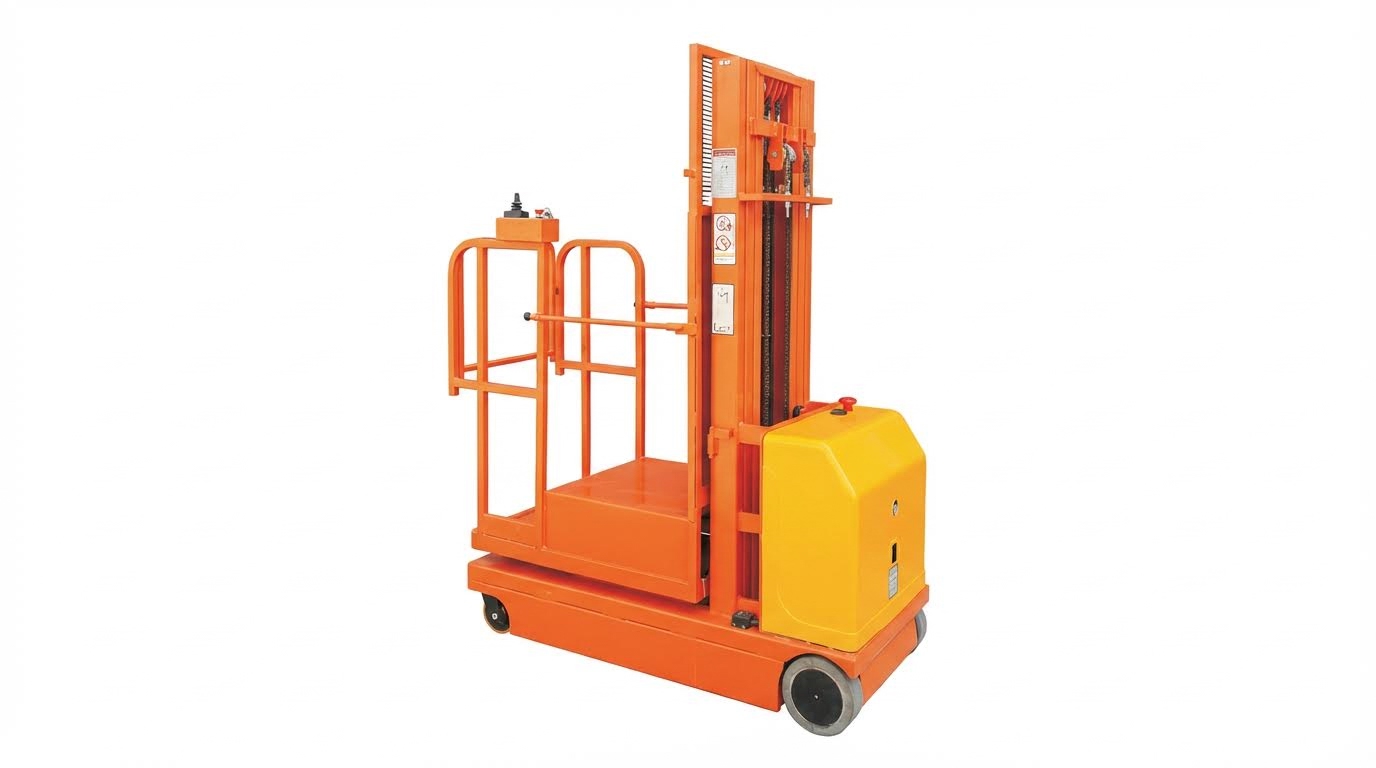
Manual picking exposes workers to repetitive lifting, long walks, and truck interactions. Modern electric order pickers add non-slip platforms, harness points, emergency stops, obstacle detection, and automatic speed reduction at height to cut incident risk semi electric order picker while improving operator control. AMRs and smart conveyors further reduce manual pallet and tote moves, lowering collision exposure and musculoskeletal strain manual pallet jack through sensor-based navigation and controlled speeds.
How automation shifts your cost structure
Automation typically increases fixed costs (equipment, software, maintenance) but reduces variable costs (labor, overtime, errors, space). When engineered correctly, this shift smooths unit costs across seasons and supports higher throughput without proportional increases in headcount or footprint.
Robotics, AMRs And AS/RS As The New Picking Backbone
Goods-To-Person And Person-To-Goods Architectures
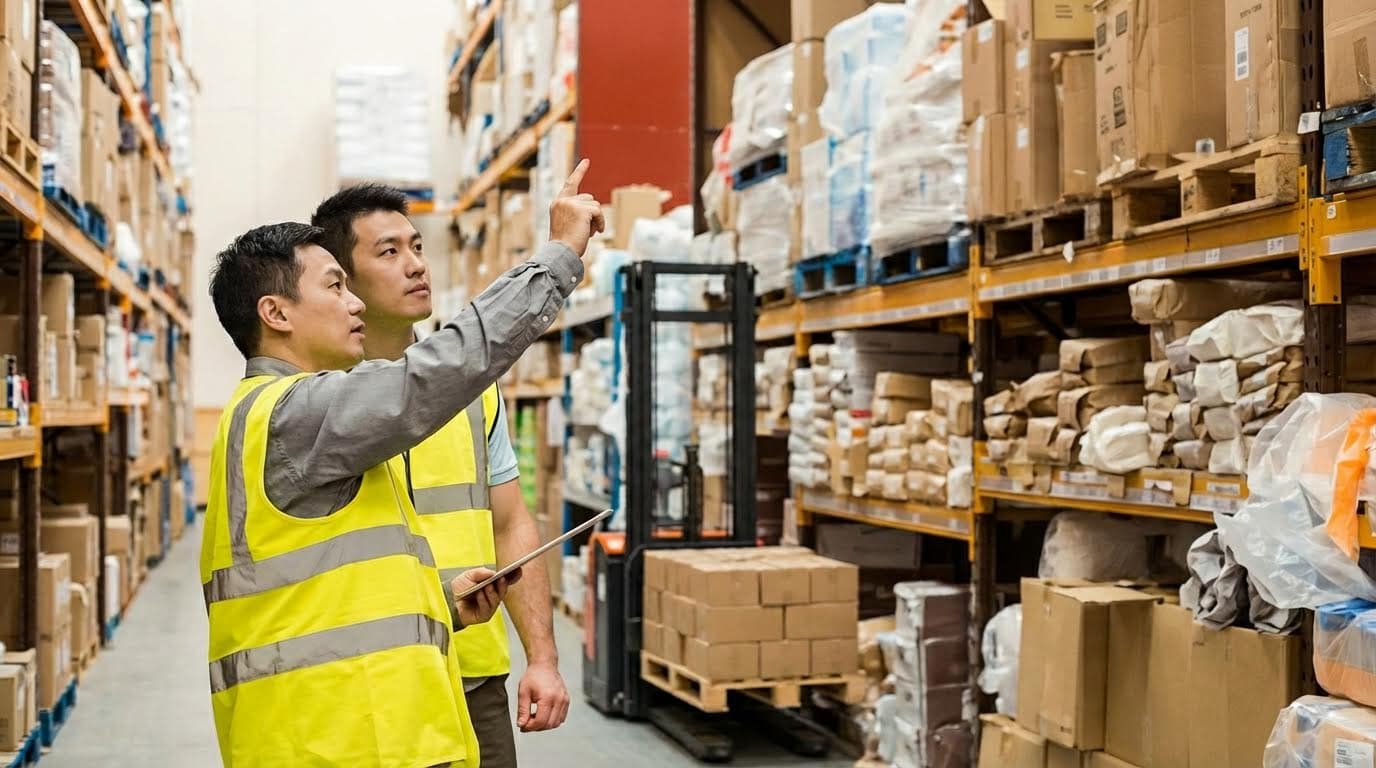
Goods-to-person and person-to-goods designs are now a game changer for warehouse and picking areas because they cut travel, errors, and congestion. In goods-to-person systems, shuttles, lifts, or AMRs bring totes or cartons from AS/RS to ergonomic workstations, where pick-to-light or put-to-light directs the operator for fast, accurate picks and minimizes human travel time. Person-to-goods flows keep people in the aisle but use AMRs and software to route them to the next best pick location, supporting discrete, batch, cluster, or zone picking strategies for different order profiles based on real-time algorithms. The choice between the two usually depends on SKU count, order lines per order, and building geometry, and many high-performance sites now run hybrid layouts that combine both models.
- Goods-to-person: best for high order volumes, many SKUs, and tight service levels.
- Person-to-goods: best where building is already fitted out, or travel distances are moderate.
- Hybrid: goods-to-person for fast movers; person-to-goods for long tail SKUs.
Key engineering trade-offs
Engineers balance workstation throughput, tote presentation rates, walking distance, and safety clearances when selecting and sizing these architectures.
Robotic Piece, Case Picking And EOAT Design
Robotic piece and case picking turn the storage system into a true automated picking cell, not just an automated buffer. Piece-picking arms can pull individual SKUs directly from AS/RS or induction points, improving accuracy and consistency compared with manual picking in high-frequency zones while reducing human touches per item. Case-picking robots can build single-SKU or mixed-SKU pallets from case-level storage, which raises pallet quality and stabilizes output in peak periods with less manual handling. End-of-arm tooling (EOAT) selection is critical: vacuum cups suit cartons and polybags, finger grippers handle delicate items, magnetic tools manage metals, and multi-function grippers cover mixed portfolios with varying shapes and surfaces while AI-powered EOAT can self-adjust to weight and geometry.
- Piece picking: ideal for e-commerce lines with many small, variable SKUs.
- Case picking: ideal for full-case distribution and store replenishment flows.
- EOAT: must match product size range, fragility, and packaging strength.
Role of vision and AI
Vision-guided robotics uses 2D/3D cameras to locate items in totes or bins and guide the EOAT path, which supports reliable bin picking in cluttered environments and reduces the need for rigid fixtures even for new SKUs.
AMRs, AS/RS, WMS And Fleet Orchestration Integration
When AMRs, AS/RS, and WMS are integrated under a common control and data layer, the result is often a game changer for warehouse and picking areas in terms of throughput and visibility. AMRs with LiDAR, cameras, and onboard AI move freely without fixed paths, automating transport between storage, picking, and packing while adapting to changing aisle congestion and seasonal layouts and scaling simply by adding more units. AS/RS provides the high-density storage and high-speed retrieval layer, with installations capable of saving up to 85% of floor space and sharply improving pick speed and accuracy when tied to WMS and ERP through tight software integration. Cloud-based fleet orchestration platforms sit above this stack to assign tasks, avoid traffic conflicts, and balance work across robots and human workstations in real time, improving utilization and making it easier to scale new zones or facilities on the same control framework with shared analytics and monitoring.
| Layer | Primary Role | Typical Engineering Focus |
|---|---|---|
| AMRs | Dynamic transport and task execution | Navigation, safety zones, battery strategy |
| AS/RS | High-density storage and retrieval | Throughput rates, aisle geometry, load design |
| WMS/WES | Inventory, order, and task management | Interfaces, data quality, rule configuration |
| Fleet Orchestration | Cross-system coordination | APIs, priority rules, traffic and congestion logic |
Integration considerations
Successful projects define clear system ownership, standard APIs, and exception-handling logic so that when one subsystem slows or fails, the others degrade gracefully instead of stopping the entire picking flow.
Engineering The Right Solution For Your Facility
Matching Technologies To Volume, SKU Mix And Aisles
Designing the right picking solution starts with hard data: order lines per hour, peak-to-average ratios, SKU count, and storage density. High-volume, small-item profiles with many SKUs usually benefit from dense automated storage and retrieval systems that can save up to 85% of floor space while improving picking speed and accuracy, especially when integrated with WMS and ERP AS/RS benefits. In contrast, low-to-medium volume, bulky SKUs, or fast-moving cases often stay more efficient with warehouse order picker that reach above 12 m and move quickly between pick faces Electric order picker capabilities. Autonomous mobile robots that navigate with LiDAR and onboard AI are ideal where SKU locations change frequently or aisles must remain flexible for people and manual equipment AMR flexibility. In many facilities, combining goods-to-person workstations for small, high-value items with person-to-goods zones supported by mobile robots for bulky or slow movers is a game changer for warehouse and picking areas Hybrid picking models.
Key matching criteria checklist
- Order profile: lines per order, units per line, peak hour load.
- SKU characteristics: size, weight, fragility, cube, and velocity.
- Aisle geometry: width, clear height, and rack configuration.
- Required flexibility: SKU churn, seasonal changes, layout constraints.
Evaluating TCO, ROI And Compliance Requirements
Once the technical fit is clear, engineering teams should build a full life-cycle cost model rather than focusing only on equipment price. A structured cost-benefit analysis for automated storage projects typically includes due diligence, capital expenditures, construction and installation over about a year, and several months of deployment and ramp-up AS/RS CBA framework. Well-engineered automation can cut labor by reallocating dozens of positions, reduce forklift fleet and electricity costs, and still deliver higher throughput, shorter order turnaround times, and lower error rates Operational savings and performance while also reducing returns and reshipments through fewer picking mistakes Error reduction benefits. To get a realistic ROI, the model should capture labor, inventory, space, equipment energy, and maintenance cost drivers, then quantify savings from overtime reduction, space optimization, and 24/7 availability of automated systems Warehouse cost drivers. On top of the financials, the design must comply with safety standards, ergonomics, and any sector regulations on traceability or environmental performance, making early involvement of HSE and quality teams essential.
| Evaluation Dimension | Main Questions |
|---|---|
| Capex & Opex | What is the 5–10 year total cost including financing, energy, and maintenance? |
| Labor & Productivity | How many FTEs are redeployed and what is the throughput gain? |
| Space & Inventory | How much floor space and safety buffer stock can be eliminated? |
| Risk & Compliance | Does the solution meet safety, traceability, and environmental requirements? |
“”
Strategic Roadmap For Future-Proof Picking Operations
Future-proof picking rests on one idea: design the system as a flexible platform, not a fixed machine. Start from clear data on order profiles, SKU mix, and building limits, then choose P2G, G2P, or hybrid flows that can scale in defined steps. Use AMRs, AS/RS, and robotics as modular layers so you can add capacity, zones, or functions without tearing out what exists.
Integrate WMS, fleet orchestration, and safety systems from day one. This protects throughput when demand spikes or a subsystem slows. Treat ergonomics and safety as hard design constraints, not afterthoughts, so each upgrade reduces risk exposure and physical strain.
Build a full life-cycle business case for each phase. Include labor, space, energy, maintenance, and compliance, plus the value of shorter lead times and fewer errors. Review this model yearly and adjust your roadmap as volumes, channels, or regulations change.
The best practice is to pilot, learn, then standardize. Start with one flow or zone, prove the KPIs, and lock in operating standards. Then extend the pattern across the site and network. This staged, data-led approach lets operations teams turn automation into a controlled, low-risk game changer for warehouse and picking areas.
Frequently Asked Questions
What is the picking process in a warehouse?
The picking process in a warehouse involves retrieving items from storage locations to fulfill customer orders. This process is critical for order accuracy and efficiency. Typically, pickers follow designated routes or use technology like voice systems or barcode scanners to locate and collect items.
Is warehouse picking physically demanding?
Yes, warehouse picking can be physically demanding. Employees often walk long distances, sometimes up to 10 miles per day on hard surfaces, while lifting heavy loads and reaching high shelves. These repetitive actions can cause strain on the body, particularly the back and legs.
What is wave picking in a warehouse?
Wave picking is a method where orders are grouped into waves based on specific criteria like delivery deadlines or item locations. This approach improves efficiency by allowing pickers to collect multiple orders simultaneously. It helps reduce travel time and streamline operations.
Is voice picking difficult to use in a warehouse?
Voice picking is not inherently difficult; it uses audio instructions to guide pickers through their tasks. While adapting to the system may take some training, it often simplifies the picking process by freeing workers’ hands and eyes. For more details, check Warehouse Picking Guide.