Hand stacking pallets exposes workers to high injury rates, unstable loads, and avoidable ergonomic stress, so organizations should not stack pallets by hand for sustained operations. This article examines hidden hazards, musculoskeletal disorder mechanisms, and how stack height, pallet condition, and contamination affect risk. It then explains when ergonomic limits are exceeded, using tools such as the NIOSH lifting equation and Composite Lifting Index to define safe boundaries. Finally, it explores engineering controls, from lift stacker and ergonomic racking to semi electric order picker and robotic palletizing, including how digital monitoring and scissor platform lift systems support safer, more efficient alternatives to manual pallet stacking.
Hidden Hazards Of Hand Stacking Pallets

Supervisors who tell workers to “do not stack pallets by hand” usually base that rule on hard‑earned experience. Manual pallet stacking concentrates high forces, awkward postures, and instability in one repetitive task. This section explains why hand stacking pallets creates hidden musculoskeletal, collapse, hygiene, and compliance risks that standard weight limits do not capture.
Common injury modes and MSD mechanisms
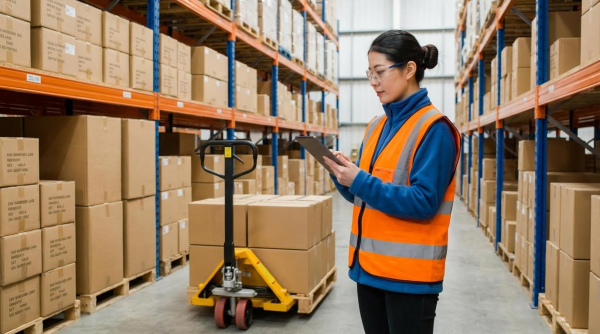
Manual pallet stacking exposes workers to repeated lifting, twisting, and reaching under load. These motions drive musculoskeletal disorders such as lumbar disc strain, shoulder impingement, and chronic tendonitis. Awkward postures occur when workers bend at the waist, reach across wide pallets, or twist while placing cartons. Static holding, such as stabilizing a leaning load, compresses spinal structures and fatigues core musculature. Forceful exertions while lifting or pushing heavy units increase peak spinal compression and shear. Over time, cumulative microtrauma to ligaments, muscles, and intervertebral discs leads to MSDs that generated over two hundred thousand lost‑time cases in 2022 in the United States. These injuries also elevate fatigue and stress, which further degrade coordination and increase error rates during pallet handling.
Stack height, stability, and collapse risks
Hand stacked pallet loads often grow vertically until operators can no longer reach safely. Stacks higher than approximately 1.8 m create a significant toppling hazard, especially when cartons are irregular or shrink wrap is inconsistent. Workers who hand stack pallets also tend to overbuild column stacks to save floor space, which raises the center of gravity and reduces stability. Overloaded or unevenly distributed loads tilt when bumped by trucks or pedestrians. When collapse occurs, workers near the stack face impact injuries from falling cartons or pallets and secondary injuries from evasive movements. Guidance from regulators and industry bodies emphasizes controlled stack heights, balanced loading, and mechanical handling to maintain stability. Applying a strict rule to do not stack pallets by hand above low chest height reduces both fall severity and the likelihood of uncontrolled collapses.
Pallet condition, debris, and contamination issues
Hand stacking places workers in direct contact with pallet surfaces, so pallet condition becomes a primary risk factor. Cracked deck boards, split stringers, and protruding nails cause lacerations, crush points, and sudden loss of footing when boards break. Broken wood fragments and loose wrap film create debris fields that increase slip and trip incidents around stacked pallets. In food, pharma, and clean manufacturing, contaminated pallets introduce microbiological and chemical hazards. Studies of wooden pallets showed growth of organisms such as E. coli and Salmonella when cleaning and storage were inadequate. Manual handling increases contact time with these surfaces and raises cross‑contamination potential between product, gloves, and work clothing. Environmental factors such as moisture, mold, pests, and temperature cycling further degrade pallet integrity. A policy of do not stack pallets by hand, combined with inspection, cleaning, and segregation of suspect pallets, reduces both physical injury and hygiene risks.
Regulatory duties and risk assessment tools
Safety regulations required employers to manage manual handling risks systematically rather than relying on generic weight limits. Frameworks such as HSE manual handling regulations and PUWER in Europe, and comparable standards elsewhere, mandated assessment of task, load, environment, and individual capability. Tools like the NIOSH Lifting Equation and Composite Lifting Index helped engineers quantify cumulative spinal load for repetitive pallet stacking. These tools often showed that real‑world hand stacking exceeded recommended limits long before nominal load weights appeared excessive. Regulators also expected employers to apply the hierarchy of controls, prioritizing elimination and engineering controls over training alone. When assessments demonstrated high overexertion or collapse risk, the defensible outcome was often to do not stack pallets by hand for specific products, heights, or frequencies. Documented risk assessments, clear safe‑system‑of‑work procedures, and periodic review supported compliance and reduced liability exposure.
Ergonomic Limits And When Manual Stacking Fails
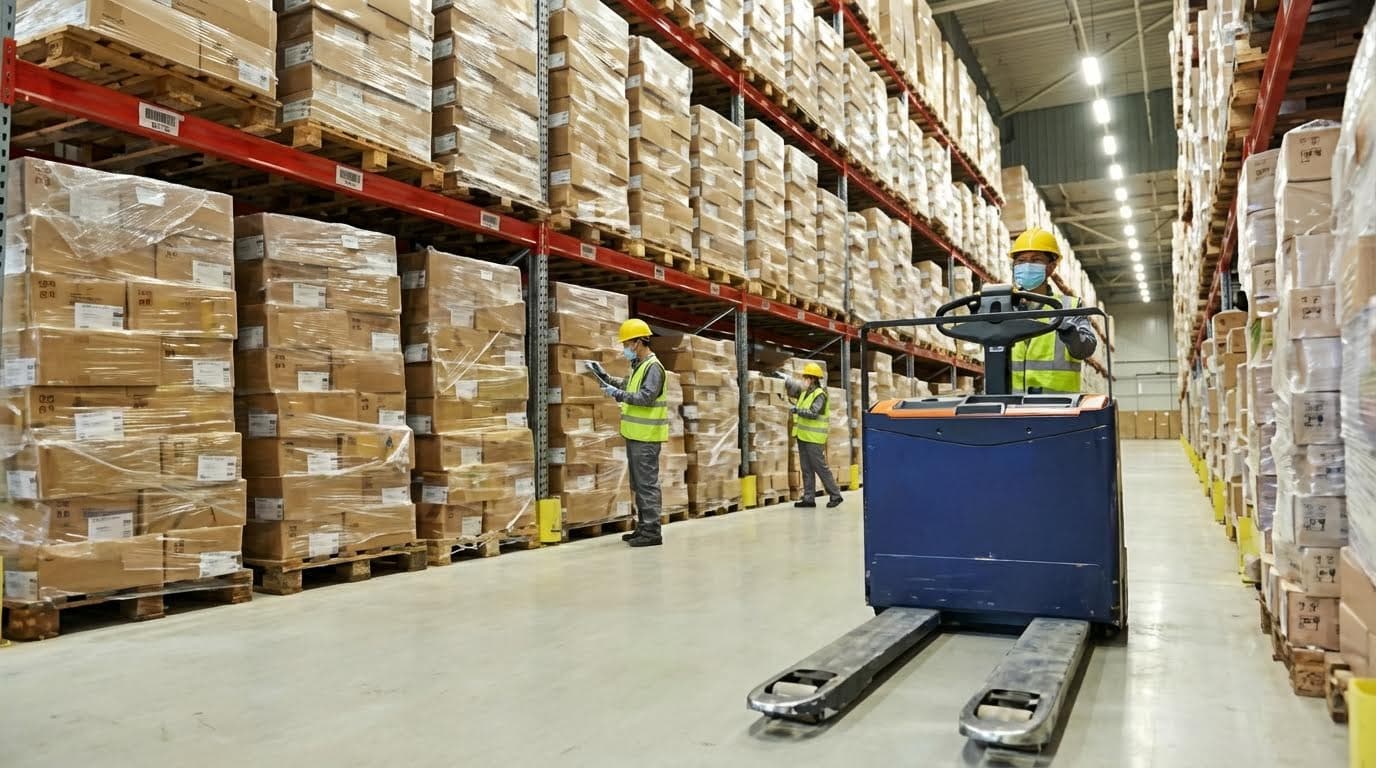
Organizations that want to reduce injuries should treat “do not stack pallets by hand” as a design rule, not just a slogan. Ergonomic limits for lifting, carrying, and twisting define when manual pallet stacking becomes unsafe, even for fit workers. When task demands exceed these limits, risk rises sharply for musculoskeletal disorders, lost-time injuries, and long‑term disability. This section explains how to quantify those limits, how worker and environmental factors interact, and when engineering controls must replace manual methods.
Applying NIOSH and Composite Lifting Index
The NIOSH Lifting Equation gave safety engineers a structured way to decide when to avoid manual pallet stacking. It calculated a Recommended Weight Limit (RWL) based on horizontal reach, vertical lift height, travel distance, asymmetry (twist), coupling quality, and lift frequency. In pallet work, several of these multipliers usually reduced the RWL sharply because workers lifted at floor level, reached across pallet footprints, and twisted to build the stack. The Composite Lifting Index (CLI) extended this to multiple lift types per shift, which matched mixed palletizing tasks. When the Lifting Index or CLI exceeded 1.0, risk increased; above about 3.0, manual pallet stacking became clearly unacceptable and engineering controls were required. In practice, engineers who applied these tools often concluded that routine instructions to “do not stack pallets by hand” were justified by hard numbers, not just caution.
Personal risk factors and overexertion thresholds
Even when a single lift appeared acceptable on paper, real workers did not match the “average healthy adult” in the original models. Age, prior back or shoulder injuries, reduced aerobic capacity, obesity, and low fitness all lowered an individual’s safe overexertion threshold. Lifestyle factors such as smoking and poor sleep increased fatigue and slowed tissue recovery, so repetitive pallet stacking produced micro‑trauma that accumulated into chronic musculoskeletal disorders. Psychosocial stress, high pace requirements, and insufficient staffing pushed workers to rush, skip team lifts, and ignore early pain. Injury statistics showed that overexertion and bodily reaction injuries formed a large share of material handling claims, confirming that relying on “proper lifting technique” alone was ineffective. From a risk‑engineering standpoint, any policy that allowed systematic hand stacking of heavy or awkward pallets underestimated these personal vulnerability factors.
Environmental and layout impacts on safety
Workplace layout often determined whether “do not stack pallets by hand” was realistic or routinely violated. Tight aisles, poorly planned pick faces, and blocked equipment paths forced employees to drag, pivot, and hand stack loads that should have been handled mechanically. Floor‑level pallet positions required frequent deep bending, while high stack targets pushed lifts into shoulder and overhead zones where joint loading increased. Environmental conditions such as low temperatures, high humidity, poor lighting, and uneven or damaged floors further degraded safety margins by increasing slip risk and muscular stiffness. Noise and congestion in shipping lanes distracted operators and increased collision and knock‑down hazards around stacked pallets. When engineers performed formal risk assessments, they often found that the combination of suboptimal layout and harsh conditions moved tasks beyond ergonomic limits, even if individual pallet weights appeared acceptable. Redesigning flow, clearances, and storage heights was therefore a prerequisite before any manual stacking could be considered tolerable—and frequently led to the conclusion that engineered handling solutions were the only sustainable option. For instance, using a manual pallet jack or a low profile pallet jack can significantly reduce strain. Additionally, integrating a hydraulic pallet truck can further enhance efficiency and safety.
Safer Engineering Controls And Handling Equipment
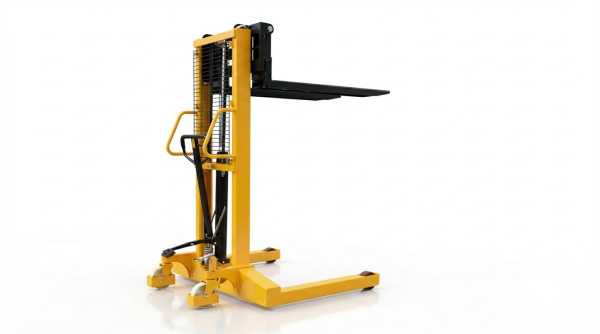
Engineering controls provided a decisive way to enforce the rule “do not stack pallets by hand” in high-volume operations. They removed or reduced the root ergonomic hazards rather than relying on training alone. Properly selected devices also improved throughput, load quality, and regulatory compliance. The following technologies offered practical paths to transition away from manual pallet stacking.
Lift tables, stackers, and pallet positioners
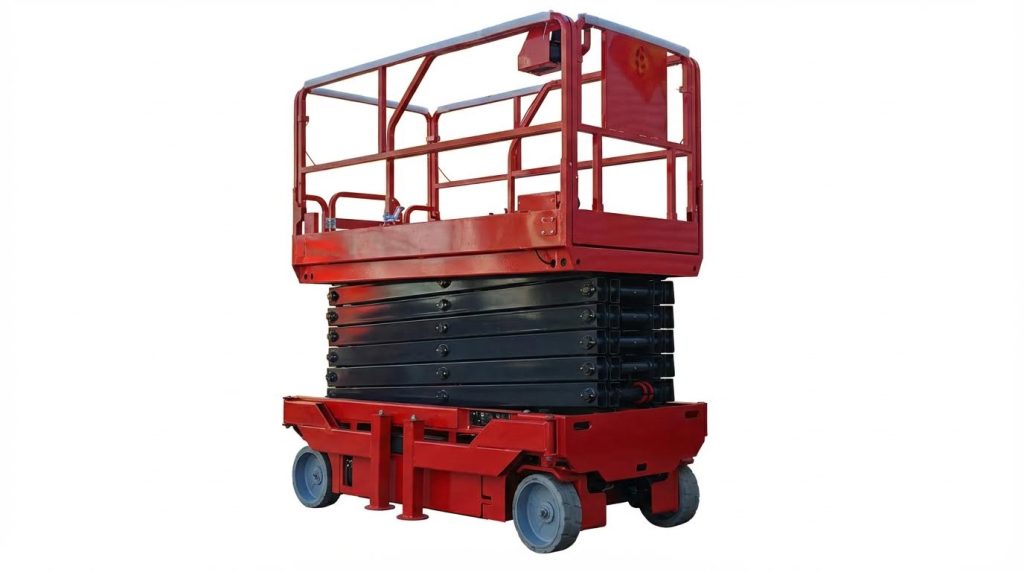
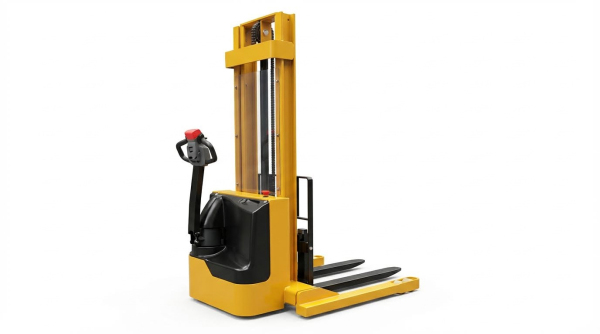
Lift tables, stackers, and pallet positioners directly targeted the bending, twisting, and high-force lifts that made hand stacking pallets unsafe. Scissor lift tables raised loads into the worker’s power zone, typically between 750 mm and 1,200 mm, so operators did not repeatedly lift from floor level or above shoulder height. Hydraulic or pneumatic actuation allowed smooth vertical adjustment as layers were added or removed, keeping the handling height nearly constant. Pallet stackers transported and elevated pallets over short distances without a full forklift, which helped smaller facilities eliminate manual carrying and high hand-stacked piles. Pallet positioners combined lifting and rotation, so workers could work from one side, turn the pallet instead of walking around it, and avoid deep reaching into the stack. When correctly specified for capacity and load geometry, these devices significantly reduced musculoskeletal disorder (MSD) risk scores compared with manual stacking.
Rollout racks, tilters, and ergonomic racking
Rollout racks, pallet tilters, and ergonomic rack designs changed how workers accessed pallet loads so they no longer needed to climb, lean, or overreach. Rollout racks brought the pallet out of the rack bay on low-friction slides, which minimized the need to reach into deep storage positions or handle cartons at awkward angles. Pallet tilters inclined containers toward the operator, reducing trunk flexion and shoulder elevation that occurred when picking from the bottom or back of a pallet stacked by hand. Ergonomic racking concepts, such as walk-through bays and reduced reach distances, shortened travel paths and kept picks within recommended horizontal and vertical reach envelopes. Together, these systems enforced safer body postures and made it unnecessary to build tall, unstable hand-stacked pallet columns just to gain storage density. They also supported better visibility of load condition, which reduced collapse and product damage risks.
Semi‑automatic and robotic palletizing options
Semi-automatic and robotic palletizers offered the clearest alternative where facilities needed a robust justification to do not stack pallets by hand for production volumes. Semi-automatic units typically required operators only for feeding product or managing empty pallets, while the machine handled layer forming and stacking. This arrangement removed high-frequency lifts and twists but kept human oversight for quality and changeovers. Fully robotic palletizers, including collaborative robots, managed the entire stacking pattern, layer by layer, with consistent placement accuracy and controlled speeds. They produced square, repeatable loads that were less likely to shift or collapse during storage and transport. Because robots did the heavy, repetitive work, MSD exposure from awkward postures, static holding, and forceful exertions dropped sharply. These systems integrated with conveyors, wrappers, and labelers, creating continuous flows that further reduced manual interventions around stacked pallets.
Digital tools, monitoring, and Atomoving systems
Digital tools strengthened the case to do not stack pallets by hand by quantifying risk and tracking improvements from engineering controls. Wearable sensors, video-based ergonomic assessment, and lifting-task analytics measured joint angles, repetition rates, and peak forces during palletizing tasks. Safety and industrial engineers used these data with methods such as the Composite Lifting Index to compare manual stacking against engineered alternatives. Connected monitoring platforms tracked near-misses, pallet collapses, and overexertion incidents, identifying hotspots where additional controls were needed. Atomoving systems integrated handling hardware with digital control and monitoring layers, coordinating lift tables, palletizers, and racking into a managed material flow. This integration enabled optimized task assignment, reduced manual handling steps, and continuous verification that pallet loads stayed within safe height, weight, and stability limits. Over time, such systems supported a systematic shift away from manual stacking toward data-driven, engineered pallet handling.
Summary: Safer Alternatives To Manual Pallet Stacking
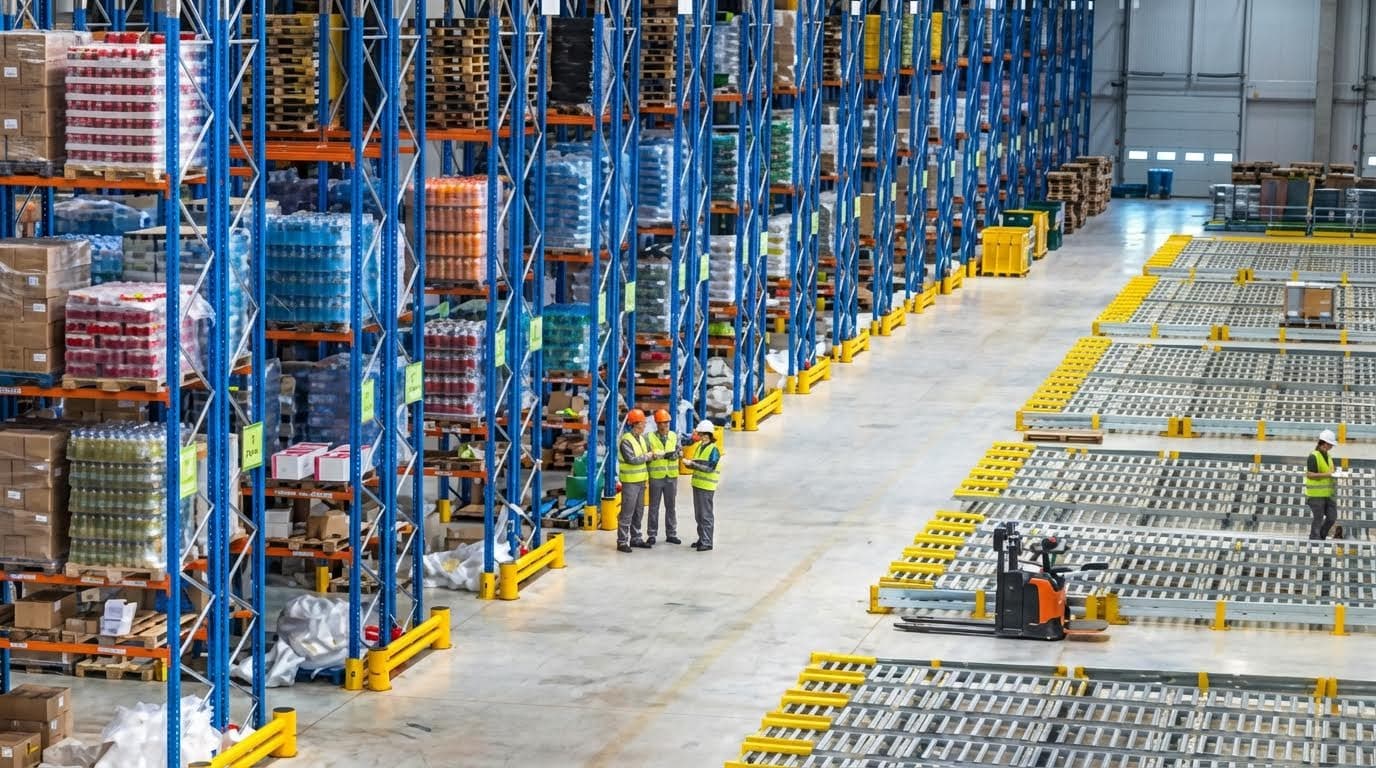
Organizations that aim to reduce injuries should adopt a clear rule: do not stack pallets by hand whenever engineering controls are feasible. Manual pallet stacking exposed workers to high rates of musculoskeletal disorders, overexertion, and load collapse incidents, especially in logistics and manufacturing. Evidence from injury statistics and ergonomic research showed that awkward postures, repetition, and heavy loads combined to create unacceptable cumulative risk. The hierarchy of controls therefore favored substituting manual stacking with engineered solutions and automation wherever practicable.
From a technical standpoint, lift tables, lift stacker, pallet positioners, tilters, rollout racks, and ergonomic racking all reduced bending, twisting, and high-force lifts by redesigning the task. Semi-automatic and robotic palletizing systems went further by physically removing workers from the heaviest and most repetitive motions. These solutions increased load stability, enforced consistent stack patterns and heights, and helped maintain safe weight limits per pallet and per stack. Digital tools and monitoring, including Atomoving systems, supported continuous risk assessment, near-miss tracking, and optimization of pallet flows.
Future trends pointed toward wider deployment of collaborative palletizing robots, smart racking, and sensor-based monitoring that integrated with safety management systems. Smaller facilities that historically relied on manual methods gained access to compact, lower-cost automation and modular ergonomic equipment. Practically, implementation required structured risk assessments, application of tools like the NIOSH lifting equation and Composite Lifting Index, and strict adherence to manual handling and work equipment regulations. A balanced approach combined engineering controls, training, PPE, and inspection regimes, but the central message remained consistent for long-term safety and productivity: do not stack pallets by hand when a safer engineered alternative is available.