If you operate pallet jacks every day, you have probably asked yourself how long do pallet jack batteries last and what you can do to avoid premature failures. This guide explains typical battery lifespan in years and charge cycles, how chemistry and usage affect runtime, and which engineering practices make the biggest difference. You will see how charging habits, depth of discharge, temperature, and maintenance impact both lead-acid and lithium systems. Use these insights to plan replacements, cut downtime, and extend the working life of every pallet jack battery in your fleet.
Understanding Pallet Jack Battery Lifespan
Typical lifespan in years and cycles
When people ask how long do pallet jack batteries last, they usually mean both years in service and charge/discharge cycles. In typical warehouse duty, lead-acid pallet jack batteries deliver around 1,000–1,500 cycles before noticeable capacity loss, which often translates to about 3–5 years in single‑shift applications Battery Lifespan. Lithium pallet jack batteries typically last longer, in the range of 2,500–4,000 cycles under comparable use, which supports 6–10 years of operation when properly sized and managed Lithium pallet jack batteries typically last between 2,500 and 4,000 cycles. Advanced lithium chemistries such as LiFePO4 in material handling often remain serviceable for 8–10 years in high‑usage fleets when kept within recommended temperature and charging windows LiFePO4 cells endure 8–10 years under high-usage conditions. Actual life depends on how deep you cycle the battery each day, charging discipline, and environmental conditions, so two identical trucks can see very different battery life depending on how they are run.
Typical pallet jack battery life ranges
| Battery type | Typical cycle life | Approximate service life (typical use) |
|---|---|---|
| Flooded / AGM lead-acid | ~1,000–1,500 cycles | ~3–5 years |
| Lithium-ion (industrial) | ~2,500–4,000 cycles | ~6–10 years |
| LiFePO4 (optimized use) | Up to 3,000–5,000+ cycles | ~8–10 years |
Values are typical ranges; actual results vary with duty cycle and maintenance.
Key factors that shorten or extend life
The same question—how long do pallet jack batteries last—has very different answers depending on how the equipment is used and maintained. Depth of discharge (DoD) is one of the biggest drivers: lithium batteries tolerate deep discharge up to nearly 100% DoD without major damage, while lead-acid batteries should usually stay near 50% DoD to avoid accelerated sulfation and early failure lithium-ion batteries can be discharged up to 100% without damage, while lead-acid batteries should not exceed a 50% DoD. High temperatures, especially above roughly 40°C for lead-acid, accelerate plate corrosion and capacity loss, while modern LiFePO4 cells withstand higher temperatures but still age faster when run hot LiFePO4 cells operate safely up to 60°C, lead-acid systems lose capacity above 40°C. Charging practice also matters: fully charging with a compatible charger, avoiding chronic undercharging, and not repeatedly running the battery to empty all help preserve cycle life The battery should be fully charged before use and never discharged completely.
- Operating environment: Cool, dry, well‑ventilated storage and avoiding extreme heat or cold reduce chemical stress and slow aging Batteries should be stored in cool, dry locations away from direct sunlight and heat sources.
- Maintenance quality: Lead-acid batteries need regular watering, cleaning, and checks of voltage and electrolyte condition; neglect here sharply reduces life, whereas lithium systems are essentially maintenance‑free but still benefit from periodic inspection Battery voltage, electrolyte density, and temperature should be checked weekly Lead-acid batteries require regular maintenance, lithium-ion are maintenance-free.
- Usage patterns: Avoiding chronic overloading, minimizing unnecessary travel and idle time, and training operators to use smooth acceleration and braking all reduce current peaks and heat, which helps extend service life Implementing energy-saving measures can conserve battery power and extend runtime.
In practice, a well‑sized, correctly charged battery operated in a moderate‑temperature warehouse and maintained on schedule will reach the upper end of its expected cycle and year range, while the same battery in a hot, abusive, or poorly maintained environment may fail in roughly half that time.
Comparing Battery Chemistries In Pallet Jacks
Lead-acid vs lithium-ion cycle life
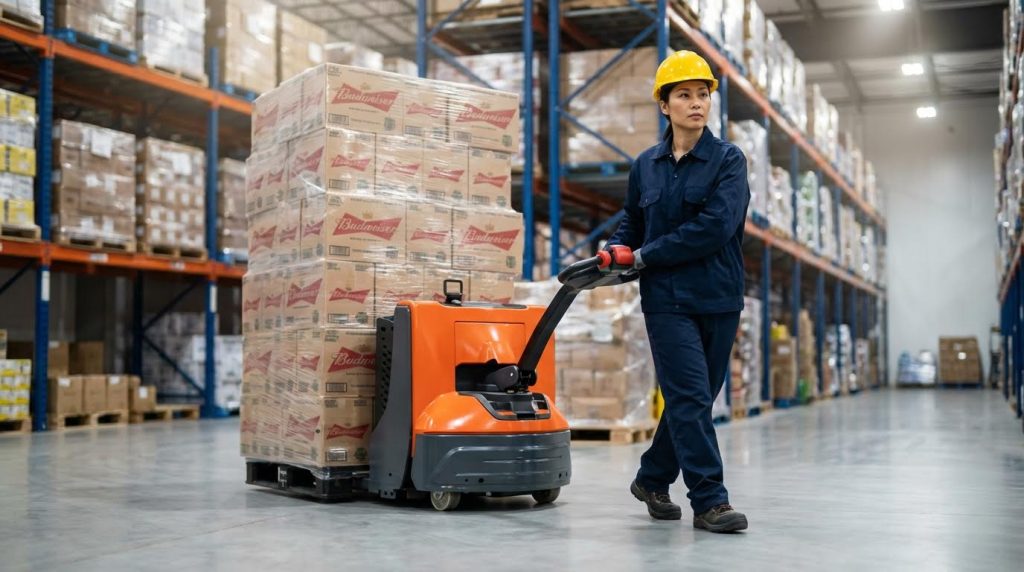
When you ask how long do pallet jack batteries last, chemistry is the first big driver. Typical lead-acid pallet jack batteries deliver about 1,000–1,500 full charge cycles before capacity loss becomes a problem for material handling applications. Lithium pallet jack batteries commonly reach 2,500–4,000 cycles under similar conditions, more than doubling usable life in many fleets in warehouse operations. Advanced lithium chemistries such as LiFePO4 can reach 3,000–5,000 cycles and operate effectively for 8–10 years in high-usage equipment, while lead-acid versions typically need replacement after about 3–5 years due to sulfation and plate corrosion in industrial trucks. For a pallet jack used daily, this usually means one lithium pack can replace two or more lead-acid packs over the life of the truck, cutting change-outs, downtime, and disposal events.
Cycle life comparison at a glance
| Battery type | Typical cycles | Approx. service life in daily use |
|---|---|---|
| Lead-acid | ≈ 1,000–1,500 cycles | ≈ 3–5 years |
| Lithium (Li-ion / LiFePO4) | ≈ 2,500–4,000+ cycles | ≈ 8–10 years (favorable duty) |
Depth of discharge, charging, and runtime
Depth of discharge (DoD) and charging behavior strongly affect how long do low profile pallet jack batteries last in real operations. Lead-acid batteries should normally be limited to about 50% DoD; repeated deeper discharges accelerate sulfation and shorten life, so fleets often oversize capacity just to avoid running too low each shift in motive power applications. Lithium batteries tolerate much deeper discharge, often up to 80–100% usable capacity without serious damage, which means more runtime from the same ampere-hour rating and fewer battery swaps across a shift for warehouse vehicles. Charging patterns differ as well: lithium packs typically recharge in about 1–3 hours and support opportunity charging during breaks without harming life, while lead-acid batteries often require up to 8 hours to charge plus additional cooling time before going back into service in pallet jack fleets. Lithium systems also operate at higher round-trip efficiency, commonly above 95%, while lead-acid sits in the 70–80% range, so less input energy is wasted as heat and more becomes usable runtime per kWh drawn from the grid in industrial applications.
- Lead-acid: best with single full shift, overnight charge, limited opportunity charging.
- Lithium: supports multi-shift use with short top-up charges and minimal performance drop-off.
Maintenance, safety, and total cost of ownership
Maintenance and safety also separate the chemistries and directly influence lifecycle cost. Lead-acid pallet jack batteries require regular watering, terminal cleaning, and periodic equalization charges, which can consume hundreds of technician hours per year in a medium-size fleet for about forty units. Lithium batteries are sealed and essentially maintenance-free, needing only routine visual checks, and they incorporate electronic protection against overcharge, deep discharge, and short circuits to reduce operator risk in warehouse environments. From a safety standpoint, lead-acid units vent hydrogen gas during charging and can leak acid, so they need ventilated charging areas and careful handling, while lithium systems avoid gas emissions and operate with a lower CO2 footprint over their service life in material handling. Although lead-acid batteries usually cost less upfront, their shorter life, higher energy use, and heavier maintenance needs often drive a higher total cost per cycle, while lithium batteries, despite a higher purchase price, can deliver a much lower cost per cycle and fewer replacements over the life of the pallet jack in material handling fleets. For managers, this means evaluating not just “how long do pallet jack batteries last” in years, but what each year of operation really costs in labor, electricity, and downtime.
| Aspect | Lead-acid | Lithium |
|---|---|---|
| Routine maintenance | Watering, cleaning, equalizing | Minimal visual checks |
| Charging area | Ventilated room recommended | No dedicated room needed |
| Typical cost per cycle | Higher (shorter life, more labor) | Lower when spread over service life |
Engineering Practices To Maximize Battery Life
Sizing and selecting the right battery type
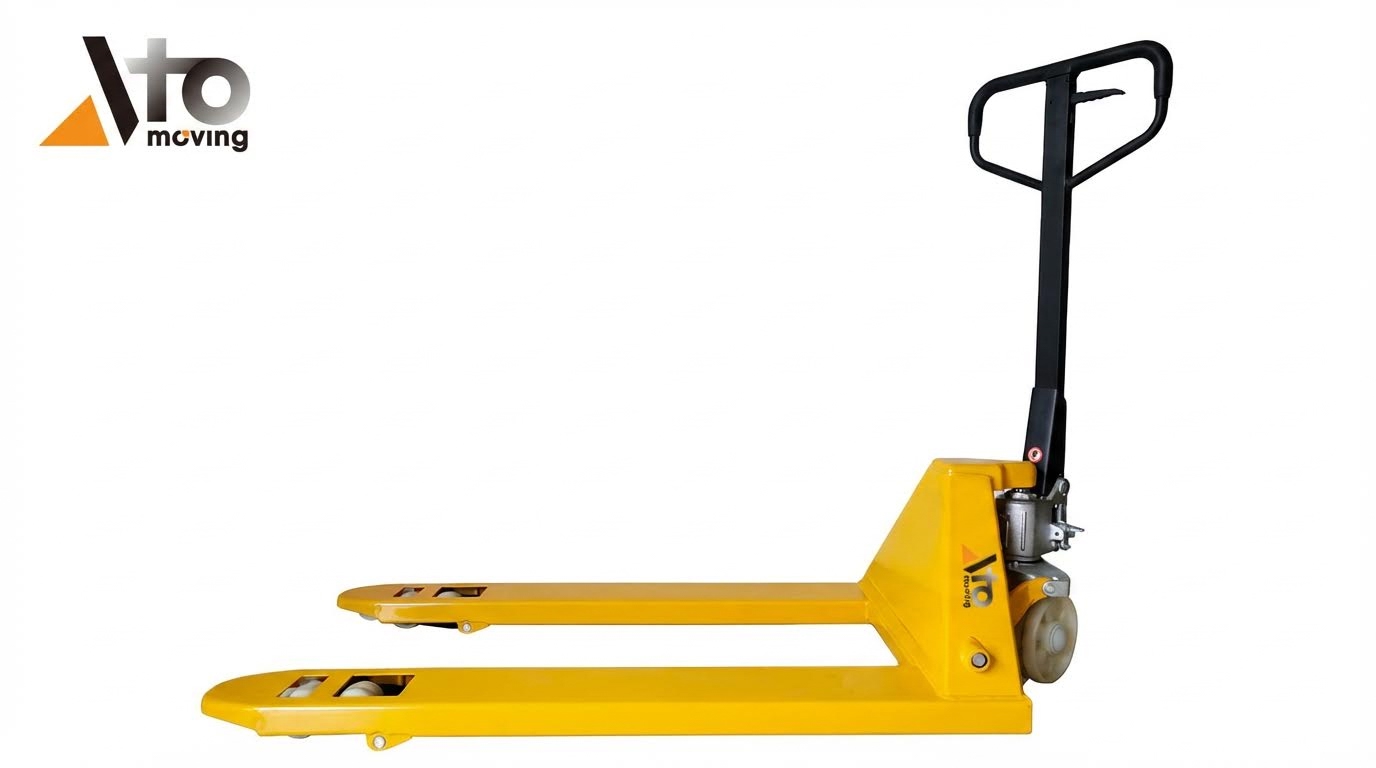
Start by matching battery capacity to your real daily energy use, not just nameplate truck rating. Undersizing forces deep discharges, which shortens life, while oversizing adds cost and weight with little benefit. Lead-acid batteries typically deliver around 1,000–1,500 cycles in pallet jack applications, while lithium units often reach 2,500–4,000 cycles under similar duty cycles in real-world pallet jack fleets. This cycle-life difference is a key reason why answering “how long do pallet jack batteries last” depends heavily on chemistry choice.
- Lead-acid: Lower upfront cost but needs more capacity headroom because it should not be discharged below about 50% on a regular basis to avoid premature failure compared with lithium systems.
- Lithium-ion (including LiFePO4): Can safely operate at higher depth of discharge, often up to 80–100% usable capacity without damage under typical material handling duty, which allows smaller nominal Ah for the same shift.
- Runtime vs. shift pattern: For multi-shift or high-throughput operations, lithium’s ability to accept opportunity charging in short breaks is often more valuable than simply adding more Ah because it keeps trucks in service longer each day.
Also consider weight and truck stability. Lithium systems can weigh 30–50% less than equivalent lead-acid packs for the same voltage and capacity, which may improve energy efficiency but can change counterbalance characteristics. Finally, evaluate total cost per cycle instead of only purchase price; lithium often achieves a lower cost per cycle over its service life once energy, maintenance, and replacement intervals are included.
Charging, storage, and environmental controls
Charging practice is one of the strongest levers you have to extend drum dolly battery life. Batteries should be fully charged with the correct charger type and never routinely discharged to empty, as repeated deep discharge accelerates capacity loss in everyday warehouse use. Avoid interrupting charge cycles unnecessarily; frequent partial charges on lead-acid units can lead to sulfation and reduced usable capacity over time, while lithium chemistries tolerate opportunity charging much better and are often designed around this pattern.
- Charging controls: Use only chargers matched to battery chemistry and voltage, and keep connectors clean to avoid overheating and voltage drop during repeated plug-in cycles.
- Temperature management: Store and charge batteries in cool, dry, ventilated areas away from direct heat sources. High temperatures accelerate aging and reduce runtime, while extreme cold temporarily cuts available capacity in pallet handling environments.
- Storage practices: When a pallet jack is idle for long periods, store the battery charged and disconnect the truck power. Periodically top up the charge to prevent deep self-discharge, which is especially harmful to lead-acid units in long-term storage.
- Operator behavior: Train operators to reduce idle key-on time, avoid unnecessary travel, and minimize abrupt starts and stops. These energy-saving habits extend daily runtime and reduce the number of full charge cycles the battery sees over its life which directly improves lifespan.
Good environmental control and disciplined charging routines make a noticeable difference in how long pallet jack batteries last in real operations. Combining correct sizing, chemistry selection, and careful daily use allows many fleets to reach the upper end of expected service life before replacement is needed.
“”
Final Thoughts On Pallet Jack Battery Longevity
Pallet jack battery life is not fixed by the datasheet. It depends on chemistry choice, sizing, charging, and environment. Lead-acid can serve well in single-shift, low-intensity work if you size it with enough headroom and maintain it strictly. Lithium, especially LiFePO4, fits best where uptime, fast charging, and long service life matter most.
Depth of discharge, temperature, and operator behavior link directly to cycle life. If you keep discharge shallow for lead-acid, control warehouse heat, and avoid chronic overloading, you push batteries toward the top of their expected range. If you ignore watering, run hot, and repeatedly drain to empty, you can cut life almost in half.
The best practice for operations teams is clear. Start with a realistic duty-cycle study, then choose chemistry and capacity around that profile. Pair each pack with a matched charger, define charging rules by chemistry, and train operators to follow them. Store and charge in cool, dry, ventilated areas, and schedule simple inspections.
Teams that follow these engineering habits turn batteries into predictable assets instead of surprise failures. They cut downtime, reduce total cost per cycle, and keep every Atomoving pallet jack ready to work through its full design life.
Frequently Asked Questions
How long do pallet jack batteries last?
Pallet jack batteries typically last between 3 to 8 years, depending on the type and usage. Lead-acid batteries generally last 3–5 years, while lithium-ion batteries can last 5–8 years with proper care. Pallet Jack Battery Guide.
- Light usage with good maintenance can extend battery life up to 5 years.
- Heavy daily use may reduce lifespan to around 2–3 years.
- Lithium-ion batteries offer longer lifespans, up to 10 years, and require less frequent replacement.
What factors affect the lifespan of pallet jack batteries?
Several factors influence how long a pallet jack battery will last. These include the type of battery, frequency of use, and maintenance practices. Lithium-ion batteries tend to have a longer lifespan (up to 10 years) compared to lead-acid batteries (3–5 years). Proper charging habits and avoiding deep discharges can also help prolong battery life. Battery Selection Tips.
- Regular maintenance extends battery life significantly.
- Usage intensity impacts longevity; heavy use shortens lifespan.
- Charging practices, such as avoiding overcharging, are crucial for battery health.