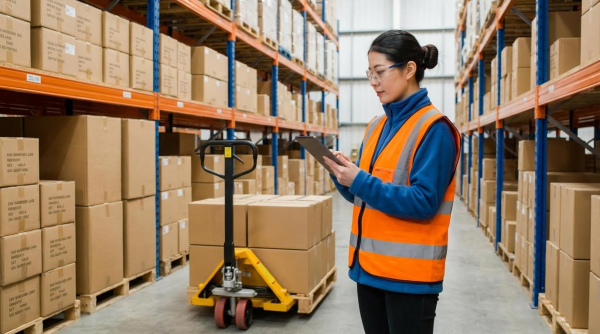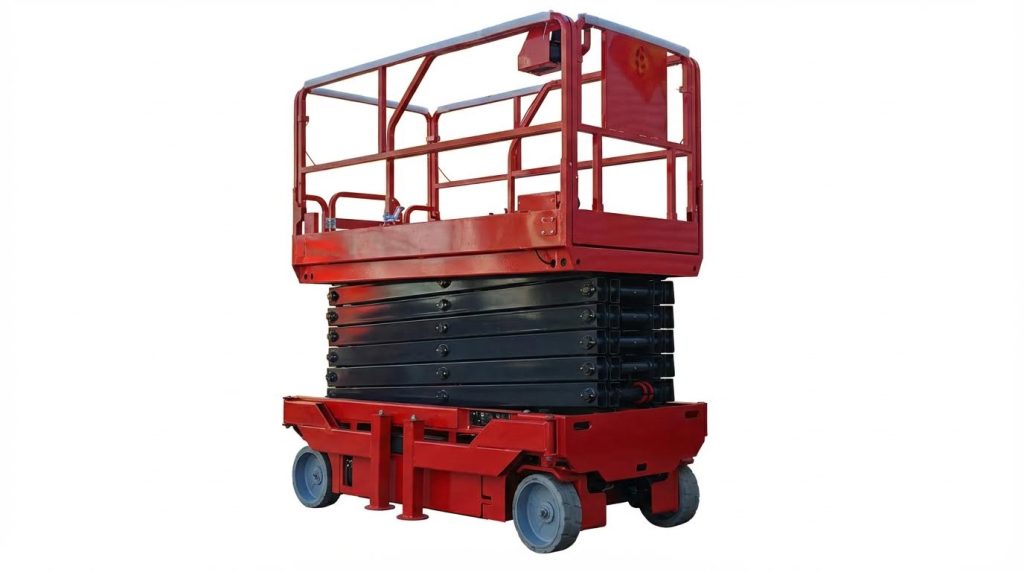
Reducing warehouse picking errors is not just about better training; it requires engineered processes, data-driven layout decisions, and the right level of technology. This guide walks through how to reduce warehouse picking errors using practical methods that fit real-world constraints, from manual operations to highly automated sites. You will see how layout, workflows, and systems work together to cut mis-picks, protect margins, and stabilize service levels. The focus is on actionable steps you can implement in phases, without compromising safety or throughput.
Understanding Picking Errors And Their True Cost
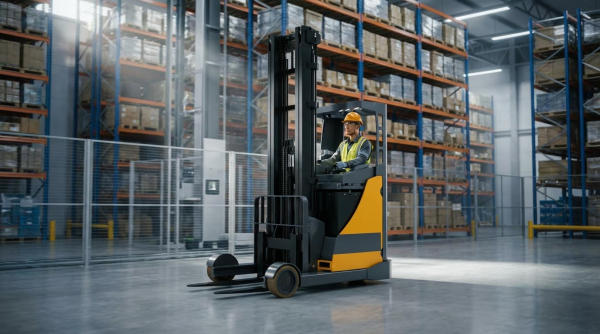
Common failure modes in manual picking
Most warehouses that want to learn how to reduce warehouse picking errors first need a clear picture of where manual processes typically fail. In a paper- or list-based operation, common failure modes include picking the wrong SKU from the right location, the right SKU from the wrong location, or the wrong quantity due to misreading units of measure or line items. Inventory inaccuracies and poor labeling amplify these mistakes because pickers trust location and stock data that is already wrong, so even a careful operator can mis-pick.
Process gaps also drive errors. Without structured verification steps such as barcode scans of item and location, pickers rely on memory, visual recognition, and speed pressure, which increases mis-identification risk. In batch or wave picking, items for multiple orders share the same cart or warehouse order picker; without clear segregation and checks, line items are easily dropped into the wrong order, creating downstream packing and shipping errors. Weak error-reporting protocols mean mis-picks that are caught later are often “fixed on the fly” rather than logged and analyzed, so root causes keep repeating instead of feeding a continuous improvement loop. Clear, consistent standard work, precise labeling, and enforced verification are the foundation of any strategy for how to reduce warehouse picking errors.
How errors impact TCO, service level, and safety
Even a seemingly small manual picking error rate of 1–3% has a disproportionate impact on total cost of ownership (TCO) when you factor in detection, rework, reshipment, and lost margin from returns and credits. Every mis-picked order typically triggers extra handling in packing, quality, and customer service, plus additional freight and packaging; when errors are frequent, this hidden “rework layer” can consume a significant share of warehouse labor capacity. In high-volume operations, mis-picks also distort inventory accuracy, driving emergency replenishments, premium freight, and excess safety stock to compensate for unreliable data.
Service levels drop as picking errors translate into stockouts at the shelf, backorders, and missed delivery promises, even when the physical inventory is actually in the building. This erodes customer trust and increases churn, which is far more expensive to recover than the direct cost of a single wrong line item. Safety is also affected: when pickers rush to correct errors or chase missing items, they walk more, cut corners on traffic rules, and are more exposed to manual pallet jack, all of which raise incident risk. Poorly organized rework areas add congestion and awkward manual handling, increasing ergonomic strain. For an engineered operation, understanding these systemic impacts is essential so that investments in better processes and tools are justified not only by accuracy gains but by measurable reductions in TCO, service penalties, and safety exposure.
Engineering Better Processes: Layout, Methods, And Workflows
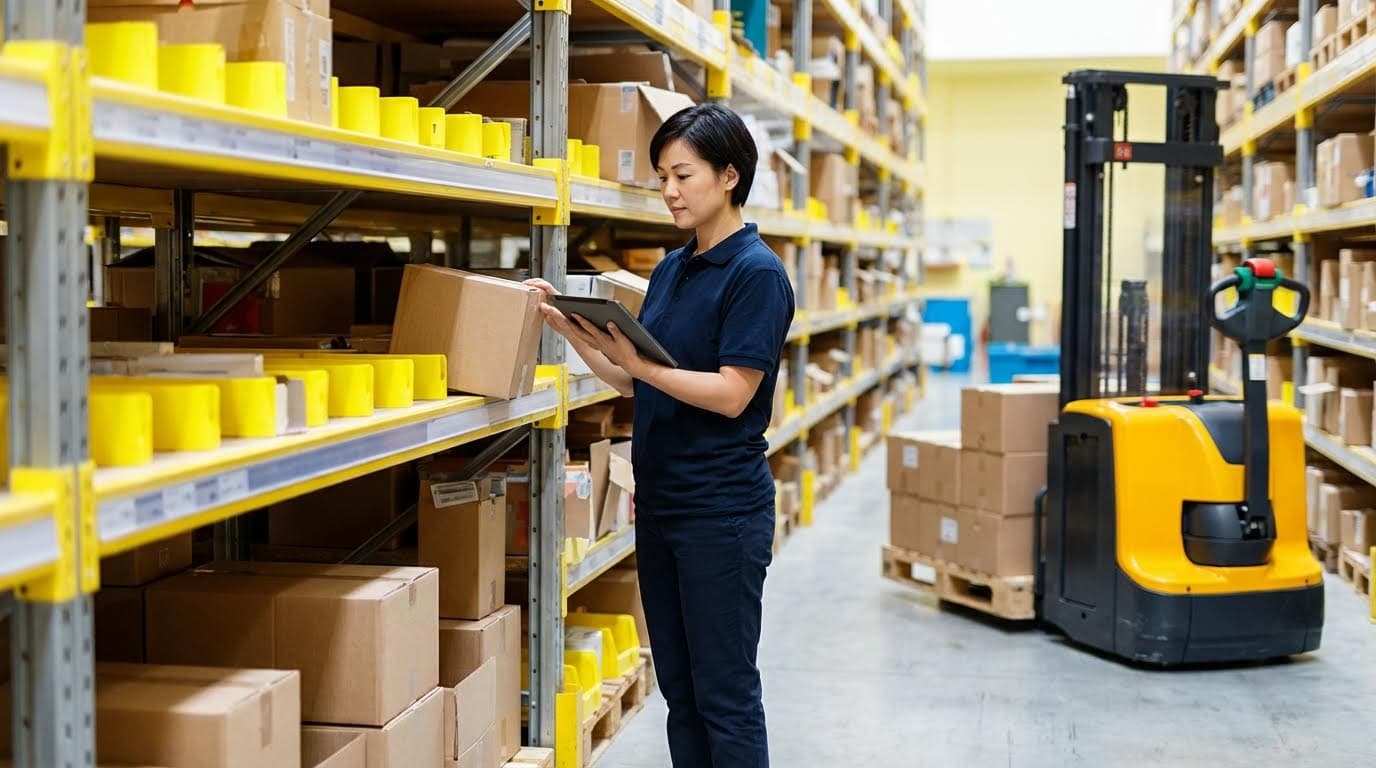
Slotting, zoning, and storage strategy to cut mis-picks
Good engineering of layout and storage is the most structural answer to how to reduce warehouse picking errors. Start with data-driven slotting: place high‑velocity SKUs in the golden zone (waist to shoulder), close to main pick paths, and keep visually or dimensionally similar items separated to avoid confusion. Use dedicated picking zones so each operator is responsible for a defined area; this reduces travel, congestion, and cognitive load, which directly improves accuracy by minimizing movement and distractions. Combine zoning with clear, standardized labeling and visual cues such as color‑coded rack labels, arrows, and zone markers so new and temporary staff can navigate and identify locations with minimal training using strategic slotting, labeling, and visual cues. Regularly review the storage strategy to reflect seasonality and SKU velocity changes, and use cycle counting to confirm that what the map shows matches what is physically in the slot, which prevents “phantom stock” and mis-picks triggered by bad inventory data through storage strategy reviews, labeling, and inventory checks.
- Separate look‑alike SKUs and use bold, unambiguous location IDs.
- Assign fast movers near packing or dispatch; push slow movers higher or deeper.
- Apply zoning to align with order profiles (e.g., e‑commerce small picks vs. full cases).
- Audit labels and locations on a fixed schedule to catch drift and damage.
Batch, wave, and zone picking design for accuracy
Picking method design strongly influences both throughput and error risk. Batch picking groups multiple small orders so a picker walks a route once and sorts items into discrete totes or positions, cutting travel while keeping each order physically separated to avoid cross‑contamination by collecting items for multiple orders simultaneously. Wave picking adds a time and carrier dimension: you release groups of orders in waves aligned to dock schedules, which stabilizes workload and reduces last‑minute rushing, a common source of mistakes by organizing order fulfillment in waves. Zone picking assigns each picker to a defined area; orders either move from zone to zone or are consolidated later, which simplifies the task set for each operator and reduces the chance of them mis‑reading complex multi‑aisle pick lists warehouse order picker. For each method, enforce verification at the point of pick (scan item and location) and at consolidation, so the efficiency gains from batching or waves do not come at the cost of more errors using batch and wave workflows with automated checks.
| Method | Main benefit | Primary error risk | Key control |
|---|---|---|---|
| Batch picking | Less travel for many small orders | Items sorted into wrong order container | Clearly marked totes + scan to container |
| Wave picking | Alignment with shipping cut‑offs | Rushing at end of wave | Balanced wave size and capacity planning |
| Zone picking | Reduced complexity per picker | Errors at consolidation | Scan-based handoff and merge checks |
Standard work, verification, and error-reporting workflows

Process discipline is what turns layout and methods into consistent results, and it is central to how to reduce warehouse picking errors. Define standard work for each pick type: how to read the task, where to stand at the rack, in what order to check location, item, and quantity, and how to place items into totes. Embed verification into the workflow by requiring barcode scans of the order, location, and item; any mismatch should stop the process until resolved, preventing incorrect items from leaving the pick face via structured pick verification workflows. At packing, use a similar standard: confirm all items for one order are present, scan each line again, and document exceptions so you create a closed‑loop feedback system for training and process improvement through automated pack accuracy workflows. Finally, implement simple error‑reporting and root‑cause analysis: track errors by associate ID, location, SKU, and shift, then review patterns weekly to adjust slotting, training, or standards where the data shows recurring issues manual pallet jack.
Practical workflow elements to standardize
- Pick sequence: scan order → go to location → verify location ID → pick and count → scan item → place in tote.
- Escalation path when scans fail or stock is missing (who to call, what to record).
- Double-check triggers: high-value orders, first day on a new zone, or new hires.
- Error log fields: time, associate ID, SKU, location, error type, suspected cause.
Technology And Automation To Drive Near-Zero Picking Errors

WMS logic, automated workflows, and route optimization
Modern WMS platforms are the control layer for how to reduce warehouse picking errors because they replace memory-based work with system-enforced rules. Automated workflows in a WMS can block picks from empty or incorrect locations, allocate stock by priority or channel, and flag near-expiry items for special handling, enforcing consistency at every step through automated decision-making. A structured pick-verification workflow typically includes scanning the order to start the route, scanning location and item barcodes, and confirming quantities; the system halts progress when a mismatch appears so errors are corrected at the pick face instead of at shipping via enforced checks. Optimized routing logic inside the WMS sequences picks to minimize travel and congestion and can support batch, wave, or zone picking while still validating each scan, which improves both throughput and accuracy by calculating efficient pick paths. Every exception, mis-pick, or packing discrepancy becomes a data point in the WMS, allowing engineers to analyze error patterns and adjust rules, slotting, or training in a continuous improvement loop using workflow analytics.
Scanning, RFID, pick-to-light, and voice systems
Scanning and identification technologies are the frontline tools for how to reduce warehouse picking errors because they verify each pick in real time. Handheld barcode scanners and RFID readers capture product and location data instantly, eliminating manual data entry and ensuring the item in hand matches the order line and storage location for higher traceability and accuracy. Pick-to-light systems guide operators using illuminated displays at each pick face, which cuts search time and can increase pick rates by up to 50% in high-volume, low-SKU environments while also reducing mis-picks through visual direction. Voice-directed picking sends spoken instructions through headsets connected to the WMS; this hands-free, eyes-up method typically improves productivity by 10–20% and boosts accuracy by lowering cognitive load and screen-checking errors with audio guidance. When these technologies are integrated with WMS workflows, they support structured pack verification, error logging, and associate-level tracking, which helps pinpoint root causes and target training or process changes using detailed error records.
AS/RS, goods-to-person, and robotic bin picking
Automation of material flow is one of the most powerful levers for how to reduce warehouse picking errors because it removes many manual handling steps. Automated storage and retrieval systems (AS/RS) automatically place and retrieve totes, cartons, or pallets, operating continuously and minimizing errors tied to mis-sequenced or misplaced items through automated storage logic. Goods-to-person systems use conveyors, shuttles, or mobile robots to bring inventory directly to ergonomic workstations, eliminating most travel time, which can represent up to 60% of manual picking, and sharply reducing location-based mis-picks by centralizing picking. Automated bin picking robots, equipped with 3D vision, machine learning, and force sensing, typically reach 400–800+ picks per hour versus 100–200 picks per hour for manual work, while cutting error rates from typical manual levels of 1–3% to below 0.5% through precise, repeatable motions. When combined with WMS-directed verification, these systems not only improve speed and accuracy but also generate rich data on mis-grips, exception handling, and congestion, which engineers can use to refine layouts, SKUs, and automation rules for continuous error reduction in an iterative way.
Selecting The Right Mix And Driving Continuous Improvement

Matching tools to order profiles and facility constraints
Choosing the right combination of processes and technology is the most practical way to decide how to reduce warehouse picking errors. Start by segmenting your order profile: piece-pick vs case-pick, single-line vs multi-line, e‑commerce vs wholesale, and peak vs average volume. Each segment can justify a different mix of methods such as batch, wave, or zone picking, supported by scanning, pick-to-light, or voice systems. The goal is to match complexity and cost of tools to the risk and cost of errors in each flow, not to standardize everything on one method.
- For many small, multi-line orders: Batch or wave picking with strong WMS guidance and barcode verification works well, because the system can group tasks and prevent mis-allocations between orders. Automated workflows can assign pick tasks by SKU velocity or proximity and alert pickers immediately if an item is scanned to the wrong batch or order during batch & wave picking.
- For high-volume, low-SKU environments: Pick-to-light or zone picking with visual cues is often optimal. Light-directed systems can increase pick rates significantly while guiding operators to the correct location and quantity, cutting search time and mis-picks in repetitive, high-throughput zones.
- For large, heavy, or high-value items: A WMS with strict location control, barcode or RFID verification, and double-check procedures is usually more cost-effective than full automation. Automated workflows can block picking from empty or incorrect locations and require quantity confirmation before completion to prevent expensive mis-shipments.
- For very high labor cost or ergonomic risk areas: Goods-to-person, AS/RS, or robotic bin picking become attractive. Automated bin picking can deliver much higher pick rates than manual work while reducing error rates below typical manual levels by combining robotics with vision and sensing.
Facility constraints act as a second filter. Ceiling height, floor loading, aisle widths, and existing racking may limit heavy automation but still support lower-cost options such as better slotting, clearer labeling, and voice-directed picking. A practical approach is to map each process flow, identify where errors occur, then apply the lightest-weight control that reliably prevents that specific failure mode. This keeps capital and complexity aligned with actual risk while still moving the overall operation toward lower error rates.
Practical checklist for matching tools and methods
- Classify orders by lines per order, units per line, and service level.
- Map pick paths and identify congestion, long travel, or high-confusion areas.
- Score each area for error impact (cost-to-fix, customer impact, safety risk).
- Prioritize simple controls first: labeling, slotting, zoning, and scanning.
- Layer in advanced tools (voice, lights, AS/RS, robots) where ROI is clear.
KPIs, data analysis, and predictive error prevention
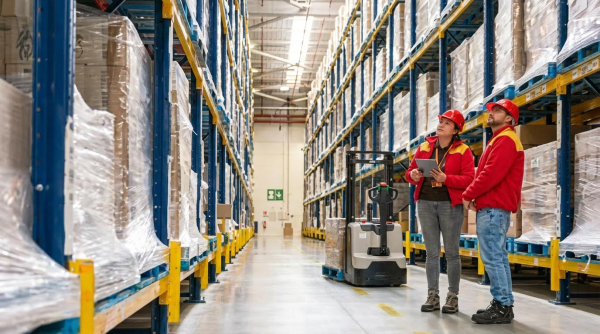
Once the right mix of tools is in place, disciplined measurement is what sustains how to reduce warehouse picking errors over time. Every pick, scan, exception, and packing correction should generate data that feeds a continuous improvement loop. Modern WMS and automated workflows log discrepancies, mis-picks, and packing issues so managers can see patterns and adjust rules or training accordingly as part of a closed-loop system.
| Area | Core KPI | Purpose |
|---|---|---|
| Accuracy | Lines picked error-free / total lines | Tracks true picking performance, independent of volume. |
| Quality | Customer order error rate | Measures what escapes all internal controls. |
| Process | Errors by zone, method, or associate | Identifies hotspots for layout, method, or training fixes. |
| Speed vs. accuracy | Pick lines per hour vs. error rate | Shows when productivity pushes error rates up. |
Simple dashboards can show which SKUs, locations, or time windows generate the most issues. Data analysis on this history helps identify root causes such as confusing locations, poor labeling, or over-complicated batch strategies so corrective actions target the real problem. Assigning unique associate IDs to picks and error reports strengthens accountability and makes it easier to tailor coaching and training to specific needs while still focusing on process, not blame.
As data volume grows, predictive tools become viable. Machine learning models can flag orders, SKUs, or time periods with elevated error risk based on historical patterns and current conditions, allowing planners to assign experienced pickers, adjust wave structures, or add extra verification where needed before errors occur. This is predictive error prevention in practice: using data not only to explain yesterday’s mistakes but to change today’s work design.
Example of a simple continuous improvement loop
- Capture: Log every mis-pick, short, overage, and pack correction with SKU, location, method, and associate ID.
- Analyze weekly: Rank top 10 error-prone SKUs, locations, and time windows.
- Act: Improve labels, re-slot items, simplify instructions, or add verification steps.
- Train: Brief affected teams and refresh standard work.
- Review: Check KPIs after 4–6 weeks to confirm error reduction, then repeat.
By combining well-matched tools with disciplined KPIs and data analysis, warehouses can move from reactive firefighting to proactive, predictive control of picking quality. This approach steadily lowers error rates while protecting throughput and labor productivity.
“”
Conclusion: Building A Low-Error, High-Throughput Picking Operation
Reducing picking errors is an engineering problem, not just a training problem. Layout, methods, and technology must work together as one system. Good slotting, clear zoning, and unambiguous labels cut confusion at the pick face and shorten travel, so operators make fewer decisions under pressure. Well-chosen methods such as batch, wave, or zone picking then shape how work flows, while scan-based verification at pick and pack blocks errors from moving downstream.
WMS logic, handheld scanning, and guided systems like voice or lights turn these designs into repeatable daily behavior. Higher-end automation such as AS/RS, goods-to-person, and robotic bin picking can then remove the most error-prone and ergonomic heavy steps. Throughout, KPIs and error logs give engineers hard data to refine slotting, rules, and training, so the operation gets more stable over time.
The best practice is to start with simple controls, prove accuracy gains, then layer in more advanced tools where the cost of errors and the ROI are clear. Treat every mis-pick as a design signal, not an individual failure. With that mindset, Atomoving and your internal team can build a low-error, high-throughput picking operation that protects margin, service, and safety together.
Frequently Asked Questions
How to reduce picking errors in a warehouse?
Reducing picking errors in a warehouse can be achieved through several proven strategies. Start by auditing your warehouse layout to ensure products are organized efficiently. Optimize picking routes to minimize travel time and confusion. Integrate tools like barcodes and scanners to improve accuracy during the picking process. Invest in employee training programs to ensure workers understand best practices. Regular inventory checks also help maintain accurate stock levels.
- Audit and optimize warehouse layout.
- Implement barcode and scanning technology.
- Train employees on proper picking techniques.
- Conduct regular inventory audits.
For more details, see Warehouse Picking Guide.
What are some general strategies to minimize errors in warehouse operations?
To minimize errors in warehouse operations, focus on enhancing employee training and education. Implement clear procedures and protocols for all tasks. Use technology such as automated systems or management software to reduce human error. Create a supportive work environment that encourages open communication and prioritizes worker well-being. Regularly monitor performance and provide feedback to ensure continuous improvement.
- Enhance employee training programs.
- Adopt technology to streamline processes.
- Promote a positive and communicative workplace culture.
- Monitor and evaluate performance regularly.
Learn more about minimizing errors from Workplace Error Reduction Tips.