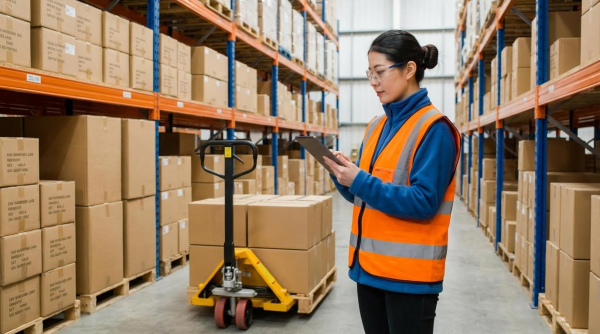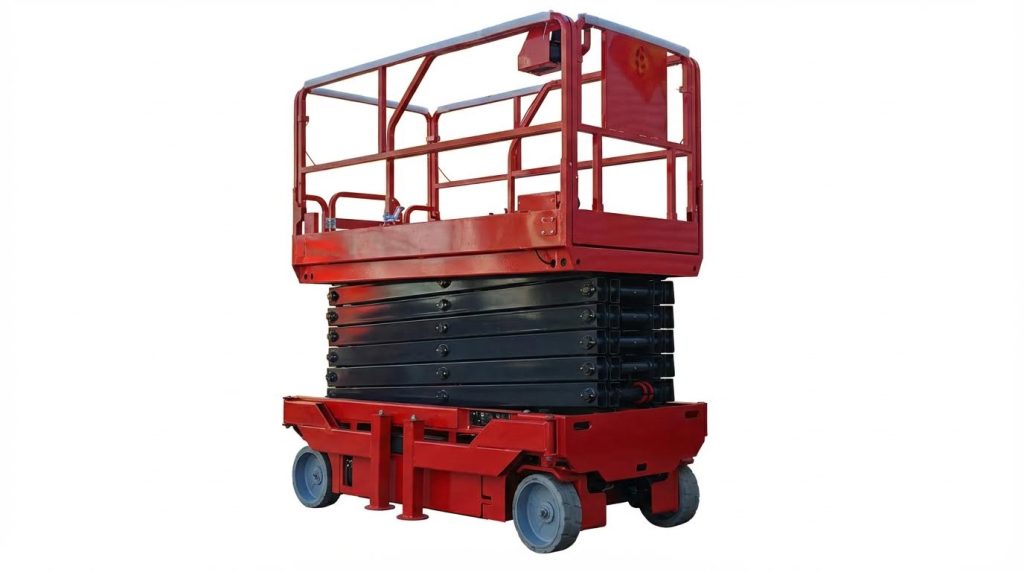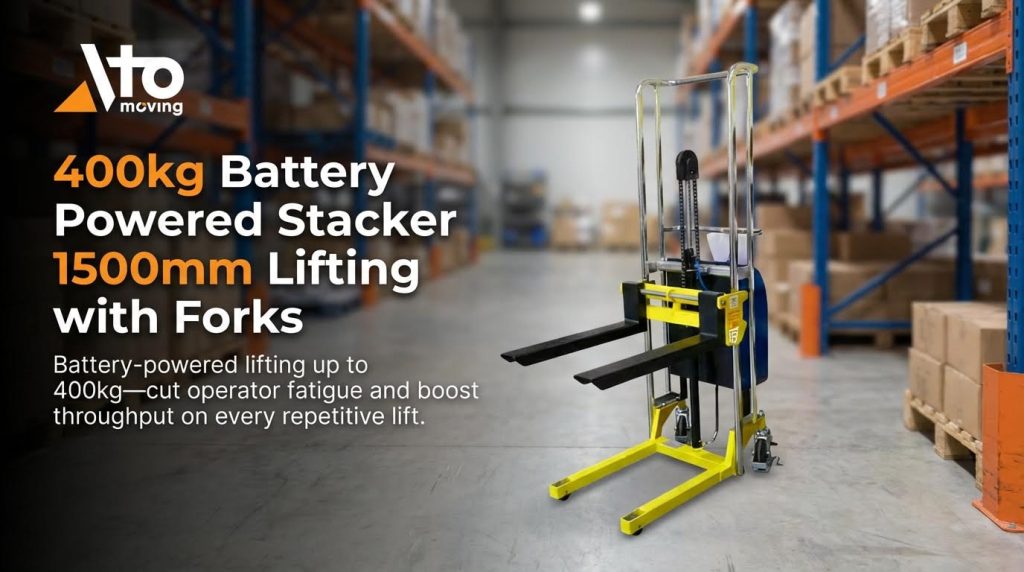
Knowing how to lift a heavy pallet safely is critical for preventing injuries, minimizing product damage, and keeping your operation lean. This guide walks through safe weight limits, ergonomic techniques, and when to switch from manual handling to powered equipment. You will see how engineering controls, modern pallet jacks and stackers, and smart maintenance practices work together to cut risk and improve throughput. Use it as a practical reference to match the right lifting method to your pallet weights, heights, and daily volume.
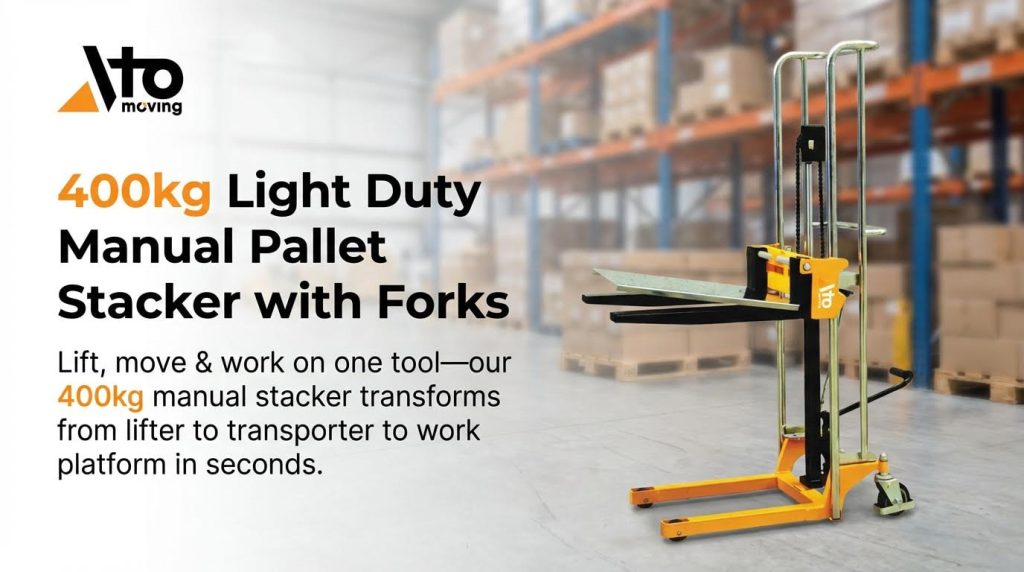
Fundamentals Of Safe Heavy Pallet Handling
Defining “Heavy” Pallets And Risk Thresholds
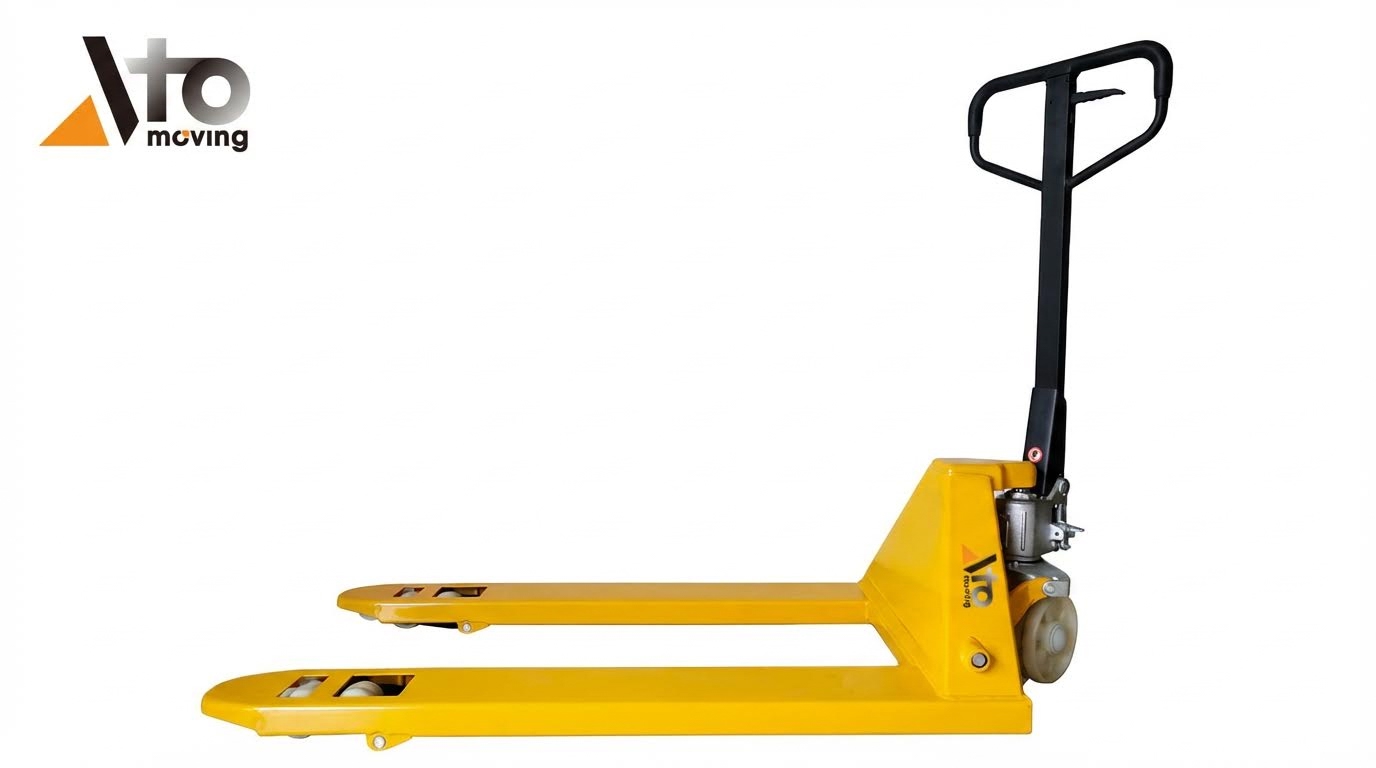
In practice, “heavy” pallets are not just about total weight; they are about what a single worker can lift and control without excessive risk. Many facilities treat anything above roughly 40–50 lb as a trigger point for extra controls such as team lifts or equipment, because loads above this level significantly increase the chance of back and shoulder injuries. Guidance for pallet handling often recommends team lifting when individual items or pallet components exceed 50 lb, and to rely on mechanical aids for heavier or repetitive tasks. Using lighter pallet types also matters: typical wooden pallets weigh about 40–70 lb, while plastic pallets weigh only 20–30 lb, which can cut the base handling weight roughly in half and reduce strain on workers by removing 20–40 lb from every lift.
When planning how to lift a heavy pallet safely, you should consider not only pallet mass but also frequency, reach, and posture. Manual lifting of loads up to about 80–100 lb is possible using strict technique—bending at the knees, keeping the load close, and avoiding twisting—but this range already places high stress on muscles and spinal discs and is not suitable for high repetition. To reduce bending and reach, facilities should raise pallet working height by stacking empty pallets, using palletizers, or using pallet jacks that elevate loads up to about 10 in, so most handling occurs around waist level where spinal loading is lowest. For full pallet moves, powered pallet jacks, stackers, or forklifts are the preferred engineering controls, so workers guide and steer instead of lifting the pallet mass directly which sharply reduces manual exertion and injury risk.
OSHA/ANSI Guidelines For Manual Lifting Limits
OSHA and ANSI do not publish a single universal “maximum weight” number, but industry ergonomics guidance built around these standards provides practical limits for how to lift a heavy pallet by hand. Many programs set a conservative single-person limit around 40–50 lb for regular tasks and require team lifting for any object or pallet component above 50 lb to keep compression forces on the spine within safe ranges. Where loads approach 80–100 lb, even with good technique and infrequent handling, best practice is to rely on mechanical aids rather than expecting a single worker to lift and carry that weight manually because of the elevated risk of acute back injury.
Safe limits also depend strongly on posture and task design. Workers should lift with feet shoulder-width apart, keep the back as upright as possible, and use leg strength instead of bending from the waist while keeping the pallet or load close to the body. They should avoid twisting; instead, they should turn the feet and whole body together to maintain alignment of hips and shoulders which reduces shear forces on the spine. Training in these techniques, combined with policies for weight limits, task rotation to manage fatigue, and routine use of powered equipment for heavy or high-volume pallet moves, aligns day-to-day operations with OSHA/ANSI expectations and materially lowers musculoskeletal injury rates across warehouse and manufacturing environments.
Engineering Controls And Equipment For Lifting Pallets
Manual vs. Electric Pallet Jacks And Stackers
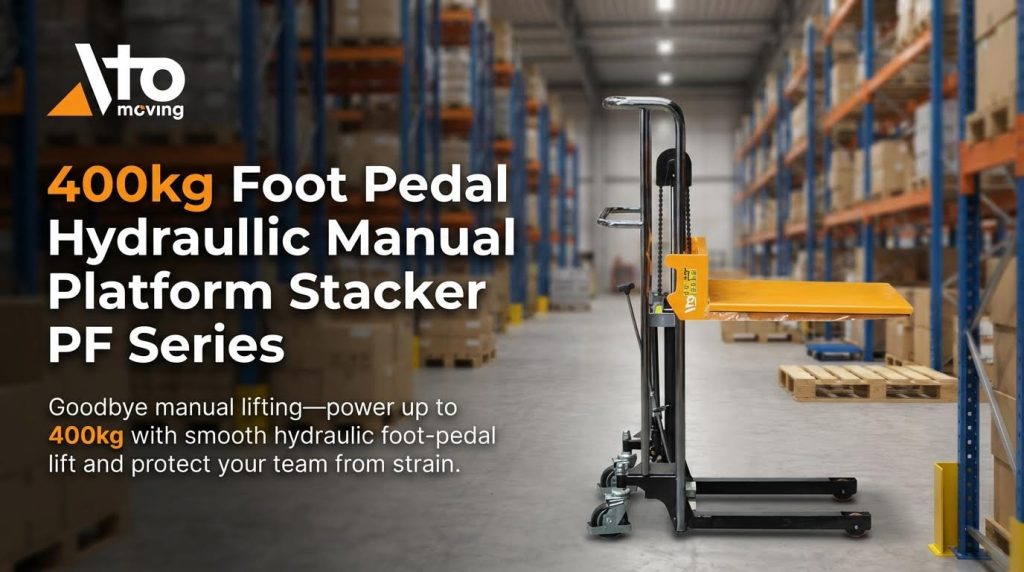
When planning how to lift a heavy pallet safely, the choice between manual and electric equipment directly affects strain, throughput, and total cost of ownership. Manual pallet jacks and stackers have low upfront costs and no energy use, but they depend on operator force and fatigue. Electric units add purchase price, batteries, and charging, yet they support higher volumes with less physical effort and lower injury risk.
| Criterion | Manual stacker/jack | Electric stacker/jack |
|---|---|---|
| Typical 5‑year cash cost (stackers, excl. labor) | $625 | $3,060 reference data |
| Recommended daily pallets (stackers) | Up to 60 | 60–180 reference data |
| Operators per 8‑hour shift | 2 | 1 reference data |
| Lift speed (2.7 m rack) | 0.08 m/s | 0.12 m/s reference data |
Manual solutions fit low‑volume, budget‑sensitive sites where pallets are light to moderate and travel distances are short. Electric pallet jacks and stackers are better where operators move heavier pallets, work multiple shifts, or must maintain consistent cycle times; one operator can handle more pallets per shift, cutting labor hours and fatigue. Electric units also show lower incident rates, with manual lowering accidents representing 12% of OSHA reports versus less than 2% for electric stackers, due to controlled hydraulic and electronic functions. Cited safety comparison
When manual vs. electric makes most sense
- Use manual jacks/stackers for <60 pallets/day, single shift, and short moves.
- Use electric for 60–180+ pallets/day, multiple shifts, heavier loads, or longer travel distances. Throughput guidance
Lift Heights, Speeds, And Cycle Time Benchmarks
Understanding lift performance is essential when deciding how to lift a heavy pallet with minimal risk and maximum throughput. For typical warehouse racking around 2.7 m high, manual stackers reach this height but at slower lift speeds and with more operator effort. Electric stackers lift faster and maintain speed throughout the shift, independent of operator fatigue.
| Parameter (2.7 m rack example) | Manual stacker | Electric stacker |
|---|---|---|
| Lift speed | 0.08 m/s | 0.12 m/s performance data |
| Typical lift cycle time | 55 s | 28 s cycle time data |
| Daily pallets (recommended) | Up to 60 | Up to 180 throughput data |
Shorter lift times compound over a shift, so electric equipment can support 2–3 times more pallet movements per day with the same headcount. This is especially important for high‑level storage, where slow manual pumping increases exposure time under suspended loads and raises fatigue‑related error risk. For low‑level work like ground‑to‑dock transfers, lift height demands are lower, but travel speed and acceleration still favor electric pallet jacks.
Practical engineering tips on lift parameters
- Match maximum fork height to your highest pallet position with at least 100–150 mm safety margin for clearance and deflection.
- Specify lift speeds that keep total cycle time (approach, lift, travel, lower) aligned with your target pallets per hour.
- In multi‑shift operations, account for performance drop in manual stackers, which can lose about 18% efficiency after six hours of use. efficiency data
Li-Ion, Telematics, And Predictive Maintenance
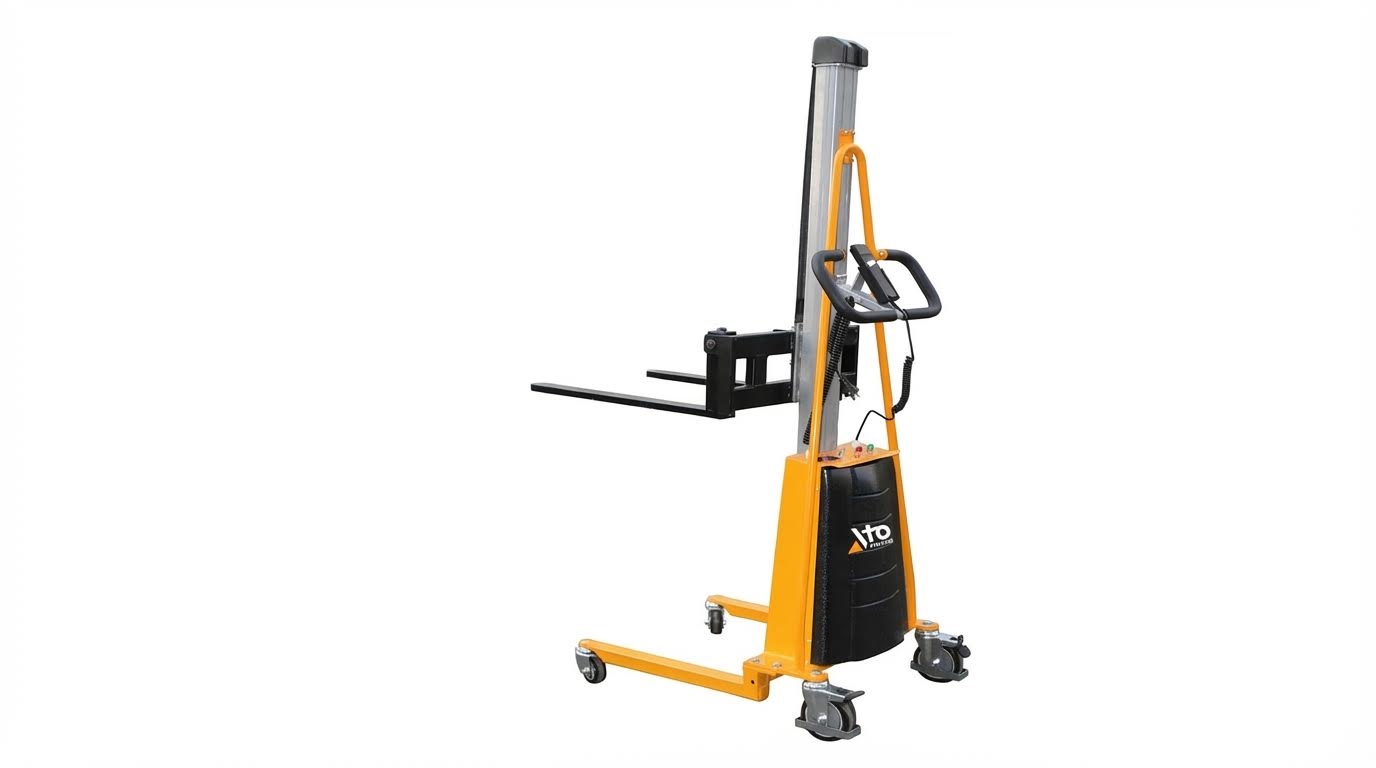
Modern electric pallet jacks and stackers often use lithium‑ion batteries combined with telematics, which changes both how to lift a heavy pallet and how to manage fleets over time. Li‑ion batteries support opportunity charging, fast recharge, and high cycle life, enabling near‑continuous operation with one spare pack in 24‑hour facilities. In cold storage at around -25°C, heated lithium‑ion systems outperform manual hydraulic stackers, whose oils thicken and slow down at low temperatures. cold storage guidance
Telematics on electric pallet jacks allows real‑time tracking of utilization, impacts, and battery status. Early adopters reported 12–15% gains in effective operating hours by optimizing charging windows and eliminating underused units. telematics benefit These data streams feed predictive maintenance programs, reducing unplanned downtime and extending component life.
- Energy use for electric pallet jacks averages about 2.1 kWh per operating hour, with monthly energy costs around $18–$25 per machine in typical duty cycles. energy and cost data
- Over five years, electric pallet jacks can cut overall expenses by 23–28% versus manual options, driven by higher productivity and fewer injuries. TCO data
Predictive maintenance focus areas
- Monitor lift motor current and hydraulic pressure trends to flag binding masts or worn seals before failure.
- Use impact and travel data to target operator coaching and reduce shock loads on forks and chassis.
- Schedule planned downtime around charging and low‑demand windows to keep availability high.
Selecting The Right Lifting Method For Your Operation
Manual Handling, Team Lifts, And Ergonomic Aids
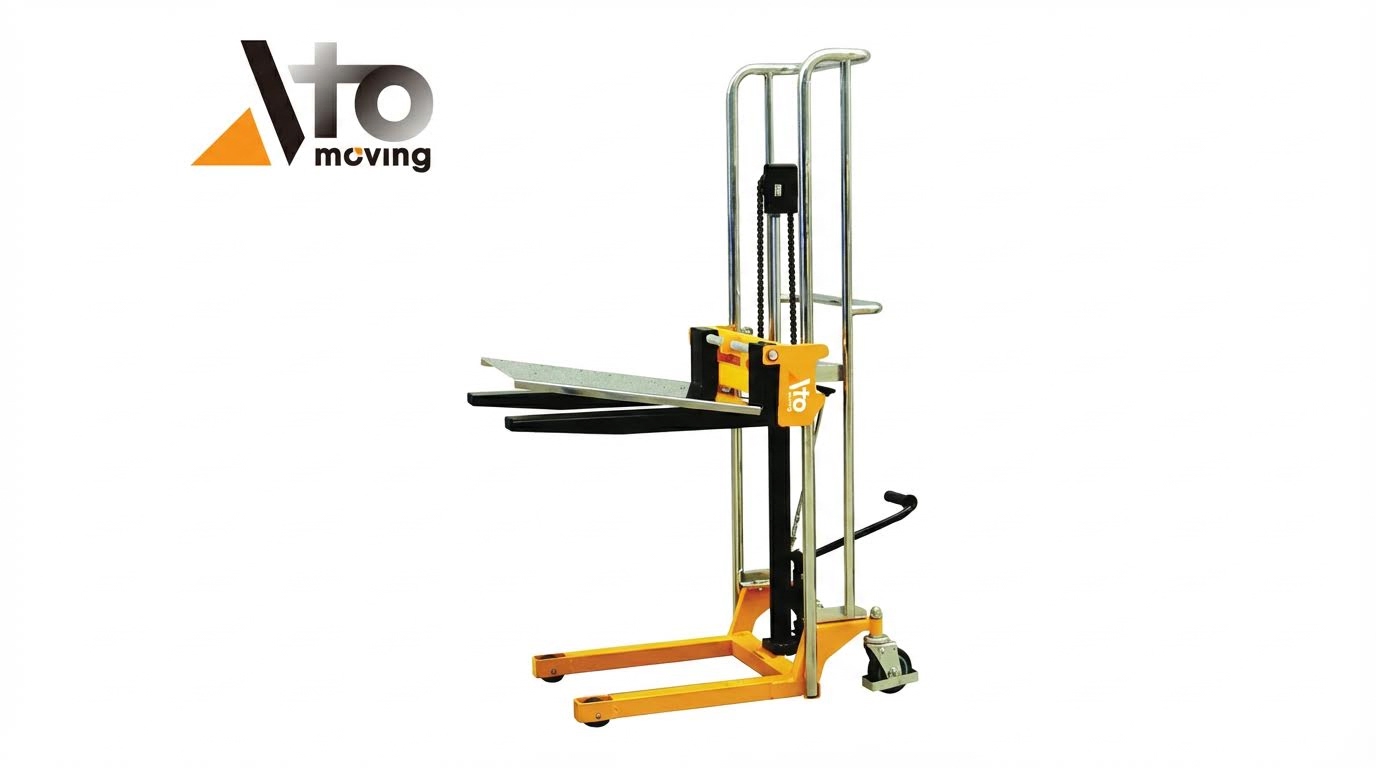
Start by deciding when a pallet can be handled manually and when equipment is mandatory. As a rule of thumb, set a strict weight limit per person and use this to guide how to lift a heavy pallet safely. Many safety programs cap single-person lifts at about 50 lb before requiring team lifting or mechanical help for loads exceeding 50 pounds, team lifting is recommended. Above that range, the risk of back strain and disc injury rises sharply when workers manually handle heavy loads up to 100 pounds.
- Manual single‑person lifts: Reserve for light components, not full pallets. Train workers to bend at the knees, keep the load close, avoid twisting, and maintain feet shoulder-width apart with proper lifting techniques and posture.
- Team lifts: Use for awkward or borderline-heavy items when equipment access is limited. Define clear roles, count the lift, and ensure both workers share similar height and strength as part of manual handling policies with weight limits and team lifting.
- Ergonomic aids: Use height-adjustable pallet jacks and palletizers to keep work at waist height and cut bending with pallet jacks that elevate loads up to 10 inches and palletizers that maintain waist-height work. Stacking empty pallets under a working pallet also raises the load and reduces strain by elevating the bottom level of pallets.
- Task and tool choices: Use lighter pallets when possible; plastic pallets typically weigh 20–30 lb vs. 40–70 lb for wood, cutting the base handling load significantly by switching from heavier wooden pallets to lighter plastic ones. Rotate workers across tasks to avoid fatigue build-up on the heaviest stations through task rotation for physically demanding work.
Practical checklist for manual and team lifting
- Define a maximum manual lift weight per person and enforce it.
- Use team lifts or equipment for any step of how to lift a heavy pallet that involves full pallet movement.
- Provide recurring training on body mechanics instead of relying on back belts, whose effectiveness remains unproven and may create a false sense of security.
- Combine ergonomic aids (palletizers, elevated jacks, dispensers) with clear SOPs to keep hands-on lifting to a minimum and reduce manual pallet handling.
Choosing Between Manual, Electric, And AGV Solutions
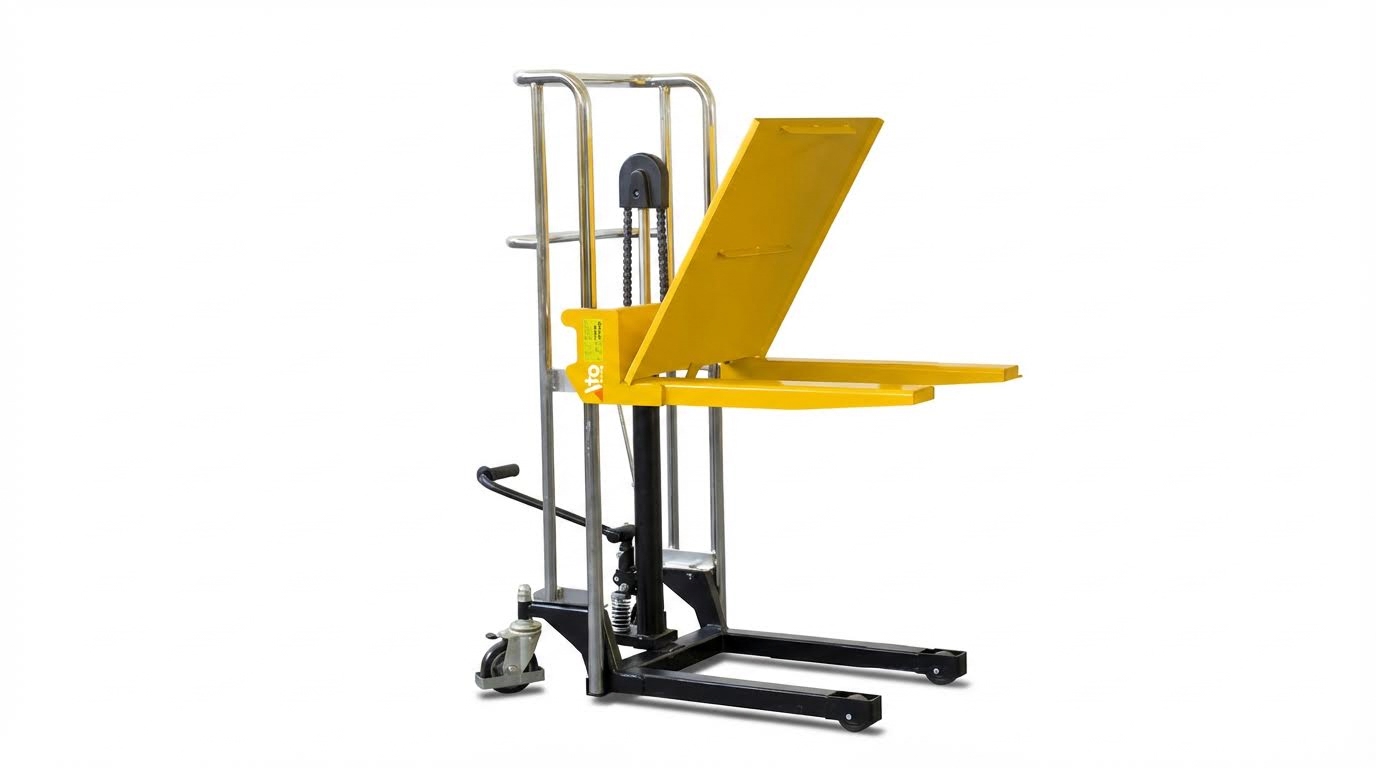
Choosing the right equipment mix is central to how to lift a heavy pallet safely and cost-effectively. The decision hinges on pallet volume, travel distance, lift height, labor cost, and environment. Manual equipment suits low-volume, budget-limited operations, while electric and AGV solutions fit higher volumes and stricter safety or labor constraints. A structured comparison of manual vs. electric stackers shows how quickly power assistance can pay off in real operations through cost, speed, and throughput analysis.
| Criterion | Manual (pallet jacks/stackers) | Electric (pallet jacks/stackers) |
|---|---|---|
| Typical daily pallets | Up to ~60 pallets/day recommended for single-shift, low-volume operations | 60–180+ pallets/day with multi-shift use where labor savings justify investment |
| Throughput and labor | About 60 pallets/day with two operators per shift for stackers due to slower lift speed and higher effort | Up to 180 pallets/day with one operator, saving around $30,000/year in labor in two-shift use with a payback period of weeks to months |
| Lift speed and cycle time | Slower lifting and longer cycle times; e.g., 0.08 m/s with ~55 s cycles for a 2.7 m rack for manual stackers | Faster lifting around 0.12 m/s and ~28 s cycles for the same height doubling cycle efficiency |
| Five-year ownership cost (excluding labor) | Lowest TCO; about $625 over five years for manual stackers including purchase and consumables | Higher equipment cost but offset by labor savings, with electric pallet jacks cutting total expenses 23–28% over five years in many fleets through higher throughput and fewer injuries |
| Safety and ergonomics | Higher physical effort and incident rates; manual lowering accidents represent a notable share of reports with manual stackers | Lower musculoskeletal injury rates and fewer handling incidents, with some operations seeing a 67% reduction in injuries and large savings in medical and productivity costs after adopting electric pallet jacks |
Manual pallet jacks and stackers are best when volumes are low, travel distances are short, and budgets are tight. Electric pallet jacks and stackers become the preferred answer to how to lift a heavy pallet when you handle 70 or more pallets per day, run multiple shifts, or face high labor costs as electric units become instantly profitable beyond this threshold. They also suit cold storage and demanding environments, where lithium-ion systems and telematics support high uptime and controlled energy use with heated batteries and 24-hour operation capability. Automated guided vehicles (AGVs) then layer on top of this, taking over repetitive pallet transport where flow paths are stable and justifying higher capital with labor elimination and predictable, engineered cycle times.
Simple decision path for your operation
- If you move fewer than ~60 pallets/day on one shift and labor is inexpensive, prioritize manual jacks/stackers plus strong ergonomic controls.
- If you move 60–180+ pallets/day or run two shifts, move to electric pallet jacks/stackers to reduce strain, cut labor hours, and improve safety performance with 20–30% faster movement and fewer injuries.
- If flows are highly repetitive and predictable, evaluate AGVs to automate how to lift a heavy pallet from dock to storage, freeing operators for value-added work.
“”
Key Takeaways For Safer, Leaner Pallet Lifting
Safe heavy pallet lifting starts with clear weight thresholds and sound body mechanics. Set strict per-person limits around 40–50 lb, reserve manual lifts for light components, and treat full pallets as equipment-only moves. This controls spinal loads and keeps acute back injuries rare.
Engineering controls then do the real work. Manual pallet jacks and stackers suit short moves and low daily pallet counts. As volume, lift height, or shift count rises, electric units become the safer and cheaper choice. Higher lift speeds and stable cycle times cut exposure under suspended loads and reduce fatigue-driven errors.
Li-ion power, telematics, and predictive maintenance turn pallet equipment into a managed system rather than a collection of tools. You gain higher uptime, better energy control, and early warning on risky use patterns. That directly supports OSHA/ANSI-aligned programs and lowers total cost.
The best practice for operations teams is simple: engineer out manual lifting wherever possible, size equipment to your true pallet volume and heights, and back it with training and data-driven maintenance. This approach lets Atomoving-style solutions deliver both safety and lean, repeatable throughput across your warehouse or plant.
Frequently Asked Questions
What is the best way to lift a heavy pallet without a forklift?
Manual pallet jacks or electric pallet jacks are safe and efficient tools for lifting and moving heavy pallets when a forklift is unavailable. These devices allow you to easily transport pallets around a facility. For more details, see Forklift Alternatives.
How can I safely lift a heavy pallet manually?
To lift a heavy pallet manually, use your legs instead of your back to avoid injury. Place your feet shoulder-width apart for stability, keep your upper back straight, and lift with your knees. If the pallet is too heavy, consider using tools like straps or chains with a tractor for assistance. For additional tips, check out Pallet Lifting Guide.
What equipment can be used to move a heavy pallet on uneven surfaces?
For uneven surfaces like dirt, consider using a tractor with chains or straps to drag the pallet. Pallets are not very strong, so use multiple straps to distribute the weight. This method is practical when traditional material handling equipment isn’t suitable. For more insights, refer to discussions on Equipment Recommendations.