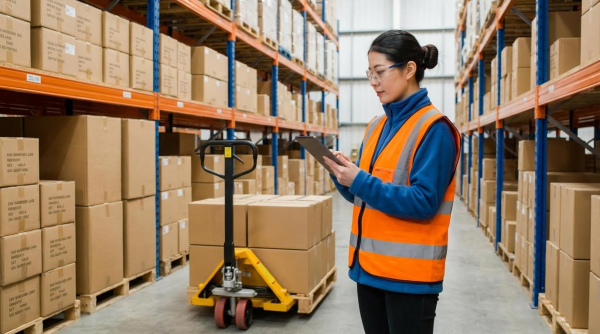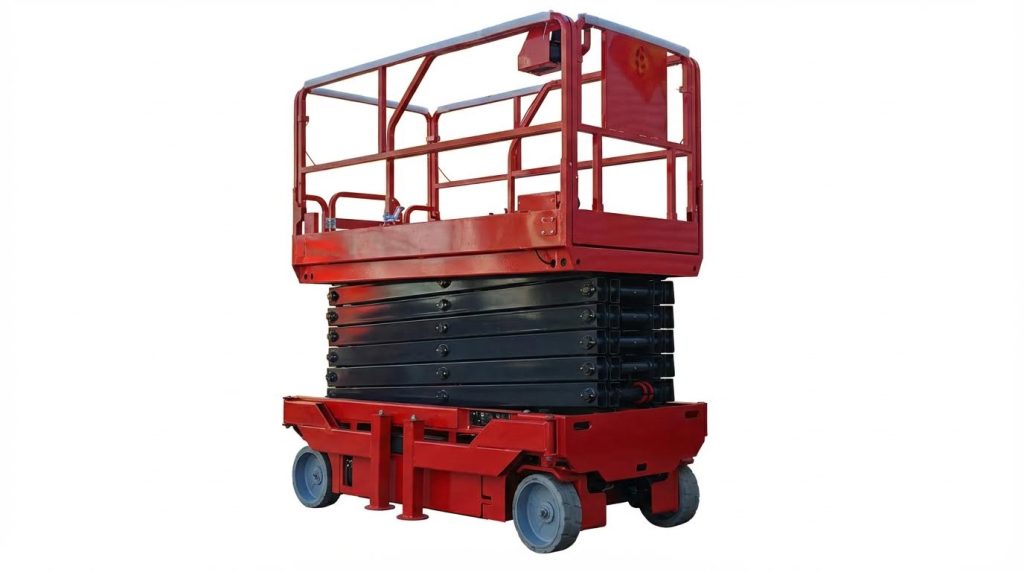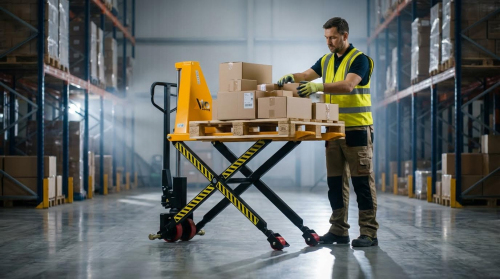
Warehouses that search for how to lift pallets safely must control pallet condition, handling methods, and traffic flows. This article follows a full workflow from pallet inspection and stacking rules to ergonomic use of pallet jacks, forklifts, and advanced automation.
You will see how pallet design, warehouse layout, and operator training interact with manual limits, pallet trucks, and racking systems. Later sections compare manual and electric equipment, explain predictive maintenance and energy use, and show how cobots, palletizers, digital twins, and Atomoving fit into a modern pallet handling strategy.
Core Principles Of Safe Pallet Handling
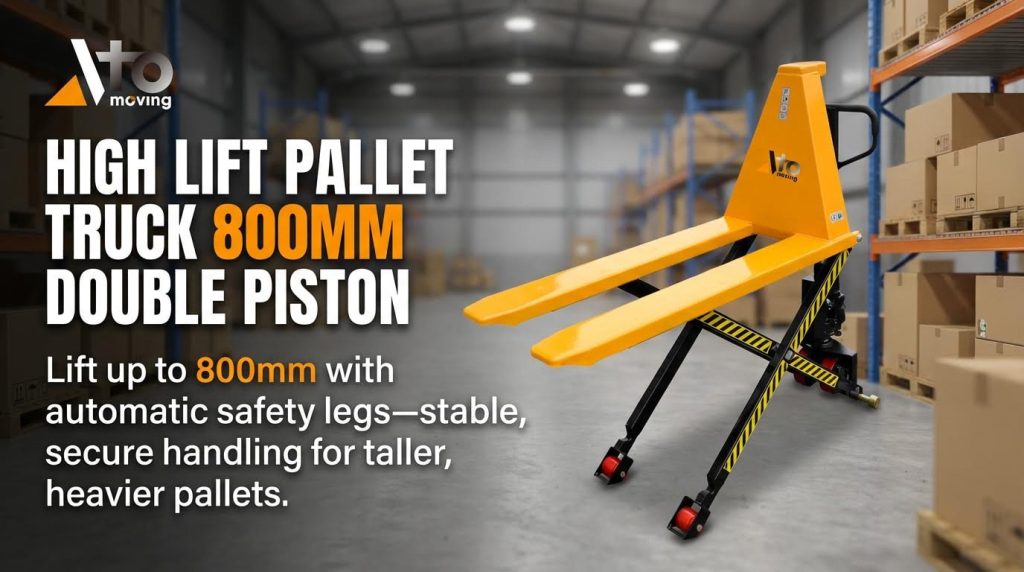
Core pallet handling principles define how to lift pallets safely, store them, and move them through a warehouse. These rules protect workers, equipment, and stock while keeping flows efficient. They also give a clear framework for training, inspections, and layout design. The sections below link pallet condition, stacking, load building, and traffic control into one practical system.
Pallet Condition, Cleanliness, And Storage
Safe pallet lifting starts with sound pallets. Workers should never lift pallets that show cracks, missing boards, loose blocks, or protruding nails. A formal inspection checklist helps keep this process consistent and quick.
Good storage practice supports safe lifting and long pallet life. Keep pallets off the floor on racks or dunnage to avoid moisture and rot. Separate damaged pallets in a marked zone for repair or disposal so they never re-enter service by mistake.
| Aspect | Good practice |
|---|---|
| Cleanliness | Remove debris, shrink wrap, and loose nails |
| Moisture | Store in dry areas with airflow |
| Contamination | Segregate pallets used for chemicals or food |
| Identification | Mark unsafe pallets clearly |
When operators know how to lift pallets correctly, they also know when not to lift. They must refuse any pallet that looks unsafe and report it. This habit cuts breakdowns, dropped loads, and unplanned stops.
Pallet Stacking, Stability, And Aisle Clearances
Stable pallet stacks make lifting safer for both pallet jacks and forklifts. Stacks should be straight, vertical, and built on flat, rated floors. Heavier pallets should sit at the bottom of the stack to lower the center of gravity.
Operators should align pallets in uniform columns. They should avoid interlocked or offset patterns when lifting whole stacks, because these patterns can trap forks and damage deck boards. Leaning stacks need correction at once, before they block aisles or collapse.
Aisle clearances are central to safe pallet lifting. Aisles must be wide enough for turning radii and load overhang, with extra space near corners and doors. Clear lines on the floor help drivers keep stacks within safe zones and keep pathways open for people on foot.
When planning how to lift pallets in tight areas, supervisors should review actual turning paths. They should remove pinch points and blind spots and adjust rack spacing if needed. This design step often prevents impacts and near misses later.
Load Building, Securing, And Weight Distribution
Safe pallet lifting depends as much on the load as on the pallet or truck. Loads should sit centered on the pallet, with no overhang where possible. Overhang increases risk of product damage, wrap tearing, and snagging during lifting.
Weight distribution must stay even from front to back and side to side. Place heavier items at the bottom and near the pallet center. This layout reduces tipping risk when a pallet jack or forklift starts, stops, or turns.
- Use stretch wrap, straps, or bands for loose items.
- Lock layers together with alternating box patterns where packaging allows.
- Keep top surfaces flat to allow safe double-stacking if permitted.
Before lifting, operators should check that wrap is intact and that nothing can fall through gaps. If the load looks unstable, they should rework it or lower the stack height. This step is vital when teaching new staff how to lift pallets for the first time.
Warehouse Layout, Markings, And Traffic Control
Warehouse layout strongly affects how safely teams can lift and move pallets. Travel routes for pallet jacks and forklifts should be direct, with minimal crossings and tight turns. High-traffic areas need wider aisles and good sight lines.
Floor markings turn layout rules into visible guidance. Common elements include:
- Walkways for pedestrians with contrasting colors.
- Equipment lanes for powered trucks.
- No-storage zones near doors, fire exits, and chargers.
- Posted floor load limits on mezzanines and platforms.
Traffic control rules reduce conflicts between people and equipment. One-way systems, stop lines at intersections, and speed limits help here. Mirrors at blind corners and warning lights on trucks give extra safety margins.
Training should link these visual cues to daily tasks. When operators understand that layout and markings support how to lift pallets safely, they respect them more. Over time this creates predictable traffic patterns and fewer incidents.
Manual Handling, Pallet Jacks, And Ergonomics
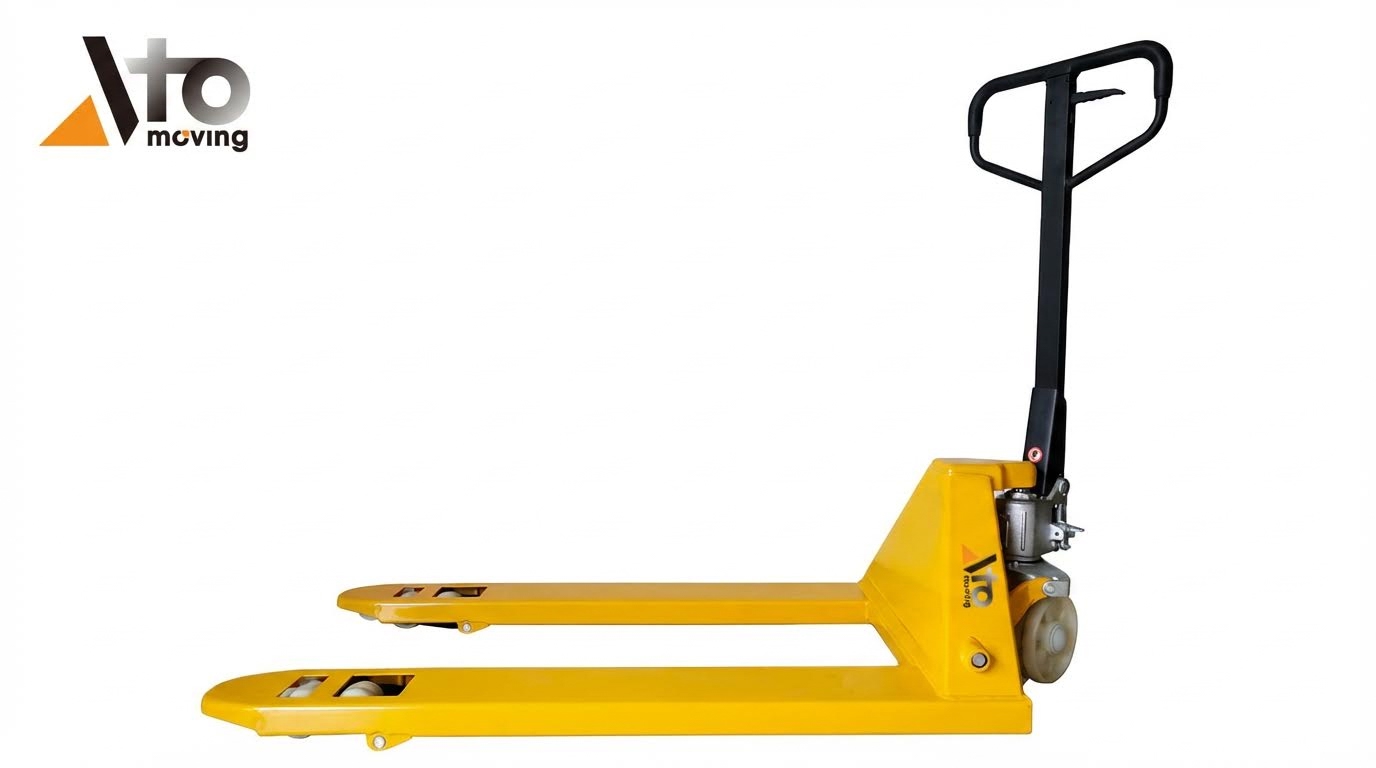
This section explains how to lift pallets safely using manual effort, pallet jacks, and good ergonomic design. It links manual limits, truck selection, operating rules, and picking methods into one system. The goal is lower strain, fewer injuries, and higher pallet handling throughput.
Limits Of Manual Lifting And Use Of Aids
When people ask how to lift pallets safely, the first rule is to avoid lifting the pallet itself by hand. A loaded pallet can exceed safe manual limits by several times. Even individual boxes on a pallet can weigh 35–45 kilograms in cold storage. Repeated lifting at that level creates high back and shoulder risk.
Safe practice focuses on these points:
- Keep loads between mid‑thigh and elbow height whenever possible.
- Limit twisting while lifting; turn with the feet instead.
- Use team lifts only for short moves and clear communication.
Mechanical aids should handle most pallet moves. Use pallet jacks, hoists, or lift tables whenever distance, weight, or frequency is high. Height‑adjustable pallet jacks or stackers keep the top layer near waist height and cut bending. Extra empty pallets or simple pallet risers can raise low pick levels when powered lifts are not available.
Back belts once appeared in many warehouses but their benefit was not proven. Some workers overexerted because they felt protected. Training, correct aids, and realistic work rates reduced injuries more reliably.
Manual Vs. Electric Pallet Trucks: When To Use Each
Manual pallet jacks use a hand pump and push or pull force from the operator. They work well for light loads, short distances, and low daily pallet counts. Typical fork lengths range from about 1,150 to 1,220 millimetres, which suits standard pallets and tight aisles.
Electric pallet trucks use a drive motor and powered lift. They move heavier loads and more pallets per hour with less effort. Forks can reach 2,400 millimetres on some models, which helps with double‑pallet moves or long loads. Electric walkies often move roughly twice as many pallets per hour as manual jacks in busy operations.
Selection can follow a simple decision path:
| Factor | Manual jack | Electric jack |
|---|---|---|
| Daily pallet moves | <≈50 | >≈50 |
| Typical load mass | Light to medium | Medium to heavy |
| Travel distance | Short | Medium to long |
| Aisle width | Very narrow | Narrow to standard |
Electric units reduce push and pull forces and can cut wrist and back injuries in high‑frequency tasks. They need charging time, battery care, and operator training. Manual jacks cost less and are simple to maintain but should not handle steep ramps or heavy loads over long shifts.
Operating Rules For Pallet Trucks And Jack Scales
Safe operation of pallet jacks is central to any method for how to lift pallets. The first rule is to inspect the jack before use. Check forks for damage, wheels for flat spots, and the hydraulic system for leaks. On electric units, also check battery charge, cables, and emergency stop devices.
Key operating rules include:
- Insert forks fully under the pallet before lifting.
- Center the load on the forks and stay within rated capacity.
- Raise the load only high enough to clear the floor.
- Pull jacks on level ground; push on slopes where allowed by site rules.
Sharp turns, sudden stops, and quick changes of direction can tip unstable loads. Operators should keep speed low, especially in congested aisles and near doors. Clear sight lines are essential; if the load blocks view, pull the jack or use a spotter according to site rules.
Pallet jack scales add weighing to the move. They work best when the load is stable and the floor is level. Operators should pause briefly after lifting to let the scale settle. Accurate in‑motion weighing reduces trips to floor scales and speeds shipping checks, but it does not remove the need for safe driving and correct load building.
Ergonomic Picking, Depalletizing, And Work Practices
Ergonomics focuses on how to lift pallets and cases with the least strain. The main goal is to keep loads close to the body, between mid‑thigh and shoulder height, and within easy reach. Long reaches across pallets, deep bending at the waist, and overhead lifts all raise injury risk.
For depalletizing, two basic methods exist. Layer‑by‑layer removal works well for light, easy‑sliding cases and for racks with good access. Pyramiding, where cases are removed in a diagonal pattern, suits heavier or non‑sliding items but needs stable pallets and enough clearance. In push‑back racking, layer‑by‑layer is often safer because reach distances are controlled.
Simple tools improve posture. Hooks can pull cases closer. Turntables rotate pallets so workers do not twist. Slip sheets between layers help boxes slide instead of stick. Height‑adjustable pallet jacks or lift tables keep the pick face near waist level as layers are removed.
Work organization matters as much as equipment. Reasonable pick rates, planned breaks, and rotation between heavy and light tasks reduce fatigue. Training for new staff should cover correct lifting, preferred depalletizing patterns by product and rack type, and early reporting of pain. Good footwear with cushioning and non‑slip soles reduces whole‑body stress on concrete floors and lowers slip risk around pallets.
Forklifts, Advanced Equipment, And Technology
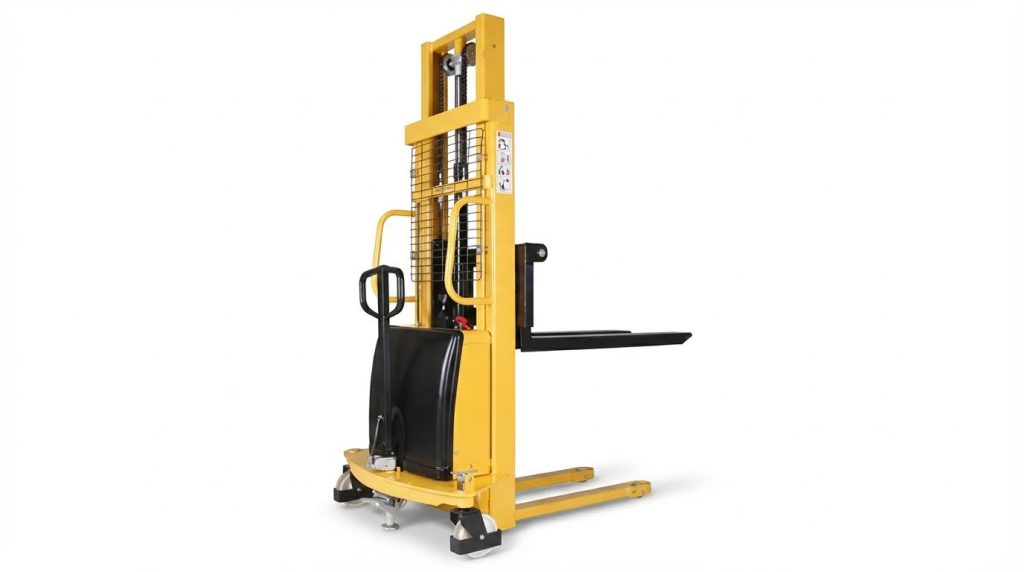
This section explains how to lift pallets safely with forklifts and advanced systems. It links truck choice, racking, and digital tools to stable pallet handling. Engineers and supervisors can use these rules to cut damage, protect workers, and raise throughput while staying within equipment limits.
Forklift Operation, Load Limits, And Attachments
Forklift operators must understand that rated capacity assumes a centered, stable pallet at the standard load center. Always read the nameplate and match pallet weight and load center to that rating before lifting. Overloading or off-center pallets reduce the safety margin and increase tip risk when mast height rises.
To lift pallets correctly, operators should fully insert forks, set fork spacing just inside the outer pallet stringers, and keep the mast slightly tilted back. They must avoid damaged pallets, broken boards, or loose deck boards because these can fail under fork pressure. Smooth acceleration, low travel speed, and wide turns lower dynamic forces on the pallet and racking.
Attachments such as clamps, rotators, or fork positioners change the truck’s effective capacity. Engineers should recalculate capacity with each attachment and update the data plate. Overhead guards, load backrests, and mast tilt limits help keep unstable palletized loads from falling toward the operator during stacking or retrieval.
Integrating Pallet Trucks, Forklifts, And Racking
Good warehouse flow separates tasks by equipment strength. Pallet jacks handle floor-level moves and short runs. Forklifts handle vertical lifting and longer runs. This mix reduces congestion and keeps high-risk maneuvers away from busy pick zones.
When planning how to lift pallets into racking, engineers should coordinate rack beam levels, pallet size, and fork dimensions. Clearances must allow fork entry without striking beams, while still limiting pallet overhang. Typical practice keeps a small gap between pallets and uprights to avoid contact under sway or when braking.
A simple integration plan can use this structure:
- Pallet jacks: dock, staging, and low-level replenishment.
- Counterbalance forklifts: floor storage, bulk moves, trailer loading.
- Reach or VNA trucks: high-bay racking and narrow aisles.
Traffic rules, one-way aisles, and marked transfer points help keep pallet hand‑offs predictable. Floor markings at rack fronts show stop lines and mast lift points so forks enter square to the pallet. This reduces rack strikes and broken boards during entry and exit.
Predictive Maintenance, Batteries, And Energy Use
Predictive maintenance programs watch hours, impacts, and error codes to schedule service before failures occur. This reduces sudden breakdowns while lifting pallets and lowers the risk of stuck loads at height. Vibration, temperature, and hydraulic pressure data can flag worn mast chains, leaking hoses, or failing pumps.
Electric forklifts and pallet trucks depend on well-managed batteries. Lead-acid batteries need full charge cycles, equalization, and water checks. Lithium-ion packs offer faster charging, higher usable depth of discharge, and support for opportunity charging between pallet moves. Choosing the right chemistry affects uptime and charger layout.
To control energy use, planners can:
- Match truck size to typical pallet weight, not rare peak loads.
- Use eco or reduced-speed modes in dense rack areas.
- Rotate trucks between heavy and light tasks to balance battery cycles.
Accurate hour-meter records and charger logs support replacement planning and help compare real energy cost per pallet moved across shifts.
Cobots, Palletizers, Digital Twins, And Atomoving
Cobots and palletizers automate how to lift pallets at case and layer level. Cobots handle mixed-case or low-volume tasks with safe speeds and force limits. High-speed palletizers build uniform loads for downstream forklift handling and reduce manual lifting at heavy depalletizing stations.
Digital twins model forklifts, pallet jacks, racking, and traffic in a virtual warehouse. Engineers test aisle widths, rack heights, and staging layouts before changes go live. They can simulate different pallet patterns, lift heights, and truck mixes to find bottlenecks and collision risks.
Automated pallet movers such as Atomoving work alongside forklifts and pallet jacks. They take over repeat shuttle routes, trailer loading lanes, or long horizontal moves. This frees skilled operators for complex lifts, tight spaces, and exception handling.
Data from cobots, Atomoving units, and forklifts feeds into warehouse systems. Managers can track pallets, lift counts, and near-miss events by location. Over time, this supports better training, refined speed limits, and more accurate rules for safe pallet lifting and storage.
Summary Of Best Practices And Compliance Steps
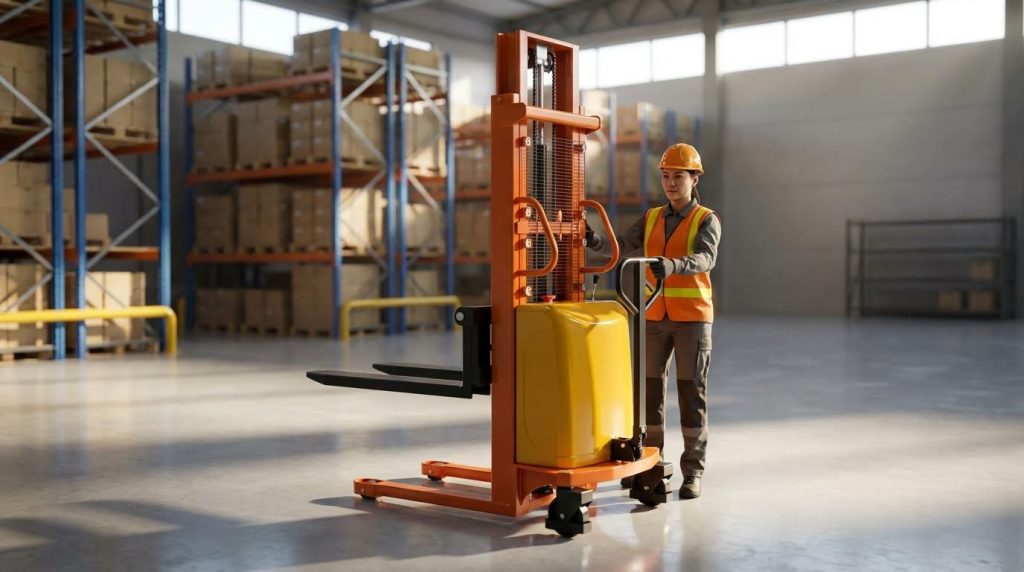
Safe pallet lifting starts with the pallet itself. Keep pallets clean, dry, and free from cracks, loose boards, or exposed nails. Store good pallets off the floor and isolate damaged ones until repair or disposal.
Before lifting any pallet, confirm three limits. Check pallet condition, load weight, and equipment capacity. Center the load on the pallet and keep the heaviest items low. Use shrink wrap, straps, or banding when loads are unstable or contain loose items.
When deciding how to lift pallets, always choose the least manual option. Use pallet jacks, forklifts, hoists, or palletizers instead of pure muscle. Manual lifting should stay within local ergonomic limits and avoid twisting, long reaches, or lifts below knee or above shoulder height.
For pallet jacks and forklifts, insert forks fully, set fork spacing correctly, and lift smoothly. Do not exceed rated capacity. Avoid sharp turns, sudden stops, and travel with raised loads. Keep forks low during travel and maintain clear sight lines.
Warehouse layout should support safe routes,
Frequently Asked Questions
What is the best way to lift a pallet manually?
To lift a pallet manually, start by placing your feet shoulder-width apart for a stable base. Keep your upper back straight and use your legs to lift, avoiding strain on your back. For stacking, you can tip the pallet onto your thighs while maintaining a wide stance and proper posture. Pallet Lifting Guide.
How can I move pallets without using a forklift?
You can move pallets safely using manual tools like pallet jacks, stackers, or carts. These tools allow you to transport heavy pallet loads efficiently without the need for a forklift. Manual Pallet Moving Tips.
What equipment is commonly used to lift pallets in warehouses?
In warehouses, pallets are typically lifted using forklifts, pallet jacks, or stackers. These tools provide the necessary support and lifting power to handle heavy loads safely and efficiently. Always ensure proper training before operating such equipment.