Warehouse picking labor metrics quantified how effectively facilities converted labor hours into shipped order lines. Engineering teams relied on picks per hour and travel distance per order as primary KPIs to diagnose bottlenecks and design improvements. The full article examined how to define and measure these metrics, engineer layouts and slotting to reduce walking, and apply technologies from WMS to AMRs and wearables. It also integrated ergonomic research to show how reducing strain could maintain or increase pick rates without extending cycle times, and concluded with a structured summary of optimization levers for both productivity and worker health.
Core Picking KPIs: Picks Per Hour And Steps Walked
Core labor KPIs in picking quantified how effectively a warehouse converted labor hours into shipped order lines. Engineers used these metrics to diagnose constraints, justify investments, and track continuous improvement outcomes. Picks per hour and travel-related metrics formed the primary lens for evaluating layout, technology, and ergonomic changes in modern facilities.
Defining Picks Per Hour For Engineering Teams
Picks per hour measured how many discrete items or order lines an operator picked and confirmed in one hour. Engineering teams usually defined it as total confirmed picks divided by net picking time, excluding breaks and meetings. They often differentiated between gross picks per paid hour and net picks per active picking hour to avoid misleading comparisons. This KPI captured the combined effect of slotting quality, travel distance, equipment choice, training level, and system support. Advanced operations tracked picks per hour by zone, shift, and picker to detect systematic constraints rather than blaming individual workers.
Measuring Steps, Travel Time, And Distance Per Order
Steps walked and distance per order quantified the travel component that historically consumed about 57% of pick time. Engineers measured travel using pedometers, RFID tags, or WMS travel logs that recorded route segments between picks. They normalized travel as meters per order, meters per line, or seconds of travel per pick to compare zones and methods. Combining travel metrics with picks per hour revealed whether low productivity stemmed from walking, search time, or handling motions. Projects like reslotting, order batching, and cart redesign then targeted travel-heavy portions of the process to cut distance without increasing handling complexity.
Benchmark Ranges For Manual, Assisted, And AMR Picking
Manual cart-based picking in general-purpose warehouses typically achieved modest picks per hour, constrained by walking and search. Assisted systems, such as tow tractors with batch carts or pick-to-light, raised throughput by reducing dead travel and search errors. Published analyses showed that better slotting alone could cut walking distance by 30–50%, which often translated into double-digit percentage gains in picks per hour. Wearable remote-drive solutions for low-level order picking machines saved about five seconds per pick; at 100 picks per hour, that yielded roughly 13 extra picks. Goods-to-person and shelf-to-person AMRs reached far higher benchmarks, with reported systems delivering over 350 picks per hour and handling up to 16 concurrent orders with near-perfect accuracy.
Linking Labor Metrics To Throughput And Unit Cost
Picks per hour directly determined how many order lines a site processed per shift for a given headcount. Engineers translated improvements in picks per hour into annual labor savings using simple models that multiplied time saved per pick by pick volume and wage rates. Travel distance per order fed into the same cost models because reduced walking time lowered labor hours per shipped unit. Studies showed that slotting and layout improvements could cut order picking labor costs by more than 50% while also delaying building expansions through better space utilization. By tying picks per hour and travel metrics to throughput and unit cost, engineering teams built robust ROI cases for WMS upgrades, AMRs, ergonomic equipment, and continuous re-slotting programs.
Engineering The Warehouse For Higher Pick Rates
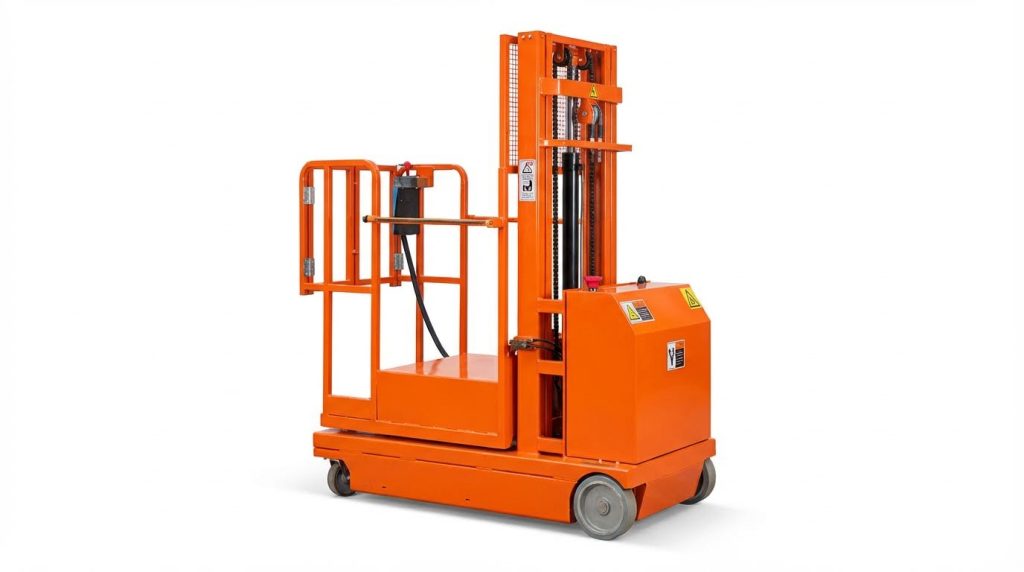
Engineering teams improved pick rates primarily by attacking travel time, which historically accounted for about 57% of pick time. They treated layout, slotting, methods, and equipment as a coupled system, not isolated decisions. The goal was to raise picks per hour without proportionally raising headcount or injury risk, while keeping unit cost and service levels within target ranges.
Slotting Design, ABC Analysis, And Travel Reduction
Engineering-led slotting design relied on accurate data for SKU velocity, cube, and product affinity. Teams typically classified SKUs with an ABC scheme where A-items represented roughly 20% of SKUs but 80% of picks. They placed these A-items in golden zones near packing and at optimal ergonomic heights to cut both travel distance and bending. Case studies reported that strategic slotting reduced order picking labor costs by over 50% and cut walking distance by 30–50%. Quarterly re-slotting, triggered by velocity shifts of about 25% or seasonal changes, maintained these gains over time. Advanced slotting software with heuristic or AI optimization integrated with WMS to propose re-slotting moves automatically. This continuous approach increased throughput per picker without expanding the facility footprint.
Layout, Aisle Design, And Pick Path Optimization
Warehouse layout decisions directly influenced steps walked per order and achievable picks per hour. Engineers analyzed heat maps of travel paths and placed high-velocity SKUs close to induction and packing to shorten average pick paths. They used one-way aisle patterns and clearly defined main arteries to reduce congestion and deadheading. Straight, unobstructed aisles supported more efficient Z-shaped or serpentine pick paths instead of inefficient U-shaped patterns. Reslotting during low-activity windows based on ABC analysis further aligned layout with actual demand patterns. Value Stream Mapping helped identify non-value-adding travel and informed reconfiguration of storage zones, cross-dock areas, and fast-pick zones.
Picking Methods: Wave, Batch, Zone, And Goods-To-Person
Choosing the right picking method was a major lever for pick rate improvement. Wave picking grouped orders by carrier cut-off, shipping zone, or SKU profile, which stabilized workload during peak periods. Batch picking combined multiple smaller orders into a single route, reducing travel per order and fitting well with medium-demand profiles. Zone picking assigned workers to defined areas and often used handoffs or conveyor transfer; this reduced cross-traffic and benefited from custom platform trucks and tugger carts for inter-zone movement. Goods-to-person and shelf-to-person AMR systems eliminated most walking by bringing racks or totes to operators. Vendors reported 350+ picks per hour and up to 10× more orders per day with such systems. Engineers typically piloted mixed strategies, such as batch picking in manual zones and goods-to-person for A-items, to balance capex with throughput needs.
Material Handling Equipment And Cart Design Impacts
Material handling equipment selection significantly affected both labor productivity and ergonomic load. Custom platform trucks and tugger carts allowed pickers to move larger consolidated loads, reducing the number of trips per wave or batch. Order picker carts with adjustable shelves and secure compartments kept SKUs organized, which cut search time and mis-picks. Integration with pick-to-light or mobile terminals on carts further shortened confirmation and labeling steps. In zone and batch picking setups, well-sized tugger trains supported efficient milk runs between zones and packing, smoothing flow. Engineers also specified safety features such as reliable brakes and non-slip platforms to enable higher working speeds without increasing incident rates. Over time, these equipment decisions translated into measurable gains in picks per hour and lower travel distance per order.
Technology, Automation, And Ergonomics In Picking
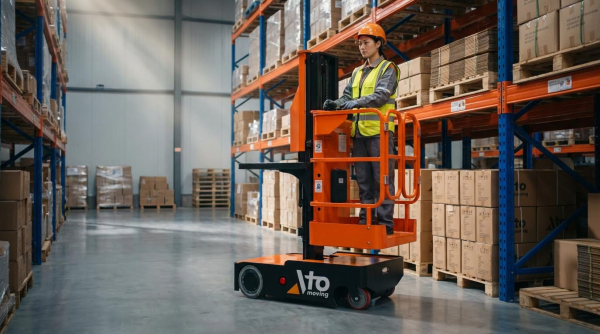
WMS, Slotting Software, And Real-Time Tracking
Warehouse Management Systems (WMS) coordinated inventory, orders, and picking tasks in a single digital layer. Engineers used WMS data to monitor picks per hour, travel distance per order, and order accuracy in real time. Advanced slotting software extended basic WMS logic by incorporating velocity, cube dimensions, and product affinity, then applying heuristic or AI optimization. These tools proposed re-slotting moves that reduced walking distance by approximately 30–50%, which directly lowered labor hours per order.
Engineering teams configured ABC classification so that A‑items, often 20% of SKUs and 80% of picks, sat closest to packing and main travel corridors. B and C items occupied progressively less accessible locations, balancing travel time against storage density. Real-time tracking through RF scanners, tablets, or sensors provided continuous visibility of picker progress and route adherence. Supervisors analyzed deviations and bottlenecks quickly, then adjusted slotting, staffing, or pick methods without waiting for end-of-day reports.
Performance dashboards linked WMS and slotting outputs to KPIs, including picks per hour, lines per hour, and space utilization. Engineers could simulate slotting scenarios and estimate ROI using formulas based on annual labor savings versus project cost. Quarterly slotting reviews, triggered by 25% or greater shifts in SKU velocity or seasonal changes, kept layouts aligned with actual demand. This closed-loop approach prevented “set it and forget it” slotting, which had historically degraded pick rates and increased travel over time.
AMRs, Conveyors, And Person-To-Goods Systems
Autonomous Mobile Robots (AMRs) and goods-to-person systems restructured picking by shifting travel from people to machines. Shelf-to-person AMRs transported entire shelving units to static pick stations, enabling over 350 picks per hour with reported accuracy near 99.99%. These systems often supported simultaneous picking for up to 16 orders, which significantly increased order lines processed per labor hour. Pallet-to-person AMRs moved payloads up to approximately 2 000 kg, removing forklift bottlenecks and decoupling transport from picking.
Conveyor systems, particularly modular belt or roller conveyors, created continuous flow between picking, consolidation, and packing zones. Engineers placed high-velocity SKUs adjacent to conveyor interfaces to shorten manual carry distances. Integrating AMRs with conveyors allowed dynamic buffering and sequencing of totes or cartons, improving upstream and downstream synchronization. This combination reduced non-value-adding walking and waiting, which earlier studies had shown accounted for roughly 57% of total pick time.
Person-to-goods designs required careful capacity and redundancy planning. Engineers sized the number of robots, stations, and conveyor segments to meet peak-hour demand without excessive queuing. They validated throughput using discrete-event simulations and compared results against manual or pallet-jack-based baselines. Space efficiency gains, on the order of 20% in some deployments, delayed building expansions and improved storage density without sacrificing accessibility.
Wearables, Pick-To-Light, And Voice-Directed Picking
Wearable technologies, such as remote forklift controls and wrist-mounted scanners, reduced micro-delays in repetitive tasks. One analysis showed that saving five seconds per pick could raise output by about 13 picks per hour for an operator performing 100 picks per hour. Remote drive features changed forklift movement from a U-shaped pattern with frequent mount and dismount cycles to a more efficient Z-shaped pattern. This cut unproductive repositioning and lowered physical strain associated with climbing on and off equipment.
Pick-to-light and put-to-light systems used light modules and numeric displays to indicate pick locations and quantities in high-turnover zones. These systems minimized search time and reading errors, which improved both speed and accuracy. Voice-directed picking guided operators through headsets, leaving hands and eyes free for handling tasks. Engineers tuned voice workflows to local language, noise levels, and task sequences to avoid cognitive overload.
Combining wearables with light or voice technologies produced complementary gains. For example, voice-directed instructions paired with ring scanners shortened scan-confirm steps and reduced mis-picks. Modular conveyors or carts then removed the need to carry loads over long distances. Project teams evaluated payback using labor savings, error reduction, and avoided overtime, often obtaining favorable ROI with relatively modest capital investment compared to full automation.
Ergonomic Design To Cut Fatigue And Maintain Output
Summary: Optimizing Picking Labor And Travel Metrics
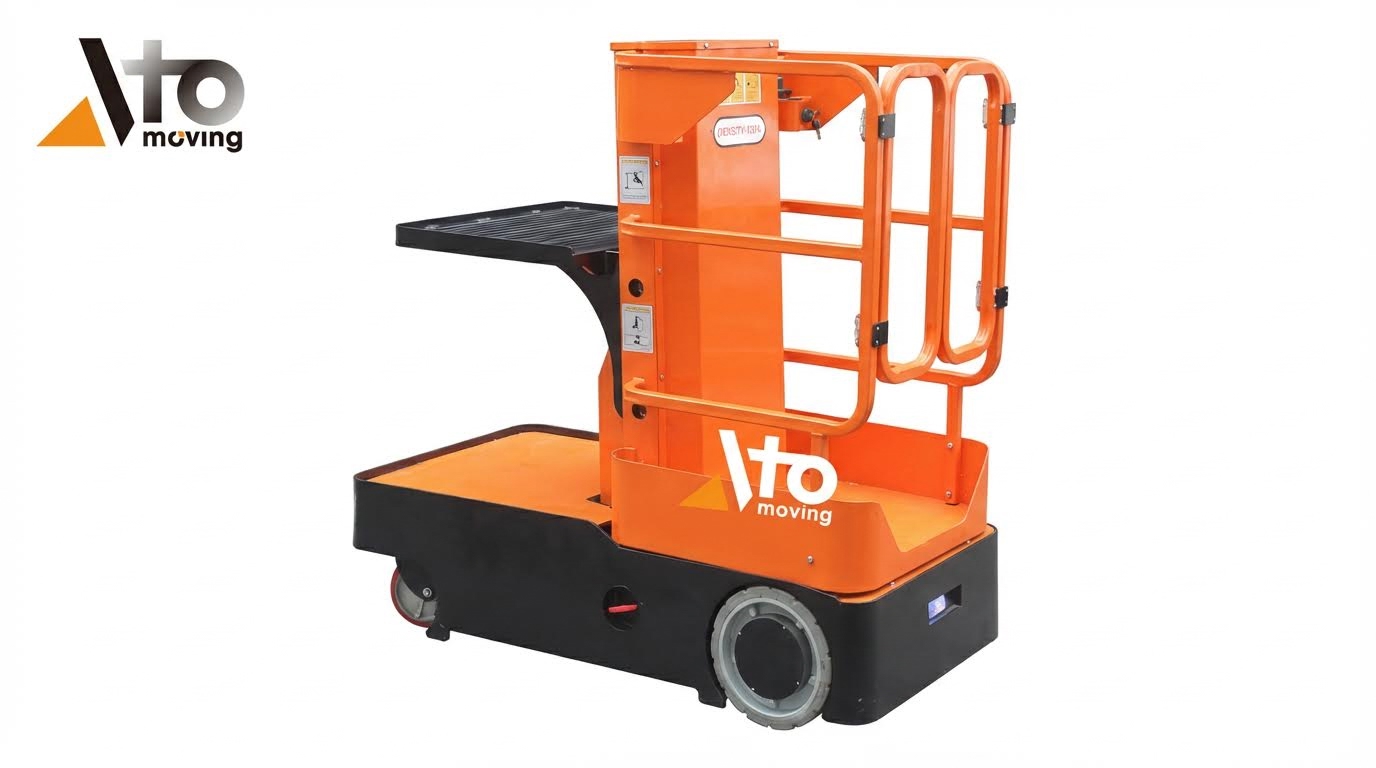
Engineering teams used picks per hour and travel distance per order as primary levers for warehouse productivity. Evidence from slotting studies showed that optimized storage assignments cut walking distance by 30–50% and reduced picking labor cost by more than 50%. Travel historically represented about 57% of total pick time, so redesigning layouts, pick paths, and methods delivered disproportionate gains. Modern KPIs therefore combined picks per hour, travel distance per order, order picking machines, and space utilization into a single performance picture.
Technology and automation reshaped feasible benchmarks. Goods-to-person and shelf-to-person AMRs reached 350 or more picks per hour with 99.99% accuracy and enabled simultaneous multi-order picking. Integrated WMS, advanced slotting software, and real-time tracking used velocity, cube, and product affinity data to continuously reslot inventory and maintain high pick rates across seasons. Wearables, pick-to-light, voice systems, and modular conveyors incrementally removed seconds from each pick, stacking into double-digit percentage productivity improvements and strong ROI.
Ergonomics research demonstrated that it was possible to maintain cycle time while lowering biomechanical load and perceived exertion. Ergonomic storage assignment algorithms, low step-in equipment, remote drive functions, and height-adjustable workstations reduced musculoskeletal risk without sacrificing throughput. The industry trend moved toward integrated design: combining layout, slotting, equipment, automation, and ergonomic principles under continuous improvement frameworks. Practically, this required disciplined data collection, quarterly slotting reviews, worker feedback loops, and staged investments, starting with low-capex technologies and progressing to AMR-based goods-to-person solutions as volumes justified.