Ce guide explique comment charger les batteries des transpalettes électriques en toute sécurité, étape par étape, tout en protégeant les personnes, les équipements et la durée de vie des batteries. Vous découvrirez les différences entre les batteries au plomb et au lithium-ion, les configurations de charge conformes aux normes OSHA et les bonnes pratiques pour prolonger la durée de vie des batteries et réduire les temps d'arrêt.
Nous nous concentrons sur les conditions réelles d'un entrepôt : allées étroites, flottes mixtes et longues journées de travail. Utilisez ce guide pratique pour concevoir des zones de recharge conformes, former les opérateurs et standardiser des programmes de recharge sûrs et efficaces dans votre établissement.

Principes fondamentaux de la charge des batteries des Walkie Stackers
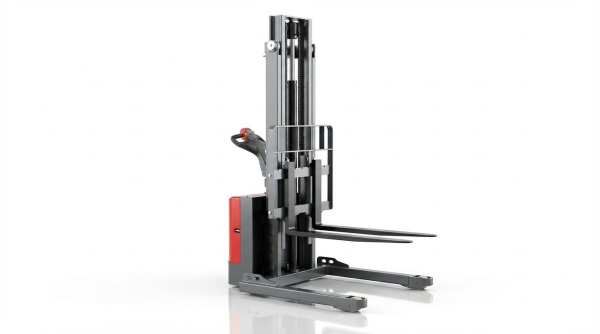
Les principes de base pour charger les batteries des terminaux portables reposent sur l'utilisation d'un chargeur adapté à la chimie de la batterie, le contrôle de la température et le respect strict des normes de sécurité OSHA relatives aux zones de charge. Le respect de ces principes fondamentaux permet d'éviter les incendies, la corrosion et les défaillances prématurées des batteries.
- La chimie d'abord : Gerbeurs à pied utiliser des batteries au plomb-acide ou au lithium-ion – Chaque appareil nécessite un chargeur dédié et compatible afin d'éviter tout dommage ou danger.
- L'environnement est important : Une recharge sûre nécessite une température contrôlée, une ventilation adéquate et un zonage clair. Cela protège les personnes et le matériel.
- Des normes s'appliquent : Les règles de l'OSHA définissent l'aménagement, les EPI et les équipements d'urgence – La conformité réduit les risques juridiques et sécuritaires.
Batteries au plomb-acide ou lithium-ion dans les gerbeurs portables
Les batteries au plomb et au lithium-ion des transpalettes électriques se chargent de manière très différente. La méthode de charge dépend donc avant tout du type de batterie utilisé. Un chargeur ou une méthode inadaptée réduit leur durée de vie et peut engendrer de graves problèmes de sécurité.
| Aspect | Batterie de traction au plomb-acide | Batterie de traction lithium-ion | Impact opérationnel |
|---|---|---|---|
| Utilisation typique dans les gerbeurs à conducteur marchant | Très courant, inondé ou scellé | De plus en plus utilisé, coût plus élevé | Les batteries au plomb conviennent aux applications standard ; les batteries lithium-ion conviennent aux sites à haut débit fonctionnant en plusieurs équipes. |
| Type de chargeur requis | Profil de charge spécifique aux batteries au plomb-acide, 2.4–2.45 V/élément (profil de charge au plomb-acide) | Profil CC-CV spécifique aux ions Li, ~3.65 V/cellule (lithium CC‑CV) | Les chargeurs ne sont pas interchangeables ; une incompatibilité risque de provoquer une panne ou un incendie. |
| Quand commencer la charge | Il reste environ 20 à 30 % de capacité pour éviter les décharges profondes et la sulfatation. (20–30 % SOC) | Des charges partielles comprises entre environ 20 et 80 % de l'état de charge sont préférables pour une longue durée de vie. (20–80 % SOC) | Les batteries au plomb-acide fonctionnent de manière optimale avec des cycles de charge/décharge complets ; les batteries au lithium prennent en charge la charge d'opportunité. |
| Besoins de ventilation | Niveau élevé – dégage de l'hydrogène ; nécessite un espace bien ventilé. (risque lié à l'hydrogène) | Niveau inférieur – dégagement de gaz minimal, mais nécessite toujours une ventilation générale. (conseils de ventilation) | Les locaux contenant des produits au plomb-acide doivent être conçus comme des zones à risque de gaz ; le lithium peut souvent être transporté dans l’air ambiant de l’entrepôt. |
| Arrosage / soins électrolytiques | Les cellules inondées nécessitent un appoint d'eau après charge avec de l'eau distillée. (contrôles de l'eau) | Pas d'arrosage ; sachets scellés gérés par BMS | Les batteries au plomb nécessitent un entretien régulier ; les batteries au lithium réduisent les interventions de maintenance de routine. |
| Égalisation | Nécessite des charges d'égalisation périodiques tous les 5 à 10 cycles pour corriger la stratification. (égalisation) | Généralement géré par le BMS ; aucune égalisation manuelle | Les parcs de batteries au plomb-acide nécessitent des fenêtres d'égalisation planifiées ; le lithium simplifie la planification. |
| Limites de température pour la charge | Fonctionne de manière optimale entre 10 et 30 °C environ ; le froid allonge le temps de charge jusqu'à 30 %. (impact de la température) | Ne pas charger en dessous de 0 °C ; la capacité de charge peut chuter de 60 % et un dépôt de lithium risque d’apparaître. (risque négatif) | Les entrepôts frigorifiques ont besoin de systèmes de chauffage ou de pièces chauffées, notamment pour les flottes de véhicules contenant des batteries au lithium. |
| tâches d'entretien typiques | Vérifier et nettoyer les bornes, inspecter les câbles, faire l'appoint d'eau, programmer l'égalisation (entretien) | Surveillance des données du BMS, mise à jour du firmware, contrôles périodiques de l'équilibrage des cellules (Maintenance des batteries Li-ion) | Les batteries au plomb-acide nécessitent davantage de travail pratique ; les batteries au lithium nécessitent davantage de diagnostics. |
| Priorité à la sécurité pendant la charge | Gaz hydrogène, projection d'acide sulfurique, surchauffe, débordement d'électrolyte (Dangers de l'OSHA) | Risque d'emballement thermique, profil de charge correct, alarmes du BMS (Sécurité des batteries lithium-ion) | Batteries au plomb-acide : équipement de protection individuelle (EPI) robuste et plans de lutte contre les déversements ; batteries au lithium : surveillance et contrôle des chargeurs rigoureux |
- Toujours utiliser des produits chimiques et des chargeurs compatibles : Utilisez uniquement des chargeurs étiquetés pour le type et la tension de votre batterie – Cela empêche la surtension, la sulfatation ou le verrouillage du BMS.
- Fenêtres de charge planifiées par chimie : Les batteries au plomb-acide préfèrent des charges complètes et ininterrompues ; les batteries au lithium tolèrent des recharges plus fréquentes. Cela a une incidence sur la planification des horaires.
- Respectez les limites de température : Maintenez la charge entre 10 et 30 °C environ. Cela protège les plaques et les cellules contre les dommages permanents.
Comment le choix de la chimie influence votre programme de charge
Les parcs de batteries au plomb fonctionnent généralement selon le principe « un poste, une charge complète », avec égalisation et appoint d'eau programmés. Les parcs de batteries au lithium peuvent effectuer des recharges d'opportunité pendant les pauses, mais nécessitent des règles claires pour éviter les recharges superficielles répétées entre 0 et 20 % de l'état de charge, qui endommagent les cellules.
💡 Note du technicien : Dans les parcs de batteries mixtes, j’insiste toujours pour que les chargeurs pour batteries au plomb et au lithium soient physiquement séparés et que des connecteurs différents soient utilisés. Ce simple choix d’agencement a permis d’éviter d’innombrables erreurs de chargeur qui auraient endommagé les batteries ou déclenché les protections du système de gestion de batterie (BMS).
Normes OSHA et de sécurité pour les zones de recharge
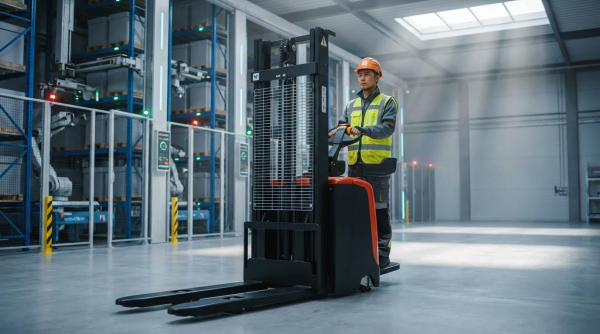
Les normes de sécurité de l'OSHA et les normes connexes définissent la procédure de charge sécuritaire des batteries des transpalettes électriques en précisant l'aménagement de la zone de charge, la ventilation, les EPI et les équipements d'urgence. La zone de charge doit être considérée comme un espace de travail chimique et électrique contrôlé, et non comme un simple emplacement de stationnement.
| Domaine requis | Principales attentes de l'OSHA en matière de sécurité | Impact opérationnel de la recharge des gerbeurs portables | ||||||||||||||||||||||||||||||||||||||||||||||||||||||||||||||||||||||||||||||||||
|---|---|---|---|---|---|---|---|---|---|---|---|---|---|---|---|---|---|---|---|---|---|---|---|---|---|---|---|---|---|---|---|---|---|---|---|---|---|---|---|---|---|---|---|---|---|---|---|---|---|---|---|---|---|---|---|---|---|---|---|---|---|---|---|---|---|---|---|---|---|---|---|---|---|---|---|---|---|---|---|---|---|---|---|---|
| Zone de recharge désignée | Utilisez une zone dédiée, clairement délimitée, à accès restreint et dotée d'un revêtement de sol non conducteur et résistant aux acides. (zones de recharge) | Empêche les piétons et les autres camions de heurter les chargeurs ou les câbles ; simplifie la surveillance et les inspections. | ||||||||||||||||||||||||||||||||||||||||||||||||||||||||||||||||||||||||||||||||||
| Signalisation et règles d'interdiction de fumer | Afficher des panneaux « Interdiction de fumer » et des avertissements de danger à proximité des zones de recharge des batteries (exigences en matière de signalisation) | Réduit le risque d'inflammation en présence d'hydrogène. | ||||||||||||||||||||||||||||||||||||||||||||||||||||||||||||||||||||||||||||||||||
| Ventilation et contrôle de l'hydrogène | Assurez une ventilation adéquate pour éviter l'accumulation d'hydrogène provenant de la charge des batteries au plomb-acide. (accumulation d'hydrogène)Les recommandations suggèrent un débit d'air permettant de maintenir la concentration d'hydrogène bien en dessous du seuil d'explosivité de 4 %, par exemple autour de 50 CFM dans certains documents de bonnes pratiques. (contrôle de la ventilation). | Prévient les atmosphères explosives ; cela implique souvent des ventilateurs d'extraction en hauteur et d'éviter la recirculation dans les zones occupées. | ||||||||||||||||||||||||||||||||||||||||||||||||||||||||||||||||||||||||||||||||||
| Protection des chargeurs et des équipements | L'appareil de charge doit être protégé contre les dommages physiques causés par les camions ou autres véhicules. (protection des appareils) | Souvent mis en œuvre avec des bornes et des butées de roues, donc gerbeurs à conducteur marchant Ne pas heurter les chargeurs ni les racks. | ||||||||||||||||||||||||||||||||||||||||||||||||||||||||||||||||||||||||||||||||||
| Stationnement et coupure de courant avant la charge | Les camions doivent être stationnés avec les freins serrés et l'alimentation électrique coupée avant de brancher les chargeurs. (règles de stationnement) | Empêche les mouvements involontaires et réduit le risque d'arc électrique lors du branchement ou du débranchement des câbles. | ||||||||||||||||||||||||||||||||||||||||||||||||||||||||||||||||||||||||||||||||||
| Équipement de protection individuelle pour la manipulation des batteries | Utilisez des écrans faciaux ou des lunettes de protection, des gants en néoprène ou en caoutchouc et des tabliers lors de la manipulation de batteries ou d'électrolyte. (Consignes relatives aux EPI)Les lave-yeux et les douches de sécurité doivent se trouver à environ 7.6 m de la zone de recharge et avoir un débit de 15 minutes. (emplacement du lave-yeux). | Garantit une réaction immédiate aux projections d'acide ; les EPI doivent être stockés sur le lieu d'utilisation, et non dans une armoire éloignée. | ||||||||||||||||||||||||||||||||||||||||||||||||||||||||||||||||||||||||||||||||||
| Intervention d'urgence et contrôle des déversements | Prévoir une quantité suffisante d'eau pour le rinçage, une station de lavage oculaire, des matériaux neutralisants comme le carbonate de sodium et des extincteurs appropriés (à poudre chimique, à CO₂ ou à mousse). (dispositions d'urgence)Neutralisez les déversements d'acide sulfurique avec du carbonate de sodium ou du bicarbonate de soude, puis absorbez et éliminez-les correctement. (gestion des déversements). | Les opérateurs peuvent ainsi gérer immédiatement les déversements et les éclaboussures mineurs, réduisant la gravité des blessures et les temps d'arrêt. | ||||||||||||||||||||||||||||||||||||||||||||||||||||||||||||||||||||||||||||||||||
| Sécurité et raccordements électriques | Assurez-vous que les bouchons de ventilation sont en place, connectez les câbles en respectant la polarité et isolez les pinces du châssis du camion. Arrêtez la charge si les batteries surchauffent ou si de l'électrolyte s'échappe, puis reprenez-la à un courant plus faible. Procédures de charge sécurisées étape par étape
Cette section décrit une procédure claire et pratique pour charger en toute sécurité les batteries des transpalettes électriques , depuis les vérifications préalables jusqu'à l'entretien et l'égalisation après charge. Suivez chaque étape pour maîtriser les risques d'incendie, d'explosion et de fuite d'acide, tout en optimisant la durée de vie des batteries.
Étapes d’inspection préalable et de verrouillageCette étape explique comment préparer le transpalette électrique, la batterie et la zone de charge avant toute mise sous tension. Correctement réalisée, elle prévient les arcs électriques, les risques de contamination acide et les dommages aux chargeurs ou aux chariots élévateurs.
Liste de vérification pour verrouillage rapide / précharge
Connexion, tarifs de recharge et fin de rechargeCette étape explique comment connecter physiquement le chargeur, régler le courant de charge et savoir quand l'arrêter. Suivre cette procédure est essentiel pour charger les batteries des chargeurs portables de manière sûre et fiable.
Les batteries lithium-ion ne dégagent pas d'hydrogène en utilisation normale ; une ventilation générale suffit donc généralement. Toutefois, il est indispensable de prévoir une zone dédiée, une protection contre les chocs et une bonne gestion des câbles. La surveillance thermique est cruciale, car une charge à une température inférieure à 0 °C réduit la capacité de charge et risque de provoquer un plaquage, tandis que les températures de charge optimales se situent entre 10 et 30 °C. Les recommandations du secteur insistent sur la gestion de la température et les systèmes thermiques pour les batteries lithium-ion. 💡 Note du technicien de terrain : Dans les entrepôts réels, le « coin à problèmes » est souvent l’endroit où l’on installe des chargeurs supplémentaires sans ventilation. Si vous sentez une odeur d’œuf pourri (soufre) ou si vous constatez de la condensation sur l’acier à proximité, votre système de contrôle des brouillards d’hydrogène et d’acide est déjà défaillant ; repensez l’agencement avant d’ajouter un autre chargeur. Équipements de protection individuelle (EPI), intervention en cas de déversement et équipements d'urgence
En cas de déversement d'acide sulfurique, il est recommandé de neutraliser avec du carbonate de sodium ou du bicarbonate de soude à raison d'environ 0.45 kg pour 3.8 L d'eau, d'attendre la fin de l'effervescence, puis de vérifier que le pH se situe entre 6 et 8 avant d'absorber avec de l'argile ou un absorbant similaire. L'OSHA détaille également les mesures d'urgence à prendre en cas de contact avec les yeux, la peau ou en cas d'ingestion, notamment le rinçage abondant pendant 15 minutes et une prise en charge médicale immédiate. 💡 Note de l'ingénieur de terrain : Le moyen le plus rapide de tester votre programme est un exercice : chronométrez le temps nécessaire à un opérateur non équipé d'un dispositif de sécurité pour atteindre la douche oculaire, guidé par un observateur. Si le temps dépasse quelques secondes ou si le trajet traverse des palettes, votre installation n'est pas prête pour une utilisation intensive. Maintenance, surveillance et optimisation de la durée de vie de la batterie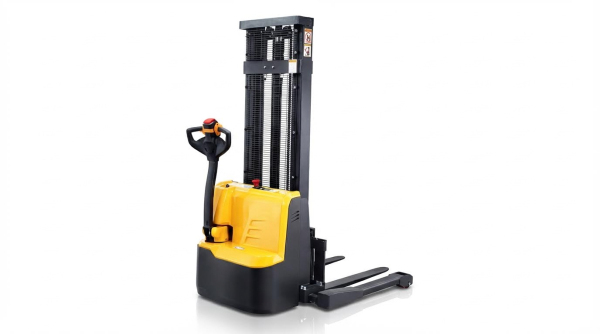
Pour les chargeurs portables à batterie lithium-ion , un guide industriel recommande une charge à courant constant et tension constante, avec une tension de fin de charge d'environ 3.65 V par cellule. Il est conseillé d'éviter les charges en dessous de 0 °C et de privilégier les charges partielles de 20 à 80 % afin d'optimiser la durée de vie des batteries. La même source indique que la charge rapide est possible avec des chargeurs compatibles, mais qu'elle nécessite une gestion et une surveillance thermiques optimales. 💡 Note du technicien de terrain : Si vos transpalettes électriques tombent systématiquement en panne en milieu de poste, ne vous contentez pas d’ajouter des chargeurs. Consultez les relevés de tension et vérifiez la fréquence à laquelle les chariots sont remis en service avec une charge de 70 à 80 %. Une sous-charge chronique endommage silencieusement les batteries au plomb-acide des années avant leur fin de vie. ""
|