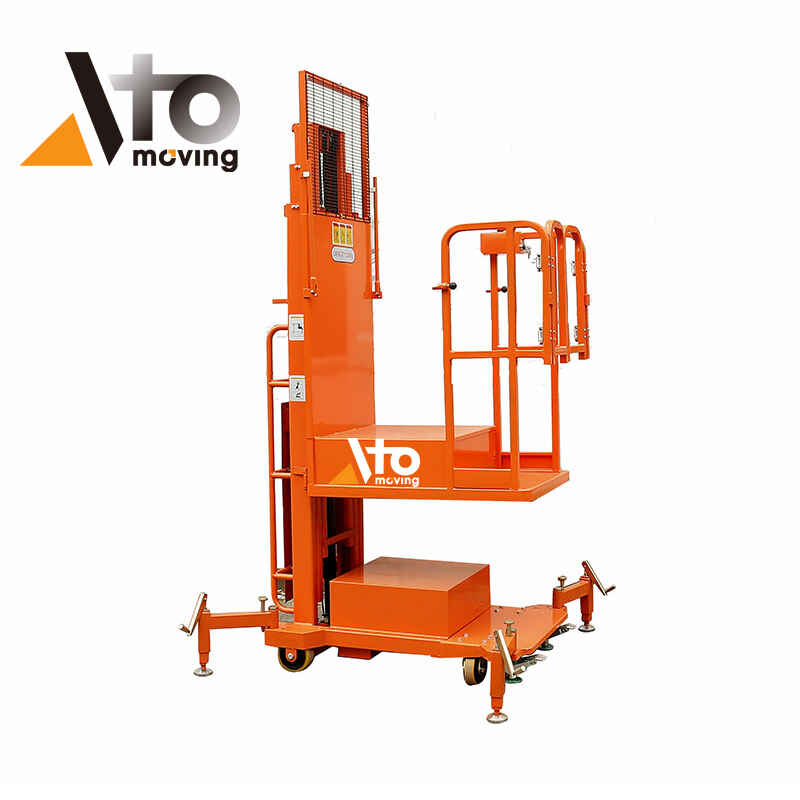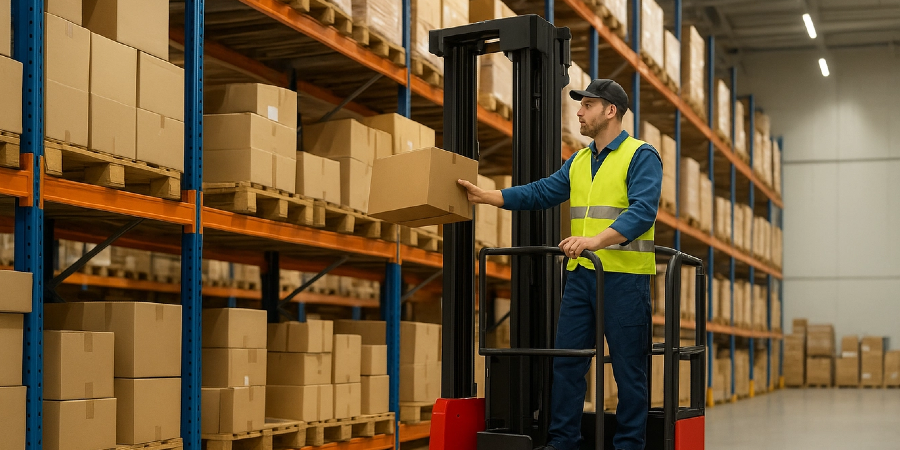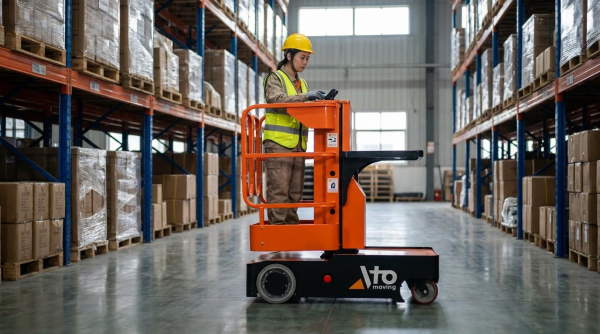
Le attrezzature per il prelievo degli ordini determinano la velocità, la precisione e la sicurezza con cui il magazzino può movimentare gli articoli dagli scaffali alla spedizione. Questa guida illustra le diverse opzioni, dai semplici transpallet manuali ai carrelli elevatori ad alta quota e ai sistemi completamente automatizzati, utilizzando dati reali su prestazioni, altezza e sicurezza per supportare decisioni di livello ingegneristico.
Metodi di prelievo ordini e tipi di attrezzature principali
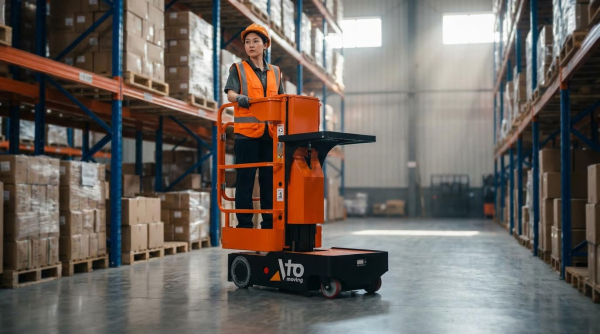
Questa sezione spiega come le diverse tipologie di attrezzature per il prelievo degli ordini, dai semplici carrelli alle macchine più complesse, influenzino la distanza percorsa, la velocità di prelievo e la sicurezza nel magazzino. Utilizzatela per individuare il metodo più adatto al vostro profilo SKU e alla configurazione del magazzino.
In linea generale, i carrelli manuali e i transpallet sono adatti ad operazioni a basso volume e con investimenti limitati, mentre i commissionatori a basso, medio e alto livello consentono di sfruttare lo spazio verticale e di aumentare la produttività negli scaffali. Comprendere i punti di forza e i limiti di ciascuna categoria è il primo passo prima di valutare l'automazione.
Carrelli manuali, carrelli elevatori e transpallet
Carrelli manuali, transpallet e carrelli elevatori sono le attrezzature di base per il prelievo degli ordini, adatte a brevi distanze e carichi da leggeri a moderati. Mantengono bassi i costi di investimento, ma limitano la produttività e comportano maggiori rischi ergonomici all'aumentare dei volumi.
Nella maggior parte dei magazzini, questi strumenti supportano le operazioni di prelievo di base a livello del pavimento: gli operatori percorrono le corsie, spingono o tirano un carrello e consolidano più ordini. Sono semplici, flessibili e tolleranti con linee di prodotti miste, ma il tempo impiegato per gli spostamenti diventa rapidamente la parte preponderante del turno man mano che aumentano le code di ordini.
| Tipo di apparecchiatura | Carico/Capacità tipici | Altezza di lavoro ottimale | Prelievi tipici / Ora | Impatto operativo |
|---|---|---|---|---|
| Carrello/carrello per prelievo manuale | Fino a circa 200 kg per carrello, a seconda del modello. (riferimento alla piattaforma per impieghi leggeri) | Dal livello del pavimento fino a circa 1,500 mm (altezza dello scaffale raggiungibile a mano) | Circa 60-100 prelievi/ora nelle operazioni tipiche (gamma manuale) | Investimento ridotto, ma si trascorre molto tempo camminando; ideale per magazzini piccoli e semplici. |
| Transpallet manuale (carrello elevatore a mano) | Tipicamente carichi su pallet di 1,500-2,500 kg (trasporto, non prelievo ergonomico) | Solo posizioni pallet a livello del pavimento | Simili 60-100 prelievi/ora se utilizzati per il prelievo di casse a livello del pavimento | Ideale per movimentazioni di grandi quantità di merce e prelievo di colli a livello del pavimento; non adatto per scaffali alti. |
Poiché l'operatore percorre a piedi ogni metro del percorso, questi metodi presentano intrinsecamente dei limiti in termini di produttività. Alcuni studi hanno dimostrato che la raccolta manuale dei prodotti tramite carrello richiede circa 17 minuti e 35 secondi e 621 passi per un'attività rappresentativa, mentre i flussi di lavoro assistiti da robot mobili autonomi (AMR) riducono questi tempi a 10 minuti e 59 secondi e 276 passi, dimezzando la distanza percorsa e il tempo impiegato per ogni attività (confronto tra metodo manuale e AMR).
- Carrelli manuali: Piattaforme semplici ed economiche – Ideale per percorsi brevi, numero ridotto di articoli e prodotti leggeri.
- Transpallet: Transpallet a livello del pavimento – Efficiente per movimentare grandi quantità di pallet o casse, ma richiede di piegarsi e torcersi per prelevare gli articoli.
- Ergonomia: Frequenti piegamenti e lunghe distanze percorse a piedi – Aumento della fatica e del rischio di infortuni dovuti a turni di lavoro multipli.
- Scalabilità: Aggiungere più lavoratori, non aumentare la velocità – I costi del lavoro aumentano linearmente con il volume.
- Precisione: In genere circa il 95% per i processi manuali – Costi di errore e di reso più elevati rispetto ai metodi automatizzati. (riferimento di precisione)
Quando l'utilizzo di attrezzature manuali per il prelievo degli ordini è ancora una scelta sensata
I carrelli manuali e i transpallet rimangono la soluzione ideale quando i volumi di ordini giornalieri sono bassi, le distanze da percorrere sono brevi e le scaffalature sono limitate a un'altezza di 2-3 metri. Sono inoltre una valida soluzione stagionale o di riserva quando è necessario aumentare la capacità di stoccaggio senza ingenti investimenti.
💡 Nota dell'ingegnere sul campo: se si superano costantemente le 100 operazioni di prelievo all'ora per operatore o se il percorso medio di percorrenza supera i 150-200 metri per lotto, i carrelli manuali diventano un collo di bottiglia. A quel punto, la fisica del tempo di percorrenza e delle forze di spinta/trazione inizia a prevalere sul costo per ordine, e si dovrebbe valutare l'utilizzo di attrezzature motorizzate per il prelievo di ordini a basso livello o il supporto di robot mobili autonomi (AMR).
Addetti al prelievo ordini di basso, medio e alto livello
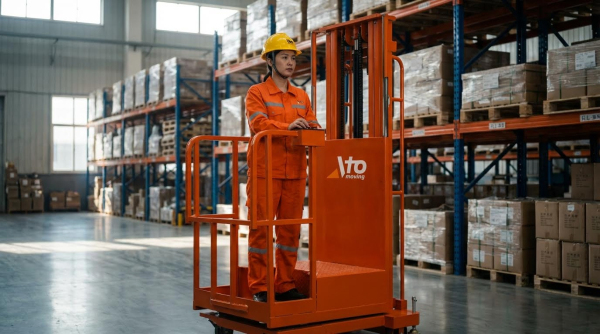
Le macchine per il prelievo degli ordini sono macchine motorizzate che sollevano l'operatore, il carico o entrambi per prelevare direttamente dagli scaffali, riducendo drasticamente gli spostamenti a piedi e liberando lo spazio di stoccaggio verticale. Rappresentano l'attrezzatura meccanizzata principale per il prelievo degli ordini nella maggior parte dei moderni centri di distribuzione.
Rispetto ai carrelli manuali, questi carrelli sostituiscono lo spostamento a piedi dell'operatore con la movimentazione motorizzata e il sollevamento verticale. Questa innovazione consente di utilizzare corridoi più stretti, scaffali più alti e un maggior numero di prelievi all'ora per operatore, soprattutto se abbinati a un sistema di gestione del magazzino.
| Classe di addetti al prelievo ordini | Altezza tipica dell'ascensore/piattaforma | gamma di capacità | Larghezza tipica del corridoio / Passo | Impatto operativo |
|---|---|---|---|---|
| Commissionatore di basso livello | Fino a circa 1,000–1,200 mm per la piattaforma dell'operatore e le forche (primo/secondo livello) | In genere fino a circa 1,000-1,250 kg per pallet, a seconda del modello. (riferimento di capacità) | Adatto a corridoi stretti; passo compatto di circa 1.6 m per layout ad alta densità (passo compatto) | Spostamento orizzontale rapido a livello del suolo; ideale per il prelievo di grandi volumi di colli ai livelli inferiori degli scaffali. |
| Addetto al prelievo ordini di livello intermedio | Altezze di sollevamento di circa 8.25–9.85 m per le postazioni di prelievo, a seconda della classe di tensione. (specifiche di livello medio/alto) | Capacità di carico fino a circa 1,250 kg nei modelli per impieghi gravosi (riferimento di capacità) | Corridoi stretti guidati da cavi o binari; larghezza del corridoio ridotta al minimo grazie a sistemi di guida. (riferimento guida) | Consente di gestire più livelli di scaffalatura senza bisogno di apparecchiature aggiuntive; rappresenta un buon compromesso tra altezza e tempo di ciclo. |
| Commissionatore di alto livello | Altezze delle piattaforme da circa 3,620 mm fino a 9,465 mm; altezze di sollevamento fino a 9,600 mm e oltre (intervallo di altezza) e fino a circa 12.1 m su alcuni modelli per impieghi gravosi (Riferimento 12.1 m) | Tipicamente carichi da 1,000 a 1,250 kg (gamma di capacità) | Corridoi molto stretti con guida a filo o su rotaia; layout ottimizzato per lo stoccaggio ad alta densità. (riferimento guida) | Massimizza lo spazio verticale; supporta scaffalature dense e multilivello e un'elevata densità di prelievo per metro quadrato. |
I commissionatori di livello medio e alto sono progettati per garantire un'elevata produttività e un basso costo per prelievo. I modelli per carichi pesanti a 48 V raggiungono postazioni di prelievo fino a circa 12.1 m con una capacità di circa 1,250 kg, mentre le varianti a 24 V raggiungono circa 9.85 m con valori di carico (tensione e altezza) simili . Ciò consente di convertire lo spazio verticale inutilizzato in postazioni di prelievo attive, anziché ampliare l'ingombro dell'edificio.
- Sistemi di trasmissione a basso consumo energetico: Motori di azionamento e di sollevamento a corrente alternata più frenatura rigenerativa – Aumento dell'autonomia e riduzione dell'usura meccanica rispetto ai vecchi modelli in corrente continua. (sistemi energetici)
- Sicurezza in quota: Cinture di sicurezza integrali, cancelli laterali in stile SecurGate e riduzione automatica della velocità – Controllare il rischio quando gli operatori lavorano al di sopra di 1,200 mm. (dispositivi di sicurezza) (logica di cablaggio e sollevamento)
- Presenza e stabilità dell'operatore: Sensori di presenza su tutta la superficie e concetti di stabilità della postura – Garantire quattro punti di contatto solidi e prevenire movimenti indesiderati in quota. (sistema di presenza) (posizione stabile)
- Sistemi di guida: Guida a filo o su rotaia e controllo programmabile della velocità di fine corsia – Consentire larghezze minime dei corridoi e velocità costanti e sicure in ambienti di stoccaggio ad alta densità. (guida)
- Ergonomia: Gradino basso di circa 215 mm, maniglie di sostegno e disposizione anatomica dei comandi – Riduci l'affaticamento e velocizza l'ingresso/uscita durante le operazioni di prelievo frequenti. (ergonomia)
In che modo i sistemi di prelievo ordini influiscono sulla produttività rispetto ai metodi manuali?
Mentre i carrelli manuali in genere consentono di effettuare 60-100 prelievi all'ora, i sistemi meccanizzati e automatizzati (inclusi commissionatori avanzati, navette e celle robotizzate) possono raggiungere 200-800+ prelievi all'ora a seconda della configurazione e della progettazione del processo (confronto della produttività) . Il vantaggio principale è la riduzione degli spostamenti e il maggior tempo dedicato alla manipolazione diretta del prodotto.
💡 Nota dell'ingegnere di campo: quando si progettano corridoi per attrezzature di prelievo ordini ad alta quota, non spingere la larghezza del corridoio al minimo teorico senza prima verificare l'oscillazione effettiva del montante e la planarità del pavimento. Pochi millimetri di solco o dislivello in un montante di 9-10 m possono tradursi in un movimento percettibile della piattaforma, che rallenta gli operatori e può attivare impostazioni di velocità conservative da parte del sensore di altezza e dei sistemi di stabilità del carrello.
Confronto tecnico: prestazioni, energia e sicurezza
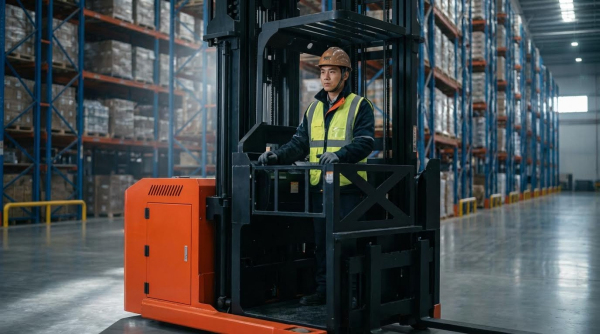
Questa sezione confronta le attrezzature per il prelievo degli ordini in base a parametri concreti: produttività, precisione, manodopera, altezza di sollevamento, utilizzo dei corridoi, sistemi di propulsione, manutenzione e sicurezza, in modo da poter abbinare i livelli tecnologici al profilo del magazzino e alla tolleranza al rischio.
Rendimento, precisione e produttività del lavoro
Rendimento, precisione e produttività del lavoro definiscono la quantità di lavoro utile che ogni addetto al prelievo e ogni attrezzatura per il prelievo degli ordini produce per ora e per turno.
| Metodo di prelievo / attrezzatura | Produttività tipica (prelievi/ora) | Livello di precisione | Sforzo lavorativo | Impatto operativo |
|---|---|---|---|---|
| Carrelli manuali / transpallet | circa 60–100 | Precisione di circa il 95% | Elevata distanza da percorrere a piedi, oltre 600 passi per ogni attività nei test | Basso investimento iniziale, ma ad alta intensità di manodopera e soggetto a stanchezza |
| Trasferimento persona-merce assistito da AMR | In genere da 120 a 250 (l'intervallo dipende dal layout e dalle dimensioni del SKU) | Circa il 98-99% con guida WMS | Numero di passi ridotti di oltre il 50% (da 621 a 276 passi); tempo impiegato per attività ridotto da 17:35 a 10:59 minuti. | Ottimo ponte tra la modalità manuale e l'automazione completa; mantiene l'intervento umano nella zona di prelievo. |
| Celle di prelievo robotizzate | Circa 400-800 prelievi/ora | Tassi di errore ≈0.5–0.1% (accuratezza ≈99.5–99.9%+) | Camminata umana minima; gli operatori supervisionano le celle | Ideale per volumi elevati, SKU ripetibili e imballaggi standardizzati |
| AS/RS con prelievo integrato | Circa 400-600 operazioni/ora; fino a circa 1,000 nei momenti di picco. | Riduzione degli errori fino al 99% rispetto alla procedura manuale; accuratezza superiore al 99.9% nei sistemi consolidati. | Gli esseri umani rimangono seduti a postazioni di lavoro ergonomiche. | Ideale per lo stoccaggio ad alta densità e per operazioni 24 ore su 24, 7 giorni su 7, con un elevato numero di SKU. |
- Selezione manuale: 60-100 prelievi/ora con una precisione di circa il 95% – Inizialmente economici, ma i costi di manodopera e gli errori aumentano vertiginosamente.
- Flussi di lavoro supportati da AMR: Riduci i passaggi all'incirca della metà e il tempo per ogni attività da 17:35 a 10:59 minuti – riduzione diretta della fatica e degli straordinari.
- Automazione avanzata: Le celle robotizzate e i sistemi AS/RS raggiungono 400-800+ prelievi/ora – Stabilizza la produzione e protegge i livelli di servizio durante i picchi.
- Impatto sulla precisione: Il passaggio da un'accuratezza del 95% a circa il 99.9% può ridurre i resi del 50-70% e gli errori fino all'85% negli impianti automatizzati. Un elemento chiave per l'e-commerce e il settore farmaceutico.
Come valutare le proprie prestazioni attuali nella fase di prelievo.
Iniziate misurando i prelievi all'ora per operatore, il tasso di errore ogni 1,000 righe d'ordine e il numero medio di passi per ordine. Queste tre metriche forniscono una base di riferimento chiara per confrontare strumenti manuali, robot mobili autonomi (AMR) e attrezzature di prelievo ordini più automatizzate.
💡 Nota dell'ingegnere sul campo: Quando effettuo verifiche sui siti, la perdita nascosta maggiore è rappresentata dagli spostamenti a piedi. Quando il numero di prelievi supera gli 80-100 all'ora, anche una riduzione di soli 50-100 metri di camminata per ordine spesso genera un ROI maggiore rispetto al semplice aumento di pochi prelievi all'ora con lo stesso processo manuale.
Altezze degli ascensori, capacità e ottimizzazione dei corridoi

L'altezza di sollevamento, la capacità di carico e la larghezza del corridoio determinano quali macchine per il prelievo degli ordini possono raggiungere in sicurezza le posizioni di stoccaggio, massimizzando l'utilizzo del volume e ruotando all'interno della geometria delle scaffalature.
| Apparecchiature/sistemi | Altezza di sollevamento/lavoro tipica | Capacità di carico/piattaforma | Capacità di larghezza del corridoio | Impatto operativo |
|---|---|---|---|---|
| Carrello elevatore compatto per ordini di basso/medio livello | Altezza di lavoro ≈7.7 m | Piattaforma ≈200 kg per modelli leggeri | Il passo compatto di circa 1.6 m supporta corridoi stretti | Ideale per il prelievo di piccoli oggetti o casse leggere fino ai livelli intermedi degli scaffali. |
| Addetto al prelievo ordini di livello intermedio | Altezze di sollevamento fino a ≈8.25 m | Capacità di carico fino a ≈1,250 kg | Corridoi molto stretti con guida a filo o su rotaia | Massimizza l'altezza delle scaffalature senza passare alla configurazione AS/RS completa. |
| Addetto al prelievo ordini di alto livello | Altezza di sollevamento ≈9,600 mm; piattaforma ≈9,465 mm; alcuni modelli fino a 10.5–12.1 m | ≈1,000–1,250 kg | La guida a filo/binario consente larghezze minime dei corridoi | Supporta magazzini con scaffalature molto alte mantenendo il prelievo con operatore in piedi |
| Sistema navetta AS/RS | Spesso l'altezza dell'edificio è compresa tra 12 e 30 metri (a seconda del sistema). | I carichi dei vassoi/contenitori sono in genere compresi tra 30 e 300 kg per trasportatore. | Richiede solo corsie per gru/navette, nessun corridoio pedonale. | Offre una densità di stoccaggio superiore del 40-60% e un risparmio di spazio fino all'85% rispetto alle scaffalature tradizionali. |
- Capacità vs stabilità: 1,000–1,250 kg ad altezze fino a circa 9.6 m richiedono alberi molto rigidi e sistemi di stabilità come la “posizione” a quattro punti in quota – fondamentale per la fiducia dell'operatore.
- Sistemi di guida: La guida a filo o su rotaia automatizza lo sterzo e consente corridoi estremamente stretti, mentre i controlli di fine corridoio rallentano automaticamente i carrelli. Questa combinazione protegge le scaffalature e i pedoni.
- Busta dell'operatore: L'altezza ridotta dei gradini, di circa 215 mm, e le piattaforme di passaggio riducono l'affaticamento durante i frequenti cicli di salita e discesa. particolarmente importante nella selezione di casse ad alta frequenza.
Come verificare se le corsie sono pronte per il prelievo degli ordini
Misurare la larghezza libera del corridoio tra i montanti delle scaffalature, quindi confrontarla con il corridoio di lavoro richiesto all'operatore addetto al prelievo (lunghezza del carrello + lunghezza del pallet + spazio di sicurezza). Per le macchine a guida automatica con operatore a bordo, verificare il posizionamento dei cavi o delle rotaie e lo spazio di sovrapposizione a fine corridoio prima di ordinare nuove attrezzature per il prelievo degli ordini.
💡 Nota del tecnico sul campo: Nei corridoi molto stretti, il fattore limitante spesso non è il carrello elevatore, ma lo sbalzo dei pallet e i danni alle scaffalature. Consiglio sempre di rilevare le dimensioni reali dei pallet e lo sbalzo prima di definire la larghezza dei corridoi basandosi esclusivamente sulle dimensioni del carrello elevatore riportate nel catalogo.
Propulsori, batterie e ingegneria della manutenzione
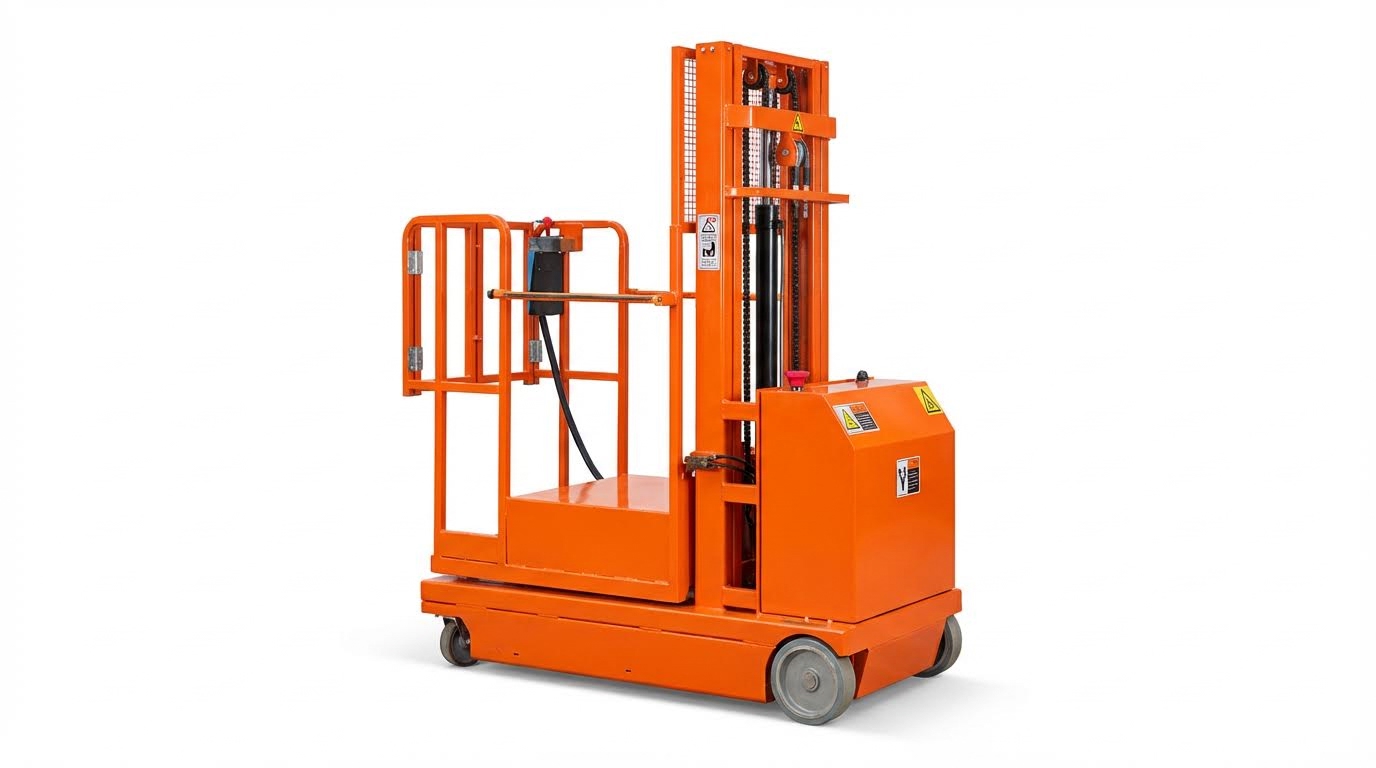
La tecnologia di azionamento elettrico, il tipo di batteria e la facilità di manutenzione determinano la durata di funzionamento delle apparecchiature di prelievo ordini tra una ricarica e l'altra, la stabilità delle prestazioni durante un turno e i tempi di inattività necessari per la manutenzione.
| Aspetto progettuale | Implementazione tipica su moderne attrezzature per il prelievo degli ordini. | effetto ingegneristico | Impatto operativo | ||||||||||||||||||||||||||||||||||||||||||||||||||||||||||
|---|---|---|---|---|---|---|---|---|---|---|---|---|---|---|---|---|---|---|---|---|---|---|---|---|---|---|---|---|---|---|---|---|---|---|---|---|---|---|---|---|---|---|---|---|---|---|---|---|---|---|---|---|---|---|---|---|---|---|---|---|---|
| Motori di azionamento e sollevamento | Motori di azionamento e di sollevamento a corrente alternata ad alta efficienza con frenatura rigenerativa. | Meno componenti soggetti a usura rispetto ai vecchi motori a corrente continua; energia recuperata durante la decelerazione. | Maggiore autonomia per carica e minore usura dei freni, soprattutto nei cicli ad alta escursione. | ||||||||||||||||||||||||||||||||||||||||||||||||||||||||||
| Sistemi a batteria | Configurazioni a 24 V e 48 V; crescente utilizzo degli ioni di litio per la ricarica rapida in situazioni di emergenza. | Tensione stabile durante la scarica; cariche parziali rapide nelle interruzioni | Supporta operazioni su più turni con un minor numero di sostituzioni di batterie e locali batterie più piccoli | ||||||||||||||||||||||||||||||||||||||||||||||||||||||||||
| Recupero di energia | Abbassamento rigenerativo dell'albero e sistemi frenanti | Cattura l'energia potenziale durante la riduzione dei carichi | Meno sostituzioni di batterie a settimana e bollette energetiche più basse. | ||||||||||||||||||||||||||||||||||||||||||||||||||||||||||
| Accesso per manutenzione | Design modulare, rimozione del coperchio senza attrezzi, rulli in acciaio per una sostituzione rapida della batteria.Abbinamento delle attrezzature di prelievo ordini alle tue attività
La scelta dell'attrezzatura giusta per il prelievo degli ordini dipende dal profilo degli SKU, dai modelli di ordinazione, dalla geometria dell'edificio, dalla disponibilità di manodopera e dalla strategia di automazione. In questa sezione traduciamo questi fattori in scelte concrete di attrezzature e logiche di investimento basate su criteri ingegneristici.
Criteri di selezione delle apparecchiature basati sull'applicazioneLa selezione basata sulle applicazioni significa partire dal proprio profilo operativo e restringere le opzioni di macchine per il prelievo degli ordini utilizzando soglie misurabili. Utilizzate i criteri seguenti per decidere se rimanere sul manuale, passare alla meccanizzazione o investire in sistemi automatizzati di alto livello.
Come mappare rapidamente la tua attuale applicazione di prelievo1) Esportare le righe d'ordine degli ultimi 3-6 mesi. 2) Classificare gli SKU in base ai prelievi per definire le categorie A/B/C. 3) Rappresentare graficamente i prelievi per ordine e le righe per ordine. 4) Misurare le distanze percorse in un campione di turni. Questo fornisce una base di riferimento supportata dai dati prima di intervenire sulle attrezzature. Automazione, WMS e giustificazione basata sul ROIL'automazione e i sistemi WMS devono essere giustificati da un modello di ROI chiaro che confronti le attrezzature manuali per il prelievo degli ordini con le opzioni semi-automatizzate e completamente automatizzate. Utilizza metriche concrete come prelievi all'ora, risparmio di spazio, precisione, manodopera ed energia per costruire il business case.
|