
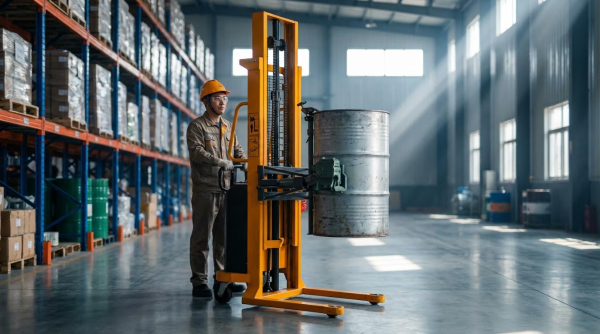
Safe stacking of 55-gallon drums is the controlled design of drum tiers, heights, and patterns so stacks resist sliding, collapse, and leaks under real warehouse conditions. This article answers “can you stack 55 gallon drums” by turning OSHA, DOT, and fire-protection rules into clear, engineering-based limits on drum height, tier count, and pallet design. You’ll see how specific gravity, temperature, and stacking tests govern maximum tiers, and how containment, aisles, and handling practices keep operators and facilities within OSHA 1915.173 and 49 CFR stacking requirements. By the end, you’ll have practical, field-ready rules for drum orientation, pallet sizing, containment volume, and inspection regimes tailored to your warehouse layout.
Core OSHA And Engineering Rules For Drum Stacking
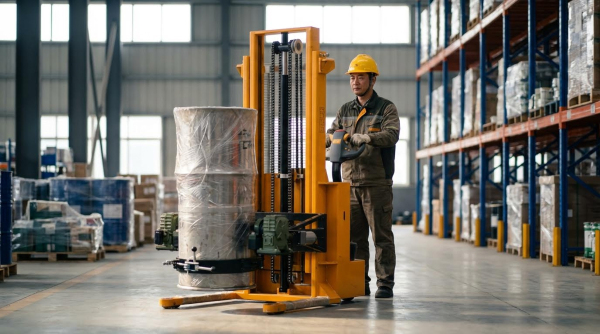
Core OSHA and engineering rules for drum stacking define when, how, and how high you can stack 55 gallon drums so tiers remain stable, inspectable, and compliant with OSHA 29 CFR 1910/1915 and DOT 49 CFR.
OSHA and DOT stacking requirements
OSHA and DOT stacking requirements state that 55-gallon drums stored in tiers must be stacked, blocked, or interlocked so they cannot slide, roll, or collapse, with chocks and dunnage used to stabilize upright and horizontal drums. This is the regulatory backbone behind the practical question “can you stack 55 gallon drums” in any warehouse or yard.
| Requirement | Regulatory / Guidance Basis | What It Means In Practice | Field Impact |
|---|---|---|---|
| Drums in tiers must be secured against sliding, falling, or collapse | OSHA material storage rules require secure stacking | Use blocking, interlocking patterns, or banding so any impact or vibration does not topple the stack. | Reduces tip-over accidents and keeps stacks stable during forklift movement and minor bumps. |
| Chock bottom tier when stacking 2+ tiers of upright drums | OSHA stacking guidance calls for chocking both sides of bottom drums | Install wedges or chocks on both sides of each bottom drum row before adding upper tiers. | Prevents slow “walking” of drums under vibration that can misalign and destabilize stacks over time. |
| Dunnage or pallets between vertical tiers | OSHA requires planks, plywood, or pallets between tiers to distribute load | Place full pallets or continuous sheets (not random scraps) between drum layers to create a flat bearing surface. | Spreads load off drum chimes, cutting shell denting and buckling risk, especially for plastic drums. |
| Blocking for horizontal drums | OSHA 1915.173 requires blocking for horizontal storage to prevent rolling | Use cradles, racks, or timber wedges at both ends; never rely on friction alone to stop rolling. | Prevents runaway drums on sloped or uneven floors, a common cause of impact damage and injuries. |
| Maintain clear aisles and access | OSHA housekeeping rules require clear passageways | Do not let stacks encroach into forklift aisles or block access to doors, valves, or emergency gear. | Improves visibility, reduces forklift contact with stacks, and speeds emergency response. |
| Spill containment for ≥55-gallon drums | OSHA 1915.173(e) requires dikes or pans with ≥35% of aggregate volume around large liquid containers | Use sumps, pans, or dikes sized to capture leaks from any drum in the stack, including upper tiers. | Limits floor contamination and environmental releases if a drum leaks or fails in the stack. |
| Design-qualification stacking tests | DOT 49 CFR §178.606 stacking test simulates 3 m stack for 24–28 days | Use UN/DOT-marked drums that have passed stacking tests for the intended specific gravity and temperature. | Gives confidence that drum shells and chimes can carry multi-tier loads for long durations without creep. |
| Closure torque must meet spec | 49 CFR §178.2(c) requires closures tightened to rated torque | Verify bungs and lids are fully tightened to manufacturer torque before stacking. | Prevents leakage from upper-tier drums where internal pressure plus vertical load can stress closures. |
💡 Field Engineer’s Note: Many incidents happen because drums creep a few millimetres per day on smooth concrete; without chocks and decent-friction dunnage, a “perfect” stack on Monday can be unsafe by Friday.
How DOT stacking tests relate to your warehouse limits
DOT 49 CFR §178.606 stacking tests simulate a 3 m high stack for 24 hours (or 28 days for some plastic packagings) at a defined specific gravity to verify compressive strength. In the warehouse, you usually operate below that theoretical limit to allow for drum damage, temperature swings, and inspection access.
Maximum safe heights and tier limits
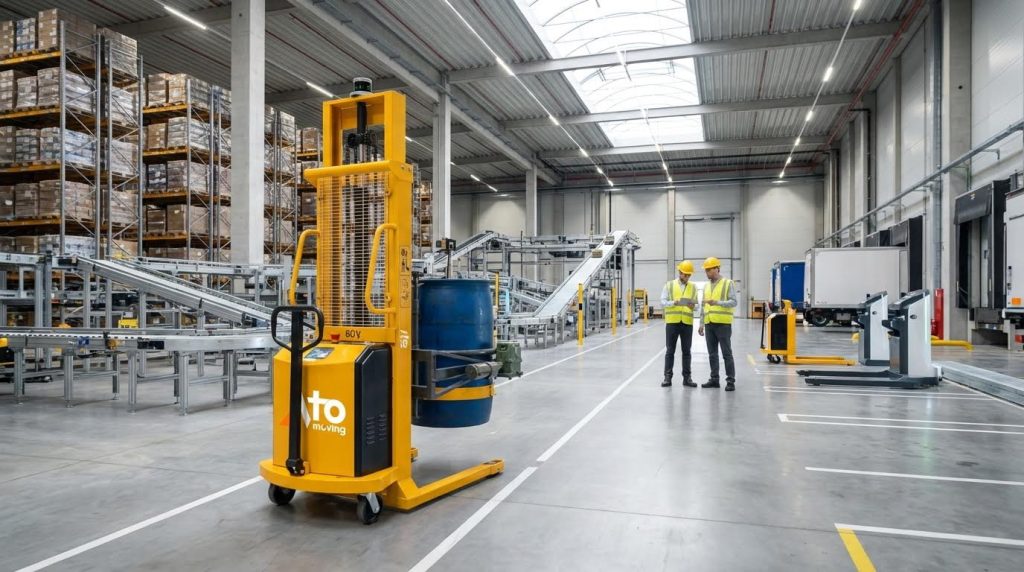
Maximum safe heights and tier limits for 55-gallon drums are generally two-high on the floor for routine storage, with engineered three- or four-high palletized stacks only where drum condition, specific gravity, and fire protection clearly support it. This is the practical “yes, but…” answer to can you stack 55 gallon drums safely in a real facility.
| Stacking Scenario | Typical Height / Tier Guidance | Key Conditions & Limits | Field Impact |
|---|---|---|---|
| Upright drums directly on floor (no pallets) | Guidance: ≤2 drums high and ≤2 drums wide in a row for easy inspection | Beyond 2-high, visual inspection of all surfaces becomes difficult and stability margin shrinks due to drum condition variability. | Use 2-high as your default limit for mixed-condition drums and general-purpose warehouses. |
| Palletized upright drums – warehouse storage | Common practice: 1 drum layer per pallet, pallets stacked 2–3 high; overall stack roughly 2,0–3,0 m | Requires pallets and floor to be rated for combined mass; dunnage or full pallets between tiers and proper chocking/banding. | Improves forklift handling and stability while staying within typical sprinkler and inspection constraints. |
| Steel drums with SG ≤1.5, ambient <30°C | Industry alert: up to 4-high possible under controlled conditions for steel drums | Assumes new or good-condition UN-rated drums, level floors, symmetric pallet loading, and engineered fire protection. | Suitable for dedicated drum warehouses, not for ad-hoc storage in general production areas. |
| Steel drums with SG >1.5 or temp >30°C | Guidance: limit stacks to 3-high to reduce buckling risk | Higher liquid density and temperature raise shell compressive stress and creep, reducing safe stack height. | Critical for heavy products (e.g., high-SG chemicals) and hot climates or unconditioned warehouses. |
| Fire protection – flammable liquids in drums | Design example: 3-high palletized stacks ≈3,0 m; 4-high stacks ≈4,2 m with specific sprinkler densities for drum storage | Ceiling height around 10 m; sprinkler foam-water density increases as stack height increases. | Even if drums can structurally stack higher, fire code and insurer criteria often cap you at 3–4 pallet tiers. |
| Containment capacity for stacked drums | OSHA: dikes/pans ≥35% of total volume; many drum buildings use 10–25% sump capacity for stacked drums | Must be sized for the total stored volume, not just the bottom tier, because upper tiers can leak too. | Higher stacks mean more volume per footprint, so containment and emergency plans must be upgraded accordingly. |
| Real-world conservative rule for mixed operations | Operational best practice: treat 2-high as standard, 3-high only where a risk assessment and engineering check support it | Account for drum age, dents, label condition, forklift skill level, and floor quality before exceeding 2-high. | Balances storage density with low incident rates, especially where operators and products frequently change. |
Quick field checklist before going above 2-high
- Drum condition: No bulging, deep dents, severe rust, or damaged chimes.
- Markings: UN/DOT markings legible; product and hazard labels intact.
- Contents: Confirm specific gravity and temperature range from SDS.
- Pallets/dunnage: Right size, no broken boards, no excessive sag.
- Floor: Flat, rated for load, no drains or steps under stack.
- Fire protection: Check with safety/insurance before adding tiers.
💡 Field Engineer’s Note: When management asks “can you stack 55 gallon drums four high?”, answer with a matrix: drum type/condition, SG, temperature, pallet condition, and fire design. If any box is red, stop at two or three tiers.
For handling and moving these drums efficiently, consider using equipment like a hydraulic drum stacker, drum cart, or barrel lifter.
Engineering Design Of Stable Drum Stacks
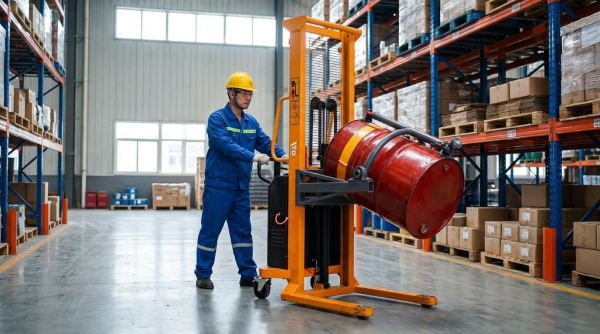
Engineering design for stable drum stacks defines how many tiers you can safely use, how you orient drums, and how pallets and dunnage carry load so stacks resist creep, impact, and collapse.
When people ask “can you stack 55 gallon drums,” the engineering answer depends on drum orientation, pallet pattern, specific gravity of contents, and temperature, all within OSHA and DOT stacking rules. This section explains how to design those stacks so they behave predictably in real warehouses, not just in lab tests.
💡 Field Engineer’s Note: Most stack failures I’ve investigated started with one soft pallet deck board or a slightly bulged drum—design your patterns so a single weak element can’t topple the whole column.
Vertical vs horizontal drum orientation
Vertical vs horizontal orientation determines whether the drum shell carries load in compression (vertical) or relies on blocking against rolling (horizontal), which directly controls maximum safe stack height and inspection access.
Vertically stored 55-gallon drums concentrate compressive load through the top and bottom chimes into the shell, so stack stability depends on shell strength, chime alignment, and flat bearing surfaces between tiers. Horizontally stored drums shift the risk to rolling and point contact, so OSHA requires blocking or chocking to prevent movement and collapse of the tiered rows. OSHA rules mandate that drums stacked in tiers be stacked, blocked, interlocked, or otherwise secured to prevent sliding, falling, or collapse.
| Orientation | Typical Use Case | Stability Method | Inspection Access | Field Impact |
|---|---|---|---|---|
| Vertical (upright) | General chemical and oil storage | Chocking, dunnage or pallets between tiers | Good access to chimes, sides, and labels | Best for routine leak checks and compliant long-term storage |
| Horizontal (on side) | Gravity dispensing, some transport racks | Blocking to prevent rolling; cribbing | More difficult to see full shell surface | Use only where dispensing function is needed and blocking is robust |
From an engineering standpoint, vertical stacking is preferred for “can you stack 55 gallon drums” scenarios because it allows flat load transfer and easier integration with pallets and secondary containment. Horizontal storage should be limited to one or two high in well-blocked racks, because any loss of blocking can turn a stable row into a rolling cascade, especially under forklift impact.
Why vertical stacks handle more tiers than horizontal rows
In vertical orientation, each drum behaves like a thin-walled cylinder in axial compression, and stacking tests simulate a 3 m column to validate shell and chime strength for the rated specific gravity. In horizontal orientation, the drum shell sees bending and local ovalization at contact points, which is much more sensitive to dents, corrosion, or minor geometry changes, so safe tier counts are much lower.
Pallet sizing, patterns, and dunnage design
Pallet sizing and dunnage design control how drum loads enter the floor, how evenly chimes are supported, and whether stacked pallets stay aligned as tiers increase in height.
For four 210-litre (55-gallon) drums, recommended pallet size is about 1,220 mm × 1,220 mm with a minimum footprint of 1,170 mm × 1,170 mm and four-way entry to support a square pattern without overhang. Industry guidance stresses pallets must be free from broken deck boards, protruding nails, or excessive sag to avoid point loading the chimes and shells.
| Design Element | Typical Spec / Practice | Engineering Purpose | Field Impact |
|---|---|---|---|
| Pallet size for 4 drums | ≈1,220 × 1,220 mm; ≥1,170 × 1,170 mm footprint | Allows four-drum square pattern with no overhang | Improves stability and keeps center of gravity centered for forklifts |
| Standard pallet drum count | 3 drums on smaller pallets; 4 on 1,220 × 1,220 mm | Maintains symmetric loading | Reduces tipping when turning or braking with forklifts |
| Pallet condition | No broken boards, nails, or heavy sag | Prevents point loads on chimes | Extends drum life and reduces leak risk |
| Pattern per pallet tier | One full drum layer per pallet | Use pallets between vertical tiers | Makes stacks modular and easier to handle safely |
| Mixed counts on adjacent pallets | Avoid mixing 3-drum and 4-drum pallets in same tier | Prevents uneven load paths and gaps | Reduces lateral lean and “domino” failures |
Safety guidance recommends that for stacked tiers, you load a single drum layer per pallet and then stack pallets, rather than bare drums on drums. Guidance also notes that four-drum square patterns provide better symmetry and reduced eccentric loading, provided drum diameters match and rings align.
Between drum tiers, OSHA and DOT guidance require planks, plywood sheets, or pallets to create a continuous, flat interface and distribute point loads from upper chimes. The dunnage stiffness and thickness must support the combined mass of upper tiers without excessive deflection, typically verified against pallet manufacturer data or internal calculations, and any scheme must maintain enough friction to prevent slow creep and stack distortion over time. Regulatory interpretations emphasize chocking the bottom tier on both sides when stacking two or more tiers high.
- Chocking of bottom tier: Prevents translation in both directions so the entire stack cannot “walk” under vibration or impact.
- Full-contact dunnage: Turns line contact at chimes into area contact, reducing local stress and shell denting.
- Uniform pallet types per tier: Avoids differential deflection between pallets that can introduce lean.
- Four-way entry pallets: Improves forklift approach options, reducing accidental impacts into lower drums.
💡 Field Engineer’s Note: If you see drums “kissing” across pallets or small gaps that close when you load the next tier, your dunnage is too flexible—expect that stack to lean further over time as wood creeps.
Specific gravity, temperature, and stacking tests
Specific gravity, temperature, and stacking tests define the true mechanical limits of how high you can stack 55-gallon drums while keeping shell compression, buckling, and deformation within safe margins.
Steel drums for hazardous materials must pass a stacking test under Title 49 CFR §178.606 that simulates a 3 m high stack for 24 hours at ambient temperature, based on the intended specific gravity of the contents. For plastic drums, jerricans, and composite packagings intended for liquids, stacking tests extend to 28 days to capture creep effects under sustained load. PHMSA guidance allows dynamic compression testing machines for periodic retesting but not for initial design qualification.
| Factor | Typical Guidance / Requirement | Engineering Effect | Field Impact on Stack Height |
|---|---|---|---|
| Specific gravity ≤1.5 | Steel drums may be stacked up to four-high in some guidance | Lower internal load per unit area | Allows more tiers, provided pallets, floor, and fire design also permit |
| Specific gravity >1.5 | Stacks often limited to three-high | Higher compressive stress on shell and chimes | Reduce tiers to avoid buckling and permanent deformation |
| Temperature ≤30°C | Standard stacking limits apply | Material strength and creep are within test conditions | Design tiers based on certified test data |
| Temperature >30°C for long periods | Recommended to derate stack height (e.g., 4-high down to 3-high) | Increased creep and reduced yield margin | Plan lower stacks in hot warehouses or outdoor yards |
| Stacking test duration | 24 h for most; 28 days for plastic/composite liquids | Validates long-term deformation limits | Do not exceed tested equivalent height or SG in real storage |
Industry guidance notes that steel drums can be stacked up to four-high if the specific gravity of the contents does not exceed about 1.5 and ambient temperatures remain below 30°C; when specific gravity exceeds 1.5 or temperatures are higher for extended periods, stacks should be limited to three-high to prevent compressive stress and buckling risks. This same guidance ties directly back to the certified stacking tests under 49 CFR §178.606.
So when you ask “can you stack 55 gallon drums” four-high, the engineering answer is: only if the drum design, specific gravity, temperature, pallet strength, floor rating, and fire protection system are all validated for that load. Many fixed warehouses still voluntarily cap floor-level stacks at two-high to prioritize inspection access for leaks and corrosion, even though transport or container scenarios may use higher tiers.
- Respect test conditions: Do not exceed the specific gravity, temperature, or simulated stack height used in the drum’s certified stacking test.
- Monitor bulging and deformation: Any visible bulging or “oil canning” is a sign that effective stack height should be reduced immediately.
- Account for mixed products: Design stack limits around the heaviest (highest specific gravity) liquid in the group, not the average.
- Include fire design constraints: Fire protection guidance ties stack heights (e.g., three-high ≈3,0 m, four-high ≈4,2 m) to required sprinkler densities, so EHS and engineering must align limits.
💡 Field Engineer’s Note: In hot mezzanines or unconditioned summer warehouses, I routinely derate drum stack heights by one tier compared to the same product stored in a cool ground-level room—temperature creep is real and slow but unforgiving.
For moving and handling these drums efficiently, consider using equipment such as a drum cart, hydraulic drum stacker, or manual pallet jack.
Warehouse Layout, Containment, And Handling
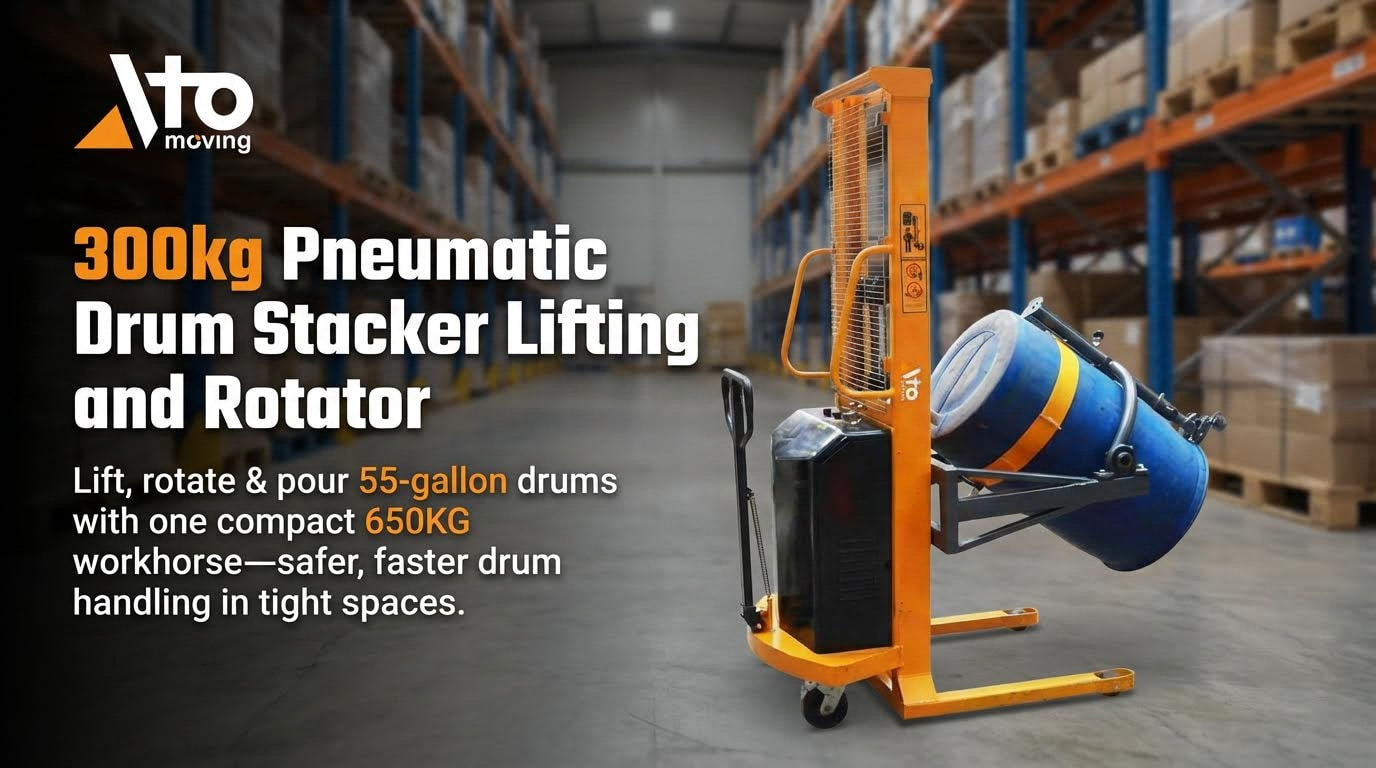
Warehouse layout for stacked 55-gallon drums must keep stacks stable, aisles clear, and spills and fires controllable so the answer to “can you stack 55 gallon drums” remains “yes, within engineered limits.”
💡 Field Engineer’s Note: Most drum incidents I investigate start as layout problems, not drum problems—too-tight aisles, blocked extinguishers, or containment that only works for single-tier storage.
Secondary containment and fire protection
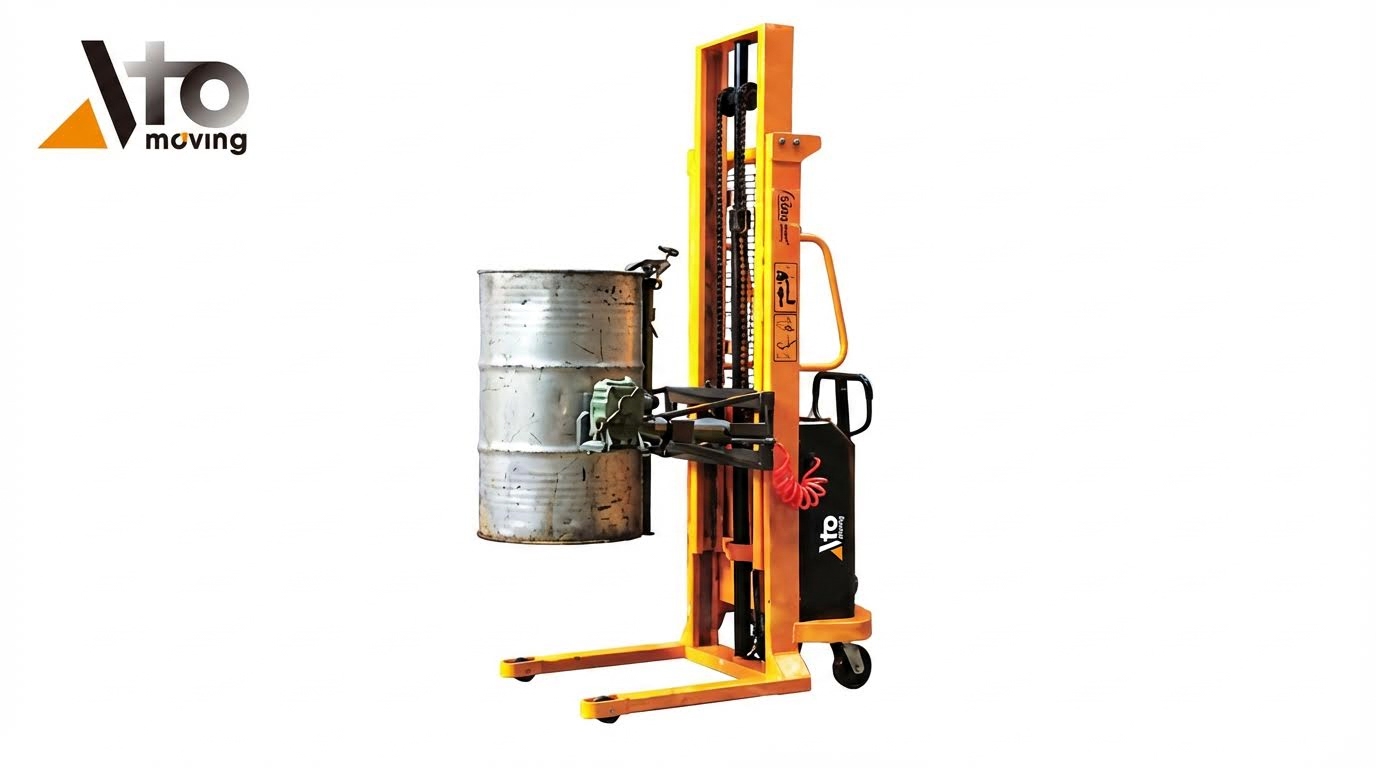
Secondary containment and fire protection ensure that if stacked 55-gallon drums leak or ignite, liquids stay inside engineered barriers and fire systems still “see” and control the hazard effectively.
- Containment volume sizing: Design dikes, pans, or sumps to hold at least 35% of the aggregate volume of drums containing flammable or toxic liquids, as required by OSHA 1915.173(e) for large containers.
- Dedicated building sumps: In drum storage rooms, size floor sumps to at least 10–25% of the stored volume or the volume of the largest drum group, whichever is greater, following common safety and insurance guidance for stacked drums.
- Catching leaks from upper tiers: Ensure containment systems (pans, curbs, graded floors) can intercept leaks from top tiers, not only floor-level drums, by sloping floors gently toward sumps or placing pallets within spill decks.
- Unobstructed drainage paths: Lay out rows so that dikes, pans, and sumps are not bridged by solid platforms or blocked by miscellaneous storage; liquid must be able to flow to the containment without pooling in “dead zones.”
- Segregation by hazard class: Separate stacks of flammables, oxidizers, and corrosives into distinct containment zones so a single spill does not mix incompatible chemicals, following OSHA and EPA segregation practices for hazardous drum storage.
- Fire extinguisher access: Position suitable extinguishers near drum stacks containing flammable liquids and keep clear paths so no stack blocks access to extinguishers, alarms, or emergency exits as OSHA requires.
- Sprinkler and ceiling clearances: Limit overall stack height so that three-high palletized drum stacks are around 3,0 m and four-high stacks around 4,2 m, preserving sprinkler discharge patterns and avoiding heat buildup under ceilings up to about 10 m in flammable drum warehouses.
- No obstruction of fire protection equipment: Lay out rows so that stacked pallets never sit under sprinkler heads, block hose stations, or hide pull stations; align aisles with main egress and fire routes.
- Floor loading and containment integrity: Check that containment structures and floors can bear the combined mass of stacked drums (often >2,000 kg per pallet position) without cracking, which would defeat spill control.
How containment design answers “can you stack 55 gallon drums” safely?
By sizing sumps and dikes for multi-tier loads and keeping drainage paths open, you can stack 55 gallon drums while still meeting OSHA 1915.173(e) spill control expectations and typical insurer fire-protection criteria.
Aisle spacing, access, and inspection regimes
Aisle spacing, access, and inspection regimes determine whether stacked 55-gallon drums remain inspectable and reachable, which is essential before you answer “can you stack 55 gallon drums higher” in any given bay.
| Design / Practice | Typical Guidance | Field Impact |
|---|---|---|
| Clear aisle requirement | Maintain unobstructed aisles and passageways around stacked drums per OSHA housekeeping rules for drum storage areas. | Improves forklift maneuvering, reduces collision risk, and ensures quick access during spill or fire response. |
| Minimum main aisle width | Size main travel aisles to accommodate your widest handling equipment with safety margin, typically ≥3,0–3,5 m in drum warehouses. | Allows two-way traffic or safe passing of forklifts carrying 210-litre drums without striking stacks. |
| Rack or block storage cross-aisles | Provide cross-aisles at reasonable intervals (for example every 10–15 m of stack length) for emergency access. | Enables responders to reach leaking or burning drums without climbing over pallets. |
| Row depth for floor stacks | Safety guidance favors rows no more than two drums wide when stored directly on the floor so every drum face stays visible for inspection. | Prevents “hidden” leaks and allows quick identification of bulging or corroded drums without restacking. |
| Stack height vs. inspection | Limit fixed-storage stacks to heights that allow visual inspection of upper drums from the floor or a safe platform, often two tiers on floor storage. | Maintains routine inspection quality; operators don’t skip checks because drums are too high to see safely. |
| Inspection frequency | Implement regular checks for rust, dents, bulging, and label condition, removing compromised drums from stacks per 49 CFR testing assumptions for stacked steel drums. | Reduces failure probability in lower tiers, which carry the highest compressive loads in stacked configurations. |
| FIFO inventory paths | Lay out aisles and row numbering to support First-In, First-Out (FIFO) flow with minimal reshuffling of pallets. | Minimizes handling touches and collision chances while reducing long-term corrosion and label fade. |
| Handling equipment zones | Designate turning and staging areas at row ends so forklifts don’t pivot tightly next to drum stacks. | Prevents side impacts that can buckle lower-tier drums or shift palletized stacks. |
💡 Field Engineer’s Note: If your inspector has to “squeeze sideways” between stacks to read a label, your aisles are too tight—and the real answer to “can you stack 55 gallon drums here” is “not at this spacing.”
Practical inspection routine for stacked drum aisles
- Walk every primary aisle: Check for leaks, odors, or sheen on floors leading from stacks toward containment.
- Scan lower tiers first: Look for dents, corrosion, or bulging in bottom drums that carry the highest load.
- Verify labels and segregation: Confirm hazard labels are legible and incompatible materials remain in separate rows or cells.
- Confirm access to protection: Ensure extinguishers, alarms, and exits remain fully visible and unobstructed by pallets or loose drums.

Final Guidance For Safe 55-Gallon Drum Stacking
Safe stacking of 55-gallon drums depends on treating height as an engineering outcome, not a guess. OSHA and DOT rules set the floor: drums must be blocked, chocked, interlocked, and contained so they cannot roll, slide, or leak into the workspace. Engineering then refines this with limits based on specific gravity, temperature, pallet strength, and floor capacity.
In practice, two-high is the default limit for mixed-condition drums on the floor. Go to three or four pallet tiers only when drums are UN-rated for the product, pallets and dunnage give full, flat support, and fire protection and containment are designed for the higher fuel load. Warehouse layout must keep aisles wide, access clear, and containment sized for the full stacked volume, not just the bottom row.
The best practice is simple: write a site standard that ties maximum tiers to product SG, temperature, drum condition, and fire design, then train operators and supervisors to enforce it. Use purpose-built handling tools from Atomoving to place drums accurately without impact. When in doubt about “one more tier,” stop at the lower height—inspection access and stability matter more than extra storage density.
Frequently Asked Questions
Can you stack 55-gallon drums?
Yes, 55-gallon drums can be stacked, but only under specific conditions to ensure safety. Filled drums stored horizontally should not be directly stacked on top of each other. Each drum must be supported individually along its length, at the middle, and at both ends. Plastic Drum Guidelines.
How to properly stack drums for storage?
To stack drums safely, use portable drum racks designed for material handling. These racks allow stacking up to four levels high and store drums two wide. They maximize storage density while maintaining stability. Always follow manufacturer guidelines when stacking drums in a warehouse setting. Stackable Drum Rack Guide.
Are 55-gallon plastic drums stackable?
Yes, plastic 55-gallon drums are designed to be stackable and compatible with standard pallets. This makes them efficient for both transport and storage. However, always check the manufacturer’s load-bearing specifications before stacking. Plastic Drum Usage Tips.