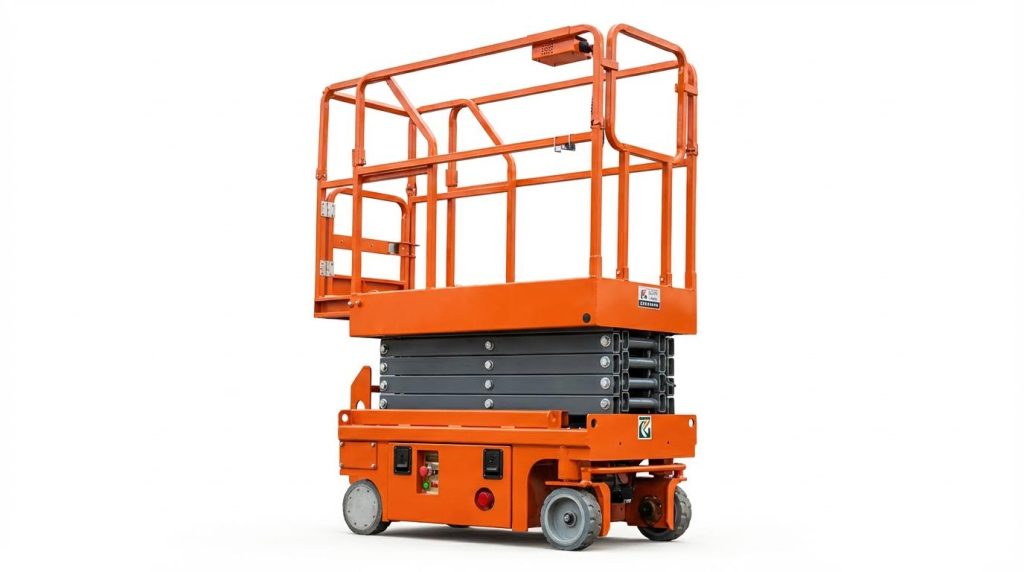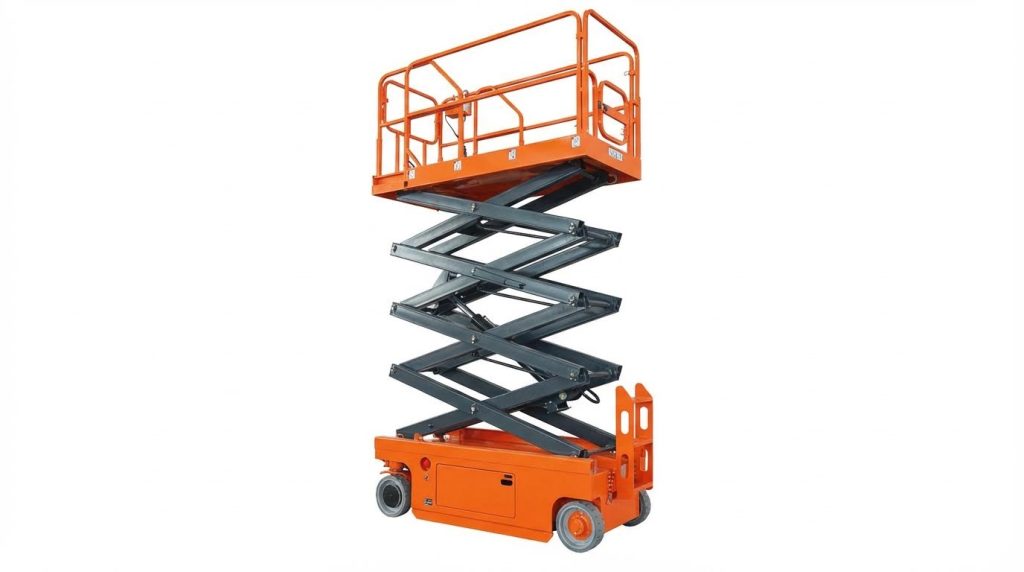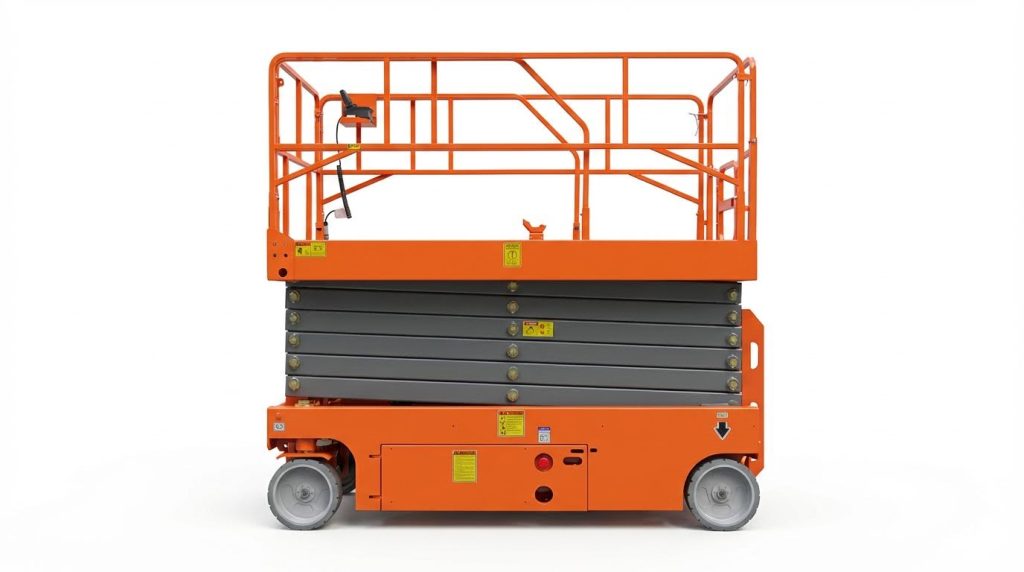
Aerial work platform training renewal is the structured cycle of certifying, refreshing, and documenting operator competence so you stay compliant and actually safe in the air. This guide explains when training expires, what triggers refreshers, and how to control records. If you are asking when does an aerial work platform training expire, how often to re-evaluate operators, or what to keep on file for audits, you will find clear, standards-aligned answers here. We focus on three-year renewal cycles, incident-driven refreshers, and practical recordkeeping systems that withstand real-world inspections and investigations.
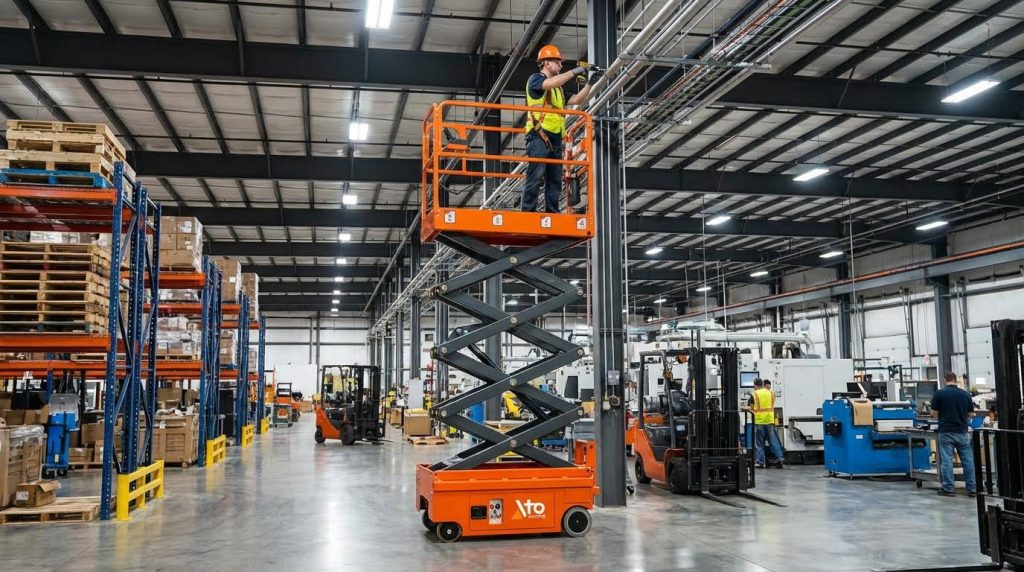
Regulatory Renewal Cycles And Recertification Triggers

Regulatory renewal cycles for aerial work platform (AWP) training revolve around a three-year maximum validity, with mandatory early refreshers when risk indicators appear. Understanding exactly when does an aerial platform training expire is the anchor for a compliant training lifecycle.
Three-Year Certification Expiry And Legal Basis
AWP operator training generally expires on a three-year cycle, because ANSI guidance and OSHA enforcement practices treat three years as the maximum safe interval before skills and regulatory knowledge must be revalidated. This is the default answer to “when does an aerial platform training expire.”
ANSI and OSHA require that aerial work platform operators receive re-evaluation or refresher training at least every three years, combining classroom/theory with hands-on evaluation to confirm ongoing competence for both knowledge and practical skills. Typical employer programs therefore set certificate validity at three years from the last successful evaluation.
In practice, the three-year expiry is not just a calendar rule; it is tied to a full renewal event. That renewal must cover updated OSHA safety mandates, correct use and maintenance of aerial lifts, load limits, weight distribution, overhead obstacle avoidance, and proper PPE use to restore the operator to a “current” status. Without that documented renewal, the operator should be treated as unqualified after the three-year mark.
| Item | Typical Requirement | Regulatory / Standard Basis | Operational Impact |
|---|---|---|---|
| Maximum certificate validity | 3 years from last full evaluation | ANSI guidance and OSHA enforcement practices on refresher frequency support the three-year cycle | Defines “when does an aerial work platform training expire” for scheduling and access control. |
| Minimum refresher content | OSHA updates, safe operation, load limits, PPE, hazard avoidance | Refresher training scope described in renewal guidance for aerial lift operators | Ensures skills match current rules and common accident patterns on site. |
| Hands-on evaluation | Required after online or classroom renewal | Performance evaluation mandated to verify safe operation before recertification | Prevents “paper only” renewals where operators are unsafe in real equipment. |
| Employer duty | Schedule and enforce 3-year or earlier refreshers | Employer responsibility and OSHA penalty risk documented in renewal guidance including fines | Requires HR/safety systems to block expired operators from using AWPs. |
| Documentation | Certificates, wallet cards, exam records, evaluations | Typical documentation package listed in training provider guidance for audit purposes | Provides proof of validity dates during internal or OSHA audits. |
From a compliance-control perspective, the expiry date is only defensible if it is backed by a documented training event. That event should include theory, a written or online assessment, and a documented driving or operation evaluation with comments, which many providers issue as wall certificates and laminated wallet cards for operators to carry and for auditors to verify.
- Three-year rule: Refresher at least every three years – sets a clear “no later than” date for every operator.
- Full scope renewal: Theory plus hands-on – prevents operators from drifting into unsafe habits over time.
- Documented output: Cards, certificates, exams – creates a traceable record of who is legal to operate which class of AWP.
- Employer-managed cycle: Central scheduling and tracking – removes guesswork from supervisors at the job site.
💡 Field Engineer’s Note: In multi-shift plants, expired cards often slip through when contractors or temps are onboarded fast. Tie gate access or work permits to certificate expiry dates so an operator literally cannot get to the AWP without a current credential.
How to answer “when does an aerial work platform training expire” in your policy
For most sites, a clean policy statement is: “Aerial work platform operator training expires three years after the last documented practical evaluation, or sooner if any early refresher trigger occurs.” This mirrors ANSI/OSHA expectations and is easy to audit against.
Early Refresher Triggers After Incidents Or Near Misses

Early refresher triggers cause aerial work platform training to “expire” before the three-year date whenever risk signals appear, such as accidents, unsafe behavior, or significant changes in equipment or work conditions. These triggers reset the clock once addressed with documented retraining.
ANSI/OSHA-based programs require recertification earlier than three years if an operator demonstrates unsafe operation, is involved in an accident or incident, or if new equipment or job tasks require additional skills beyond their original training. In these cases, the practical reality is that the previous training is no longer considered valid, even if the printed expiry date is still in the future.
Beyond formal incidents, competent employers also use near misses, observation findings, and competency checks as triggers. Regular competency verification after initial training helps identify where knowledge has not been retained or correctly applied, and those gaps should drive targeted refresher modules before a serious event occurs according to best-practice guidance.
| Trigger Type | Example Scenario | Required Response | Operational Impact |
|---|---|---|---|
| Accident or incident | Tip-over, collision, damage to structure or AWP | Immediate investigation and operator refresher before next use as part of recertification | Operator’s prior training treated as expired until retraining proves competence. |
| Unsafe operation observed | Bypassing pre-use checks, overloading platform, ignoring PPE | Pull operator from duty, provide focused retraining, re-evaluate skills before reinstatement | Prevents normalization of unsafe shortcuts becoming “standard practice.” |
| New equipment type | Switch from vertical mast to articulated boom or truck-mount | Site- and equipment-specific training on new machine characteristics including stability and controls | Old certificate may not cover the new class; training must be extended. |
| New site hazards | Work now near live power lines or on sloped/soft ground | Additional modules on surface conditions and minimum approach distances for overhead powered objects | Ensures operators understand new risk envelope before starting work. |
| Competency check failure | Operator cannot explain emergency lowering or overload limits | Targeted refresher and re-test as part of continuous competency checks recommended by safety experts | Prevents knowledge gaps from turning into incidents months later. |
- Incident-driven expiry: Any AWP accident should “invalidate” current training – operator must not return to platforms without documented retraining.
- Behavior-driven expiry: Unsafe habits are treated as a failed competency check – training is no longer considered effective.
- Change-driven expiry: New machines or hazards require additional modules – original certificate alone is no longer enough.
- Audit trail: Each early refresher should generate new records – creating a clear before/after line in the operator’s file.
💡 Field Engineer’s Note: After a near miss with an AWP basket striking overhead steel at about 12 m height, we found the root cause was poor hazard scanning, not just “bad luck.” We immediately treated all affected operators’ training as effectively expired and ran a focused hazard-recognition refresher. That one-day intervention stopped repeat strikes cold.
Practical rule-of-thumb for early refresher triggers
A simple field rule is: “If you would write a safety memo about what just happened or what just changed, you probably also need an AWP refresher module.” Build that into your procedure so supervisors know when to stop work and call training.
“”
Recordkeeping Systems, Documentation, and Compliance Control
Recordkeeping systems for aerial platform must tie operator training, inspections, and engineering documents into one controlled system to prove compliance, answer “when does an aerial work platform training expire,” and survive regulatory or client audits.
- Centralized Control: Use one master system of record – prevents gaps between HR, safety, and maintenance files.
- Traceability: Link every operator to specific machines, dates, and trainers – proves competence at the time of use.
- Lifecycle View: Store data for the full unit life – supports resale, incident investigations, and engineering reviews.
- Expiry Visibility: Track three-year training cycles and earlier triggers – ensures operators are never out-of-date when they step on the platform.
💡 Field Engineer’s Note: During serious incident investigations, the fastest way to lose control is scattered paperwork. A single, indexed repository for certificates, tags, and inspection logs often makes the difference between a manageable inquiry and a shutdown.
Operator Files, Certificates, And Competency Logs
Operator files, certificates, and competency logs are the backbone of proving who is allowed to use which scissor platform, on what date, and whether their training was current or had already expired.
From a compliance standpoint, the answer to “when does an aerial work platform training expire” is typically three years from the last evaluation date, unless an incident or unsafe behavior forces earlier recertification. ANSI and OSHA-based programs require refresher or re-evaluation at least every three years, with earlier retraining if the operator is involved in an accident, observed operating unsafely, or exposed to new equipment or conditions that change the risk profile. This three-year cycle and the early triggers are well established in industry practice.
| Record Type | Key Data Fields | Typical Retention | Operational Impact |
|---|---|---|---|
| Operator Master File | Name, ID, job role, supervisor, employment dates | Duration of employment + defined years | Single place to confirm if a worker may legally operate an AWP today. |
| Training Certificate | Course title, equipment class, trainer, completion date, expiry date | At least one full 3-year cycle beyond expiry | Answers exactly when does an aerial work platform training expire for that person. |
| Competency Log / Practical Evaluation | Date, evaluator, unit used, comments, pass/fail | Duration of employment or per policy | Proves that online theory was backed by hands-on evaluation before operation. |
| Incident-Linked Retraining Record | Incident reference, corrective training, date, trainer | Per legal / insurer guidance | Demonstrates that unsafe acts triggered immediate retraining, not just scheduled renewal. |
- Hands-On Evaluation: Store the documented performance check in the HR or safety file – shows the operator could actually control the machine, not just pass a quiz. Guidance highlights this hands-on requirement.
- Multiple Proofs: Keep wall certificates, wallet cards, written exams, and driving evaluations – gives auditors redundant evidence that training was completed and evaluated. Typical programs issue several of these documents.
- Competency Checks: Add periodic competency verifications between formal renewals – catches skill fade before it becomes an incident. Regular checks are widely recommended.
- Program Documentation: Document the training process itself, not just the outcome – shows consistency of modules, evaluations, and standards across operators. Good practice is to formalize modules and methods.
How to show an inspector that training was valid on a specific day
To prove compliance for a given workday, pull the operator’s certificate and competency log, confirm the expiry date was after the job date, and cross-check that the equipment class on the certificate matches the platform type used.
💡 Field Engineer’s Note: In multi-site operations, the weak link is often wallet cards. Treat them as convenience only. The system of record should be a controlled database that can regenerate a lost card in minutes with full history behind it.
Inspection Tags, Daily Checklists, And PE Letters
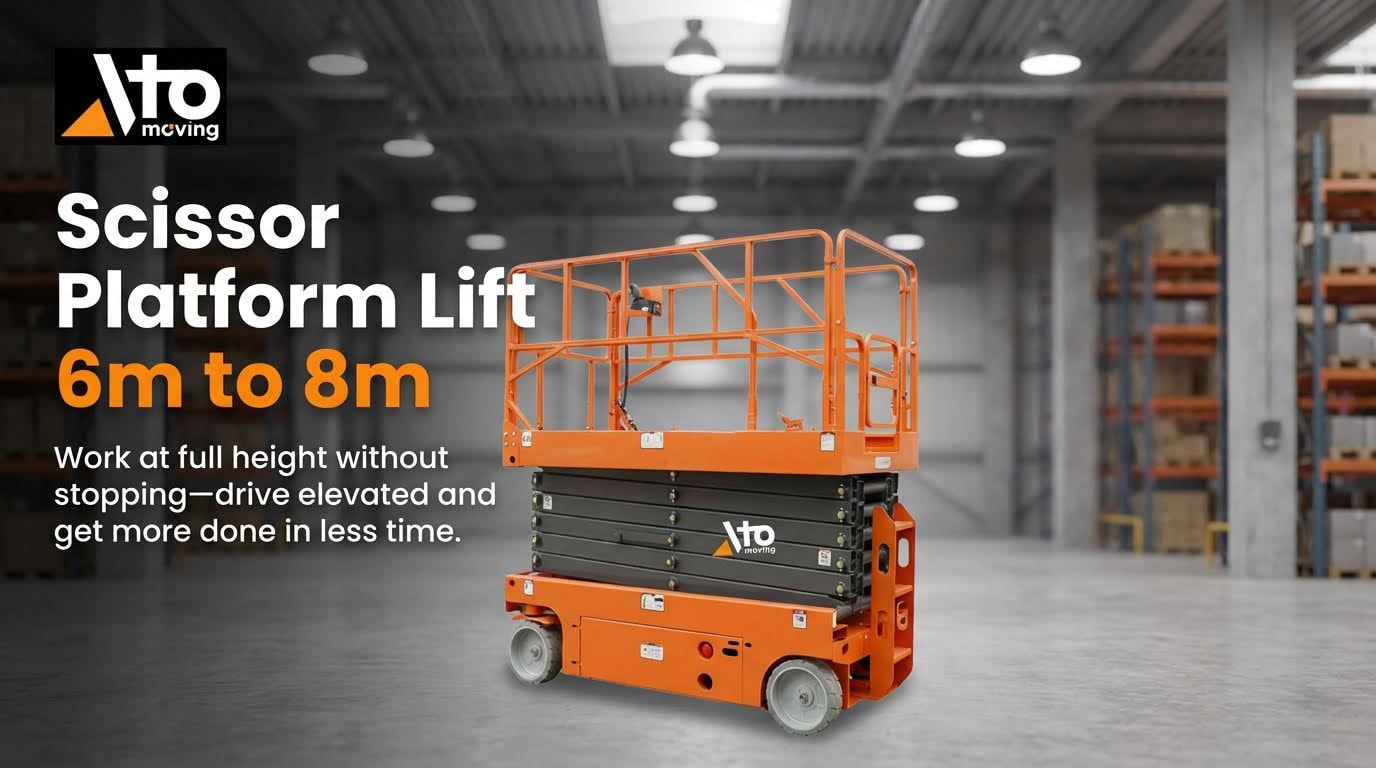
Inspection tags, daily checklists, and professional engineer (PE) letters form the machine-side documentation that proves each order picking machines is structurally sound, inspected, and safe to use on the day an operator climbs aboard.
While operator records answer when does an aerial work platform training expire, machine records answer whether the unit itself was compliant that same day. A robust system assigns unique IDs to each platform and links its inspection tags, logbooks, PE letters, and electrical test certificates to that ID. Daily pre-use inspections, annual inspections, and engineering approvals are all documented and retained so you can reconstruct the machine’s condition at any point in time.
| Document / Tag | What It Proves | Typical Interval | Operational Impact |
|---|---|---|---|
| Daily Pre-Use Checklist & Logbook | Unit was inspected before use; defects recorded and addressed | Each shift / day of use | Allows immediate lockout of unsafe units and shows due diligence in incident reviews. Typical checklists cover manuals, damage, tires, fluids, and controls. |
| Annual Inspection Tag | Qualified person inspected unit; tag valid for 12 months | Every 12 months | Visual “go/no-go” cue at the platform; missing or expired tag should sideline the unit. Guidance calls for dated annual tags. |
| PE Letter | Platform meets applicable design/structural standards | On major mods or if OEM data missing | Allows continued use of older or modified units with formal engineering backing. Some jurisdictions require PE certification. |
| Electrical Test Certificates | Dielectric performance for insulated units | Typically annual or per standard | Essential for live-line or proximity work; missing records mean the unit should not be used near high voltage. Industry checklists emphasize these tests. |
- On-Board Documentation: Keep operator manuals and daily logbooks in a weatherproof box on the platform – ensures the minimum required documents are always at hand. Regulatory guidance stresses physical manuals and durable labels.
- Defect Handling: Configure checklists so critical defects automatically trigger lockout and work orders – prevents “inspect and ignore” culture. Good practice is to lock out until a qualified person repairs.
- Durable Labels: Maintain ANSI plates, capacity charts, and safety decals in legible condition – operators rely on them for safe setup and loading. Guidance details plate content and durability expectations.
What a daily AWP checklist should minimally cover
At minimum, a daily checklist should confirm manuals are present, inspect for structural damage and leaks, check tires and wheels, verify all labels and plates are legible, and function-test all controls and emergency stops before lifting.
💡 Field Engineer’s Note: Treat the annual inspection tag as a quick reference only. The real value is in the full inspection report behind it. During audits, have those reports ready to show exactly what was checked and which parts were repaired or replaced.
Integrating Training Data With Maintenance And WMS

Integrating training data with maintenance systems and warehouse management systems (WMS) creates a closed-loop control where only trained operators can use in-service machines, and every lift event is backed by both current training and current inspections.
Most organizations already track work orders and inventory movements; the gap is linking these to people and training dates. When your system knows both when does an semi electric order picker training expire and when a specific unit’s annual inspection or electrical test expires, it can automatically block unsafe combinations: untrained operator plus expired machine equals no dispatch. This reduces incident risk and strengthens your defense if regulators question your controls.
| System | Key AWP Data to Integrate | Integration Logic | Best For… |
|---|---|---|---|
| HR / LMS (Learning Management System) | Operator IDs, course completions, expiry dates, competency checks | Push “fit-to-operate” flags to maintenance/WMS based on current date vs expiry. | Ensuring only trained operators can be assigned to AWP tasks. |
| CMMS / Maintenance System | Unit ID, daily checks, annual inspections, PE letters, electrical tests | Expose “machine available / locked-out” status to WMS and dispatch tools. | Blocking use of units with overdue inspections or open critical defects. |
| WMS / Job Dispatch | Task type, location, required equipment class | Match task to both a compliant operator and a compliant machine. | High-throughput warehouses and construction sites with many operators. |
- Rule-Based Blocking: Configure rules so tasks requiring an AWP cannot be assigned if either training or inspection dates are beyond allowed limits – automates compliance instead of relying on memory.
- Alerts and Dashboards: Use dashboards to show upcoming expiries for both operators and machines – lets supervisors schedule refresher training and inspections before they become urgent.
- Audit Trails: Log every override or manual assignment – creates a clear trail if someone bypasses the system, which is critical in post-incident reviews.
- Documentation Sync: Store digital copies of certificates, inspection reports, and PE letters within the CMMS/LMS – allows one-click retrieval during audits or client pre-qualification checks.
Example: How a three-year expiry rule works in practice
Assume an operator completed training on 01 Jan 2023. The LMS sets an expiry of 01 Jan 2026 based on the three-year cycle. From 02 Jan 2026 onward, the WMS automatically blocks that operator from being assigned to any AWP tasks until refresher training and hands-on evaluation are logged.
💡 Field Engineer’s Note: When you first integrate these systems, expect a spike in “blocked” work due to hidden expired training and inspections. Resist the urge to loosen the rules. Use that spike as a roadmap for where your real compliance gaps have been hiding.

Final Thoughts On Managing AWP Training Lifecycles
Aerial work platform training lifecycles only work when you treat expiry, refreshers, and records as one integrated control system. The three-year maximum interval gives you a clear outer limit, but real safety depends on how fast you trigger early refreshers after incidents, unsafe behavior, or new hazards. When you reset training on these signals, you close the gap between “still valid on paper” and “no longer safe in practice.”
Records then turn these rules into defensible proof. Operator files, competency logs, inspection tags, and PE letters must line up in time so you can show that a trained person used a compliant machine on a given day. Integration with HR, maintenance, and WMS systems lets you automate this match and block unsafe operator–machine combinations before work starts.
The best practice for operations and engineering teams is simple but strict. Lock in a three-year maximum, enforce incident- and change-driven refreshers, and centralize every record in a system that supervisors can trust in real time. If you do that, your AWP program will not just answer “when does training expire” – it will actively prevent the conditions that lead to falls, tip-overs, and shutdown-level investigations on Atomoving and other platforms.
Frequently Asked Questions
When does aerial work platform training expire?
Aerial work platform training typically needs to be renewed every three years, according to ANSI recommendations. This renewal ensures operators stay updated with safe operating practices. Aerial Lift Certification Renewal.
Does OSHA require training for aerial lifts?
Yes, OSHA requires training for all workers who operate or work with aerial lifts. This is outlined under regulation 1926.454, which mandates proper training to ensure safety. OSHA Aerial Lift Training.
What does OSHA require for aerial lift training?
OSHA requires that all lift workers undergo recertification every three years. This includes both theoretical and practical assessments to maintain safety standards. Recertification Guidelines.