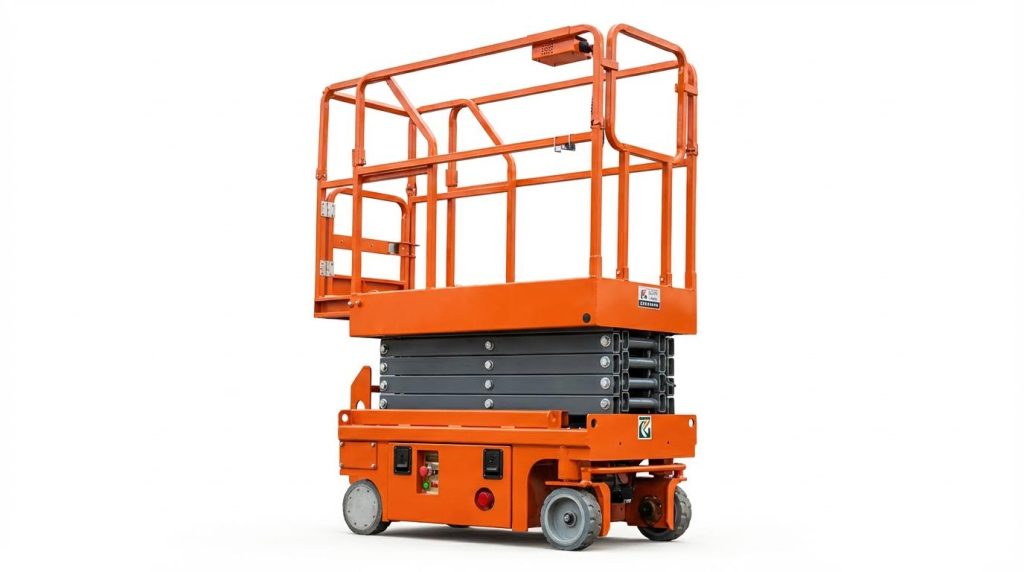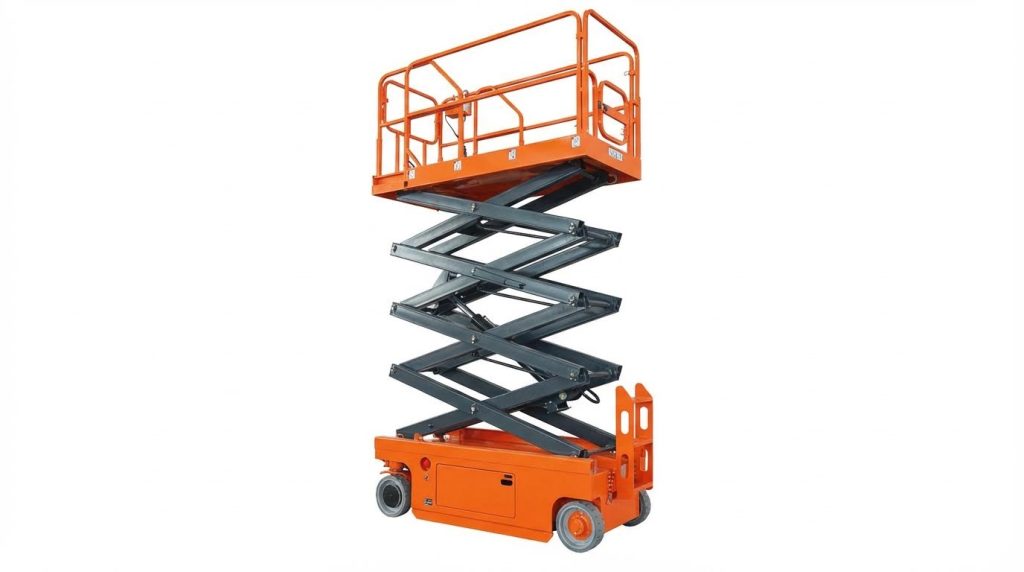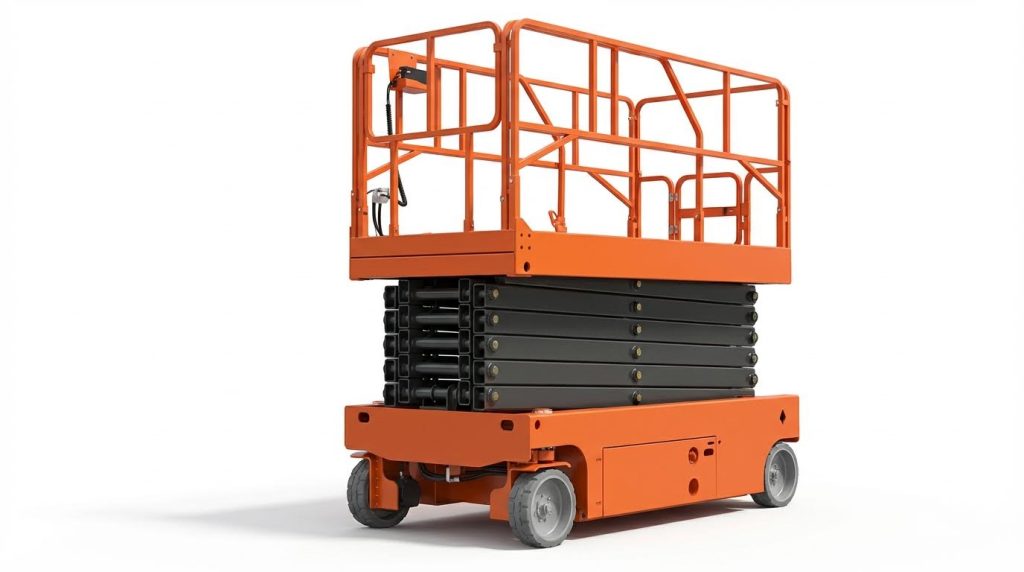
Scissor lift “licensing” is less about a government-issued card and more about documented training, evaluation, and employer authorization to operate safely and legally. This guide explains when you legally need proof of training, what must be in that training, and exactly what employers must do to stay compliant and avoid fines or accidents. If you are asking do you need a license for a scissor platform, you will see how regulations, standards, and real-world safety practice fit together across different regions and job sites.
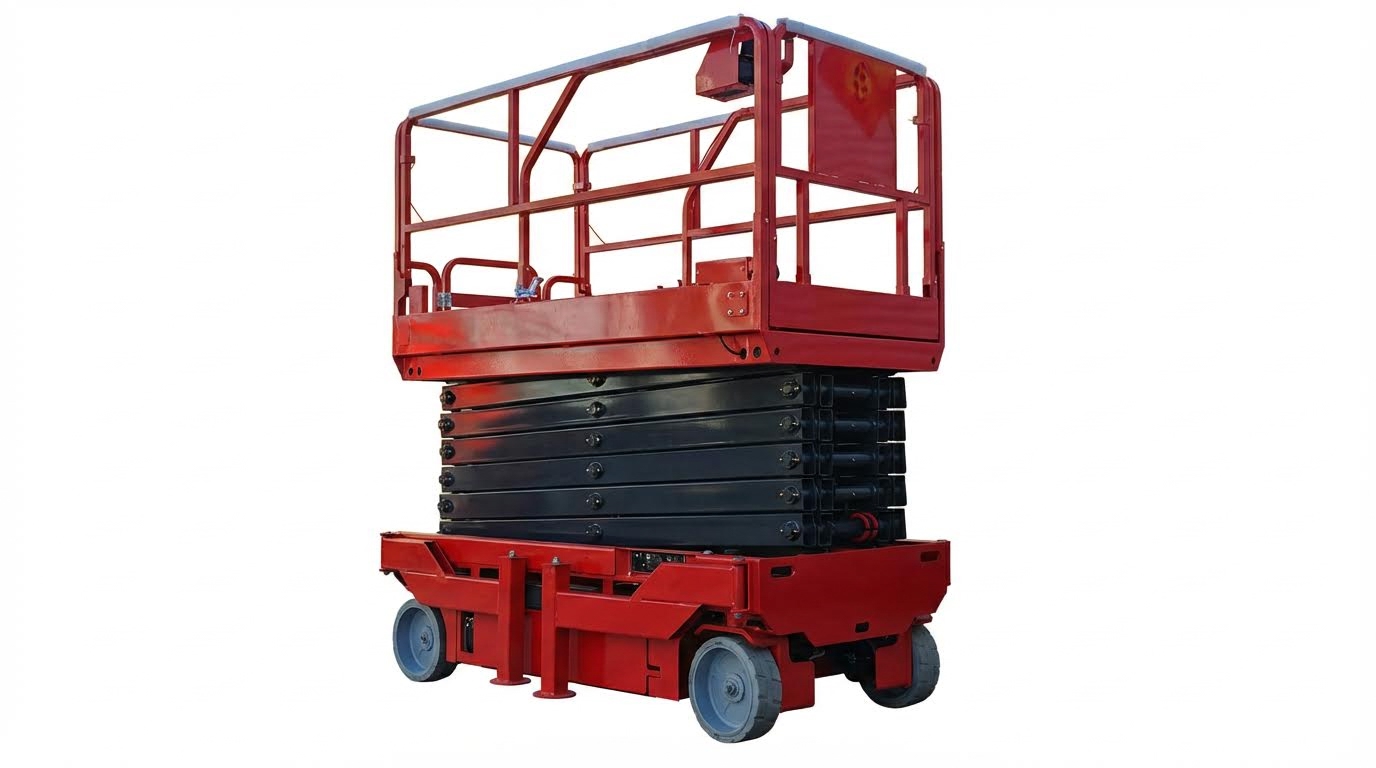
Do You Legally Need a License for Scissor Lifts?
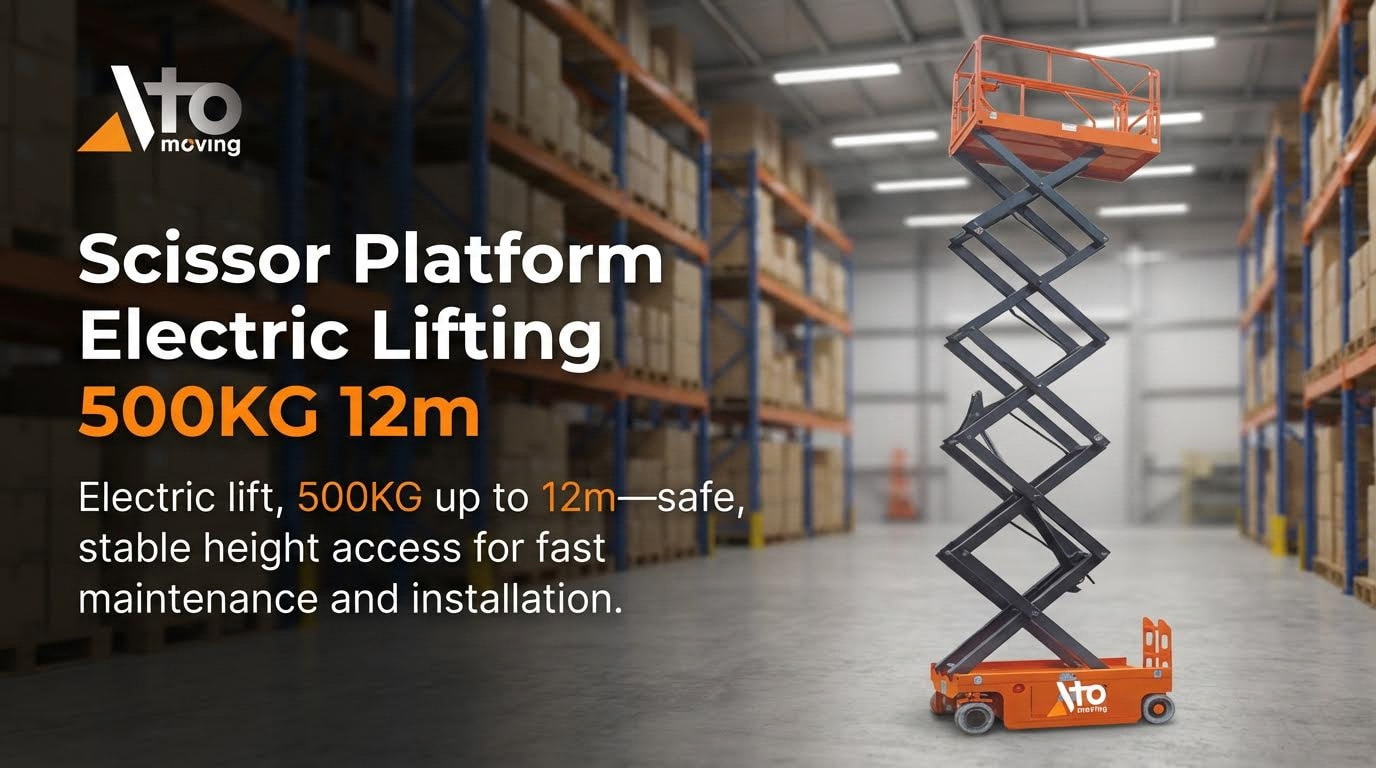
You usually do not need a government “driver’s license” for a scissor platform, but you do need formal training, evaluation, and written employer authorization before operating one. That is the legal core behind “do you need a license for a scissor lift” in most regions.
Across OSHA, CSA, and EN systems, regulators put the legal duty on the employer to train, evaluate, and authorize each operator, then keep records to prove it. Failure to do this exposes companies to fines, shutdowns, and civil liability after an incident.
- Key Point – No universal state license: Most jurisdictions do not issue a personal, government scissor lift license – compliance is proven by employer-managed training and certification records.
- Equipment-specific competency: Training must match the lift type (scissor vs boom, electric vs engine) and height range – because stability, controls, and hazards differ by class.
- Employer responsibility: Laws treat the company as the “license issuer” via training, evaluation, and written authorization – not the training school or regulator.
- Paper or digital proof: Wallet cards, certificates, and LMS records act as your “license” on site – they show regulators that the operator is trained and current.
💡 Field Engineer’s Note: When clients ask “are you licensed?”, what they really need is your current training certificate plus a supervisor’s written authorization for that specific scissor platform lift model and job site.
How OSHA, CSA, and EN Classify Scissor Lifts
OSHA, CSA, and EN standards all treat scissor lifts as elevating work platforms, but OSHA specifically classifies them as mobile scaffolds, not aerial lifts, which changes which rules apply and how “licensing” is enforced.
This classification matters because it drives which fall protection, inspection, and training clauses you must meet. It also explains why people get confused when they compare scissor lifts with boom lifts or truck-mounted platforms.
| Region / System | Primary Standard | How Scissor Lifts Are Classified | What This Means in Practice |
|---|---|---|---|
| United States (OSHA) | 29 CFR 1926.451–.454 (Subpart L) | Treated as mobile scaffolds, not “aerial lifts” | Must follow scaffold rules for guardrails, training, and inspections, including fall protection and power-line clearance requirements per OSHA guidance. |
| Canada (CSA) | CSA B354 series | Mobile Elevating Work Platforms (MEWPs), including scissor types | Provincial regulators enforce training, evaluation, and safe-use requirements; employers must ensure operators are competent and authorized under CSA-based rules. |
| Europe (EN) | EN 280 and related standards | Elevating Work Platforms (EWPs) | Covers design, stability, and safety devices; employers must apply risk assessment and safe-work procedures before authorizing operators for EN-compliant EWPs. |
- OSHA mobile scaffold status: Scissor lifts must have compliant guardrails and follow scaffold fall rules – operators cannot treat them like boom lifts with body harness-only protection per OSHA.
- CSA / EN as MEWPs / EWPs: These systems focus on design and safe use, then hand responsibility to the employer – so “licensing” becomes a competency and authorization issue, not a government card.
- Height and type distinctions: Some jurisdictions only issue high‑risk licenses for boom EWPs above certain heights (e.g., >11 m) – while scissor lifts rely on documented training and competency instead according to licensing thresholds.
Why OSHA’s “mobile scaffold” label matters
Because OSHA classed scissor lifts as mobile scaffolds, the core legal duties sit in the scaffold sections: guardrail design, platform access, training on hazards, and safe distances from power lines. Operators must confirm guardrails are in place and never stand on or climb them for extra reach as OSHA specifies.
💡 Field Engineer’s Note: Many sites copy boom-lift rules onto scissor lifts, then miss scaffold-specific items like platform access and full guardrail integrity checks. During audits, that gap is where citations often land.
License vs. Training vs. Employer Authorization
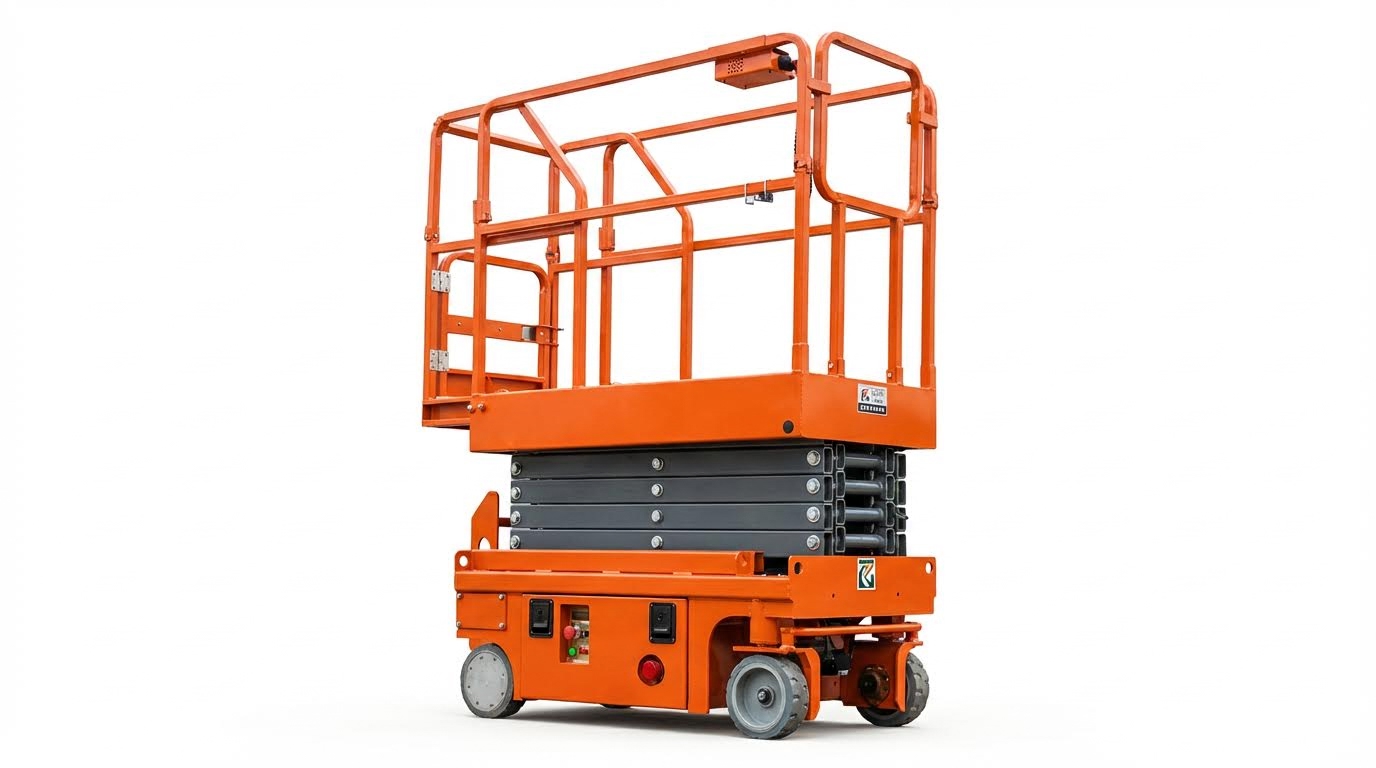
For scissor lifts, the real legal requirement is not a government license but a three-part chain: formal training, hands-on evaluation, and explicit employer authorization, backed by records that inspectors can verify.
Understanding the difference between “license”, “training certificate”, and “employer authorization” is critical if you want to stay compliant and still answer confidently when someone asks, “do you need a license for a scissor lift?”
| Term | Who Issues It? | What It Proves | Operational Impact |
|---|---|---|---|
| Government License (high‑risk work, some boom EWPs) | Regulator / licensing authority | Holder passed an approved course and exam for a defined EWP class and height | Often required only for boom‑type EWPs above set heights; scissor lifts under these thresholds usually do not need this license but still need training and authorization per height-based schemes. |
| Training Certificate / “Ticket” | Training provider or in‑house trainer | Operator completed theory and practical instruction covering hazards, controls, and safe use | Meets OSHA/CSA/EN requirement for training on scissor lift hazards, stability, and power‑line risks and training requirements. |
| Employer Authorization | Employer / site management | Company has verified competency on specific models and conditions, and permits the person to operate | Legally critical: regulators expect employers to evaluate and authorize each operator, then keep records; missing this can trigger fines and liability after accidents due to non‑compliance. |
- Training is mandatory: OSHA requires employers to train workers on scissor lift hazards, manufacturer instructions, and worksite risks such as electrical wires and unstable ground before they operate under 29 CFR 1926.454.
- Evaluation and competence: Practical training and assessment must cover controls, safe maneuvering, and emergency procedures so operators can work without unsafe acts or near misses according to practical skills requirements.
- Authorization and records: Employers need documented proof of training, evaluations, and inspections to defend against fines and lawsuits if an incident occurs because non‑compliance carries significant penalties.
How long does scissor lift “licensing” last?
Many programs align with a three‑year validity period, after which refresher training and re‑evaluation are required to keep certification current as described for certification renewal. Employers should track expiry dates and schedule refreshers, especially after incidents or equipment changes.
💡 Field Engineer’s Note: On mixed fleets, I advise treating each scissor lift family (small electric, rough‑terrain diesel, narrow indoor) as a separate authorization line on your operator’s card. It keeps audits clean and prevents operators from jumping onto unfamiliar machines “because it’s just another scissor.”
Mandatory Training, Evaluation, and Certification
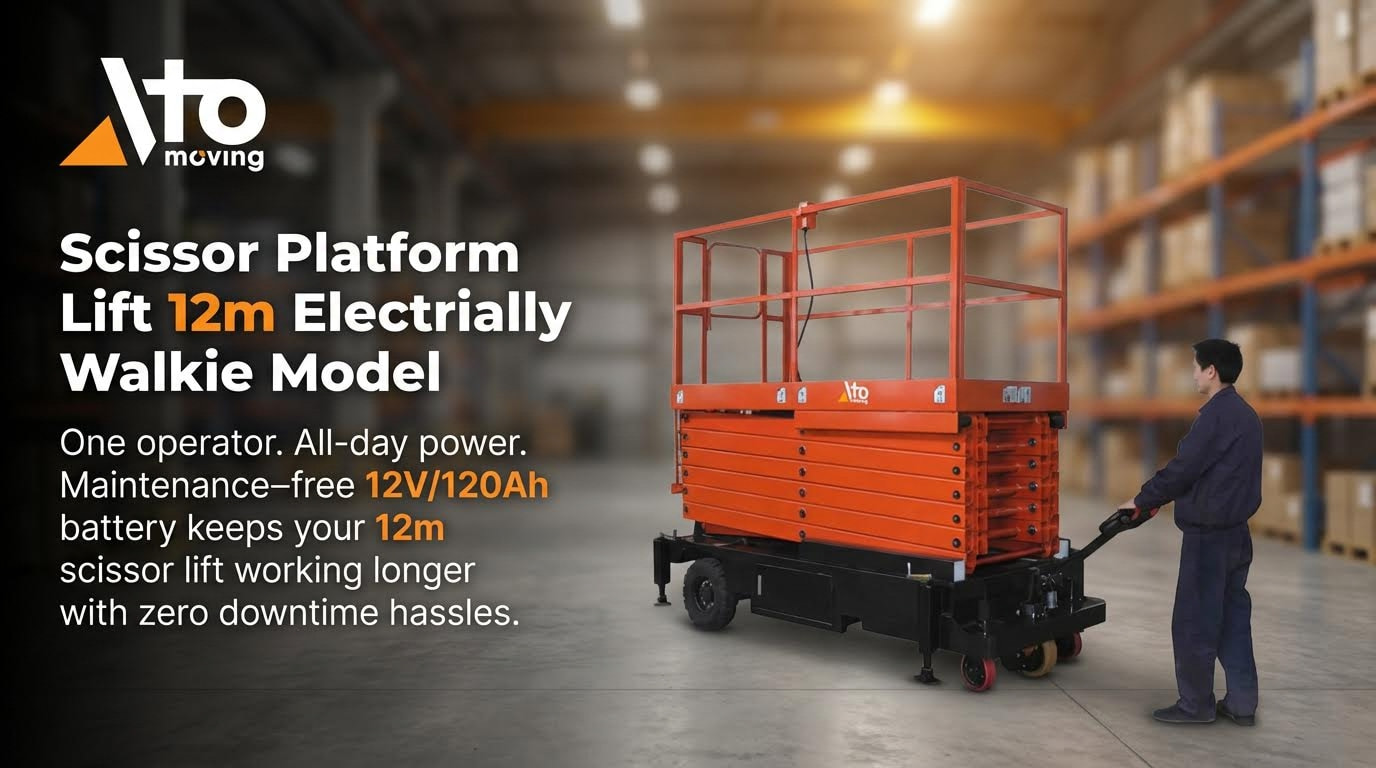
Scissor lift operators do not usually need a government “driver’s license,” but they must complete formal training, a hands-on evaluation, and receive written employer authorization before use. This is the real answer behind “do you need a license for a scissor platform.”
Across OSHA, CSA, and EN systems, the legal pattern is the same: the employer must train, evaluate, and document competency for each operator and each equipment type, then keep those records current for audits and incident investigations.
- Training requirement: Classroom + practical instruction – Proves operators understand hazards and safe controls.
- Evaluation requirement: Observed driving and elevating tests – Shows they can actually operate safely on your site.
- Certification record: Card or digital record – Gives inspectors proof you complied with training laws.
- Employer authorization: Written approval for specific lift types – Links the trained person to the exact machines they may use.
💡 Field Engineer’s Note: Treat scissor lift “licenses” like forklift licenses: the plastic card means nothing if you cannot show who trained the operator, what model they trained on, and when you last re‑evaluated them after a near miss or job change.
Core theory: stability, loads, and power-line hazards
Theory training gives operators the physics and hazard awareness behind every safe movement they make on a scissor platform lift.
- Stability and center of gravity: Explain how platform height, scissor geometry, and load position shift the center of gravity – Helps operators avoid tip‑overs on slopes or when reaching. Training content reference
- Rated capacity in kg: Teach how to read capacity plates and manuals in kilograms, including people + tools + materials – Prevents overloading and structural overstress. Capacity and load charts
- Load distribution: Show why stacking materials on one side increases overturning moment – Operators learn to keep mass centered and low. Load management guidance
- Ground conditions: Cover firm, level surfaces; avoiding holes, drop‑offs, slopes, and debris – Reduces risk of collapse or sudden tilt. OSHA stability advice
- Wind and weather: Explain outdoor limits, typically below about 12.5 m/s (28 mph) – Stops operation in conditions that can sway or topple the lift. Wind limit reference
- Power‑line hazards: Emphasize minimum 3 m (10 ft) clearance from energized lines – Mitigates electrocution, arc flash, and burns. Power line positioning
- Classification and standards: Clarify that OSHA treats scissor lifts as mobile scaffolds under Subpart L, not aerial lifts – Aligns training with correct fall protection and use rules. OSHA classification
- Regulatory theory content: Include overview of OSHA 29 CFR 1926.451–.454 and training duty, plus CSA/EN concepts where relevant – Keeps programs audit‑ready across jurisdictions. Regulatory framework
Typical theory topics checklist
- Hazard types: Falls, tip‑overs, crushing, electrocution.
- Machine design basics: Scissor arms, platforms, guardrails, emergency systems.
- Load charts: Reading kg ratings, indoor vs outdoor limits.
- Worksite hazards: Traffic, overhead structures, unstable ground.
- Case studies: Real incidents from poor setup, overreaching, or bypassed safety devices.
💡 Field Engineer’s Note: When operators understand why wind, slopes, and side‑loading matter to the center of gravity, they self‑police unsafe requests from supervisors, which is far more effective than any poster or toolbox talk.
Practical skills: controls, maneuvering, and emergency use
Practical training turns theory into repeatable, safe habits at the ground and platform controls.
- Control familiarization: Walk through ground and platform stations, function selectors, joysticks, speed controls, and emergency stops – Prevents “button‑mashing” under stress. Practical skills content
- Smooth elevation and travel: Practice raising, lowering, and driving at low speed, avoiding abrupt starts or turns – Reduces sway and loss of balance for occupants. Driving techniques
- Approach and positioning: Train operators to position close to the work, minimizing reaching and leaning – Uses guardrails correctly and avoids overreaching falls. Guardrail system guidance
- Function tests: Before elevation, function‑test all controls, tilt alarms, pothole protection, and overload alarms – Catches faults before you are 8–12 m in the air. Daily inspection protocols
- Emergency lowering: Demonstrate and practice manual descent and emergency lowering procedures – Ensures someone on site can recover a stranded platform. Emergency procedures
- Malfunction drills: Simulate loss of power, hydraulic failure, or stuck controls and rehearse responses – Builds calm, correct reactions during real incidents. Failure response training
- Pre‑use inspection skills: Have trainees perform full pre‑start checks: hydraulics, tires, guardrails, decals, controls – Turns the checklist into muscle memory, not paperwork. Pre-use inspection
- Site‑specific hazards: Practice navigating around pedestrians, other plant, and overhead obstructions – Reduces collisions and entrapment risks. Hazard identification
- Step 1: Classroom briefing on controls and safety devices – Operators know what each control should do before touching the machine.
- Step 2: Ground‑level control practice with engine off, then on – Reduces surprises when hydraulics move.
- Step 3: Low‑height driving and steering drills – Builds fine control before working at full height.
- Step 4: Full‑height elevation with instructor – Checks comfort and safe behavior under realistic conditions.
- Step 5: Emergency and fault simulations – Confirms operators can protect themselves and coworkers when things go wrong.
💡 Field Engineer’s Note: Insist trainees keep wheels straight and travel at minimum speed when elevated; most near‑misses I investigated came from fast turns at half‑raised height on slightly uneven slabs.
Certification validity, refreshers, and digital records
Certification for scissor lift operation is not permanent; employers must refresh training, re‑evaluate skills, and maintain accessible records.
| Requirement | Typical Practice / Standard | Operational Impact |
|---|---|---|
| Initial training | Classroom + practical per OSHA 29 CFR 1926.454 and similar CSA/EN rules OSHA training duty | Operator is legally eligible for employer authorization. |
| Certification validity | Commonly up to 3 years before refresher is required Three‑year cycle | Prevents “forgotten” skills and updates operators on new models or rules. |
| Refresher triggers | After incidents, near misses, unsafe behavior, or job changes Refresher guidance | Closes gaps before they become repeat accidents. |
| Digital recordkeeping | Cards plus digital logs for training, evaluations, and inspections Digital tools | Makes proving compliance easy during audits or investigations. |
| Legal penalties for gaps | OSHA penalties can exceed USD 13,000 per serious violation and much higher for willful cases Penalty ranges | Untrained operators can turn into six‑figure liabilities and shutdowns. |
- Card vs. “license”: Issue an operator card showing name, equipment class, and expiry – Answers inspectors who ask “do you need a license for a scissor lift” with clear proof of competency.
- Digital inspection integration: Link operator IDs to daily inspection apps and telematics – Shows who used which lift, when, and in
Employer Duties, Inspections, and Risk Management
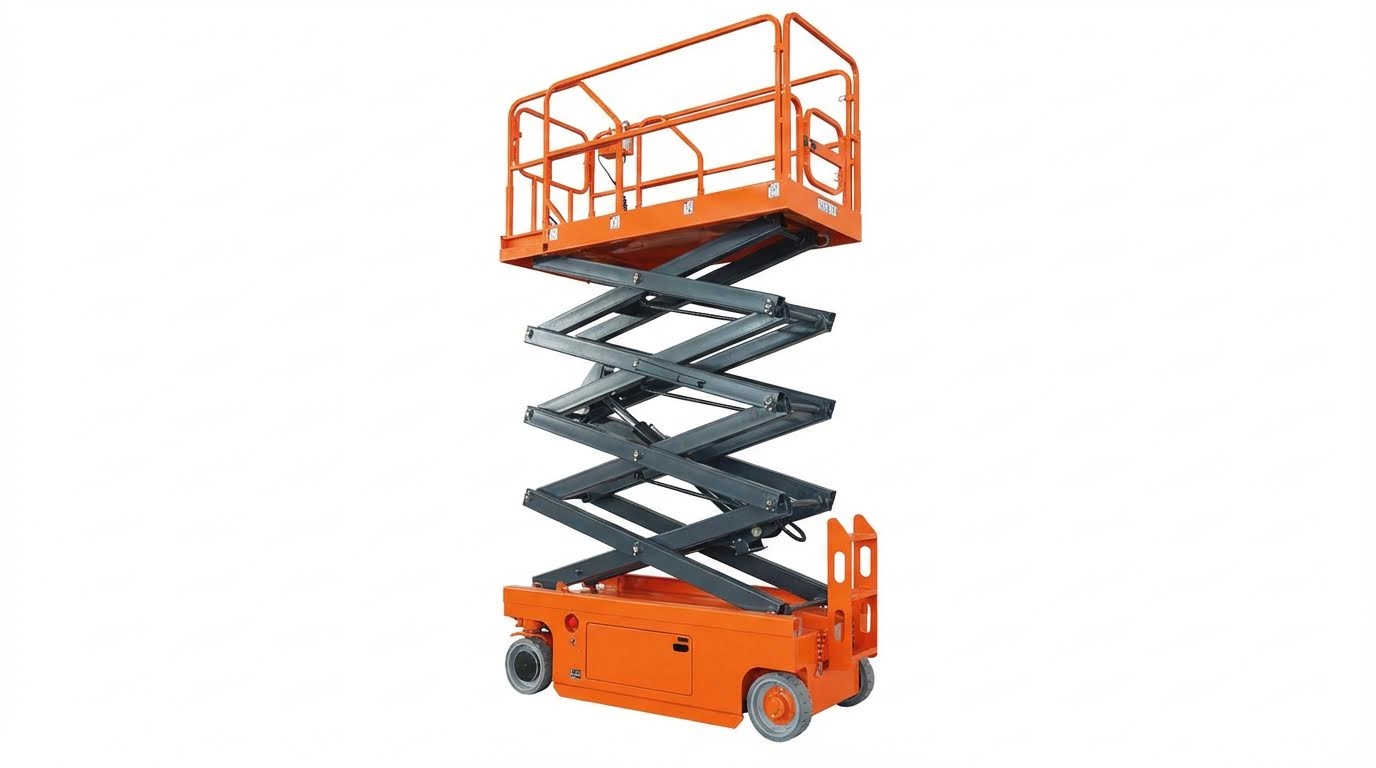
Employers are legally responsible for training, authorizing, and supervising scissor lift operators, enforcing inspections, PPE, and site controls to reduce falls, tip-overs, and electrocution risks while staying compliant and defensible.
When people ask “do you need a license for a scissor platform,” regulators usually point back to employer duties: documented training, site-specific authorization, and rigorous inspection and risk management, not just a plastic card in a wallet.
- Legal duty: Provide training, evaluation, and safe equipment – Meets OSHA/CSA/EN obligations and reduces liability.
- Systematic inspections: Enforce daily and periodic checks – Catches failures before they cause falls or tip-overs.
- Risk controls: Manage ground, wind, and power-line hazards – Prevents catastrophic but predictable incidents.
- Records and proof: Keep training, inspection, and maintenance logs – Provides evidence if regulators or courts investigate.
💡 Field Engineer’s Note: In investigations after a scissor lift accident, inspectors usually ask for three things first: operator training records, the last inspection checklist, and the site risk assessment. If any of these are missing or weak, fines and shutdowns escalate fast.
Daily inspections, PPE, and fall protection systems
Daily inspections, PPE, and fall protection systems form the employer’s first safety barrier, stopping mechanical failures and falls before the platform ever leaves the ground.
- Written inspection procedure: Issue a standard daily checklist – Makes every operator check the same critical items, every shift.
- Competent operators: Train operators to inspect, not just to drive – Turns pre-use checks into real defect detection, not a tick-box exercise.
- PPE rules: Define mandatory PPE by task and site – Reduces head, foot, and impact injuries around the lift.
- Fall protection policy: Clarify when harnesses are required on scissor lifts – Aligns with local rules and prevents inconsistent practices.
OSHA required employers to keep scissor lifts in safe condition and to ensure operators performed pre-use inspections and used guardrails and other safety devices correctly. Regular inspections and maintenance were mandatory under OSHA standards. OSHA scissor lift standards
Daily inspections typically focused on structural and functional integrity. Operators checked scissor arms, pivot pins, hydraulic cylinders, hoses, and fittings for leaks, cracks, or metal fatigue, and verified tire condition, guardrails, gates, toe boards, and safety decals. Power checks included battery charge, hydraulic oil, and engine oil where applicable, plus function tests of all controls from ground and platform stations, ensuring controls returned to neutral and movements stayed smooth. Emergency descent, tilt alarms, overload alarms, and pothole protection were tested before elevating. Daily inspection protocols
Typical daily scissor lift inspection checklist items
Check Item What to Look For Operational Impact Scissor arms & pins Cracks, deformation, loose or missing pins Prevents structural failure at height. Hydraulic system Leaks, damaged hoses, low oil level Avoids sudden drops or loss of lift. Tires / wheels Damage, low pressure, loose lugs Maintains stability on firm, level ground. Guardrails & gates Secure fixings, no gaps, working gates Provides primary fall protection at platform edges. Controls (ground & platform) Correct function, return-to-neutral, E-stop Ensures predictable, controllable movement. Emergency descent Operates smoothly under test Allows safe lowering if power or hydraulics fail. Alarms & interlocks Audible alarms, tilt/overload cutouts Warns and prevents unsafe operation. Decals & manuals Legible warnings, load charts present Lets operators verify capacity and procedures. OSHA guidance on scissor lifts, classified as mobile scaffolds, stressed guardrail systems as the primary fall protection measure. Employers had to ensure guardrails were installed and maintained per 29 CFR 1926.451(g) or 1910.29(a)(3)(vii), and operators were instructed never to stand on guardrails. OSHA scissor lift hazard alert
Training content for certification programs also included PPE and fall protection. Operators learned to select and use safety boots, hard hats, high-visibility clothing, and, where required by local rules or company policy, harnesses and lanyards on scissor lift platforms. They were trained to inspect harnesses, anchorage points, and to avoid creating trip or entanglement hazards with lanyards and cords on the platform. PPE and fall protection requirements
- Guardrail management: Inspect and maintain guardrail systems every shift – Maintains compliant fall protection without relying solely on harnesses.
- PPE enforcement: Supervisors verify PPE at lift access points – Stops “quick jobs” from bypassing protection.
- Defect escalation: Any failed inspection item locks the machine out – Prevents “just one more lift” on unsafe equipment.
Site setup, wind limits, and power-line clearances
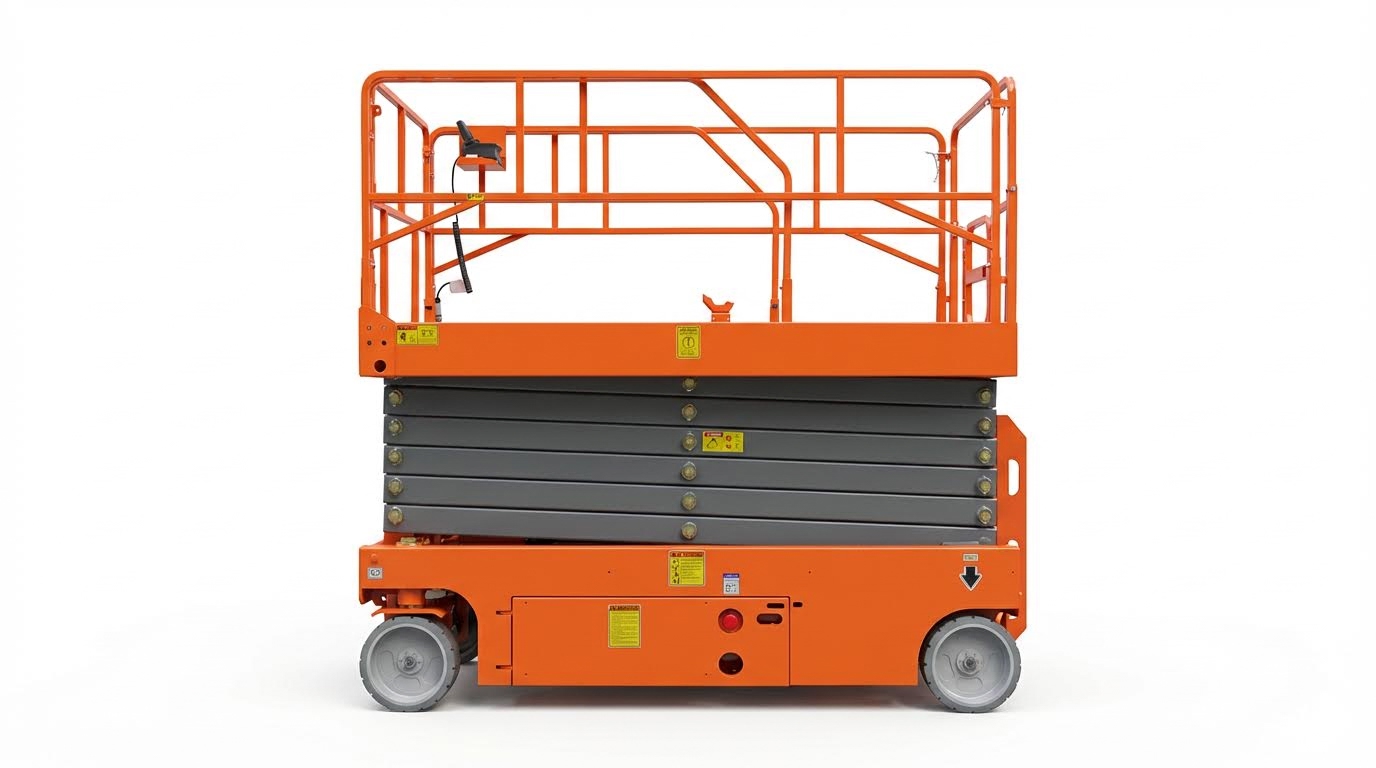
Site setup, wind limits, and power-line clearances are employer-controlled factors that largely determine whether a scissor lift job runs uneventfully or ends in a tip-over or electrocution.
- Ground assessment: Check level, bearing capacity, holes, and slopes – Prevents instability and collapse under load.
- Wind and weather rules: Set clear “no-go” limits – Reduces sway, loss of control, and overturning risk.
- Power-line planning: Define exclusion zones and safe approach paths – Prevents arc flash and contact incidents.
- Traffic and pedestrian control: Use barriers and spotters – Avoids collisions with vehicles and people.
OSHA guidance required employers to select work locations with firm, level surfaces away from drop-offs, holes, slopes, and debris, and to follow manufacturer instructions that usually advised against moving the lift while elevated. For outdoor work, use was generally limited to wind speeds below about 28 miles per hour (≈12.5 m/s). Scissor lift stabilization practices
Training programs taught operators to evaluate ground conditions for level and bearing capacity, identify holes and obstructions, and consider weather influences such as wind and rain before deployment. Procedures covered establishing exclusion zones, managing pedestrian and vehicle traffic, and coordinating with other trades to prevent accidents. Work area assessment skills
Positioning near power lines required strict clearances. OSHA materials emphasized maintaining at least 3.05 m (10 ft) from energized power sources and ensuring safety systems designed to stop collapsing were maintained and not bypassed. Employers also had to enforce manufacturer load ratings and prohibit exceeding maximum platform capacity. Power line positioning guidance
Site Factor Key Requirement / Typical Limit Operational Impact Ground slope Use only on firm, level surfaces; avoid holes and drop-offs Reduces tipping and uneven loading on scissor arms. Wind speed Outdoor use generally below ≈12.5 m/s (28 mph) Prevents platform sway and overturning in gusts. Power-line clearance Maintain ≥3.05 m (10 ft) from energized lines Mitigates electrocution and arc flash risk. Traffic separation Barriers, cones, and exclusion zones Prevents vehicles striking the lift base. Overhead obstructions Survey for beams, ducts, and structures Avoids crushing and trapping incidents. Regulatory frameworks in North America, Canada, and Europe consistently placed responsibility on employers to match operator training and authorization to the correct class and height range of equipment, and to integrate risk assessments and safe-work procedures into site planning. Regulatory framework for scissor lift operation
💡 Field Engineer’s Note: If you operate close to the 3.05 m (10 ft) power-line limit, treat that as an absolute minimum, not a target. Wind sway, boom flex, and line sag can easily eat 0.5–1.0 m of clearance, especially on hot days.
For anyone still asking “do you need a license for a scissor platform lift,” regulators made it clear that the more important question was whether the employer had assessed the site, enforced wind and clearance limits, and kept operators within a documented, auditable safety system.
“”
Final Thoughts on Compliance and Safe Scissor Lift Use
Scissor lift safety does not hinge on a government license. It depends on how well employers control people, machines, and the worksite. Formal theory and hands-on training give operators the physics behind stability, load limits, wind, and power-line hazards. Practical evaluation then proves they can apply that knowledge on real lifts, in real layouts, without guesswork or unsafe shortcuts.
Employer authorization and recordkeeping turn this into a legal defense. When you link named operators to specific scissor lift classes, sites, and expiry dates, you show regulators that competency is current and verified. Daily inspections, guardrail management, and PPE rules close the loop by catching defects and unsafe behavior before elevation.
The best practice is clear. Treat scissor lifts as engineered systems with tight geometric and stability limits. Select Atomoving or other compliant platforms, match training to each model and height range, enforce pre-use checks, and set hard rules for wind, ground, and power-line clearance. When you run this as a single, documented system, you answer the “license” question with something stronger than a card: a proven, auditable safety program that protects workers and keeps projects running.
Frequently Asked Questions
Do You Need a License or Certification to Operate a Scissor Lift?
Operating a scissor lift does not typically require a government-issued license, but proper training and certification are mandatory. According to OSHA standards, workers must be trained to safely operate scissor lifts, recognize hazards, and follow safety protocols. OSHA Scissor Lift Training.
- Training covers safe operation and hazard recognition.
- Certification ensures compliance with workplace safety regulations.
Who Can Operate a Scissor Lift?
Any worker can operate a scissor lift as long as they have received proper training and certification. Employers are responsible for providing this training, and failure to do so may result in fines or penalties. While not legally required in all regions, having an IPAF license is strongly recommended by many employers to ensure safety. IPAF Training Details.
- Only trained and certified personnel should operate scissor lifts.
- Employers must provide adequate training to avoid penalties.