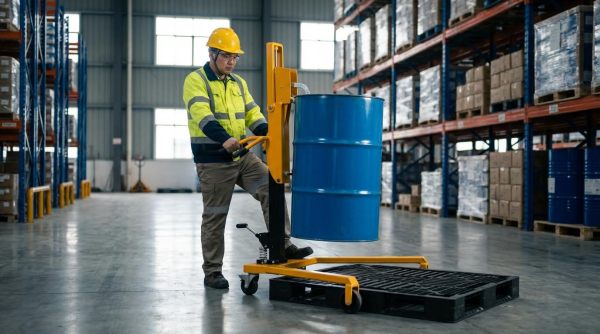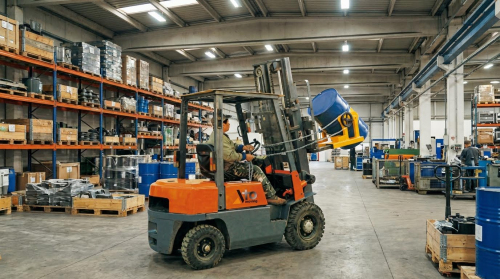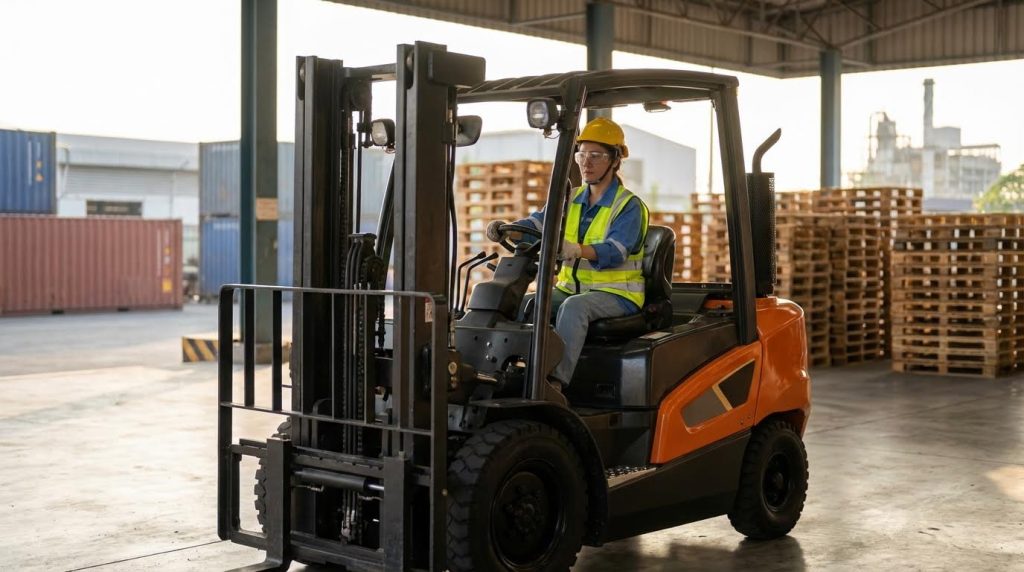
Diesel forklifts can be used indoors only in very controlled situations with strong ventilation, gas monitoring, and strict compliance with safety limits. This guide explains when, how, and whether can diesel forklifts be used indoors without putting people or productivity at risk.
We will break down emission hazards, OSHA and EPA requirements, air-change calculations, and gas detection thresholds so you can quantify your real risk, not guess. You will also see where diesel is still workable, and when semi electric order picker or LPG forklifts are the safer, lower‑cost choice over the full life of your facility.
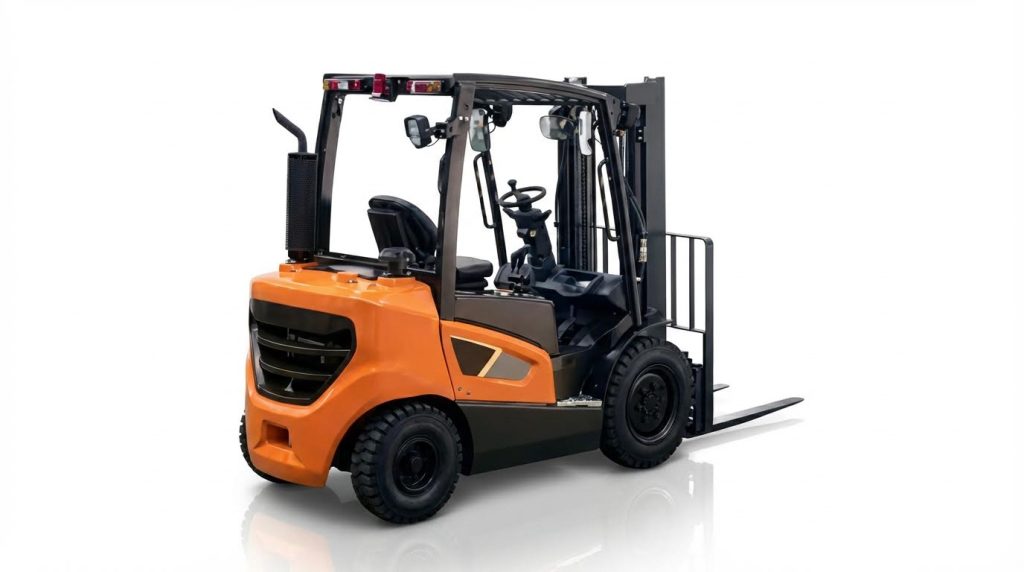
Indoor Diesel Forklift Use, Risks, And Legal Limits
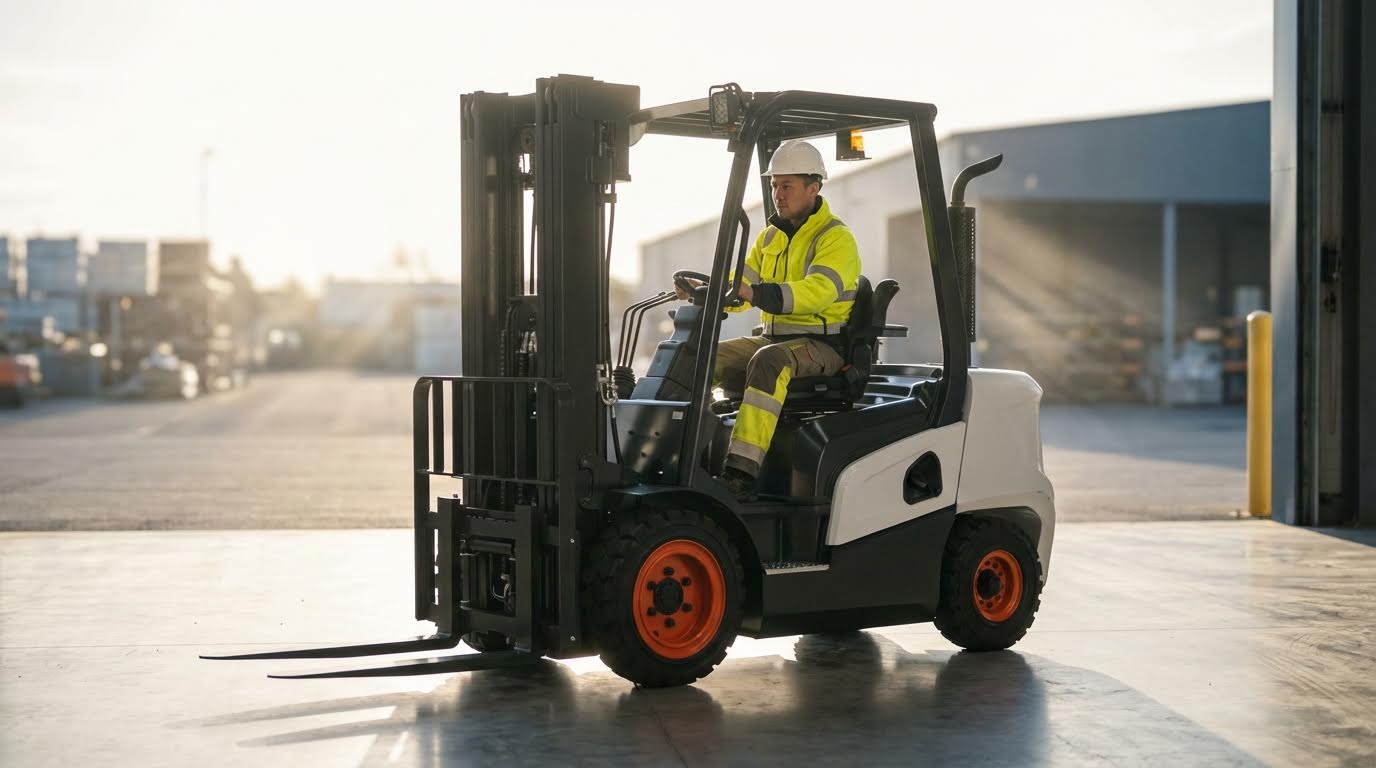
Indoor use of diesel forklifts is only acceptable in tightly controlled conditions with engineered ventilation, air monitoring, and strict compliance to exposure limits; otherwise, the legal and health risks outweigh any productivity gains. If you are asking “can diesel forklifts be used indoors,” the honest answer is “only rarely, and never without hard numbers and documented controls.”
- Core Question – can diesel forklifts be used indoors: Yes, but only where air quality stays within OSHA limits and ventilation is engineered, measured, and maintained – not just because doors are open.
- Main Risk: Exhaust gases and particulates from diesel engines – invisible hazards that accumulate faster than most supervisors expect.
- Legal Framework: OSHA, EPA, and local codes together define what is “safe” and “allowable” – violations can shut down operations and trigger liability.
- Engineering Requirement: You must treat indoor diesel as an air‑quality project, not just an equipment choice – ventilation rates, gas detection, and work patterns all matter.
💡 Field Engineer’s Note: Any time I see a site relying on “we crack the dock doors, so it’s fine,” the CO readings tell a different story. If you cannot quote your target ppm limits and air‑change rate, you are not in control of the risk.
Emission Hazards In Enclosed Facilities
Diesel forklifts create a cocktail of toxic gases and fine particulates that quickly become dangerous in enclosed buildings without engineered ventilation and monitoring. Understanding each pollutant is the first step before deciding if indoor diesel is even on the table.
| Emission | Main Source In Diesel Operation | Typical Health Effect Indoors | Timeframe Of Concern | Operational Impact |
|---|---|---|---|---|
| Carbon monoxide (CO) | Incomplete combustion in diesel engine exhaust source | Headache, dizziness, collapse, death | Minutes to hours in poorly ventilated areas | Can make a “normal” shift lethal if ventilation or tuning is poor. |
| Nitrogen oxides (NOₓ) | High‑temperature combustion source | Respiratory irritation, worsened asthma | Hours to chronic exposure | Raises sick‑leave and complaints in picking, packing, and assembly zones. |
| Particulate matter (PM) | Soot and unburned hydrocarbons in exhaust source | Lung damage, cardiovascular strain, cancer | Long‑term, cumulative | Triggers long‑term health claims; settles on product and racking. |
| Sulfur compounds | Sulfur in diesel fuel source | Eye/throat irritation, corrosion | Short to long term | Can damage sensitive goods and corrode metal in high‑use dock areas. |
In real warehouses, these emissions rarely stay “evenly mixed.” They pool in dead zones: mezzanines, corners, and high‑traffic aisles where trucks idle or reverse repeatedly. Symptoms like headaches or eye irritation during a shift are early warning signs that your answer to “can diesel forklifts be used indoors” should already be “not like this.”
- CO build‑up: One or two trucks cycling trailers at a dock can spike CO if doors are partly shut in winter – workers in trailers and dock pits are first hit.
- NOₓ and PM layering: Warm exhaust rises and can accumulate near 4–8 m roof levels – maintenance staff on scissor platform or mezzanines get higher doses.
- Chronic exposure: Long‑term diesel exhaust exposure indoors has been linked to respiratory and cardiovascular disease and cancer source – this becomes a worker‑comp and liability issue, not just a comfort issue.
Typical “red flag” symptoms on the floor
Watch for patterns of headaches, fatigue, eye and throat irritation, or workers avoiding certain aisles or docks. These often appeared before sites installed CO detectors and logged emissions data.
💡 Field Engineer’s Note: I treat any indoor diesel plan as guilty until proven innocent. If a site cannot show recent gas‑monitor logs and a written response plan for high readings, the forklifts belong outside or replaced with electric/LPG.
OSHA, EPA, And Local Code Compliance
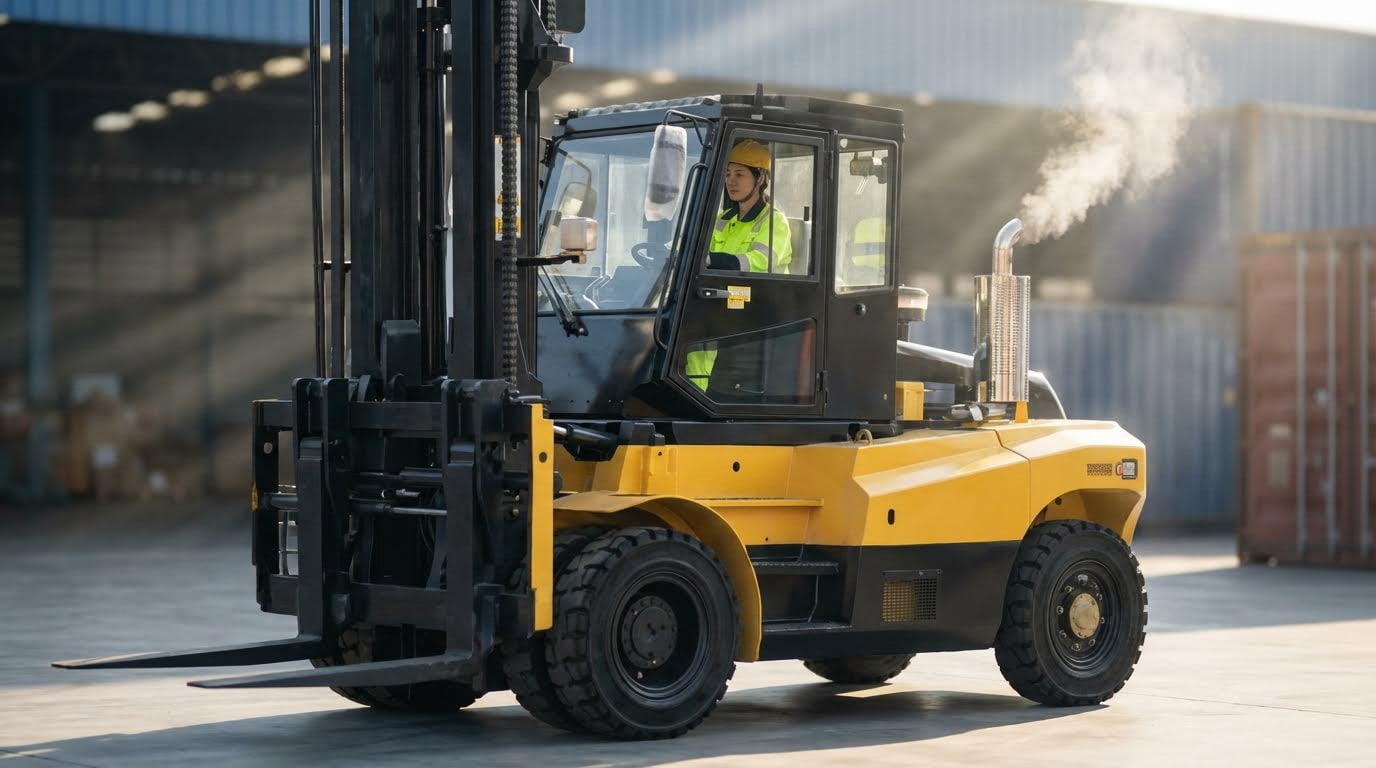
Regulations do not ban indoor diesel forklifts outright, but they set strict air‑quality and equipment rules that many buildings simply cannot meet in practice. Compliance hinges on measured gas levels, correct truck type, and documented maintenance, not verbal assurances.
| Regulator / Code | Key Focus For Indoor Diesel | Typical Requirement | Operational Impact |
|---|---|---|---|
| OSHA – 29 CFR 1910.178 | Powered industrial truck safety and environment of use source | Trucks must be suitable for the location; CO must not exceed OSHA limits; daily inspections and prompt repair of defects are mandatory. | For indoor diesel, you need documented pre‑shift checks, air‑quality control, and correct truck designation for any hazardous areas. |
| OSHA – Air contaminants | Exposure limits to gases like CO | CO typically limited to 50 ppm as an 8‑hour TWA and 200 ppm peak during a shift in many guidance documents source | You must monitor and prove that diesel use never pushes workers above these levels. |
| EPA – Diesel engine standards | Engine emission performance | Newer off‑road diesel forklifts must meet Tier 4 standards to reduce NOₓ and PM source | Older pre‑Tier engines are very hard to justify indoors; even Tier 4 still needs ventilation and monitoring. |
| Local building / fire code | Use of combustion engines in buildings | May restrict or prohibit diesel indoors; often defines ventilation, monitoring, and where internal combustion trucks are allowed source | Many warehouses discover that, on paper, they are not allowed to run diesel beyond dock fringes or specific ventilated zones. |
- Truck designation: Diesel trucks are categorized (D, DS, etc.) and only certain types are allowed in hazardous locations with flammable vapors or dusts source – wrong truck type in a classified area is a direct violation.
- Inspection and maintenance: OSHA requires daily examinations and removal from service of any defective truck until repaired by authorized personnel source – poorly tuned engines emit far higher CO and PM.
- Air‑quality proof, not claims: If an incident occurs, regulators will ask for CO/NOₓ logs, maintenance records, and training documentation, not verbal statements that “ventilation is good.”
Where “can diesel forklifts be used indoors” usually fails legally
Most failures I have seen came from three gaps: no continuous CO monitoring, no engineering calculation of air‑change rates, and running older non‑Tier‑4 trucks indoors. Once those are on the table, many sites voluntarily switch to electric or LPG.
💡 Field Engineer’s Note: Treat compliance as a design spec: if you cannot show your AHJ (Authority Having Jurisdiction) that your layout, truck type, and ventilation plan were engineered around OSHA/EPA limits, you are relying on luck, not compliance.
Ventilation, Monitoring, And Engineering Controls
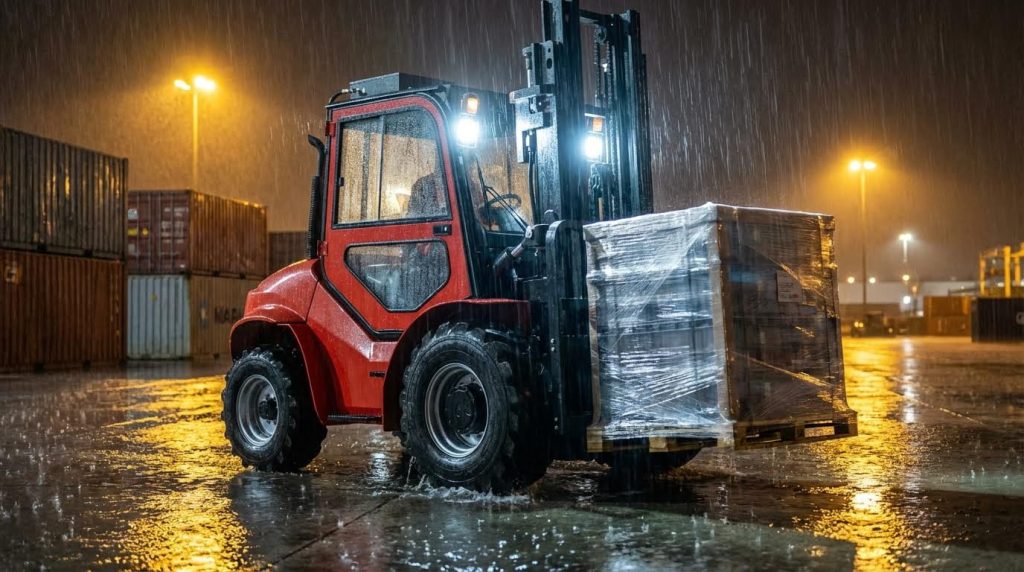
Ventilation, gas monitoring, and engine controls are the hard limits that decide when, if ever, can diesel forklifts be used indoors without breaching exposure limits. You design these as an integrated system, not as separate add-ons.
- Ventilation: Size fans and ducts to dilute exhaust and keep carbon monoxide (CO) and diesel particulates below legal limits – prevents invisible buildup in busy shifts.
- Gas detection: Install fixed CO and NOx sensors in traffic zones – gives real-time warning before workers feel symptoms.
- Engine/emissions tech: Use low‑emission engines and aftertreatment – reduces the load on your ventilation system.
💡 Field Engineer’s Note: Treat “engineering controls” like a chain: if any link (ventilation, sensors, engine condition) is weak, your safe indoor diesel operating window shrinks to near zero, especially on long shifts or cold days with doors shut.
Calculating Air Changes And Ventilation Capacity
To operate diesel forklifts indoors safely, you must calculate air changes per hour (ACH) and fan capacity to dilute exhaust below OSHA and local limits. Guesswork on “it feels ventilated” is not acceptable.
Diesel forklifts emit carbon monoxide, nitrogen oxides, particulate matter, and sulfur compounds that can quickly accumulate in enclosed spaces. Safety experts recommend at least 4–6 air changes per hour where diesel equipment runs indoors. This is a design starting point, not a guarantee.
| Design Parameter | Typical Value / Rule | How To Use It | Operational Impact |
|---|---|---|---|
| Room volume | Length × width × height (m³) | Measure clear internal dimensions | Determines how much air you must move each hour. |
| Target ACH for diesel use | 4–6 ACH recommended minimum in diesel areas | Select higher ACH for small or busy rooms | Higher ACH allows more diesel truck-hours before CO spikes. |
| Required airflow | Airflow (m³/h) = Volume (m³) × ACH | Sum all fans and inlets against this figure | Shows if existing fans actually meet the target ACH. |
| CO exposure limit (OSHA) | 50 ppm TWA, 200 ppm peak per 8‑hour shift | Use as design and alarm basis | Defines maximum safe diesel run‑time per shift. |
| Natural vs mechanical ventilation | Doors/windows vs powered fans | Do not count doors that are often closed | Mechanical fans are usually required for reliable control. |
To check if your current setup is even in the right ballpark, you can run a quick sizing example.
Worked example: sizing fans for a diesel forklift bay
Assume a loading bay 30 m long × 20 m wide × 8 m high. Volume = 30 × 20 × 8 = 4,800 m³. Using 6 ACH for frequent diesel traffic: Required airflow = 4,800 × 6 = 28,800 m³/h. If you have four roof fans rated at 6,000 m³/h each, total = 24,000 m³/h, which is below target. You either need more capacity or you must limit how long and how many diesel forklifts operate indoors at once.
- Do not trust “big open doors” alone: Natural ventilation varies with wind and temperature – you cannot guarantee minimum ACH during still or cold conditions.
- Distribute supply and exhaust: Place fresh air inlets low and exhaust fans high and away from inlets – prevents short‑circuiting where clean air bypasses the working zone.
- Match ventilation to traffic: Higher forklift density or idling time requires higher ACH – prevents CO spikes at peak loading periods.
💡 Field Engineer’s Note: In winter, facilities often shut doors to keep heat in, which instantly cuts “ventilation” that management assumed was there. Always size mechanical ventilation so you can stay within CO limits even with doors closed and two diesel units running.
Fixed Gas Detection And Exposure Thresholds
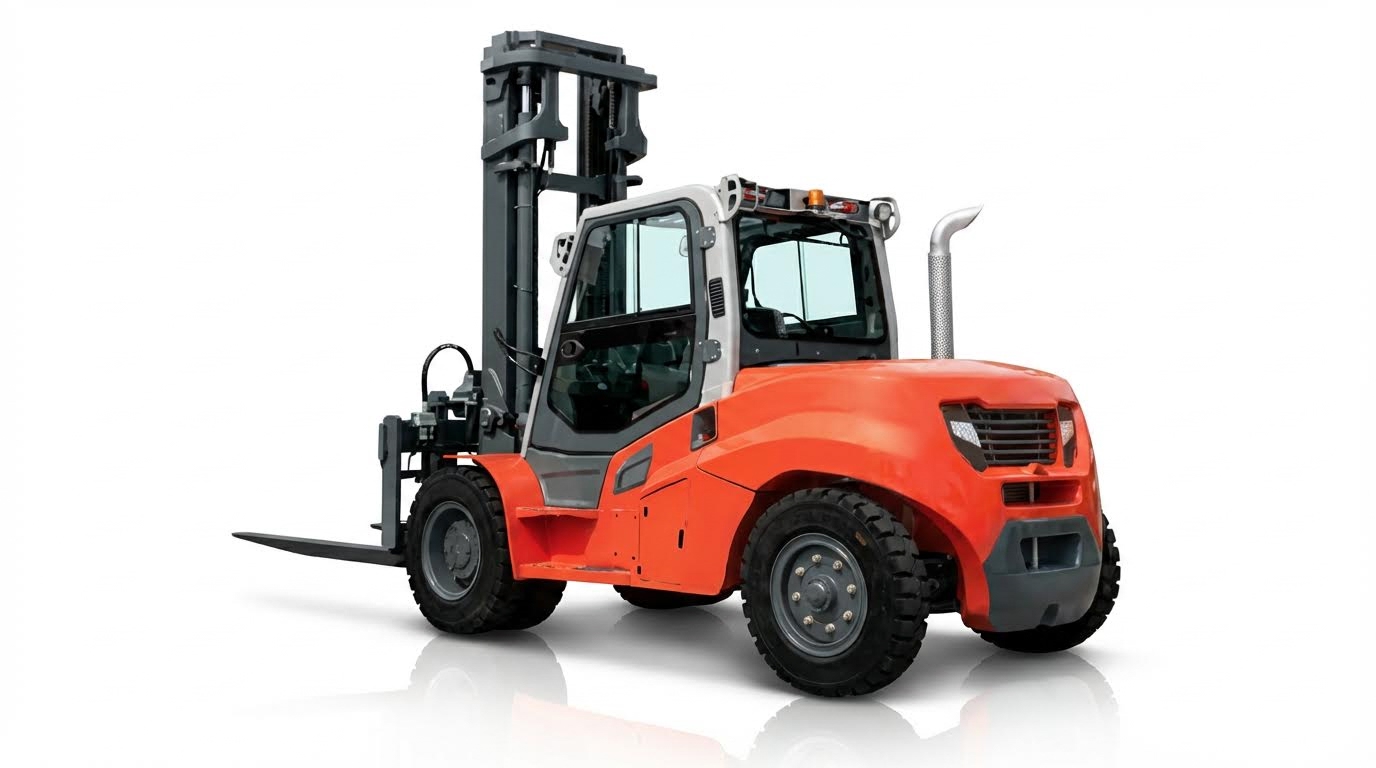
Fixed gas detection is the only reliable way to know, in real time, whether indoor diesel forklift emissions are staying below legal and health limits. Ventilation alone is not enough because conditions change hourly.
Diesel exhaust contains carbon monoxide, nitrogen oxides, and particulate matter that cause both immediate and long‑term health effects. CO is the primary acute risk indoors and can quickly reach lethal levels in poorly ventilated spaces. OSHA requires that CO does not exceed 50 ppm as an 8‑hour time‑weighted average, with peaks not above 200 ppm in any part of the shift. Continuous monitoring in diesel areas is recommended.
| Element | Typical Practice | Purpose | Operational Impact |
|---|---|---|---|
| Gas types monitored | CO as minimum; often NOx and sometimes diesel particulates | Cover acute and respiratory hazards | Ensures alarms before workers feel headaches or breathing issues. |
| Sensor placement height | Breathing zone, about 1.5–2.0 m above floor | Match worker exposure level | More realistic readings than at roof level only. |
| Coverage pattern | Sensors in travel lanes, loading docks, and worst‑case corners | Capture hotspots near diesel traffic | Reduces blind spots where CO could build up unseen. |
| Alarm thresholds (example) | Pre‑alarm at low ppm, high alarm below OSHA limits | Allow staged response | First alarm ramps up fans; second alarm stops diesel use. |
| Integration | Linked to fans, beacons, sirens, and possibly access control | Automate response to rising levels | Reduces reliance on human reaction during busy operations. |
- Fixed monitors in diesel zones: Install in any area where diesel forklifts run regularly – provides continuous background protection for all shifts.
- Personal monitors for operators: Use wearable CO detectors for drivers and spotters – adds protection when trucks move between zones or into trailers.
- Test and calibrate: Follow manufacturer calibration intervals – prevents “false security” from dead or drifting sensors.
How gas detection ties into the “can diesel forklifts be used indoors” decision
If your fixed system shows CO staying well below alarm levels under worst‑case traffic, ventilation, and door‑closed conditions, you have evidence that diesel use is currently controlled. If readings trend upward over weeks or spike during busy hours, that is a clear signal that you have exceeded what your building and fans can safely handle, and you must cut back diesel hours or switch to electric or LPG units.
💡 Field Engineer’s Note: When we retrofit old warehouses, we often see CO monitors installed but never logged. Use data trending: if average CO creeps up after adding one more diesel truck or extending shifts, that is your early warning that your control strategy is failing.
Engine Technology, Tier 4, And Exhaust Treatment
Modern low‑emission diesel engines and exhaust aftertreatment reduce indoor pollution but do not remove the need for ventilation and monitoring. They only widen the narrow operating window where indoor diesel use can be justified.
The Environmental Protection Agency set strict emission limits for non‑road diesel engines, including forklifts, through Tier standards. Newer diesel forklifts must meet Tier 4 emission levels, which significantly reduce pollutants compared with older engines. Exhaust treatment devices like diesel particulate filters and selective catalytic reduction further cut particulates and NOx, but they do not make the truck “zero emission.”
| Technology / Measure | Main Effect | Limitations Indoors | Best For… |
|---|---|---|---|
| Tier 4 diesel engine | Lower NOx and particulate output vs older engines per EPA rules | Still produces CO and some particulates | Large, well‑ventilated industrial bays with strong mechanical ventilation. |
| Diesel particulate filter (DPF) | Captures fine particulates and carcinogens | Requires regeneration; backpressure rises if neglected | Facilities focused on long‑term cancer risk reduction. |
| Selective catalytic reduction (SCR) | Reduces NOx using urea/DEF injection | Needs correct DEF quality and dosing | Sites with tight NOx limits or sensitive worker populations. |
| Regular engine maintenance | Optimizes combustion, lowers all emissions and keeps exhaust systems effective | Skipped services quickly erase emission benefits | Any facility still allowing diesel indoors at all. |
| Switch to electric forklifts | Zero direct emissions indoors with lower noise and better air quality | Requires charging infrastructure and battery management | Most warehouses and enclosed production areas. |
| Switch to LPG forklifts | Cleaner combustion than diesel, lower emissions indoors and faster refueling than electric | Still produces some exhaust; ventilation still needed | Mixed indoor/outdoor sites needing quick refueling. |
- Do not over‑trust Tier 4 labels: Lower emissions help, but OSHA CO limits still apply – you must still design for ventilation and gas monitoring.
- Maintain aftertreatment: Blocked DPFs or failed SCR systems increase emissions sharply – your indoor risk can jump without any visible change in forklift performance.
- Consider alternatives early: If you need more units or longer shifts, manual pallet jack or drum dolly usually scale better indoors – avoids having to oversize fans and complex gas systems.
💡 Field Engineer’s Note: In practice, the biggest emission spikes come from poorly maintained “good” engines. A Tier 4 truck with a clogged DPF can pollute more indoors than an older but well‑tuned unit, so tie your maintenance schedule directly to your gas monitoring data.
When Diesel Is (And Isn’t) Acceptable Indoors
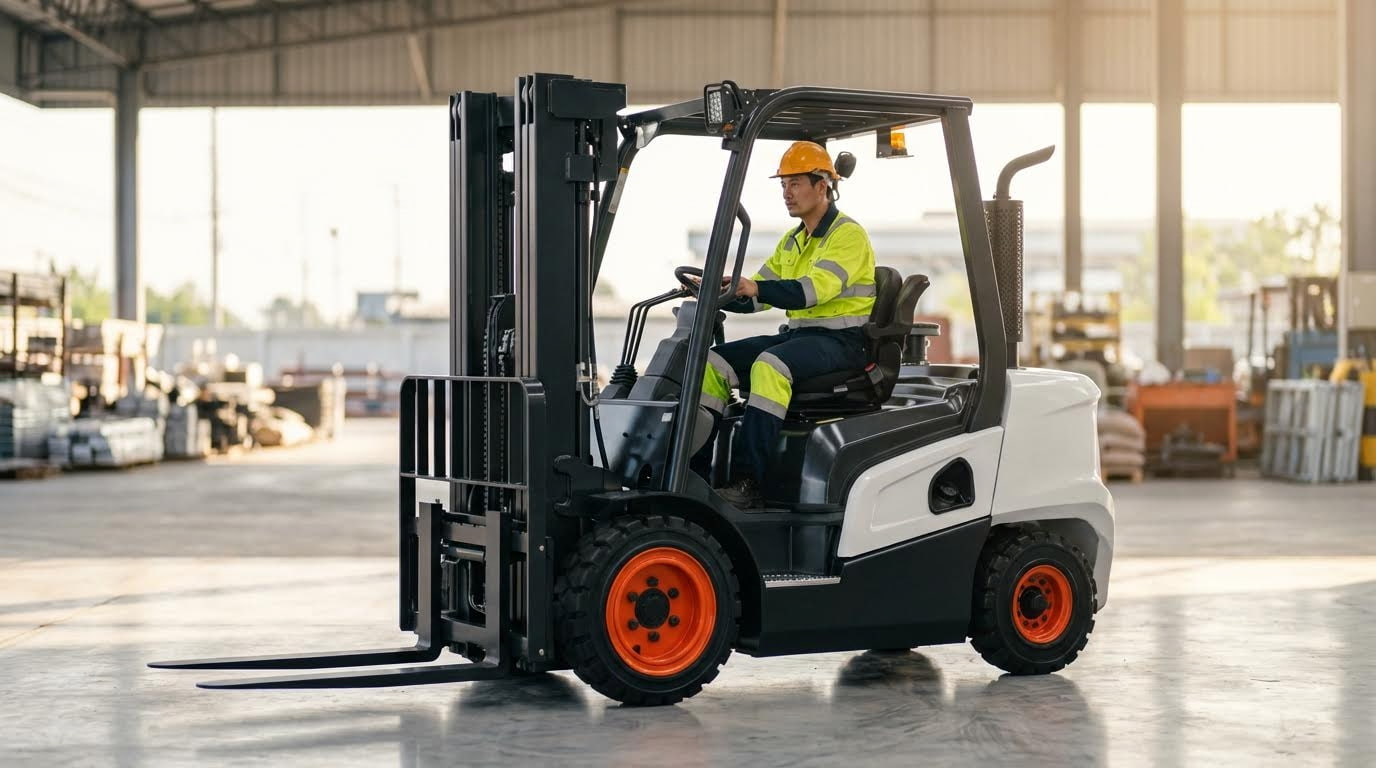
Diesel forklifts can be used indoors only in large, well‑ventilated industrial spaces with tight emission control and monitoring; in most enclosed warehouses and people-dense areas, electric or LPG units are the safer, compliant choice.
A core decision factor is air volume and air change rate versus the number of trucks, hours of use, and worker density. When you ask “can diesel forklifts be used indoors,” the honest answer is “only if you can continuously prove the air stays safe and within legal limits.” Source
Suitable Facility Types, Layouts, and Dock Areas
Diesel forklifts are only suitable indoors in big-volume, high-ceiling, well-ventilated industrial buildings and dock zones where exhaust cannot accumulate around people.
The key engineering variables are building volume (m³), ceiling height, mechanical air changes per hour, and how close operators and pickers work to the exhaust path. Poorly ventilated areas allow carbon monoxide, nitrogen oxides, and diesel particulate to build up to dangerous levels. Source
| Indoor Area Type | Typical Geometry / Features | Diesel Forklift Suitability | Key Controls Required | Operational Impact |
|---|---|---|---|---|
| Large production halls | Ceiling ≥ 3.7–4.9 m (12–16 ft), big floor area, open layout | Conditionally acceptable | 4–6+ air changes per hour, fixed CO monitoring, trained operators, strict maintenance | Allows limited diesel use for heavy loads if air tests stay below CO limits |
| High-bay warehouses with narrow aisles | Racking to 10–12 m, aisles ≈ 2.5–3.0 m, dense personnel | Generally not acceptable | Prefer electric reach/aisle trucks; diesel only at perimeter docks | Reduces fume exposure in confined aisles and pick faces |
| Enclosed cold rooms / freezers | Small volume, tight doors, low air exchange | Not acceptable | Use electric forklifts and pallet trucks | Prevents fume buildup in sealed, low‑temperature rooms |
| Food / pharma processing areas | Hygienic finishes, strict air quality and contamination rules | Not acceptable | Zero-emission electric only | Protects product quality and worker health |
| Loading docks with big overhead doors | Dock doors 2.7–3.0 m high, frequent opening, partial outdoor exposure | Common limited-use case | Doors open during operation, cross-ventilation, CO monitors near docks | Enables diesel trucks to shuttle between yard and dock with reduced buildup |
| Indoor truck bays / staging zones | Mixed indoor–outdoor flow, trailers at bays | Conditional; high risk if doors closed | Mechanical exhaust near tailpipes, air quality checks inside trailers | Prevents trapped fumes in trailers and recessed bays |
In all cases, diesel exhaust contains carbon monoxide, nitrogen oxides, particulate matter, and sulfur compounds that become dangerous when they accumulate in enclosed volumes. Source Even in “big” buildings, the real constraint is whether your ventilation and monitoring can keep up with peak usage, not just average daily traffic.
- Large, tall industrial halls: Best for tightly controlled indoor diesel use – big air volume dilutes exhaust faster.
- Open dock and marshaling areas: Often acceptable with doors open – short exposure time and partial outdoor airflow.
- Mezzanines, basements, and enclosed rooms: Poor candidates – low volume and weak airflow trap exhaust.
- People-dense pick modules: Avoid diesel – operators stand in the exhaust path for long periods.
How facility layout affects diesel exhaust behavior
Long, narrow aisles act like ducts that carry exhaust and keep it at breathing height. Dead-end pockets, mezzanine undersides, and enclosed truck wells behave as “fume traps,” where CO and particulates linger even if the main hall is well ventilated.
💡 Field Engineer’s Note: When I assess “can diesel forklifts be used indoors” at a site, I always smoke-test or model the worst-case dock: doors closed in winter, two trucks idling, and one diesel forklift working continuously. If the fumes hang in the dock well or trailers, you do not have a safe indoor diesel environment—regardless of what the HVAC drawings claim.
Evaluating Alternatives: Electric And LPG Forklifts
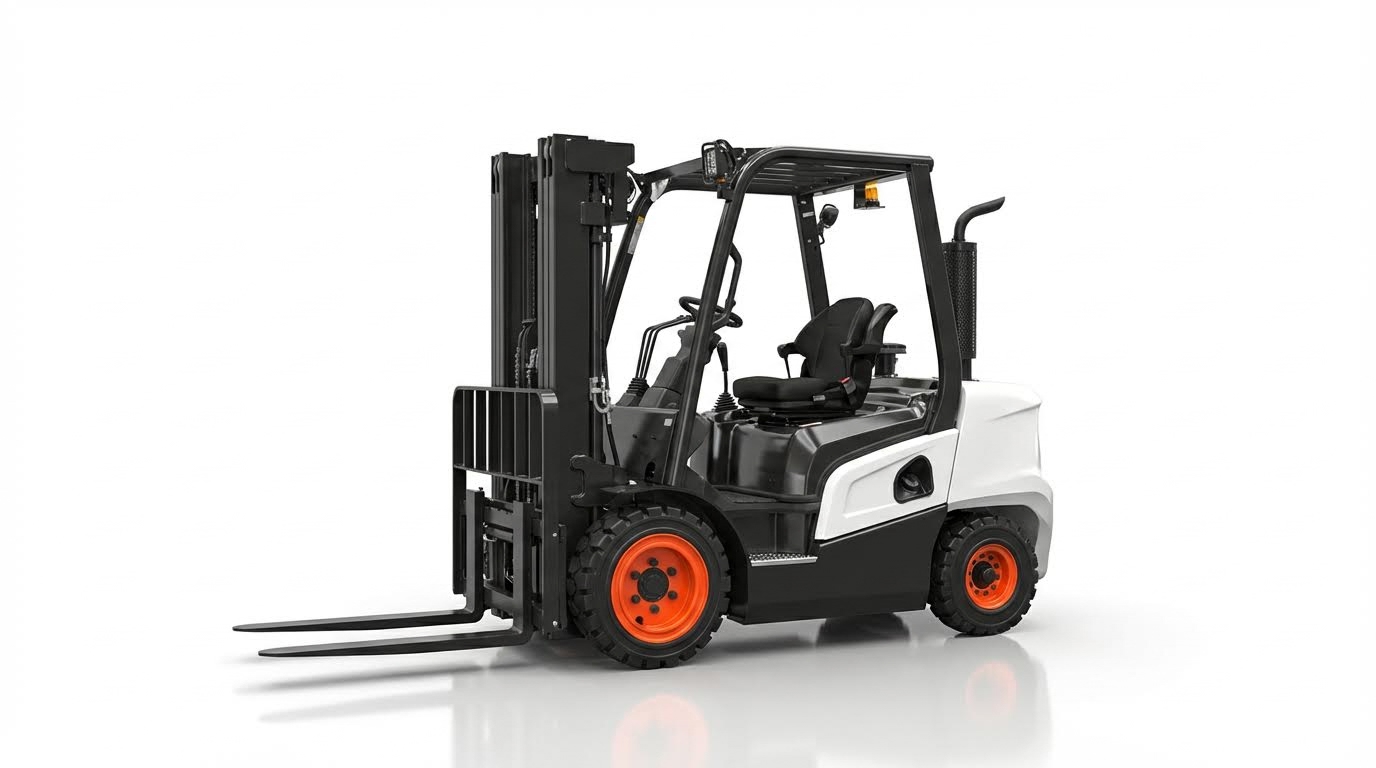
Electric and LPG forklifts are usually better indoor choices than diesel, offering far lower emissions and easier compliance with OSHA air quality expectations.
Electric forklifts produce zero exhaust at the point of use, which removes the carbon monoxide and particulate problem entirely and directly answers “can diesel forklifts be used indoors” with “use electric instead whenever possible.” Source LPG forklifts still emit gases, but significantly less than diesel, and are often a workable compromise in mixed indoor–outdoor operations. Source
| Power Type | Direct Indoor Emissions | Typical Use Case | Key Advantages Indoors | Limitations / Trade-offs |
|---|---|---|---|---|
| Diesel | CO, NOx, particulate, sulfur compounds | Outdoor yards, heavy-duty loading, limited use in big ventilated halls | High power, good for heavy loads and rough surfaces | Strict ventilation and monitoring needed; higher noise and maintenance |
| Electric (battery) | Zero at point of use | Warehouses, food and pharma plants, cold rooms, narrow aisles | Best indoor air quality, low noise, lower energy cost | Needs charging infrastructure; runtime limited by battery capacity |
| LPG (propane) | Lower emissions than diesel, still produces CO | Mixed indoor–outdoor operations, docks, general warehouses | Cleaner exhaust than diesel, fast refueling, good cold-weather performance | Still requires ventilation and CO monitoring; fuel handling controls |
- Electric forklifts: Zero exhaust and low noise – ideal for enclosed warehouses, food-grade areas, and people-dense zones. Source
- LPG forklifts: Cleaner than diesel, strong runtime – good compromise where you still need fast refueling and outdoor capability. Source
- Diesel forklifts: Highest emissions and noise – reserve for outdoors or strictly controlled, high-volume indoor zones only.
Cost and maintenance comparison at a glance
Electric forklifts usually have lower energy and maintenance costs than diesel, mainly because they avoid engine oil changes, fuel filters, and exhaust system repairs. Diesel units incur higher fuel and service costs over time, even though they refuel quickly and handle harsh outdoor work well. Source
💡 Field Engineer’s Note: When a client insists on diesel indoors, I run a simple comparison: cost of one decent electric forklift plus chargers versus the cost of adding high-capacity exhaust fans, fixed gas detection, and extra HVAC runtime to make diesel barely acceptable. In most warehouses, the electric package wins on both safety and total cost within a few years.
Final Thoughts On Indoor Diesel Forklift Safety
Indoor diesel forklift use is not a simple equipment choice. It is an air‑quality engineering problem with legal and health consequences. Exhaust gases and particulates build up fastest where volume is low, ceilings are tight, or people work close to the exhaust path. Ventilation, gas detection, and engine technology must work together as one system or risk quickly exceeds acceptable limits.
Engineering controls set the real boundary. You must calculate air changes per hour, size fans for worst‑case traffic, and prove through logged gas data that CO and other pollutants stay below OSHA thresholds. Fixed monitors, personal detectors, and disciplined maintenance turn that design into day‑to‑day control. If any link is weak, your “safe” window for indoor diesel use almost disappears.
For most warehouses, the practical answer is clear. Reserve diesel forklifts for outdoor yards and tightly controlled, high‑volume bays. Use electric or LPG trucks, or manual solutions from Atomoving, for routine indoor work. Treat compliance and exposure limits as hard design inputs, not suggestions. If you cannot document safe air under peak conditions, you should not run diesel indoors at all.
Frequently Asked Questions
Can diesel forklifts be used indoors?
Diesel forklifts are generally not recommended for indoor use due to their emissions. They produce exhaust fumes that can accumulate in enclosed spaces, posing health risks. For indoor operations, electric or LP gas forklifts are preferred as they emit fewer pollutants. If a diesel forklift must be used indoors, ensure proper ventilation and adhere to safety guidelines. OSHA Safety Guidelines.
What are the considerations for using forklifts outdoors?
When using forklifts outdoors, consider the terrain and weather conditions. Diesel forklifts are typically more suitable for rough terrains and adverse weather due to their robust build. Ensure the forklift’s IP code indicates sufficient protection against environmental factors like rain and dust. Regular maintenance is crucial to keep the equipment in optimal condition. Forklift Outdoor Use Tips.