This article compares traditional order pickers with each type of automated warehouse picker, focusing on throughput, labor, and payback. You will see when manual equipment still wins, and when automation clearly outperforms on cost per order, safety, and scalability.
From Manual Order Pickers To Automated Systems
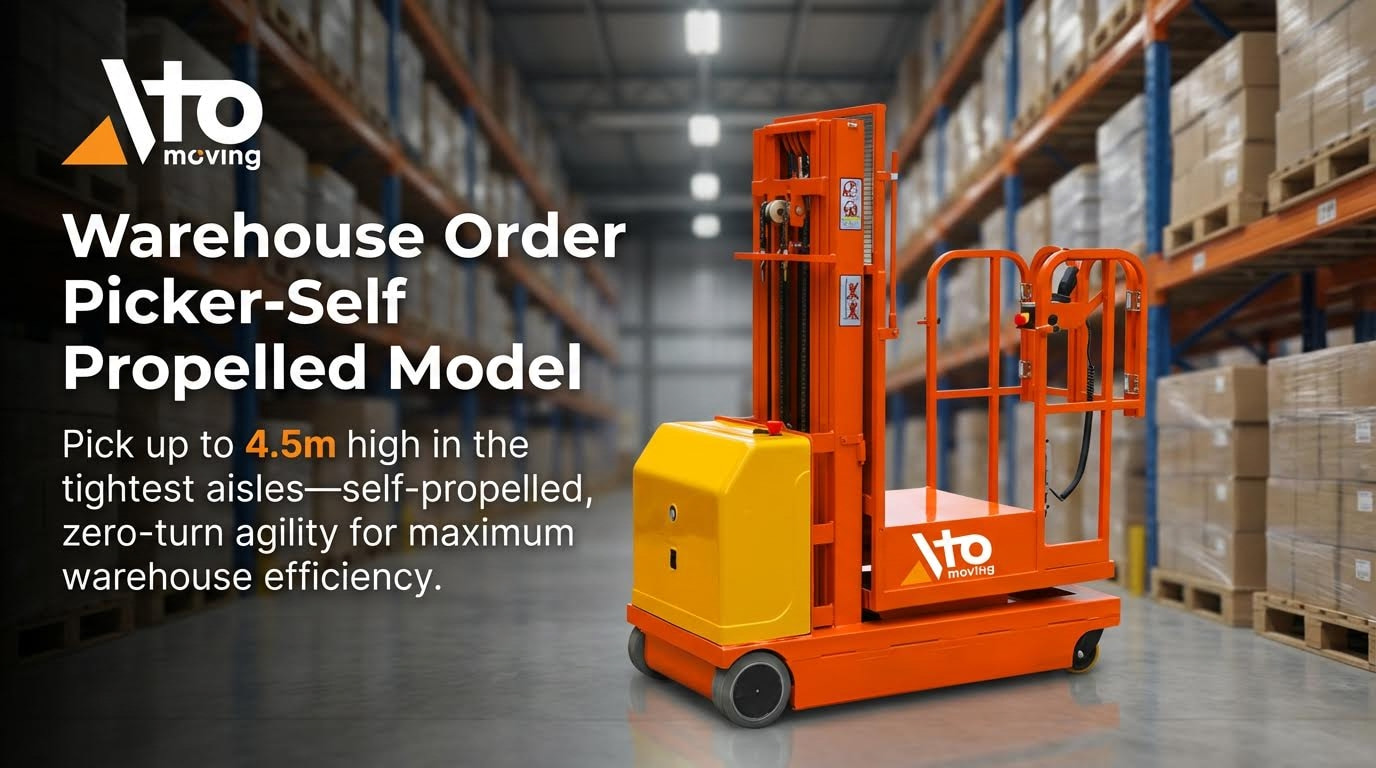
This section explains how warehouses move from manual order pickers to an automated warehouse order picker strategy, and what changes in equipment, labor, and layout along the way.
The goal is to anchor your decisions in hard numbers: walking distance, pick rates, error rates, and realistic payback windows.
Defining Traditional Order Picking Equipment
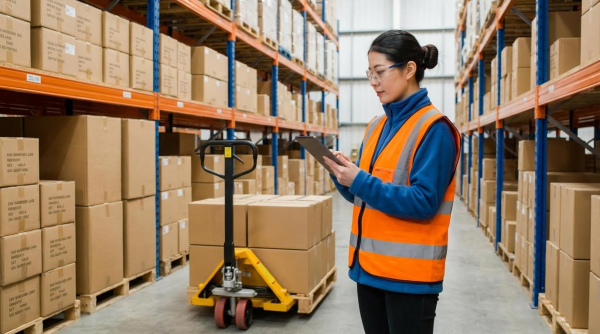
Traditional order picking equipment keeps people in the aisle, walking to product, using simple mechanical aids and powered lifts.
Think in three layers: pure manual tools, low-level carts and pallet jacks, and powered order pickers that lift the operator with the load.
- Manual carts and pallet jacks: Operators push or pull loads at floor level – lowest capital cost, highest physical strain.
- Low‑level order pickers: Rider platforms with forks for pallets – cut walking versus pure cart picking, but still aisle‑bound.
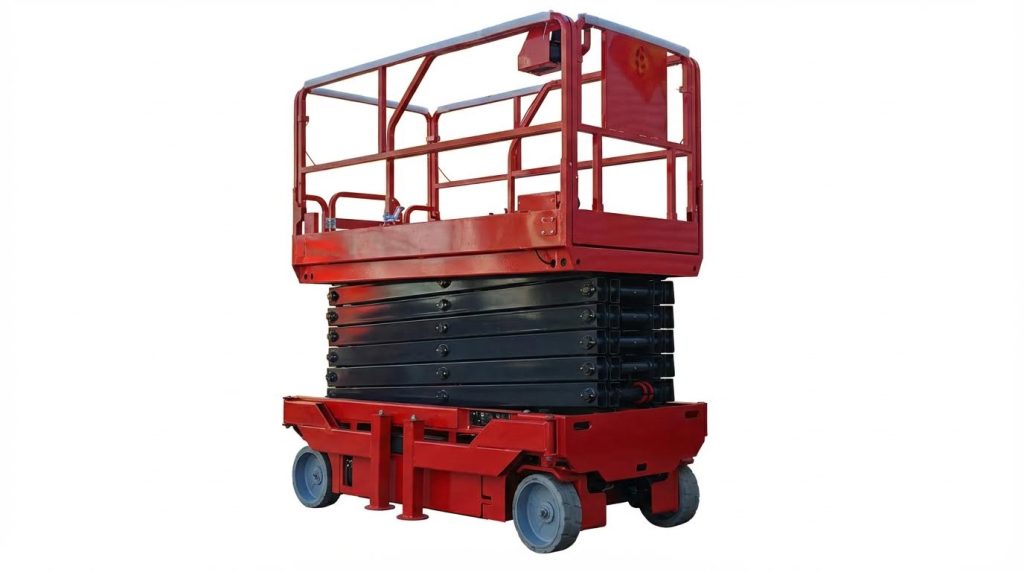
- Mid/high‑level order pickers: Lift the operator to upper rack levels – unlock vertical storage without full automation.
- Paper or RF workflows: Pickers follow lists or handheld scanner prompts – simple IT footprint, but error‑prone.
In a classic manual system, workers navigate aisles with paper lists or scanners, performing discrete, batch, zone, or wave picking methods. A picker in a large facility often walks 8–12 miles (about 13–19 km) per shift, which adds no value but drives fatigue and injuries. Manual systems are cheap to start but rely heavily on headcount, delivering roughly 60–80 picks per hour with 1–3% error rates in typical operations.
Powered order pickers sit at the upper end of “traditional” equipment. Mid‑ and high‑level machines usually offer platform capacities around 200 kg, maximum working heights up to about 7.7 m, and can operate in aisles near 1,600 mm wide. They often support simultaneous lift and travel, pre‑set height selection, and control logic that automatically reduces travel speed when the platform is elevated for stability according to modern designs.
| Traditional Method / Equipment | Typical Performance | Key Constraints | Operational Impact |
|---|---|---|---|
| Manual cart / pallet jack picking | 60–80 picks/hour; 1–3% errors | 8–12 miles (13–19 km) walking per shift | High labor fatigue, limits daily throughput in large sites |
| Low‑level rider order picker | Higher picks/hour than carts (depends on layout) | Still aisle‑bound; limited vertical reach | Good for dense, low‑level case picking on pallets |
| Mid/high‑level order picker truck | Access up to ~7.7 m rack levels | Aisle width around 1,600 mm | Uses vertical space without AS/RS; operator still travels to SKU in typical specs |
These machines increasingly use AC drive and lift motors with regenerative braking to extend runtime and reduce maintenance touchpoints. Lithium‑ion batteries enable fast opportunity charging, which is critical in multi‑shift operations where downtime directly cuts capacity for modern fleets.
Typical preventive checks on a traditional order picker
Technicians usually inspect mast rails, chains, and lubrication points; test brakes, steering response, and emergency stops; check battery condition, connectors, and charge cycles; and verify safety harness, tethers, and guardrails as part of preventive maintenance.
💡 Field Engineer’s Note: Even with powered order pickers, anything more than a slight floor slope (over ~2%) or poor floor flatness quickly shows up as mast sway at 6–7 m height, forcing operators to slow down and wiping out your theoretical pick‑rate advantage.
Types Of Automated Warehouse Pickers
An automated warehouse picker can mean anything from light‑directed human picking to fully robotic goods‑to‑person cells where people never enter the storage aisles.
The spectrum runs from semi‑automated “assist” tools to fully automated systems that replace human travel and most manual touches.
- Semi‑automated systems: Pick‑to‑light, voice, and conveyor‑based goods‑to‑person – humans still pick, automation handles guidance and movement.
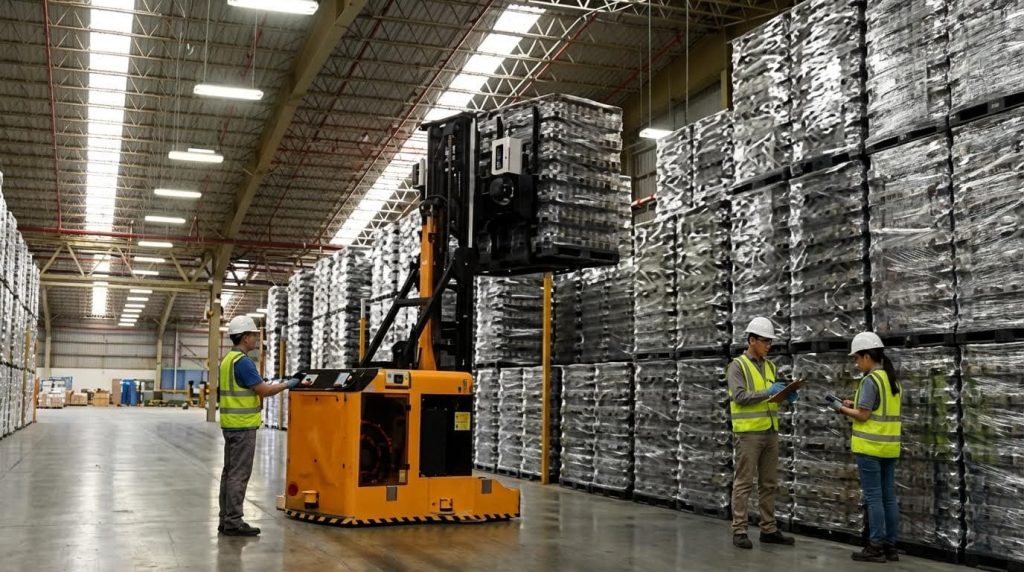
- Mobile robot systems (AMRs/AGVs): Robots bring totes or pallets to pick stations – slash walking distance and rebalance work dynamically.
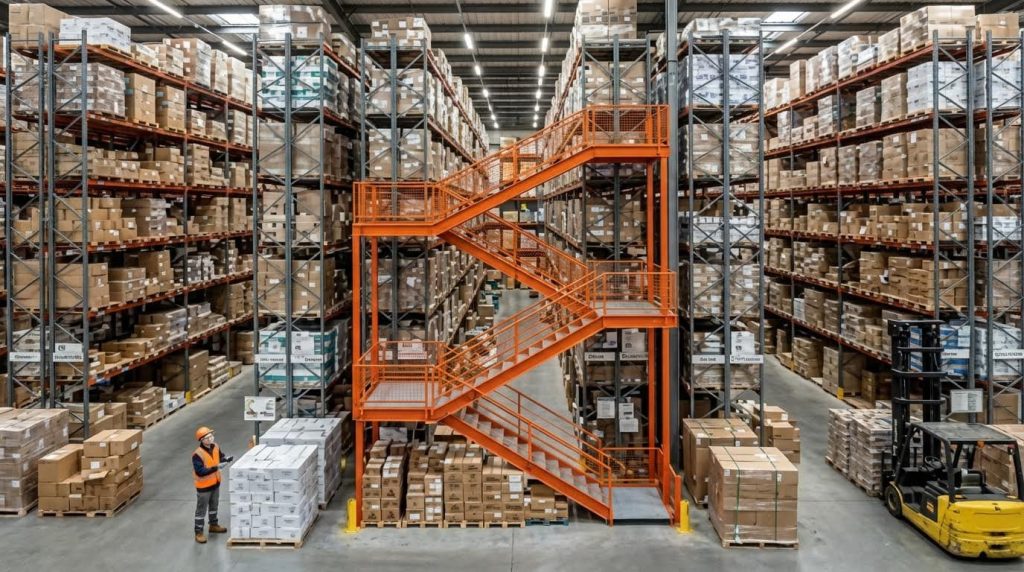
- Shuttle and AS/RS systems: High‑density, high‑speed storage and retrieval – maximize vertical space and throughput.
- Robotic picking cells: Robotic arms perform the actual pick – remove the human from repetitive, high‑velocity SKU handling.
Semi‑automated picking keeps people in the loop but uses technology to direct them. Pick‑to‑light and voice systems typically cut errors by 25–40% and boost throughput by 20–35% over paper‑based methods in benchmark studies. Voice‑directed workflows raise pick rates to about 100–120 picks per hour with accuracy around 99.5–99.9% in real deployments.
At the fully automated end, AMRs, AS/RS, shuttle systems, and robotic arms take over most travel and many picks. AMR‑assisted stations often reach 300–400 picks per hour per workstation, and AS/RS installations report error rates below 0.1% while increasing storage density by 40–85% through vertical utilization up to about 12 m or more in high‑density projects.
| Automated Picker Type | Typical Performance | Main Role In Operation | Best For… |
|---|---|---|---|
| Pick‑to‑light | Reduces walking and errors by 50–70% vs paper lists per station benchmarks | Guides human to correct slot and quantity | High‑velocity SKUs in dense shelving where travel is short |
| Voice picking | ~100–120 picks/hour; 99.5–99.9% accuracy in typical use | Hands‑free, eyes‑free direction | Case picking in mixed‑SKU aisles where safety and speed both matter |
| Goods‑to‑person (robots + workstations) | 300–600 units/hour per station; walking cut by ~80% in typical designs | Robots bring totes/bins to fixed operators | 1,000+ orders/day operations needing high throughput in limited floor space |
| AMR‑assisted picking | ~300–400 picks/hour per station in many deployments | Robots handle travel; humans pick at ergonomic stations | Brownfield sites where you cannot rebuild racking but must cut walking |
| Shuttle / AS/RS systems | 3–5× faster retrieval; 50–70% space savings versus shelving | Automated storage and retrieval of totes or pallets | 5,000+ orders/day, high land cost, or cold storage where labor churn is extreme |
| Robotic picking cells | ~400–800 picks/hour; <0.5–0.1% error in optimized cells | Robot performs the grab and place | High‑volume, uniform items where ergonomics or labor cost is critical |
Labor studies show how strongly an automated warehouse picker approach changes the job. Manual cart picking for a task can take about 17 minutes 35 seconds and 621 steps, while AMR‑assisted workflows cut this to roughly 10 minutes 59 seconds and 276 steps. For experienced workers, the gap widens further, with AMR support dropping effort to about 6 minutes 59 seconds and only 175 steps in measured case studies.
How automation changes labor and space
Automated picking systems commonly reduce headcount in picking by 30–70%, redirecting people to value‑add work like kitting or returns. At the same time, dense automated storage can increase capacity by 50–200% through vertical stacking and tighter aisles in well‑designed projects.
💡 Field Engineer’s Note: When you deploy AMRs or goods‑to‑person shuttles in an existing building, the hidden constraint is often IT and Wi‑Fi coverage, not robot speed. Undersized networks force robots to “pause” for instructions, quietly capping your real pick rate well below the brochure numbers.
Engineering Comparison: Throughput, Labor, And TCO

This section compares how an automated warehouse order picker stack ups against traditional equipment on throughput, labor use, and total cost of ownership (TCO) over the asset life. We translate pick rates, energy and maintenance needs, and labor savings into payback timelines you can defend in a capex review.
Pick Rates, Accuracy, And Walking Distance
Automated order picking machines solutions increase picks per hour by 3–5×, slash walking distance, and cut error rates by an order of magnitude versus paper-based manual systems. That combination drives both higher throughput and lower rework cost.
| System Type | Typical Pick Rate (picks/hour) | Error Rate | Walking / Motion | Operational Impact |
|---|---|---|---|---|
| Manual cart / truck picking | 60–80 | 1–3% | 8–12 miles (≈13–19 km) per shift | Low capex, but high labor and fatigue; 55–65% of warehouse cost tied to picking |
| Semi-automated (voice, pick-to-light) | 100–120 | ≈0.5–0.5% (25–40% fewer errors vs manual) | Reduced walking vs paper; still person-to-goods | 20–35% throughput gain with modest investment |
| AMR-assisted goods-to-person | 300–400 per station | ≈0.1–0.5% | Walking per task cut by >50–80% | 3–5× throughput per head; strong fit above 1,000 orders/day |
| Shuttle / AS/RS G2P | 300–600 units/hour per station | ≤0.1% | Operator is stationary at ergonomic station | High-density, high-velocity fulfillment at 5,000+ orders/day |
| Robotic picking cell | 400–800 cycles/hour | 0.1–0.5–0.1% | Fully automated at the pick face | Replaces 2–4 FTEs per cell for stable, repeatable tasks |
Manual picking forces operators to spend up to 60% of time walking, not picking, which is pure overhead. A typical manual picker in a large facility walked 8–12 miles per shift, while AMR-assisted workflows cut steps per task by more than half and reduce task time from 17 minutes 35 seconds to 10 minutes 59 seconds, with even bigger gains for experienced workers. Evidence on manual vs automated pick performance
Accuracy is the other big lever. Paper-based picking runs 1–3% error rates, while semi-automated and automated semi electric order picker systems push below 0.5%, and AS/RS routinely reports under 0.1% errors. That accuracy eliminates re-picks, customer service interventions, and extra freight, which often quietly consume 5–10% of margin on error-prone SKUs. Accuracy and walking reduction with G2P and pick-to-light
How to translate pick rates into capacity per shift
Multiply picks/hour × productive hours/shift (usually 6–6.5 hours net after breaks and meetings) to get picks/shift per operator or station. Then compare manual vs automated scenarios at the same order lines to see how many heads or stations you need to hit peak-day demand.
💡 Field Engineer’s Note: When you model walking distance, use actual aisle lengths and pick density, not generic “8 km per shift” assumptions. In long, narrow aisles, AMRs that pre-position totes can cut travel by 70–80%, but only if the WMS clusters orders so each aisle entry yields multiple picks.
Energy Systems, Uptime, And Maintenance Demands
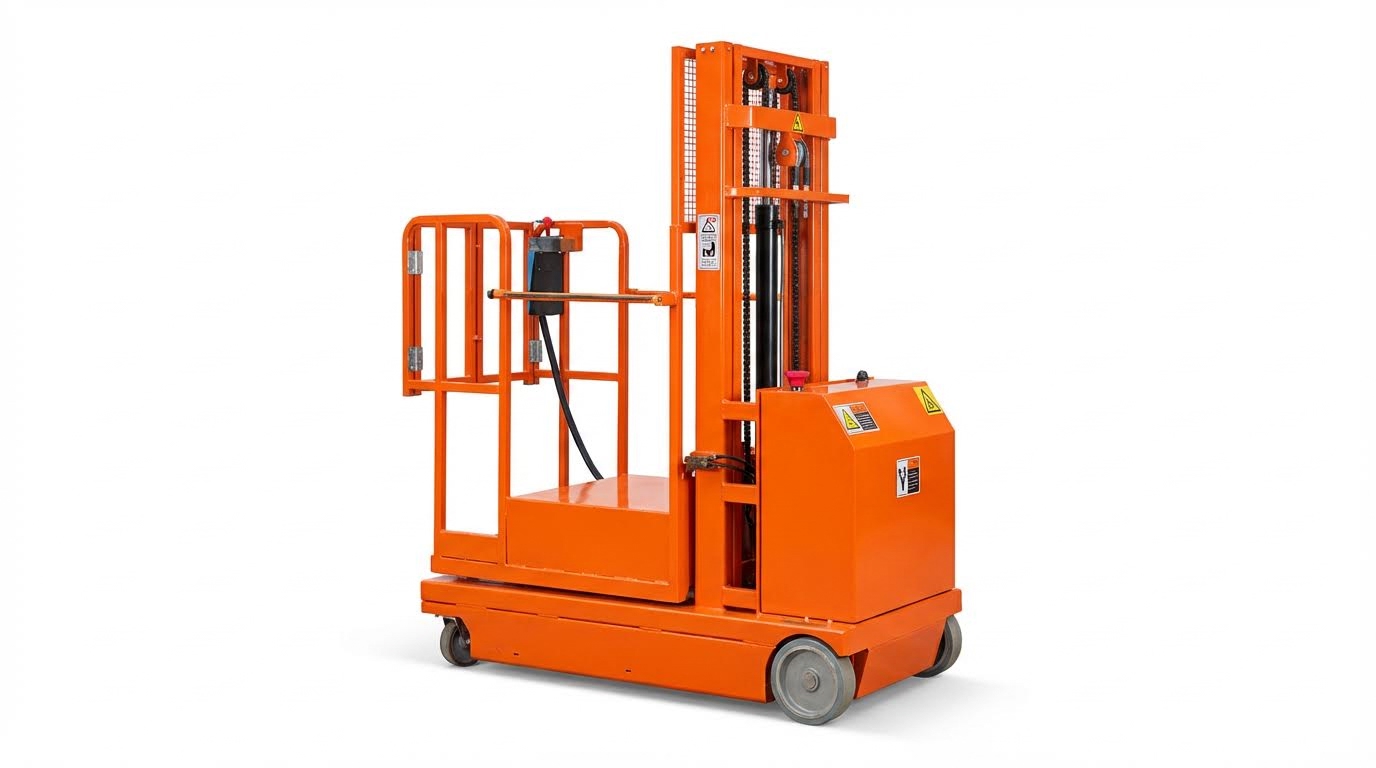
Automated order picking machines platforms trade higher electrical and maintenance sophistication for dramatically higher uptime, predictable runtimes, and lower unplanned downtime versus aging manual fleets.
| Equipment / System | Primary Energy System | Typical Uptime / Runtime | Key Maintenance Tasks | Operational Impact |
|---|---|---|---|---|
| Manual order picker trucks | Lead-acid or lithium batteries; AC drive and lift motors | 1 shift per charge (lead-acid); multi-shift with Li-ion and opportunity charging | Mast lubrication, wheel and tire checks, brake testing, battery watering (lead-acid) | Proven and serviceable; downtime tied to battery swaps and mechanical wear |
| Semi-automated (voice / PTL) | Low-power electronics, handheld batteries | High; devices rotate on chargers | Device health checks, network and WMS connectivity | Minimal incremental maintenance; relies on existing trucks and racks |
| AMRs | Onboard Li-ion; automatic opportunity charging | High; fleets designed for 24/7 with staggered charging | Wheel, sensor, and safety scanner checks; firmware updates | Predictable runtimes; software-driven routing reduces idle time |
| AS/RS & shuttles | Fixed power feeds, busbars, or cable chains | Target ≈99.99% system uptime | Rail alignment, shuttle drives, lift mechanisms, control cabinets | Mission-critical; requires structured PM and spare-parts strategy |
| Robotic picking cells | Fixed mains power plus control cabinets | High, assuming preventive maintenance | Joint lubrication, gripper wear parts, vision calibration | Throughput depends on clean product flow and quick fault clearing |
Modern order pickers use high-efficiency AC drive and lift motors with regenerative braking to extend runtime and reduce brake wear. Lithium-ion batteries support fast opportunity charging, which is critical in 2–3 shift operations where traditional lead-acid change rooms eat floor space and labor. Energy systems and maintenance on modern order pickers
On the fully automated side, shuttle-based AS/RS and high-speed G2P systems target 99.99% uptime and have shown a threefold increase in velocity, 50% faster order turnaround, and an 85% reduction in mean error rates over five years of operation. That performance depends on disciplined preventive maintenance, spare parts, and controls expertise; unplanned downtime without manual backup can paralyze the dock. AS/RS reliability and velocity data
- Hydraulics and lifting gear: Regularly inspect mast rails, chains, and lubrication points – Prevents binding and mast twist at 7–8 m heights.
- Braking systems: Test service and emergency brakes plus emergency stops – Ensures safe stopping with 200 kg platforms at elevation.
- Batteries: Check connectors, charge cycles, and state of health – Avoids mid-shift failures and voltage sag under peak loads.
- Safety gear: Verify harnesses, tethers, and guardrails – Reduces fall risk on mid- and high-level order pickers.
💡 Field Engineer’s Note: In cold storage below 0°C, oil viscosity and battery performance both drop. If you are considering AMRs or AS/RS in freezers, spec low-temperature lubricants, heated control cabinets, and Li-ion chemistries validated for sub-zero use, or your headline uptime numbers will never appear on the floor.
Labor Impact, Safety, And Payback Modeling
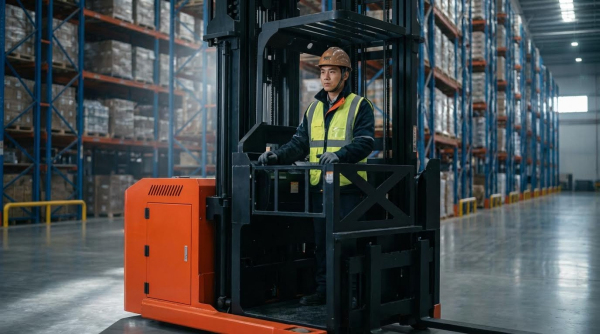
Automated warehouse order picker deployments reduce direct picking headcount by 30–70%, improve ergonomics and safety, and typically pay back in 2.5–4 years in operations above roughly 500–1,000 orders per day.
| Scenario | Labor Requirement | Safety / Ergonomics | Typical Investment | Payback / TCO Impact |
|---|---|---|---|---|
| Optimized manual (paper / RF) | Baseline; highest headcount | High walking, lifting, and reaching; more strain injuries | Low capex (trucks, racks, RF) | Best for <300 orders/day; labor costs scale linearly with volume |
| Semi-automated (voice, PTL) | Moderate reduction vs manual | Hands-free, eyes-free improves safety | ≈£1,500–3,000 per headset; £2,000–5,000 per PTL station | 20–35% throughput gain; relatively quick ROI in most sites |
| AMR-assisted G2P | 30–70% fewer pickers in target zones | Walking cut by ~80%; better ergonomics at fixed stations | ≈£500,000–2,000,000 per system | Typical payback 2–4 years for >1,000 orders/day |
| AS/RS / shuttle systems | High automation; minimal pick labor | Operators work at ground-level ergonomic stations | ≈£250,000–5,000,000+ depending on scope | Payback 3–7 years; best at 5,000+ orders/day and in high-cost labor markets |
| Robotic picking cells | One cell can replace 2–4 FTEs | Removes repetitive, high-frequency reaching and grasping | ≈£100,000–500,000 per cell | Labor costs can drop from ≈$120,000 to $30,000 per cell annually |
Case data shows manual cart picking tasks taking 17 minutes 35 seconds and 621 steps, while AMR-assisted picking cut this to 10 minutes 59 seconds and 276 steps. For experienced workers, the automated workflow dropped task time to 6 minutes 59 seconds and only 175 steps. That time and motion reduction maps directly into 2–4 FTEs worth of work per automated cell and annual labor cost dropping from about $120,000 to $30,000, while error-related costs fall from $15,000 to $1,500. Labor productivity and cost impact of automation
Most warehouses see picking account for 55–65% of total operating cost, so even a 30% labor reduction has a disproportionate effect on TCO. For operations above 500–1,000 orders per day, automated systems such as AMRs and goods-to-person typically reach break-even in 2.5–4 years, with full ROI over a 7–10 year lifecycle. Below roughly 300 orders per day, optimized manual or semi-automated solutions usually win because high capital cost (often starting around £250,000) and 6–18 month implementation timelines outweigh labor savings. Order volume thresholds and ROI timelines Capex ranges and labor reduction percentages
- Headcount reduction: Automation cuts picking labor by 30–70% – Frees staff for kitting, QC, and returns instead of walking aisles.
- Safety improvements: Less walking, climbing, and lifting – Fewer musculoskeletal injuries and lower workers’ comp exposure.
- Scalability: Systems can run longer hours in peak – Reduces reliance on seasonal temps and overtime spikes.
- Risk factors: Technology risk, integration complexity, and floor flatness – Need to be priced into TCO, not ignored as “implementation detail.”
Simple payback model for an automated warehouse picker project
1) Quantify current annual picking labor cost (wages, benefits, overtime). 2) Estimate achievable labor reduction (for example, 40–60% in automated zones). 3) Add savings from error reduction (credits, reships, extra freight). 4) Subtract incremental maintenance, software, and energy costs. 5) Divide net annual savings into total project cost to get payback years. Validate against the 2–4 year benchmark seen in mid-scale projects.
💡 Field Engineer’s Note: When you build the business case, segment by zone. Automating the top 20–30% of SKUs that drive 70–80% of picks often delivers 70% of the labor savings with 40% of the capital, especially when you combine AMRs or shuttles with conventional racking for the long tail.
Matching Technology To Volume, Layout, And Risk
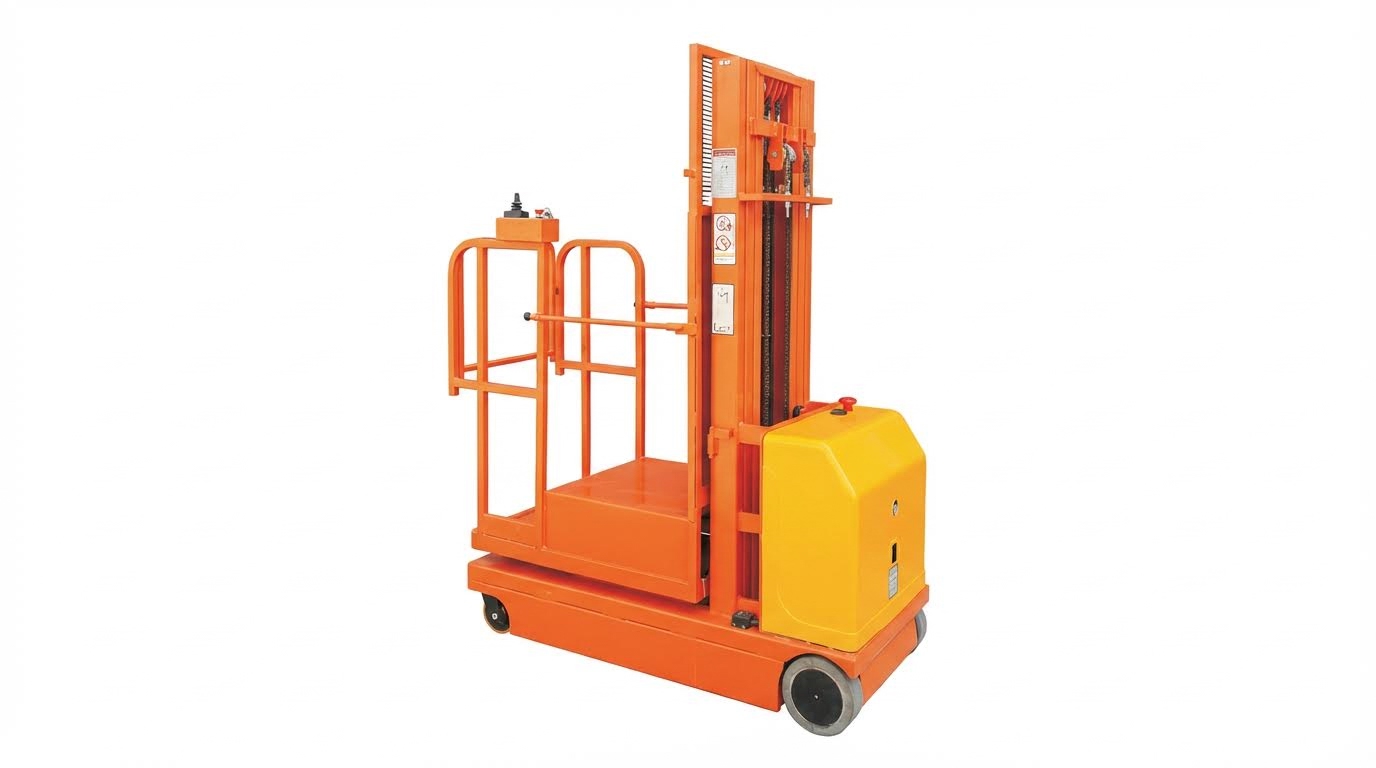
Selecting the right automated warehouse order picker depends on hard numbers: order volume per day, SKU profile, aisle geometry, building height, and your appetite for capital and technology risk. The goal is to avoid both under-spec and over-automation.
- Start with demand, not gadgets: Size automation to orders/day, lines/order, and peak vs average – prevents overspending on capacity you never use.
- Design around your building: Aisle width, clear height, and floor flatness limit which systems are even feasible – avoids costly civil upgrades.
- Balance labor risk vs capital risk: High labor turnover or hard-to-hire markets justify more automation – trades payroll volatility for predictable depreciation.
- Think hybrid, not all-or-nothing: Automate high-velocity zones and SKUs first – captures 70–80% of the benefit with 30–50% of the spend.
💡 Field Engineer’s Note: In brownfield sites, floor flatness and column spacing often kill more automation concepts than budget does. Always run a layout and slab survey before you fall in love with any specific technology.
Order Volume, SKU Profile, And Aisle Design
Order volume, SKU behavior, and physical aisle design determine whether manual, semi-automated, or fully automated warehouse pickers will deliver the best payback.
Warehouse picking already consumed 55–65% of total operating cost in many facilities, so matching technology to workload is critical. Operations processing fewer than 300 orders per day usually achieve better ROI by tightening manual processes and adding low-cost guidance like voice or pick-to-light rather than jumping to heavy automation. Higher volumes, dense SKU sets, and long walks push you toward goods-to-person robots and AS/RS as the economic choice. Order volume thresholds and ROI ranges are well documented.
| Daily Order Volume / Profile | Recommended Picking Approach | Typical Tech Level | Operational Impact |
|---|---|---|---|
| <300 orders/day, simple SKUs | Optimized manual picking | Paper or RF, carts, basic order pickers | Lowest capex; walking dominates time, headcount drives cost |
| 300–1,000 orders/day | Semi-automated zones | Pick-to-light, voice, conveyors | 20–35% higher throughput, 25–40% fewer errors vs paper |
| >1,000 orders/day, many lines/order | Goods-to-person (G2P), AMR-assisted | Robots bring totes to pickers | Pick rate 300–600 units/h, walking cut by ~80% |
| >5,000 orders/day, dense SKU mix | AS/RS or shuttle-based systems | High-bay, multi-level shuttles | 3–5× faster retrieval, 50–70% space savings |
Manual cart picking often took about 17 minutes 35 seconds and 621 steps per task, while AMR-assisted workflows cut this to 10 minutes 59 seconds and 276 steps. For experienced workers, AMR support pushed tasks down to 6 minutes 59 seconds and only 175 steps, essentially halving travel distance and non-value-added time. One automated cell could replace the workload of 2–4 full-time pickers, dramatically changing your labor model.
How to size technology to your order profile
Start by calculating orders per day, order lines per order, and units per line at average and peak. If peak volume is more than 2× average, prioritize flexible systems like AMRs and G2P that can extend hours or add robots during peaks instead of locking into fixed conveyor capacity.
Your SKU profile is just as important as raw volume. High-velocity SKUs that drive 60–80% of picks are prime candidates for automation, while slow movers can remain in manual shelving. A hybrid automated warehouse order picker strategy—automating only the top 30% of SKUs that generate 80% of picks—has already delivered about 70% overall automation rate using only 40% of the capital needed for full automation in some operations. This zone-based approach balances investment and return.
- High-velocity SKUs: Place in G2P, shuttle, or AMR-served locations – maximizes robot utilization and payback.
- Medium-velocity SKUs: Support with pick-to-light or voice in dense shelving – cuts walking and errors without heavy capex.
- Slow movers / irregulars: Keep in manual zones – avoids tying expensive automation to rarely picked items.
Aisle design and building geometry then decide what equipment is even possible. Mid- and high-level order pickers typically worked in aisles around 1.6 m wide with platform capacities near 200 kg and maximum working heights up to about 7.7 m. These machines allowed simultaneous lift and travel but still relied on people walking or riding into every aisle. They remained constrained by aisle width, turning radius, and mast clearance.
| Layout / Aisle Condition | Suitable Technologies | Key Constraints | Best For… |
|---|---|---|---|
| Wide aisles ≥3.0 m | Rider order pickers, tuggers, AMRs | Travel distance, congestion at ends | Retrofits where structural changes are limited |
| Narrow aisles ~1.6–2.0 m | Guided order pickers, VNA trucks | Operator elevation safety, mast sway | High pick-face density without full AS/RS |
| Very narrow aisles >10 m high | AS/RS cranes, shuttle systems | Floor flatness, rack tolerances, building height | High-density storage with goods-to-person picking |
| Irregular / legacy layouts | Free-roaming AMRs, hybrid manual | Mixed traffic, visibility, dock interfaces | Brownfield sites needing flexibility |
💡 Field Engineer’s Note: If your aisles are already at 1.6 m and your clear height is under 8 m, it is often cheaper to deploy AMRs under existing shelving than to rebuild for a full shuttle system. Let the robots adapt to your building, not the other way around.
Data, IT Integration, And Expansion Strategy
Data quality, system integration, and a clear expansion roadmap determine whether an automated warehouse order picker project scales smoothly or stalls after go-live.
Every modern automated order picking machine—whether AMR, AS/RS, or shuttle—depends on accurate master data and tight integration with your Warehouse Management System (WMS). Poor SKU dimensions, weights, and location data have already caused delays and rework on many projects. Guidance from previous deployments suggested budgeting 20–30% of project time purely for data cleansing and integration testing. Ignoring this step usually led to missed go-live dates and unstable performance.
- Clean data first: Standardize SKU dimensions, weights, and cartonization rules – prevents jams, misroutes, and slotting errors.
- Define system roles: Decide what WMS, WCS, and WES each control – avoids conflicting instructions to robots and operators.
- Plan exception handling: Design clear flows for shorts, damages, and rework – keeps automation from choking on non-standard tasks.
- Test with real orders: Use live order mixes in simulation and pilots – reveals edge cases before full rollout.
Advanced WMS, Warehouse Control Systems (WCS), and Warehouse Execution Systems (WES) already provided end-to-end visibility and orchestration across complex sites. WES in particular dynamically managed work in real time, coordinating people, conveyors, and robots based on current conditions. This allowed operations teams to spot bottlenecks early, rebalance labor, and trigger replenishment or wave releases automatically. When reporting was real-time and actionable, hardware performance translated into measurable throughput gains.
Strategy before technology: what to define up front
Before you pick any specific automated semi electric order picker, lock in your process strategy: target service levels, batch vs wave vs waveless picking, cut-off times, and replenishment logic. Technology should amplify a sound process, not patch a broken one.
From a scalability standpoint, automation and strong data disciplines created a predictable path to growth. Systems supported by WES could adjust workflows automatically, rebalance labor between picking and packing, and scale throughput during peak weeks while throttling back during slow periods to protect energy and maintenance budgets. Automated data accuracy also reduced dependence on spreadsheets and manual reconciliations, giving leadership clear performance metrics.
| IT / Data Maturity Level | Suitable Automation Scope | Integration Complexity | Risk Profile |
|---|---|---|---|
| Low (paper-heavy, siloed systems) | Pick-to-light, voice, basic conveyors | Low–medium | Focus on process and data cleanup before robots |
| Medium (stable WMS, some RF) | AMRs, G2P subsystems in key zones | Medium | Pilot in one area, then scale |
| High (WMS + WCS/WES, clean data) | AS/RS, shuttles, robotic picking cells | High | Best suited for large, multi-site automation programs |
Expansion strategy should be explicit from day one. Goods-to-person systems and AMRs were inherently modular; you could add more robots or workstations as volume grew. Shuttle and AS/RS systems scaled by adding shuttles, lifts, or aisles, but required more structural planning up front. Implementation timelines for major automation commonly ran 6–18 months from purchase to full operation, so many operators phased deployment by zone or by building. This phased approach reduced risk and allowed lessons learned to feed into later stages.
- Design for modular growth: Choose systems that can add robots, aisles, or lifts – avoids forklift upgrades every time volume spikes.
- Protect optionality: Keep some aisles or zones manual – gives you a safety valve during outages or major changes.
- Align with building lifecycle: Match automation payback (2–7 years) to lease or ownership horizon – prevents stranded assets if you relocate.
- Plan maintenance and skills: Build in-house or partner capability for controls, IT, and mechanics – keeps uptime near the 99.9% targets many AS/RS systems already achieved.
💡 Field Engineer’s Note: The fastest way to derail an otherwise solid automated warehouse order picker project is underestimating integration and support. Budget for a permanent “automation owner” on your team, not just an implementation vendor who disappears after go-live.
Final Thoughts On When Automation Really Pays Off
Manual and powered order pickers still deliver strong value where order volumes stay low and layouts are simple. They keep capital tied to trucks and people, not software and controls, and they adapt quickly when SKU mixes change. The trade-off is linear labor cost, long walking distances, and higher injury risk as volume rises.
Automated warehouse pickers flip that equation. Goods-to-person systems, AMRs, and AS/RS convert walking into productive picks, push error rates toward zero, and compress lead times. Their real payoff appears once you run above roughly 500–1,000 orders per day, face hiring pressure, or operate in high-cost space such as cold storage or urban hubs.
The engineering message is clear. Let geometry, energy, and data drive your choice, not hype. Check aisle widths, floor flatness, building height, and IT maturity before you lock in any concept. Use hybrid designs to automate the 20–30% of SKUs that drive most picks, while keeping long-tail items in manual zones.
Teams that follow this disciplined path gain safer jobs, lower total cost, and scalable capacity. Partners like Atomoving can then match specific equipment to a roadmap you already trust, rather than forcing your operation to fit the machine.
Frequently Asked Questions
What are the duties of an automated warehouse picker?
An automated warehouse picker, often referred to as a goods-to-person system, handles tasks like retrieving items from shelves and transporting them to packing stations. These systems use advanced technologies such as robotics, conveyors, and automated guided vehicles (AGVs) to improve efficiency and accuracy in order fulfillment.
- Retrieving items from storage locations.
- Transporting goods to designated packing or processing areas.
- Minimizing human intervention to reduce errors and increase speed.
Is operating an automated warehouse picker physically demanding?
Operating an automated warehouse picker is generally less physically demanding compared to manual picking. Automation reduces the need for constant movement and heavy lifting, allowing operators to focus on managing and overseeing the system. However, operators should still be familiar with safety protocols when interacting with the equipment.
- Reduced physical strain due to automation.
- Focus shifts to system oversight and troubleshooting.
- Operators must follow safety guidelines for equipment interaction.