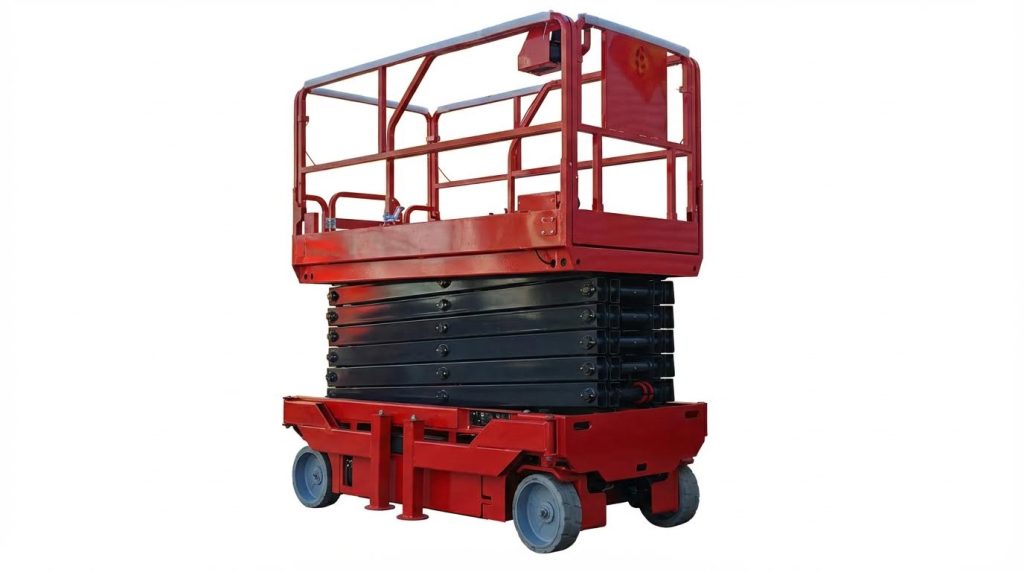
Cherry pickers, or Mobile Elevating Work Platforms (MEWPs), transformed how warehouses accessed high storage locations and overhead services. Their design combined hydraulic, structural, and control subsystems to deliver precise elevation with controlled mobility in constrained aisles. Safe and efficient use depended on formal operator training, rigorous pre-use inspections, and strict adherence to work-at-height regulations. Across the lifecycle, structured maintenance, fluid management, and data-driven reliability practices determined uptime, cost of ownership, and long-term safety performance.
This article examined engineering roles and duty cycles in warehouse environments, core safety protocols and compliance requirements, and best-practice maintenance strategies for MEWPs. It also addressed how digital tools and telematics supported predictive maintenance and fleet optimization, and concluded with strategic takeaways for facility managers planning or upgrading elevated access capabilities.
Engineering Roles Of Cherry Pickers In Warehouses
Typical Warehouse Use Cases And Duty Cycles
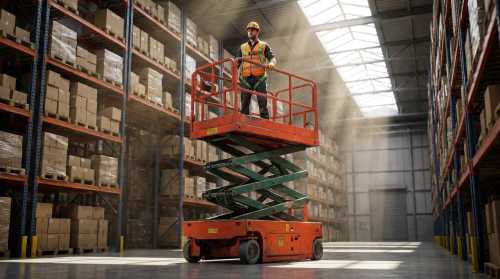
Cherry pickers in warehouses provided safe access to elevations between roughly 6 m and 20 m, depending on model. Engineers deployed them for inventory cycle counts, light maintenance, and picking bulky or non-conveyable SKUs. In cross-dock and 3PL facilities, they supported signage installation, lighting repair, and sprinkler inspection above active aisles. Design teams selected platform size and outreach to match pallet dimensions, racking heights, and typical task envelopes.
Duty cycles in warehouses were usually intermittent but repetitive. A typical pattern combined short travel distances, frequent elevation changes, and frequent starts and stops. Engineers considered daily operating hours, lift cycles per hour, and average versus peak loads when sizing power systems and cooling capacity. Electric cherry pickers with battery power suited indoor duty cycles because they reduced emissions and noise and aligned with shift-based charging strategies.
For engineering analysis, duty cycles drove fatigue calculations and maintenance intervals. High-cycle picking applications required closer attention to pivot wear, cylinder seal life, and cable chain routing. Where facilities ran multi-shift operations, designers often specified higher-capacity traction batteries and fast-charging infrastructure. They also validated that the machine’s rated Safe Working Load (SWL) covered worst-case tool, material, and operator combinations with appropriate safety factors.
Key Subsystems: Hydraulics, Structure, And Controls
The hydraulic subsystem converted pump output into controlled lift, slew, and extension motions. Engineers sized pumps, valves, and cylinders to achieve required lift speeds at rated loads without overheating the fluid. They specified pressure relief valves, load-holding valves, and counterbalance valves to prevent uncontrolled descent after hose failure. Clean hydraulic oil, appropriate viscosity, and filtration performance directly affected response time and component life.
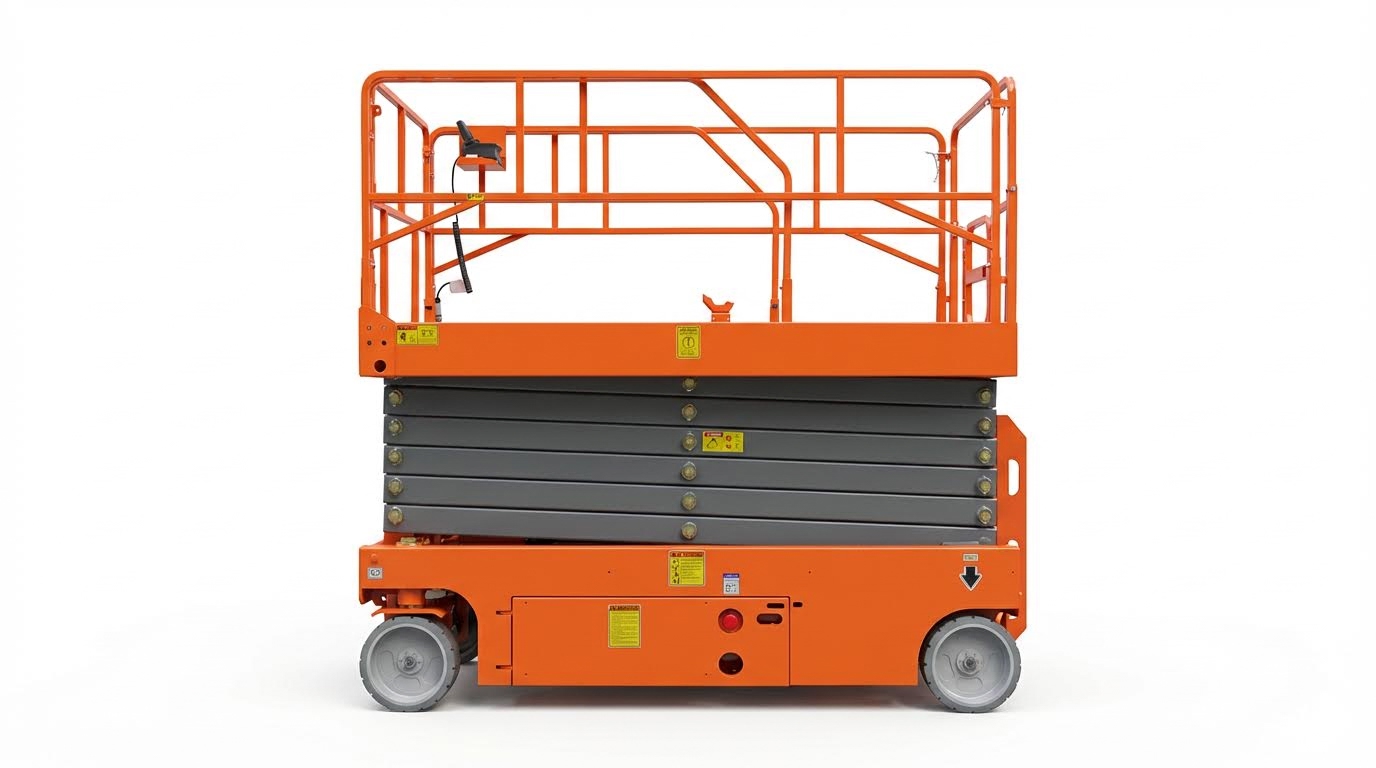
The structural subsystem included chassis, boom sections, scissor arms or masts, platform, and guardrails. Designers used finite element analysis to verify stress levels under static and dynamic loading, including braking and turning while elevated. Weld details, high-stress joints, and pivot interfaces required special attention to fatigue and crack initiation. Guardrails, toe boards, and anchorage points for personal fall protection equipment had to comply with work-at-height regulations and relevant MEWP standards.
The control subsystem integrated user interfaces, sensors, and safety logic. Control panels grouped travel, lift, and platform functions with clear labelling and guarded switches. Deadman switches ensured that motion occurred only while the operator maintained deliberate input. Tilt sensors, load sensors, and interlocks limited machine operation when stability margins reduced or when loads exceeded SWL. Modern designs used electronic control units to manage proportional valves, speed limits, and emergency stop behavior.
Integration With Racking, Aisles, And Material Flow
Engineering integration started with clearances between cherry pickers, racking, and building structures. Designers checked turning radii, platform overhang, and boom swing envelopes against aisle widths and cross-aisle intersections. They ensured sufficient vertical clearance under sprinklers, lighting, and HVAC ductwork during travel and elevation. Floor flatness and load-bearing capacity were verified so wheel loads and outrigger reactions stayed within slab design limits.
Material flow analysis considered how cherry picker movements interacted with pallet trucks, forklifts, and pedestrians. Engineers defined traffic routes, one-way systems, and exclusion zones around elevated work. They coordinated picking and maintenance windows with inbound and outbound peaks to avoid congestion. Where racking layouts changed frequently, flexible MEWP selection and modular guardrail systems helped maintain safe access.
Integration also covered power and charging logistics for electric units. Charging stations were positioned to avoid blocking fire exits or main travel aisles. Cable management and ventilation around chargers reduced trip hazards and heat buildup. In automated or semi-automated warehouses, engineers validated that cherry picker operations did not interfere with AGVs, conveyors, or shuttle systems. They used signage, floor markings, and digital work permits to coordinate shared zones.
Comparing Cherry Pickers To Other Access Systems
Compared with fixed scaffolding, cherry pickers offered higher mobility and faster setup for short-duration tasks. They allowed operators to reposition vertically and horizontally within seconds, which reduced non-productive time in large warehouses. However, scaffolding provided larger working platforms and could support heavier tools and materials for long-duration projects. Engineers therefore evaluated task duration, reach requirements, and load characteristics when selecting access methods.
Versus vertical mast lifts or stock pickers, cherry pickers typically provided greater outreach and flexibility around obstacles. Articulating booms enabled operators to reach over conveyors, mezzanines, or machinery. In contrast,
Safety Protocols And Compliance For MEWP Use
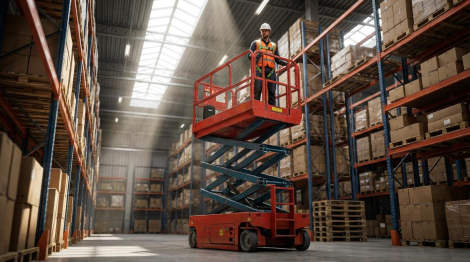
Safe cherry picker operation in warehouses depended on structured procedures aligned with MEWP standards and local regulations. Engineering managers needed to embed these protocols into training, daily routines, and documented systems of work. The following subtopics outlined how certification, inspections, fall protection, and emergency planning worked together as a single safety architecture for MEWP use.
Operator Certification, IPAF And Regulatory Duties
Operators required formal training and certification before using cherry pickers in warehouses. IPAF courses, such as MEWP Operator, MEWPs for Managers, and Instructor programs, provided standardized instruction on safe operation, hazard assessment, and equipment selection. Employers had legal duties under work-at-height and machinery regulations to ensure only competent, medically fit persons operated MEWPs and that training records remained current. Supervisors also needed specific training, such as ANSI A92.24-compliant supervisor courses, to plan work at height, verify risk assessments, and enforce site rules. Written procedures had to reference manufacturer manuals and applicable standards, and management needed to audit compliance periodically.
Pre-Use Inspections, Function Tests, And Checklists
Daily pre-use inspections formed the first safety barrier for MEWPs in warehouses. Operators typically followed a checklist that covered structure, hydraulics, electrics, controls, and safety devices before elevating. Visual checks included leaks, damaged hoses, cracked welds, loose fasteners, tire condition, and integrity of platforms and guardrails. Functional tests verified ground and platform controls, emergency lowering, alarms, interlocks, and the Deadman switch response. Ground conditions required confirmation for bearing capacity, levelness, and absence of voids or obstructions to prevent overturning. Monthly or scheduled inspections extended this approach, adding documentation of certificates, decals, load charts, and regulatory compliance items such as third-party inspections where required.
Fall Protection, Load Limits, And Stability Control
Fall protection policies for cherry pickers combined engineering controls with personal protective equipment. Platforms and guardrails had to remain structurally sound, with self-closing gates or chains intact and no unauthorized modifications. Operators wore personal fall protective equipment, typically a full-body harness with an energy-absorbing lanyard or restraint system anchored to designated points. Adherence to the manufacturer’s safe working load, including people, tools, and materials, was critical for stability; exceeding the SWL increased the risk of tip-over and structural failure. Tilt sensors, load-sensing systems, and speed-limiting functions supported stability by restricting operation outside safe envelopes. Operators needed training to recognize how outreach, platform height, tire condition, and ground slope affected the machine’s stability margin.
Emergency Planning, Ground Rescue, And E-Stops
Work at Height Regulations required a documented emergency and rescue plan for MEWP operations. Before elevation, teams had to confirm that ground controls were accessible, that at least one trained person was available to perform ground rescue, and that communication methods were defined. Operators and ground staff practiced manual lowering procedures and use of emergency stop buttons so they could respond quickly to power loss, control failure, or medical emergencies. The plan identified escape routes, assembly points, and roles during an incident, and facilities periodically drilled these scenarios to validate response times. Clear hand signals or radios supported rapid coordination, while logs of incidents and near-misses fed back into risk assessments and procedure updates.
Maintenance, Reliability, And Lifecycle Management
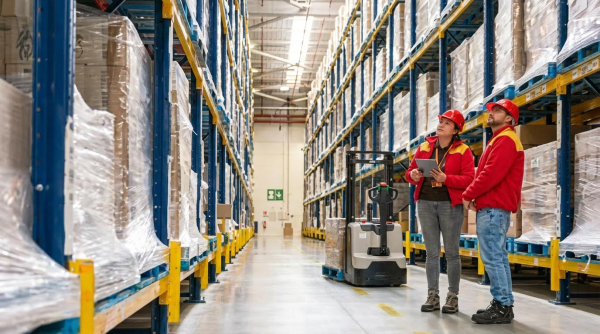
Maintenance strategies for cherry pickers in warehouses aimed to maximise availability, control whole‑life cost, and maintain compliance. A structured lifecycle approach combined daily operator checks, scheduled preventive maintenance, and periodic third‑party inspections. Asset managers typically aligned maintenance plans with regulatory inspection intervals and manufacturer recommendations. Digital records, standardised procedures, and trained technicians reduced unplanned downtime and safety risks.
Planned Inspections, Lubrication, And Fluid Care
Planned inspections followed a tiered structure: pre‑use, daily, monthly, and annual checks. Daily inspections covered visible damage, leaks, alarms, controls, and safety devices, while monthly programs added detailed checks on outriggers, walkways, decals, and documentation. Lubrication schedules targeted boom pivot pins, slew bearings, scissor linkages, and steering joints using specified greases to minimise wear and backlash. Fluid care included monitoring hydraulic oil, engine oil, and coolant levels and quality, with sampling or scheduled changes based on operating hours and environmental severity.
Maintenance teams recorded inspection findings in maintenance logs with dates, meter readings, and corrective actions. They replaced filters and oils at fixed hour intervals or earlier if contamination indicators or fluid analysis required it. Cleanliness around fill points, breathers, and reservoirs limited particulate ingress, which strongly influenced hydraulic component life. Consistent procedures and checklists reduced variation between shifts and ensured that critical points were not missed.
Hydraulic, Electrical, And Structural Integrity
Hydraulic integrity relied on leak‑free hoses, correctly torqued fittings, and smooth cylinder operation without scoring or creep. Technicians inspected hose routing for chafing, minimum bend radius, and clamp condition, and they verified valve and pump performance through function tests such as controlled lifting, lowering, and slewing. Electrical integrity required regular checks of wiring harnesses, connectors, batteries, and control modules to prevent intermittent faults or unintended movements. Functional tests confirmed that limit switches, proximity sensors, tilt sensors, and load‑sensing devices operated within specified ranges.
Structural integrity assessments focused on the chassis, boom sections, scissor arms, welds, and platform guardrails. Inspectors looked for cracks, deformation, corrosion, and loose fasteners, especially at high‑stress joints and previous repair areas. Any structural anomaly triggered immediate removal from service and evaluation by a competent person, often supported by non‑destructive testing for critical components. Maintaining structural soundness preserved load‑bearing capacity and complied with MEWP standards and local work‑at‑height regulations.
Battery, Tires, And Drive Components Management
Battery management for electric cherry pickers included daily state‑of‑charge checks, correct charging practices, and periodic inspections of electrolyte levels and terminals. Operators avoided deep discharges and opportunity charging outside manufacturer limits to extend cycle life. Technicians cleaned terminals, applied corrosion inhibitors, and verified charger settings matched battery chemistry and capacity. For internal combustion units, maintenance covered starter batteries and charging system performance.
Tire management influenced traction, stability, and braking performance. Maintenance staff checked pressure, tread depth, sidewall damage, and verified that tire size and ply rating matched manufacturer specifications. They investigated any mismatched or non‑approved tires before further operation. Drive components such as reduction gearboxes, wheel hubs, steering linkages, and brakes required regular inspection for leaks, backlash, abnormal noise, and correct fluid levels. Proper care of these components reduced energy consumption and prevented mobility failures in narrow warehouse aisles.
Digital Tools, Telematics, And Predictive Analytics
Digital tools and telematics increasingly supported maintenance and lifecycle decisions for warehouse cherry pickers. Onboard telematics modules captured operating hours, fault codes, tilt events, overload incidents, and battery performance data. Fleet managers accessed this data through web portals or maintenance systems to schedule service based on actual utilisation instead of fixed calendar intervals. Remote diagnostics allowed technicians to review error histories and sensor values before attending site, improving first‑time fix rates.
Predictive analytics used historical data to identify patterns that preceded failures, such as rising hydraulic oil temperature, repeated low‑voltage alarms, or frequent emergency stop activations. Algorithms then generated early warnings or maintenance recommendations, helping to avoid breakdowns during peak warehouse activity. Digital inspection forms and mobile apps standardised checklists and automatically stored results for audit and compliance purposes. Over time, these tools supported more accurate lifecycle cost models and informed replacement or refurbishment decisions for aging warehouse order picker fleets.
Summary And Strategic Takeaways For Facilities
Cherry pickers had become critical assets in warehouse operations for safe access to elevated work areas. Effective deployment required a systems view that combined design understanding, operator competence, and structured maintenance. Facilities that aligned engineering, safety, and operations around Mobile Elevating Work Platforms (MEWPs) achieved higher uptime and lower incident rates.
From a technical perspective, consistent pre-use and periodic inspections formed the backbone of reliability. Checklists that covered hydraulics, structure, controls, safety devices, and ground conditions reduced in-service failures and unplanned downtime. Training, such as IPAF-compliant or ANSI-aligned programs, ensured operators and supervisors understood control logic, emergency procedures, and load/stability limits. Facilities that logged inspections and maintenance in a traceable system met regulatory expectations more easily and supported better root-cause analysis.
Industry trends pointed toward deeper integration of telematics, digital checklists, and remote training platforms. Connected MEWPs provided usage, fault, and overload data that supported predictive maintenance and more accurate duty-cycle planning. Over time, this data-driven approach enabled right-sizing of fleets, optimization of charging and staging areas, and improved coordination with racking layouts and material flows.
For practical implementation, facilities should standardize MEWP selection based on height, outreach, and floor loading, then lock in matched training and SOPs for each class of machine. A documented emergency plan, including ground rescue via base controls and clear communication protocols, must sit alongside fall protection policies and load-control rules. A balanced strategy treated cherry pickers not as isolated machines but as engineered subsystems within the warehouse, where design, safety, and maintenance decisions evolved together as operations scaled and regulations tightened.