Pallet stacking and load securement on trucks required a rigorous engineering approach that balanced safety, efficiency, and regulatory compliance. This article covered pallet and truck constraints, including standard pallet sizes, truck bed dimensions, axle load limits, and rules imposed by DOT, FMCSA, EUMOS, and individual carriers. It then examined the mechanics of stable pallet stacking, addressing load geometry, center of gravity, carton layouts, overhang control, mixed pallet types, and stability testing. Finally, it detailed securement methods across trailer types, from stretch wrap and strapping design to tie-down sizing and engineered solutions for heavy or abnormal loads, concluding with a practical implementation checklist for field use.
Pallet And Truck Constraints For Safe Loading
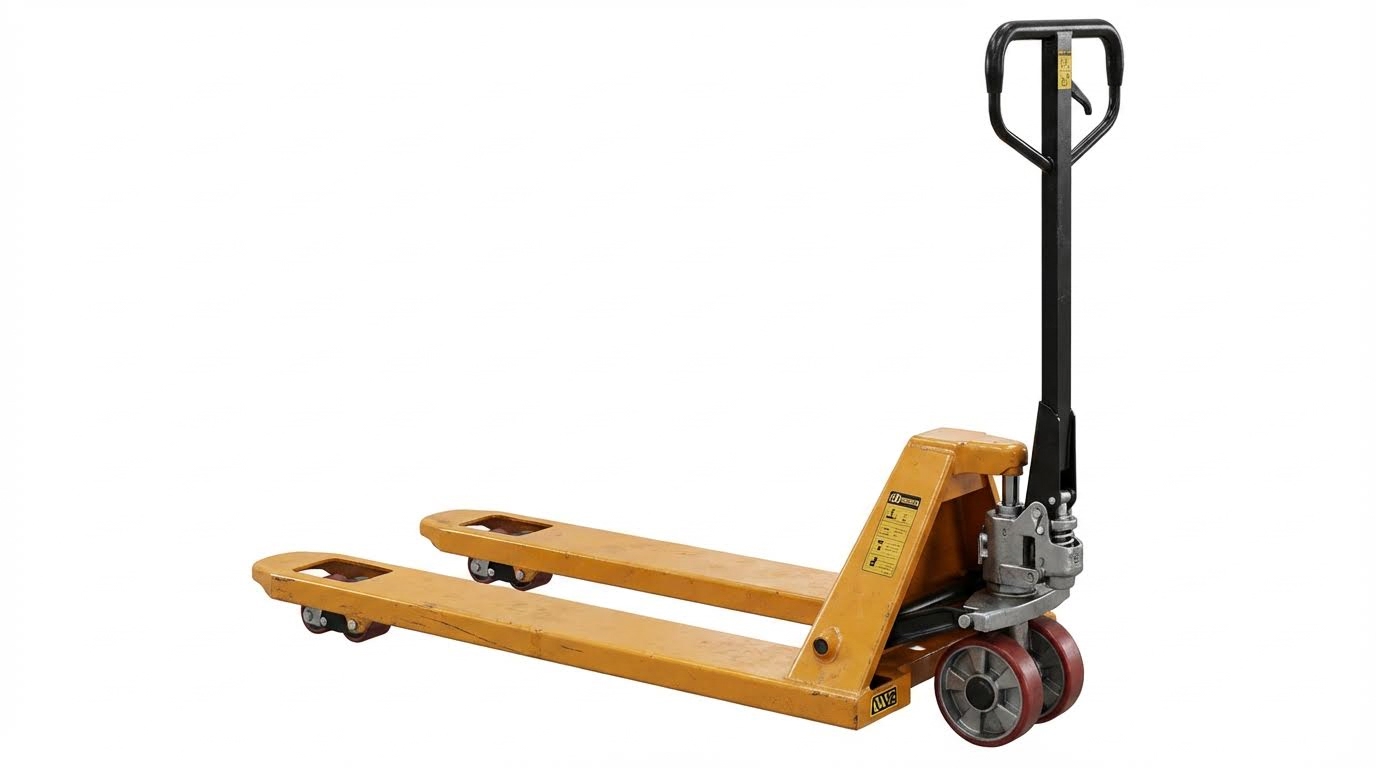
Safe palletized transport required matching pallet characteristics with truck constraints and legal limits. Engineers had to treat the pallet, load, and vehicle as a single structural system. Design decisions covered pallet type and rating, truck geometry and axle loads, regulatory securement rules, and carrier-specific policies, especially for less-than-truckload (LTL) networks. The following subsections outlined the key boundary conditions that governed any technical loading plan.
Standard Pallet Types, Sizes, And Ratings
Engineers typically worked with three pallet families: wooden, plastic, and metal. Wooden pallets offered low cost and easy repair, but they varied in stiffness and required inspection for damage before loading. Plastic pallets provided lower mass, high hygiene, and dimensional consistency, but they needed friction aids such as anti-slip sheets when mixed with wood. Metal pallets carried very high loads but increased deck mass and raised the center of gravity, so operators kept them in the lowest truck layer.
Standard pallets in North American freight commonly measured 1 219 mm by 1 016 mm, while other regions used 1 200 mm by 1 000 mm or 1 100 mm by 1 100 mm formats. Engineers confirmed pallet footprint compatibility with truck internal width and carrier pallet positions. Static and dynamic load ratings differed; palletized loads had to remain stable without lashings before vehicle loading. When stacking pallets, lower pallets needed to support upper pallet footprints fully and stay within the manufacturer’s rated stack load.
Truck Bed Dimensions, Axle Loads, And Limits
Truck bed geometry constrained both pallet count and stack height. Standard trucks carried approximately 6–12 pallets of 1 100 mm by 1 100 mm size, depending on body type and orientation strategy. Engineers checked internal length, usable width between side restraints, and effective height to any roof bows or door headers. They also considered step deck or double-deck configurations, which introduced different deck heights and loading sequences.
Axle load limits governed weight distribution. In the United States, common design values were 53 000 kg gross vehicle mass equivalent to 80 000 lb, with approximately 5 400 kg on steer axles and 15 400 kg each on drive and trailer tandems. Engineers distributed pallet weights so heavy loads sat low and near the longitudinal center while respecting these axle constraints. They verified that concentrated pallet stacks did not overload localized floor zones or exceed deck point-load ratings.
Regulatory Framework: DOT, FMCSA, EUMOS
Cargo securement in North America followed DOT and FMCSA requirements, especially 49 CFR Part 393, Subpart I. These rules required that the aggregate working load limit of tie-downs equaled at least 50% of the cargo mass. Palletized loads had to resist forward, lateral, and rearward accelerations specified by the North American Cargo Securement Standard. Engineers selected straps, chains, and blocking to meet these force levels, accounting for friction and geometry.
In Europe, EUMOS legislation introduced in 2018 imposed stricter verification of load containment. Authorities attributed about 25% of truck accidents to insufficient securement, with dozens of fatalities annually, which drove high enforcement pressure. EUMOS shifted liability toward shippers and manufacturers, requiring them to prove that palletized units and wrapping systems delivered sufficient stability. This pushed wider use of tested stretch wrapping patterns, certified dunnage, and documented load-securing schemes.
Carrier-Specific Rules And LTL Constraints
Carriers and LTL networks imposed additional constraints beyond statutory rules. They set maximum pallet mass per position and total stack height, often referencing rules such as a 640 cm height envelope or similar internal standards. They also restricted overhang, prohibited damaged pallets, and required that each palletized unit formed a single stable block via wrapping or banding before loading. Exceeding these limits could trigger rework, surcharges, or load refusal.
LTL operations introduced frequent trans-shipment, so pallets experienced multiple handling cycles. Engineers therefore favored square, uniform stacks with no overhang and robust edge protection to withstand repeated forklift movements. Carriers often specified labeling, documentation placement, and minimum wrap coverage to at least half the pallet height. Coordination with carriers during packaging design ensured that engineered pallet loads fit their handling patterns, equipment, and consolidation strategies without compromising safety or compliance.
Engineering Principles Of Stable Pallet Stacking
Engineering-based pallet stacking focused on creating self-stable, unitized loads that resisted handling and transport forces. Designers considered geometry, materials, and contact conditions to keep the center of gravity low and within the pallet footprint. They combined stacking patterns, friction aids, and correct wrapping or strapping to control movement under braking, cornering, and vibration. Robust practice treated each pallet as a structural element in a three-dimensional load system rather than a simple platform.
Load Geometry, Center Of Gravity, And Stack Height
Stable pallet stacks maintained a low, centrally located center of gravity (CoG) relative to the pallet base. Engineers placed the heaviest items at the bottom layer and near the geometric center to reduce overturning moments. They limited stack height using carrier rules, product stiffness, and pallet capacity, often applying empirical limits such as the 640 rule for LTL freight. The load footprint ideally matched or stayed slightly inside the pallet deck to avoid eccentric loading and tipping. During truck loading, operators balanced pallet CoGs across the vehicle width and length to keep axle loads within legal limits and minimize roll risk.
Carton Layouts, Overhang, And Support Between Pallets
Carton layout on pallets aimed to create a near-monolithic block with continuous vertical support paths. Square and rectangular cartons stacked in interlocking patterns, such as brick or pinwheel, improved lateral stability compared with column-only stacking. Engineers avoided overhang beyond the pallet edge because it reduced edge support, increased carton damage, and introduced lever arms that promoted tipping. When double-stacking pallets, they ensured upper pallet runners or boards sat fully on the lower load, not on gaps between cartons. They often used slip sheets or top decks to spread loads and prevent point loading that crushed lower packages.
Mixed Pallet Types, Friction Aids, And Gap Management
Mixed pallet fleets introduced different stiffness, mass, and surface friction characteristics that affected stack behavior. Plastic pallets offered low friction and required anti-slip sheets or mats, especially when stacked above wooden pallets or on smooth truck floors. Engineers typically placed heavier metal pallets at the bottom of stacks and wooden pallets between plastic units to increase friction and stability. They minimized horizontal gaps between pallets in the trailer; where gaps were unavoidable, they filled them with dunnage or used lashings to prevent load migration. Friction aids such as anti-slip sheets, high-friction coatings, and friction matting under abnormal loads significantly reduced required lashing forces and helped meet EUMOS and DOT performance criteria.
Test Methods For Stack Stability And Damage Prevention
Engineering validation of pallet stacks relied on standardized and in-house test methods. Laboratories used tilt tests, vibration tables, and acceleration profiles to simulate braking, cornering, and road irregularities, checking whether stacks remained intact. Shippers conducted stability tests before large-scale deployment, assessing whether shrink or stretch wrapping, strapping patterns, and carton layouts provided adequate containment. They monitored damage modes such as corner crush, panel bulging, and wrap tearing to refine packaging design and wrapping parameters. Compliance-driven programs referenced regulations and guidelines, including FMCSA securement rules and EUMOS load containment standards, to ensure that real-world loads withstood defined longitudinal and lateral forces without collapse.
Securing Palletized Loads On Different Trailers

Securing palletized loads on trailers required a systems view that combined packaging design, pallet stability, and trailer-specific restraint. Engineers evaluated the pallet–load unit first, then matched it with appropriate tie-down methods and trailer layouts. Regulatory constraints from DOT, FMCSA, and EUMOS set minimum performance levels, but engineered solutions usually exceeded these baselines to reduce damage and incident risk. The following subsections outlined design considerations from the unit load outward to the full vehicle system.
Stretch Wrap, Strapping, And Edge Protection Design
Stretch wrapping had the primary function of converting multiple items and the pallet into a single structural unit. Engineers specified film gauge, pre‑stretch ratio, and wrap pattern to achieve adequate containment force without crushing cartons. Design practice targeted at least a second wrap layer covering 50% or more of pallet height, with cross‑over patterns on the top deck to lock the load. Strapping complemented film by providing discrete high-strength load paths, especially for tall or heavy stacks. PET or polypropylene straps suited corrugated boxes, while steel or heavy polyester straps better matched rigid or dense products. Edge and corner protectors distributed strap forces and prevented local crushing, while also stiffening vertical corners to improve column strength. For fragile or high-value goods, engineers added reinforced cardboard perimeter sleeves or plastic guards before wrapping, creating a semi-rigid shell that improved impact resistance and allowed higher stacking.
Tie-Down Selection, WLL Calculations, And Layout
Tie‑down design started from cargo mass and regulatory working load limit (WLL) rules. FMCSA required the aggregate WLL of tie‑downs to be at least 50% of cargo weight, so a 18 000 kg load required ≥9 000 kg total WLL. Engineers selected web straps for palletized goods, lumber, and crates where surface protection mattered, and chains for machinery, steel, or concentrated loads with high dynamic forces. Each strap or chain had a rated WLL; the number of tie‑downs equaled required WLL divided by individual WLL, rounded up, with safety margin. Layout design aimed to restrain in all directions: forward, rearward, lateral, and vertical, using direct lashings, frictional lashings, or blocking. Tie‑downs were placed symmetrically around the center of gravity, with sufficient angles to generate vertical clamping force. Edge protectors under straps prevented cutting, and engineers avoided attaching multiple lashings to a single anchor point to prevent overload. Regular tension checks, especially after the first kilometers, formed part of the engineered securement plan.
Load Patterns For Dry Vans, Flatbeds, And Reefers
Dry vans relied heavily on positive fit and friction between pallets and the floor or sidewalls. Engineers loaded pallets tightly against the front bulkhead or within 300 mm, then filled lateral and longitudinal gaps with dunnage or air bags to prevent movement. Pallet height and weight distribution followed axle load constraints, keeping heavy pallets low and near the trailer center. Curtainsiders and flatbeds depended more on lashings and blocking. On flatbeds, pallets were grouped into stable stacks that were self-supporting before lashings, then secured with transverse and longitudinal straps or chains, using friction mats where floor friction was low. Load planners balanced axle weights within DOT limits and avoided high centers of gravity by mixing tall and low pallets. Reefers added thermal constraints: engineers maintained air channels around loads and avoided blocking floor or ceiling airflow, while still ensuring positive fit with spacer pallets or perforated dunnage. Rapid loading and correct pre‑cooling of the trailer preserved temperature control without compromising securement quality.
Abnormal, Heavy, And High-Cof Engineered Solutions
Abnormal and heavy palletized loads, such as machinery on skids or dense metal products, required engineered restraint beyond standard wrapping and strapping. Design began with ensuring the load was inherently stable on the pallet or skid, often using cradles, chocks, or welded stops so the unit was stable without lashings. Engineers then specified chains or high‑capacity straps with defined lashing angles and attachment schemes, often using bulkheads, stanchions, or blocking beams as physical barriers. For high‑coefficient‑of‑friction (high‑CoF) interfaces, such as friction mats under pallets, calculations considered reduced required lashing forces because friction carried part of the load, in line with European EUMOS approaches. Abnormal loads also demanded route and handling planning, including crane access, deck strength verification, and emergency procedures. Documentation included drawings of lashing layouts, tie‑down counts, and inspection instructions so operators could reproduce the engineered solution consistently in the field.
Summary And Practical Implementation Checklist

Pallet stacking and load securement on trucks required alignment between pallet design, vehicle capacity, and regulatory limits. Engineering practice integrated pallet strength, truck axle ratings, and legal load securement rules into a single loading plan. Stable pallet stacks depended on controlled geometry, low centers of gravity, compatible carton layouts, and verified friction conditions between layers. Securement systems then converted those engineered stacks into transport-stable units using wrap, strapping, tie-downs, and positive blocking.
Future developments focused on data-driven load design, with smart pallets, force-measuring lashings, and EUMOS-compliant test protocols. These trends pushed responsibility upstream to shippers, who needed documented load design, validated stability tests, and traceable securement methods. Operators increasingly relied on simulation and standardized test routines to qualify new packaging formats, mixed pallet loads, and higher stacking schemes. Integration of regulatory frameworks such as DOT, FMCSA, and EUMOS drove convergence toward quantifiable performance criteria instead of purely prescriptive rules.
For implementation, facilities benefited from a structured checklist approach. First, they defined constraints: pallet type and rating, truck bed dimensions, axle limits, and carrier-specific height or weight caps. Second, they engineered the stack: controlled overhang, ensured full support between pallets, used friction aids or dunnage in gaps, and verified stack stability without lashings. Third, they designed securement: specified wrap pattern and coverage, strap or band type and count, tie-down layout, and aggregate Working Load Limit relative to cargo mass. Finally, they validated performance through representative stability tests, operator training, and periodic field audits, maintaining a balanced view that combined safety, cost, and loading efficiency.