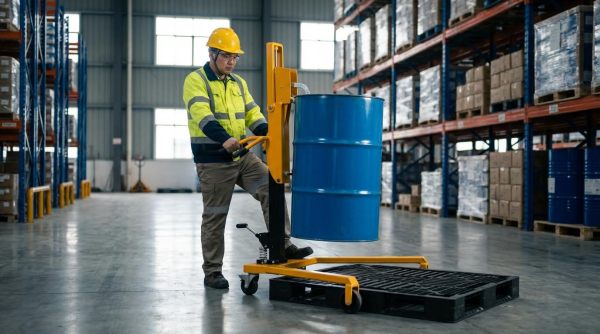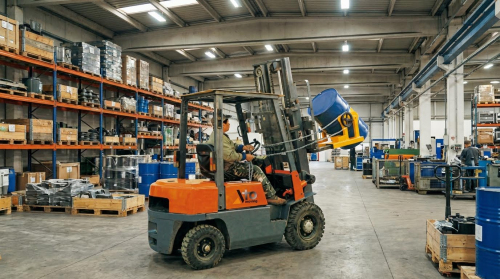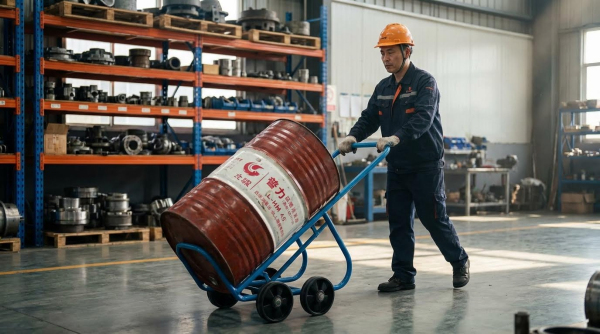
Handling 400–800 lb drums required careful integration of ergonomics, equipment selection, and safety procedures. This article covered how to engineer the right hand truck setup for drum weights, hazards, labeling, and route constraints, including floor conditions and incline limits. It then detailed safe loading techniques, from estimating drum weight and center of gravity to positioning on the nose plate, strapping, upending, and using assist tools. Finally, it addressed operating and maintaining hand trucks for drum duty, including push versus pull strategy, ramp handling, daily inspections, and failure prevention, before consolidating key best practices in a concise summary.
Engineering The Right Setup For Moving Drums
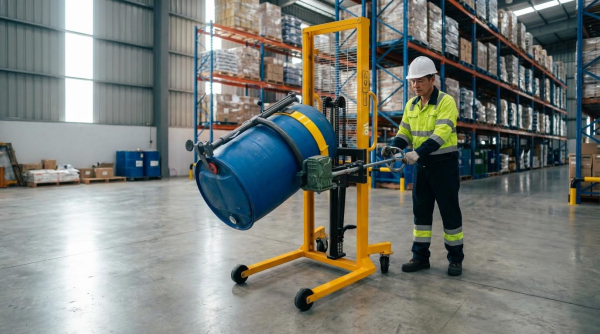
Engineering the setup before moving drums reduced injury risk and protected product integrity. Planners evaluated drum mass, contents, route, and equipment capability as a system, not as isolated elements. This approach aligned hand truck selection, hazard controls, and operator protection with regulatory requirements. The following subsections described the key engineering decisions that defined a safe, efficient drum-handling operation.
Selecting A Hand Truck For 400–800 Lb Drums
Engineers first matched hand truck rated capacity to the expected drum weight range of 180–360 kg. Good practice required a safety margin; the truck’s nominal capacity exceeded the heaviest drum by at least 25%. Drum-specific trucks or drum cradles supported the cylindrical shell and shifted the load reaction toward the axle. Wide, robust nose plates and properly sized pneumatic or solid rubber wheels improved stability on typical industrial floors. Designers also considered handle geometry and overall center-of-gravity location to keep required tilt force and push force within ergonomic guidelines.
Wheel selection depended on floor conditions and drum mass. Large-diameter wheels with low rolling resistance reduced push forces on smooth concrete. On rough or expansion-jointed floors, wider tread wheels improved shock absorption and limited point loads. Corrosive or chemically aggressive environments required compatible wheel and frame materials, such as coated steel or stainless steel. Engineers documented the selected truck’s capacity, intended drum types, and permissible operating conditions in handling procedures and training materials.
Drum Hazards, Labeling, And Pre-Move Inspection
Before any move, operators verified drum labels to identify flammable, corrosive, toxic, or reactive contents. If labels were missing or unreadable, procedures treated the drum as hazardous until characterization occurred. Personnel inspected the drum shell, chimes, and closures for dents, bulges, corrosion, or leaks. Any visible leakage triggered spill-response protocols, not routine transport. Missing bungs or loose lids were replaced or tightened to prevent product release during tilting or vibration.
Engineering controls extended beyond simple visual checks. For flammable liquids, facilities specified bonding and grounding provisions during transfer to eliminate static ignition sources. Pressure hazards received attention: operators relieved internal pressure slowly before opening vents or bungs, using safety vents or flash-arresting fittings when specified. Where vacuum or pressure changes occurred during pumping, venting devices prevented drum collapse or rupture. The pre-move inspection step functioned as a go/no-go gate, ensuring that only structurally sound, correctly closed drums entered manual handling streams.
Route Planning, Floors, And Incline Limitations
Route planning addressed the entire path from storage to destination before any drum left the floor. Engineers mapped doorways, thresholds, slopes, and turning radii to confirm that the hand truck and loaded drum could pass without excessive tilt. Guidance limited the use of two-wheel hand trucks on slopes steeper than approximately 5° to prevent runaway or tip-over events. On approved ramps, operators kept the truck ahead when descending and behind when ascending, maintaining control of the load at all times.
Floor conditions played a critical role in stability. Smooth, clean, dry concrete surfaces minimized rolling resistance and reduced sudden shock inputs to the drum. Planners eliminated or mitigated trip hazards, loose mats, and debris along the route. At thresholds and minor level changes, beveled plates or small ramps reduced impact loads on the wheels and frame. For uneven or damaged floors that exceeded hand truck capability, the engineering solution shifted to alternative equipment, such as pallet jacks, drum carts, or forklifts, rather than accepting higher risk with manual transport.
PPE And Regulatory Safety Requirements
PPE selection depended on both the drum mass and the material hazard classification. Safety shoes with protective toecaps protected against impact from dropped drums or wheel roll-over. Gloves improved grip on drum chimes and hand truck handles and protected against minor abrasions. For corrosive, toxic, or flammable contents, procedures added chemical-resistant gloves, eye or face protection, and, when necessary, aprons or additional body protection. PPE requirements aligned with hazard communication data and site risk assessments.
Regulatory frameworks such as occupational safety regulations and hazardous materials standards influenced drum-handling design. Employers documented training for manual handling techniques, proper hand truck use, and emergency response for leaks or spills. Safe work procedures required operators to push rather than pull the hand truck, maintain clear visibility, and keep loads within rated capacity. Periodic audits checked compliance with inspection routines, labeling rules, and storage practices, including designated parking for hand trucks to avoid obstruction hazards. This integration of engineering controls, PPE, and procedural safeguards created a compliant and defensible drum-handling program.
Loading Heavy Barrels On A Hand Truck Safely
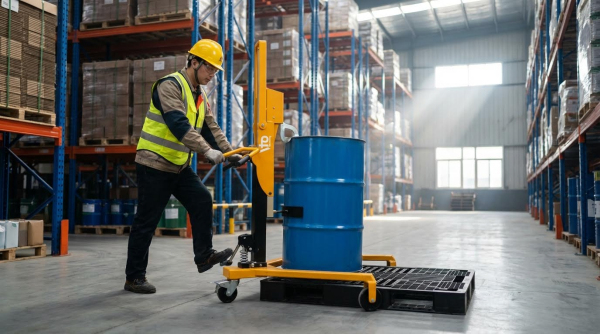
Safe loading determined whether drum moves remained stable or failed. Engineers and supervisors focused on weight estimation, center of gravity control, and positive restraint of the barrel before motion. Correct interface between drum, nose plate, and axle reduced handle forces and minimized tipping risk. The following subsections described a stepwise, engineered approach to loading 400–800 lb drums on two‑wheel hand trucks.
Estimating Drum Weight And Center Of Gravity
A standard 55‑gallon drum typically weighed 180–360 kg, depending on contents. Operators first reviewed labels and documentation to estimate fill level and density, then compared the result with the hand truck’s rated capacity. They treated unlabelled or partially labelled drums as hazardous and heavy until confirmed otherwise. This practice reduced overload and exposure risk. The drum’s center of gravity (CG) lay roughly on the vertical axis, around mid‑height for uniform liquids, but shifted with partial filling or sludges. Keeping the effective CG as low as practicable improved stability, so users preferred partially filled drums below half height for manual handling or selected powered aids for less predictable loads. During loading, operators aimed to align the drum’s CG as close as possible to the hand truck axle, which reduced required handle torque and improved control.
Positioning The Drum On Nose Plate And Axle
Correct positioning started with the hand truck parked on a level, unobstructed floor. The operator aligned the nose plate centrally with the drum’s diameter so both chimes sat symmetrically over the plate. The lower chime or drum wall rested fully on the nose plate, with no overhang beyond the plate edges that could cause local deformation. The operator then tilted the hand truck backward until the combined drum‑truck CG passed over or slightly behind the axle line. This geometry transferred most of the vertical load into the wheels instead of the handles. A small rearward tilt angle, typically 10–20°, provided a compromise between stability and operator effort. Excessive tilt increased handle height and reduced forward visibility, while insufficient tilt risked the drum tipping forward off the plate when crossing thresholds or minor surface irregularities.
Securing The Drum With Straps And Accessories
Before movement, operators secured the drum to the hand truck frame to prevent shifting, bounce, or roll‑off. They used rated webbing straps, ratchet straps, or dedicated drum clamps designed for the frame geometry. Straps wrapped around the drum circumference and frame cross‑members at least once, then tightened so the drum could not rotate or slide vertically. For smooth‑walled steel drums, accessory cradles or curved backrests improved contact area and reduced point loads. Operators placed strap anchor points above the drum’s CG when possible to control rocking, while avoiding contact with bungs, vents, or fittings. For hazardous or high‑value contents, procedures often required redundant restraints, such as two independent straps or a strap plus mechanical drum hook. All accessories had to match or exceed the drum mass and comply with relevant material handling standards.
Manual Upending, Rolling, And Assist Tools
Manual upending and rolling of full drums carried high musculoskeletal and crush injury risk. Where possible, facilities specified drum lifting equipment bars, drum trucks with integrated tilt mechanisms, or powered drum handlers to limit direct manual lifting. If manual techniques were unavoidable, operators crouched close to the drum with feet apart, kept the back straight, and used leg muscles to tilt the drum onto its lower chime. Hands stayed on the far side of the chime, never crossing over or under where they could be trapped. For short moves, workers sometimes rolled drums on the chime, but avoided using feet or grabbing the ends. Transitioning from rolling to loading on a hand truck required controlled lowering: the operator guided the drum from chime‑rolling to vertical, then immediately engaged the nose plate and restraints. Engineering controls, such as low‑friction floors, ramped thresholds, and dedicated drum‑handling attachments, significantly reduced required forces and improved repeatability.
Operating And Maintaining Hand Trucks For Drums
Push Vs. Pull, Speed Control, And Visibility
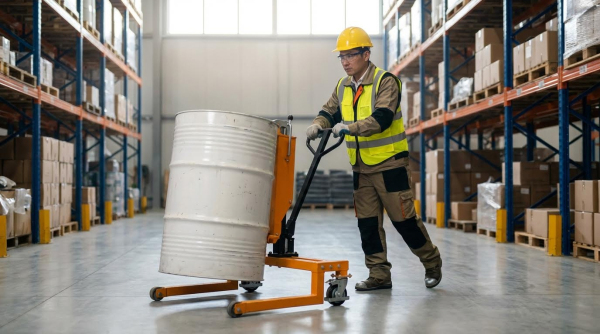
Operators should push a loaded drum hand truck instead of pulling it in almost all situations. Pushing placed the center of mass between the operator and the axle, which improved control and reduced the risk of sudden over‑rotation. Pulling, especially while walking backward, reduced visibility and increased trip and collision risk at blind corners and doorways. Operators should maintain a low, controlled walking speed that matched surface conditions and load mass, avoiding running or abrupt direction changes. The load height should stay below the operator’s eye line so that the path, pedestrians, and obstacles remained fully visible.
Handling Ramps, Thresholds, And Uneven Floors
Inclines required specific positioning of both operator and truck to keep the drum stable over the axle. On uphill grades up to approximately 5°, the operator should pull with the truck behind, keeping the drum low and close to the surface to prevent tip‑back overload. On downhill grades, the operator should stay behind the truck and keep it ahead, using body weight and leg strength to control descent and prevent runaway motion. When crossing thresholds or small steps, the operator should square the wheels to the obstacle, tilt the drum slightly back to unload the nose plate edge, and then lift the handles just enough for the wheels to climb while maintaining three points of contact. On uneven or damaged floors, operators should reduce speed, avoid sudden steering inputs, and re‑route if the surface could induce lateral rocking that might shift the drum’s center of gravity outside the wheel track.
Daily Inspections, Cleaning, And Lubrication
Daily pre‑use inspections helped prevent structural or functional failures during drum moves. Operators should check wheels for cracks, flat spots, wobble, or debris, and verify that the axle rotated freely without excessive play. They should examine the frame, toe plate, and welds for deformation, corrosion, or impact damage that could compromise load rating. Straps, hooks, and drum cradles should show no fraying, cuts, or bent hardware, and any locking mechanisms should engage positively. After use, cleaning with mild detergent and water removed dirt, corrosive residues, and oils from the frame, wheels, and handles, followed by complete drying to reduce rust risk. Lubricating wheel bearings and axles with a suitable light or silicone‑based lubricant restored smooth rotation and reduced energy required to move fully loaded drums.
Wheel, Frame, And Handle Failure Prevention
Preventing wheel failure started with respecting the rated load capacity and maintaining proper weight distribution over both wheels. Overloading or side‑loading a single wheel accelerated bearing wear and could cause sudden collapse under a 400–800 lb drum. Regular torque checks on axle fasteners and replacement of worn or damaged wheels reduced the likelihood of wobble or derailment on uneven floors. Frame and handle failures typically originated from repeated overloads, prying drums with the nose plate, or using the truck as a lever against fixed obstacles. Operators should avoid using the hand truck as a jack or bar and instead use dedicated drum lifters or forklifts when required. Protective coatings and prompt rust removal preserved section thickness in welded joints and toe plates, maintaining the original structural safety factor for heavy drum handling.
Summary And Best Practices For Drum Handling

Safe drum handling with hand trucks relied on three pillars: correct equipment selection, disciplined handling technique, and consistent maintenance. Drums typically weighed 180–360 kg, so the hand truck’s rated capacity needed to exceed the maximum expected drum mass with margin. Operators minimized risk by confirming drum contents, checking labels for hazardous properties, and inspecting for leaks or missing bungs before any movement. Planning the route, evaluating floor conditions, and avoiding slopes steeper than approximately 5° significantly reduced loss-of-control incidents.
Industry practice favored keeping the drum’s center of gravity as low and close to the axle as practical. Operators positioned the drum firmly against the nose plate, tilted it just enough to transfer weight to the wheels, and pushed rather than pulled to maintain control and visibility. Straps, chocks, or drum-specific cradles prevented shifting, especially on uneven floors or at thresholds. PPE such as safety shoes, gloves, and eye protection remained essential when dealing with heavy or hazardous contents, aligning with typical occupational safety regulations that addressed manual handling and chemical exposure.
From a lifecycle perspective, daily inspections, cleaning, and lubrication extended hand truck service life and reduced sudden failures. Technicians focused on wheel integrity, axle lubrication, frame straightness, and secure handles, replacing worn components before they failed in service. Future developments continued to move toward ergonomic, powered, and drum-specific handling systems that reduced manual exertion and exposure to hazardous materials. However, even with advanced equipment, the fundamentals stayed constant: respect drum mass, understand the contents, control the center of gravity, and keep the hand truck in sound mechanical condition.