Modern warehouses increasingly blend traditional indoor storage with outdoor yards, loading aprons, and cross-dock operations. Engineering teams therefore must match forklift design to distinct environments, balancing stability, emissions, and lifecycle cost. This article examines engineering criteria for indoor versus outdoor forklifts, compares warehouse-focused electric trucks with rough-terrain machines, and explores safety, maintenance, and regulatory impacts. It concludes with a structured framework to align forklift selection, powertrain, and tire technology with real operating conditions and future sustainability targets.
Engineering Criteria For Indoor Vs. Outdoor Forklifts
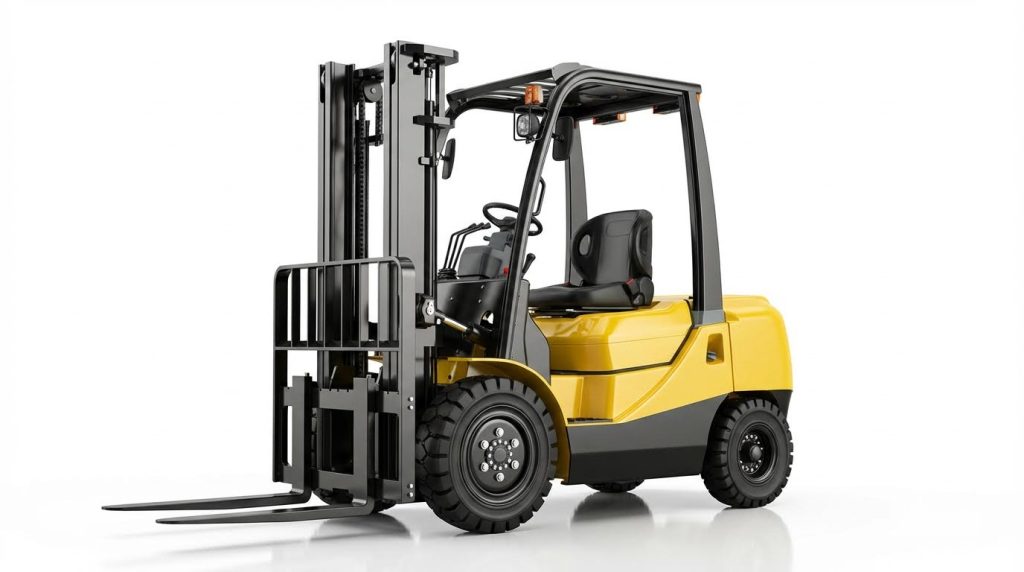
Engineering teams defined indoor versus outdoor forklift specifications primarily from the operating environment. Surface quality, load spectrum, energy concept, and regulatory envelope together drove the platform choice. A structured comparison of these criteria reduced lifecycle cost and incident rates. The following subsections outlined the key technical trade-offs.
Surface Conditions, Stability, And Tire Selection
Surface characteristics dictated the basic chassis and tire architecture. Indoor warehouses typically used flat, high-friction concrete, which supported cushion tires with small diameters and low rolling resistance. These tires provided precise steering and low energy consumption but performed poorly on gravel or broken asphalt. Outdoor yards and construction sites required pneumatic or solid pneumatic tires with larger diameters and deeper tread, improving traction and shock absorption on uneven or loose ground.
Stability analysis considered static and dynamic factors such as gradeability, lateral acceleration, and load center height. Outdoor forklifts used wider track widths, longer wheelbases, and higher ground clearance, which improved obstacle traversal but raised the center of gravity. Engineers compensated with counterweight sizing, mast design, and electronic stability systems. Indoors, tighter stability margins were acceptable because slopes and obstacles were limited, enabling more compact trucks with smaller turning radii.
Load Profiles, Duty Cycles, And Lift Heights
Load profile definition started with mass, load center, and geometry, then extended to handling frequency. Indoor fleets in palletized logistics often lifted 1 000–2 500 kg loads at standardized 500 mm load centers, with repetitive short-cycle movements and moderate lift heights into racking. Engineers sized masts, chains, and hydraulic cylinders for high cycle counts, smooth acceleration, and minimal mast sway to protect racking and product integrity. Outdoor applications in construction or timber yards frequently handled heavier, less regular loads with higher moments and off-center weight distributions.
Duty cycle characterization used metrics such as operating hours per shift, percentage of time lifting versus traveling, and peak versus average demand. High-intensity three-shift indoor operations favored electric platforms with opportunity charging and robust thermal management. Outdoor cycles with intermittent heavy lifting and longer travel distances often justified higher rated capacities and more robust cooling systems. Lift height requirements also differed: narrow-aisle warehouses demanded precise control at 10–14 m, while outdoor sites prioritized lower heights with higher derated capacities under wind and slope conditions.
Powertrain Choice: Electric Vs. Internal Combustion
Powertrain selection balanced torque demand, runtime, emissions, and infrastructure. Electric forklifts with lead-acid or lithium-ion batteries dominated indoor environments due to zero local exhaust, low noise, and fine torque control at low speeds. Engineers sized battery capacity based on energy audits of travel, lifting, and auxiliary loads, then matched it to charging strategies and available electrical infrastructure. Lithium-ion systems offered higher energy density, fast charging, and better cold-temperature performance, especially when equipped with integrated heaters for cold storage or outdoor winter use.
Internal combustion (IC) engines using diesel, gasoline, or liquefied petroleum gas historically powered outdoor fleets where high continuous power and rapid refueling were critical. These engines handled long travel distances, steep grades, and high-capacity attachments with less sensitivity to ambient temperature. However, IC designs required attention to cooling airflow, filtration, and vibration isolation under dusty and wet conditions. Recent development of electric trucks with pneumatic tires narrowed the traditional split, enabling zero-emission operation outdoors where charging access and duty cycles allowed.
Emissions, Noise, And Regulatory Constraints
Emissions and noise constraints strongly influenced indoor versus outdoor deployment. Indoors, exhaust gases from IC engines conflicted with occupational exposure limits for carbon monoxide, nitrogen oxides, and particulate matter, pushing engineers toward electric drives. Compliance referenced standards and guidance from organizations such as OSHA or CCOHS, along with local building ventilation codes. Electric trucks also reduced noise levels, improving communication and reducing fatigue in dense warehouse environments.
Outdoor operations still faced strict emission standards from agencies such as the Environmental Protection Agency and regional bodies like CARB. These regulations drove adoption of cleaner IC technologies, aftertreatment systems, or a shift to electric platforms where feasible. Noise limits near residential boundaries and in enclosed loading docks further constrained engine selection and muffler design. Certification schemes, including UL classifications for hazardous or specialized environments, shaped acceptable combinations of trucks and battery systems, particularly where flammable atmospheres or cold-storage insulation requirements existed.
Indoor Warehouse Forklifts: Design And Application
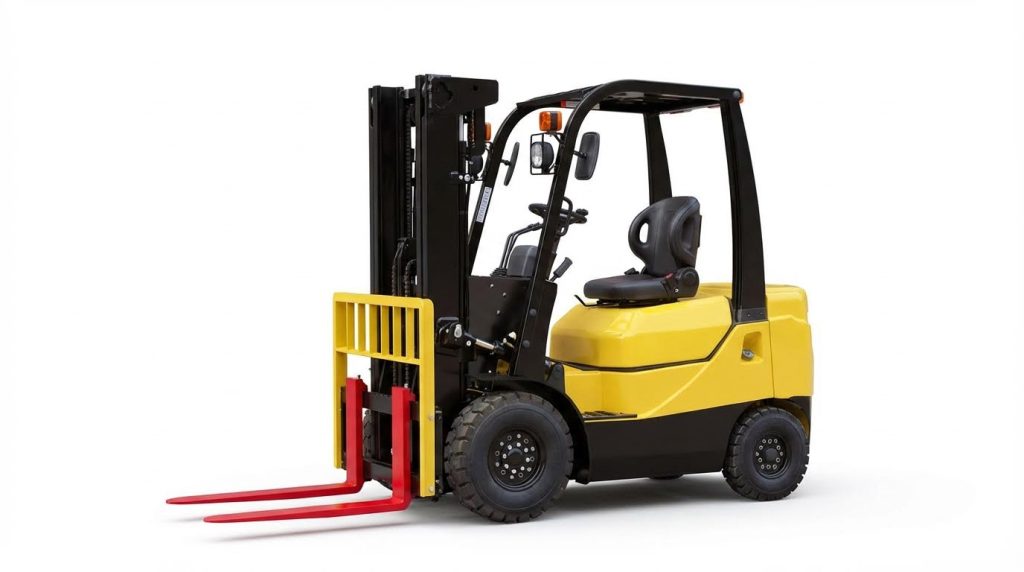
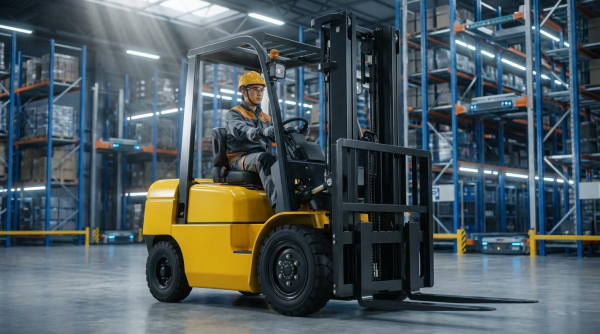
Indoor warehouse forklifts operated on smooth, controlled surfaces and prioritized maneuverability, low emissions, and precise load handling. Engineers matched truck architecture to aisle geometry, racking configuration, and throughput targets. Correct selection reduced collision risk, improved pick rates, and minimized lifecycle cost. This section focused on the main indoor truck families, their interaction with warehouse layouts, and supporting power and data infrastructure.
Electric Counterbalance, Reach Trucks, And Order Pickers
Electric counterbalance forklifts provided a general-purpose solution for pallet handling, dock work, and short internal transfers. Their three- or four-wheel layouts, compact counterweight, and cushion tires suited smooth concrete and mixed loading tasks. Reach trucks targeted high-bay racking, using pantograph or moving-mast mechanisms to extend forks into racks while keeping the chassis in the aisle. Order pickers positioned the operator platform at pick height, enabling case or item-level picking directly from racking. Engineers selected between these classes based on required lift height, pallet handling frequency, and whether operations focused on full-pallet, case-pick, or piece-pick workflows.
Maneuverability In Narrow Aisles And Racking Systems
Maneuverability indoors depended on truck wheelbase, steering geometry, and mast design relative to aisle width. Compact electric counterbalance trucks achieved tight turning radii but still required wider aisles than reach or very-narrow-aisle equipment. Reach trucks minimized required aisle width by keeping the chassis parallel to racking while extending only the mast or forks into the rack. Order pickers and articulated or turret-style trucks operated in very narrow aisles, where clearances to uprights could fall below 100 millimetres. Designers coordinated racking layout, pallet dimensions, and forklift envelope diagrams to avoid mast-to-rack impacts and to maintain sufficient clearance for sway at maximum lift height.
Battery Systems, Charging Layout, And Cold Storage
Indoor forklifts primarily used electric powertrains, relying on lead-acid or lithium-ion battery systems sized to duty cycles and shift patterns. Lead-acid batteries required dedicated charging rooms with ventilation, spill containment, and clear segregation of charge and cool-down zones. Lithium-ion systems supported opportunity charging, higher charge acceptance, and reduced maintenance, but required coordination with UL classifications and local electrical codes. In cold-storage applications, engineers specified insulated components, heaters, and lithium-ion chemistries that maintained capacity at sub-zero temperatures. Facility layouts integrated charger placement with traffic flows to avoid congestion, protect charging equipment from impact, and maintain adequate clearance for battery change or service operations.
Digital Twins, Telematics, And Fleet Optimization
Digital twins of warehouses and fleets allowed engineers to simulate traffic patterns, aisle utilization, and queuing at docks or picking zones. These models evaluated alternative truck types, speeds, and routing rules before physical deployment, reducing commissioning risk. Telematics systems on forklifts captured usage hours, impact events, travel versus lift time, and energy consumption. Fleet managers used this data to optimize truck mix, right-size spare capacity, and shift from time-based to condition-based maintenance. Integration with warehouse management and safety systems enabled geofencing, speed zoning, and automated alerts for overloads or unsafe driving, improving both productivity and regulatory compliance.
Outdoor And Mixed-Use Forklifts: Performance And Safety
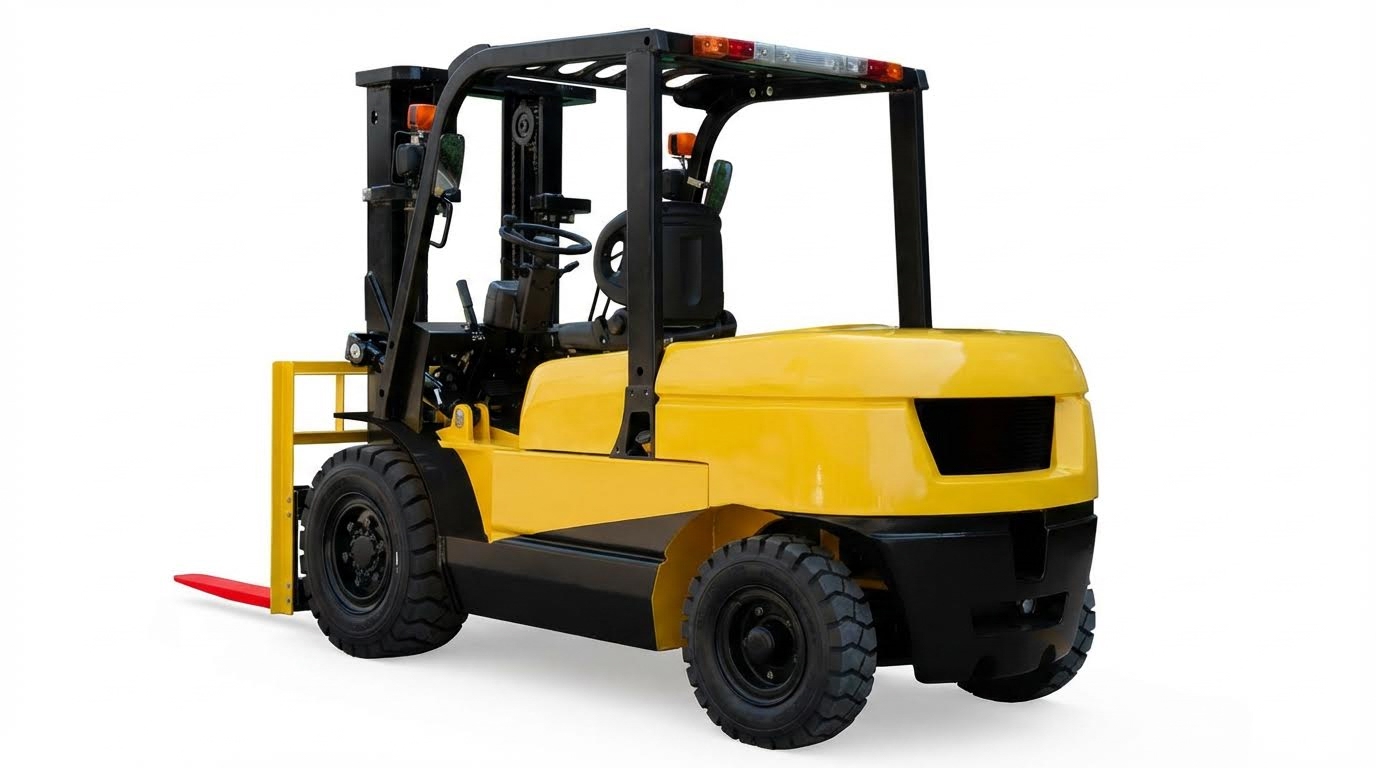
Outdoor and mixed-use forklifts operated in harsher environments than indoor units. Engineers specified designs that tolerated uneven ground, weather exposure, and higher dynamic loads. Performance requirements often conflicted with safety margins, so layouts needed careful optimization. This section examined how rough-terrain design, environmental effects, operator training, and maintenance strategy interacted.
Rough-Terrain Design, Pneumatic Tires, And Ground Clearance
Rough-terrain forklifts used pneumatic or foam-filled pneumatic tires to generate compliant contact on gravel, dirt, and broken asphalt. Engineers sized tire section width and diameter to increase contact area and ground clearance while keeping lateral stability within ISO and OSHA guidelines. Higher ground clearance reduced underbody impacts but raised the center of gravity, so counterweight geometry, track width, and mast tilt limits became critical. Telehandlers and yard forklifts often used oscillating steer axles and wide-stance frames to maintain stability on rutted or crowned surfaces. For mixed-use applications, solid pneumatic tires allowed outdoor operation while limiting rolling resistance on short indoor runs.
Weather, Temperature, And Seasonal Maintenance Planning
Outdoor forklifts experienced thermal cycling, moisture ingress, and UV exposure, which accelerated wear of seals, hoses, and electrical connectors. Cold weather reduced battery capacity, thickened lubricants, and decreased tire grip, so winter-grade oils, hydraulic fluids, and block heaters were standard recommendations. Maintenance plans for outdoor fleets usually included more frequent inspections of coolant level, antifreeze concentration, tire pressure, and corrosion on chassis and mast. In hot seasons, technicians focused on radiator cleanliness, fan performance, and fuel system checks to prevent vapor lock and overheating. Seasonal planning also covered storage strategies for propane cylinders, use of weather-resistant switchgear, and protection of exposed harnesses and sensors.
Operator Training For Slopes, Visibility, And Hazards
Outdoor operators required specific training for slopes, cambers, and variable traction that were not present on flat warehouse floors. Training modules emphasized speed control, smooth braking, and load orientation when traveling up or down gradients to avoid tip-over. Visibility management became harder outdoors because of glare, dust, rain, and obstacles such as branches, rocks, and unmarked edges. Programs therefore stressed use of lights, horns, mirrors, and spotters, alongside strict adherence to site traffic plans. Operators also learned to recognize changing ground conditions, including mud buildup on tires, loose gravel, or ice patches, and to stop operations when stability margins became unacceptable.
Predictive Maintenance And Lifecycle Cost Control
Outdoor and mixed-use fleets benefited strongly from telematics-based predictive maintenance because failure modes were more environment-driven than for indoor trucks. Sensors tracking shock events, operating hours by terrain type, hydraulic temperature, and fault codes allowed engineers to model wear rates for tires, mast chains, and brakes. Fleet managers could then schedule component replacement and fluid changes before failures, reducing unplanned downtime and secondary damage. Lifecycle cost models for outdoor forklifts included higher baseline maintenance frequency, faster tire consumption, and more frequent corrosion control. By combining condition monitoring with seasonal service campaigns, operators reduced total cost of ownership while maintaining compliance with safety regulations and emission rules.
Summary: Matching Forklift Design To Environment
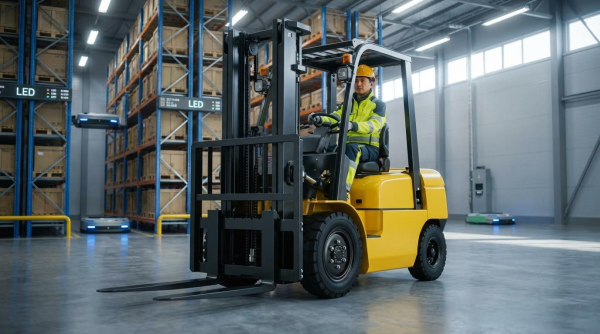
Engineering teams should match forklift selection to the dominant operating environment, starting with surface conditions and duty profile. Indoor warehouses with smooth concrete, narrow aisles, and high-rack storage benefit from compact electric counterbalanced stacker trucks, reach trucks, and order pickers. These designs offered tight turning radii, low noise, and zero point-of-use emissions, which supported regulatory compliance and indoor air quality objectives. Outdoor yards, construction sites, and docks required rough-terrain or pneumatic-tire forklifts with higher ground clearance, robust frames, and higher lift capacities to cope with uneven ground and heavier loads.
Powertrain choice linked directly to environment, emissions rules, and energy infrastructure. Electric forklifts excelled indoors and in cold storage, especially with lithium-ion batteries that maintained voltage better than lead–acid in low temperatures and reduced ventilation requirements in charging areas. Internal combustion units using diesel, gasoline, or LPG remained prevalent outdoors where long shifts, high drawbar pull, and limited charging infrastructure dominated. Governmental requirements from EPA, CARB, OSHA, and CCOHS increasingly pushed facilities toward low-emission solutions, including emerging outdoor-capable electric trucks with pneumatic tires and UL-rated battery systems.
From an implementation standpoint, engineers needed to plan floor layouts, charging or fueling zones, and traffic management together with forklift specification. Mixed-use fleets required clear segregation of indoor-only and outdoor-capable units, plus operator training for slopes, visibility, and changing surface friction. Predictive maintenance and telematics reduced lifecycle cost by adapting service intervals to real duty cycles and by flagging issues such as tire pressure loss, coolant problems, or hydraulic leaks earlier. Looking ahead, convergence between indoor and outdoor capabilities through ruggedized electric platforms, higher energy-density batteries, and deeper digital integration will expand application windows, but environment-specific engineering—tires, stability, and protective structures—will remain the primary design driver.