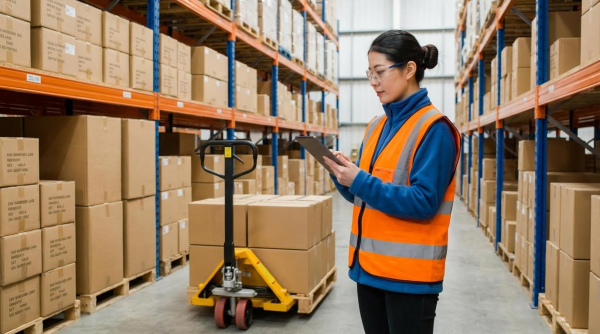
A warehouse picker‑packer executes the complete physical flow of customer orders, from receiving digital pick tickets to loading outbound shipments. When people ask “what does a warehouse picker packer do,” the answer spans interpreting orders, navigating storage locations, picking and checking items, and packing and labeling consignments. Across the full outline, the article explains core responsibilities, the tools and engineered methods that support them, and how safety, ergonomics, and KPIs shape day‑to‑day work. It concludes by framing the picker‑packer workflow as an engineered system that links human performance, technology, and warehouse layout into one integrated fulfillment process.
Core Responsibilities in Order Fulfillment
Understanding what does a warehouse picker packer do starts with mapping their role across the full order lifecycle. From receiving digital orders to loading outbound trucks, picker‑packers execute tightly sequenced tasks that determine accuracy, cost, and service levels. Their work links information flows in warehouse systems to the physical movement of stock, packaging materials, and transport units. Well‑engineered methods, layouts, and checks around this role reduce damage, mis‑ships, and wasted labor across the fulfillment operation.
Receiving Orders and Interpreting Pick Tickets
Picker‑packers typically receive work through pick tickets, RF terminal tasks, or voice prompts generated by a Warehouse Management System. Each instruction specifies order number, SKU, description, quantity, unit of measure, and storage location code. The operator must verify that line items, quantities, and any special handling notes match what appears on screens or printed tickets. Misreading location codes or units, such as piece versus case, has historically been a primary cause of picking errors. Good practice includes pausing to confirm ambiguous item descriptions, checking lot or batch requirements, and clarifying substitutions with supervisors before starting a pick run.
In high‑volume sites, orders may release in batches or waves, so picker‑packers must distinguish between customer orders, transfer orders, and replenishment tasks. They interpret priority flags that indicate carrier cut‑off times or premium service levels. They also confirm whether the pick strategy is single‑order, batch, or zone‑based, since this affects how they group items in totes, carts, or pallets. After completing each line, they update order status via barcode scans or on‑screen confirmations, which keeps inventory records synchronized and enables real‑time visibility for customer service and planning teams.
Navigating Storage Locations and Warehouse Layouts
Once they understand the pick ticket, picker‑packers navigate the warehouse layout to reach specified locations efficiently. Locations usually follow a coded structure that reflects aisle, bay, level, and position, which the operator must learn and recall quickly. Travel distance can account for a large share of picking time, so engineered pick paths and routing rules help minimize backtracking. Experienced operators follow these optimized routes while maintaining awareness of traffic from forklifts, manual pallet jack, and conveyors to avoid congestion and safety incidents.
Understanding the slotting strategy is central to what does a warehouse picker packer do in modern facilities. High‑velocity SKUs are usually stored closer to packing and shipping areas, at ergonomic heights between knee and shoulder level. Slow‑moving or bulky items sit in more remote or higher positions. Picker‑packers must adapt to different storage media, including pallet racking, carton flow racks, static shelving, and temperature‑controlled zones. They also learn how to approach multi‑level pick modules, mezzanines, and narrow aisles safely, using designated walkways and, where required, fall‑protection procedures. Accurate navigation reduces time per line and lowers the risk of selecting from the wrong bay or level.
Item Picking, Verification, and Damage Checks
At each location, the picker‑packer physically retrieves the required quantity while maintaining product integrity. They count units carefully, using visual cues such as inner pack counts and case markings to avoid short or over picks. Barcode scanning or RFID reads typically confirm that the SKU matches the order line before the operator places items into a tote, carton, or pallet position. When the scan fails or the code does not match, the picker should stop, investigate, and escalate rather than override the system, as overrides introduce error risk and inventory discrepancies.
Damage inspection is a core part of what does a warehouse picker packer do, not an optional extra. Operators check for crushed packaging, broken seals, leakage, or visible product defects. In food and pharmaceutical environments, they also verify expiry dates, lot numbers, and temperature indicators. Any suspect items move to a designated hold or quarantine area with clear documentation, rather than entering the shipment. Before leaving the zone, the picker‑packer performs a quick line‑by‑line review of the tote or pallet, ensuring that mixed‑SKU containers have clear separation or dividers where required. This final verification step significantly reduces downstream packing errors and returns.
Packing, Labeling, and Loading for Dispatch
After picking, the same worker often performs packing, although some sites separate these roles. The picker‑packer selects an appropriately sized carton or mailer to minimize void space and shipping cost while protecting the product. They add cushioning materials, such as paper or foam, according to packing standards for fragility class and transport mode. They then close and seal containers using tape or strapping systems, ensuring seals are secure but not excessive, which would waste material and time. In regulated sectors, they may include documentation like packing lists, safety data sheets, or compliance inserts inside the package.
Labeling links the physical package to digital order data. Picker‑packers apply shipping labels, barcodes, and any hazard or orientation labels in specified positions for automated scanners and manual handling. They verify that the label matches the order number, destination, and carrier service before placing the carton on a conveyor or pallet. For palletized freight, they stack cartons following stability rules, align edges, and may wrap the load to prevent shifting. Finally, they move completed loads to the correct dock door or staging lane and assist with loading, following weight distribution plans and load diagrams. This end‑to‑end sequence, from reading the pick ticket to staging outbound freight, defines what a warehouse picker‑packer does to keep fulfillment accurate, safe, and on schedule.
Tools, Technologies, and Work Methods
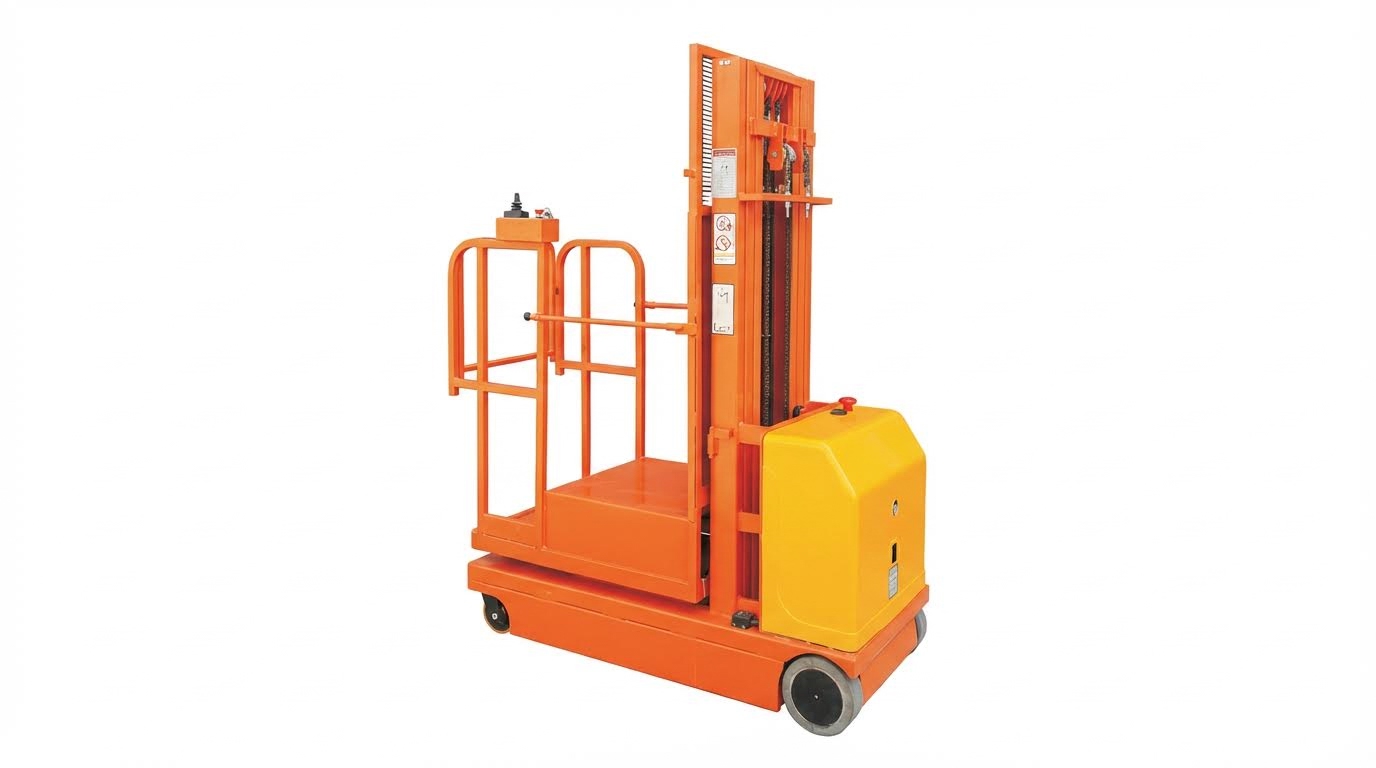
Tools and work methods define how efficiently a warehouse picker packer works from order release to dispatch. Engineering the right mix of strategies, software, and automation improves what a warehouse picker packer does daily: walking less, picking faster, and making fewer errors.
Batch, Wave, and Zone Picking Strategies
Batch, wave, and zone methods structure how picker-packers move and handle orders. Batch picking groups multiple orders with similar SKUs so one worker collects items for several orders in a single route. This reduces travel distance and is effective in facilities with high order volume and small line counts. Wave picking sequences batches against shipping cut‑offs, carrier schedules, or production slots, so picker-packers work in time‑phased “waves” aligned with dispatch priorities. Zone picking assigns each worker to a defined area; orders pass through multiple zones physically or logically, which limits walking and allows specialization by product type or temperature band. Engineers select and sometimes hybridize these methods based on SKU velocity analysis, order profiles, and congestion modelling.
WMS, Barcode, RFID, and Pick‑To‑Light Systems
A Warehouse Management System (WMS) orchestrates what a warehouse picker packer does from the moment an order drops. The WMS allocates tasks, generates pick lists, manages locations, and records every confirmation, which improves traceability and inventory accuracy. Barcode scanning remains the primary identification method; it is low‑cost, reliable, and supports real‑time validation of SKU, lot, and quantity. RFID adds non‑line‑of‑sight reading and faster cycle counts, useful for high‑value or high‑turn items, although tag and infrastructure costs require justification through time‑and‑motion studies. Pick‑to‑light systems mount light modules on rack faces; when an order releases, lights indicate the slot and quantity, letting picker‑packers work with minimal paper or screens. These systems have historically raised pick rates and reduced errors, especially in dense, high‑SKU environments.
Voice Picking, Mobile Terminals, and Data Capture
Voice picking equips workers with headsets and wearable terminals that deliver spoken instructions and capture verbal confirmations. This keeps hands and eyes free, which suits environments where a warehouse picker packer handles heavy cartons or fragile goods. Mobile RF terminals, whether handheld or wrist‑mounted, display tasks, map locations, and validate scans in real time, linking each motion to the WMS. Engineers design screen layouts and workflows to minimize keystrokes and cognitive load, reducing dwell time at each location. Data captured from scans, timestamps, and confirmations feeds productivity dashboards, heat maps, and engineered labor standards. Supervisors then adjust slotting, staffing, and pick paths based on objective performance data rather than estimates.
Integration With AGVs, Conveyors, and Atomoving
Automated Guided Vehicles (AGVs) and conveyors offload transport work so picker‑packers focus on value‑adding tasks like verification and quality checks. AGVs shuttle pallets or totes between zones, reducing long walking distances and lowering the risk of manual handling injuries. Conveyors link pick modules to packing and shipping, turning what a warehouse picker packer does into a more continuous, flow‑based process instead of isolated trips. Integration requires tight synchronization between WMS, equipment controllers, and task assignment logic to avoid bottlenecks and idle time. Atomoving solutions extend this by coordinating mobile transport with human pick stations, using standardized load units and interfaces. From an engineering perspective, these integrations cut travel time, stabilize takt times, and support higher throughput without proportionally increasing headcount.
Safety, Ergonomics, and Performance Metrics
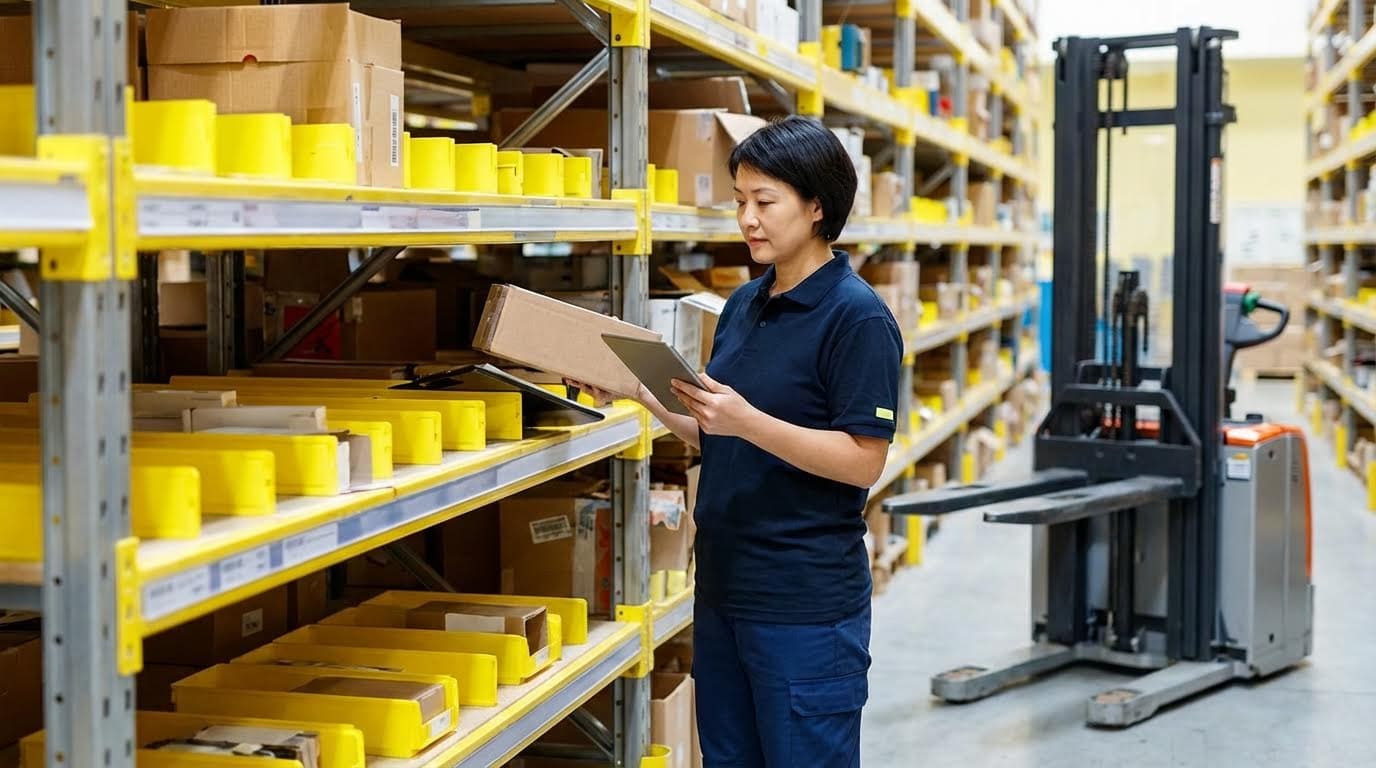
Safety, ergonomics, and performance measurement define how efficiently and sustainably a warehouse picker packer works. When people search “what does a warehouse picker packer do,” they usually overlook how much engineering goes into safe pick-face design, lifting methods, and KPI tracking. This section explains how to protect workers from injury, stabilize output, and build long-term careers in high-intensity fulfillment environments.
Ergonomic Design of Pick Faces and Workstations
Engineers design pick faces so high-velocity SKUs sit between knee and shoulder height. This zone minimizes trunk flexion and overhead reaching, which reduces musculoskeletal disorder risk. Heavy cartons stay at lower levels, while light, frequently picked items occupy the most accessible shelves. Dynamic or gravity-fed shelving with slight inclination brings totes toward the operator, limiting reach distance and awkward postures.
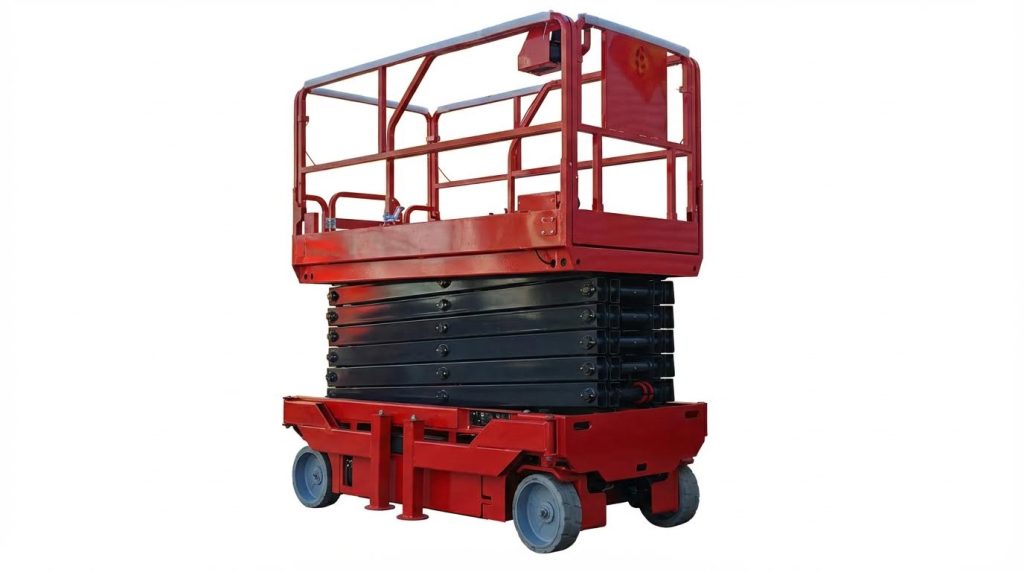
Workstations for packing use height-adjustable tables to match operator anthropometrics. Mechanical aids such as scissor platform, tilt tables, and small hydraulic arms reduce manual handling of dense cases. Designers position printers, label dispensers, tape machines, and scanners within a short reach envelope, usually within 400–600 mm from the body. Clear sightlines, non-glare lighting, and anti-fatigue floor mats further cut fatigue during 8–12 hour shifts.
Travel distance strongly affects what a warehouse picker packer does during a shift. Good slotting practice clusters related SKUs and uses ABC analysis to place fast movers near main aisles and dispatch zones. This layout, combined with optimized walking routes, can reduce non-value-adding motion by up to 30 percent. The result is higher throughput with less physical stress per order.
PPE, Safe Lifting, and Hazard Prevention
Personal Protective Equipment (PPE) protects picker packers from cuts, impacts, noise, and environmental exposure. Typical PPE includes safety shoes with toe protection, cut-resistant gloves, high-visibility vests, and, where needed, goggles or hearing protection. Operators working with chemicals, dusty products, or cold storage may also use masks and insulated clothing. PPE only performs effectively when workers inspect it regularly and replace damaged items promptly.
Safe lifting techniques are central to what a warehouse picker packer does every day. Workers should position loads close to the body, bend at the knees, keep the spine neutral, and avoid twisting under load. Engineering controls reduce lift frequency by using hydraulic pallet truck, carts, conveyors, and lift tables for any load above recommended manual handling limits. Clear signage indicates maximum stack heights and weight limits for shelves, pallets, and containers.
Hazard prevention combines layout, procedures, and training. Aisles must remain clear, with defined pedestrian and equipment lanes and adequate lighting across all travel paths. Guardrails, rack protection, and lockout/tagout procedures reduce collision and entrapment risks. Standard operating procedures specify safe use of knives, strapping tools, and stretch-wrap dispensers to prevent lacerations. Regular safety audits and near-miss reporting close the loop and drive continuous improvement.
KPIs: Accuracy, Throughput, and Labor Efficiency
Performance metrics quantify what a warehouse picker packer does and how well they do it. Order accuracy typically measures the ratio of error-free order lines to total order lines shipped. High-performing operations target accuracy above 99.5 percent, because picking or packing mistakes create returns, rework, and customer dissatisfaction. Engineers use root-cause analysis on error data to adjust slotting, labeling, or training content.
Throughput describes how many order lines, units, or cartons a picker packer processes per hour. This KPI depends on travel distance, pick method, technology support, and ergonomic design. Wave, batch, or zone picking strategies can raise throughput without overloading workers, as long as work content per shift stays within safe limits. Supervisors compare real-time throughput against engineered labor standards to detect bottlenecks or underutilized capacity.
Labor efficiency links output to time and cost. Typical indicators include units picked per labor hour or cost per order. A Warehouse Management System records scan events, travel paths, and dwell times, enabling detailed productivity analysis. Managers must balance efficiency targets with safety metrics such as incident rate, near-miss frequency, and fatigue indicators. Sustainable performance means no trade-off between short-term volume and long-term worker health.
Training, Skill Development, and Career Paths
Structured training defines how new hires learn what a warehouse picker packer does from day one. Induction programs cover PPE use, safe lifting, emergency procedures, and correct operation of handling aids. Task-specific modules teach reading pick tickets, using scanners, and following packing standards. Scenario-based exercises and supervised practice runs reduce error rates before workers handle live orders.
Ongoing skill development keeps performance stable as technologies and processes evolve. Cross-training in different picking methods, storage zones, and packing lines increases workforce flexibility. Digital tools such as e-learning modules and micro-training sessions help operators adapt to WMS updates, new labeling requirements, or revised quality checks. Periodic refreshers on ergonomics and hazard recognition reinforce safe habits.
Career paths show how a picker packer can progress to lead hand, trainer, inventory controller, or supervisor roles. Performance reviews use KPIs, safety records, and teamwork behavior as objective criteria. Certification on specialized equipment or systems creates clear milestones for advancement. This structured progression improves retention and builds a resilient skills base, which stabilizes throughput and accuracy across peak seasons.
Summary: Engineering the Picker‑Packer Workflow
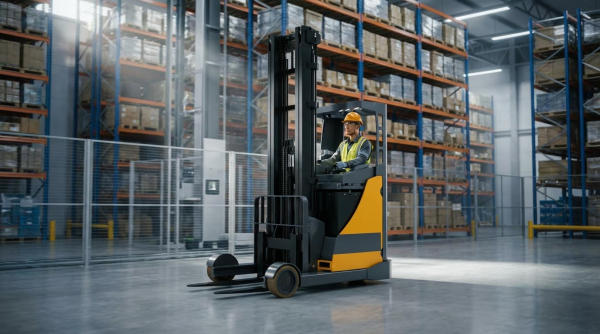
Engineered correctly, the warehouse picker‑packer workflow answered the question “what does a warehouse picker packer do” from end to end. The role covered order receipt, item selection, verification, packing, labeling, and loading, then system updates for shipment visibility. Across the article, the focus stayed on how process design, technology, ergonomics, and metrics transformed these manual tasks into a controlled, repeatable fulfillment system.
From an engineering perspective, picker‑packer work started with structured information flow. Clear pick tickets, optimized routing, and SKU slotting by velocity reduced travel distance and error probability. Batch, wave, and zone picking strategies aligned labor with shipping cut‑offs and demand patterns. WMS, barcode, RFID, and pick‑to‑light systems provided real‑time location and status data, while voice picking and mobile terminals enabled hands‑free, eyes‑up operation that improved both throughput and accuracy.
Safety and ergonomics were not add‑ons but design constraints. Pick faces at knee‑to‑shoulder height, mechanical assists, and appropriate PPE reduced musculoskeletal load and incident rates. Performance metrics such as line accuracy, units per labor hour, and cost per order allowed continuous improvement and benchmarking across shifts and sites. Training and structured career paths supported skill development and helped stabilize a role that involved repetitive, physically demanding work.
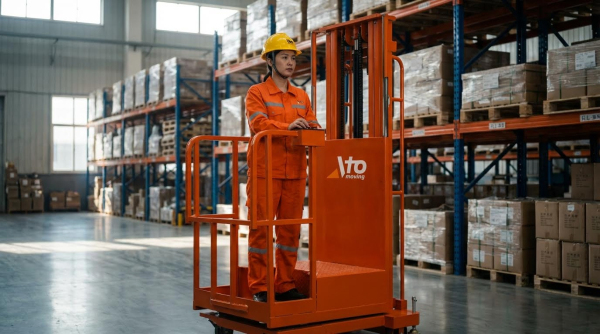
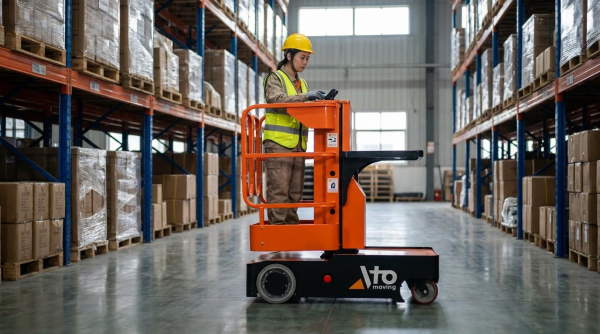
Looking ahead, deeper integration with AGVs, conveyors, and warehouse order picker platforms pointed toward hybrid human‑automation systems. In these layouts, machines handled repetitive transport and heavy moves, while people focused on exception handling, quality control, and flexible tasks. Facilities that engineered picker‑packer workflows around data, ergonomics, and interoperable automation were best positioned to meet tighter service levels, variable demand, and evolving labor regulations without sacrificing worker safety or job quality. For instance, scissor platform lift systems and walkie pallet truck solutions are increasingly integrated to streamline material handling operations.