Choosing what drum handler you need starts with the basics. You must match the attachment to drum size, weight, material, and contents. The full guide looks at core drum parameters, handler types, safety rules, and lifecycle cost. It then brings these together so you can align drum, duty cycle, and risk profile for your site.
This article helps you move from a vague “what drum handler do I need” question to a clear, defensible choice. It compares manual and powered solutions, different grip systems, and how they integrate with forklifts, AGVs, and cobots. It also links selection decisions to OSHA, EPA, and empty drum rules so your handling method stays safe and compliant over the long term. For instance, a drum handler for forklift or a forklift barrel grabber might be suitable depending on your needs. Additionally, considering options like a drum lifter forklift attachment could enhance operational efficiency.
Core Drum Parameters: Size, Weight, And Type
When you ask “what drum handler do I need,” you must start with the drum itself. Size, mass, wall material, and contents all drive the safe working load, geometry, and grip style of the handler. This section explains how drum dimensions, center of gravity, construction, and fill type affect the engineering choice of attachment or mobile unit. A clear view of these core parameters reduces tip risk, collision risk, and non-compliance when you move, lift, or tilt drums.
Standard Drum Sizes And Non-Standard Containers
Most industrial handlers were designed around standard 200–210 liter and 55-gallon drums. These drums have known diameters and heights, so fork-mounted and mobile handlers use cradles and jaws sized to these values. If you handle smaller 20–30 gallon drums, you often need diameter adaptors or special cradles. Non-standard containers, such as square bins or Mauser-style egg-shaped drums, need geometry-matched arms or brackets to avoid point loading and slip. When you decide what drum handler you need, first list every drum and container size, then check each against the rated diameter and height range of the equipment.
Weight, Center Of Gravity, And Load Ratings
Drum mass changes fast with product density. A 55-gallon drum of light resin can stay below 300 kilograms, while a drum of dense slurry or metal powder can approach the upper limits of common handlers. You must compare the worst-case full drum mass with the rated capacity of the handler and the lift truck at the stated load center. The center of gravity shifts during tilting or partial filling, which increases overturn risk if the handler arms sit too low or too far from the mast. Choose a design with capacity headroom and clear load-center data, especially if you raise drums above 1.5 meters or work on ramps. If you are unsure what forklift drum grabber you need, assume the heaviest product density and select the next higher capacity class.
Steel, Plastic, Fiber, And Composite Drums
Steel drums with rolling hoops tolerate clamp forces and mechanical jaws well. Fork-mounted handlers with hoop-grip arms work efficiently here and keep deformation low when used within rating. Plastic drums, especially L-ring and XL-ring types, need contoured jaws, web straps, or top-rim clamps to spread the load and avoid cracking. Fiber and composite drums are the most sensitive; they often require band-style cradles or full-height straps that grip the body without cutting into the wall. When you decide what drum dolly you need, match the grip mechanism to the weakest drum type in your fleet, not the strongest, so one attachment can cover all without damage.
Pressurized, Heated, And Hazardous Contents
OSHA rules did not allow you to pressurize drums just to remove contents, so handlers for hazardous products must support safe pouring by tilt, not by pressure. Heated or jacketed drums can soften plastic or expand steel, which changes fit in jaws and cradles. In these cases, you should avoid sharp metal contact points and confirm seal materials withstand the surface temperature. Drums with flammable or toxic contents often require controlled movement, minimal impact, and good visibility to reduce collision risk in diked or congested areas. When you ask what drum handler you need for hazardous or heated product, look for precise tilt control, secure restraints like ratchet straps or rim clamps, and designs that keep operators clear of potential leaks or vents.
Drum Handler Types And Application Fit
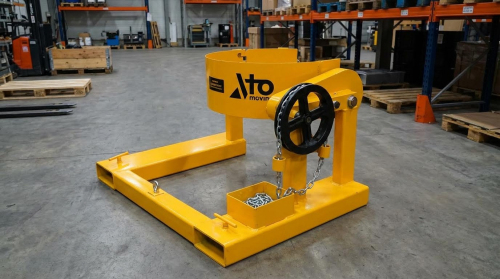
When you ask “what drum handler do I need,” you first need to look at the work pattern. Duty cycle, aisle space, and drum mix all affect the right type. This section compares main drum handler designs and shows where each one fits best. It focuses on real plant limits like forklift drum grabber access, floor conditions, and hygiene needs.
Fork-Mounted, Carriage-Mounted, And Mobile Units
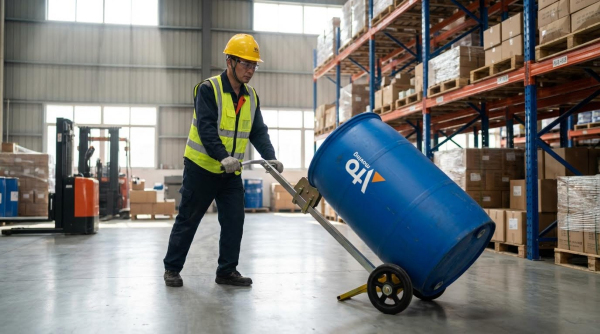
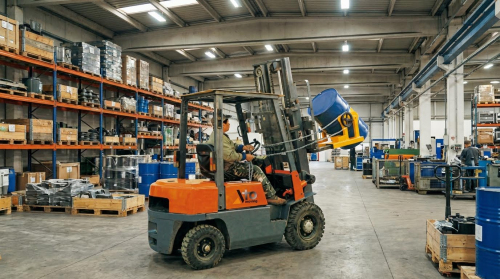
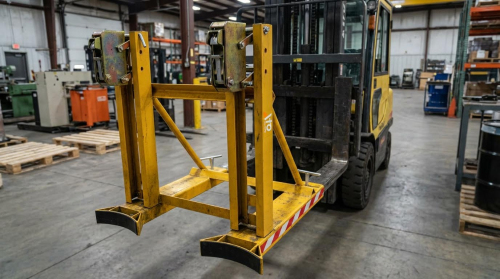
Fork-mounted drum handlers fit over existing forks using fork pockets and clamps or chains. They suit sites that already run forklifts and move drums in short bursts during a shift. Typical units handle one or two 210–220 liter drums and support loads around 500 kilograms per drum. Carriage-mounted handlers replace the forks and give better visibility and tighter turning in narrow aisles. They work well on trucks dedicated to drum work where fast, repeat cycles matter. Mobile drum handlers use wheels and a built-in mast or boom instead of a forklift. They are useful where forklifts are restricted, such as clean zones or small mixing rooms. When deciding what drum handler you need, match the unit to your main travel path and who controls the forklift fleet.
Manual Versus Powered Hydraulic Drum Handlers
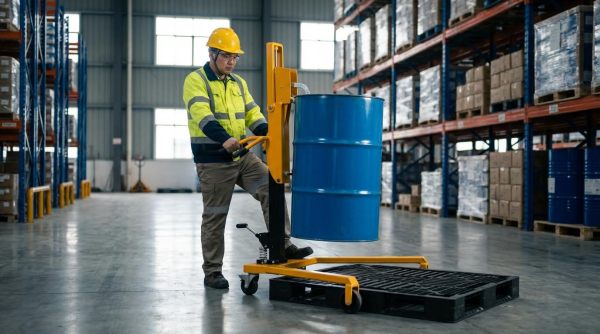
Manual hydraulic drum handlers use hand pumps or foot pedals to lift and tilt. They fit low volume tasks, lighter drums, or backup roles where operators handle only a few drums per hour. They cut capital cost but increase physical effort and cycle time. Powered hydraulic drum handlers use electric or battery power for lift, travel, and tilt. They suit heavy drums, frequent cycles, or tall stacking up to several meters. They also reduce strain injuries and improve placement accuracy, especially when dispensing into reactors or elevated hoppers. If you ask what drum handler you need for a three-shift line, powered units usually give better lifecycle value despite higher purchase and maintenance cost.
Grip Mechanisms For Different Drum Geometries
Grip style must match drum shape and surface. Rim-grip or hook-grip heads lock under the top rolling hoop of steel drums and give strong vertical lift. Auto-grip jaws with rubber pads clamp around the drum body and fit both steel and many plastic drums within a set diameter range. Top-rim clamps and bracket kits secure rimmed and rimless plastic drums that can deform under side load. Diameter adaptors and cradle inserts help with small drums or special containers such as Mauser-style shapes. When you decide what drum handler you need, list every drum geometry on site and choose a grip system that covers the full range without unsafe “workarounds.”
Raised, Stainless, And Specialty Drum Attachments
Raised drum handlers place the grip point higher than standard frames. This improves fork driver sight lines and adds useful lift height for double stacking or feeding tall process equipment. Stainless steel drum attachments, usually in grade 304, support wash-down, food, or corrosive chemical areas. They resist rust and reduce contamination risk compared with painted carbon steel. Specialty attachments include web straps, ratchets, and cradle brackets for odd containers, plus tilting heads for controlled pouring. Some units combine lift, rotate, and travel in one frame for mixing or dosing tasks. If hygiene, corrosion, or frequent wash-down are key, the answer to “what drum handler do I need” often points to stainless steel pallet jack or specialty attachments, even at higher initial cost.
Safety, Compliance, And Lifecycle Cost Factors
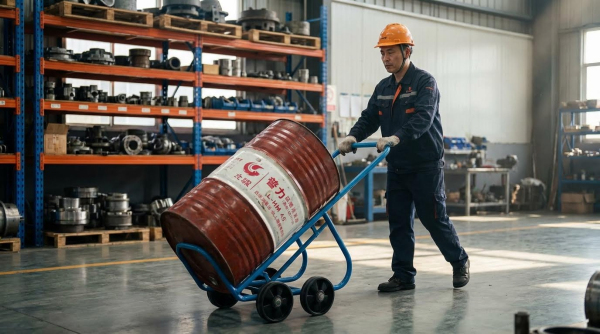
When you ask “what drum handler do I need,” safety and compliance should guide your choice as much as size and capacity. The right attachment must support safe lifting forces, control drum movement, and prevent spills or releases. It also needs to fit your site rules, national standards, and environmental permits. Lifecycle cost then links these choices to long-term reliability, downtime, and energy use.
OSHA, EPA, And Empty Drum (RCRA) Considerations
When you decide what drum handler you need, first check how OSHA and EPA rules apply to your drums. OSHA required that drums with flammable or toxic contents stayed away from heat and open flames, so your handler should allow safe reach and placement without pushing drums into hot zones. For drums that once held hazardous waste, EPA’s “RCRA empty” rules defined when a drum could be treated as nonhazardous, usually after removing almost all residue by pouring or pumping. Your drum handler must support that process by tilting, inverting, or holding drums in a stable way so operators can fully drain them. If drums are not RCRA empty, your equipment choice becomes part of a hazardous waste handling system and must help avoid leaks, spills, and overfills that could trigger reporting and cleanup.
Stability, Ergonomics, And Collision Risk
Drum handlers concentrate a lot of mass in a narrow footprint, so stability is central when you decide what drum handler you need. You should match the handler’s rated capacity and load center to your heaviest full drum and to the drum’s center of gravity, which shifts during tilting or transport. Good designs kept the drum close to the truck mast or chassis and used secure grip jaws or rim clamps to prevent rolling or slipping. Ergonomic controls, such as twist grips or foot-operated hydraulics, reduced strain from pushing, pulling, or hand cranking, which lowered musculoskeletal risk. To limit collision risk, choose handlers that preserve operator sightlines, especially raised or carriage-mounted units, and add guards or speed limits in tight aisles.
Integration With Forklifts, AGVs, And Cobots
When you ask what drum handler you need for an automated or mixed fleet site, integration becomes a key filter. Fork-mounted drum handlers slide over forks and lock with clamps or chains, which worked well for flexible use but changed the truck’s turning radius and stopping distance. Carriage-mounted units replaced forks and suited dedicated drum lanes or narrow aisles, because they reduced overhang and improved maneuverability. For AGVs or cobots, you need predictable interfaces, such as consistent fork pocket spacing, defined load centers, and repeatable pickup heights, so the robot path and control logic remain safe. Sensors, interlocks, and clear visual markings then help both human and automated drivers judge drum position, travel clearance, and safe speed.
Energy Use, Maintenance, And Total Cost Of Ownership
Lifecycle cost answers the deeper version of “what drum handler do I need” by linking energy, service, and uptime. Manual hydraulic handlers had low energy use and simple maintenance but raised operator effort and limited throughput. Powered units used electric drives and pumps, which increased capital cost and required battery care and periodic component replacement, yet they cut cycle time and strain, especially with heavy 200 liter or 55 gallon drums. Surface finishes such as galvanized or stainless steel raised purchase price but reduced corrosion and cleaning effort in wet or corrosive areas. When you compare options, include not just the handler price but also labor hours per drum moved, expected service intervals, and likely downtime impact on your process. For instance, a drum handler for forklift might offer versatility, while a forklift drum attachments solution ensures compatibility. Additionally, considering a hydraulic drum stacker could enhance efficiency in specific applications.
Summary: Matching Drum, Duty Cycle, And Risk Profile
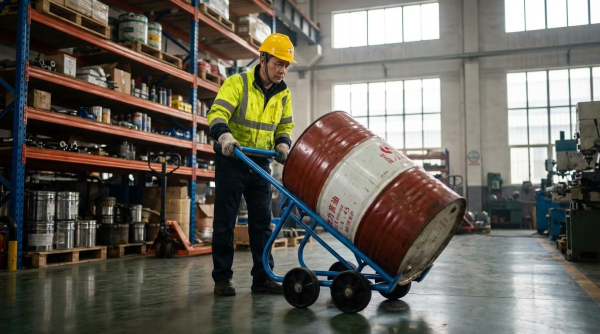
When you ask “what drum handler do I need,” you are really matching three things. You match the drum itself, the duty cycle, and the risk profile of the contents and workplace. The right choice supports safe throughput, keeps you compliant, and controls lifecycle cost.
Start with the drum and container mix. Confirm volume, diameter, and height for each common drum, plus any non-standard totes or Mauser shapes. Then define the weight range from empty to fully loaded, including denser products like powders or metals. Check center of gravity shifts during tilting or dispensing, because this drives required load rating and stability margin.
Next, map the duty cycle. Count drums handled per shift, average travel distance, and typical lift or tipping heights. Low volume and short moves often justify manual or simple fork-mounted attachments. Higher volume, frequent stacking above 1.5 m, or regular dispensing usually support powered hydraulic or dedicated mobile drum handler. Compare ergonomic load on operators to reduce strain and injury risk over time.
Finally, match the risk profile. For flammable, toxic, or heated contents, review OSHA and EPA rules and any site standards. Check whether drums are pressurized, need controlled tilt, or must stay upright. Consider stainless or easily washable surfaces for food or corrosive chemicals. For used drums, apply the “RCRA empty” definition before treating them as nonhazardous loads.
From an engineering view, answer “what drum handler do I need” with a short checklist. Define drum types and weights, required lift and travel, handling frequency, and hazard class. Compare fork-mounted, carriage-mounted, and mobile units against those needs, and factor in energy use, maintenance, and expected life. This structured match gives a solution that is safe, compliant, and cost-effective over the full equipment lifecycle. For instance, a forklift drum grabber double grips or a drum transporter might be ideal depending on your specific requirements.