Operations teams that ask what is a pallet truck usually want more than a basic definition. They need to understand how pallet trucks fit into end-to-end material flow, how different designs behave in tight aisles, and which specifications really govern safety and throughput.
This article walks through core functions and operating principles, from hydraulic hand trucks to advanced electric units. It then compares manual, pedestrian electric, and ride-on pallet trucks, including options for cold chain and cleanroom work. The final sections explain how to size capacity, forks, and power systems, and how to align safety standards and maintenance plans so engineering, logistics, and EHS teams can select the right pallet truck strategy for their sites.
Core Functions And Operating Principles
When engineers ask what is a pallet truck, they look at how it moves pallets safely and efficiently. This section explains the core role of pallet trucks in horizontal material flow, their main mechanical elements, and why their lift height stays low. It links real warehouse workflows to the basic physics of load, stability, and rolling resistance. The goal is to give a clear functional picture before comparing different pallet truck types and specifications in later sections.
What A Pallet Truck Does In Material Flow
A pallet truck moves palletized loads over short and medium distances at floor level. It lifts the pallet only enough to clear the floor, usually 80–130 millimetres. This small lift converts a static, ground-supported load into a rolling load with much lower friction. The truck then becomes the link between docks, staging lanes, racking fronts, and production lines.
In a typical layout, pallet trucks handle tasks such as trailer unloading, buffer storage moves, and last-metre delivery to workstations. Manual units suit low-throughput zones and tight aisles, where operators move a few tonnes per shift. Electric units support higher flows, often 60–70 pallets per hour, and bridge longer runs between buildings or halls. In both cases, the truck reduces push–pull force compared to bare pallet dragging and cuts cycle time per move.
Main Components And Mechanical Layout
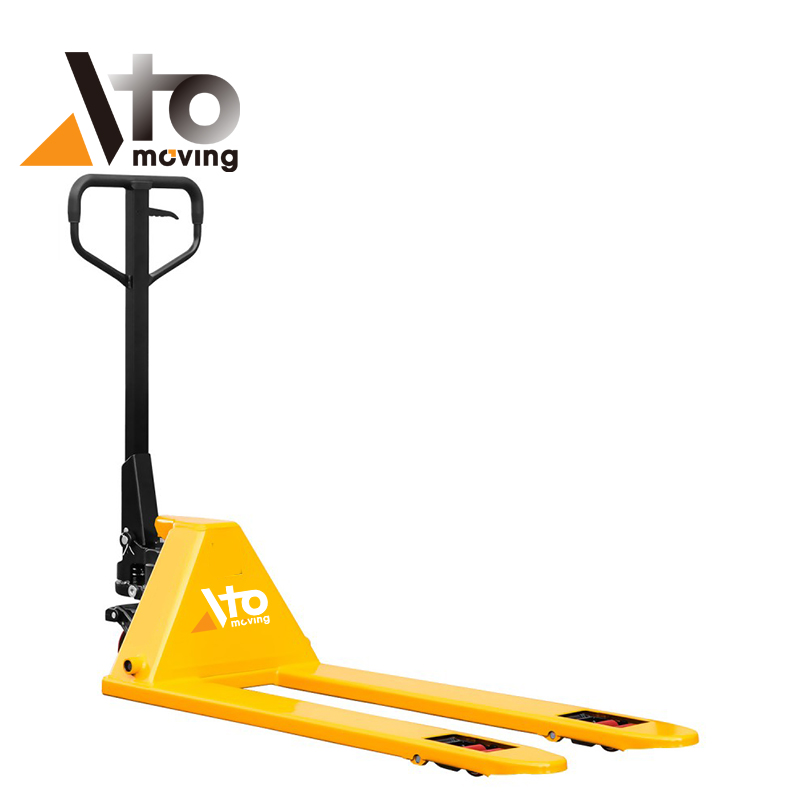
A pallet truck has a simple but highly optimised layout. Key assemblies include:
- Forks that slide into the pallet openings and carry the load.
- Load wheels under the fork tips that support most of the pallet weight.
- A steer wheel or drive wheel at the rear that carries the tiller and steering forces.
- A hydraulic unit or electrohydraulic unit that raises and lowers the forks.
- A chassis and linkage that connect the forks, wheels, and control handle.
On manual trucks, a pump in the chassis links to the drawbar handle. The operator strokes the handle to pressurise the hydraulic circuit and raise the fork frame. A release lever bleeds pressure to lower the load in a controlled way. On electric trucks, an electric lift motor drives a hydraulic pump, and buttons on the tiller head command lift and lower. Powered models also add an electric drive motor, controller, and battery pack, which sit above or near the drive wheel to keep wiring short and weight low.
The geometry of the fork frame and wheelbase sets the load path. Load forces travel from the pallet deck through the forks to the load wheels and then into the floor. The steer or drive wheel carries the remaining share and also transmits traction and braking forces. A low centre of gravity and compact wheelbase help stability while still allowing tight turns in narrow aisles.
Horizontal Transport Vs. Vertical Lift Limits
A pallet truck is a horizontal transport tool, not a high-lift device. Typical lift height stays below about 200 millimetres. This limit keeps the load close to the floor and reduces overturning moments when the truck accelerates, brakes, or turns. It also allows a lighter chassis compared with forklifts, which must handle higher mast forces.
Because vertical travel is small, designers focus on rolling performance instead of lifting power. Important factors include:
- Wheel material and diameter, which set rolling resistance and shock behaviour.
- Wheelbase and fork length, which influence turning radius and aisle width.
- Drive motor power and control, which affect acceleration on level floors and ramps.
Manual pallet trucks rely on human push–pull force, so gradients must be mild and floor friction low. Electric pallet trucks use AC drive motors and traction control to handle ramps and heavier loads within rated limits. For vertical moves above the pallet truck lift range, facilities use forklifts, stackers, or reach trucks. This clear split keeps pallet trucks optimised for low-height, high-frequency horizontal flow with predictable stability margins.
Types Of Pallet Trucks And Use Cases
Engineers who ask what is a pallet truck often really want to know which type fits each task. Pallet trucks fall into clear families with different power concepts, ergonomics, and throughput levels. Selecting the right type affects pallet flow rate, energy use, and operator fatigue. This section links each design to its best-fit applications.
Manual Pallet Trucks: Design And Constraints
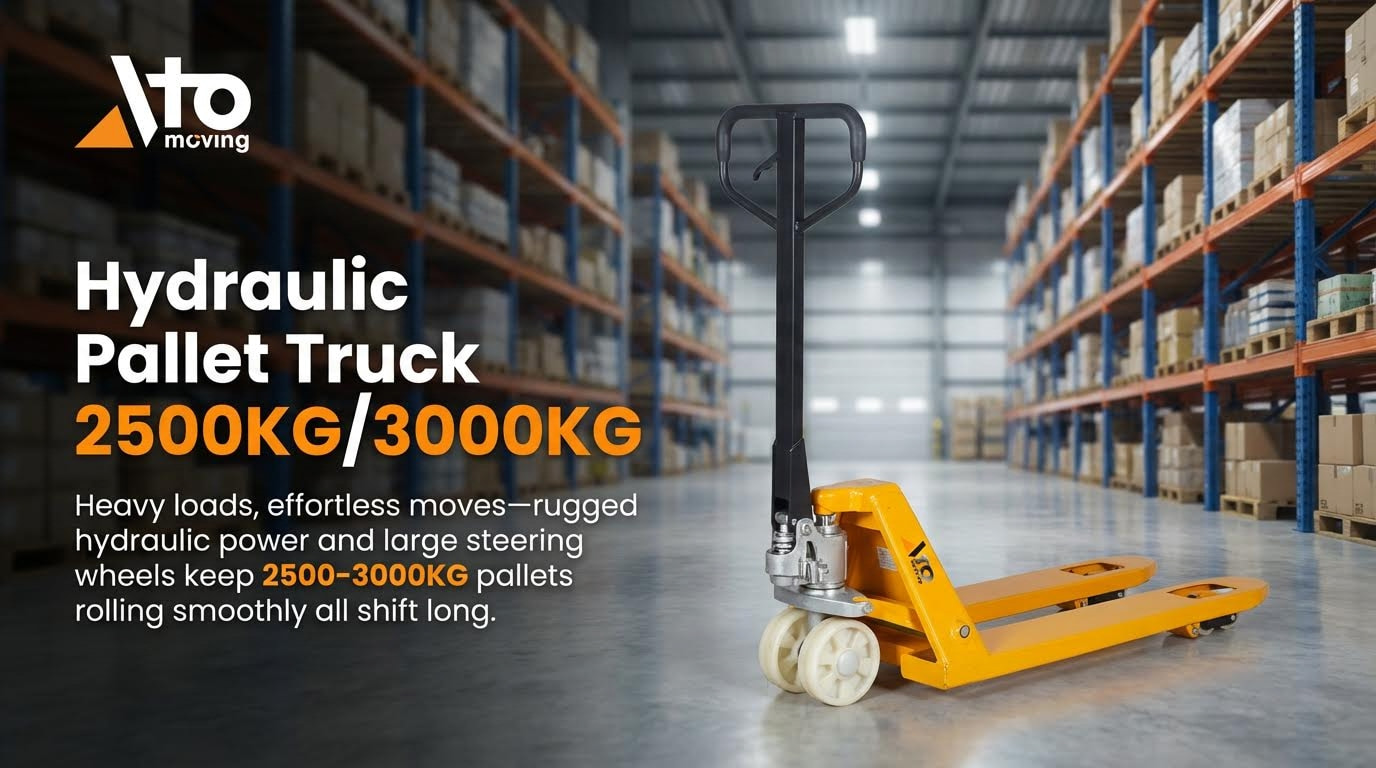
Manual pallet trucks use a simple hydraulic pump and human force. The operator pumps the tiller to lift and then pushes or pulls to move the pallet. Typical load capacity ranges from about 2 000 kilograms to 3 000 kilograms, which suits general warehouse work.
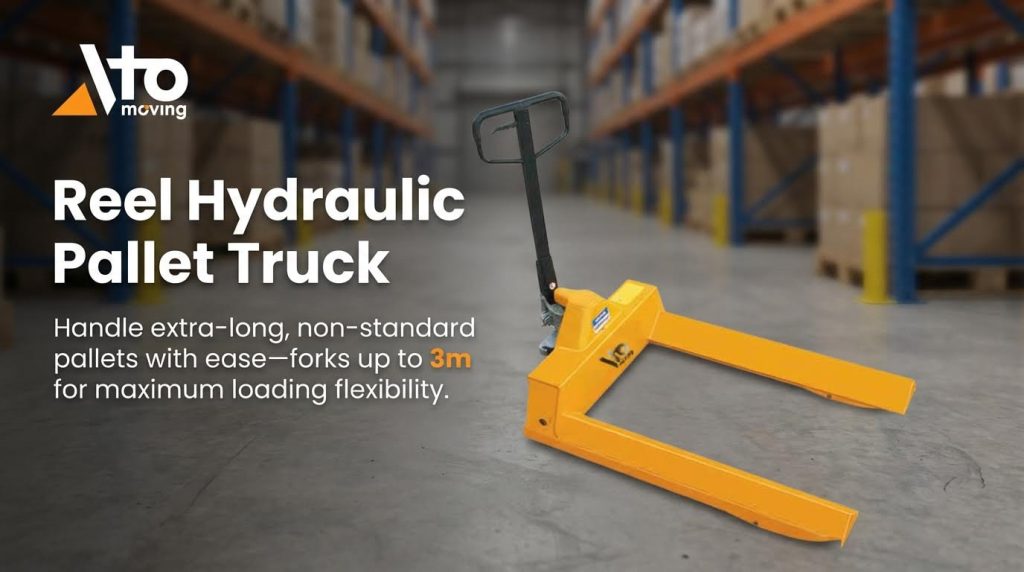
These trucks offer very small turning radii. They work well in aisles around 1.8 metres wide and inside trailers or containers. Standard fork lengths sit near 1 150 millimetres, which matches common EUR and ISO pallets. Low fork heights, often near 85 millimetres, allow entry into low-clearance pallets.
Key constraints come from human biomechanics. Push and pull forces rise sharply on ramps, damaged floors, or loads above about 1 500 kilograms. This limits safe horizontal distance and slope. Manual trucks suit low to medium daily pallet counts and short shuttle moves between nearby stations.
They fit power-restricted or hazardous areas because they need no electrical supply. Maintenance stays light, mainly seal checks and lubrication. However, they offer no powered braking, speed control, or electronic safety aids, so procedures and training must control risk.
Electric Pedestrian Pallet Trucks
Electric pedestrian pallet trucks answer the same question, what is a pallet truck, for higher throughput operations. They keep the basic fork and chassis layout but add a drive motor, lift motor, and battery pack. The operator walks behind or beside the truck and steers via a tiller head.
Typical capacities range from about 1 200 kilograms up to around 3 000 kilograms. Electric drive cuts push and pull forces to almost zero on level floors. This lets one operator move more pallets per hour and over longer distances. Standard travel speeds sit around 5 kilometres per hour under load.
Lead-acid batteries remain common, while lithium-ion packs support fast opportunity charging and multi-shift use. AC drive motors usually give good ramp performance and low maintenance. Many models include electromagnetic brakes and regenerative braking for energy recovery.
Pedestrian electric trucks work best in loading docks, cross-dock areas, and order picking zones with moderate travel distances. They need slightly wider aisles than manual trucks but still handle common warehouse layouts. They also reduce ergonomic strain, which lowers injury risk over time.
Ride-On And Stand-On Power Pallet Trucks
Ride-on and stand-on pallet trucks target long horizontal runs and high daily pallet volumes. They answer what is a pallet truck in the context of internal transport, not just local handling. The operator rides on a platform or inside a small compartment, which cuts walking time to zero.
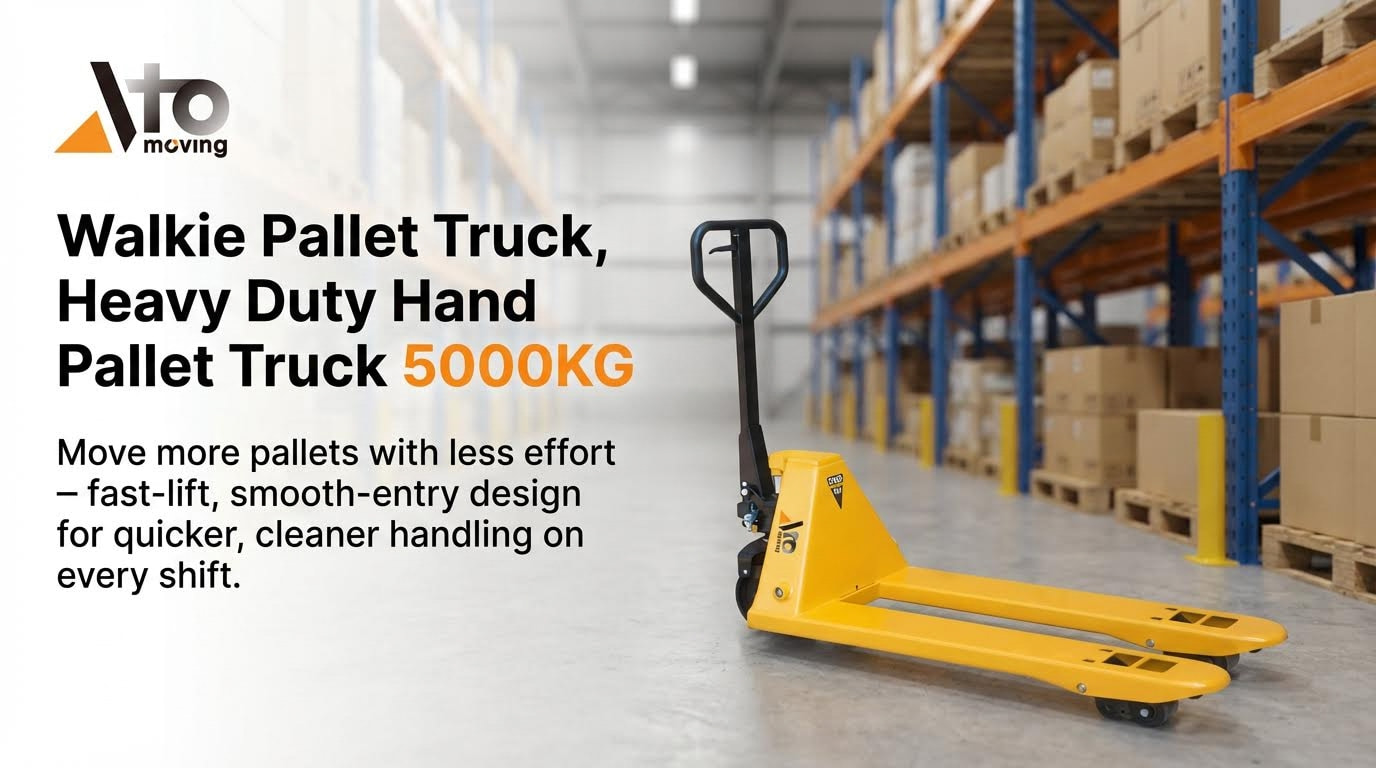
These trucks often carry loads above 3 000 kilograms and can reach or exceed 5 000 kilograms in some designs. Travel speeds commonly reach around 10 kilometres per hour without load. This combination makes them ideal for large distribution centres and production plants with long aisles.
Electronic steering and suspended platforms improve control and comfort at higher speeds. Wheelbases are longer than pedestrian models, which increases straight-line stability but needs larger turning radii. Aisle planning must reflect this geometry to avoid dead zones and complex manoeuvres.
Ride-on units usually run on 24 volt or higher battery systems with larger ampere-hour ratings. They suit multi-shift fleets with planned charging or battery exchange. They also integrate more advanced safety logic, such as speed reduction in curves and operator presence sensors.
Special Environments: Cold Chain And Cleanrooms
Cold stores and cleanrooms change what is a pallet truck from a general tool to a specialised device. Low temperatures, hygiene rules, and surface restrictions drive design choices. Standard seals, oils, and paints often fail in these conditions.
Cold chain pallet trucks use low-temperature hydraulic fluids, sealed electronics, and corrosion-resistant parts. They must start reliably at temperatures down to about minus 25 degrees Celsius in some facilities. Electric models need battery and controller protection, often with IP-rated enclosures and heaters or insulation.
Cleanroom and pharmaceutical areas prefer stainless steel or coated surfaces with smooth welds. These designs reduce particle traps and withstand aggressive cleaning and disinfection. Lubricants must meet food or pharma safety rules, and noise levels must stay low.
Use cases include freezer warehouses, meat and dairy plants, and GMP-compliant pharma stores. In these settings, uptime and hygiene often outweigh initial cost. Engineers match truck type to wash-down cycles, condensation risk, and contamination limits while still meeting core capacity and aisle constraints.
Key Specifications, Sizing, And Selection
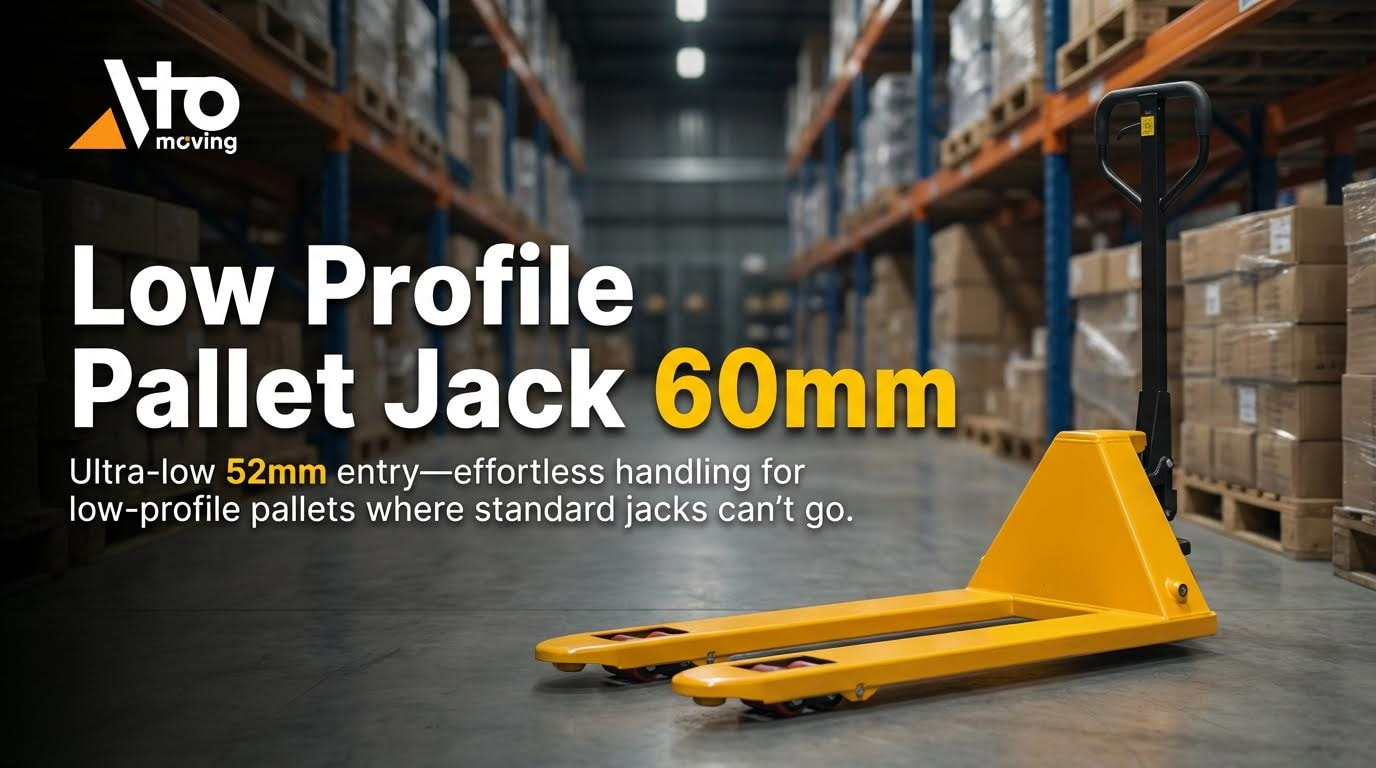
Engineers who ask what is a pallet truck usually need more than a basic definition. Correct sizing and specification determine safety, throughput, and lifecycle cost. This section explains how load capacity, geometry, power system, and safety standards guide pallet truck selection for real warehouse layouts.
Load Capacity, Load Center, And Stability
Load rating is the first filter when deciding what is a pallet truck for a given job. Typical manual units carry about 2 000–3 000 kilograms. Electric pedestrian and ride-on models usually range from 1 200 to 3 500 kilograms, with heavy stand-on units reaching about 5 000 kilograms at a 600 millimetre load center.
Stability depends on both mass and load center distance. The rated capacity normally assumes the pallet centre at 600 millimetres from the fork heel. Longer pallets or offset loads shift the centre forward and reduce safe capacity. Operators must keep loads low, centred between forks, and within the truck’s rated envelope.
For selection, match capacity to the heaviest pallet plus a margin for packaging, dunnage, and possible moisture gain. In multi-shift sites, overspecifying capacity slightly can reduce thermal and mechanical stress on components and extend service life.
Fork, Wheelbase, And Aisle Dimension Planning
Fork and wheelbase geometry link directly to warehouse layout. Standard fork lengths for pallet trucks are about 1 150–1 220 millimetres, which suit ISO and EUR pallets. Extended forks up to about 2 400 millimetres handle double pallets but increase turning radius and floor load concentration.
Key geometric parameters include:
- Fork length and overall truck length
- Wheelbase and turning radius
- Overall width versus pallet opening width
- Lowered fork height, often 80–85 millimetres
Engineers must check these against aisle width and pallet orientation. As a rule, tighter aisles favour short wheelbase, pedestrian electric, or manual trucks. Wider aisles or long runs favour ride-on units. Aisle width must also allow clearance for operator body, steering motion, and safety buffers at racking corners.
Ground clearance, often around 30 millimetres, affects performance on thresholds and dock plates. Low-clearance designs suit smooth floors but struggle on rough concrete or outdoor yards.
Powertrain, Batteries, And Energy Efficiency
When evaluating what is a pallet truck from an energy point of view, the split is manual versus powered. Manual units rely on a simple hydraulic pump and human push force, so energy efficiency is a labour question, not an electrical one. They suit low-throughput or power-restricted zones.
Electric pallet trucks use drive and lift motors powered by lead-acid or lithium-ion batteries. Modern units often use AC motors, which offer high efficiency, strong traction on ramps, and low maintenance compared with older DC systems. Typical drive motor ratings are around 1.5–2.2 kilowatts, with lift motors around 1.2–2.5 kilowatts.
Battery choices affect runtime and shift planning:
- Lead-acid: lower cost, longer charge times, regular watering
- Lithium-ion: faster charging, opportunity charging, longer cycle life, higher upfront cost
Selection should consider pallets moved per hour, shift length, and charging infrastructure. In high-throughput operations, lithium-ion and regenerative braking reduce downtime and total energy per pallet moved.
Safety Systems, Standards, And Maintenance
Understanding what is a pallet truck also means understanding its risk profile. Manual units use simple mechanical and hydraulic parts, so hazards focus on overloading, poor floor conditions, and operator posture. Electric trucks add electrical, traction, and visibility risks that standards address.
Powered pallet trucks fall under powered industrial truck rules. Relevant frameworks included EN ISO 3691-1 in Europe and ANSI B56.1 in the United States. These standards covered stability, braking, controls, warning devices, and testing methods. Typical safety features included:
- Emergency stop or belly switch on powered tiller heads
- Electromagnetic service brakes and parking brakes
- Controlled speed in turns and with raised forks
- Acoustic warning devices and, where needed, lights
Maintenance planning should align with duty cycle. Daily checks must cover forks, wheels, hydraulics, and, for electric units, brakes, steering, and battery state. Scheduled service should track wear on load wheels, bushings, and hoses. Good record keeping supports both compliance and reliability engineering, and it helps compare total cost of ownership across different pallet truck types.
Summary And Strategic Selection Considerations

Operations teams that ask what is a pallet truck usually need more than a definition. They need a clear method to match truck type, capacity, and layout to real material flows. Strategic selection links load profiles, aisle geometry, shift patterns, and safety rules into one decision framework.
From a technical view, the first filter is duty profile. Manual pallet trucks suit short, low-frequency moves on flat floors with loads below roughly 2.5–3.0 tonnes. Electric pedestrian and ride-on units fit higher throughputs, longer runs, ramps, and intensive shifts. Horizontal transport stays dominant, while lift heights remain low, so stability depends mainly on load center, wheelbase, and floor quality.
Industry practice showed that electric pallet trucks improved pallets moved per hour and cut strain injuries. Lithium-ion batteries further reduced downtime through fast and opportunity charging. Cold chain, cleanrooms, and hazardous zones required stainless or sealed designs, low noise, and compliance with EN ISO 3691-1 or ANSI B56.1, plus site-specific GMP or hygiene rules.
In implementation, engineers should standardize on a small set of fork lengths, capacities, and battery types. They should validate turning radii against real aisle widths and transfer points. Safety programs must cover operator training, daily checks, and documented maintenance. Over the next years, more trucks will integrate smart diagnostics and energy monitoring, but core selection will still depend on simple questions: load, distance, environment, and required pallets per hour.
Frequently Asked Questions
What is a pallet truck?
A pallet truck, also known as a pallet jack or pallet pump, is a tool used to lift and move pallets within warehouses, distribution centers, retail stores, and construction sites. It is the most basic form of a forklift, designed for moving palletized loads over short distances Pallet Jack Guide.
How much weight can a pallet truck typically carry?
Most hand pallet trucks have a safe working load ranging from 2,000 kg to 2,500 kg. This capacity is sufficient for standard pallets, which usually weigh less than 1,200 kg when fully loaded Safe Working Load Guide.
What are some alternatives to using a pallet truck?
If you don’t have access to a pallet truck, there are several alternatives you can consider:
- Low lift pallet trucks and electric pallet trucks
- Pedestrian stackers and high lift trucks
- Reach trucks and narrow-aisle trucks
- Tugger trains with towing vehicles and trailers
- Stationary conveyor technology like conveyor belts and roller conveyors
These options provide flexibility depending on your specific material handling needs Forklift Alternatives Guide.
What factors affect the lifespan of a pallet truck?
The lifespan of a pallet truck depends on several factors:
- Frequency of Use: Daily use in high-demand environments leads to more wear compared to occasional use.
- Maintenance: Regular maintenance can extend the life of the equipment.
- Operating Conditions: Rough surfaces or frequent overloading can reduce the lifespan.
On average, a well-maintained pallet truck lasts between 5 to 10 years Pallet Truck Lifespan Guide.