Facilities that ask “can I transport a 55 gallon drum of toluene” operate inside a tight web of safety rules and engineering limits. This article explains how core U.S. regulations, including OSHA, DOT’s hazmat rules, NFPA 30, and environmental programs, shape compliant transport of flammable drums.
You will see how drum and IBC design, blocking and bracing, venting, and secondary containment reduce fire and spill risk in road, rail, and site operations. The article then connects operational controls, driver and handler training, and emergency response planning so EHS, engineering, and logistics teams can align on one practical standard for flammable liquid drum moves. Throughout, examples focus on 55 gallon drums of high-hazard liquids, such as toluene, and how to integrate legal requirements with sound mechanical design and handling practice.
Core U.S. Regulations For Flammable Drum Transport
Anyone asking “can I transport a 55 gallon drum of toluene” must treat it as a regulated hazmat shipment. In the United States, OSHA, DOT, NFPA, EPA, PHMSA, NRC, and DOE standards all affect how flammable drums move and where they can be staged. Toluene is a Class I flammable liquid under NFPA 30 and a DOT hazardous material, so both worker protection and transport rules apply. The sections below show how these frameworks connect for drum-level decisions on packaging, routing, and handling.
OSHA, HAZWOPER, And worker protection rules
OSHA focused on worker exposure, not shipping permissions. For a 55 gallon drum of toluene, OSHA rules decide how employees handle, store, and stage the drum before and after transport. OSHA 1915.173 required that shipping drums were not pressurized to remove contents and that any temporary pressurized system included proper relief.
Key OSHA controls for flammable drums included:
- Keep drums away from open flames, hot metal, and other heat sources.
- Place drums of 30 gallons or more in protected or low‑traffic areas.
- Surround drums of 55 gallons or more with dikes or pans holding at least 35% of total volume.
- Provide suitable fire extinguishers in the immediate area, ready for use.
OSHA’s HAZWOPER standard (29 CFR 1910.120) applied when a toluene release or spill triggered emergency response. It covered responders at incidents during transportation but not routine drivers unless they joined the response. Together, these rules meant you could only load and unload a toluene drum with trained staff, proper PPE, spill control, and documented emergency plans.
DOT HMTA, HMTUSA, And 49 CFR hazmat framework
The answer to “can I transport a 55 gallon drum of toluene” sat mainly with DOT. Under the Hazardous Materials Transportation Act and its update, HMTUSA, DOT classified toluene as a hazardous material and set nationwide rules that overrode weaker state rules. The 49 CFR hazmat framework defined how to classify, package, mark, label, placard, and move that drum by road, rail, air, or vessel.
Regulatory parts worked together as follows:
| Regulatory area | 49 CFR parts | Impact on a 55 gal toluene drum |
|---|---|---|
| Procedures & policies | 101, 106, 107 | Registration, rulemaking, enforcement, approvals |
| Material designations | 172 | Proper shipping name, UN number, hazard class, packing group |
| Packaging | 173, 178, 179, 180 | UN‑rated drum type, performance tests, requalification |
| Operational rules | 171, 173–177 | Loading, segregation, parking, incident reporting |
Section 177.823 governed movement of vehicles carrying hazmat in emergencies, while 49 CFR 397 addressed driving and parking rules. To legally transport a toluene drum, the shipper needed correct UN packaging, closure per manufacturer’s DOT instructions, hazmat shipping papers, and trained hazmat employees under 49 CFR 172.
NFPA 30 classifications And liquid fire hazards
NFPA 30 classified flammable and combustible liquids by flash point and boiling point. Toluene, with a flash point below 37.8 °C, fell in the flammable liquid range and typically sat in Class I. This class signaled high vapor ignition risk at normal temperatures, which drove strict storage and transfer controls for 55 gallon drums.
For drums and IBCs, NFPA 30 required:
- No storage of Class I flammable liquids in plastic IBCs, listed or unlisted.
- Use of metal IBCs or other compatible, listed containers for Class I liquids.
- Verification that container materials matched the facility’s fire protection level, such as sprinklers.
The standard also addressed ventilation to prevent vapor build‑up, bonding and grounding during transfer, and leak detection and suppression systems. For a toluene drum staged before or after transport, NFPA 30 guided maximum quantities per area, separation distances, and the design of indoor or outdoor storage, lockers, and loading racks. These controls reduced the chance that a transport‑ready drum became the source of a major fire.
Overlapping EPA, PHMSA, NRC, And DOE roles
Several federal bodies shared oversight of hazardous material transport. PHMSA, within DOT, issued and enforced most pipeline and hazmat packaging rules and tracked transport incidents for all packaging types. Its incident data showed that damage from forklifts, drops, poor blocking and bracing, and human error often drove drum failures, which guided later rule updates and guidance.
EPA focused on environmental releases. It set reporting thresholds for oil and hazardous substance discharges in 40 CFR 110 and 116 and operated the National Response Center as the federal spill reporting hub. A major toluene release from a drum in transit could trigger NRC notification and EPA involvement under those rules.
NRC and DOE mainly handled radioactive material transport under the Atomic Energy Act, so they did not regulate a toluene drum directly. However, they illustrated how U.S. hazmat transport oversight was split by material type. For flammable liquids like toluene, the practical stack was: DOT and PHMSA for the shipment, OSHA and NFPA 30 for worker and facility safety, and EPA for spill and environmental response. Together these frameworks allowed transport of a 55 gallon drum of toluene, but only under tightly defined engineering and procedural controls.
Engineering Controls For Drums, Packaging, And Storage
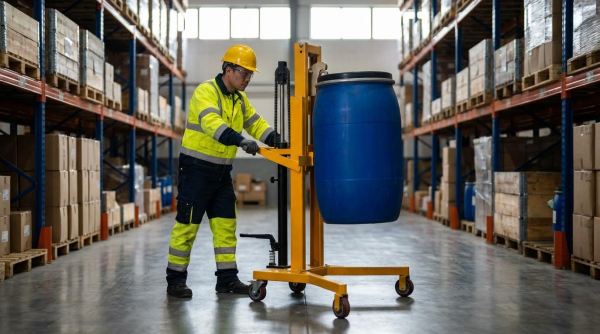
Engineering controls answer a key field question: can i transport a 55 gallon drum of toluene without unacceptable risk. Controls start with compliant containers, then add impact protection, pressure management, and spill containment. Each element must align with NFPA 30, OSHA 1915.173, and DOT packaging rules for flammable liquids.
Drum, IBC, And container selection per NFPA 30
Toluene is a Class I flammable liquid under NFPA 30, so container choice is critical. NFPA 30 did not allow Class I liquids in plastic IBCs, even when listed. For a 55 gallon drum of toluene, steel UN performance‑tested drums with proper closure instructions usually gave the best fire resistance and impact strength. When larger volumes were needed, facilities used metal IBCs or listed composite IBCs only for higher flashpoint combustible liquids, not for toluene.
Engineers also checked chemical compatibility and vapor‑tight closure design. They verified that gaskets, bungs, and liners tolerated aromatic hydrocarbons and expected temperature ranges. For transport, 49 CFR Parts 173 and 178 defined authorized drum types, performance tests, and maximum fill limits by packing group. This ensured the drum could withstand drop, stack, and leak‑proofness tests during highway, rail, or sea transport.
| Aspect | Key requirement |
|---|---|
| NFPA 30 class | Class I flammable liquid |
| Preferred container | UN‑rated steel tight‑head drum |
| IBCs | Metal only; no plastic IBCs for Class I |
| Regulatory basis | NFPA 30, 49 CFR 173/178 |
Blocking, bracing, And impact protection for drums
Most transport incidents with drums came from impact, shifting, or puncture, not from container failure itself. A 55 gallon steel drum of toluene could weigh 180 to 250 kilograms, so inertia under hard braking or cornering was significant. Proper blocking and bracing stopped drums from sliding, tipping, or rolling inside trailers or containers.
Engineers treated the loaded drum group as a single mass and designed restraints to resist forward, rearward, and lateral loads. Typical practices included:
- Using sound pallets with no protruding nails or broken boards.
- Arranging drums in tight patterns, with minimal gaps.
- Installing chocks, load bars, or dunnage to lock pallets in place.
- Securing stacks so no drum could move independently.
OSHA 1915.173(d) required drums of 30 gallons or more to be placed out of traffic paths or protected by guards. In practice, this meant physical barriers in loading areas and careful forklift operation. Forks had to enter pallets cleanly, without striking drum chimes or sidewalls, to avoid puncture and leaks.
Venting, relief, And prohibition on pressurizing drums
OSHA 1915.173(a) clearly prohibited pressurizing shipping drums to remove contents. Pressurizing a 55 gallon drum of toluene could deform the shell, blow out closures, and release large vapor clouds. Instead, facilities used pumps or gravity feed systems designed for flammable liquids, with proper bonding and grounding to control static.
Where temporary pressurized transfer systems handled hazardous liquids, OSHA 1915.173(b) required a relief valve and bypass. These features limited overpressure and protected hoses and fittings. However, the relief device belonged on the piping system, not on the drum body itself. For storage and staging, drums remained closed, with venting limited to listed flame arrestor vents where codes allowed and only in fixed installations.
Engineers also controlled external heat sources. OSHA 1915.173(c) prohibited storing flammable drums near open flames, hot metal, or artificial heat. For toluene, this reduced vapor generation and prevented the drum from acting as a heated pressure vessel. Temperature control, shading, and ventilation in staging areas helped keep internal pressures within design limits.
Diking, secondary containment, And spill control
Secondary containment answered the worst‑case question: what if a 55 gallon drum of toluene fails during transport staging. OSHA 1915.173(e) required that containers of 55 gallons or more with flammable or toxic liquids be surrounded by dikes or pans holding at least 35 percent of the total stored volume. For multiple drums, engineers calculated the combined capacity and sized containment accordingly.
NFPA 30 added further guidance on outdoor and indoor containment systems. Typical solutions included:
- Steel or polymer spill pallets under small drum groups.
- Concrete curbing and coated floors in loading bays.
- Sloped floors directing leaks to sumps away from doors and ignition sources.
Designers also provided fire extinguishers suitable for flammable liquids in the immediate area, as required by OSHA 1915.173(f). For toluene, this usually meant foam or dry chemical units with clear access paths. Spill kits, absorbents, and overpack drums stood ready for rapid containment if a drum was punctured during loading or unloading.
When planning whether you can transport a 55 gallon drum of toluene safely, these engineering controls worked together. Correct drum selection, robust blocking and bracing, strict no‑pressurization practices, and code‑compliant containment formed a complete risk control package for compliant flammable liquid transport.
Operational Safety, Training, And Emergency Preparedness
Facilities that ask “can i transport a 55 gallon drum of toluene” must link daily operations with strict training and emergency planning. Operational controls turn regulatory text into repeatable field practice. This section focuses on how handling, communication, training, and emergency response work together for flammable drum transport.
Forklift, AGV, And manual handling of heavy drums
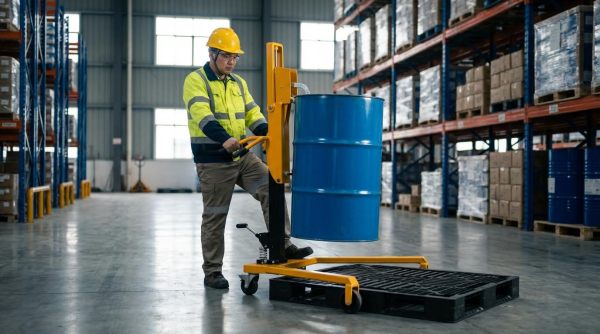
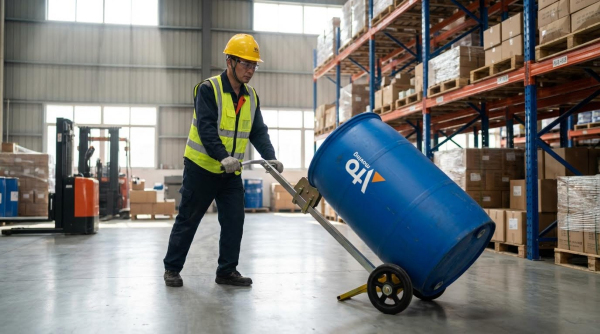
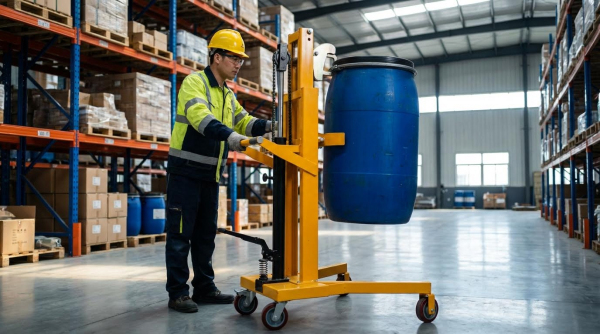
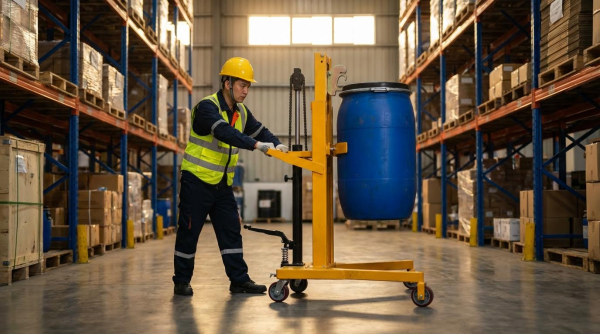
A filled 55 gallon drum of toluene can weigh over 200 kilograms, so mechanical handling is essential. Forklifts and AGVs should move drums on sound pallets or purpose-built cradles, not by pushing or dragging bare drums. Operators must avoid fork contact with the drum shell or chime to prevent puncture and sudden vapor release. Typical good practice keeps drum centers of gravity low, with slow acceleration, controlled braking, and no tight turns on uneven floors.
Manual handling should only cover short repositioning tasks, using drum trucks, tilters, or pallet jacks. Rolling drums on their sides increases impact risk at door sills and expansion joints, so facilities should minimize this method. Pre-use checks of forks, clamps, and pallet condition reduce incidents from collapsing boards or protruding nails. For AGVs, engineers should program speed limits, obstacle detection zones, and guarded transfer points around flammable loading areas.
Labeling, placarding, And hazard communication
Clear identification answers the question “can i transport a 55 gallon drum of toluene” in a compliant way. Toluene is a flammable liquid, so the drum must carry correct UN identification, hazard class, and packing group under 49 CFR Part 172. GHS-style labels should show signal word, pictograms, hazard statements, and precaution phrases. Markings must stay legible after exposure to rain, UV, and road grime.
For highway transport, placards on the vehicle communicate flammable liquid hazards to responders and the public. Inside the facility, signs should mark flammable drum staging zones, no-smoking limits, and emergency equipment locations. Safety data sheets must be available to drivers, loaders, and emergency teams, with quick access to flash point, lower flammable limit, and recommended firefighting media. Consistent terminology between labels, SDS, and training materials avoids confusion during an incident.
HAZWOPER, DOT, And site-specific training programs
Training links regulations to what drivers and operators actually do with drums of toluene. DOT rules in 49 CFR 172 require function-specific training for anyone who classifies, packages, loads, or transports hazardous materials. Workers must understand shipping papers, emergency response information, and security awareness for flammable cargo. Refresher training keeps pace with rule updates and internal procedure changes.
OSHA’s HAZWOPER standard in 29 CFR 1910.120 applies when employees respond to releases or substantial threats of release. These responders need extra instruction in incident command, spill control tactics, and PPE limits. Site-specific programs should cover local routes, transfer systems, and equipment such as pumps, bonding cables, and drum handling devices. Short drills that simulate a leaking 55 gallon drum of toluene help teams practice roles before a real event.
Emergency response, fire protection, And evacuation
Emergency planning for toluene drums starts with credible scenarios such as puncture, valve failure, or pallet collapse. Facilities should stage spill kits with compatible absorbents, non-sparking tools, and overpack drums near loading docks. Fire extinguishers rated for flammable liquids must sit within easy reach of drum storage and transfer areas, in line with OSHA 1915.173(f) and NFPA 30 guidance. Ventilation and ignition control reduce the chance that a small leak becomes a flash fire.
Written emergency action plans should define alarm,
Frequently Asked Questions
Can I transport a 55-gallon drum of toluene?
No, you cannot transport a 55-gallon drum of toluene unless it is in compliance with specific regulations. Toluene must be transported in originally sealed containers, approved safety cans of 5 gallons or less, or specialized equipment designed for hazardous chemicals. For more details, refer to the NYSDOT guidelines.
What are the storage conditions for toluene?
Toluene is regulated as a hazardous air pollutant and requires proper storage to prevent emissions. It should be stored in containers that meet EPA and industry standards. Always ensure the storage area is well-ventilated and away from ignition sources. For additional information, consult the NCBI guidelines.
How many gallons of hazardous material can I transport?
The amount of hazardous material you can legally transport depends on local and federal regulations. Typically, transportation of materials like toluene in quantities over 5 gallons requires specialized containers and adherence to DOT hazmat laws. For specific rules, check with your local transportation authority or review the DOT regulations.