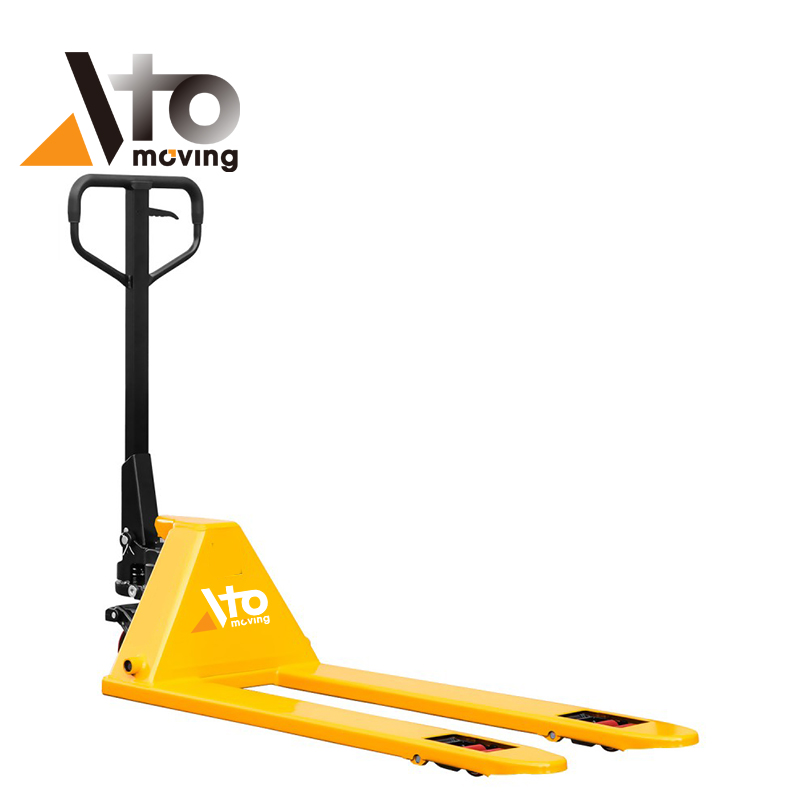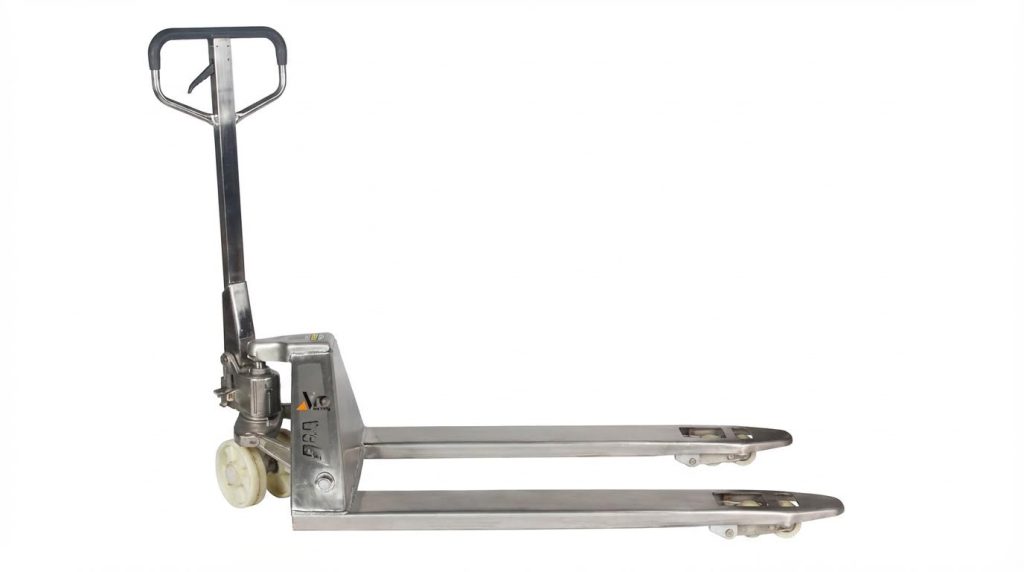
Knowing how to operate a ride on pallet jack safely is critical for preventing injuries, protecting inventory, and hitting throughput targets. This guide walks through fundamentals, daily inspections, and step-by-step driving techniques, then links them to capacity, layout, and battery choices for your facility. You will see how correct load handling, ramp use, and regulatory compliance work together to reduce risk and downtime. Use it as a practical reference for training operators and standardizing safe, efficient pallet movement in your operation.
Fundamentals Of Ride-On Pallet Jack Operation
Key components and operating controls
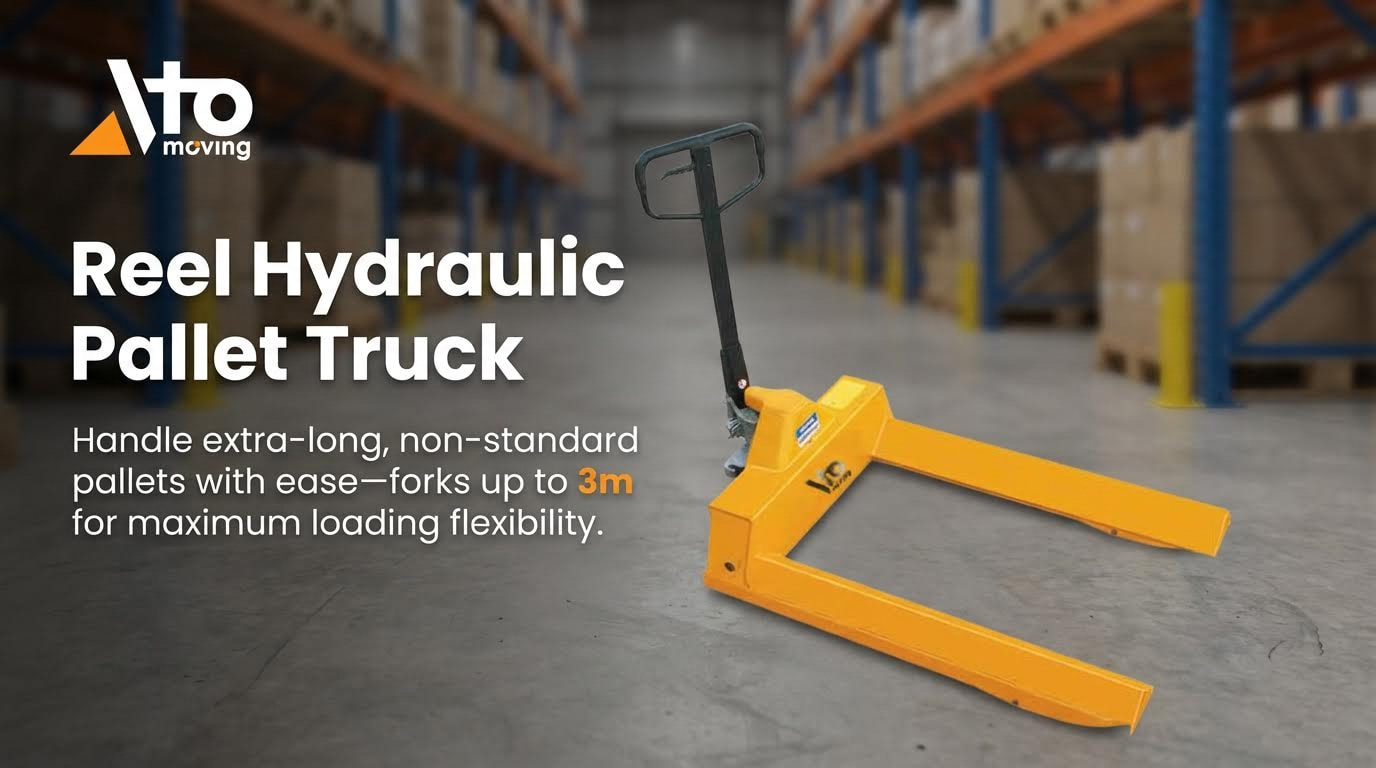
Understanding the main components is the first step in learning how to operate a ride on pallet jack safely and efficiently. A typical ride-on unit includes a powered drive wheel, load wheels under the forks, an operator platform, and a control tiller or steering column. The drive system usually runs on a manual pallet jack battery pack, which powers traction, lift, and braking functions 24V. Ride-on models typically handle heavier loads and higher speeds than walk-behind jacks, making component familiarity critical for risk control heavier loads and higher speeds.
Key operating controls normally include:
- Multi-function handle with travel direction, speed control, lift, lower, and horn buttons for quick access during operation multi-function control handle.
- Emergency reverse or “belly” button that stops or reverses the truck briefly if the operator is pinned, plus an emergency stop button on some designs advanced safety features.
- Operator platform and side or front guard rails that support stable riding posture and reduce fatigue on longer runs operator platforms to enhance comfort.
- Instrument or status indicators showing battery state-of-charge, fault codes, and sometimes load or speed limits.
Before moving the truck, a quick functional check of all controls, steering, horn, and braking is essential. Many facilities integrate a 5–7 minute daily inspection that includes a visual scan of wheels and forks, basic cleaning, and a short hydraulic or lift test to confirm safe operation before the shift starts 5–7 minute daily inspection.
Regulatory and safety standards overview
Safe practice for how to operate a ride on pallet jack is defined not only by site rules but also by national and international standards. In the United States, ride-on pallet jacks fall under the Powered Industrial Truck requirements, which mandate formal operator training, evaluation, and periodic refresher instruction Powered Industrial Truck Standard. Globally, electric pallet trucks must comply with safety standards such as EN ISO 3691-1 in Europe and ANSI B56.1 in North America, along with regional certification marks where applicable EN ISO 3691-1 and ANSI B56.1.
These standards and regulations typically require:
- Formal instruction on load limits, control functions, emergency procedures, and site-specific hazards before an operator uses a ride-on pallet jack adequate training.
- Pre-use inspections to identify damage, hydraulic leaks, or wheel and fork defects, with a clear process to remove unsafe equipment from service never operate a damaged pallet jack.
- Safe operating rules for speed, ramps, and pedestrian interaction, including right-of-way for pedestrians and horn use at intersections give pedestrians the right of way.
- Design and performance requirements for braking, stability, and electrical systems to ensure predictable behavior under rated loads and grades industrial truck safety standards.
Facilities often add their own rules for loading docks, ramps, and confined aisles to control site-specific risks such as trailer creep, roll-off, or collisions loading dock safety protocols. Aligning operator training, daily inspections, and written procedures with these standards builds a consistent safety baseline across shifts and locations.
Pre-use inspection and functional checks
Knowing how to operate a ride on pallet jack safely starts with a consistent pre-use inspection. Spend a few minutes before each shift checking that the forks are straight, undamaged, and free of cracks or embedded debris in the wheels and fork tips. Inspect the hydraulic and lift systems for leaks and verify that the lift and lower functions run smoothly under no load first pre-operational inspection guidance. Confirm the nameplate capacity is clearly legible and matches or exceeds the heaviest pallet you plan to move, as ride-on units commonly handle several thousand pounds on level floors typical 6,000–8,000 lb capacities.
- Walk around the truck to check for loose guards, damaged handrails, or missing covers.
- Verify horn, emergency stop, and any deadman or presence-sensing controls function correctly.
- Check battery charge status, connector condition, and that the charger cable is fully disconnected and stowed.
- On a clean, open stretch, test drive, steering response, braking, and controlled plugging/reverse braking.
Many facilities use a standardized daily checklist that takes about 5–7 minutes, combining a quick visual scan, housekeeping, and a short hydraulic and function test example daily inspection timing. Any defect that affects steering, braking, lifting, or stability means the truck is tagged out and reported, not “nursed through” a shift.
Mounting, starting, and basic maneuvering
Safe operation of a ride-on pallet jack depends on stable mounting and body position before you move the truck. Mount only from the designated side or rear entry, using handholds and non-slip steps, and keep both feet fully on the operator platform before touching the drive controls. Stand inside the guard or rail envelope with knees slightly bent and one hand on the main control handle, so a sudden stop or bump does not throw you off balance. Before you start, verify the direction selector matches the intended travel path, and sound the horn to warn pedestrians in the area pedestrian safety guidance.
- Accelerate smoothly to avoid load shift and to keep tractive forces within the tire–floor friction limits.
- Keep forks low during travel, typically 2–5 cm (1–2 in) off the floor, to maximize stability and reduce trip hazards recommended fork travel height.
- Slow down well before intersections, blind corners, and doorways, and use the horn as you approach.
- Respect the rated maximum travel speed under load, which is typically around 6–6.5 mph for many ride-on units example travel speeds.
Practice inching controls and tight turns in an open area before working in live aisles, focusing on smooth steering inputs and controlled deceleration. This builds the fine control needed when learning how to operate a ride on pallet jack in congested warehouse traffic.
Load pickup, transport, and ramp navigation
Correct load handling is central to both productivity and stability. Approach the pallet squarely, with forks aligned and spread evenly under the stringers, then insert fully before lifting so the center of gravity stays well within the truck’s stability triangle. Keep the load capacity in mind; ride-on pallet jacks are designed for heavy work but must never exceed the nameplate rating on level floors higher-capacity ride-on design. Center the load on the forks, secure loose or irregular items with wrap or straps, and avoid high stacking that blocks your line of sight load centering and securing practices.
- Transport with forks just off the floor and the load tilted or positioned to keep it stable against the backrest if fitted.
- Give pedestrians the right of way, maintain clear stopping distance, and avoid sudden steering inputs that can cause tipping common hazard overview.
- Before entering a ramp, ensure the truck is straight and within its rated gradeability, often around 10% under full load for many models typical gradeability rating.
- Avoid turning on inclines; travel with the load upgrade when required, and follow your manufacturer’s specific ramp procedures ramp navigation guidance.
At loading docks and trailer entrances, verify dock plates are rated and secured, and watch for trailer creep or gaps that could trap wheels loading dock safety protocols. When parking after transport, lower the forks fully to the floor and leave the truck in a designated area, clear of aisles and emergency routes parking and storage practices.
Matching Ride-On Pallet Jacks To Your Facility
Capacity, speed, and aisle layout considerations
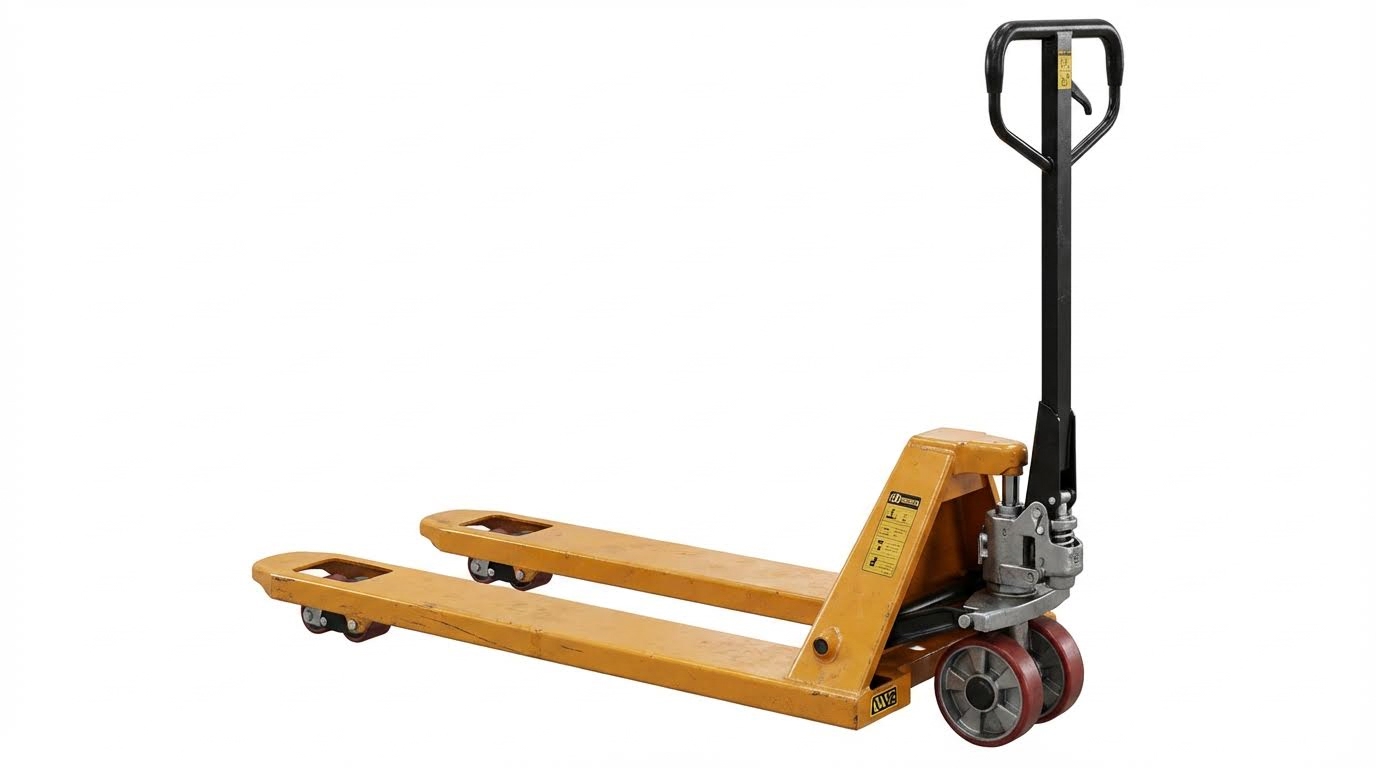
When you plan how to operate a ride on pallet jack efficiently, you must first match its capacity and speed to your loads and travel distances. Typical ride-on units carry substantially more than walk-behind models, so they suit heavier pallets or multiple-pallet moves in one trip Capacity. Check that the truck’s rated capacity on level ground exceeds your heaviest everyday load, and remember that ramps or poor floors effectively reduce usable capacity. Travel speed also matters: some ride-on pallet jacks reach around 6–6.5 mph under load, which can dramatically cut internal transport time in larger facilities Travel Speed.
- Match capacity to flow: For frequent heavy or double-stacked pallets, choose higher-capacity ride-on units to maintain stability and reduce trips.
- Speed vs. control: Higher top speed is useful on long, straight runs, but in dense pedestrian areas lower programmed speeds may be safer.
- Aisle width: Compare your clear aisle to the truck’s overall width (often about 36 in) and turning radius to confirm safe passing and right-angle stacking Dimensions.
- Fork length and layout: Longer forks (up to about 144 in) improve multi-pallet handling but need wider aisles and deeper storage positions Fork Options.
For safe daily use, create a simple matrix that links each route (shipping dock, production, cold store) to maximum pallet weight, distance, slope, and aisle width. Choose truck configurations that fit the tightest constraint. This approach makes it easier to train operators on how to operate a ride on pallet jack consistently across different zones, without overloading or forcing tight, unsafe turns.
Battery, environment, and maintenance planning
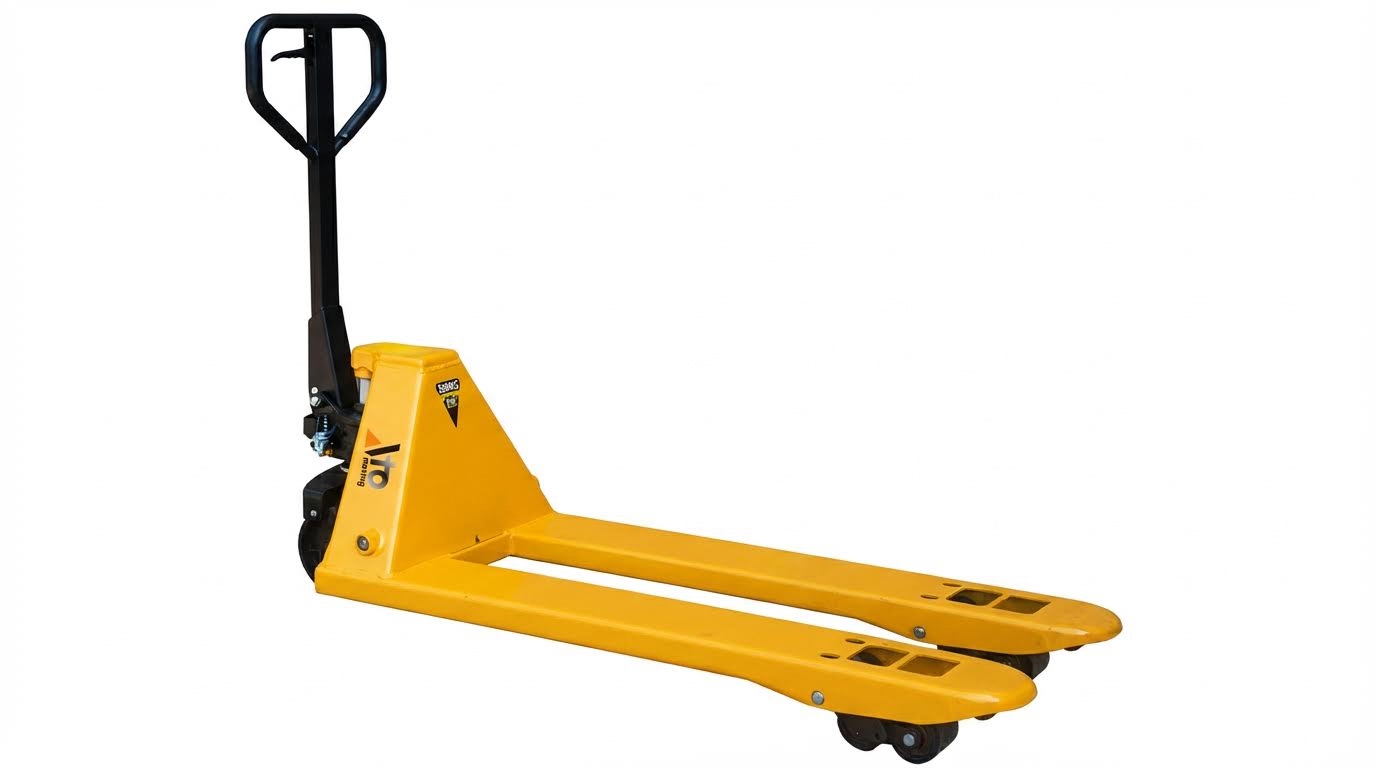
Battery type and environment strongly influence uptime and safety. Modern ride-on pallet jacks use lead-acid or lithium-ion batteries; lithium-ion offers higher efficiency, several times more charge cycles, and fast, opportunity charging during breaks, which supports multi-shift operation Battery Technology. In cold storage or wet areas, specify trucks with cold-conditioning packages, sealed electronics, and suitable lubricants to keep steering, braking, and lift predictable Cold Conditioning Package. Terrain also matters: for slight ramps or rougher surfaces, look for drive wheels, suspension, and control systems designed for slopes and outdoor use Terrain Suitability.
- Battery strategy: Size battery capacity to cover at least one full shift, then use either battery change-out (lead-acid) or opportunity charging (lithium-ion) to cover longer hours.
- Environment fit: Use corrosion-resistant and cold-rated options in freezers; sealed components and appropriate tires for damp or outdoor yards.
- Planned maintenance: Build a schedule around quick daily checks, short weekly lubrication and fastener checks, and deeper monthly inspections of forks, hydraulics, and structure Daily, Weekly, Monthly Maintenance.
- Training and compliance: Train operators on battery charging, pre-use inspections, and environment-specific risks as part of teaching how to operate a ride on pallet jack safely Training and Regulations.
By aligning battery technology, environmental protection, and maintenance routines with your actual duty cycle, you reduce unplanned downtime and extend equipment life. At the same time, you give operators consistent, predictable controls and performance, which directly improves safe, efficient operation on every shift.
Final Thoughts On Safe, Efficient Operation
Safe, efficient ride-on pallet jack operation depends on how well engineering limits and daily habits line up. Capacity ratings, gradeability, aisle width, and fork length define a hard envelope for what the truck can do without losing stability. Within that envelope, operator training, pre-use checks, and clear site rules decide whether the truck actually runs without incidents.
When teams respect nameplate capacity, keep forks low, and avoid tight turns with raised loads, the truck’s geometry works in their favor. Correct ramp techniques and dock controls stop tip-overs and trailer roll-off before they start. Matching truck speed, layout, and battery strategy to each route then turns that safe baseline into reliable throughput.
The best practice is simple. Choose ride-on pallet jacks that fit your heaviest pallets, narrowest aisles, steepest ramps, and harshest environments. Build a short, enforced checklist for every shift. Train operators to treat stability limits and visibility as non-negotiable. Finally, back this up with planned maintenance and periodic skills refreshers. Do this, and your Atomoving ride-on pallet jacks will move more product with fewer incidents, lower fatigue, and less unplanned downtime across every shift.
Frequently Asked Questions
How to Operate a Ride-On Pallet Jack Safely?
Operating a ride-on pallet jack requires attention to safety and proper handling techniques. Always travel in a rearward direction, whether the pallet jack is loaded or empty. Lower the forks and position them under the load, then lift the forks to raise the load from the ground. Move slowly and maintain a steady speed that suits the load size and the presence of other personnel in the area. Incline Safety Tips.
- When going down an incline, keep the pallet jack in front of you for better control.
- Use a hand pallet truck fitted with brakes if regular use on an incline is required.
- Secure the load on a pallet so that it will not slip, shift, or fall.
What Are the Recommended Speeds for Operating a Ride-On Pallet Jack?
The recommended speed for operating a ride-on pallet jack is generally a maximum of 8 mph. However, in areas with high pedestrian traffic, the speed should be reduced to a maximum of 3 mph to ensure safety. Always adjust your speed according to the environment and load conditions. Forklift Speed Guidelines.