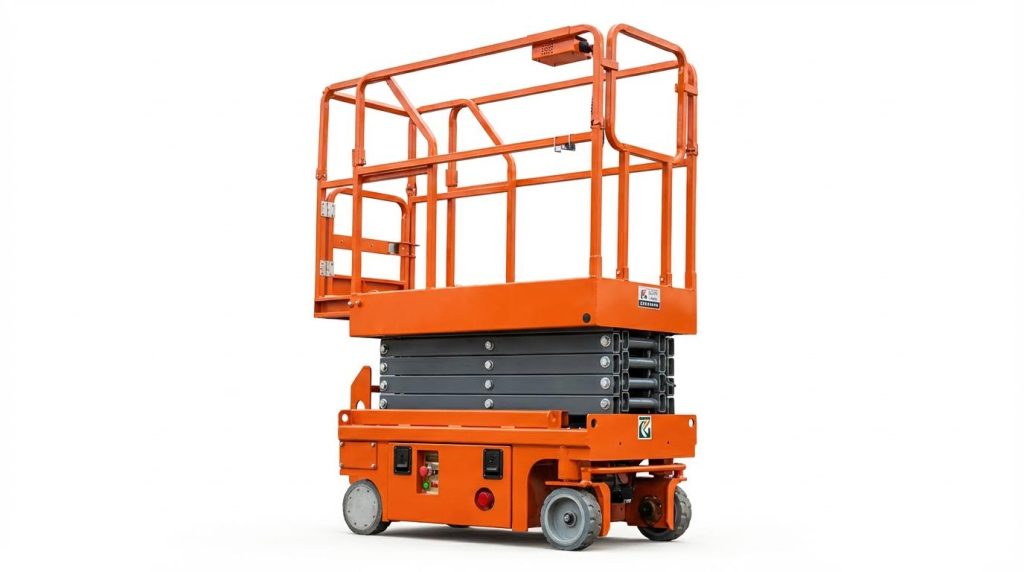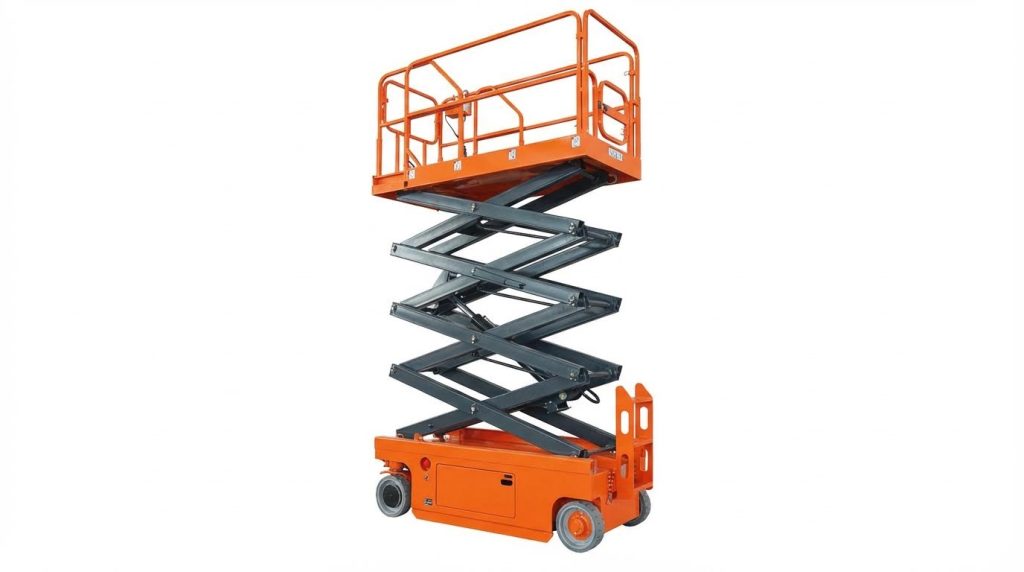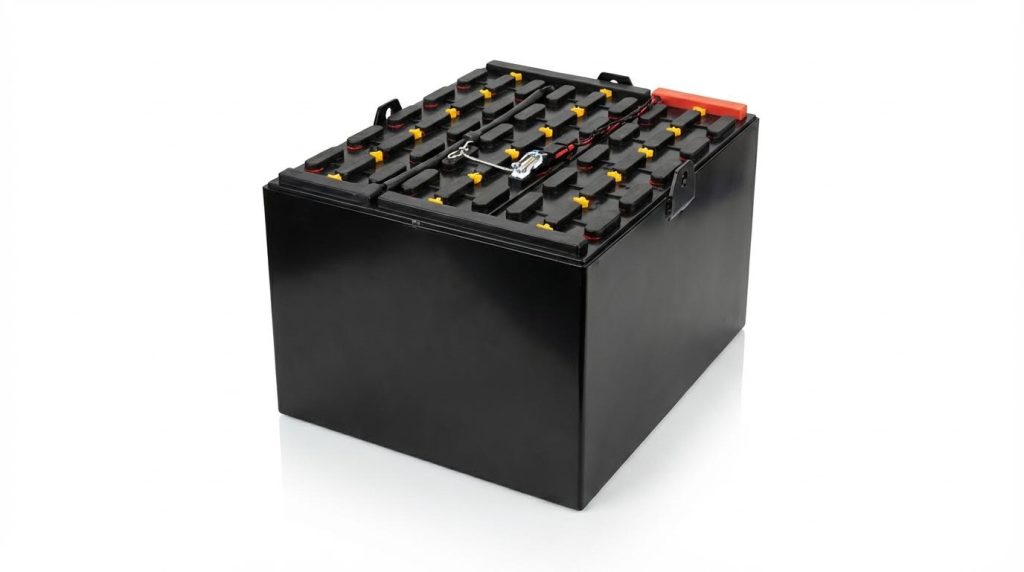
Understanding how long do scissor lifts take to charge is essential for planning shifts, protecting batteries, and keeping operators safe. This guide explains typical charging times by battery type, how usage patterns affect charge duration, and what engineers should consider when sizing chargers and planning fleet rotations. It also covers safe charging areas, PPE, and compliant procedures so you can reduce fire, acid, and gas risks while extending battery life. Use it as a practical reference when setting charging policies, training operators, or evaluating a move from lead-acid to lithium power.

Key Factors That Determine Scissor Lift Charge Time
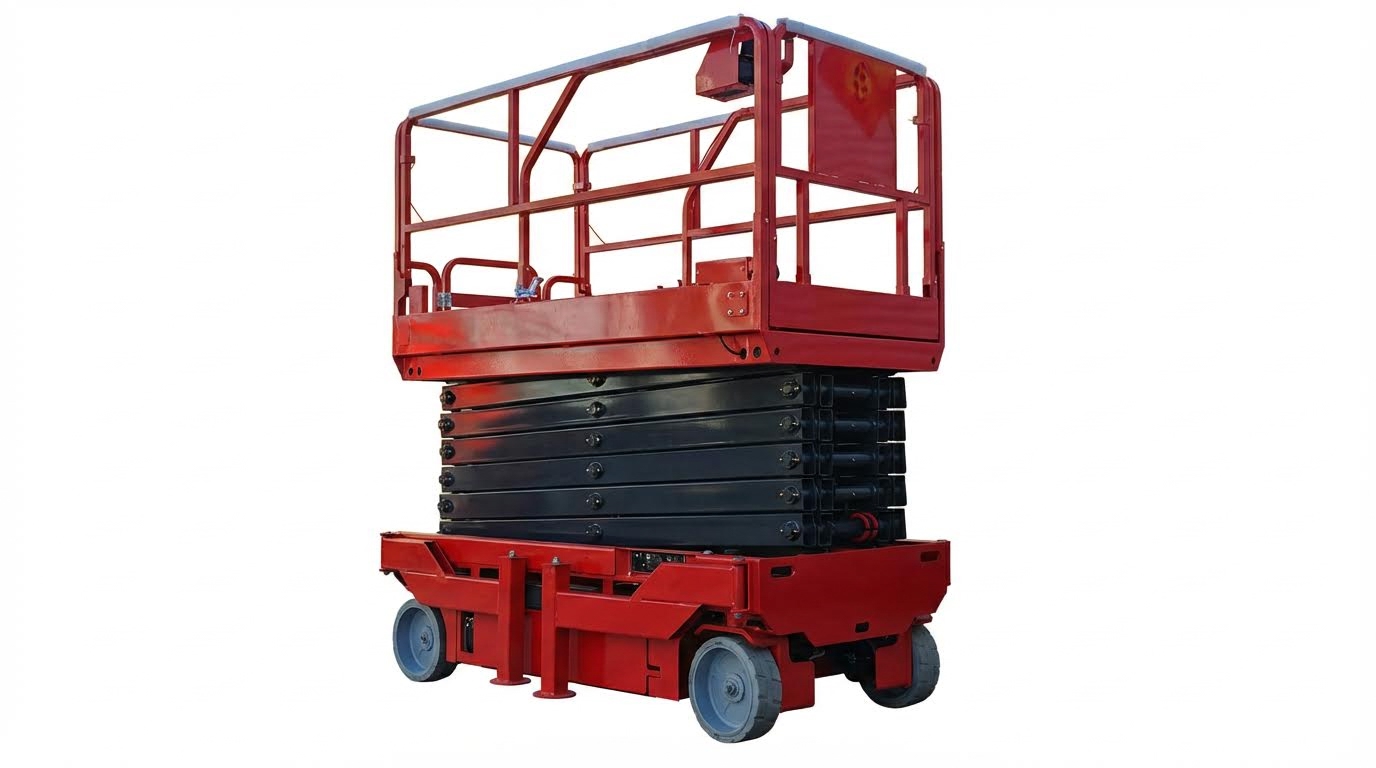
Typical charge durations by battery type
If you are asking how long do scissor lifts take to charge, the battery chemistry is the first variable to check. Most electric scissor lifts using traditional lead-acid batteries need roughly 6–8 hours to reach full charge with a correctly sized charger, and many operations plan for a full overnight cycle. Some scissor platform units can require about 6 hours to reach a usable charge for a workday, and in heavier-duty cases total charging can extend to 12–16 hours depending on capacity and charger output. Charging times for aerial work platforms can range from about 6 hours up to 12–16 hours and scissor lifts commonly fall toward the lower end of this band. Typical scissor lift charging time is about 6–8 hours for a full charge. Lithium-ion powered lifts charge much faster, typically in the 1–3 hour range for a full cycle when paired with an appropriate high-efficiency charger. Lithium-ion batteries can usually be fully charged in about 1–3 hours, while lead-acid batteries often need 6–8 hours plus cool-down time. This fast turnaround also supports opportunity charging, where lithium packs are topped up during short breaks without harming life, while lead-acid batteries should avoid frequent partial charges to prevent overheating and accelerated wear. Lead-acid batteries are more sensitive to partial “opportunity” charging and benefit from full charge cycles. In practice, when planning how long do scissor lifts take to charge across a mixed fleet, expect overnight windows for lead-acid units and 1–3 hour windows for lithium units, assuming chargers are correctly matched to voltage and capacity.
How battery size and duty cycle affect charge time
Beyond chemistry, amp-hour capacity and daily duty cycle strongly influence how long do scissor lifts take to charge in real operations. Larger battery banks, such as configurations using four or even eight 6 V batteries in series, store more energy and therefore require longer charge times at a given charger current. Many scissor lifts use four 6 V batteries, while some larger lifts use banks of eight 6 V batteries. Heavy-duty cycles that regularly draw the battery down toward 20–30% state of charge will also extend the required charge window compared with light use that only removes a small fraction of capacity. For longevity, both lead-acid and lithium packs should typically be recharged when they reach about 20–30% remaining capacity instead of being deeply discharged, which means the “empty to full” lab charge time is often longer than what you need to restore a battery from normal daily use. Recharging at 20–30% state of charge helps protect both lead-acid and lithium iron phosphate batteries. Finally, charge time must include any required cool-down period before the lift returns to service, which is especially important for lead-acid systems that heat up during charging and may need extra time before they are loaded again. Lead-acid batteries often require a cool-down period, extending the total charge cycle up to roughly 12 hours.
Engineering Best Practices For Safe, Efficient Charging
Lead-acid vs. lithium charging characteristics
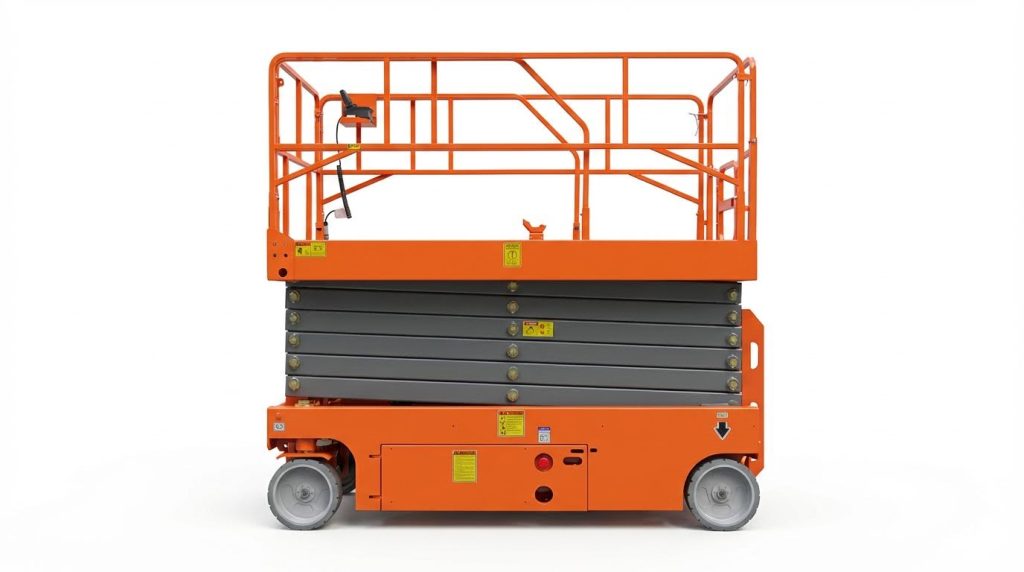
Lead-acid and lithium batteries behave very differently when you plan how long do scissor lifts take to charge, so you must match charging practices to the chemistry. Lead-acid packs in scissor lifts typically need about 6–8 hours for a full charge, often followed by a cool-down period that can push total cycle time toward 10–12 hours. Lead-acid batteries require 6 to 8 hours for a full charge and an additional cool-down period, resulting in a total cycle time of up to 12 hours. Lithium-ion batteries charge much faster, usually reaching full charge in 1–3 hours and supporting opportunity charging without major life penalty. Lithium-ion batteries charge significantly faster, typically reaching full charge in 1 to 3 hours. They also support opportunity charging.
- For both chemistries, the best practice is to recharge around 20–30% remaining capacity to protect service life. Lead-acid batteries for material handling equipment should be recharged when they reach 20-30% of their capacity. Lithium iron phosphate (LiFePO4) batteries also follow the same threshold.
- Lead-acid batteries need complete charge cycles and should avoid frequent partial “opportunity” charges, which increase heat, imbalance, and gassing. Partial charges during breaks or idle periods should be avoided as this can cause overheating, electrolyte imbalance, and gas emissions.
- Lithium batteries tolerate partial charges well and often include a Battery Management System (BMS) for overcharge and temperature protection. Lithium-ion batteries are maintenance-free and include built-in Battery Management Systems (BMS) to prevent overheating or overcharging.
- Lead-acid batteries demand regular watering, cleaning, and equalizing charges, while lithium systems are essentially maintenance-free aside from visual checks. Lead-acid batteries require regular maintenance, including checking and replenishing electrolyte levels with distilled water and equalizing charges weekly Lithium-ion batteries are maintenance-free.
Safe charging areas, PPE, and OSHA compliance
Safe scissor lift charging starts with a dedicated area designed to control electrical, chemical, and fire risks. A proper charging zone should provide clear “no smoking” and warning signs, fire protection, ventilation, eyewash, and spill-neutralizing materials. A designated battery charging area must include no smoking signs, warning notices, adequate fire protection, an ample water supply, eyewash stations, proper ventilation, neutralization materials, and appropriate fire extinguishers. This environment is especially critical for lead-acid batteries, which release hydrogen gas during charge.
- Park the scissor lift in a well-ventilated location, power it down, and activate the emergency shut-off before connecting the charger. Ensure the scissor lift is parked in a well-ventilated area, power down the lift, and activate the emergency shut-off switch during charging.
- Operators handling batteries should wear face shield or goggles, rubber or neoprene gloves, and an apron to protect from acid splashes. Operators must wear face shields, safety goggles, neoprene or rubber gloves, and aprons when handling batteries.
- Keep vent caps functional and battery covers open during lead-acid charging to dissipate heat; ban smoking, sparks, and open flames in the area. Vent caps must function correctly, battery covers should remain open, and smoking or open flames must be prohibited in charging areas.
- Inspect charger cables and connectors regularly and remove any damaged components from service to avoid arcing and overheating. Inspect all charger cables and connectors regularly and replace damaged or cracked charging cables and connectors.
Following these OSHA-aligned practices not only reduces incident risk but also stabilizes thermal conditions, which helps keep charging times predictable when you plan how long do scissor lifts take to charge in your facility.
Charge profiles, cooling time, and maintenance routines
Engineering best practice is to design your scissor lift charging profile around full, controlled cycles rather than random plug-ins. Lead-acid batteries should be charged once they reach roughly 20–30% state of charge, then allowed to complete a full charge and cool before heavy use. Lead-acid batteries for material handling equipment should be recharged when they reach 20-30% of their capacity Lead-acid batteries should cool down after charging to maintain performance and lifespan before reuse. This cool-down is part of the overall answer to how long do scissor lifts take to charge and be ready for the next shift.
- Avoid frequent short “top-ups” on lead-acid batteries, as they drive up temperature and accelerate wear; lithium systems are more tolerant of opportunity charging. Partial charges during breaks or idle periods should be avoided for lead-acid batteries Lithium-ion batteries support opportunity charging.
- Before charging, check electrolyte levels on serviceable lead-acid batteries, verify voltage, and keep charge current within recommended limits; if sealed vents are present, do not exceed about 25 A. If the battery has sealed vents, do not recharge with a current exceeding 25 amperes.
- Always switch off and unplug the charger before connecting or disconnecting clamps, attach positive first then negative, and reduce current if the battery overheats or leaks. Always unplug and turn off the charger before connecting or disconnecting clamps; attach the positive clamp first, followed by the negative clamp.
- Routine maintenance should include cleaning terminals, checking for corrosion, topping off water with distilled or de‑ionized water after charge, and recording test results in a service log. Routine maintenance includes checking for corrosion, topping off battery fluid, removing dirt and debris, and conducting regular charge tests After charging, check and adjust water levels using distilled or de-ionized water.
By controlling charge profiles, allowing adequate cooling, and following disciplined maintenance, you stabilize battery temperatures and extend life, while keeping actual scissor lift charging times within the expected 6–8 hour window for lead-acid and 1–3 hours for lithium systems. Scissor lift batteries generally take 6 to 8 hours to charge fully Lithium-ion batteries charge significantly faster, typically reaching full charge in 1 to 3 hours.
Planning Charging Strategy For Your Fleet
Matching chargers, voltage, and chemistry
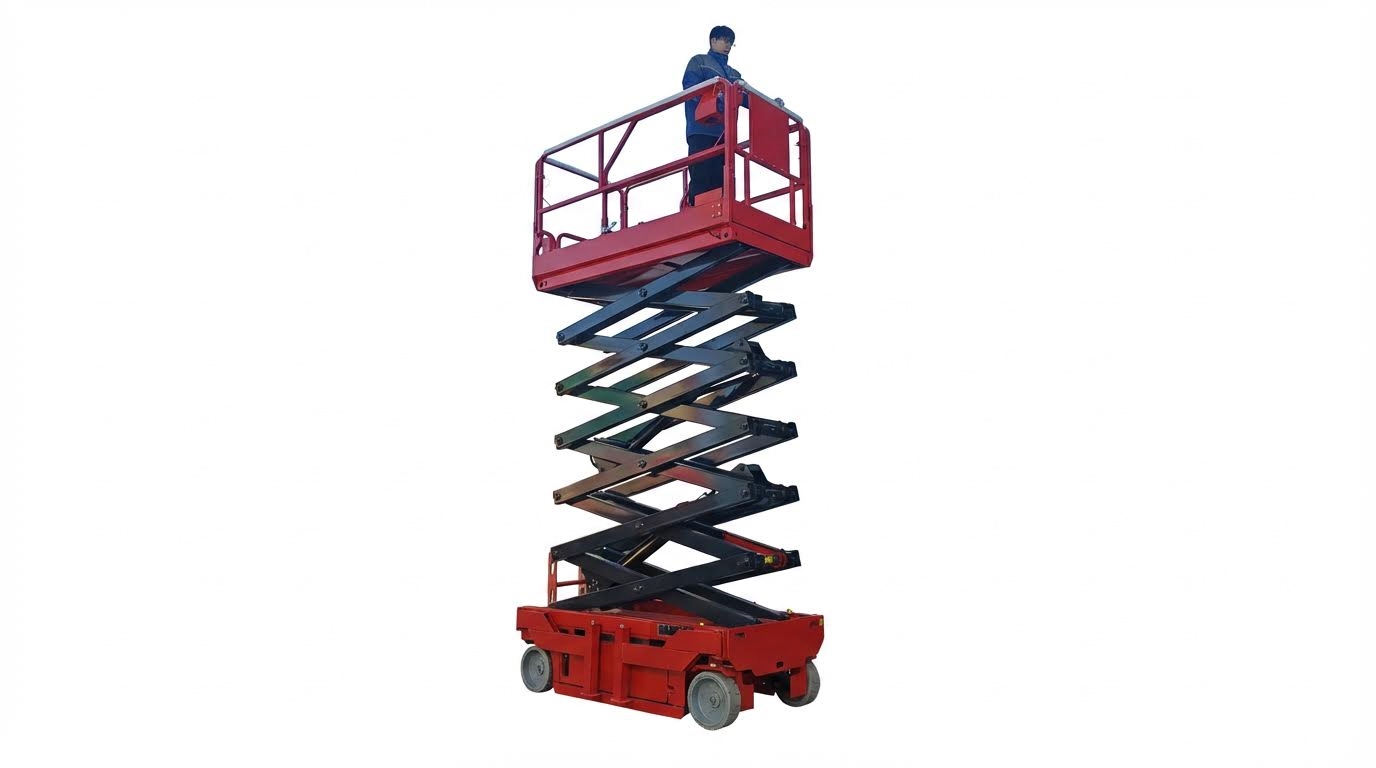
Start by matching each scissor lift battery to a charger with the correct voltage, current range, and chemistry. Using the wrong charger can overheat cells, trip protection systems, or dramatically extend how long do scissor platform lifts take to charge. Lead‑acid batteries typically need 6–8 hours for a full charge, and sometimes up to 12–16 hours for certain aerial platform, so a properly sized charger is critical to hit overnight or shift-change windows. Typical scissor lift charging times are in the 6–8 hour range and can extend to 12–16 hours for some electric platforms. Some units need roughly six hours to reach a full-workday charge, while others may require up to 16 hours. Lithium batteries, by contrast, often reach full charge in 1–3 hours, which changes how you size and count chargers. Lithium-ion systems typically charge in 1–3 hours versus 6–8 hours plus cool-down for lead-acid. Use this in your fleet plan: more lead‑acid units usually mean more chargers or longer dwell times; fast‑charging lithium fleets can often share chargers if schedules are staggered.
- Confirm charger output voltage matches the battery pack (for example, a four‑battery 6 V bank wired for a specific system voltage).
- Use chargers designed for the specific chemistry (lead‑acid vs. lithium iron phosphate) to avoid overcharge or BMS faults. Chemistry‑specific chargers and BMS help prevent overcharging and extend life.
- Incorporate automatic shut‑off or charge‑protection systems where possible to reduce fire and explosion risk. Some lifts use automatic shut‑off once the battery is full.
Key charger–battery matching checks
For each lift, document battery voltage, amp‑hour rating, and chemistry, then map to charger output and charge curve. Verify that the charger’s maximum current does not exceed the manufacturer’s recommended charge rate and that connectors and cables are in good condition. Regular inspection and replacement of damaged charging cables and connectors is essential.
Scheduling, opportunity charging, and TCO impact
Fleet charging strategy should align shift patterns, charger count, and battery chemistry to minimize downtime and total cost of ownership (TCO). For lead‑acid, plan full overnight charges when batteries reach about 20–30% state of charge and avoid frequent short top‑ups. Recharging at 20–30% and avoiding deep discharge below 20% reduces sulfation and extends life. Frequent partial “opportunity” charging of lead‑acid packs can cause overheating and electrolyte imbalance, so it should not be your primary strategy. This has a direct effect on how long do scissor platform lift take to charge in real operations: if you rely on full cycles only, lifts may be offline for 8–12 hours at a time, whereas lithium fleets can recover in 1–3 hours and use breaks for safe top‑ups.
- Lead‑acid scheduling: Designate one full charge per day for high‑use units, with cool‑down time before returning to service. Lead-acid charge cycles can take 6–8 hours plus cool‑down, giving total cycle times up to 12 hours.
- Lithium scheduling: Use planned opportunity charging during breaks or shift changes to keep state of charge high without harming life. Lithium-ion batteries support rapid, partial top‑ups without significant degradation.
- Utilization and charger count: For multi‑shift operations, calculate total daily energy use per lift and compare it to what each charger can realistically deliver in available charging windows.
| Parameter | Lead‑acid Fleet | Lithium Fleet |
|---|---|---|
| Typical full charge time | 6–8 h + cool‑down | 1–3 h |
| Best use of opportunity charging | Limited; can accelerate wear | Core part of strategy |
| Cycle life (approx.) | 500–1,000 cycles | 2,000–4,000+ cycles |
| TCO impact | Lower upfront, higher maintenance and downtime | Higher upfront, lower lifetime operating cost |
These differences drive TCO: lithium systems cost more initially but reduce labor for maintenance, cut downtime, and support higher equipment availability. Lithium batteries generally deliver 2,000–4,000+ cycles with minimal maintenance, compared to 500–1,000 cycles and regular watering for lead-acid. When you plan your fleet charging strategy, include not only how long each scissor lift takes to charge, but also charger infrastructure, labor time for maintenance, and the cost of lost production when units sit on charge instead of in the air.
Final Thoughts On Scissor Lift Battery Charging
Scissor lift charging strategy must balance shift coverage, battery life, and operator safety. Lead-acid packs need long, controlled overnight charges with cool-down time, while lithium systems support fast turnaround and planned opportunity charging. Engineers should size chargers to real amp-hour use, not just nameplate capacity, and schedule charges when batteries reach about 20–30% state of charge. This keeps charge windows predictable and slows aging.
Safe charging areas, correct PPE, and strict lockout of ignition sources reduce fire, arc, and acid risks. Good ventilation and disciplined cable inspections also keep thermal conditions stable, which helps chargers follow their designed profiles. Maintenance routines such as watering, cleaning, and logging test data are not optional for lead-acid fleets; they are core to uptime and TCO.
For operations teams, the best practice is simple: match charger to chemistry and voltage, enforce OSHA-style procedures, and plan charging around full, engineered cycles. For new projects or fleet renewals, consider lithium where high availability or tight shift patterns matter. Working with a specialist like Atomoving helps you align equipment choice, charger design, and safety controls into a single, reliable charging plan.
Frequently Asked Questions
How long does it take to charge a scissor lift?
Most electric scissor lifts take about 8 to 10 hours to fully charge. However, some models may require up to 12 hours for a complete charge. To maximize battery life, it’s recommended to follow the 8-8-8 Rule: 8 hours of operation, 8 hours of charging, and 8 hours of cooling. Forklift Battery Guide.
Can you use a scissor lift while it’s charging?
Yes, you can use a scissor lift while it’s charging, but you need to take precautions. Pull the red emergency shut-off button out and ensure someone guides the extension cord away from the wheels as the equipment moves. Always prioritize safety during such operations. Scissor Lift Charging Tips.