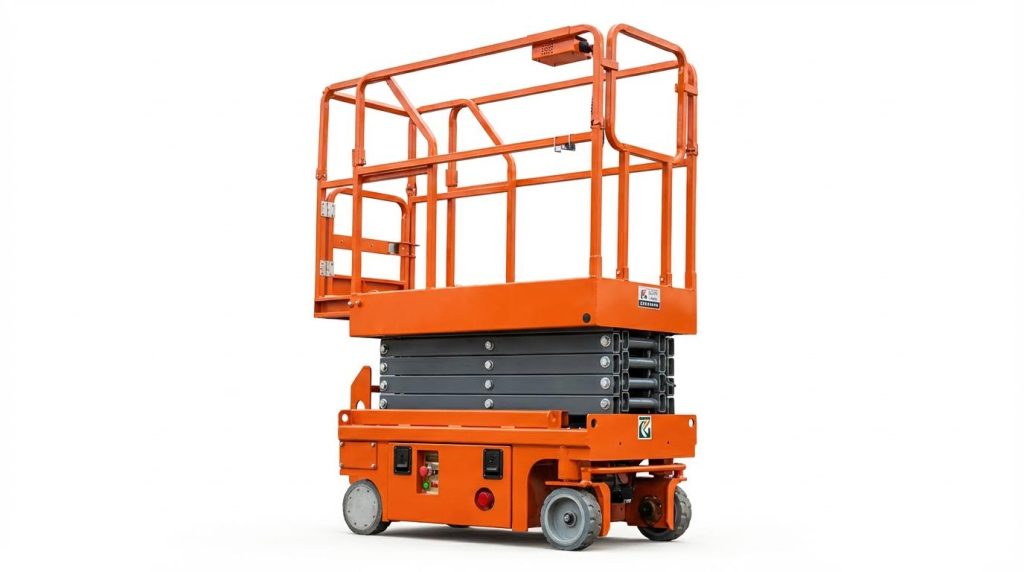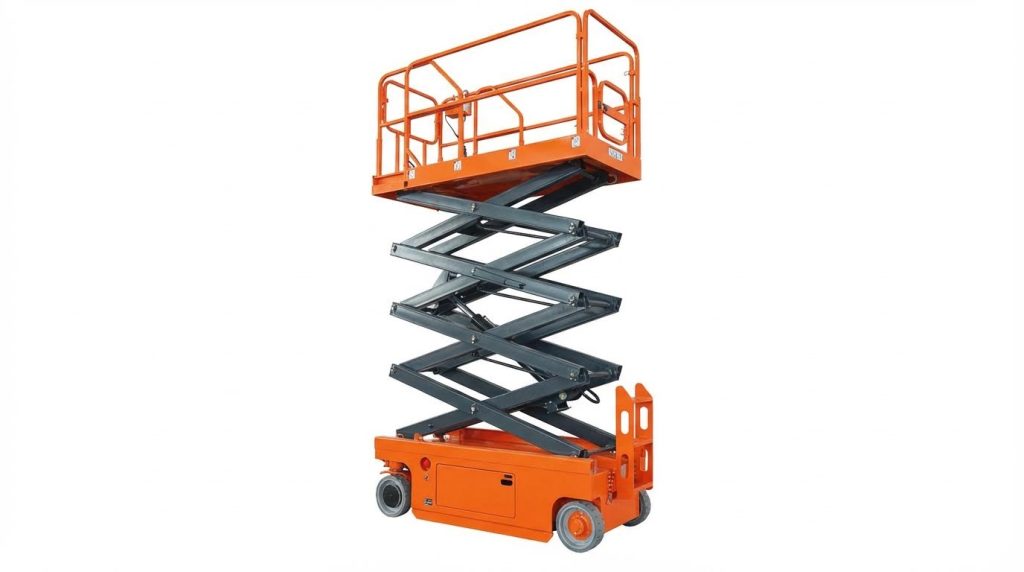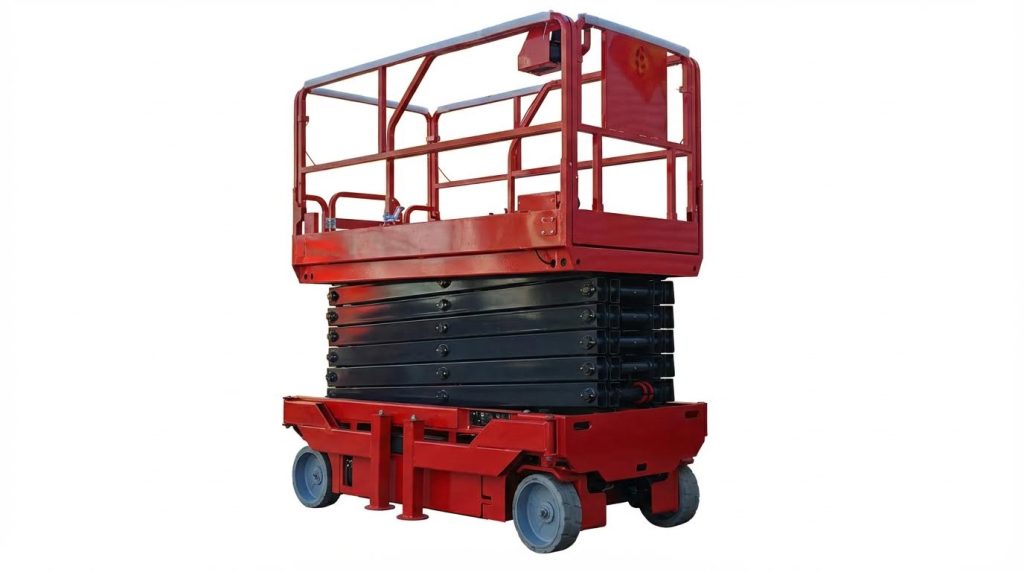
Knowing how to run a scissor lift safely starts with understanding its operating phases, from pre-start checks to shutdown and maintenance. This guide walks operators and supervisors through practical steps, key risks, and simple routines that keep people safe and machines productive.
You will learn how to plan work areas, control loads, respect wind and electrical limits, and structure daily to annual inspections. Use these basics as a framework, then layer in your specific site rules and manufacturer instructions for best results.
Understanding Scissor Lift Operating Phases
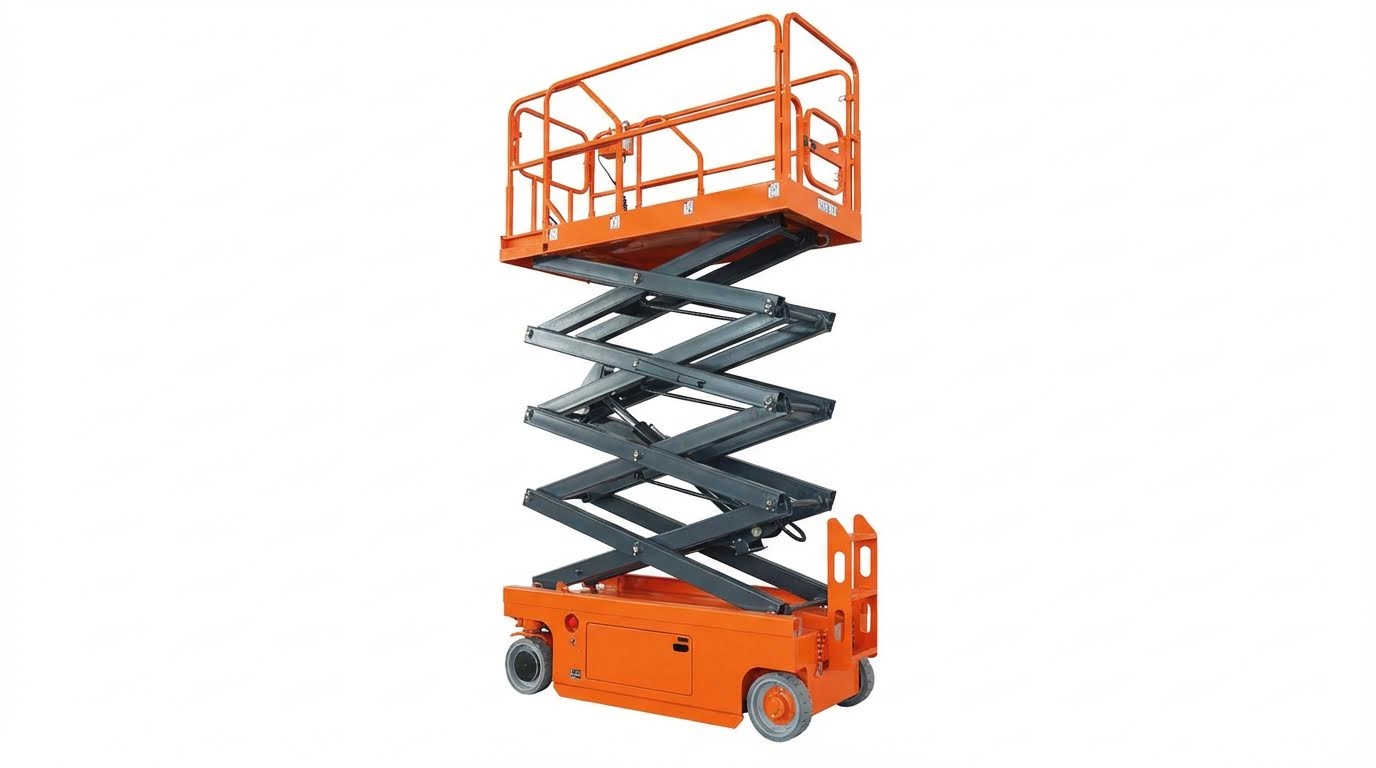
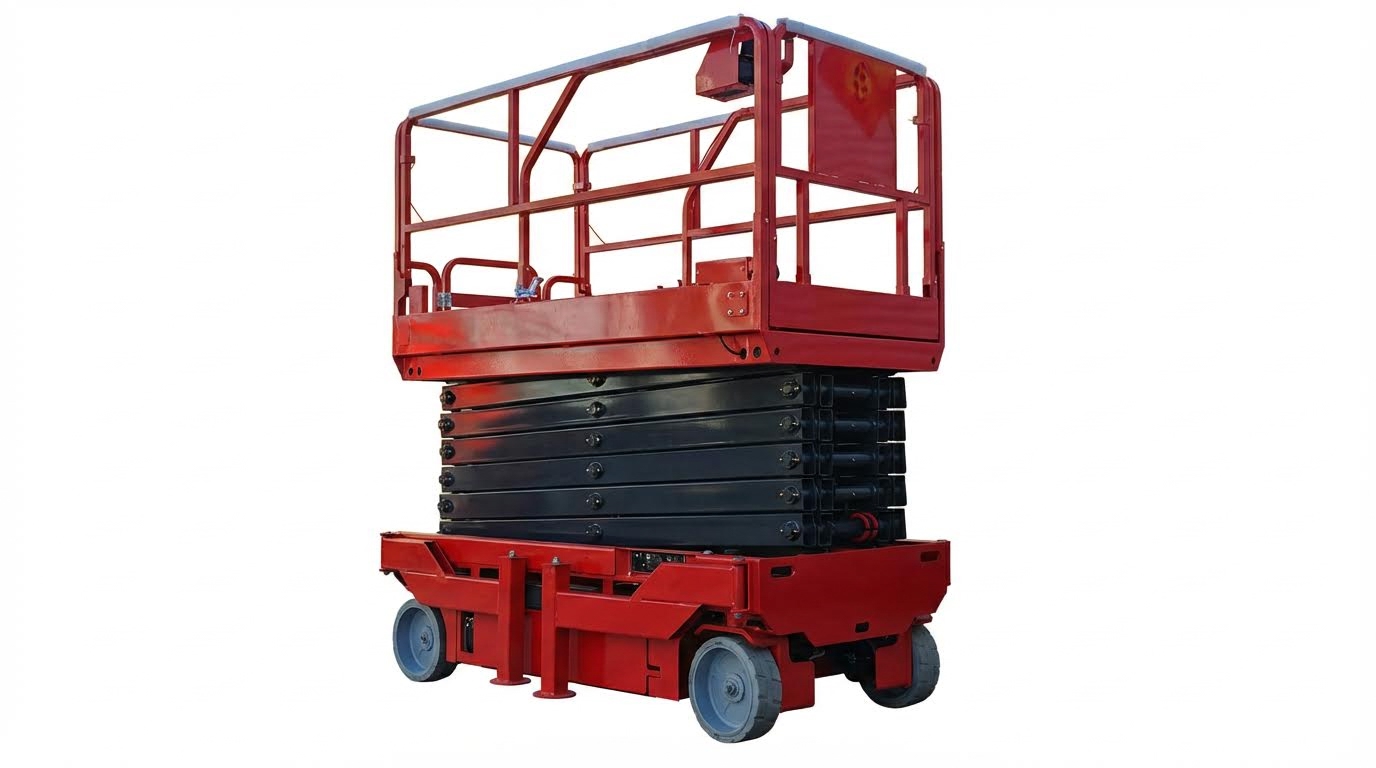
Scissor lift operation breaks into clear phases—inspection, positioning, lifting/working, and shutdown—and understanding these is the backbone of how to run a scissor lift safely and efficiently. Each phase has different mechanical risks and specific control checks.
In practice, you cycle through these phases many times per shift. Good operators treat them as a repeatable process, not a guesswork routine.
| Operating Phase | Main Tasks | Key Components Involved | Typical Hazards | Operational Impact |
|---|---|---|---|---|
| Pre-start / Inspection | Visual and functional checks, work area survey | Brakes, steering, controls, guardrails, emergency stop, tires, hydraulics | Hidden defects, leaks, failed brakes | Prevents breakdowns at height and unplanned movement during work |
| Positioning / Travel | Driving to work area, aligning under task | Drive motors, steering, motion alarms, tilt sensors | Collisions, tip-over on slopes or holes | Allows safe approach in tight aisles and around obstacles |
| Lifting / Working at Height | Raising platform, doing the task | Scissor mechanism, guardrails, load platform, limit switches | Falls, overload, contact with overhead objects or power | Determines how safely and efficiently work can be completed aloft |
| Lowering / Exiting | Controlled descent, stepping off | Lowering controls, emergency lowering system, access gate | Crushing, slips, jumping from platform | Reduces end-of-task injuries and equipment damage |
| Shutdown / Parking | Securing machine, basic post-use checks | Parking brake, key switch, battery/fuel indicators | Unintended movement, dead batteries next shift | Keeps lift ready for the next job and prevents roll-aways |
💡 Field Engineer’s Note: Treat every pause of more than a few minutes as a mini “phase change”: lower the platform, secure the lift, and re-check your surroundings before going back up. Most near-misses happen after a short break, not at the very start.
Key Components That Affect Safe Operation
Key scissor lift components that control safe operation are the structural system, hydraulics, drive/steering, controls, guardrails, and safety devices, and they must all pass pre-start checks before you run the lift.
Daily inspections focus on visible damage, leaks, and correct function of each system before anyone leaves the ground. This is the first practical step in how to run a scissor platform without surprises.
| Component / System | What To Check Daily | Risk If Ignored | Operational Impact |
|---|---|---|---|
| Scissor structure & platform | Dents, cracks, corrosion, bent arms, damaged deck, clean and dry surface | Structural failure, slipping hazards | Supports rated load at height without unexpected deflection |
| Guardrails, gates, chains | Secure, undamaged rails and gates, basket chain in place | Falls from height | Provides passive fall protection while moving and working at height |
| Hydraulic system | Fluid level with platform lowered, leaks, hose damage, oil around seals | Loss of lift, sudden descent, contamination | Ensures smooth lifting/lowering and holds position under load |
| Drive & steering | Tire condition and pressure, drive controls, steering response | Loss of control, tip-over on damaged tires | Allows precise maneuvering in narrow aisles and tight work zones |
| Brakes & tilt alarms | Brakes hold on slope within spec, tilt/level sensors and alarms function | Runaway lift, tip-over on uneven ground | Keeps machine stationary during work and warns on unsafe gradients |
| Controls & interlocks | Lift, lower, drive, steering, emergency stop, upper drive interlocks | Unexpected movement, inability to stop in emergency | Gives predictable, smooth control response during every phase |
| Power system (battery or engine) | Charge or fuel level, clean terminals, no leaks, correct indicators | Stalling at height, failed descent | Provides enough energy to complete lift cycle and return safely |
| Safety devices & PPE | Lanyards, harness anchorage, motion alarms, safety decals legible | Reduced protection if something goes wrong | Improves survival margin in case of collision or sudden movement |
- Visual structure check: Walk around the lift and look for dents, cracks, rust, bent members, and loose components – these are early signs of fatigue or previous impacts. Visual inspection guidance
- Hydraulic integrity: Check under the machine and around cylinders for oil spots or wet fittings – even small leaks can grow under pressure. Hydraulic maintenance tasks
- Functional control test: From ground and platform, test lift, lower, drive, steering, brakes, emergency stop, and alarms – this confirms the control circuit before loading people. Functional test checklist
- Guardrail system: Verify all rails, mid-rails, toe boards, and gates are fitted and locked – this is your primary fall barrier at height. Guardrail requirements
- Platform condition: Keep the deck clean, dry, and free of loose tools or debris – this reduces trips and shifting loads when the lift moves. Platform housekeeping advice
Daily pre-start checklist you can adapt on-site
Before each shift, operators should confirm: brakes hold, battery is charged, controls are protected from accidental operation, control panel is clean, all motion alarms work, emergency lowering works, safety decals and placards are readable, platform gate closes correctly, tires and wheels are undamaged, and there are no visible leaks or cracks. Daily inspection reference
💡 Field Engineer’s Note: If any control feels “jerky” or delayed during the functional test, tag the lift out. Intermittent faults often only show under load or at height, where they are much harder—and more dangerous—to deal with.
Regulatory Standards And Operator Training
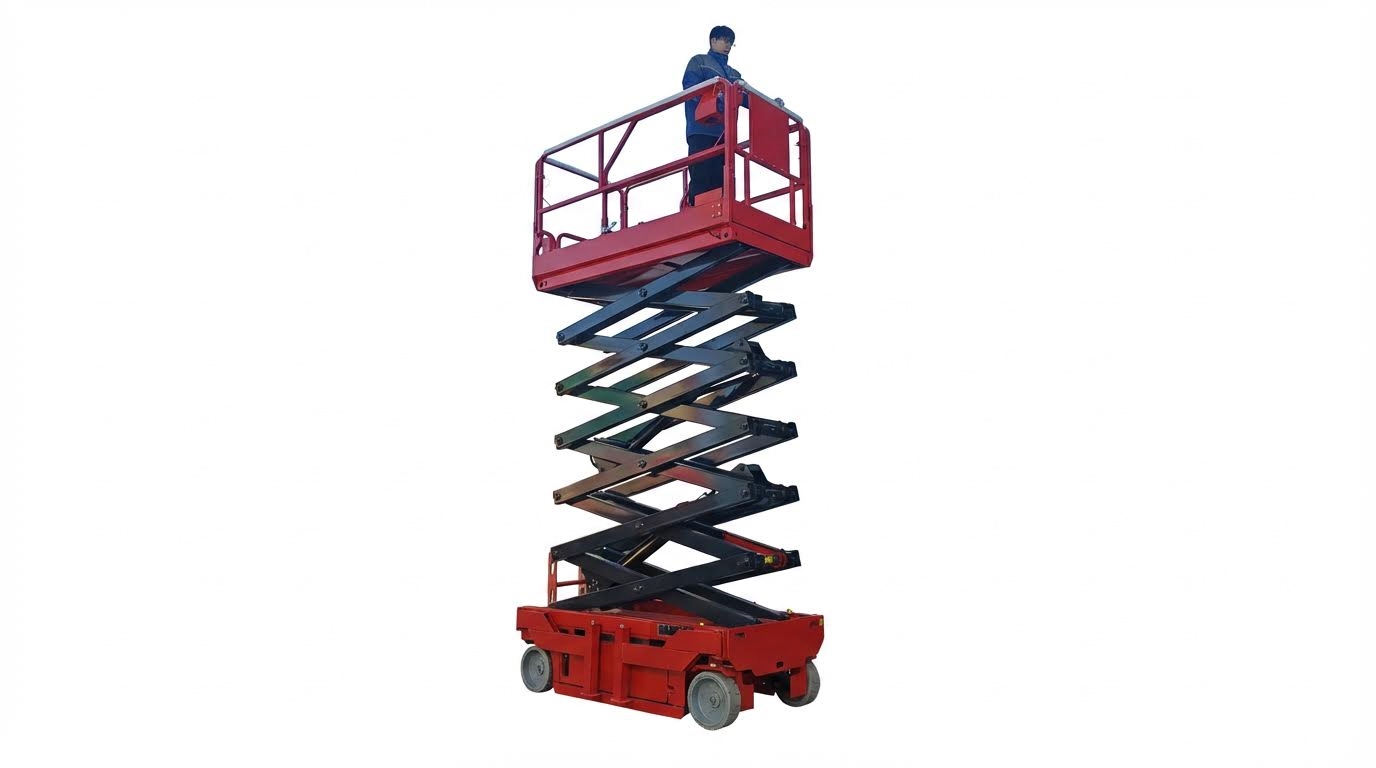
Regulatory standards define how to run a scissor platform lift legally, while structured operator training turns those rules into safe habits during every operating phase.
Most incidents trace back to gaps in training or ignoring basic rules on guardrails, stability, electrical clearance, and load limits, not exotic mechanical failures.
- Guardrail and fall protection rules: Regulations require a compliant guardrail system on the platform and workers must stand only on the platform, not on rails or improvised steps – this prevents falls when the lift moves or stops suddenly. Guardrail standards
- Stability and movement rules: Manufacturers and regulators require firm, level ground and typically prohibit driving while elevated, especially outdoors or on rough terrain – this keeps the center of gravity inside the safe base area. Stabilization practices
- Electrical clearance requirements: A minimum separation of about 3 m (10 ft) from live power lines and electrical sources is mandated – this reduces arcing and electrocution risk when working at height. Positioning hazards Electrical safety guidance
- Wind and weather limits: Outdoor use is restricted when wind speeds exceed about 12–13 m/s (25–28 mph) to prevent instability and overturning – wind pressure increases rapidly with height and sail area. Wind condition limits Outdoor wind guidance
- Load rating compliance: Standards and manuals require that the total weight of people, tools, and materials never exceed the platform rating – overloading can cause structural damage or tipping. Load management rules Weight restriction guidance
- Training requirements: Regulations require that workers be trained to recognize worksite hazards, respect weight limits, and report defects before use – this turns checklists into consistent behavior, not paperwork. Training requirement summary
- Step 1: Formal theory training – covers regulations, stability principles, electrical clearance, and wind limits so operators understand why the rules exist.
- Step 2: Hands-on practical training – teaches pre-start inspection, control use, emergency lowering, and correct positioning in real work scenarios.
- Step 3: Supervised operation period – allows new operators to build muscle memory while an experienced person corrects unsafe habits early.
- Step 4: Evaluation and sign-off – confirms the operator can follow procedures, respect load charts, and handle common hazards before independent use.
- Step 5: Periodic refresher and re-training – updates operators on new rules, site changes, or after any incident or near-miss involving a scissor lift.
How standards connect to your daily operating phases
Guardrail and load-rating rules apply most during the lifting/working phase, stability and wind limits control where and when you position the lift, and training requirements govern every phase from pre-start inspection through shutdown. Thinking in phases helps you map each rule to a concrete action, which is essential if you want crews to remember how to run a aerial platform correctly under pressure.
💡 Field Engineer’s Note: When I audit sites, the safest operators can quote not just “the rule” but which phase it applies to—pre-start, travel, or work at height. Build your toolbox talks around phases, and compliance improves almost overnight.
Start-Up, Travel, And Lifting Procedures
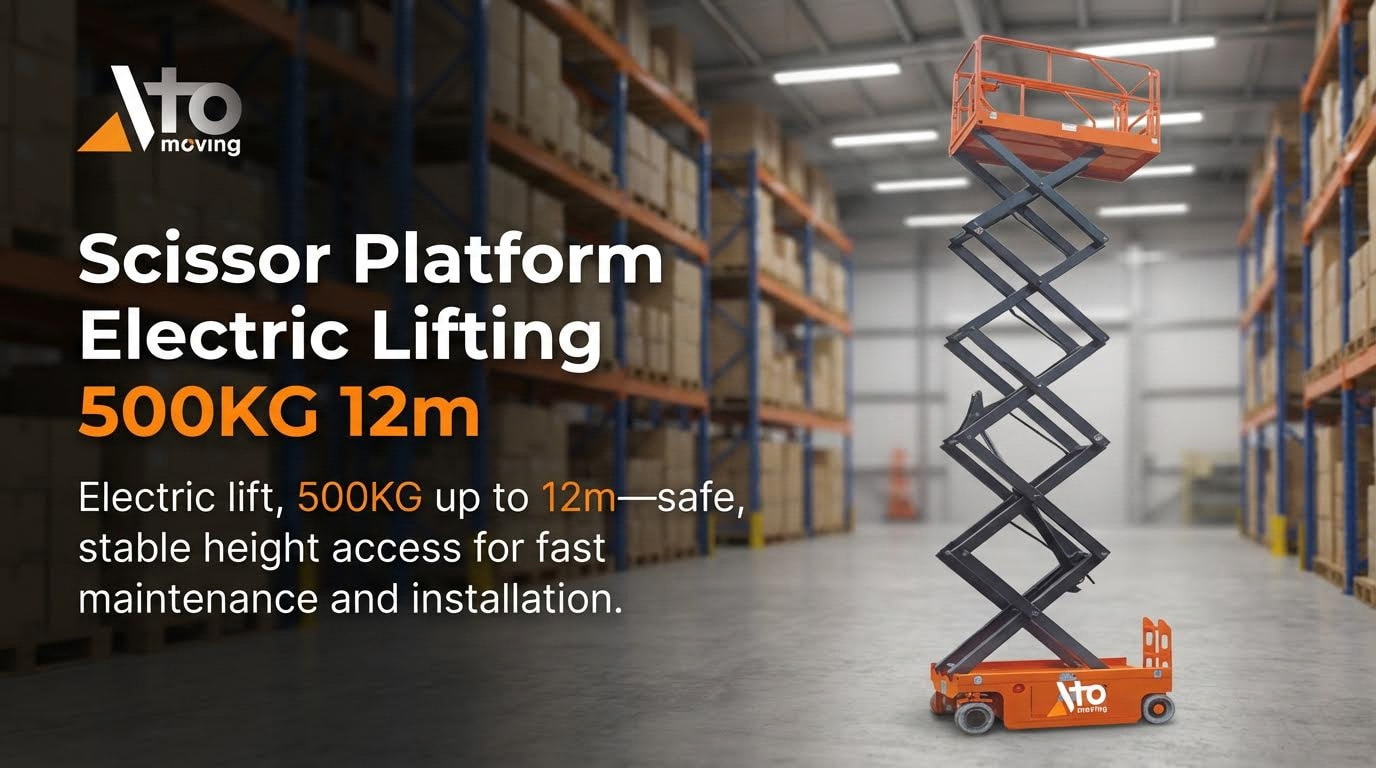
This section explains how to run a scissor platform from first checks through travelling and lifting so operators stay within safety limits, site rules, and equipment design.
- Goal: Give operators a clear, repeatable routine – so “how to run a scissor lift” becomes a safe habit, not guesswork.
- Focus: Pre-start checks, driving and steering, then lifting with correct load, wind, and electrical clearances – the three phases where most incidents occur.
💡 Field Engineer’s Note: Treat every new setup like a fresh machine and a fresh site. Most accidents I investigated came from “we skipped checks because it was fine yesterday,” not from exotic mechanical failures.
Pre-start Checks And Work Area Assessment
Pre-start checks and work area assessment ensure the lift itself is safe and the ground, surroundings, and weather will not compromise stability or control.
- Daily visual walk‑around: Check for dents, cracks, rust, hydraulic leaks, loose parts, and intact guardrails – these are early signs of structural or hydraulic failure. Visual inspection guidance
- Tyres and wheels: Confirm correct inflation, no cuts or severe wear, and no damaged rims – poor tyres reduce braking and can cause tilt on small floor irregularities. Tyre and platform checks
- Hydraulic system: Look for oil residue on hoses, cylinders, and under the machine – leaks change lift speed, reduce capacity, and can lead to sudden drops. Hydraulic inspection points
- Guardrails and gates: Verify rails are secure, mid‑rails and toe‑boards present, and gates or chains latch properly – this is the primary fall-prevention system. Guardrail requirements
- Controls and emergency stops: Check lower and upper controls, emergency stop buttons, and motion alarms – you must be able to stop or lower the platform instantly. Functional test steps
- Power source: Confirm batteries are charged or fuel level is adequate – running low at height can leave you relying only on emergency lowering systems. Pre-use power checks
- PPE check: Wear hard hat, safety glasses, gloves, safety footwear, and hi‑vis where vehicles operate – PPE mitigates impact from falling objects and collisions. PPE recommendations
Functional control test – quick sequence
- Step 1: With platform lowered, test drive, steering, and brakes – confirms you can control movement before anyone is at height.
- Step 2: Raise and lower the platform through part of its stroke – checks for smooth, non‑jerky motion. Lift and lower test
- Step 3: Test emergency stop and emergency lowering – you need to know they work before an actual emergency. Emergency controls check
Once the machine passes inspection, assess the work zone so the lift will always sit stable and clear of hazards during travel and elevation.
- Ground conditions: Check for slopes, potholes, soft fill, loose gravel, and floor openings – these change wheel contact and can induce tilt or sudden drop. Ground assessment guidance
- Overhead obstructions: Identify beams, sprinkler pipes, ducting, tree branches, and power lines – these are crush and electrocution hazards when raising the platform. Work zone inspection
- Traffic and pedestrians: Plan routes to avoid forklifts, trucks, and walkways – mobile equipment and blind spots are a major collision source. Positioning hazards
- Exclusion zones: Use cones, tape, or barriers around the lift area – keeps people out from under the platform and away from pinch points. Work area control
- Wind and weather: For outdoor work, check wind speed and storm risk – gusts and lightning dramatically increase overturn and electrocution risk. Wind condition guidance
💡 Field Engineer’s Note: On smooth concrete, even a 1–2% slope can feel “flat” to the eye but still shift the centre of gravity when raised. Use site drawings or a digital level if you are unsure; do not trust visual judgment alone.
Safe Driving, Steering, And Positioning At Height
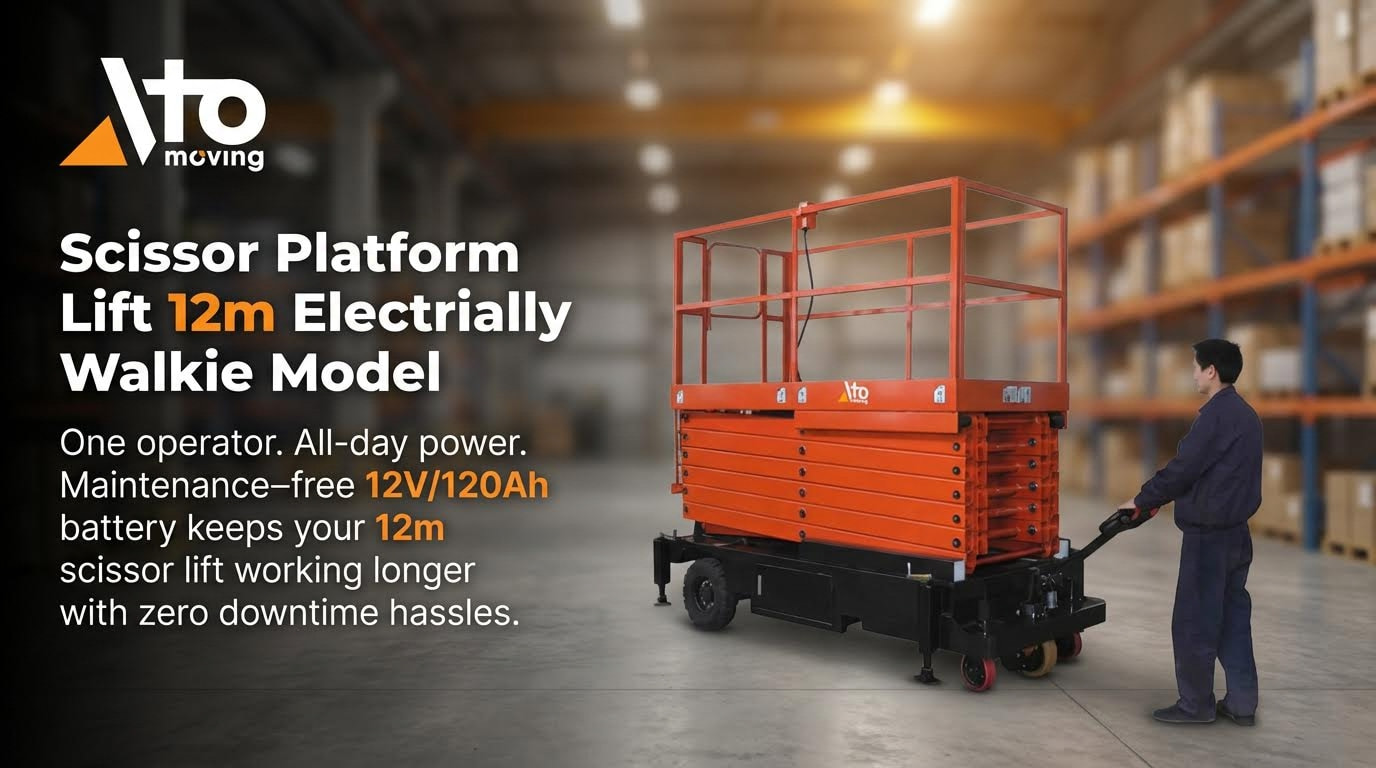
Safe driving, steering, and positioning mean you only move where the surface, clearance, and visibility support stable travel and controlled stops.
- Platform lowered for travel: Drive with the platform fully down whenever possible – this keeps the centre of gravity low and maximises stability. Stabilization practices
- Speed control: Use slow speed, especially indoors, on ramps, or near people – short stopping distances and tight aisles leave little margin for error. Safe operating procedures
- Clear travel path: Before moving, visually scan the path for obstacles, holes, and overhead obstructions – prevents sudden steering corrections that can destabilise the lift.
- Use a spotter when needed: In tight areas or with blind spots, use a trained guide with agreed hand signals – your view from the platform is limited, especially at height. Ground personnel safety
- Traffic separation: Keep distance from forklifts and vehicles; use barriers in shared aisles – scissor lifts cannot dodge quickly without risking instability. Traffic control measures
Positioning the lift before raising
- Step 1: Stop on firm, level ground where the full platform footprint will stay within that level area – avoids one wheel dropping into a slope or hole as you raise.
- Step 2: Align the platform so work is directly in front of you – reduces the temptation to lean or overreach outside the guardrails.
- Step 3: Check 360° overhead clearance again – platforms often catch on pipes, beams, or door frames during final approach.
Once you start elevating, body position and behaviour on the platform become critical for stability and fall prevention.
- Feet on the deck only: Keep both feet on the platform floor; never stand on rails or boxes – this keeps your centre of mass inside the designed guardrail zone. Safe operating posture
- No climbing off at height: Do not step from the platform to roofs, ledges, or scaffolds unless a competent person has specifically planned and authorised it – transition points are common fall locations.
- Avoid overreaching: Keep your belt buckle inside the guardrails and reposition the lift instead of leaning out – leaning shifts the load beyond the platform footprint.
- Three-point contact when exiting: When you descend and step off, keep two hands and one foot or two feet and one hand in contact – prevents slips when transitioning to the ground. Exiting the lift
💡 Field Engineer’s Note: Many models technically can creep while elevated, but I recommend treating “moving at height” as an exception. If you must, keep height as low as possible, move at minimum speed, and use a spotter watching wheels and overhead clearance.
Load Management, Wind, And Electrical Hazards
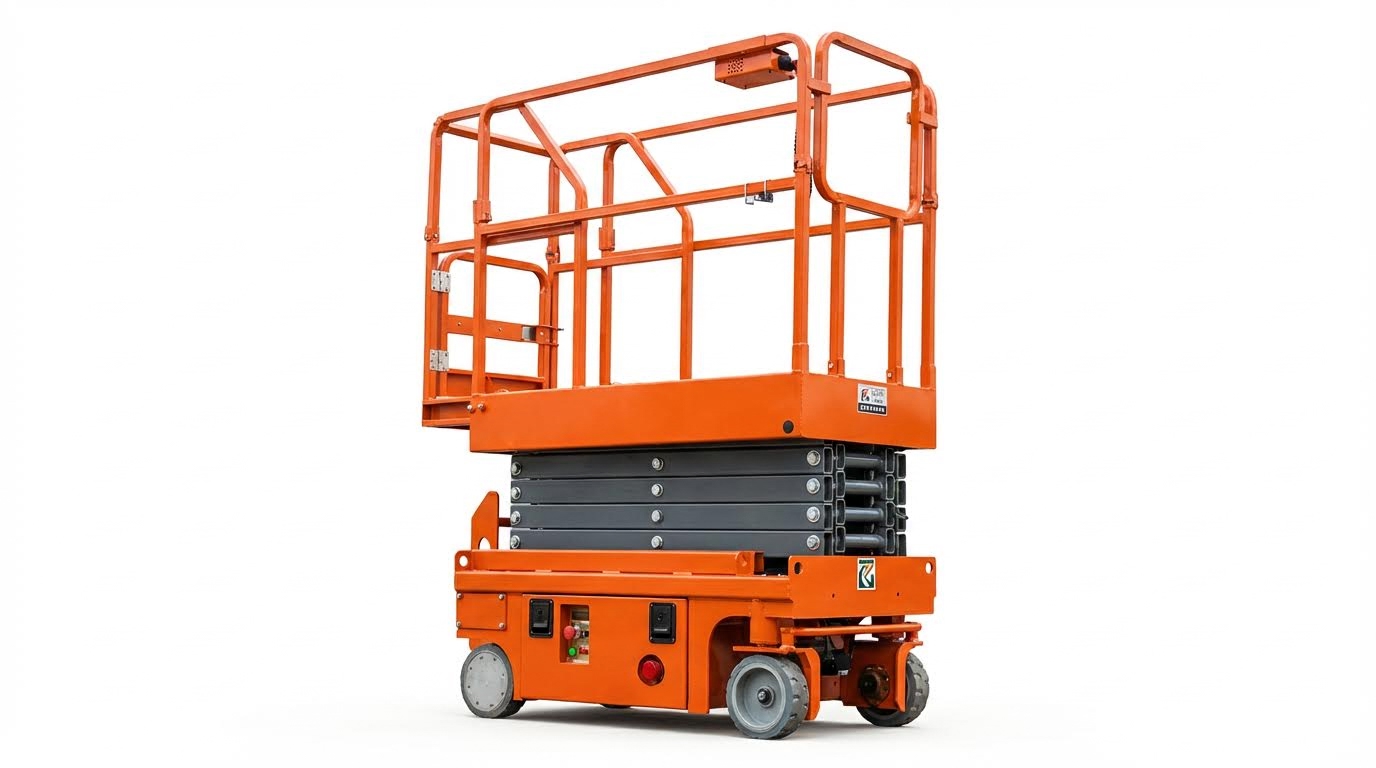
Load management, wind, and electrical hazards determine how safely you can work at full height; all three directly affect stability, tipping risk, and electrocution exposure.
Correct load control starts with respecting the platform rating and keeping the centre of gravity inside the wheelbase.
- Respect rated capacity: Never exceed the manufacturer’s platform load rating for people, tools, and materials combined – overload can cause tipping or structural failure. Load rating rules
- Even weight distribution: Spread materials across the deck instead of stacking them on one side – keeps the platform’s centre of mass aligned with the scissor stack. Weight restriction guidance
- Secure loose objects: Tie down or contain tools and small parts – prevents items from sliding or falling onto people below.Shutdown, Parking, And Maintenance Essentials
Shutdown, parking, and maintenance are the last phase of how to run a scissor platform safely, locking in stability, preventing roll-away, and catching faults before they become high-cost failures or serious injuries.
- Goal: Leave the lift safe and immobile – Reduces crush, roll-away, and unauthorized-use risks.
- Method: Follow a repeatable shutdown and inspection routine – Ensures defects are found before the next shift.
- Standard: Keep records and comply with training and inspection rules – Supports OSHA and manufacturer requirements.
💡 Field Engineer’s Note: Most “mystery” breakdowns trace back to poor shutdowns: platforms left raised, batteries never fully charged, or small hydraulic leaks ignored. Treat shutdown like an aviation-style checklist, not an afterthought.
Correct Shutdown And Securing Procedures
Correct shutdown and securing procedures bring the platform down, isolate power, and physically secure the machine so it cannot move or be used accidentally.
- Step 1: Lower the platform completely – Full descent removes elevated fall and crush hazards if someone bumps the controls.
- Step 2: Center and straighten the wheels – Makes the unit track straight at next start and reduces side loads on steering components.
- Step 3: Select a firm, level parking spot – Prevents roll-away and platform lean; OSHA expects use on firm, level surfaces.
- Step 4: Apply the parking brake and verify it holds – Stops unintended movement; OSHA highlights secure brakes as a maintenance requirement. OSHA brake guidance
- Step 5: Turn off platform controls and hit the emergency stop – De-energizes circuits and prevents accidental joystick activation.
- Step 6: Switch off and remove the key (if fitted) – Stops untrained workers from trying to “just move it a bit.”
- Step 7: Chock wheels on slopes within manufacturer limits – Adds a mechanical barrier against creep on slight gradients.
- Step 8: Barricade or mark the parked area – Protects ground personnel from contact and keeps vehicles from entering the lift’s footprint. Work zone barricading
- Exit rule: Maintain three points of contact when climbing down – Reduces slips and falls from the last metre. Three-point contact guidance
- Guardrails: Confirm rails and gates are closed and undamaged – Ensures compliant fall protection for the next operator. Guardrail requirement
Where to park a scissor lift at the end of shift
Choose indoor, level concrete where possible. Avoid parking under overhead work, near drop-offs, in traffic lanes, or beneath power lines. Keep clear access for maintenance and charging.
Daily, Weekly, And Annual Maintenance Practices
Daily, weekly, and annual maintenance practices structure how to run a scissor platform lift over its full life, combining quick operator checks with deeper technician inspections to prevent failure at height.
Use the following tables as a practical maintenance roadmap; they align typical intervals with what operators and technicians should actually do in the field.
Interval Key Tasks Who Performs Operational Impact Daily (pre-use and post-use) Visual walk-around, functional tests, work-area check Trained operator Catches obvious defects before someone goes up; avoids mid-shift breakdowns. Weekly Hydraulic level check, basic lubrication, hose and fitting check Mechanic or trained maintenance Reduces leaks and jerky lifting; keeps motion smooth for precise positioning. Monthly Detailed structural and mechanical inspection Qualified person Finds wear in pads, pins, chains before they reach failure point at height. Quarterly Battery equalization and electrical checks (electric units) Electrician/technician Extends battery life and keeps run time predictable during long shifts. Annual Full professional inspection and load test Certified technician Verifies the lift still safely supports rated capacity and meets safety standards. Daily checks are short but critical, and most items are visible or testable from ground and platform controls.
Daily Item What To Check Source Operational Impact Brakes and drive Hold on level ground; no unexpected creep Daily checklist Prevents roll-away when parked or working near edges. Tires and wheels Inflation, cuts, excessive wear, damage Physical inspection Maintains stability and correct platform height; avoids blowouts while elevated. Hydraulic leaks Oil on arms, cylinders, hoses, floor Visual inspection Prevents sudden loss of lift or messy, slippery work areas. Guardrails and gates Secure, undamaged, correct closing Guardrail systems Ensures compliant fall protection every time someone steps on. Controls and emergency stop Smooth lift/drive; E-stop works instantly Functional tests Allows quick reaction if the lift behaves unexpectedly. Decals and placards Readable capacity and warning labels Safety decals Lets operators confirm load limits and hazards at a glance. Weekly and monthly tasks go deeper into hydraulics, lubrication, and structural parts, and they should be done with the platform fully lowered and power isolated.
Interval Task Source Operational Impact Weekly Check hydraulic fluid level with platform down Hydraulic check Prevents cavitation and jerky motion during lifting. Weekly Inspect hoses for cracks, abrasions, leaks Hose inspection Reduces risk of hose burst at full height. Weekly Grease scissor pivots, hinges, steering points Lubrication guide Keeps lifting smooth and reduces wear on pins and bushings. Monthly Measure wear pad thickness on scissor arms Wear pad inspection Prevents metal-to-metal contact and unstable platform tracking. Monthly Inspect cylinders, chains, cables for wear or leaks Cylinder & chain checks Reduces risk of sudden loss of height or skewed lifting. Monthly Test brake holding capacity and adjust Brake testing Ensures the lift stays put on rated slopes and during parking. For electric scissor lifts, battery care is the difference between full-shift uptime and mid-job shutdowns.
Interval Battery Task Source Operational Impact Daily Check charge level before use Charging check Avoids running out of power while elevated with a load. Quarterly Equalize charge, clean terminals, apply dielectric grease Battery maintenance Extends battery life and keeps voltage stable under load. Annual inspections and documentation close the loop and prove that the machine is still structurally sound and safe to operate.
- Annual teardown: Certified technicians inspect critical components and may perform non-destructive weld testing – Confirms the structure can still carry rated loads. Annual inspection outline
- System tests: Hydraulic pressure, electrical continuity, safety system calibration, and full load test – Verifies the lift behaves correctly at maximum capacity.
- Records: Log inspector name, date, findings, and next due date – Supports compliance with training and inspection rules. OSHA maintenance protocols
How maintenance ties into operator training
Training should teach operators to spot defects, know when to tag out the lift, and understand that only qualified technicians may repair structural, hydraulic, or electrical systems. This aligns with OSHA training rules for scissor lifts. Training requirements
💡 Field Engineer’s Note: Any time you see recurring low hydraulic oil, wet cylinder rods, or slow, uneven lifting, tag the unit out. Those are early warnings of seal or hose failure that you do not want to discover at 10 m in the air.
“”
Final Thoughts On Running A Scissor Lift Safely
Safe scissor lift operation depends on treating every job as a controlled engineering process, not a quick task. The phases you follow—inspection, positioning, lifting, and shutdown—mirror how the machine carries load, manages stability, and protects people at height. When operators respect geometry, centre of gravity, and surface conditions, the lift stays within its design envelope and resists tipping or structural overload.
Daily checks on structure, hydraulics, brakes, and controls catch early damage before it becomes a failure at height. Correct driving, slow speeds, and level parking keep the wheelbase stable so wind, load shifts, or sudden stops do not push the machine past its limits. Clear rules on guardrails, electrical distance, wind speed, and rated capacity turn regulatory text into simple field decisions.
Planned maintenance then locks in long-term safety and uptime. Teams that follow the schedule for lubrication, hydraulic checks, batteries, and annual inspections see fewer breakdowns and more predictable performance from their Atomoving lifts. The best practice is clear: standardise phase-based procedures, train operators to understand why each rule exists, and back them up with strict tag-out and maintenance discipline. Do this, and scissor lifts become reliable, low-risk tools rather than critical hazards on your site.
Frequently Asked Questions
How to Operate a Scissor Lift Safely?
To operate a scissor lift, start by ensuring the hydraulic system is activated using the control panel switch. Push the joystick forward to raise the platform and pull it back to lower it. Scissor Lift Operation Guide.
- Activate the hydraulic system via the control panel.
- Push the joystick forward to raise the platform.
- Pull the joystick back to lower the platform.
- Use the turtle feature for controlled movement forward or backward.
Why is Training Important for Scissor Lift Operators?
Proper training is essential to minimize the risk of accidents when operating scissor lifts. Without it, operators and companies face potential hazards and financial losses. Scissor Lift Training Importance.
- Reduces the risk of serious accidents.
- Ensures compliance with safety regulations.
- Protects both operators and companies from liability.