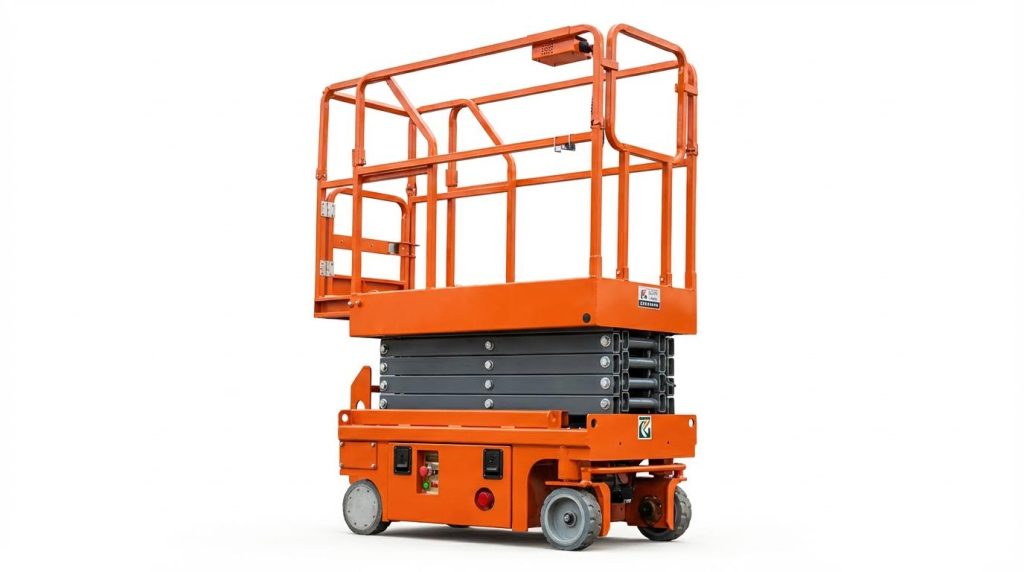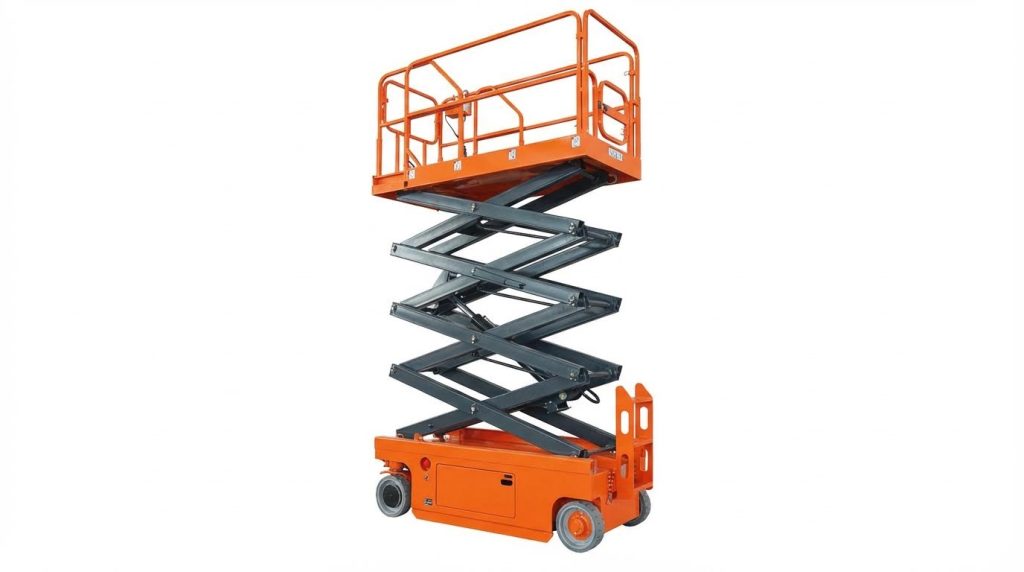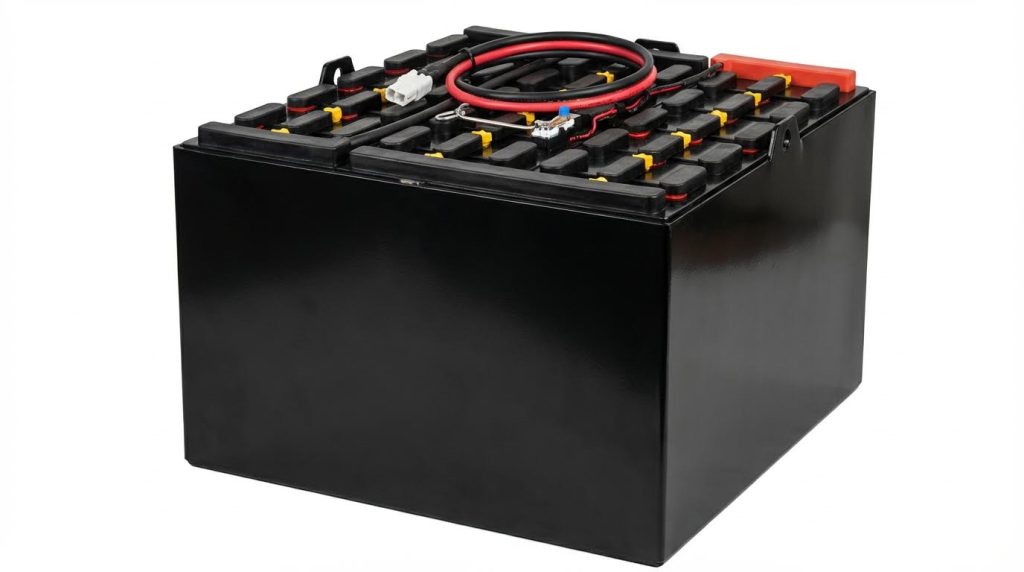
Knowing how long does a scissor platform battery charge last is critical for planning shifts, preventing downtime, and protecting your battery investment. This guide explains real-world runtime, cycle life, and the factors that shorten or extend scissor platform lift battery life across lead‑acid and lithium technologies. You will also find practical maintenance and charging practices that improve safety and extend service life by years. Use it as a reference for both daily operation and long‑term fleet planning.
How Long Scissor Lift Batteries Last In Real Use
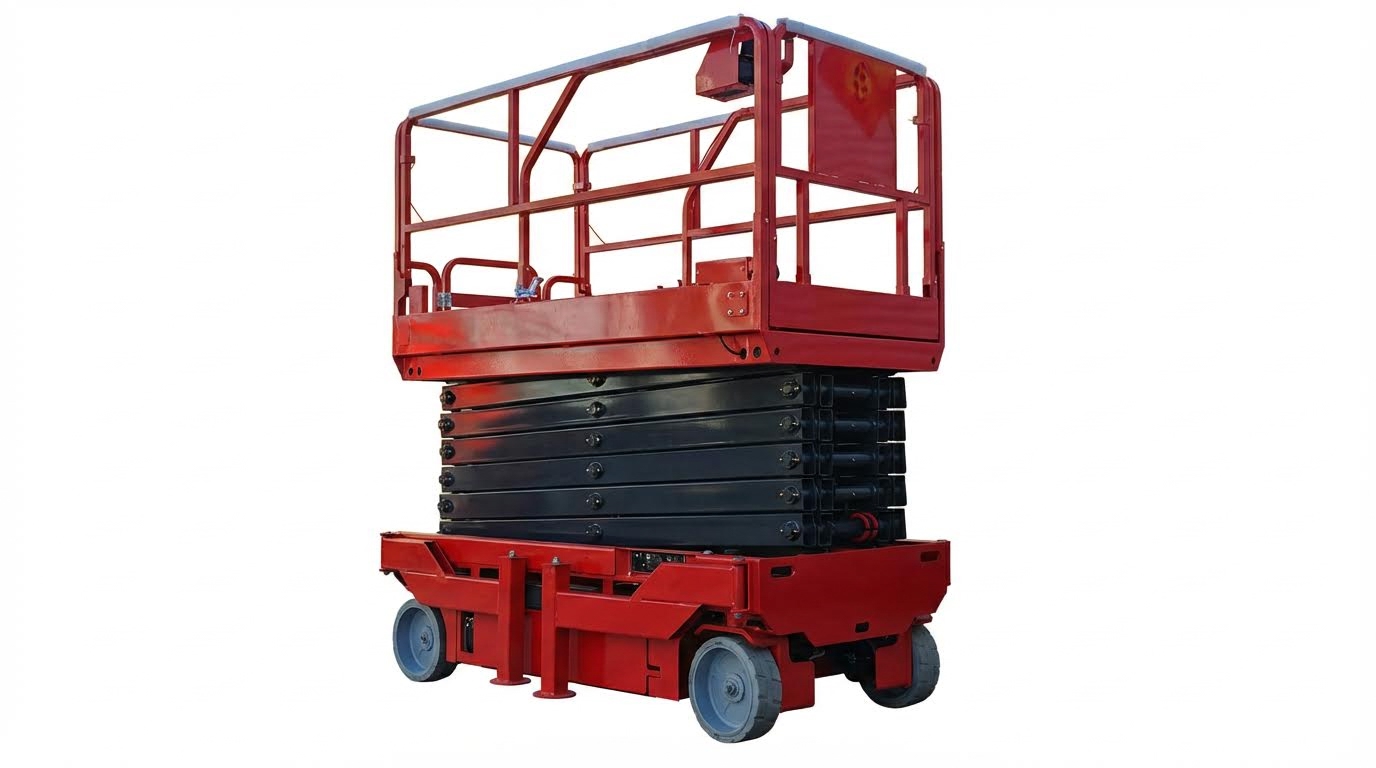
Typical runtime per charge (lead-acid vs. lithium)
In real jobsites, the answer to how long does a scissor lift battery charge last depends mainly on battery type, load, and duty cycle. Conventional lead‑acid packs on a well‑maintained electric scissor typically deliver about 6–8 hours of continuous operation per full charge in typical use. In contrast, modern lithium‑ion systems can run for more than 20 hours on a full charge under comparable conditions thanks to higher energy density. Lithium packs also recharge much faster, with some reaching full charge in about 2.5 hours on a 900 W charger, versus roughly 8–10 hours for lead‑acid batteries under similar conditions. For both chemistries, opportunity charging during breaks can add useful runtime and helps keep the state of charge above deep‑discharge levels, which supports longer life.
Key practical runtime factors
- Machine load: operating near rated platform capacity shortens runtime per charge.
- Duty cycle: long drive times, frequent lifts, and rough floors increase current draw.
- Temperature: cold weather can cut available capacity by more than one‑third at freezing conditions.
Calendar life, charge cycles, and duty cycle impact
In fleet use, lead‑acid scissor lift batteries typically lasted about 3–5 years when operators charged correctly and maintenance teams kept water levels and terminals in good condition under normal workloads. Heavy daily duty cycles, deep discharges, and poor watering routines often pulled this down to roughly 2–3 years, and neglected batteries could fail in as little as 1–2 years in harsh conditions. Lithium‑ion packs, by contrast, were designed for far higher cycle counts and often achieved 10 years or more of service with minimal performance loss, while comparable lead‑acid sets might need replacement 5–7 times over the same period in similar applications. Duty cycle strongly affected cycle life: frequent deep discharges below about 20% state of charge, partial or interrupted charges, and chronic overloading all accelerated sulfation and heat‑related damage in lead‑acid batteries in field experience. Tracking charge cycles, avoiding deep exhaustion before charging, and using chargers with automatic shut‑off helped fleets stay within the intended cycle limits and preserve both runtime and calendar life for most models.
Battery Technologies And Performance Factors
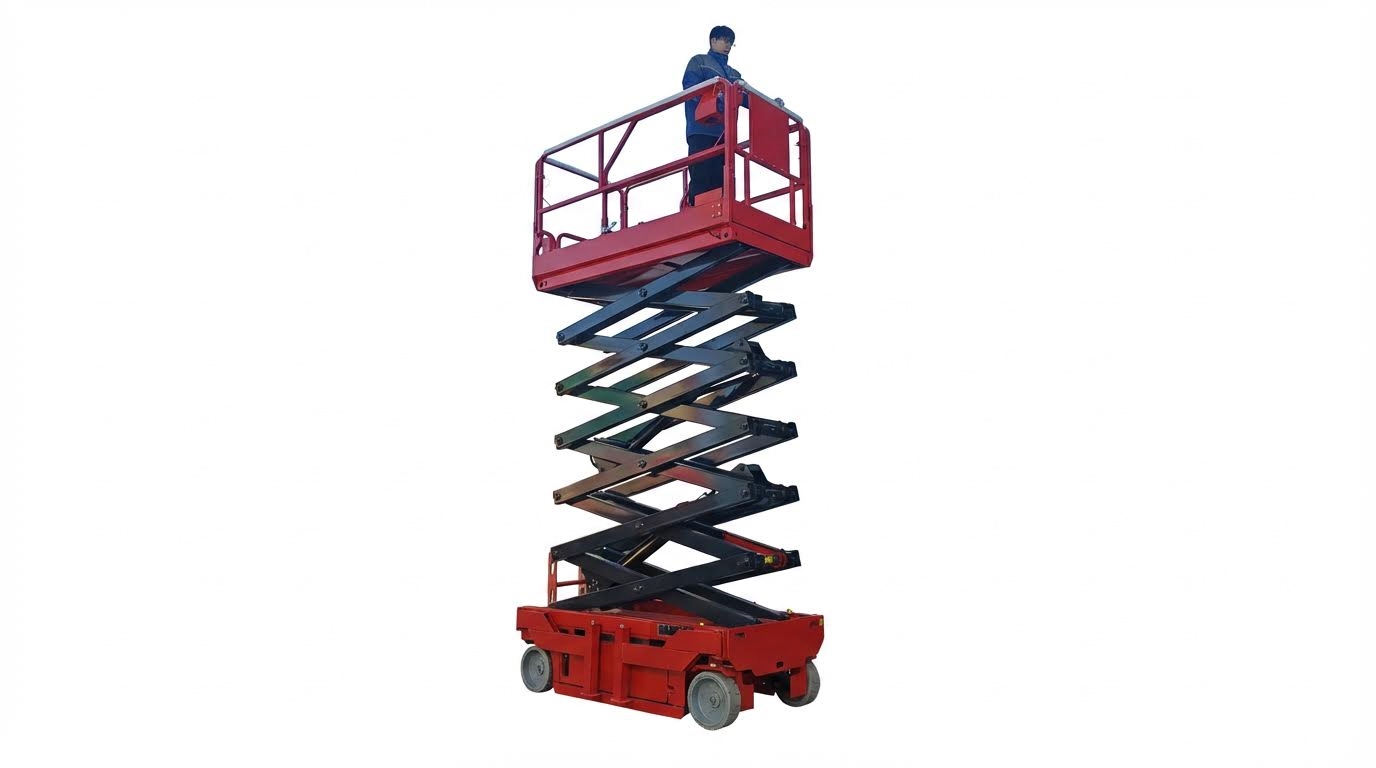
Lead-acid, AGM, gel, and lithium-ion compared
Battery chemistry is one of the biggest drivers of how long does a scissor platform lift battery charge last in real work. Conventional flooded lead-acid packs are still common and typically deliver about 6–8 hours of continuous use per full charge in a scissor lift application under typical conditions. AGM and gel versions are sealed, maintenance-free variants of lead-acid that remove watering tasks and often last somewhat longer in calendar life, especially where operators do not maintain electrolyte levels correctly than flooded cells. Lithium-ion packs sit at the top of the performance range: they can power some electric scissor lifts for over 20 hours on a single charge and can recharge in roughly 2.5 hours with an appropriately sized charger, versus 8–10 hours for typical lead-acid systems in comparable duty. Over a 10‑year window, lithium-ion batteries also support many more charge cycles with little degradation and require essentially zero routine maintenance, while lead-acid packs may need to be replaced multiple times in the same period to keep uptime stable.
Quick comparison by technology
| Technology | Typical runtime per full charge | Maintenance needs | Relative cycle life |
|---|---|---|---|
| Flooded lead-acid | ~6–8 hours continuous use | High (watering, cleaning) | Low–medium |
| AGM / Gel | Similar to flooded lead-acid | Low (sealed) | Medium |
| Lithium-ion | Up to 20+ hours in some lifts | Very low (no watering) | High (10‑year class) |
Temperature, load, and environment effects on runtime
Even with the same battery type, site conditions strongly affect how long does a scissor platform battery charge last. Cold temperatures cut available capacity; for example, a fully charged battery that operated at 100% capacity at about 80°F may deliver only around 65% at 32°F and roughly 40% at 0°F, which directly shortens runtime between charges in cold storage or outdoor winter work. Overloading the platform or driving on steep grades increases current draw, so batteries reach their depth-of-discharge limit faster and see higher internal heating, which accelerates wear over many cycles if the lift runs above rated capacity. Hot ambient environments also stress batteries; running or charging in high heat can cause gassing, fluid loss, and plate damage in lead-acid units, and shorten service life in any chemistry if temperatures exceed manufacturer limits over repeated cycles. Keeping lifts within rated load, operating in moderate temperatures where possible, and using heaters or fans in extreme climates helps stabilize runtime and preserve capacity over the full battery life.
- Cold reduces runtime and power; plan shorter shifts or more frequent charging in winter.
- Overloading or aggressive driving increases current draw and shortens each charge.
- Dust, moisture, and corrosive atmospheres increase connection resistance and losses, slightly reducing effective runtime.
Charging methods, opportunity charging, and cycle life
Charging strategy is a major factor in both daily runtime and long-term battery health. Standard overnight charging of lead-acid packs often takes 8–10 hours to reach full charge, and repeatedly interrupting this process for partial charges can reduce long-term performance and usable cycle life if it becomes the norm. Controlled opportunity charging—topping up during breaks while keeping state of charge above roughly 20%—helps avoid deep discharges and can extend overall lifespan, especially for high-utilization fleets that cannot rely on a single overnight charge window in multi-shift operations. Lithium-ion systems are particularly well suited to opportunity charging; some can gain up to a couple of hours of runtime from about 30 minutes on the charger, while still maintaining long cycle life because the chemistry tolerates partial charging far better than lead-acid even with frequent top-ups. Using a charger matched to the lift voltage and equipped with automatic cut-off and proper charge profiles helps prevent overcharge, sulfation, and overheating, all of which shorten cycle life and reduce how long a scissor lift can run on each charge over the battery’s service life if not controlled.
Best-practice charging checklist
- Confirm charger voltage matches the lift’s battery system before connecting.
- Avoid routine deep discharges; start charging before batteries are fully exhausted.
- Use opportunity charging in breaks to keep state of charge healthy, especially on busy shifts.
- Let smart chargers complete full cycles; avoid repeated short, interrupted charges on lead-acid packs.
Maintenance Practices To Maximize Battery Life
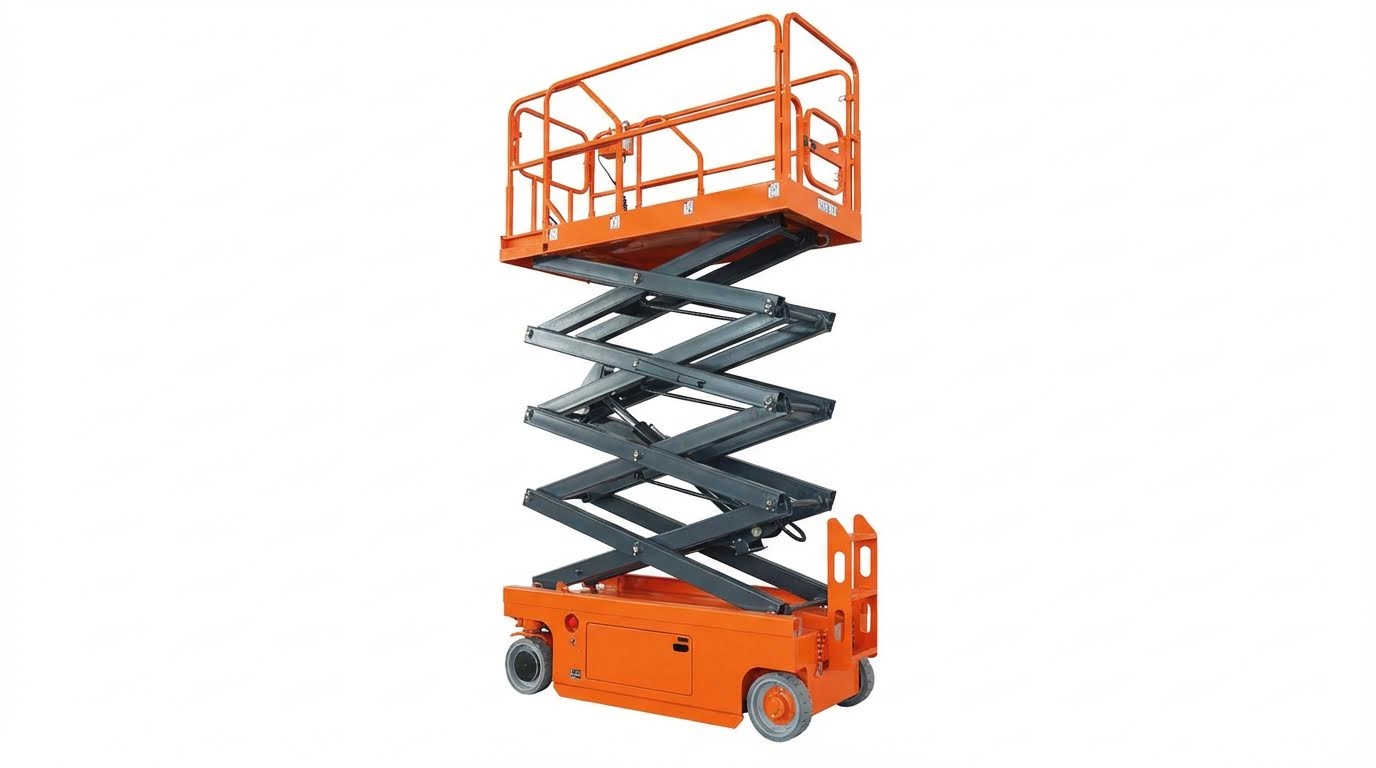
Watering, cleaning, wiring, and inspection routines
Disciplined maintenance directly affects how long does a scissor platform battery charge last in daily operations. For flooded lead-acid packs, check electrolyte levels at least weekly and only top up with distilled water after charging, not before, so the fluid reaches the split-ring marker without overflowing and causing acid spills (water level guidance) (distilled water only). Keep the battery tops dry and clean, neutralize corrosion with a mild baking-soda solution, then protect terminals with an approved coating to minimize resistance and heat build-up (cleaning mix and terminal coating) (corrosion prevention). Inspect wiring monthly for cut insulation, loose lugs, or heat discoloration, and replace damaged leads immediately to prevent shorts or voltage drops that reduce runtime (wiring inspection) (replace defective wires). Build these checks into a documented inspection routine that also looks for swelling, cracks, and leaks so weak batteries are pulled from service before they cause lost shifts or safety incidents (visual defects and replacement signs).
- Check water level after charging; fill to the split ring with distilled water only.
- Clean and neutralize corrosion, then apply a light protective coating to terminals.
- Inspect cables and lugs monthly for cuts, looseness, or overheating marks.
- Remove from service any battery showing swelling, cracks, or electrolyte leaks.
Safe charging setup, voltage matching, and smart chargers
Charging practice is one of the biggest levers controlling both battery life and how long does a scissor platform lift battery charge last between plug-ins. Always match charger voltage to the battery system (for example, a 24 V lift must use a charger designed for 24–25.2 V systems) to avoid overheating, undercharging, or fire risk (voltage compatibility). Use a dedicated, dry, and well-ventilated charging area; keep the machine switched off, connectors clean, and cables properly seated so the charger can complete a full, uninterrupted charge cycle (charging area and connectors). Smart chargers with auto-cutoff stop charging when voltage reaches a set upper limit and restart only when it drops below a threshold, protecting against overcharge, sulfation, and heat that shorten cycle life (smart charger voltage limits) (auto-cutting function and cycle limits). Avoid repeatedly running batteries flat; instead, charge after each shift and use opportunity charging during breaks to keep state of charge above deep-discharge levels, which extends both runtime per shift and total years of service (opportunity charging and depth of discharge).
- Confirm charger voltage and output match the lift’s battery system before connecting.
- Charge in a clean, dry, ventilated area with the machine powered down.
- Use smart chargers with automatic shutoff and status indication LEDs.
- Avoid partial, repeatedly interrupted charges; schedule full charges and controlled opportunity charging.
Key Takeaways For Procurement And Maintenance Teams
Battery life in scissor lifts depends on chemistry, loading, environment, and how teams charge and maintain the packs. Lead-acid options cost less up front but need strict watering, cleaning, and correct charging to reach a 3–5 year life. Lithium systems cost more but deliver far longer runtime, fast opportunity charging, and 10‑year class service with minimal upkeep, which can cut unplanned downtime and labor.
Procurement teams should match battery type to duty cycle and shift pattern. High-utilization, multi-shift fleets usually gain lower total cost with lithium, while light, single-shift work can run well on maintained lead-acid or AGM. Always specify chargers that match system voltage and have smart control.
Maintenance teams must treat batteries as safety-critical components. Keep loads within rating, avoid deep discharges, and enforce routine inspections for water level, corrosion, wiring damage, and case defects. Use controlled opportunity charging to keep state of charge healthy, especially in cold or high-demand work.
When you combine correct battery selection with disciplined maintenance and charging, Atomoving scissor platforms can deliver stable runtime, predictable cycle life, and safer operation across the full service life of the lift.
Frequently Asked Questions
How long does a scissor lift battery charge last?
A fully charged scissor lift battery typically provides 6–8 hours of continuous use before needing a recharge. The actual lifespan of the battery depends on factors like usage frequency and maintenance quality. With light usage and proper care, a battery can last up to 5 years, while heavy daily use may reduce its life to around 2–3 years. Poor maintenance can cause failure within 1–2 years. Battery Lifespan Guide.
How long does it take to charge a scissor lift battery?
While specific charging times can vary, most scissor lift batteries take approximately 8–12 hours to fully charge. It is important not to overcharge the battery or leave it plugged in constantly, as this can reduce its lifespan. For optimal performance, ensure the battery is routinely serviced and inspected. Avoid operating the scissor lift while it’s charging unless explicitly allowed by the manufacturer. Scissor Lift Charging Tips.