How Standards Classify Scissor Lifts And Aerial Lifts
OSHA and ANSI definitions compared
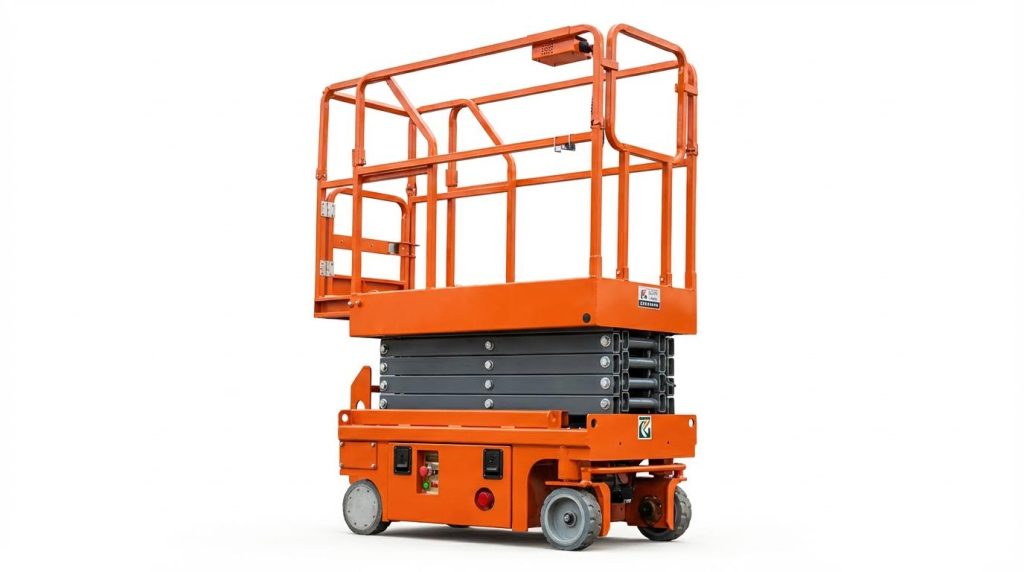
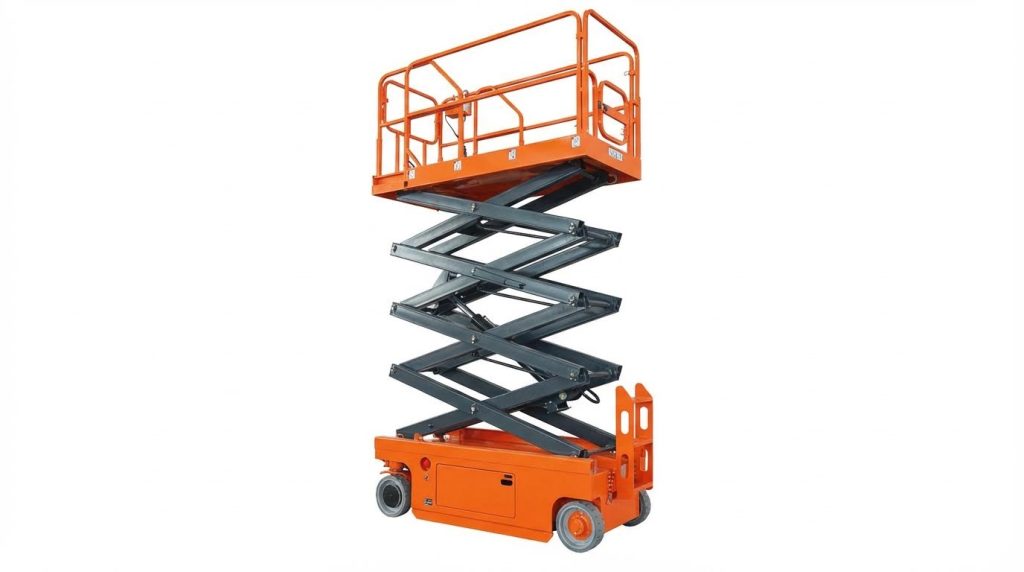
When teams ask “is a scissor lift considered an aerial lift,” the starting point is how OSHA and ANSI define each machine. Under OSHA, a scissor lift is a mobile supported scaffold work platform that raises workers vertically using crossed, scissor-like beams. It is treated as a type of scaffold rather than an aerial lift. OSHA explicitly notes that scissor lifts do not meet the ANSI aerial lift definition and are classified as scaffolds. In contrast, aerial lifts are defined as equipment that can move workers vertically and horizontally to reach elevated work areas, typically through articulating or telescoping booms. They are used where outreach or side reach is required, such as façade work or power line maintenance. Industry guidance summarizes aerial lifts as machines with flexible vertical and horizontal positioning, versus the strictly vertical motion of scissor lifts. ANSI standards reflect this split: industrial scissor lifts fall under dedicated standards for vertically acting, platform-style lifts, while boom-type aerial platforms fall under separate mobile elevating work platform (MEWP) standards. ANSI MH29.1-2020, for example, applies specifically to industrial scissor lifts raised and lowered by hydraulic, pneumatic, or mechanical actuation on firm, level surfaces. For safety and procurement teams, the practical takeaway is: under OSHA and ANSI, a scissor lift is not an aerial lift; it is a scaffold-type lifting platform with its own design and use requirements.
Why scissor lifts are classified as scaffolds
Scissor lifts are classified as scaffolds because their function and motion match the regulatory concept of a supported scaffold. They provide a flat work platform that only moves workers up and down, and the entire structure is supported from below rather than suspended or extended on a boom. OSHA describes scissor lifts as mobile supported scaffold platforms and applies scaffold requirements such as firm, level support surfaces, load limits, and fall protection via guardrails. This is different from aerial platform, which behave more like cranes with personnel baskets and must manage additional hazards from outreach, rotation, and complex articulation. Because scissor lifts operate on the scaffold principle, OSHA applies its scaffold stability and positioning rules to them. These include using the lift only on solid, flat surfaces, observing height-to-base width ratios during movement, and complying with wind limits for outdoor-rated units. OSHA’s scaffold guidance for scissor lifts covers levelness (within about 3 degrees), surface condition, and stability testing for taller configurations. Fall protection is also handled in a scaffold-like way: the primary system is the guardrail around the platform, not personal fall arrest. Industry guidance notes that properly designed and maintained guardrails on scissor lifts generally eliminate the need for additional body harnesses in typical applications. For anyone evaluating “is a scissor lift considered an aerial lift,” this scaffold classification drives which OSHA subparts apply, how training is structured, and what inspection and maintenance regimes are required.
Key Design, Stability, And Safety Requirements
Vertical lifting mechanics and platform design
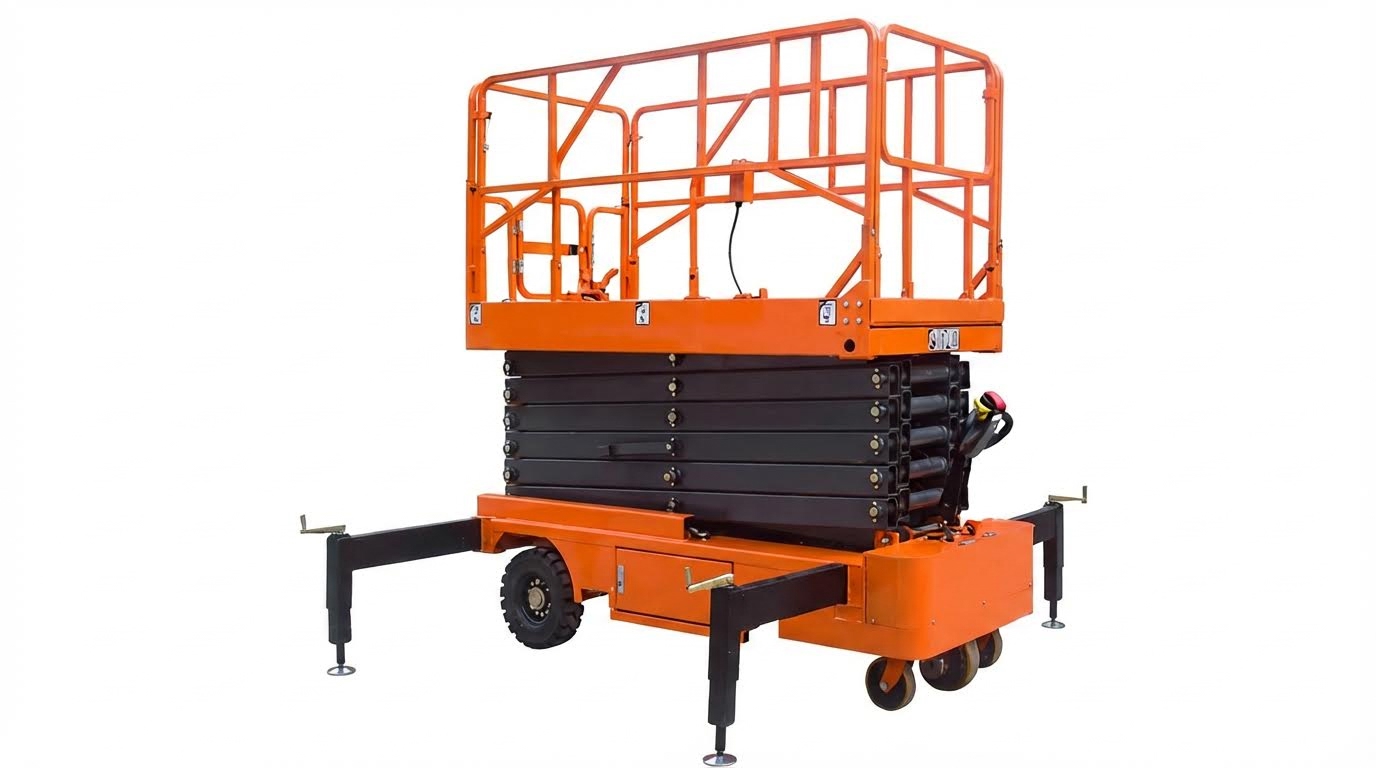
When asking is a scissor lift considered an aerial lift, it helps to start with the basic mechanics. A scissor lift raises the platform vertically using sets of crossed beams that open and close in a scissor-like motion, forming a mobile supported scaffold work platform. This vertical-only motion is different from aerial lift booms that articulate or telescope horizontally and vertically. Industrial standards specify that scissor lifts may be powered by hydraulic, pneumatic, or mechanical actuation, and are intended for firm, level surfaces in commercial and industrial use. ANSI MH29.1-2020 covers design responsibilities, including structure, controls, and safety devices for industrial scissor lifts. Platforms are designed to support rated loads with limited deflection; some inspection standards require the platform to carry 1.33 times rated capacity through repeated cycles without permanent deformation. Typical limits include rising/falling speeds ≤ 0.4 m/s, travel speeds ≤ 0.7 m/s, and maximum deflection of 0.5% of platform dimensions. These design controls help ensure predictable motion, stable work surfaces, and compliance with scaffold-related safety rules rather than aerial lift rules.
Stability, wind limits, and load rating compliance
Stability is a primary reason standards treat scissor lifts as scaffolds rather than general aerial lifts. OSHA requires scissor lifts to operate on firm, level surfaces; when moved with workers elevated, the surface must be within about 3 degrees of level and free of pits, holes, and obstructions. The height-to-base width ratio during movement should be 2:1 or less unless the unit passes specific stability testing. Wind is a critical factor for outdoor-rated units; many standards and manufacturer instructions limit operation to wind speeds below 28 mph to prevent tip-over. OSHA references incidents where gusts above 50 mph contributed to collapses, underscoring the need to respect wind ratings. Load management is equally important. Employers must ensure the combined weight of workers, tools, and materials never exceeds the manufacturer’s rated platform capacity, and the scissor mechanism must be the only means used to raise the platform. Safety systems that prevent collapse or over-travel must be maintained and never bypassed. Together, these requirements define how a scissor lift must be set up, loaded, and exposed to environmental forces to remain within its intended stability envelope.
Guardrails, fall protection, and electrical clearances
Because scissor lifts function as elevated work platforms, guardrail and fall protection design is central to their safe use. OSHA requires a complete guardrail system on the platform, and workers must verify guardrails are installed and secure before using the lift. Safe practice includes standing only on the platform floor and keeping work within easy reach to avoid leaning or climbing on rails. Some technical standards specify minimum guardrail height of about 1.1 m and maximum bar spacing around 0.55 m to limit fall-through openings. These dimensions are typical of industrial mobile scissor lift guardrail requirements. In many scissor lift applications, properly installed guardrails can eliminate the need for additional personal fall arrest systems, but operators must follow site-specific rules. Electrical and positioning hazards are another major concern. Lifts should be kept at least 10 feet from overhead power lines and energized conductors, with greater distances required at higher voltages. Traffic control and, where needed, ground guides help prevent contact with moving vehicles or fixed structures that could crush workers between the platform and overhead objects. These guardrail, fall, and clearance rules reinforce that, although many people ask is a scissor lift considered an aerial lift, regulations treat it as a scaffold with its own specific protection requirements.
Choosing Between Scissor Lifts And Aerial Lifts
Matching lift type to task and work environment
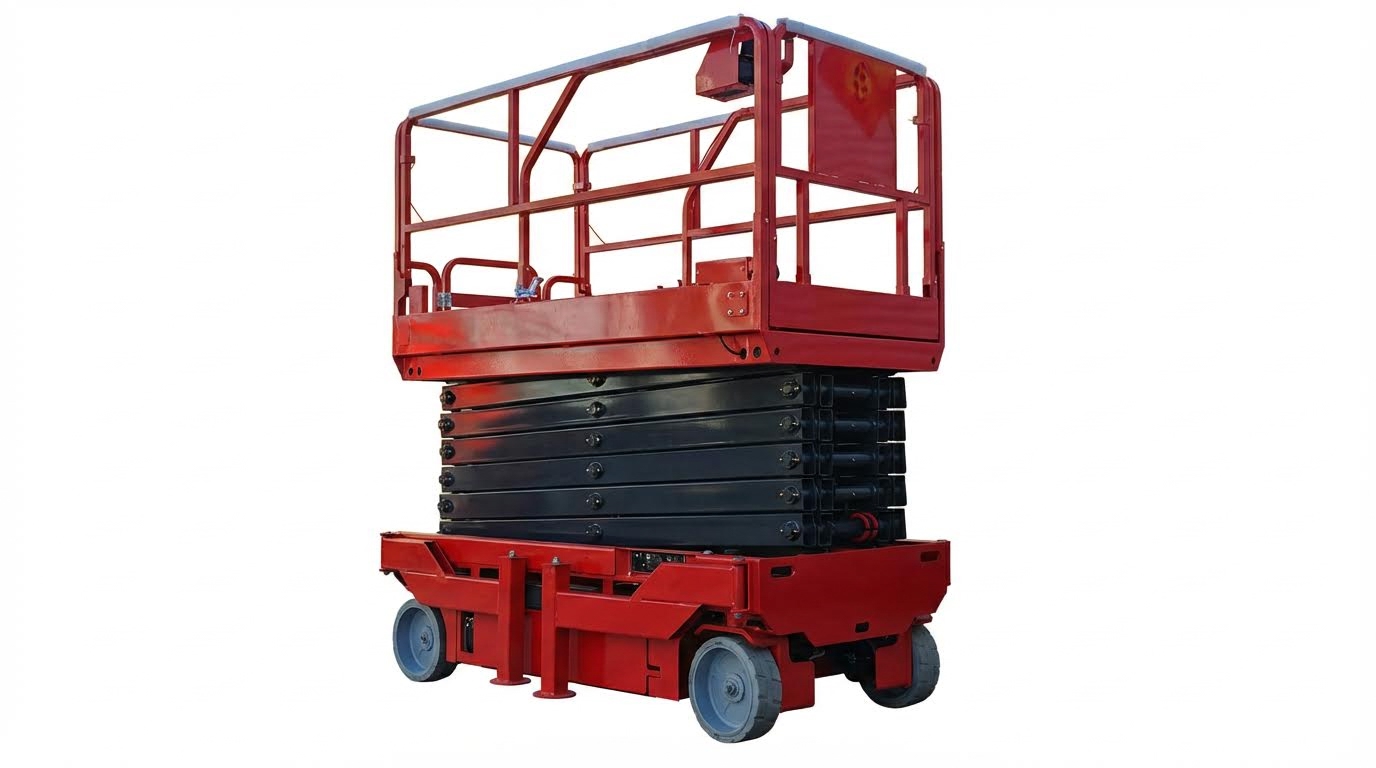
When teams ask “is a scissor lift considered an aerial lift,” they are usually trying to decide which machine fits a specific task and site. From a standards point of view, a scissor lift is a mobile supported scaffold that only moves workers vertically and is classified as a scaffold under OSHA, while aerial lifts provide both vertical and horizontal outreach for harder‑to‑reach areas such as power line or façade work. This difference in motion and classification drives which lift is better for each job.
- Choose scissor lifts when:
- You need straight vertical access, typically directly above the floor or slab.
- The surface is firm, level, and within about 3° of level for safe movement with personnel elevated as required for mobile supported scaffolds.
- Work is mostly indoors, or outdoors in winds below roughly 28 mph, which is a typical upper limit for outdoor‑rated scissor lifts to prevent tip‑over.
- Choose aerial lifts when:
- You must reach out over obstacles, roofs, machinery, or traffic lanes.
- The work area is offset horizontally from the base location, such as along building exteriors or over equipment lines.
- You need frequent repositioning without moving the base machine as often.
Typical application patterns
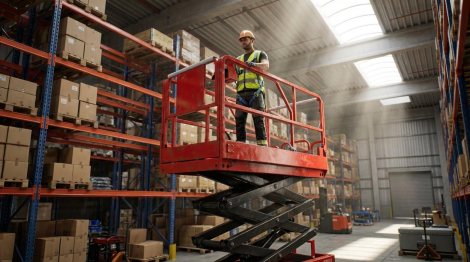
Scissor lifts tend to suit interior MEP installation, racking, and production-line work where access is directly overhead. Aerial lifts tend to suit utilities, signage, façade repairs, and tree or structure work where side reach matters more than pure vertical height.
Environment also matters. Scissor lifts must sit on solid, flat surfaces free of holes, drop‑offs, or slopes, and they should be isolated from traffic and other equipment to avoid crushing risks near fixed objects and vehicles. Aerial lifts can sometimes cope better with uneven or obstructed ground, but they introduce more complex tip‑over and swing hazards that demand higher operator skill and tighter job‑planning. For many facility and industrial tasks, the safer and simpler choice is a properly sized scissor lift, with aerial lifts reserved for locations that a vertical platform simply cannot reach.
Compliance, training, and maintenance considerations
Because standards answer “is a scissor lift considered an aerial lift” with “no,” your compliance path splits: scissor lifts fall under scaffold rules, while aerial lifts fall under aerial device standards. Scissor lifts are treated as mobile supported scaffolds under OSHA, so scaffold provisions apply to stability, access, and fall protection rather than aerial‑lift sections. Industrial scissor lifts also follow dedicated design and use standards that cover responsibilities for owners, users, and operators, including inspection, maintenance, and training duties on firm, level commercial surfaces.
- Training focus for scissor lifts:
- Safe vertical operation and transit, including speed and travel limits with the platform raised per OSHA training guidance.
- Respecting platform load ratings and keeping total weight within the manufacturer’s limits to avoid structural overload.
- Recognizing hazards from power lines, overhead structures, and traffic, and keeping at least 10 ft clearance from electrical sources with traffic control where needed.
- Maintenance and inspection:
- Daily function checks of controls, brakes, and emergency systems before use to verify safe operation.
- Verification that guardrails are complete and secure, since they are the primary fall protection on scissor lifts and must be in place before use.
- Following lockout and blocking procedures before adjustments or repairs, including lowering the platform, removing loads, and preventing unintended movement as required by industrial scissor‑lift standards.
Procurement and safety teams should build separate procedures and training modules for scissor lifts and aerial lifts, aligned with their respective standards and classifications. Treating a scissor lift as if it were an aerial lift can lead to gaps in scaffold‑specific requirements, especially around surface conditions, movement with personnel, and guardrail‑based fall protection. Aligning equipment choice, operator training, and maintenance with the correct regulatory category reduces compliance risk and improves day‑to‑day safety performance on site.
Summary: What Procurement And Safety Teams Should Remember
Standards make the core point clear. A scissor lift is a mobile supported scaffold, not an aerial lift. It moves only vertically, relies on support from below, and follows scaffold rules for design, stability, and use. Aerial lifts add horizontal outreach and fall under different MEWP and aerial device standards.
For safety and procurement teams, this split has direct consequences. You must size and select scissor lifts for firm, level floors, controlled wind, and work located directly overhead. You must also enforce platform load limits, guardrail integrity, and strict clearance from power lines and overhead structures. Training must focus on scaffold-style hazards: surface condition, height-to-base limits during travel, and guardrail-based fall protection.
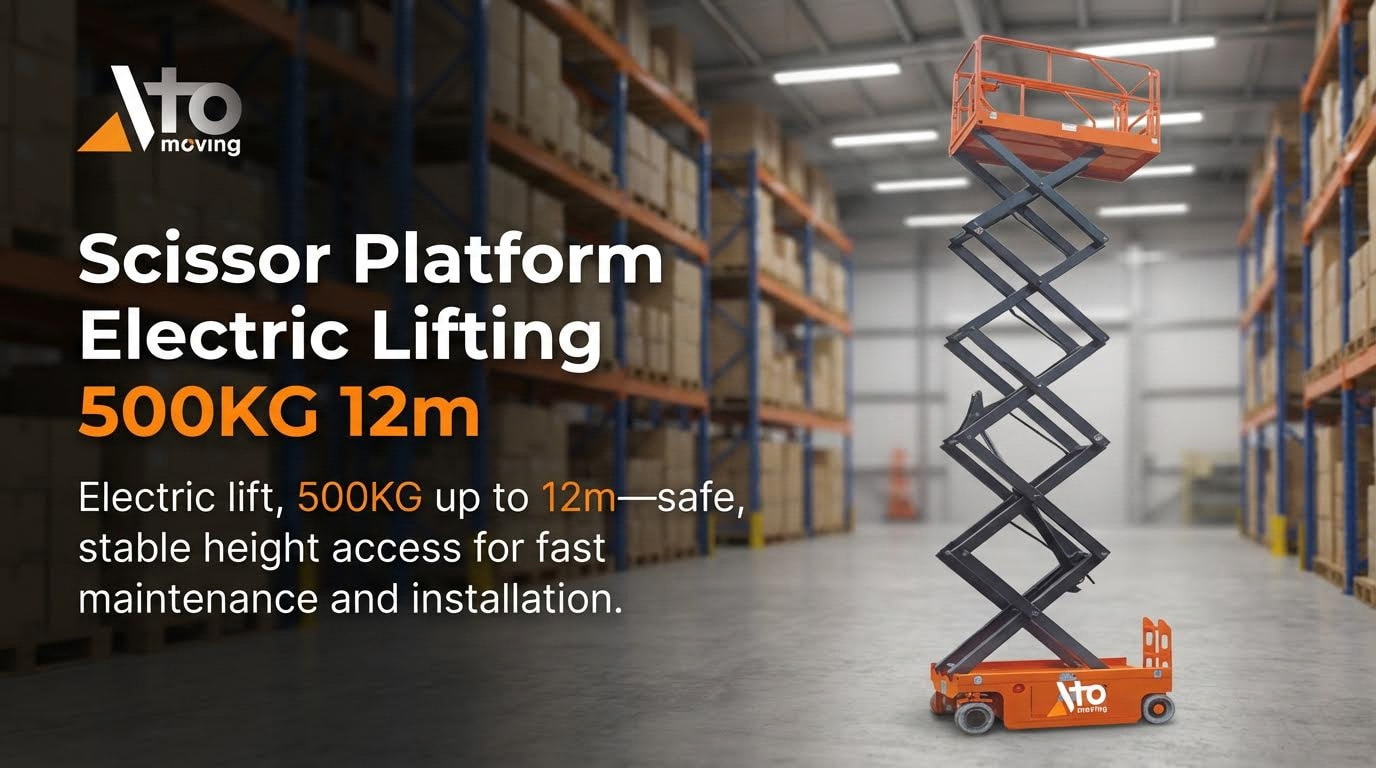
When the task demands outreach over obstacles or offset façades, you should move to aerial lifts and apply their separate rules and training paths. The safest strategy is simple. Classify each task first, then pick the lift type that fits the geometry and standards, and build distinct procedures for each. Teams that follow this approach, and that partner with suppliers like Atomoving for correctly specified platforms, reduce tip-over risk, avoid compliance gaps, and gain more predictable, efficient work at height.
Frequently Asked Questions
Is a scissor lift considered an aerial lift?
No, a scissor lift is not considered an aerial lift according to OSHA standards. Scissor lifts are classified as mobile scaffolds, while aerial lifts include boom lifts and other vehicle-mounted platforms that can move both vertically and horizontally. For more details, you can refer to OSHA Aerial Lift Guidelines.
What type of lift is a scissor lift?
A scissor lift is a type of Mobile Elevated Work Platform (MEWP) that primarily moves vertically. It’s often used for tasks requiring vertical elevation on stable surfaces. For more information, check out this Scissor Lift Guide.
What does OSHA consider a scissor lift?
OSHA considers scissor lifts as a type of scaffold rather than an aerial lift. This classification affects the safety requirements and regulations applied to their use. You can learn more about it in the OSHA Scaffolding Guide.
What are the two types of scissor lifts?
The two main types of scissor lifts are electric and rough terrain. Electric scissor lifts are ideal for indoor use on smooth surfaces, while rough terrain scissor lifts are designed for outdoor use on uneven surfaces. More details can be found at BigRentz Types of Scissor Lifts.