Scissor lift owners and safety managers often ask how often do scissor lifts need to be inspected, and the answer depends on daily, periodic, and annual requirements. This article explains how OSHA and ANSI drive inspection intervals, what must be checked at each level, and how to combine inspections with maintenance to cut downtime. You will see how to structure checklists, schedule periodic and annual work, and control the cost of major inspections while extending equipment life. Use this as a practical engineering guide to keep lifts compliant, reliable, and safe in everyday operation.
Defining Scissor Lift Inspection Intervals
Regulatory drivers: OSHA vs. ANSI requirements
When facility managers ask how often do scissor lifts need to be inspected, the answer starts with OSHA and ANSI. OSHA treated scissor lifts as scaffolds and required employers to keep them in safe condition, including inspections before use and as often as needed to prevent hazards. This translated in practice into a daily pre-use inspection of controls and safety systems before the lift was put into service each shift. ANSI standards added a formal structure on top of OSHA, defining frequent and annual inspections to verify that aerial lifts remain in safe working order and to reduce unplanned downtime. ANSI inspections also led to a certification label or sticker after a unit passed inspection, providing traceable proof of compliance and inspection date. OSHA rules drove the daily pre-start checks, while ANSI frameworks defined the minimum content and frequency for more in-depth periodic and annual inspections.
Key OSHA vs. ANSI roles
- OSHA: Legal duty to provide safe equipment and perform inspections often enough to prevent recognized hazards.
- ANSI: Technical guidance on inspection types, content, and intervals (frequent vs. annual).
- Together: OSHA answers “must we inspect?”; ANSI helps answer “how and how often do scissor lifts need to be inspected?”
Daily, frequent, and annual inspection cycles
In practical fleet management, scissor lift inspection intervals break into three main cycles that answer how often do scissor lifts need to be inspected in the field. First, a daily or pre-start inspection is required before each shift or before the lift is first used that day. Operators or technicians check visible structure, guardrails, decals, fluid levels, tires, and all controls to confirm safe operation, catching leaks, damage, or malfunctions early. Daily inspections focused on controls and safety devices were required before use to comply with OSHA expectations.
Second, frequent or periodic inspections occurred at manufacturer- or site-defined intervals, often monthly or at least every three to six months depending on duty cycle. These checks were more detailed and included structural welds, pins, scissor arms, hydraulic hoses, electrical wiring, and safety systems, with some guidance stating that lifting accessories should be thoroughly examined at least every six months. Periodic examinations supplemented daily checks by looking for fatigue, corrosion, or wear that developed over time.
Third, annual inspections were comprehensive evaluations performed by a qualified person or service provider. These annual checks covered all functions and controls for speed, smoothness, and travel limits, as well as lower and override controls, structural elements, and safety systems. Some programs also integrated functional or load testing during the annual inspection to confirm the lift could safely handle its rated capacity. When a unit passed, it typically received an inspection or certification sticker with the date, while failed units required repairs before returning to service. Annual inspections were critical for demonstrating regulatory compliance and controlling long-term risk and lifecycle cost.
| Inspection level | Typical interval | Primary purpose |
|---|---|---|
| Daily / Pre-start | Before each shift or first use of the day | Catch obvious defects, leaks, or control issues before operation |
| Frequent / Periodic | Monthly to every 3–6 months (per use severity) | Detect developing structural, hydraulic, and electrical wear |
| Annual | Once every 12 months | Full functional, structural, and safety verification by a qualified person |
Technical Requirements For Each Inspection Level
Daily and pre-start inspection checklists
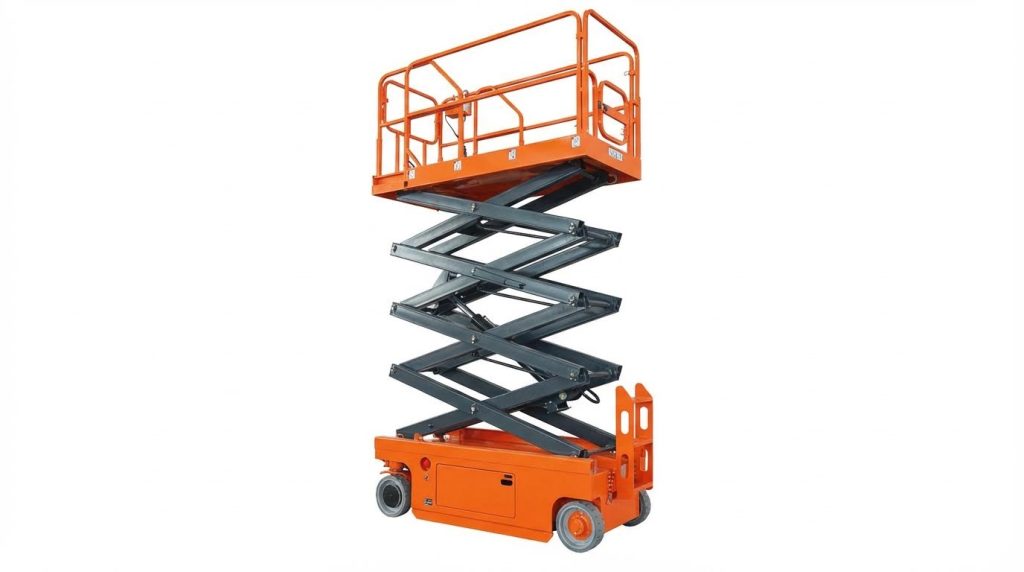
Daily and pre-start inspections define the minimum technical checks before a scissor platform goes into service. They are the front line for controlling risk while also answering the practical question of how often do scissor lifts need to be inspected in active fleets. Typical daily requirements include a full walk‑around plus control checks from both ground and platform controls. Any defect that affects safe operation must be corrected before the unit is used.
- Visual and fluid checks
- Verify engine, fuel, coolant, and hydraulic oil levels, and check for leaks under the chassis and around hoses and fittings Visual and fluid checks.
- Inspect tires and wheels for correct inflation, structural damage, cuts, and loose or missing wheel fasteners Tire and wheel inspection.
- Confirm battery area is clean and free of excessive corrosion or leaks on electric units Battery maintenance.
- Structure, decals, and platform
- Check scissor arms, pivot pins, centering links, and welds for visible cracks, deformation, or missing fasteners Structural inspections.
- Verify guardrails, toe boards, gates/chains, and platform extensions are intact, close properly, and lock as designed Platform assembly inspection.
- Ensure all safety decals, capacity charts, and operating instructions are present and legible, and manuals are onboard the machine Pre-start inspection.
- Functional and emergency systems
- From ground controls, test emergency stop, raise/lower functions, and manual emergency descent for smooth, controlled motion Ground controls test.
- From the platform, test drive, steering, brakes, tilt alarm, pothole protection (if equipped), descent alarm, and any overload or interlock systems Emergency systems check.
- Check all indicators, lights, horns, backup alarms, and other warning devices for correct operation Operational checks.
Why daily inspections matter for compliance
OSHA required that powered platforms and their controls be inspected daily or before use in each shift to ensure safe condition, while ANSI standards used these daily checks as the base layer in a broader program of frequent and annual inspections. This is the practical answer to how often do scissor lifts need to be inspected when they are in regular service. Daily documentation also supports incident investigations and warranty or liability questions later.
Monthly and periodic structural and functional checks
Monthly and other periodic inspections go deeper than pre‑start checks and focus on wear, structural integrity, and system condition. They are typically carried out by a mechanic or competent person rather than the operator. For many fleets, this level of inspection occurs every month, with some structural and accessory checks done at least every six months in line with lifting accessory guidance Periodic inspection frequency. These periodic checks strongly influence long‑term reliability and total cost of ownership.
- Structural and mechanical systems
- Inspect all structural members, welds, pins, and bushings for wear, elongation, corrosion, or cracking beyond acceptable limits Structural inspection points.
- Check mechanical fasteners, locking pins, outriggers, and stabilizers for correct installation, security, and damage.
- Lubricate scissor pivots, rollers, and other moving joints per the maintenance schedule to prevent accelerated wear Lubrication guidance.
- Hydraulic, electrical, and control systems
- Inspect hydraulic hoses, cylinders, fittings, and manifolds for abrasion, leaks, and secure routing; replace components that show bulging or damage Hydraulic maintenance.
- Check wiring harnesses, connectors, switches, and control boxes for insulation damage, loose connections, and moisture ingress Electrical inspection.
- Verify batteries are clean, terminals are tight and corrosion‑free, and perform amp‑draw and charge tests on battery banks as needed Battery testing.
- Service intervals and documentation
- Service the lift at roughly three‑month intervals when in use, addressing filters, lubricants, and any issues found in daily checks Service frequency.
- Log all periodic inspections, defects, and corrective actions to build a maintenance history and demonstrate compliance Record keeping.
- Use inspection data to refine how often do scissor lifts need to be inspected based on duty cycle, environment, and failure trends.
Annual inspection scope, testing, and documentation
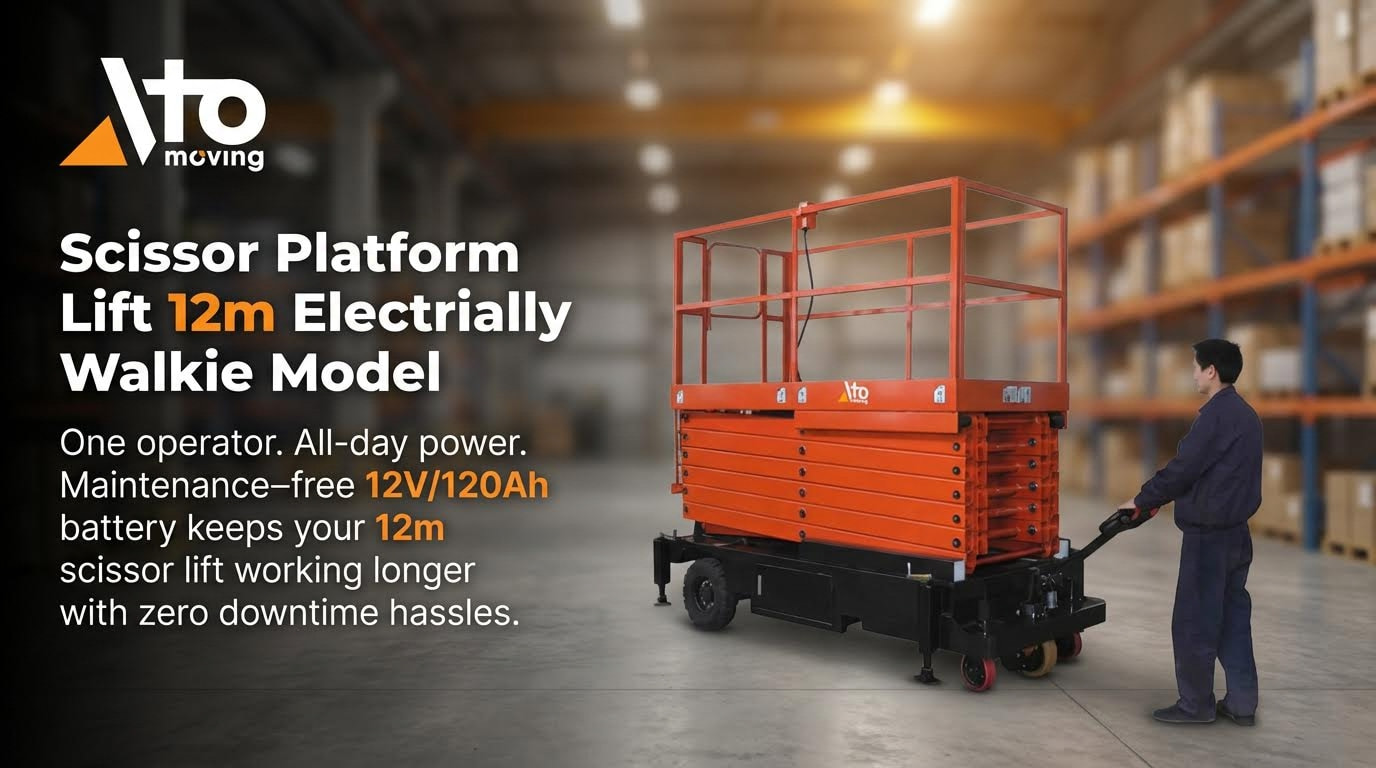
Annual inspections are the most comprehensive level and are usually tied directly to ANSI requirements for aerial lifts. They are performed by a qualified technician who is independent of day‑to‑day operation. The inspection covers every function, safety device, and structural element to verify the machine still meets its original design and rated capacity Annual inspection requirements. This annual event is the formal regulatory answer to how often do scissor lifts need to be inspected at a minimum for full certification.
- Functional and performance testing
- Test all lift, drive, steer, and rotation functions across their full range for speed, smoothness, and correct limit operation Functional tests.
- Verify lower controls and override features operate correctly when upper controls are disabled or malfunctioning Lower controls inspection.
- Perform load testing, where required, to confirm the lift can safely handle its rated platform capacity without abnormal deflection or instability Load testing.
- System integrity and specialist tests
- Re‑inspect all structural, hydraulic, electrical, and mechanical systems at a more detailed level than monthly checks, including internal components where access allows Comprehensive inspections.
- For insulating aerial devices, carry out dielectric testing to confirm insulating sections still meet resistivity requirements and have not become conductive Dielectric testing.
- Assess safety systems, interlocks, alarms, and emergency descent mechanisms against current standards and manufacturer criteria.
- Compliance, certification, and cost
- Document findings in a formal inspection report, listing all non‑conformances and required repairs, and retain records for regulatory review Maintenance records.
- When the lift passes, apply a certification label or sticker showing the inspection date and due date for the next annual inspection Certification process.
- Plan financially for major inspections that can cost around a quarter of the machine’s replacement value, excluding parts, and schedule them to minimize downtime Major inspection cost.
Linking daily, periodic, and annual inspections
Daily operator checks catch obvious hazards before each shift. Monthly and periodic inspections look deeper at wear and system health. Annual inspections provide the formal compliance and certification layer. Together they form a tiered answer to how often do scissor lifts need to be inspected, balancing safety, uptime, and lifecycle cost.
Engineering Best Practices To Optimize Inspection Programs
Integrating inspections with preventive and predictive maintenance
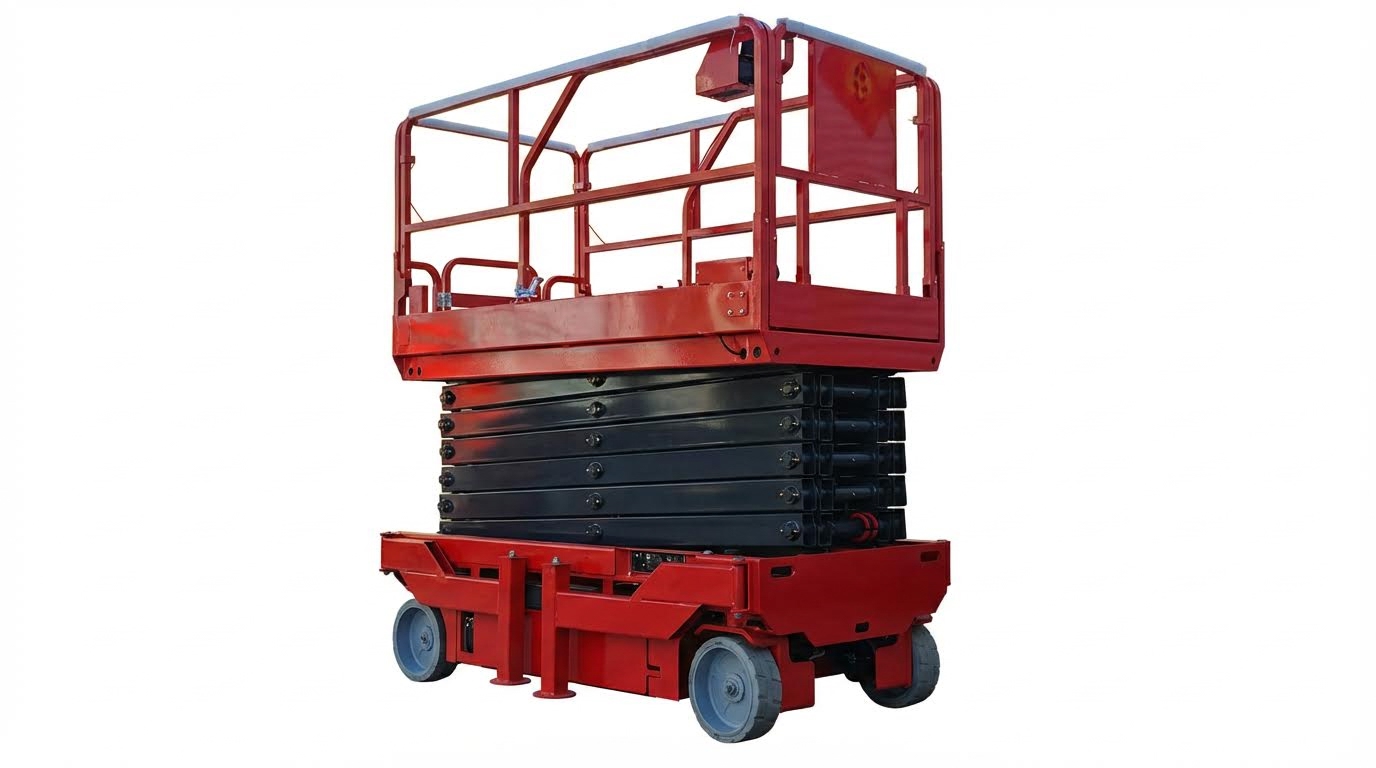
To optimize scissor lift reliability, integrate inspections directly into your preventive and predictive maintenance plan instead of treating them as stand‑alone compliance tasks. Daily pre-start checks and operational tests naturally feed condition data into a preventive schedule that includes 3‑monthly services and periodic structural inspections, aligning with typical guidance that scissor platform should be serviced about every three months, with defects corrected before use. Service intervals of roughly three months and the requirement to rectify safety issues before return to service support this approach. When users ask how often do scissor lifts need to be inspected, the best practice answer links daily and frequent inspections to a broader maintenance strategy that also includes monthly, six‑monthly, and annual scopes.
- Use inspection outputs as triggers: Turn recurring defects from daily and monthly checklists into scheduled PM tasks (e.g., hose replacement, pivot lubrication, battery service).
- Standardize checklists: Build daily, monthly, and annual checklists around recurring items such as fluid levels, hydraulic leaks, structural cracks, controls testing, and platform assembly integrity. Typical daily and operational checklists include fluid levels, leak checks, tire condition, structural components, and emergency systems.
- Introduce simple predictive indicators: Trend issues like recurring low battery charge, increasing hydraulic top‑ups, or repeated tilt alarm faults to predict failures before they cause downtime.
- Link to annual ANSI inspections: Use findings from annual functional and structural inspections to adjust PM intervals and component replacement thresholds. Comprehensive ANSI inspections verify that lifts are in safe working order and help reduce unplanned repairs and downtime.
Example integrated inspection/maintenance cycle
- Daily: Operator pre‑start and functional checks feeding defect reports.
- Monthly: Technician structural and electrical inspections plus lubrication and battery service. Monthly inspections typically address structural integrity and electrical systems.
- 3‑monthly: Planned service including deeper hydraulic and mechanical checks.
- 6‑monthly: Periodic thorough examination of lifting structure and safety systems. Accessories for lifting are often examined at least every six months or as per an examination scheme.
- Annual: Full ANSI/annual inspection with functional, control, and safety verification and resulting certification. Annual inspections by qualified technicians typically include load testing and full safety checks.
Managing TCO: downtime, major inspection cost, and life extension
Well‑structured inspection programs are one of the most effective tools for controlling total cost of ownership (TCO) on scissor lifts. A major inspection can cost roughly 25% of the machine’s replacement value, for example about $3,750 on a $15,000 unit, excluding parts. Typical major inspection costs are on the order of one‑quarter of the lift’s replacement price. Using daily, monthly, and periodic inspections to catch issues early reduces the frequency and severity of such major events and extends structural and component life.
| Cost Driver | Impact of Weak Inspections | Impact of Optimized Inspections |
|---|---|---|
| Unplanned downtime | Frequent in‑shift failures; emergency rentals and overtime. | Most defects found in pre‑start or scheduled checks; work rescheduled instead of stopped. |
| Major inspections | High corrective scope; extensive parts replacement and rework. | More work shifted to low‑cost planned maintenance; major inspection scope reduced. |
| Asset life | Corrosion, cracks, and hydraulic damage progress unnoticed, shortening service life. | Early detection and corrective work extend safe structural and economic life. |
- Quantify the value of inspections: Track failures found during daily and monthly checks versus in‑service breakdowns. As inspection quality improves, unplanned failures and rental costs should drop.
- Prioritize high‑value checks: Focus daily and frequent inspections on items that most often cause downtime: batteries, hydraulic leaks, tires, controls, and safety interlocks. Routine checks typically emphasize fluid levels, leaks, wheels and tires, and emergency systems.
- Use records to optimize frequency: Maintenance history helps you refine how often do scissor lifts need to be inspected at your site, within OSHA/ANSI minimums, by showing where failures actually originate. Good practice includes defined maintenance tasks, frequencies, and detailed record keeping.
- Support operator training: Train operators to complete checklists correctly and to tag out defective machines. Proper operator training reduces misuse, accidents, and maintenance costs.
Practical TCO improvement actions
- Standardize inspection forms and ensure every shift uses them.
- Log all defects and link them to work orders and cost codes.
- Review inspection and repair data quarterly to adjust PM intervals.
- Align major inspection timing with utilization and project schedules to minimize production impact.
Key Takeaways On Scissor Lift Inspection Frequency
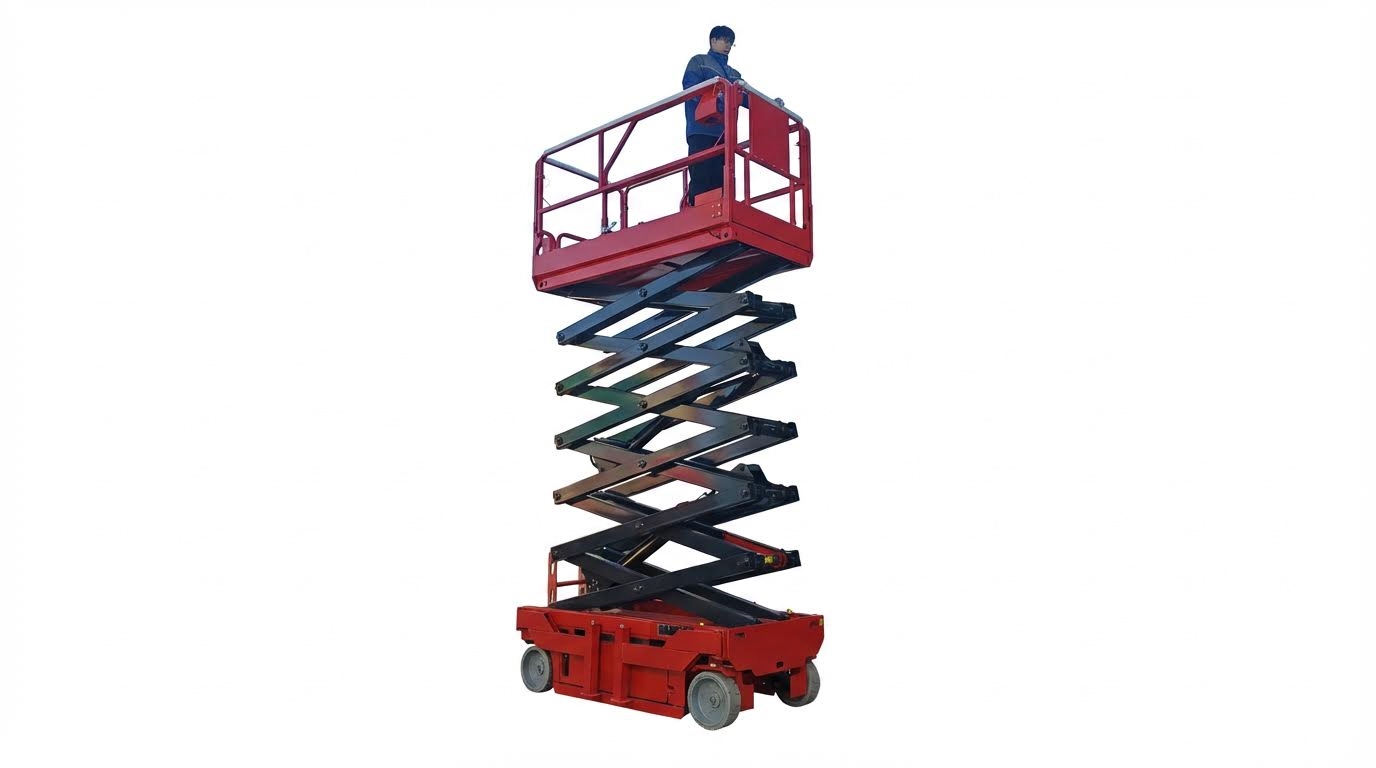
If you are asking how often do scissor lifts need to be inspected, the practical answer is a tiered program: daily, monthly/periodic, and annual. Operators should complete a documented pre-start inspection before each shift, including functional checks of all controls and safety systems. Supervisors or technicians should perform more detailed structural and systems inspections at least every three to six months, in line with the manufacturer’s scheme and applicable standards. A qualified person must complete a comprehensive annual inspection, including functional, structural, and safety verification, with findings recorded and corrective actions closed before the lift returns to service. This layered approach reduces accident risk, controls lifecycle cost, and supports compliance with OSHA’s daily checks and ANSI’s requirement for routine and annual inspections.
Key Takeaways On Scissor Lift Inspection Frequency
Scissor lift safety depends on a disciplined inspection program, not on one single annual check. Daily pre-start inspections act as the first safety barrier. Operators spot leaks, damaged structures, or failed controls before anyone leaves the ground. This protects people and prevents small defects from turning into major failures.
Monthly and other periodic inspections then dig into structure, hydraulics, electrics, and controls. Technicians check wear limits, corrosion, and system condition, and they lubricate key joints. These actions slow fatigue, extend structural life, and reduce the scope and cost of later major work. They also give engineering teams real data to tune service intervals to site conditions.
Annual inspections by a qualified person provide the formal proof that lifts still meet design intent and rated capacity. Functional tests, load checks where needed, and full documentation close the loop between safety and compliance.
The best practice for operations and engineering teams is clear. Treat inspections as an integrated engineering control, tie them to preventive maintenance, and enforce documentation and close-out of defects. Done this way, fleets from Atomoving or any other source stay safer, last longer, and cost less to operate over their full life.
Frequently Asked Questions
How Often Should Scissor Lifts Be Inspected?
Scissor lifts need regular inspections to ensure safety and compliance. According to industry standards, thorough examinations should be conducted every 6 months for scissor lifts used to lift people. For all other lifting equipment, inspections are required every 12 months. Lifting Equipment Guidelines.
Does OSHA Require Annual Inspections on Scissor Lifts?
OSHA mandates that heavy equipment like scissor lifts undergo a regular maintenance schedule every 12 months, not exceeding 13 months without service. Additionally, depending on usage, maintenance checks are recommended every 90 days or 150 operational hours, whichever comes first. Preventive Maintenance Tips.