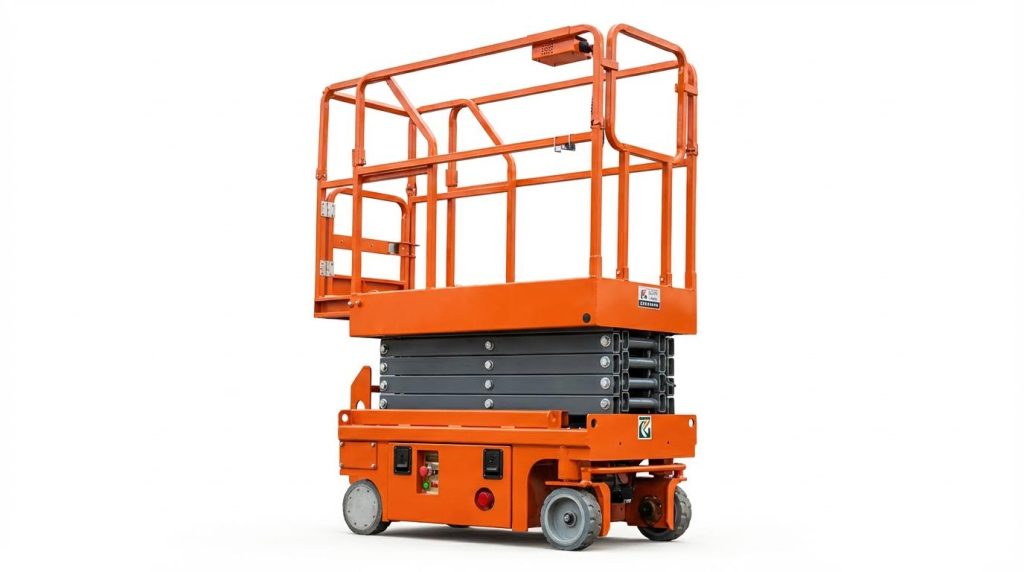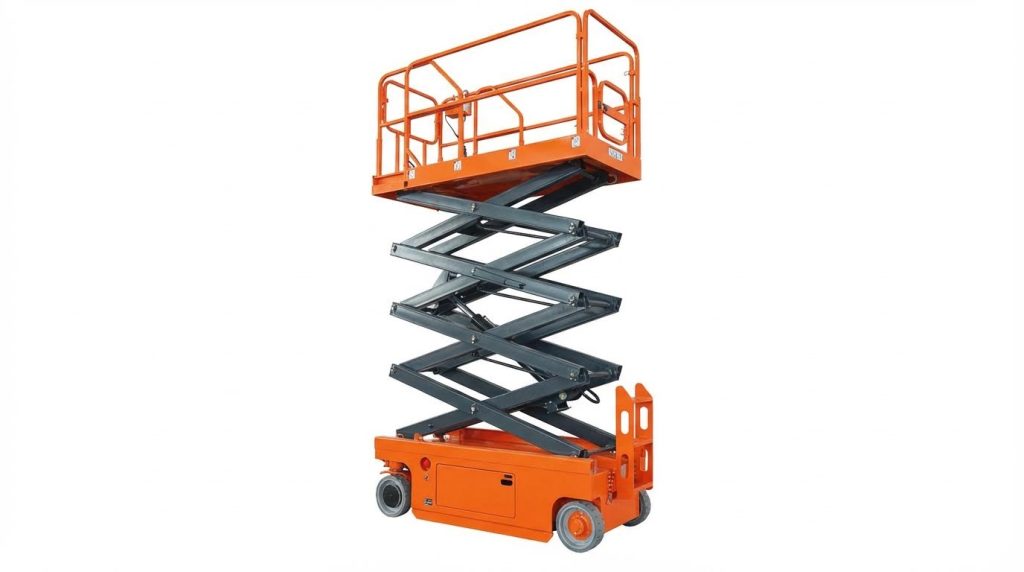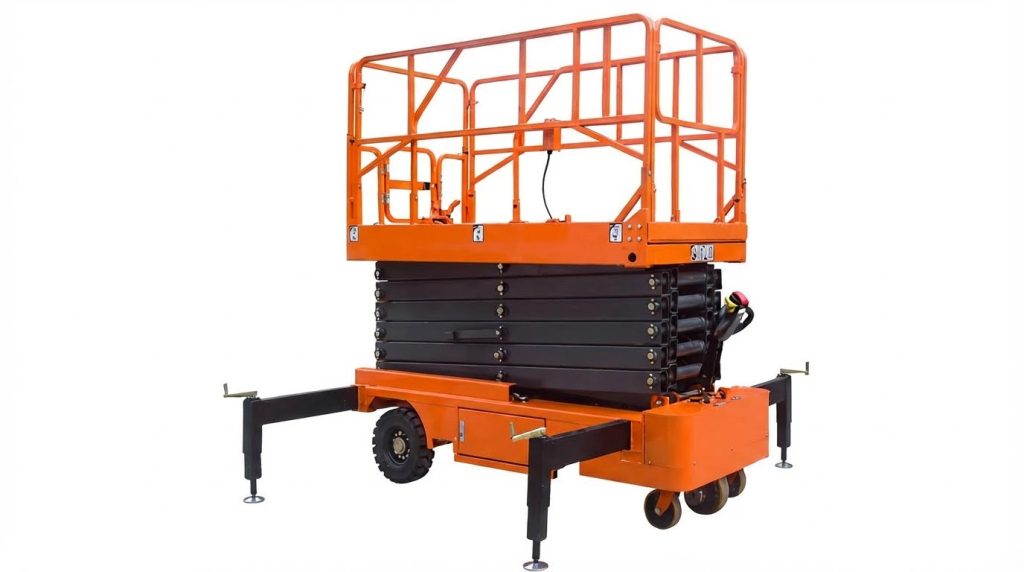
Understanding scissor lift height ranges starts with one core question: how high can a scissor platform reach for safe, real-world work? This article explains the difference between platform height and working height, then maps typical ranges by indoor, outdoor, and rough‑terrain classes. You will see how capacity, platform size, and stability limit maximum height, and how to match those specs to your building geometry and tasks. By the end, you will be able to read height charts confidently and choose a lift that reaches safely without oversizing your equipment or total cost of ownership.
Defining Scissor Lift Heights And Key Terms
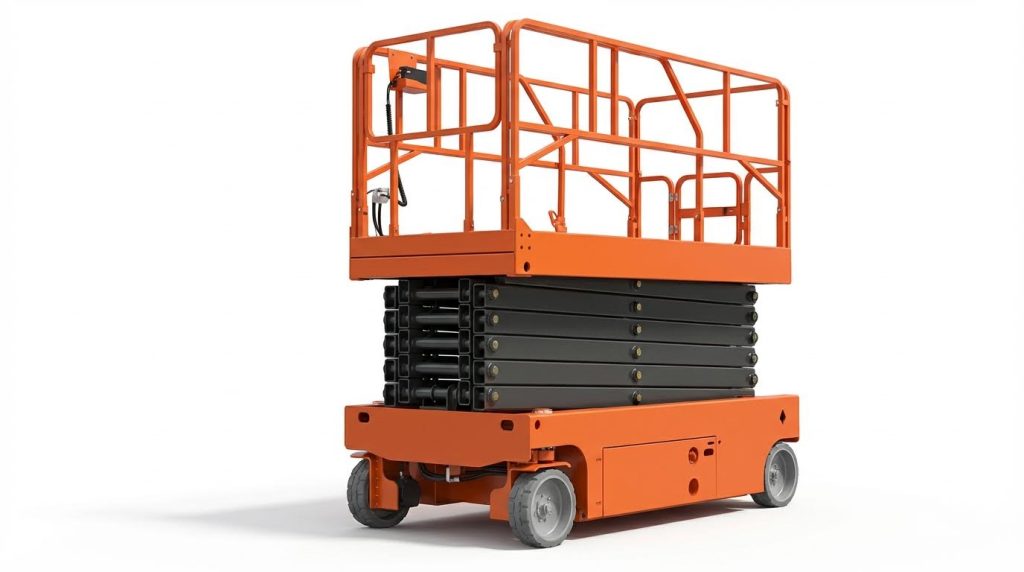
What “platform height” means in engineering terms
In engineering, platform height is the vertical distance from the ground to the platform floor when the scissor lift is fully raised. It is a structural dimension, defined by the geometry of the scissor stack, cylinder stroke, and chassis stability envelope. Typical scissor lifts offer platform heights from roughly 5.8 m up to about 13.8 m, depending on model class and design (5.8–13.8 m range). This dimension is the engineering basis for answering how high can a scissor platform reach, because all other height-related terms build on the true platform height.
Platform height is always measured on level, firm ground, with the machine correctly set up and within rated load. It assumes the guardrails and any platform extensions are in their normal operating position, not climbed or stood on. Because stability margins shrink as height increases, standards and manufacturers link platform height to limits on wind speed, allowable slope, and load distribution (OSHA/ANSI guidance). When you compare models by “height,” always confirm you are looking at true platform height, not a marketing working-height figure.
Key points about platform height
- Measured: ground to platform floor, fully elevated.
- Based on machine geometry and cylinder stroke.
- Validated under rated load, on level, firm support.
- Directly tied to stability, wind, and slope limits.
How “working height” is calculated in practice
Working height is a practical estimate of how high a person can safely work above the ground while standing on the platform. In most rental and sales literature, working height is taken as platform height plus about 6 ft (≈1.8 m), which represents the reach of an average operator standing upright (platform + 6 ft rule). For example, a lift with a 26 ft platform height is usually advertised with a 32 ft working height. This convention is why users often ask how high can a scissor platform lift reach and get an answer in “working height,” even though the machine’s structure only rises to the lower platform height.
In practice, working height should be adjusted for the actual operator, task, and body position. Tasks directly overhead match the platform + 6 ft rule; tasks offset to the side or behind obstructions may require extra margin. Misreading working height as platform height can leave you 1–2 m short of a ceiling, duct, or lighting run (common selection error). Always size the lift so the work is within comfortable arm’s reach while the operator stands flat on the platform, without climbing guardrails or improvised steps, as required by safety standards (OSHA fall protection guidance).
| Term | What is measured | Typical rule of thumb |
|---|---|---|
| Platform height | Ground to platform floor | Defines true structural lift height |
| Working height | Ground to operator’s hands | Platform height + ~6 ft (≈1.8 m) |
Height Ranges By Scissor Lift Class And Design
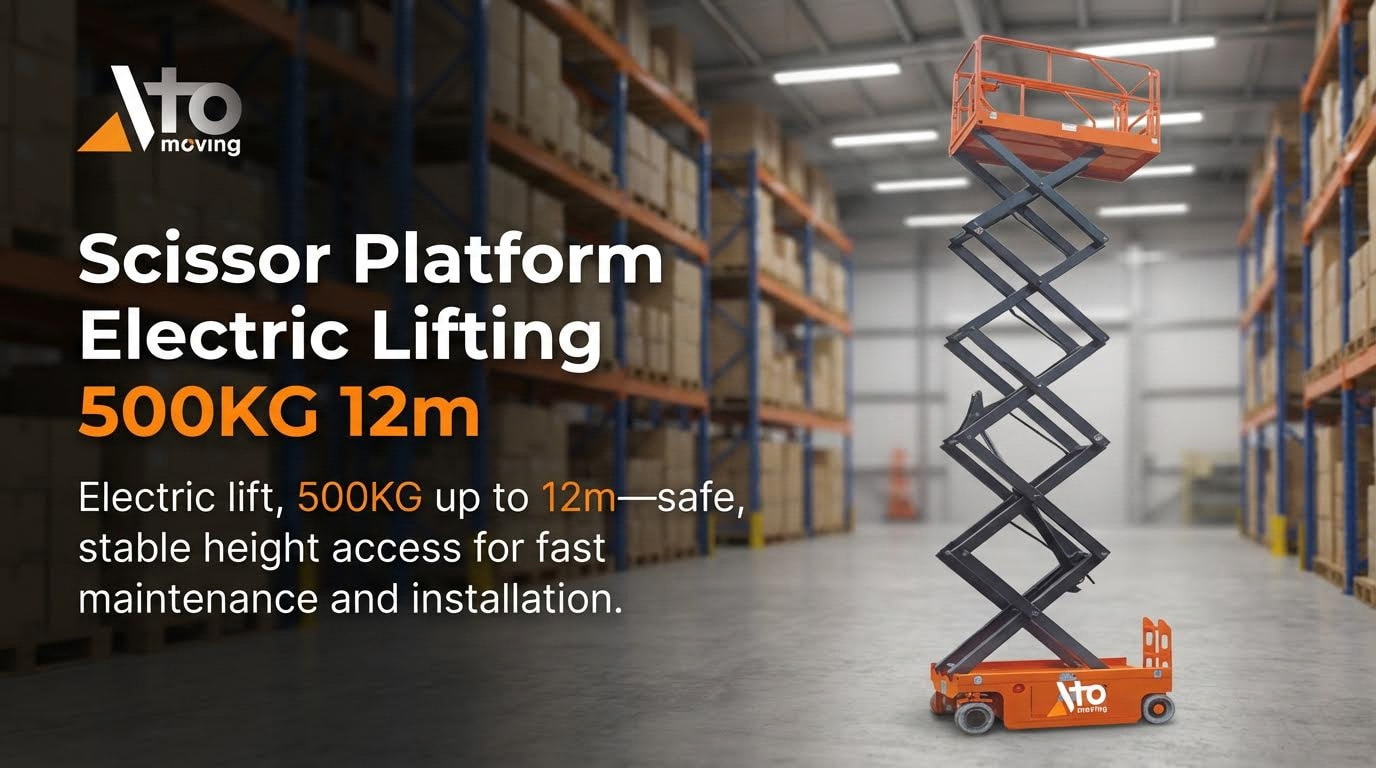
Typical indoor electric scissor height classes
When people ask how high can a scissor platform reach indoors, they usually mean compact electric units used on smooth slabs. Common platform height classes are about 19 ft, 26 ft, and 32 ft, which translate to working heights roughly 6 ft higher because working height adds an average operator’s reach above the platform. Typical indoor electric scissors therefore cover working heights from about 25 ft to the mid‑30 ft range for maintenance, MEP work, and racking access. Some compact electric models extend this envelope further, with maximum working heights reported between 7.8 m and 15.8 m and platform heights from 5.8 m to 13.8 m depending on the model class.
- Typical indoor platform height classes: ~19 ft, 26 ft, 32 ft.
- Working height is about platform height + 6 ft in rental practice.
- Best suited to flat concrete, low wind, and clean environments.
- Often use electric power and non‑marking tires for indoor floors to reduce noise and surface damage.
Why indoor heights are limited
Indoor electric scissors trade extreme height for compact size, low weight, and low emissions. Ceiling height, floor loading, and doorway clearances usually govern the practical upper limit more than the mechanism itself.
Outdoor and rough‑terrain scissor height classes
Outdoor and rough‑terrain scissors answer the same question—how high can a scissor platform lift reach—but with different constraints. These units typically span higher classes, with overall scissor lift ranges commonly quoted from 19 ft up to about 50 ft total height across the market. In practice, that means platform heights in the 30–40+ ft band for many rough‑terrain models, supporting multiple workers and heavier tools. These machines add features such as heavy‑duty tires, higher ground clearance, and stabilizers to maintain stability on uneven ground and improve maneuverability.
- Typical outdoor height classes: ~26 ft, 32 ft, 40 ft, and up to ~50 ft working height for demanding tasks.
- Designed for wind, weather, and uneven or unpaved surfaces with rough‑terrain features.
- Use diesel, hybrid, or high‑capacity electric power for higher loads and duty cycles depending on site constraints.
- Outdoor use is normally limited to wind speeds below about 28 mph to avoid tip‑over per safety guidance.
| Class | Typical environment | Approx. platform height range | Approx. working height range |
|---|---|---|---|
| Indoor electric | Warehouses, retail, light industrial | ~19–32 ft | ~25–38 ft |
| Outdoor / rough‑terrain | Construction, façade, infrastructure | ~26–40+ ft | ~32–50 ft |
How load, platform size, and stability limit max height
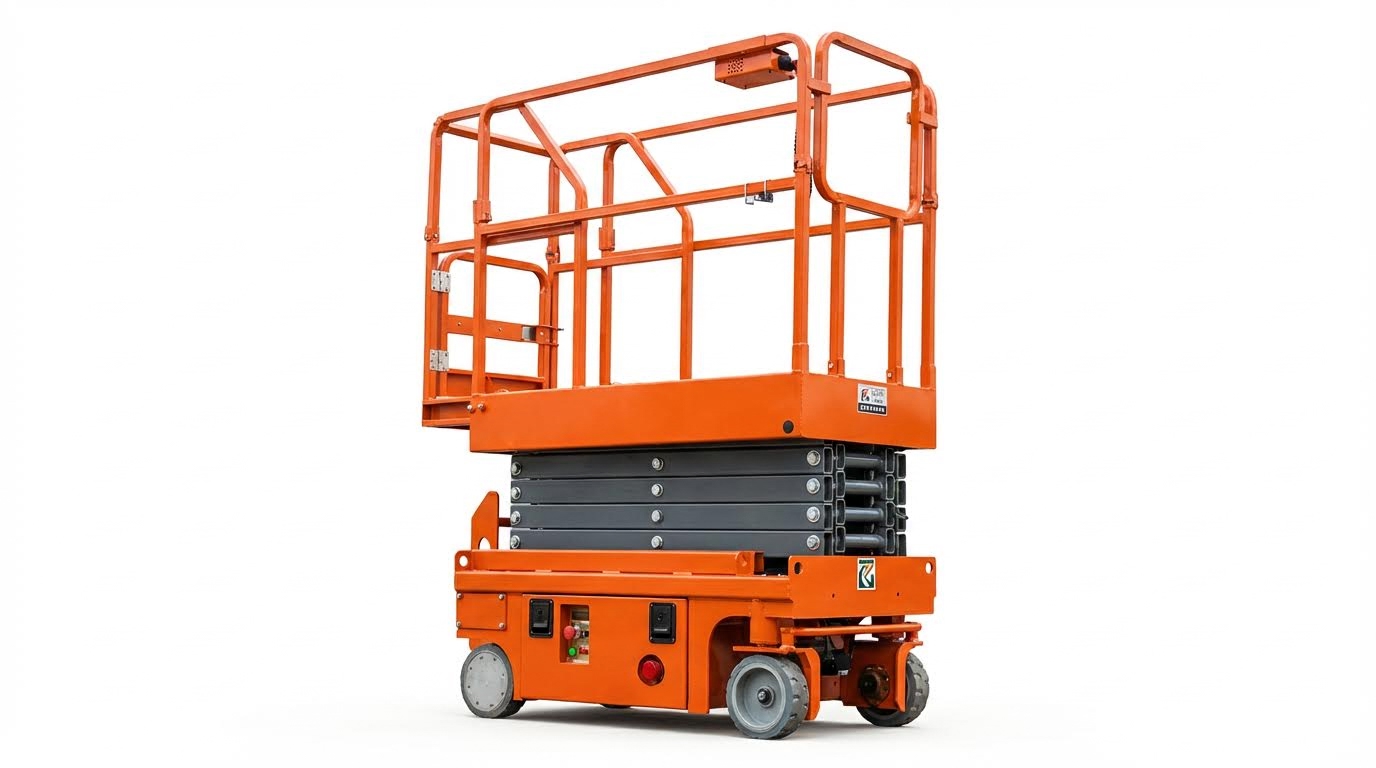
The answer to how high can a aerial platform reach is ultimately bounded by structural capacity and stability, not just cylinder stroke. Higher platforms increase overturning moment, so designers must balance platform area, rated load, and wheelbase to keep the center of gravity within a safe envelope. Typical rated platform loads range from about 550 kg up to roughly 750 kg depending on model, and any increase in height normally forces trade‑offs in platform size or capacity. Platform extensions add working area but introduce extra cantilever and load; many are limited to around 113 kg additional capacity for safe operation.
- Oversized platforms or unnecessary extensions can reduce stability and are discouraged in good engineering practice.
- Total live load (people, tools, materials) must stay within the manufacturer’s rating to avoid structural failure per safety requirements.
- Wind load grows with height; above‑limit gusts can tip a tall, heavily loaded platform even on level ground so weather limits must be observed.
- Machine self‑weight and footprint (including stabilizers and tire size) are tuned to counteract overturning forces and maintain maneuverability.
Engineering trade‑offs at very high lifts
Beyond roughly 50 ft total height, boom‑type MEWPs often become more efficient than scissors because they handle overturning moments with outriggers and slewing structures instead of a very tall, heavily braced scissor stack. That is why scissor lift height ranges in the market tend to cluster below this level for most applications.
Selecting The Right Height For Your Application
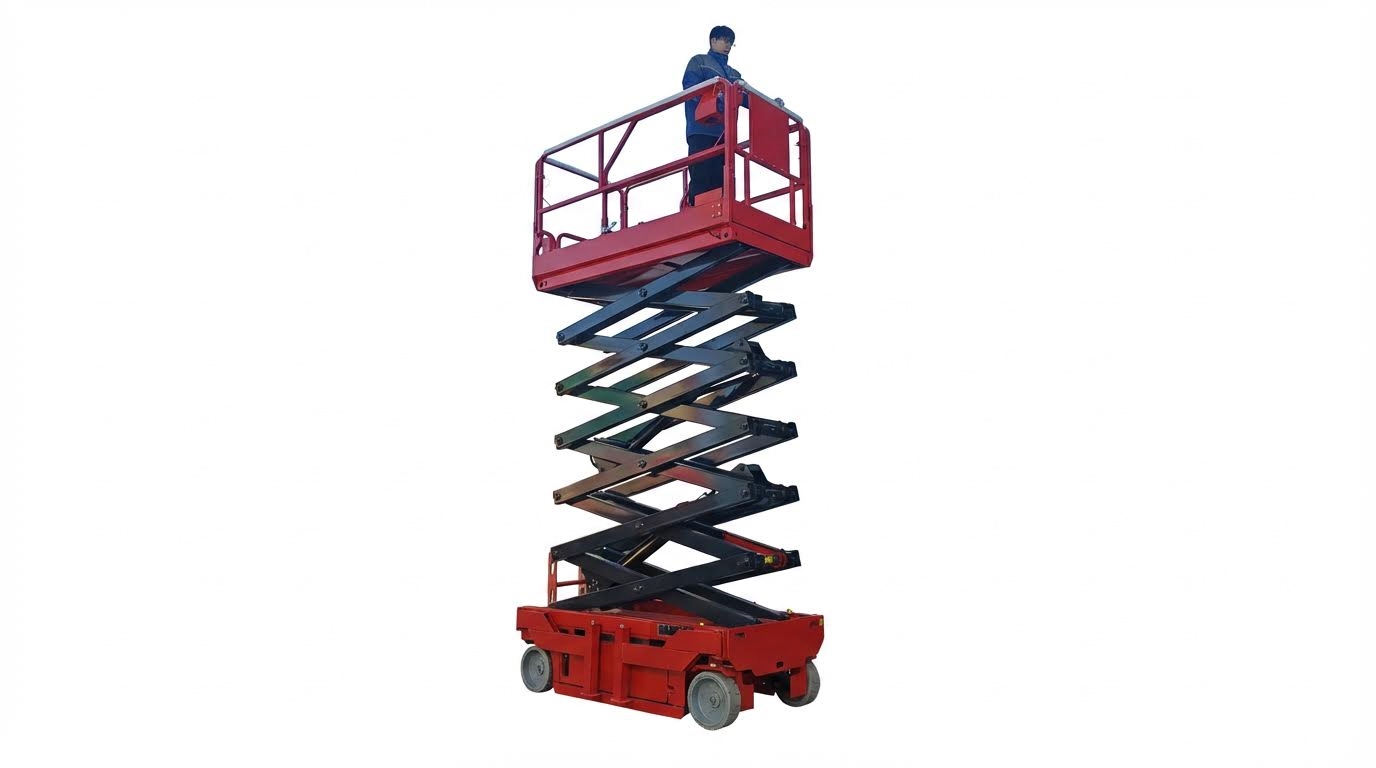
Matching working height to task and building geometry
Start by turning “how high can a scissor platform reach” into a specific working height requirement, not a guess. Working height is typically taken as platform height plus about 6 ft to account for the operator’s reach, so a 19 ft platform gives roughly 25 ft working height. Scissor lifts generally offer a total height range of about 19–50 ft, so most indoor and many outdoor tasks can be covered within standard classes.
- Measure from floor/ground to the highest point you must work on (fixture, duct, soffit, sign, steel).
- Add typical reach (about 6 ft) to convert that to needed platform height.
- Compare that number to available lift classes and round up to the next standard size.
- Check actual building geometry: slab thickness changes, ramps, mezzanines, and pit depths can all change effective reach.
Ceiling height alone is not enough; you must consider obstructions and side reach. For example, overhead pipe racks, beams, or conveyors may force you to work off-center, so a slightly higher lift can let you stay within the guardrails instead of leaning, which safety standards require you to avoid. Workers should keep work within easy reach and stand only on the platform, so build in a small height margin instead of planning to stretch.
Typical height choices by task
- Indoor fit‑out, lighting, and ceiling work in retail/office: often covered by 19–26 ft units.
- Warehouse racking and maintenance in 30–36 ft clear buildings: often 26–32 ft platforms.
- Exterior cladding, signs, and light poles: 32–40 ft or higher, depending on pole or façade height.
Balancing height with capacity, power source, and TCO
Once you know how high a scissor platform lift must reach, check whether the model can safely carry your people, tools, and materials. Typical units support a few hundred kilograms; for example, some models list safe working loads around 550 kg and up to about 750 kg on larger platforms. Published capacities in this range are common. Good practice is to estimate total load and select a lift with 10–20% extra capacity to avoid overloading. Guidance suggests choosing a capacity about 10–20% above your calculated requirement.
| Selection factor | What to check | Why it matters |
|---|---|---|
| Height vs capacity | Rated platform height and SWL on the data plate | Higher models often have stricter load limits for stability. |
| Power source | Electric vs diesel vs other systems | Electric suits indoor/quiet sites; diesel suits outdoor, high‑duty work. Common options include hydraulic, electric, pneumatic, and diesel drives. |
| Cycle profile | Typical lift/lower cycles and travel distances | Lifting speeds around 3–5 m/min and drive speeds about 3.5 km/h (0.8 km/h elevated) affect productivity. These values are typical of many models. |
| Floor and terrain | Machine weight, tire type, and gradeability | Heavier units (roughly 2,150–3,390 kg self‑weight) need adequate slab capacity and access. Gradeability around 25% is typical for some models. |
Power choice links directly to total cost of ownership (TCO). Electric units with battery packs (for example, four 6 V, 200 Ah batteries on a 24 V charger) offer low noise and zero local emissions, which reduces ventilation and fuel logistics costs indoors. This battery configuration is common. Diesel or rough‑terrain units cost more to run but may be necessary when you need both high reach and outdoor performance.
TCO also depends on how efficiently you use the machine. Choosing the smallest height class that safely meets your working height reduces purchase or rental cost, machine weight, and energy use, while still answering the question of how high can a scissor lift reach for your job. Overspecifying height often means paying for extra capacity, heavier transport, and more complex maintenance without added value. Under‑specifying, on the other hand, pushes operators to stretch or reposition excessively, which increases safety risk and labor time. A structured comparison of height, capacity, power source, and duty cycle will usually point to one or two optimal classes for each application.
Summary: Turning Height Specs Into Safe Lift Choices
Safe scissor lift selection starts with clear definitions. Platform height is the true structural limit. Working height is only an estimate of human reach above that platform. If you confuse the two, you risk stopping short of the work or pushing operators to stretch and lean.
Indoor and outdoor classes then shape how you use that height. Indoor electric units trade extreme reach for low weight, clean running, and small footprints. Rough‑terrain units add height, load, and ground clearance but bring higher weight, fuel use, and stricter wind limits. Load, platform area, and stability always cap the real maximum height, not marketing charts.
Operations teams should work backward from the task. Measure the work point, add realistic reach, then round up to the next platform class. Check capacity, floor or ground conditions, and power source at the same time. Choose the lowest class that meets height and load while staying within safety rules.
This disciplined method lets you match Atomoving scissor lifts to each job with confidence. You cut total cost of ownership, avoid oversizing, and keep operators within guardrails, on level support, and inside tested stability limits.
Frequently Asked Questions
How high can a scissor lift reach?
Scissor lifts typically reach heights between 10 to 18 meters (33 to 60 feet). For example, the JLG RT3394 model has a platform height of 10.06 meters (33 feet) and a working height of 11.89 meters (39 feet). JLG Scissor Lift Specs.
What are the risks associated with using scissor lifts at height?
Using scissor lifts at height comes with risks such as tipping over due to uneven surfaces, high winds, or improper load distribution. Falls from the platform and entanglement hazards are also common. Proper training and adherence to safety guidelines are crucial for safe operation. Scissor Lift Safety Tips.