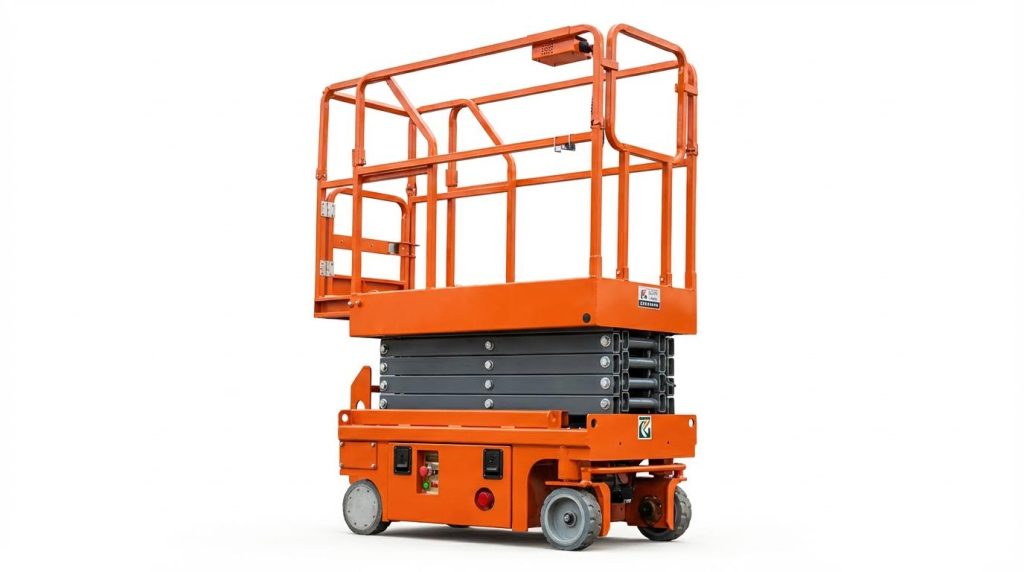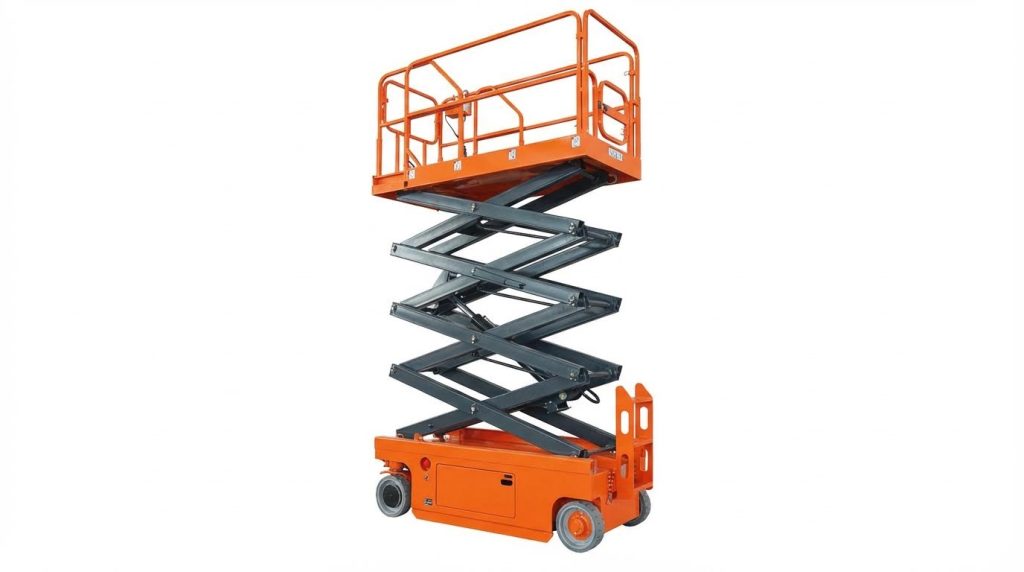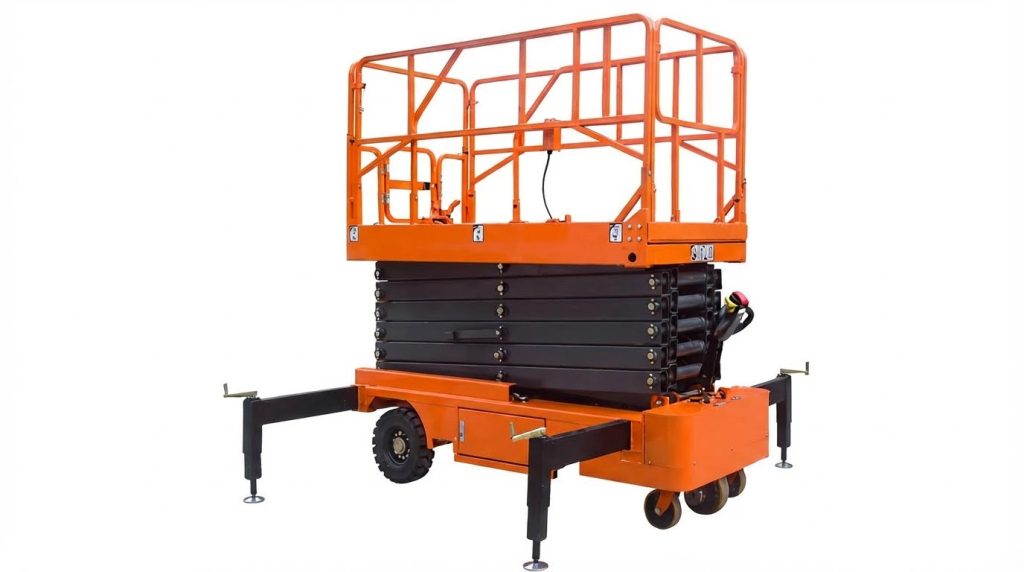
Understanding when a harness is required on a scissor platform is critical for preventing falls, passing audits, and choosing the right equipment for the job. This guide explains how OSHA, ANSI, and other standards treat guardrails versus personal fall arrest systems, and why scissor platform lift are regulated differently from boom lifts. You will see how regional rules and site policies affect the answer to “is harness required in a scissor lift,” and how to select anchors, lanyards, and training that match those requirements. Use this as a practical reference to align your fall protection program with both regulations and real-world operating conditions.
When Is A Harness Required On A Scissor Lift?
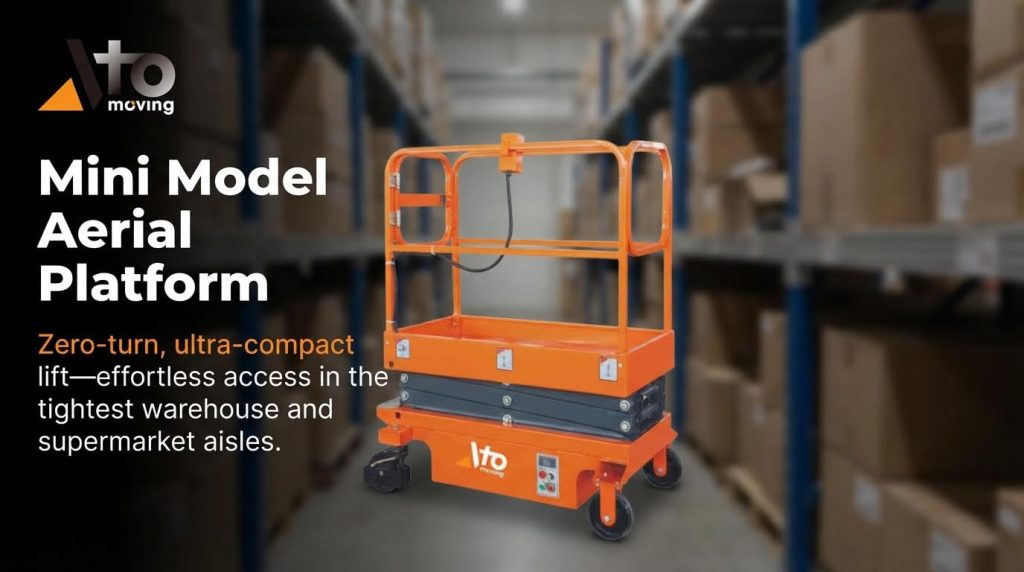
How OSHA And ANSI Classify Scissor Lifts
OSHA treats most scissor lifts as mobile scaffolds, not as aerial lifts, which is why guardrails are the primary fall protection. For standard Type 1, Group A (manually propelled) and Type 3, Group A (self‑propelled) scissor-type MEWPs, neither OSHA nor ANSI automatically requires a personal fall arrest system if the guardrail system is complete and compliant. Instead, the harness requirement is driven by site rules, local regulations, and specific hazards such as open edges or removed rails. Many units include designated lanyard attachment points so employers can require harnesses even when not mandated by federal standards.
When the question “is harness required in a scissor lift” gets a “yes” by classification
If a scissor lift is modified, used as a custom platform, or reclassified by a site safety plan as needing PFAS, it is then treated more like an aerial platform for fall protection purposes and a full‑body harness with a suitable anchor point is typically required.
When Guardrails Are Enough Fall Protection
Guardrail systems are considered adequate fall protection for scissor platform lifts in most warehouse and industrial applications when they are intact, at the correct height, and used as designed. OSHA has stated that when a scissor lift has proper guardrails installed and workers stay within the platform, no additional harness is required for fall protection in typical use cases in a formal interpretation letter. However, a harness and lanyard become necessary if guardrails are missing, damaged, lowered, or removed, or if workers stand on boxes, planks, or ladders to gain extra height, which is prohibited and also invalidates the lift’s stability assumptions under ANSI A92.6. In practice, many employers answer “yes” to “is harness required in a scissor lift” whenever work is done near open edges, over sensitive equipment, or under stricter corporate policies, even though federal standards accept guardrails alone when they are fully compliant.
Technical Fall Protection Rules For Scissor Lifts
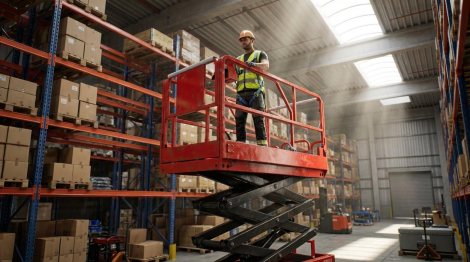
PFAS Design: Anchors, Harnesses, And Lanyards
For scissor lifts, the answer to “is harness required in a scissor lift” depends first on the guardrails. When the platform has intact, compliant guardrails, they are considered the primary fall protection and no harness is normally required under federal rules for typical Type 1 and Type 3 Group A scissor lifts. Industry guidance explains that standards for these machines do not mandate personal fall protective equipment beyond guardrails, although many units include lanyard anchor points. A personal fall arrest system (PFAS) becomes necessary when guardrails are missing, damaged, removed, or when a custom platform without approved rails is used. In those cases, the PFAS must include a full-body harness, a connecting device that limits free fall to about 6 ft, and an anchor point rated around 5,000 lb per worker. Typical training guidance uses this 5,000‑lb figure as the design benchmark. Operators must attach only to manufacturer-approved anchor points, not to guardrails or nearby structures, to avoid side loading or ejection if the lift moves. PFAS components and lanyards must be inspected before each use, with any damaged parts removed from service. Operator training material stresses pre-use inspection and secure attachment to the designated anchor point as critical steps.
Guardrail Design Limits And Prohibited Practices
Guardrails answer most of the “is harness required in a scissor lift” question because they are the default engineered solution. OSHA treated intact, correctly installed guardrails on scissor lifts as sufficient fall protection in normal use, meaning a harness is not required solely because the platform is elevated. OSHA interpretations explain that no additional PFAS is needed when guardrails meet height and strength criteria. However, these guardrails have clear use limits. Workers must stand firmly on the platform floor and avoid climbing, sitting, or leaning far over the rails, and they must not place excessive weight or materials against them. Scissor lift safety training emphasizes that guardrails are the primary safety feature and must not be bypassed. Using planks, ladders, or other devices on the platform to gain extra height is specifically prohibited because it invalidates the stability tests used to certify the lift and increases tip-over risk. ANSI A92.6 guidance bans such devices for extra reach. Employers must also keep lifts stable through proper positioning, brake setting, and hazard control to prevent collisions or tip-overs that could defeat the guardrail system. Industry safety guidance highlights pre-operational checks and safe positioning as part of this guardrail-based protection strategy.
Differences Between Scissor Lifts And Boom Lifts
Whether a harness is required in a scissor lift also depends on how standards distinguish scissor lifts from boom lifts. For Type 1 and Type 3 Group A scissor lifts, guardrails are normally sufficient and PFAS is optional unless guardrails are compromised or site rules demand it. By contrast, for boom-supported platforms (Type 1 and Type 3 Group B MEWPs), approved PFAS in addition to guardrails is mandatory in North America. Manufacturer guidance notes that operators and occupants on boom lifts must wear a full-body harness and lanyard attached to the platform anchor point. OSHA enforcement policy for aerial lifts also requires either fall restraint or personal fall arrest, with systems rigged so workers do not free-fall more than about 6 ft or contact a lower level. OSHA policy memos outline these limits. In practice, this means a job that might not require a harness on a compliant scissor lift could require full PFAS on a boom lift doing the same height and task. Safety plans and training therefore need to treat scissor lifts and boom lifts as different equipment classes with different baseline fall protection rules, even when both use similar platform guardrails.
Regional Policies, Site Rules, And Equipment Selection
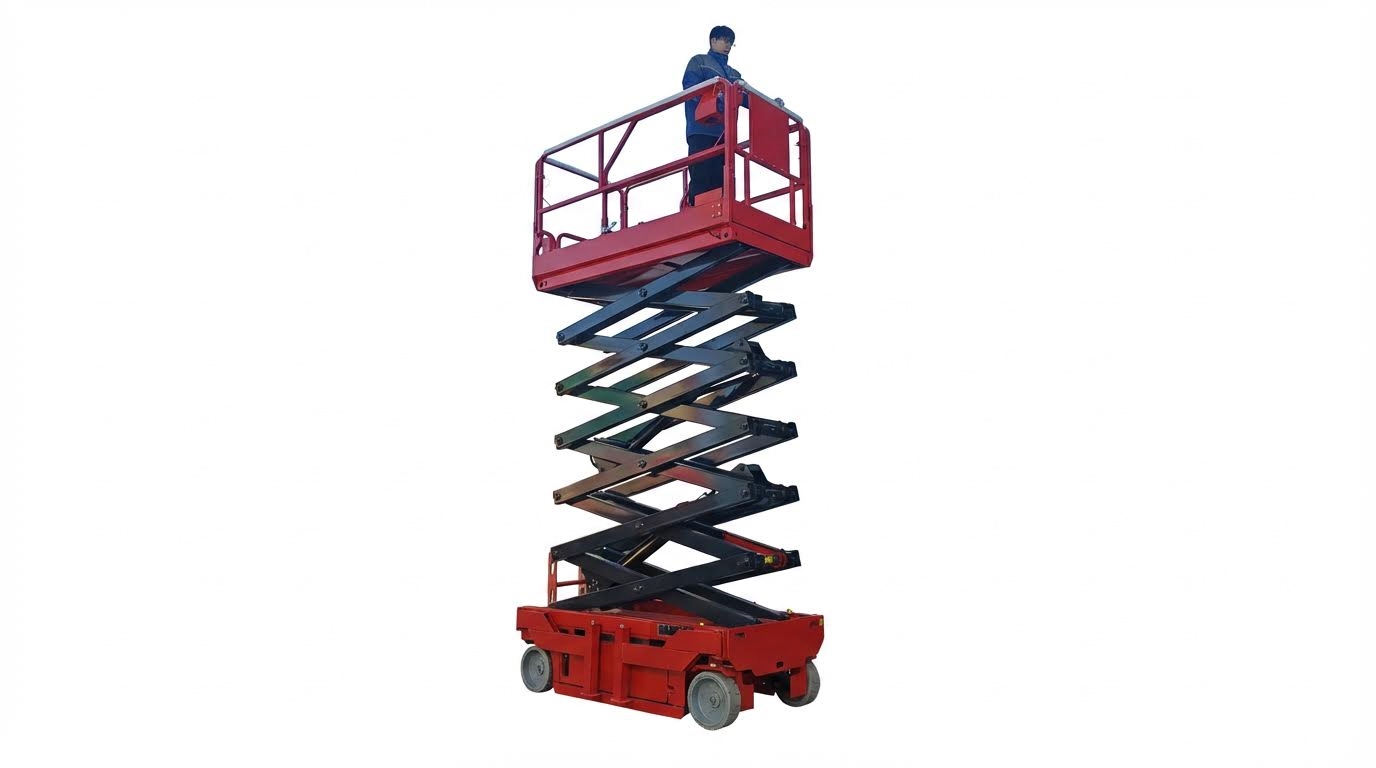
How Local Regulations And Site Policies Differ
Whether a harness is required in a scissor lift often depends on how national standards, local regulations, and company policies interact. Core OSHA and ANSI rules treat compliant guardrails as the primary fall protection on scissor lifts, so a harness is typically not required if rails are intact and used correctly. However, many regions or facility owners add stricter rules, such as mandatory harnesses in certain high‑risk areas, near traffic, or outdoors in wind. This means two sites in the same city can have different answers to “is harness required in a scissor lift” even though they follow the same national baseline.
Local regulators may update guidance more frequently than national codes, reacting to incidents or new technology, while major federal rule changes occurred only every few years. Minor OSHA updates and clarifications sometimes happened multiple times per year. Site policies usually went beyond minimum law, covering topics like traffic control, exclusion zones, weather limits, and mandatory training. Typical internal rules included:
- Fixed clearance zones around the lift using cones, tape, and signs to keep vehicles and pedestrians away. Six‑foot buffer zones and marked travel paths were commonly recommended.
- Restrictions on driving while elevated unless the surface was free of holes, drop‑offs, ramps, and debris, consistent with ANSI A92.6 guidance. Elevated travel was allowed only when the route was clear of hazards.
- Explicit bans on planks, ladders, or other devices on the platform to gain extra height, which would invalidate the lift’s stability testing. ANSI A92.6 specifically prohibited these practices.
Employers were responsible for translating these legal and consensus rules into clear, enforceable procedures. They had to provide training on safe operation, hazard recognition, and manufacturer instructions, and ensure inspections and maintenance supported whatever fall protection strategy the site adopted. Employer duties included training, inspections, and providing appropriate fall protection. As a result, operators needed to check not only national rules but also local codes and company manuals before deciding if a harness was required in a scissor lift on that job.
Choosing Anchor Points, Lanyards, And Training Plans
Once a site or local rule requires a harness in a scissor lift, the focus shifts from “if” to “how” to use fall protection correctly. A compliant personal fall arrest system (PFAS) combines three elements: a strong anchor, a full‑body harness, and a connecting device that limits free‑fall distance. Anchors are typically rated to at least 5,000 lb per worker, and systems must keep free fall to 6 ft or less. On most scissor lifts, the manufacturer provides designated anchor rings; tethering to rails, pipes, or nearby structures is usually prohibited because it can pull a worker out of the platform or destabilize the equipment. Training materials emphasized using only the lift’s approved anchor points and never tying off to external structures.
Lanyard selection depends on whether the system is designed for fall restraint or fall arrest. Fall restraint uses a short, fixed‑length connection to prevent the worker from ever reaching the edge, while fall arrest allows a limited fall that is stopped by a shock‑absorbing lanyard or self‑retracting lifeline. Both approaches rely on full‑body harnesses, but only fall arrest systems are designed to safely stop a fall in progress. For scissor lifts where the main question is “is harness required in a scissor lift,” many sites choose restraint‑length lanyards to minimize swing and ejection risk while still honoring local or corporate harness mandates.
Effective training plans integrate these technical choices with day‑to‑day operating practice. Operators learn how to inspect harnesses and lanyards before each use, confirm anchor locations, and adjust equipment to fit properly. Pre‑use inspection of all fall protection equipment was described as critical to preventing accidents. Training also covers lift stability, load limits, and environmental limits such as wind, storms, or extreme temperatures, which can change how safe any fall protection setup really is. Guidance recommended delaying work in high winds, thunderstorms, heavy rain, or extreme heat or cold, and keeping total platform load within manufacturer limits. A robust program ties all of this together so that when a harness is required in a scissor lift, it actually reduces risk instead of adding new hazards through misuse.
Key Takeaways For Scissor Lift Harness Use
Scissor lift fall protection starts with engineering, not with the harness. Intact, compliant guardrails provide the primary barrier and usually satisfy national rules when workers stay on the platform floor and respect load and reach limits. Once guardrails are altered, misused, or bypassed, the original stability and fall assumptions fail, and a properly designed PFAS with rated anchors, full‑body harness, and suitable lanyard must take over.
Real decisions do not stop at OSHA or ANSI text. Local regulators, site owners, and corporate safety teams often add tighter rules, including mandatory harness use in high‑risk zones or outdoors. That means operations teams must check three things before each job: the equipment class, the current guardrail condition, and the strictest rule among national, local, and site policies.
The best practice is simple but strict. Treat scissor lifts and boom lifts as different classes with different default harness rules. Use only manufacturer‑approved anchor points on Atomoving or any other lift. Choose restraint‑length lanyards whenever possible to reduce swing and ejection risk. Back all of this with clear procedures, pre‑use inspections, and focused operator training so that every harness requirement on a scissor lift translates into real, measurable risk reduction.
Frequently Asked Questions
Is a harness required in a scissor lift?
No, wearing a harness is not legally required when operating a scissor lift under federal OSHA regulations. However, it is highly recommended depending on the job site and equipment specifications. Always check the operator’s manual for specific safety guidelines. IPAF Fall Protection Guidelines.
What factors determine if a harness should be used in a scissor lift?
Several factors can influence whether a harness is necessary:
- Site-specific safety rules may require fall protection.
- The type of scissor lift being used (some models are not compatible with harness systems).
- The nature of the task, such as working near edges or overhead hazards.
For detailed recommendations, consult the manufacturer’s manual or safety resources like Safety Harness FAQs.