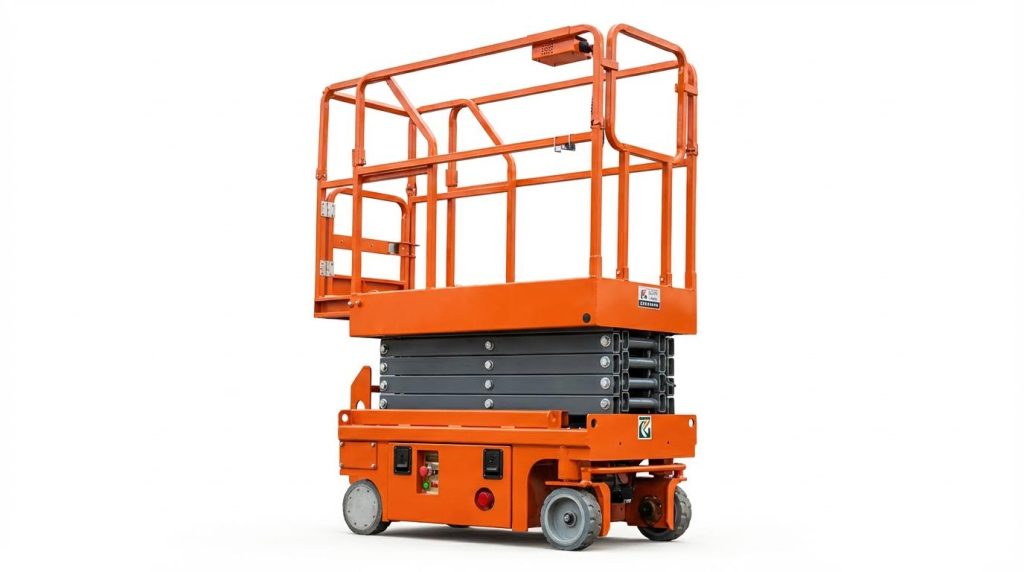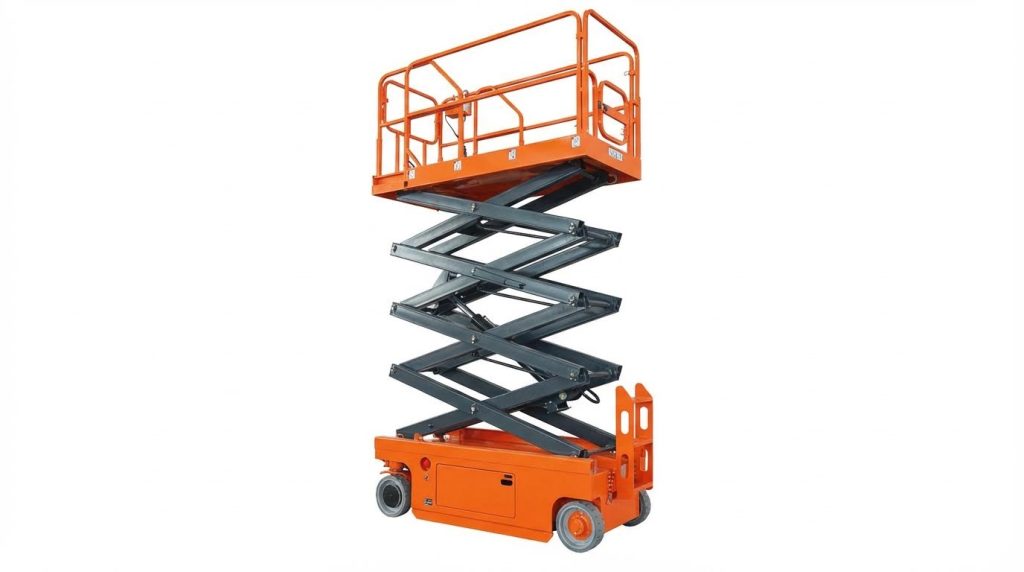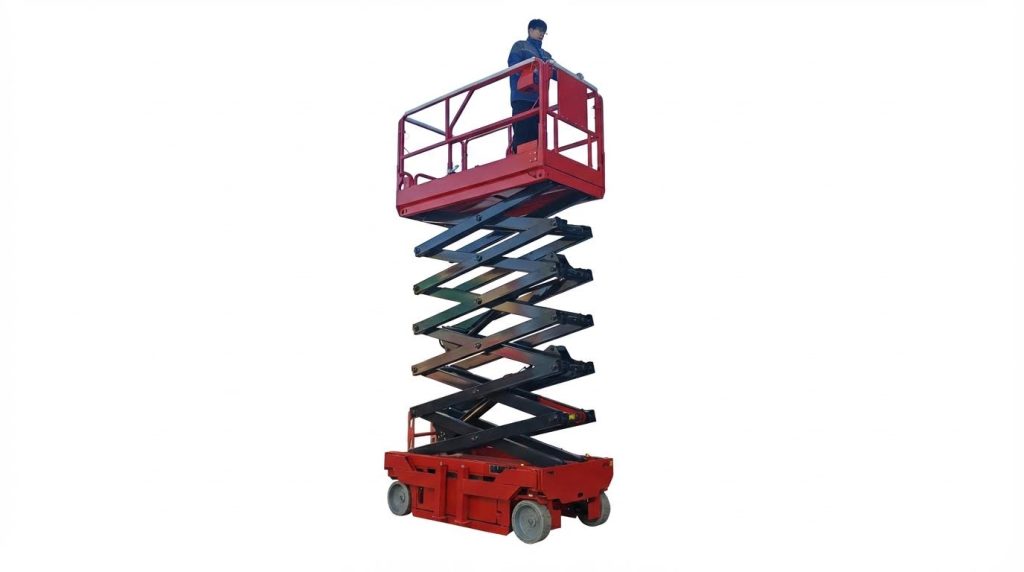
If you are asking what is a scissor lift table, this guide explains the concept from an engineering and practical point of view. We walk through how the mechanism works, typical capacities and safety systems, and how it differs from other lifting equipment. You will also see where lift tables fit best in industrial workflows, and how to match capacity, travel, and platform size to your application. The goal is to help you specify safe, efficient equipment that improves ergonomics and reduces manual handling risk.
What A Scissor Lift Table Is And How It Works
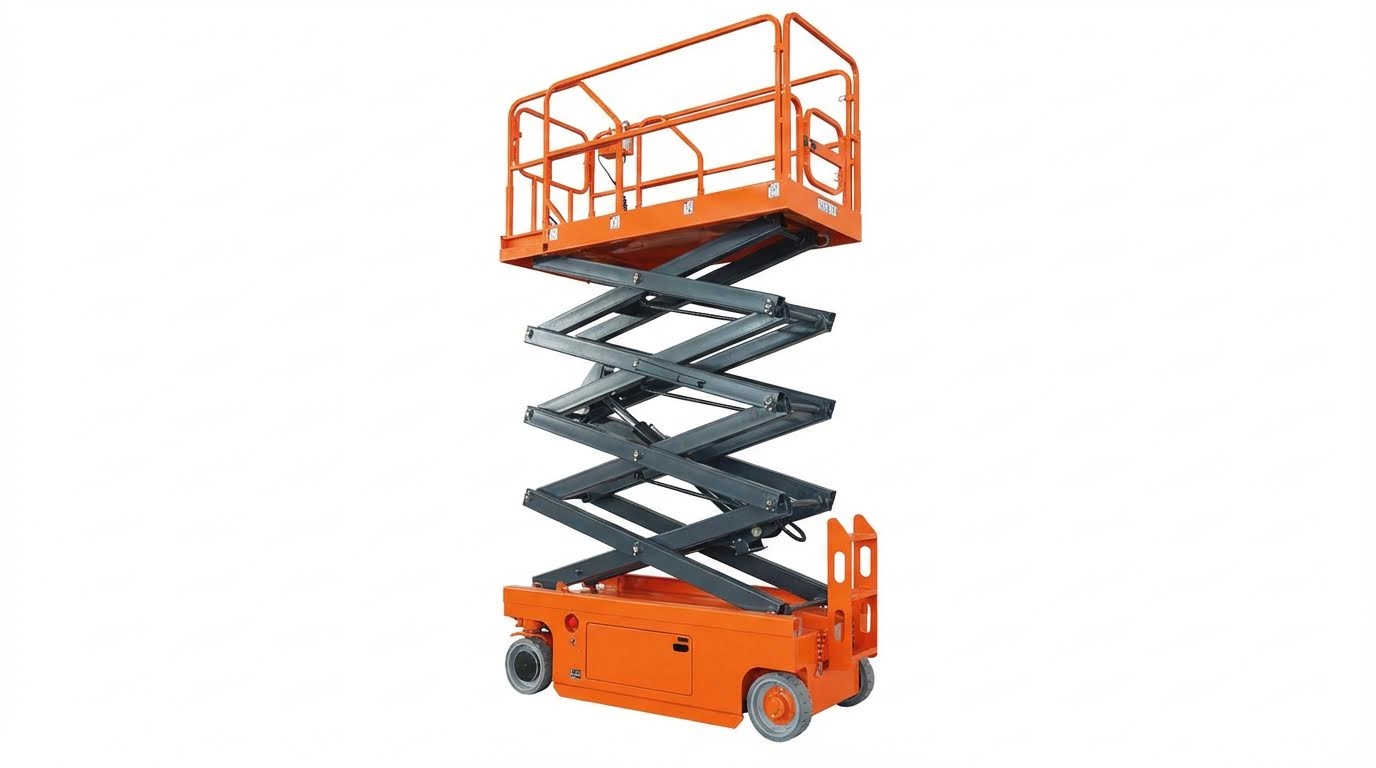
Core definition and key components
When people ask what is a scissor lift table, they usually mean a stationary lifting platform that raises and lowers loads using a crisscrossed “X” linkage. The scissor arms pivot to convert horizontal movement at the base into vertical motion at the platform, typically powered by one or more hydraulic cylinders. Standard industrial scissor lift tables use welded steel structures with capacities commonly ranging from about 500 kg up to several tons, with typical strokes around 2 m for standard models for capacities from 500 kg to 5 tons and lift heights up to about 2 m.
Key components in a typical hydraulic scissor lift table include:
- Platform deck: The load-carrying surface, often with anti-slip or checkered plate for grip.
- Scissor leg set: Crisscrossed steel members that guide vertical travel and carry compressive loads.
- Base frame: Anchors the mechanism to the floor or pit and manages horizontal forces.
- Hydraulic system: Cylinders, power unit, reservoir, and hoses that generate lifting force using machine-grade cylinders, steel reservoirs, and double-braided hoses.
- Controls and safety devices: Push-button controls, emergency stop, upper/lower limit switches, and safety bars or trip edges such as emergency descend valves and safety trip bars.
In operation, the power unit pumps oil into the cylinder, forcing the scissor legs apart at the base and lifting the platform. To lower, valves release oil back to the reservoir in a controlled way, allowing the scissor arms to close under load. This simple geometry gives scissor lift tables a compact footprint with high vertical stiffness, which is why they are widely used as ergonomic workstations, dock lifts, and in-plant material lifts scissor platform for moving heavy goods, assembly work, and loading/unloading for moving heavy goods, assembly work, and loading/unloading.
Single vs. double scissor mechanisms
Single and double scissor mechanisms use the same basic components but differ in how many scissor “stages” are stacked vertically. A single scissor lift table has one X-shaped leg set and is best for low to medium lift heights with relatively large platform areas. Heavy-duty single scissor tables in industry handle capacities from about 8,000 lb to 12,000 lb with travel ranges roughly 24 in to 60 in and platform sizes from about 30″×48″ up to 78″×114″ for high-capacity, moderate-travel applications. This configuration is typically simpler, with fewer moving joints and lower overall height when fully lowered.
Double scissor lift tables stack two scissor leg sets on top of each other to achieve greater vertical travel from a similar footprint. These designs are used when you need higher working heights or to bridge between levels without building a shaft. Industrial double scissor tables support capacities in the 1,000 kg to 4,000 kg range, with lowest heights around 305–400 mm for loading and maximum elevations around 1,780–2,050 mm for ergonomic work positioning aerial platform providing high lift with compact closed height. The multi-stage geometry improves vertical reach but demands careful design of pins, bushings, and load paths to maintain stability.
From an engineering perspective, the choice between single and double scissor mechanisms depends on required lift height, capacity, and platform size. Double scissor systems can offer very stable, wobble-free lifting for tall applications when correctly designed, with hydraulic accuracy on the order of a few millimetres at full stroke manual pallet jack while replacing multiple shorter lifts with one high-travel unit. When defining what is a scissor lift table for a given project, engineers look first at vertical travel and duty cycle, then select single or double scissor geometry to balance stability, cost, and maintenance access.
Engineering Design, Capacities, And Safety Systems
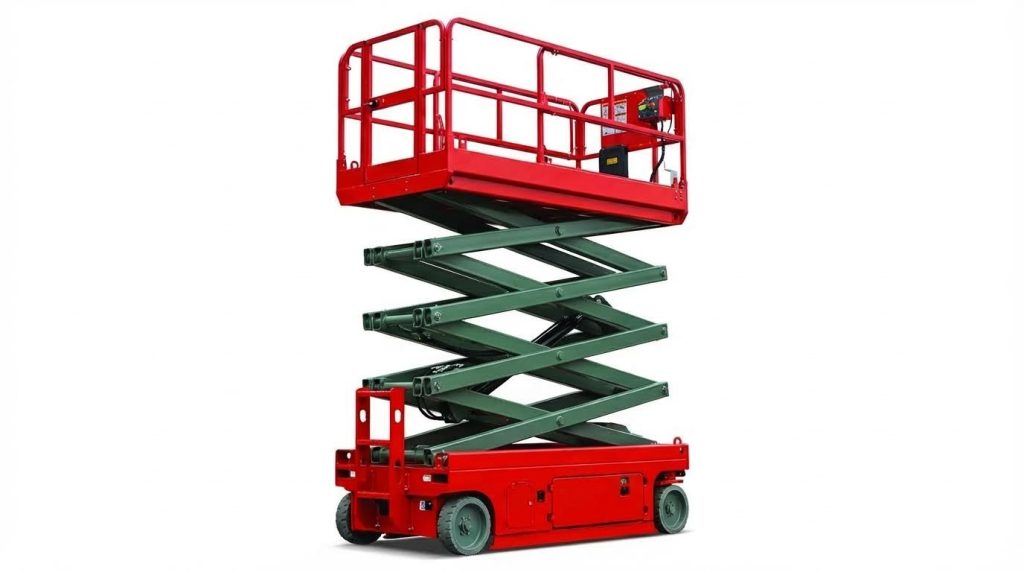
Structural design and load paths
When you ask what is a scissor lift table from an engineering view, you start with the structure and load path. The platform load transfers into the scissor arms in compression, then into pinned joints, and finally into the base frame and floor. Crisscrossed steel supports carry vertical loads and side loads while keeping deflection within safe limits for capacities from 500 kg up to about 5 tons for standard lift tables. Heavy-duty designs use thicker sections, machine-grade cylinders, and double-wire-braided hoses with JIC fittings to keep the load path rigid and leak-free under high pressure in industrial service.
Platform centering devices help keep the load close to the geometric center so no single scissor leg is overstressed and can effectively increase usable capacity. For higher lifts, double-scissor mechanisms stack two scissor sets vertically, spreading bending moments and improving stability for heavy loads up to about 4,000 kg with wobble-free motion at full height. Cargo scissor lifts extend the same basic load path to much larger platforms and capacities, from 500 kg up to 40 tons and heights to 6 m, by scaling arm sections, pins, and base frames for heavy-duty material transfer.
Key structural design checks
- Verify platform size vs. rated capacity to control bending and deflection.
- Check pin and cylinder mount shear stresses at maximum travel.
- Confirm base frame anchorage or floor loading is adequate.
- Ensure stability against overturning at full height with eccentric loads.
Hydraulics, power units, and control options
Hydraulic systems are the heart of what is a scissor lift table in day-to-day use. Typical industrial units use one or more hydraulic cylinders driven by a power pack with a steel reservoir, pump, valves, and an electric motor in a compact assembly. Double-wire-braided hoses with proper fittings carry pressure safely to the cylinders, while anti-explosion and overflow valves protect the system if a hose fails or pressure spikes during lifting under cargo-handling loads. Emergency descend valves allow controlled lowering during power loss so the platform does not trap operators or loads at height in critical applications.
Power units range from simple manual pumps on light-duty tables to electric-hydraulic packs on heavy-duty units. For example, heavy industrial tables support 8,000–12,000 lb capacities with travel from about 24 in to 60 in, using matched cylinder sizes and pump flows to achieve lift times in the 12–19 second range depending on model and load. Control options typically include pendant controls, fixed push-button stations, and emergency stop buttons, often with upper and lower limit switches to prevent over-travel on powered tables. Choosing the right hydraulic and control package depends on duty cycle, required speed, and whether the lift must integrate with conveyors or automated lines.
| Design aspect | Typical options | Engineering impact |
|---|---|---|
| Power source | Manual, single-phase, three-phase | Sets duty cycle and lift speed. |
| Hydraulic valves | Check, flow-control, emergency descend | Controls safety and smoothness of motion. |
| Controls | Pendant, fixed station, interlocked | Determines operator safety and usability. |
Standards, guarding, and safety interlocks
Understanding what is a scissor lift table also means understanding the safety envelope around it. Platforms and structures are designed to conform to relevant ANSI-type codes for strength, stability, and guarding in industrial environments. Typical guarding includes toe boards, non-slip platforms, and fixed or removable guardrails for elevated work, similar in intent to the guardrail requirements used on mobile scissor platforms to prevent falls in access equipment. Safety trip bars or mechanical safety bars under the platform protect maintenance staff from being struck if the table is accidentally lowered during service work.
Interlocks and safety circuits ensure the lift only moves under safe conditions. Overload protection prevents lifting if the rated capacity is exceeded, reducing the risk of structural failure or tipping by enforcing load limits. Emergency stop buttons, upper and lower limit switches, and in some cases door or gate interlocks on pit-mounted cargo lifts help keep people clear of moving parts in multi-level systems. Regular inspections of brakes, guardrails, and safety devices, along with operator training on hazard recognition and emergency procedures, complete the safety system around a modern scissor lift table for reliable operation over its service life.
Industrial Applications And Selection Criteria
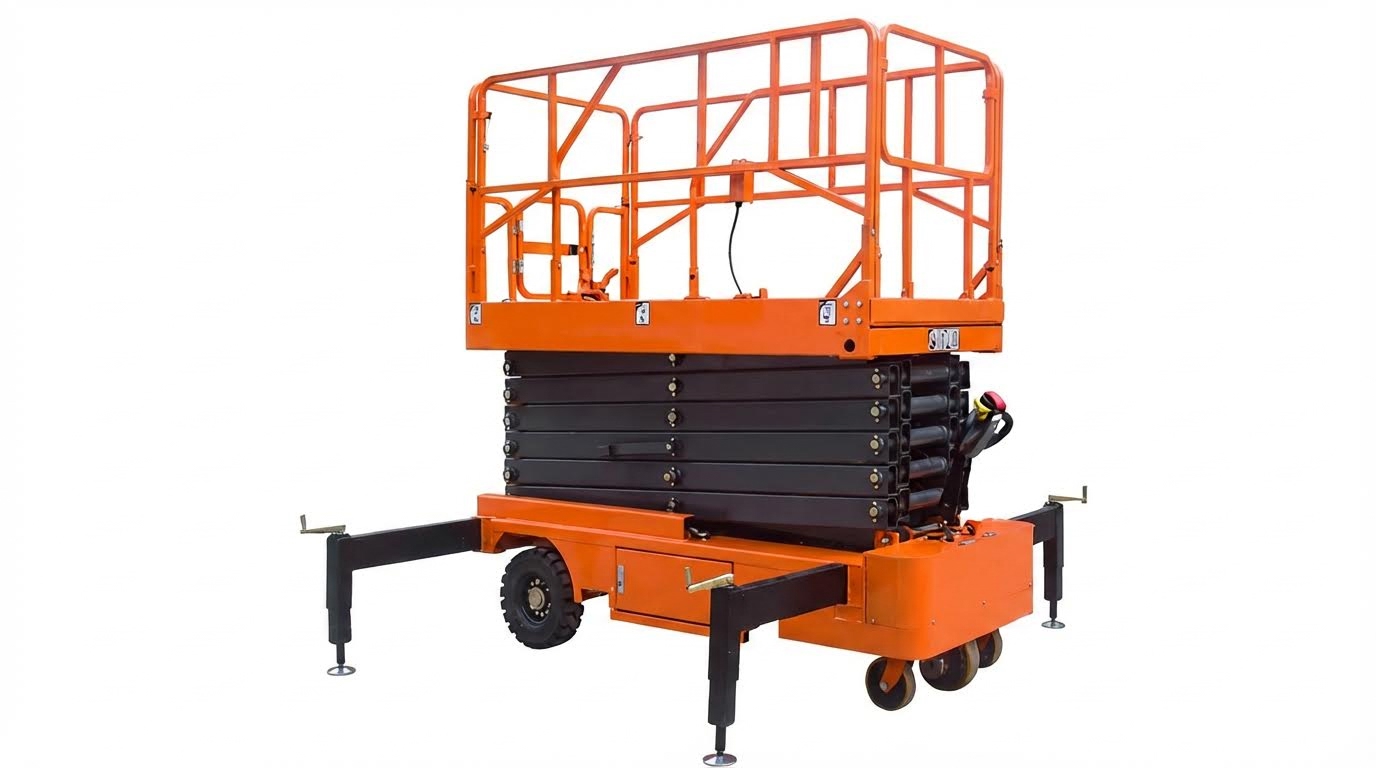
Matching capacity, travel, and platform size
When engineers ask what is a scissor lift table suitable for in industry, the answer starts with capacity, travel, and platform geometry. Typical scissor lift tables handle about 500 kg to 5 tons of load, with standard strokes around 2 m for general material handling applications. Standard lift table capacities and strokes For heavier duties, cargo-style scissor lifts can be engineered from 500 kg up to about 40 tons with lift heights up to 6 m. High-capacity cargo lift ranges
Capacity should always exceed the worst-case live load plus pallets, fixtures, and any tooling. For example, industrial hydraulic tables with 8,000–12,000 lb capacity and travel from 24–60 in suit pallet handling, conveyor interfacing, and dock work. Typical heavy-duty table capacities and travel Platform size must match load footprint and loading method; standard platforms can range roughly from 30″ × 48″ to 78″ × 114″ for floor-mounted units, while cargo models can reach 6500 × 5500 mm for very large loads. Standard industrial platform sizes Large cargo lift platforms
Vertical travel selection depends on the interface points in the process. Workstation tables usually need under 2 m of stroke to bring parts from floor or pallet height up to ergonomic working height. Typical workstation lift heights Where loads must move between floors or mezzanines, goods-lift style scissors with higher travel are more appropriate than standard tables. Double-scissor mechanisms are often used when extra travel is required without enlarging the footprint, while also improving stability for heavy loads at height. Double-scissor stability and travel
Quick selection checklist: capacity, travel, platform
- Define maximum load (product + pallet + fixtures) with safety margin.
- Measure lowest and highest interface heights to set required travel.
- Size platform to load footprint and loading equipment (manual pallet jack, forklift, conveyor).
- Choose single scissor for moderate travel, double scissor for higher travel in the same footprint.
- For multi-level transfer, evaluate goods-lift style scissors instead of standard tables.
Ergonomics, duty cycles, and TCO considerations
From an ergonomics standpoint, what is a scissor lift table used for most often is bringing work into the optimal handling zone and reducing bending and reaching. Adjustable-height platforms are widely used as workstations and in assembly lines for this reason. Ergonomic workstation applications Double-scissor tables with low closed heights around 305–400 mm and raised heights up to about 1,780–2,050 mm give wide ergonomic adjustment while remaining easy to load from the floor. Low closed height and high work positions
Duty cycle has a strong impact on power unit sizing, component selection, and lifecycle cost. Some lift series are rated for as low as 250,000 cycles over 10 years, while high-duty designs can reach up to 3,000,000 cycles over the same period, indicating very different expected usage profiles and maintenance needs. Example warranty and cycle ratings In continuous industrial service, specifying a higher-cycle design often reduced total cost of ownership (TCO) by lowering unplanned downtime and extending overhaul intervals.
TCO analysis should include more than purchase price. Key contributors are maintenance tasks such as regular actuator and platform inspections, cleaning any spill-containment areas, and periodic verification of safety devices like emergency stop circuits, emergency descend valves, and safety trip bars. Typical maintenance and safety features Energy use, cycle time, and alignment with process takt time also affect productivity cost: for example, an 8,000 lb table lifting in about 12 seconds will support higher throughput than a similar-capacity unit taking 18–19 seconds, which may matter in high-volume lines. Representative lifting speeds by capacity
Ergonomics & TCO: points to evaluate
- Ensure working height range fits 5th–95th percentile operators.
- Match lift speed to required throughput and takt time.
- Check cycle rating and warranty against expected daily cycles.
- Account for maintenance access, spare parts, and safety inspections.
- Consider energy use and any spill-control or containment requirements.
Summary: Specifying Safe And Efficient Lift Tables
Scissor lift tables work well when engineers treat structure, hydraulics, and safety as one integrated system. The scissor geometry gives high stiffness and compact footprint, but only if loads stay within rated capacity and close to the platform center. Correct sizing of arms, pins, and base anchorage keeps stresses low and stability high at full height, even with eccentric loads. Hydraulic design then controls how that structure moves. Proper cylinder sizing, hose rating, and valve selection give smooth motion, safe stopping, and controlled descent during faults or power loss. Matching power units and controls to duty cycle and takt time limits heat build-up and supports throughput.
Safety devices and standards close the loop. Guardrails, trip bars, overload protection, and interlocks protect people working on and around the table. Regular inspection and operator training keep those protections effective over the full life of the lift. For operations teams, the best practice is clear: define load, travel, platform size, and daily cycles in detail, then select single or double scissor tables that meet these needs with a safety margin. Partner with a specialist such as Atomoving to align design, ergonomics, and TCO into one coherent specification.
Frequently Asked Questions
What is a scissor lift table?
A scissor lift table is a type of equipment used to raise or lower work platforms, materials, or goods to an ergonomic height for handling. It operates using a scissor mechanism that expands and contracts to provide vertical movement. These tables are commonly used in warehouses, manufacturing facilities, and workshops to improve worker safety and efficiency by reducing bending, stretching, or reaching.
What are the common problems with lift tables?
Common problems with lift tables include hydraulic system leaks, uneven lifting due to wear and tear on the scissor mechanism, and electrical issues in powered models. Overloading beyond the weight capacity can also damage the equipment. Regular maintenance, such as checking hydraulic fluid levels and inspecting moving parts, helps prevent these issues.
What is the weight capacity of a lift table?
The weight capacity of a lift table varies depending on the model and manufacturer. Typically, capacities range from 200 kg to over 2,700 kg (approximately 440 lb to 6,000 lb). For example, some industrial-grade lift tables offer capacities up to 6,000 lb. Always check the specifications of the specific model before use to ensure safe operation.
What are the alternatives to a lift table?
Alternatives to a lift table include pallet jacks, conveyor systems, and manual stackers. Each option serves different purposes depending on the application. For instance, pallet jacks are ideal for moving palletized goods at ground level, while conveyors transport items horizontally or along inclines. Choosing the right alternative depends on factors like load size, frequency of use, and workspace layout.