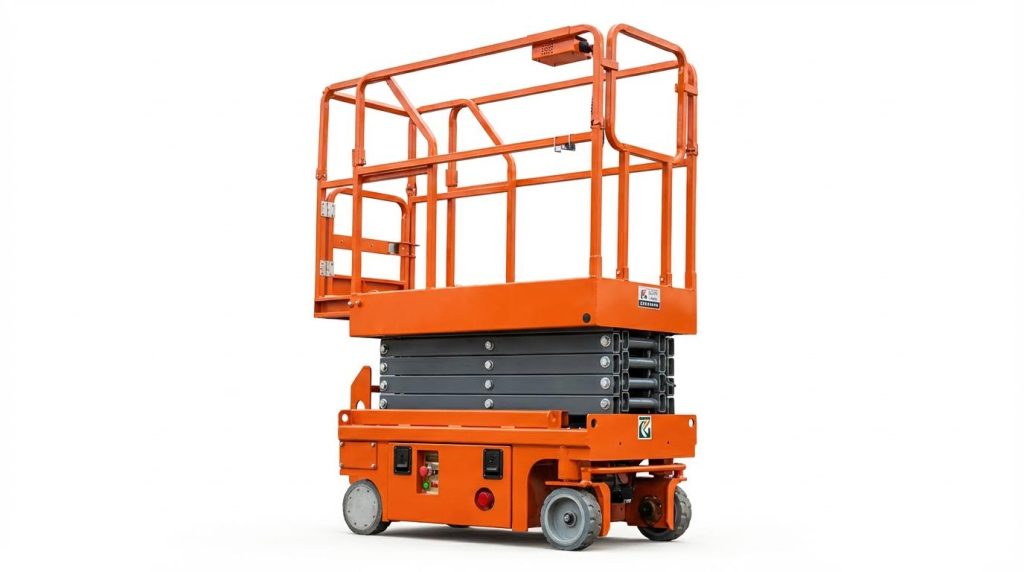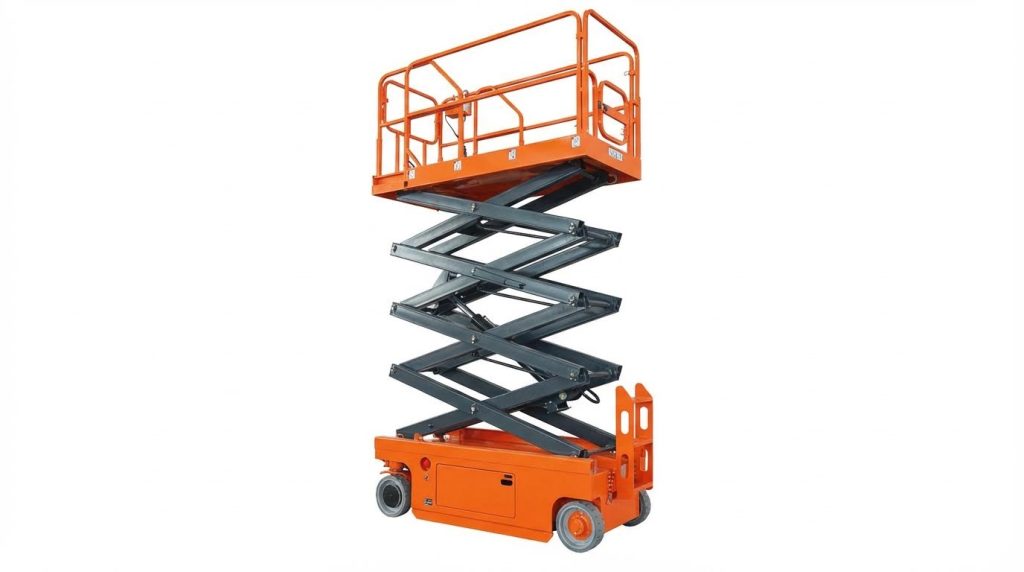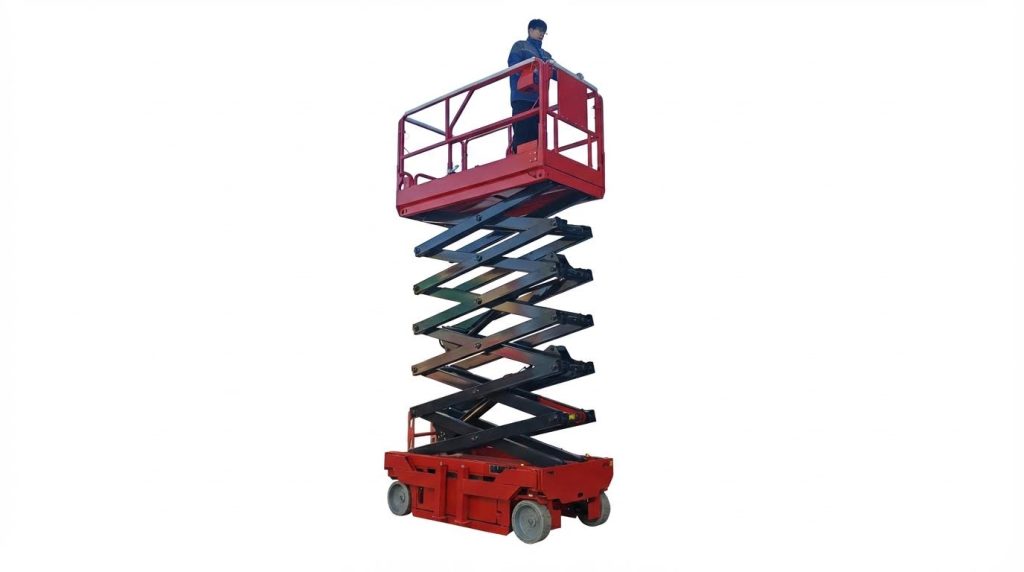
Scissor lifts are common on jobsites and in warehouses, but fall protection rules around them are often misunderstood. This article explains when guardrails alone are enough, when a personal fall arrest system (PFAS) is required, and how to design harness and anchor setups that actually work in the field. You will see how OSHA and ANSI classify scissor platform, how to answer “is fall protection required in scissor lifts” for your specific task, and how to apply best practices in training, inspection, and rescue planning. Use this guide to align your procedures with current standards while improving day‑to‑day safety and efficiency for your crews.
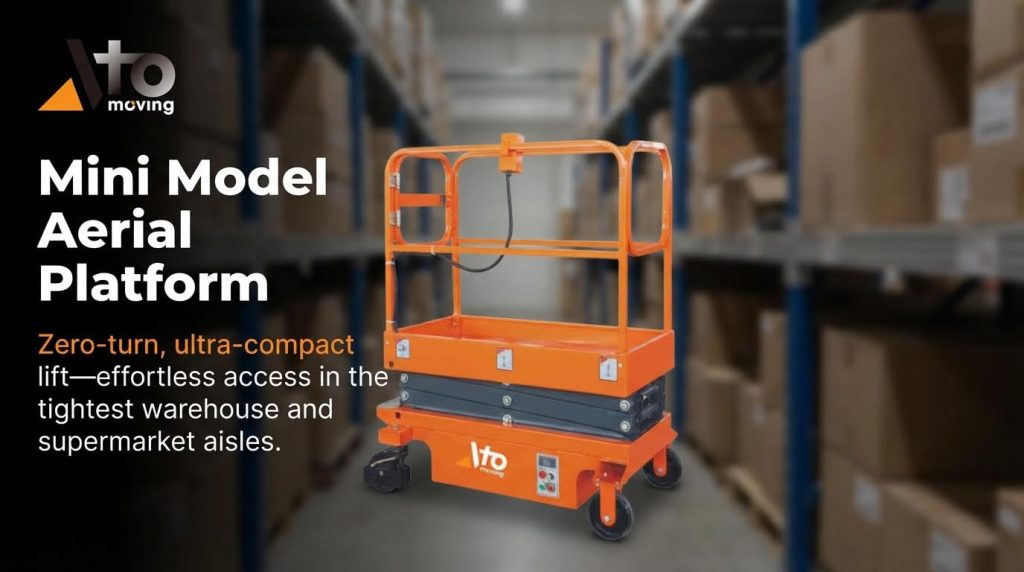
When Scissor Lift Fall Protection Is Required
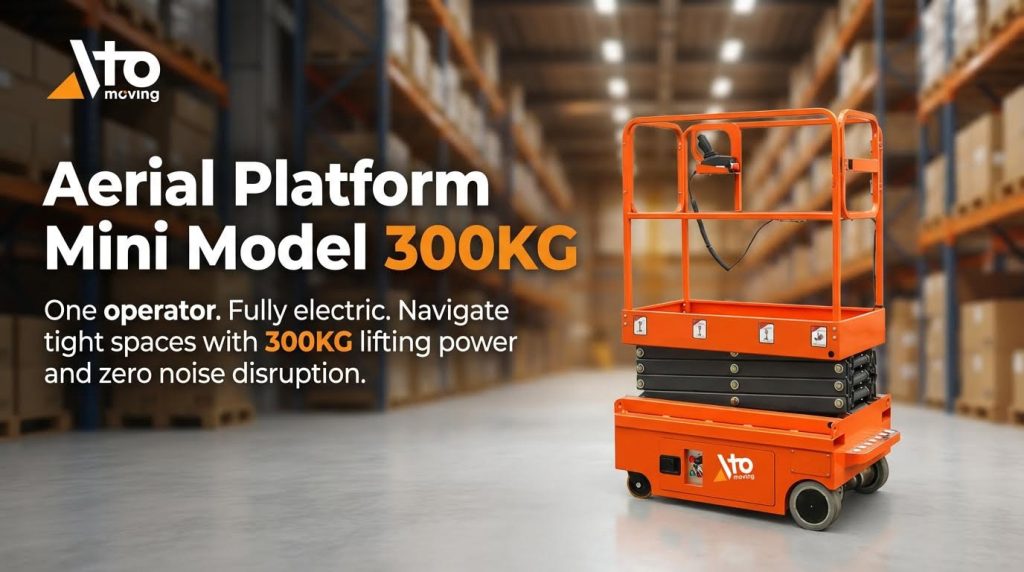
How OSHA Classifies Scissor Lifts
Under OSHA, scissor lifts are classified as a type of mobile scaffold rather than as aerial lifts. This means fall protection rules for scissor lifts mainly follow scaffold standards such as 29 CFR 1926.451(g), not the aerial lift requirements that apply to boom lifts. Scissor lifts are covered under the General Duty Clause of the OSH Act, which requires employers to keep the workplace free from recognized fall hazards, and OSHA points employers to ANSI A92.6 for design and safe-use guidance. Regulatory coverage for scissor lifts clarifies that they are not regulated as aerial lifts under 29 CFR 1910.67.
This classification directly affects when users ask “is fall protection required in scissor lifts.” Because OSHA treats them as scaffolds, a properly installed guardrail system on the platform is considered the primary fall protection. As long as workers stay within the guardrails, maintain firm footing on the platform floor, and do not climb or sit on the rails, OSHA considers fall hazards adequately controlled in most standard applications. OSHA’s scissor lift guidance emphasizes training workers to verify guardrails, stand only on the work platform, and avoid leaning over the rails.
Guardrails vs. Harness: What OSHA Actually Says
OSHA has stated that, for typical scissor lift use, a complete and undamaged guardrail system provides sufficient fall protection without a personal fall arrest system (PFAS). When employers follow ANSI/SIA A92.6 provisions and keep guardrails in place, OSHA considers the lift protected from fall hazards, and a harness is not automatically required. OSHA’s 1995 interpretation explains that PFAS becomes mandatory only when these conditions are not met, such as when guardrails are missing or workers cannot maintain firm footing.
In practice, fall protection beyond guardrails is required on scissor lifts when any of the following apply:
- Guardrails are removed, damaged, incomplete, or do not meet required height and strength criteria. Industry guidance notes that a harness with fall restraint is then required.
- The manufacturer or site-specific procedure explicitly requires a harness and lanyard on that model or in that application. Aerial lift training resources stress following manufacturer instructions.
- Additional fall hazards exist, such as workers needing to lean out, work with open gates, or access custom platforms without compliant rails, where guardrails alone cannot prevent a fall. Guidance on misconceptions cautions that guardrails do not remove the need for a harness when these extra hazards are present.
OSHA’s six-foot rule for fall protection still applies: work more than 6 ft above a lower level must use some form of fall protection. On a compliant scissor platform, the guardrail system usually satisfies this requirement, but once that barrier is compromised or nonstandard, a PFAS becomes the control measure. Training sources therefore recommend a conservative approach: if there is any doubt about guardrail adequacy or task-related fall hazards, treat a harness and properly rated anchor as required, not optional.
Technical Criteria For Harness And System Design
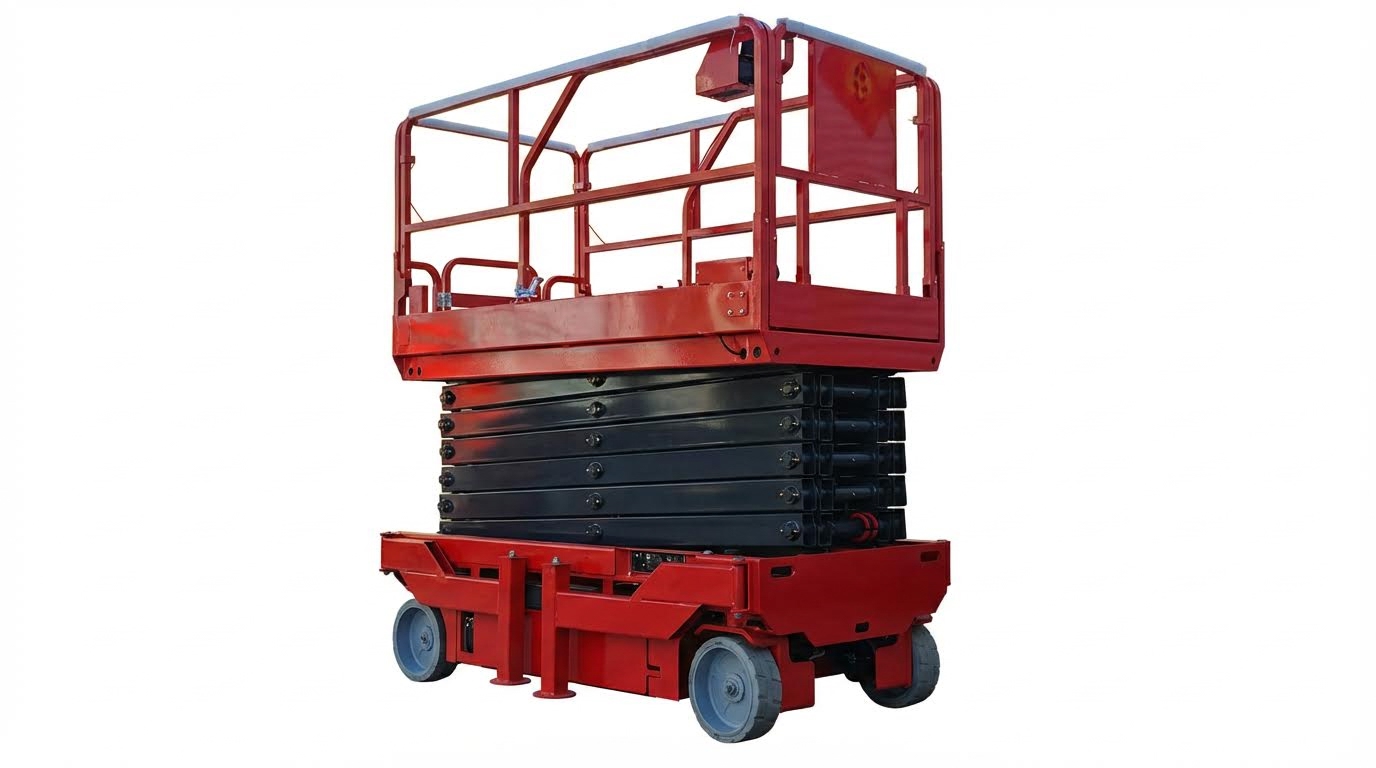
When A PFAS Becomes Mandatory On Scissor Lifts
On most compliant scissor lifts, properly installed guardrails are considered adequate fall protection, and a personal fall arrest system (PFAS) is not automatically required. OSHA guidance states that scissor lifts are generally safe from fall hazards when guardrails are in place and workers keep firm footing on the platform floor, following ANSI A92.6 provisions for mobile elevating work platforms. A PFAS becomes mandatory when guardrails are missing, damaged, removed, or when workers use custom or non‑standard platforms without approved rails that no longer provide full perimeter protection. In practice, if you are asking “is fall protection required in scissor lifts” on a specific job, you must evaluate: platform height (above 6 ft), guardrail condition, worker behavior (leaning or climbing), and any manufacturer or site rule that upgrades to PFAS-only operation.
Typical triggers for mandatory PFAS on a scissor lift
- Guardrails or gates missing, bent, or unable to meet load requirements.
- Tasks that require workers to lean or reach beyond the rail plane, creating ejection risk.
- Use of add‑on platforms, planks, or ladders on the deck.
- Site policy or owner requirement that exceeds minimum OSHA expectations.
Engineering Requirements For Guardrails And Anchors
Guardrails are the primary engineered fall protection on scissor lifts, so they must fully enclose all open sides and ends of the platform with top‑rail, mid‑rail, and toeboard. Typical design guidance requires the top rail to resist about 675 N laterally and 450 N vertically, while mid‑rail and toeboard should resist about 450 N and 225 N laterally to prevent failure under worker load. For PFAS, anchor points on the platform must be manufacturer‑designated and capable of supporting at least 8 kN (≈1,800 lbf) static load for fall‑arrest or 2 kN for travel‑restraint depending on the system type. The lift structure itself must be evaluated so that these fall‑arrest forces do not exceed the machine’s design capacity; if the device cannot safely absorb arrest loads, travel‑restraint systems are preferred over true fall‑arrest.
| Component | Typical Requirement | Purpose |
|---|---|---|
| Top rail | ≈675 N lateral, 450 N vertical capacity | Resist worker leaning and impact loads |
| Mid‑rail / toeboard | ≈450 N / 225 N lateral capacity | Prevent mid‑level and foot‑level falls or object drops |
| Travel‑restraint anchor | ≥2 kN static capacity | Limit worker travel before any fall occurs |
| Fall‑arrest anchor | ≥8 kN static capacity | Withstand dynamic arrest forces |
Compatibility checks before using PFAS on a scissor lift
- Confirm anchor points are clearly identified by the manufacturer.
- Verify the lift is rated to resist PFAS loads without structural damage.
- Ensure the PFAS type (restraint vs arrest) matches the available anchors.
Selecting And Fitting Harnesses And Lanyards
A PFAS on a scissor lift typically consists of a full‑body harness, a connecting device (lanyard or self‑retracting lifeline), and a compatible anchor point scissor platform. Harnesses must be rated for the worker’s weight plus tools, provide multiple adjustment points, and be free of cuts, burns, or distorted hardware manual pallet jack. Correct fitting means tightening leg, chest, and shoulder straps to remove slack, positioning the dorsal D‑ring between the shoulder blades, and securing all buckles so the harness will not “peel off” in a fall. Lanyards should be shock‑absorbing for fall‑arrest, attached only to approved anchors, and kept as short as practical to limit free‑fall distance and prevent the worker from reaching beyond the guardrail envelope.
- Use travel‑restraint lanyards where the goal is to keep the worker inside the rail system at all times.
- Inspect harness and lanyard before each shift; remove any unit with frayed webbing, failed stitching, or damaged labels.
- Match connector type (snap hook, rebar hook) to the anchor design to avoid roll‑out or side‑loading.
From an engineering and safety standpoint, answering “is fall protection required in scissor lifts” is not only about regulations; it is about selecting and fitting PFAS components so that, if rails fail or are bypassed, the system still keeps arrest forces within safe limits and prevents contact with lower levels.
Applying Best Practices In Real-World Operations
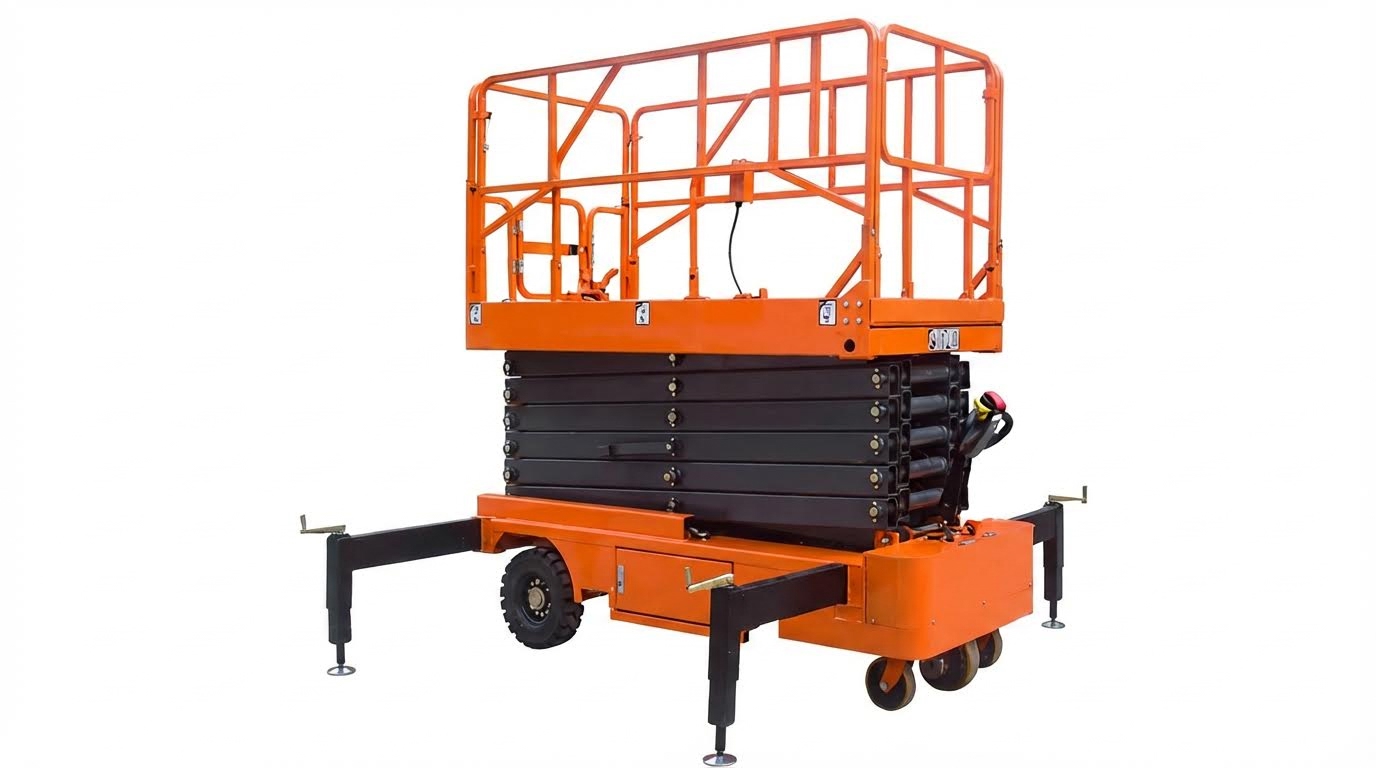
Job Hazard Analysis And Lift Configuration
Start every job by answering the question “is fall protection required in scissor lifts for this specific task?” and document the answer in a simple Job Hazard Analysis (JHA). The JHA should confirm that guardrails are complete, secure, and meet height requirements, since intact guardrails are normally considered adequate fall protection on scissor platform lifts when workers stay inside the platform and maintain firm footing. Where the JHA identifies missing, damaged, or removed rails, or tasks that require leaning or climbing, it should trigger the use of a harness-based system and a review of anchor capacity. Always integrate surface conditions, weather, and overhead/environmental hazards into the configuration plan.
- Verify the lift will operate on firm, level ground free of holes, slopes, or debris to prevent instability and tip-over.
- Check wind conditions for outdoor work and keep operations below the recommended maximum wind speed, often 28 mph or less unless the manufacturer specifies a lower limit.
- Confirm platform load (people, tools, materials) is under the manufacturer’s rated capacity; never use forklifts or other equipment to “boost” the platform height because this can cause structural failure.
- Plan clearances from power lines and other energised parts; maintain at least 10 ft of separation from electrical sources and ensure only qualified workers operate near electrical hazards.
- Define travel paths and work positions to avoid crushing hazards near fixed structures, overhead beams, or moving vehicles and use spotters or traffic control where visibility is limited.
Practical JHA checklist items for scissor lifts
A practical JHA form should at minimum record: lift ID, task description, platform height, confirmation of intact guardrails, surface and weather conditions, electrical clearances, load calculations, and whether a PFAS is required based on task and site hazards. Linking the JHA to a “go/no-go” sign-off helps ensure that fall protection decisions are deliberate and documented, not left to operator habit.
Training, Inspection, And Rescue Planning
Training and inspection practices turn written rules into consistent field behaviour and directly influence whether fall protection is required in scissor lifts for a given job. Operators must be trained in safe operation, hazard recognition, and the specific fall protection rules for scissor lifts, in line with scaffold training requirements in 29 CFR 1926.454 including staying inside the platform and not climbing or leaning over guardrails. Training should clearly explain when guardrails alone are acceptable and when a PFAS or travel-restraint system becomes mandatory due to additional hazards or compromised rails such as custom platforms or missing components.
- Perform a pre-use inspection of the lift before every shift, checking controls, brakes, structural components, and the full guardrail system to catch defects that could turn a scissor lift into a fall hazard.
- If a PFAS is required, inspect harnesses, lanyards, and connectors for wear, damage, or incorrect adjustment and confirm anchor points are manufacturer-approved and rated for fall loads typically at least 8 kN for fall-arrest anchors.
- Reinforce through training that scissor lift movement while elevated is restricted to conditions allowed by the manufacturer to prevent sudden motion that can throw workers against or over guardrails.
- Develop a written rescue plan whenever PFAS is in use, detailing how to quickly retrieve a suspended worker, which equipment will be used, who is trained to respond, and how to communicate during the event and practice this plan regularly.
Minimum elements of an effective rescue plan
An effective rescue plan for scissor lift operations should specify: activation criteria (when the plan is triggered), roles and responsibilities, access routes for rescue equipment, methods to lower or access the platform, medical response steps, and post-incident review. Integrating this plan into operator and supervisor training ensures that whenever a harness is used, the team is also prepared to manage a suspension event safely and within a short time frame.
Key Takeaways For Safe, Compliant Scissor Lift Use
Safe scissor lift work depends on treating the platform as a mobile scaffold and starting with guardrails as the primary control. When guardrails are complete, strong, and used correctly, they normally satisfy OSHA’s six‑foot rule and keep workers inside a protected envelope. Once rails are damaged, removed, or bypassed by leaning, climbing, or custom platforms, you must treat the situation as a fall‑arrest problem, not a simple access task.
Engineering criteria then drive every decision. Guardrails must meet defined load capacities. Anchors must be manufacturer‑approved and rated for travel restraint or full arrest loads. Harnesses and lanyards must fit the worker, match the anchor type, and limit free‑fall and swing so the worker never reaches a lower level or hard edge. If the lift structure cannot safely take arrest forces, use restraint instead of arrest.
Operations teams should lock this into routine practice: perform a JHA for each job, verify the lift setup, decide explicitly whether PFAS is required, and document the choice. Back this up with focused training, strict pre‑use inspections, and a written rescue plan whenever harnesses are in use. This approach keeps your Atomoving scissor platforms compliant on paper and stable, predictable, and forgiving in real work.
Frequently Asked Questions
Is fall protection required when operating a scissor lift?
Fall protection is not strictly required by OSHA if the scissor lift has properly designed and maintained guardrails in place. However, if the guardrails are missing or incomplete, a full-body harness or fall restraint system becomes necessary. Scissor Lift Safety Rules.
What are the OSHA requirements for a scissor lift?
OSHA requires scissor lifts to have guardrails installed to prevent falls. Workers must be trained to check that the guardrail system is in place before use and should never stand on or lean against the guardrails for stability. OSHA Scissor Lift Guidelines.
When is a harness needed in a scissor lift?
A harness is recommended if the platform is more than 3 meters (10 feet) above the ground and guardrails are not accessible. It ensures additional safety when standard fall protection measures are insufficient. Fall Protection Training.