Moving full pallets is one of the highest-risk tasks for any lift operator, yet it is also routine. This guide explains exactly how should a lift operator travel with a full pallet, from stability and load control to speed, visibility, and site design. You will see the critical checks, travel techniques, and engineering limits that keep the truck upright and the load secure. Use it as a practical reference to tighten procedures, reduce damage, and prevent tip‑overs in your facility.
Core Principles For Traveling With A Loaded Pallet
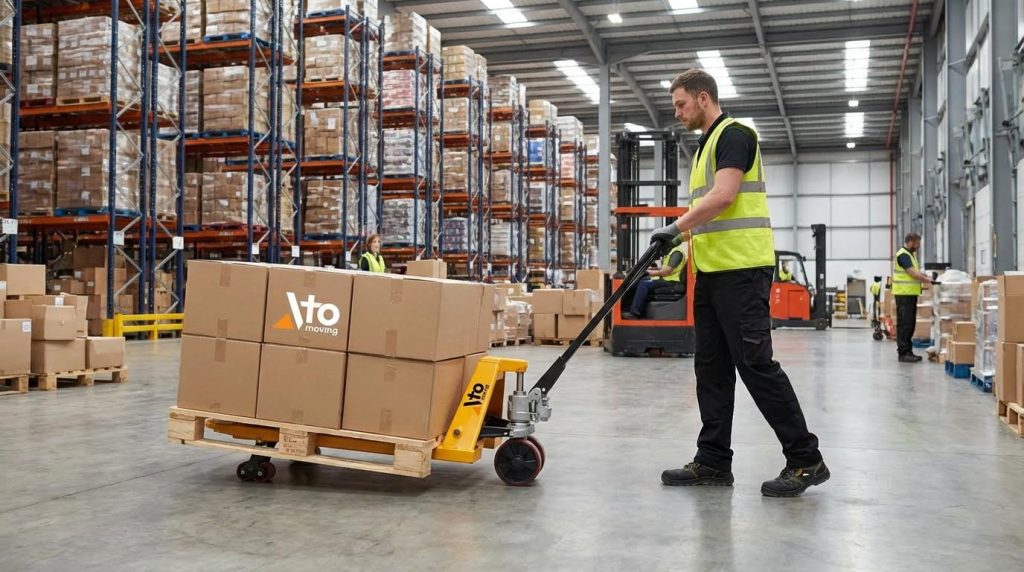
Stability Triangle And Center Of Gravity
Understanding the stability triangle and the combined center of gravity is the foundation of safe forklift travel with a full pallet. These concepts explain why forks stay low, masts tilt back, and loads must be compact and secure when deciding how should a lift operator travel with a full pallet.
- Stability triangle basics
- The truck’s wheels form a triangle between the two front drive wheels and the center of the rear axle pivot.
- The combined center of gravity of truck + load must stay inside this triangle to avoid tip‑over.
- Sideways forces from cornering, ramps, potholes, or uneven floors can push the center of gravity outside the triangle.
- Effect of load height
- Raising the pallet raises the combined center of gravity.
- A higher center of gravity reduces the safety margin inside the stability triangle.
- Loads should travel just high enough to clear the floor, typically about 100–150 mm, to keep overturning moments low during emergency maneuvers or sudden stops.
- Mast tilt and center of gravity
- Slight backward mast tilt pulls the load toward the truck.
- This shift moves the combined center of gravity deeper into the stability triangle.
- Traveling with the mast slightly tilted back is safer than traveling with a vertical or forward‑tilted mast once the pallet is clear of the floor.
- Load shape and stacking
- Heavier items belong at the bottom, lighter items on top to keep the center of gravity low and improve stability.
- Apply the “3‑to‑1” rule where possible: for every three units of height, keep at least one unit of stack depth to reduce tipping risk.
- Use interlocking or brick‑lay patterns for cartons so the load behaves as one solid block instead of separate columns and resists shifting.
- Securing the load
- Wrap or strap the pallet tightly from bottom to top with stretch film or suitable banding to prevent movement in transit with at least several revolutions around the base.
- Check for gaps, leaning stacks, or protruding items before traveling and re‑secure if anything shifts.
- Reject pallets with unstable or damaged stacks; stability must be corrected before lifting.
Why this matters for real‑world travel
On corners, ramps, and rough floors, dynamic forces act on the truck and pallet. Keeping the load low, mast slightly back, and the stack compact and well wrapped keeps the center of gravity inside the stability triangle. This directly answers how should a lift operator travel with a full pallet: low, stable, secured, and always within the truck’s stability envelope.
Load Capacity, Data Plates, And Weight Control
Safe travel with a loaded pallet also depends on respecting the truck’s rated capacity and controlling how weight sits on the forks. Operators need a simple, repeatable process to confirm that every pallet is within limits before moving.
| Item | What It Is | Why It Matters For Safe Loaded Travel |
|---|---|---|
| Rated capacity | Maximum load the truck can lift at a specified load center, shown on the data plate. | Exceeding this value risks forward tip‑over or structural failure when traveling with a full pallet. |
| Data plate | Permanent plate showing capacity, load center, mast height, and sometimes attachment information. | Operators must compare estimated pallet weight and load center to the plate before lifting or traveling. |
| Actual pallet weight | Real mass of goods plus pallet, sometimes measured on floor scales or weighing pallet trucks when weight is uncertain. | Accurate weight prevents unknowingly overloading the truck, especially with dense materials. |
| Load distribution | How weight spreads across the pallet surface and fork tines. | Even distribution reduces twisting and keeps the center of gravity at the designed load center position. |
| Pallet condition | Integrity of deck boards, stringers, blocks, and nails checked before use. | Weak or broken pallets can fail suddenly during travel, dropping or shifting the load. |
- Using the data plate correctly
- Locate the truck’s data plate and read the rated capacity and load center.
- Remember that capacity usually decreases as load center distance increases or mast height increases.
- If attachments are fitted, use the adjusted capacity shown for that configuration if available.
- Verifying pallet weight and stack
- Use floor scales, weigh beams, or weighing pallet trucks if the pallet weight is unknown or close to the limit to obtain objective values.
- Confirm the load is evenly distributed, with heavier items at the bottom and lighter items on top to keep the center of gravity low.
- Check that stacking height does not block the operator’s view or interfere with building services such as sprinklers or lighting before traveling.
- Pallet and fork engagement
- Inspect pallets for cracked stringers, missing blocks, or exposed nails and remove defective pallets from service before loading.
- Adjust fork spread to suit the pallet and insert forks fully and evenly, ideally all the way through the pallet or at least two‑thirds of its length.
- Avoid partial fork engagement, which concentrates stress on deck boards and increases the risk of sudden failure during travel.
Putting weight control into everyday practice
Before moving off with a full pallet, operators should run a quick mental checklist: capacity vs. data plate, estimated or measured weight, pallet condition, fork engagement, and load stability. When these checks pass and the load travels low with slight mast tilt back, the truck stays within its design envelope. This is the practical, defensible answer to how should a lift operator travel with a full pallet in busy warehouses and loading areas.
Operating Techniques For Safe Loaded Travel
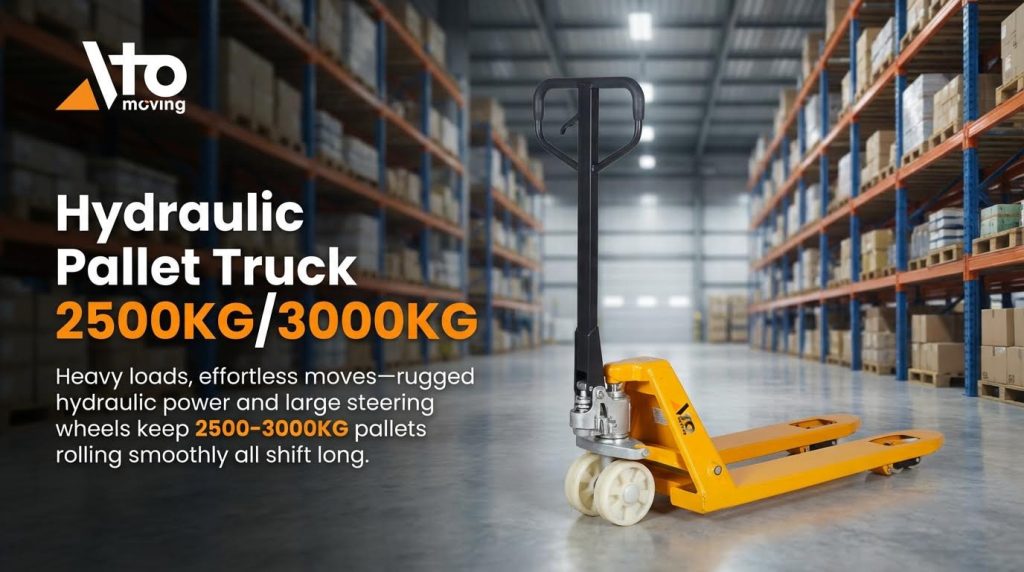
This section turns theory into practical driving rules for loaded forklifts and manual pallet jacks. If you are asking how should a lift operator travel with a full pallet, the answer is mainly about fork height, mast tilt, speed, and how you handle corners, ramps, and rough floors. The techniques below reduce tip‑over risk, product damage, and pedestrian incidents.
Fork Height, Mast Tilt, And Pallet Engagement
Correct pallet pick‑up and fork positioning are the foundation of safe loaded travel. Poor engagement or wrong fork height can turn a stable load into a tip‑over in one emergency stop.
- Adjust forks to match pallet openings before entry.
- Insert forks fully and evenly under the pallet.
- Lift just clear of the floor, then apply slight back tilt.
- Travel with the load low and stable, never raised.
| Step | Fork / Mast Setting | Why It Matters For Stability |
|---|---|---|
| Approach pallet | Forks level, at entry height | Prevents gouging deck boards and shifting stacked goods during fork entry |
| Engage pallet | Forks spread correctly, fully inserted (≥ 2/3 pallet length, ideally through) | Reduces risk of pallet breakage and load drop on braking or bumps by maximizing support area |
| Initial lift | Raise until pallet just clears floor | Avoids dragging while keeping center of gravity low |
| Set travel attitude | Mast slightly tilted back, forks low (≈ 100–150 mm above floor) | Keeps combined center of gravity inside stability triangle and limits overturning moment during sudden stops or turns |
| Travel | Maintain low fork height, mast still slightly back | Improves forward visibility and reduces tip‑over risk on uneven floors |
| Set down | Stop, level forks, lower fully, then neutralize hydraulics | Prevents unintended movement or roll‑off during unloading |
Key pallet and load checks before moving
Inspect the pallet for broken boards, cracked stringers, missing blocks, or exposed nails before you lift. Forks should enter cleanly without striking blocks so the pallet can sit square on both blades and avoid sudden failure under load. Confirm that the load is within the truck’s rated capacity on the data plate and that heavier items are at the bottom and lighter at the top to keep the center of gravity low and reduce the chance of product falling.
For hydraulic pallet trucks, the same principles apply: full fork insertion, low travel height, and straight forks during entry and exit. Any sign of unstable stacking or loose wrap means the load must be re‑secured before travel.
Speed Control, Corners, And Pedestrian Zones
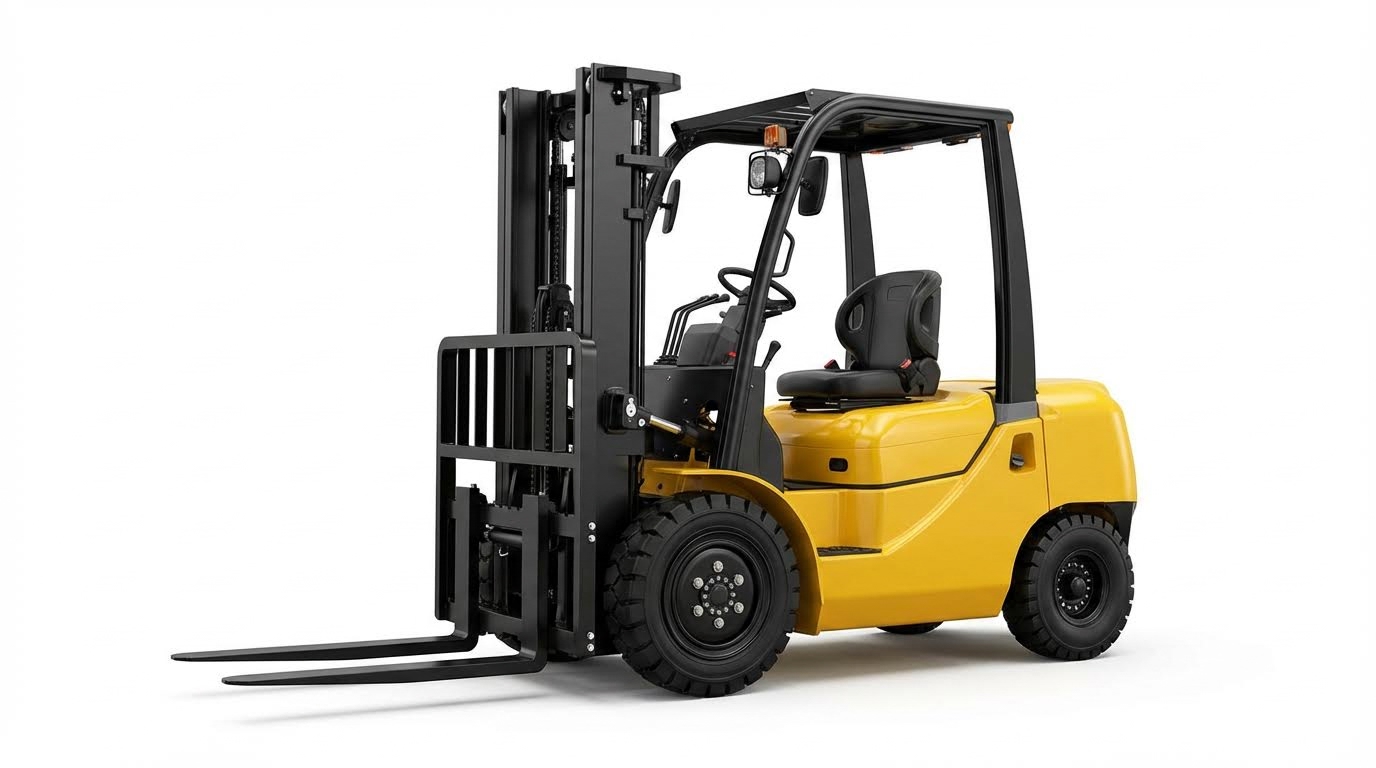
Most incidents with full pallets happen because the truck was simply moving too fast for the conditions. Understanding how should a lift operator travel with a full pallet starts with strict speed discipline and predictable behavior at corners and crossings.
- Match speed to load weight, aisle width, floor condition, and visibility.
- Keep forks low (around 0.10–0.15 m) while moving in all areas.
- Slow right down and use the horn at corners, doors, and rack ends.
- Assume pedestrians do not see or hear you until you prove they have.
| Operating Situation | Recommended Technique | Risk Controlled |
|---|---|---|
| Straight travel with full pallet | Travel at or below posted speed limits, forks low, mast slightly back to maintain stability | Tip‑over and load shift during emergency stops |
| Approaching corners or intersections | Reduce speed well before the corner, sound horn, keep forks 0.10–0.15 m above floor and maintain tight control | Side tip‑over from lateral forces and collisions with unseen traffic |
| High pedestrian areas | Travel at or below walking pace, be ready to stop, use horn and lights | Striking pedestrians or drum dollies in mixed‑use zones |
| Blind rack ends or doorways | Stop if needed, inch forward with horn, maintain low forks | Vehicle‑to‑vehicle impacts and product damage |
| Wet, dusty, or damaged floors | Reduce speed further, avoid sudden braking or steering inputs | Loss of traction and uncontrolled sliding |
Practical checklist for every loaded run
Before moving, confirm the path is clear, the route is planned, and there is no need to reverse long distances. Facilities should set and enforce speed limits for aisles, crossings, and loading docks so operators have clear expectations. When visibility is blocked by a tall pallet, travel in reverse if it is safe and you can still keep the load uphill on grades.
In simple terms, how should a lift operator travel with a full pallet in shared spaces? At a controlled, predictable speed, with forks low, horn used early, and the truck always under full control.
Ramps, Grades, And Uneven Floors

Ramps and rough floors amplify every bad habit with a loaded pallet. Gravity, added stopping distance, and sudden wheel drop into holes can push the truck outside its stability triangle very quickly.
- On grades above roughly 5%, keep the load uphill when traveling loaded.
- Do not turn on ramps or travel with the load raised.
- Keep forks low (about 100–150 mm) on inclines and rough surfaces.
- Travel significantly below walking pace on ramps.
| Condition | Correct Travel Orientation | Key Controls | Main Hazard Reduced |
|---|---|---|---|
| Loaded travel up or down ramp | Load faces uphill at all times on grades above about 5% | Forks low (≈ 100–150 mm), mast slightly back, very low speed | Forward or backward tip‑over and load slide off forks |
| Unloaded travel on ramp | Forks point downhill | Forks low, controlled speed, no turning | Loss of steering and truck instability |
| Transition floor–ramp or dock plates | Approach straight, at low speed | Forks just high enough to clear threshold | Impact loads into mast and sudden pallet shift |
| Uneven or damaged floors | Choose flattest route available | Reduce speed, keep load low, avoid sudden steering | Center‑of‑gravity shift from wheel drop or bounce |
Do’s and don’ts on grades with full pallets
Do keep the truck aligned straight up and down the slope and maintain a constant, slow speed without sudden braking. Do avoid stopping on the steepest section if you can plan the route differently. Do not turn across the slope, and do not raise the load to “see better” because this moves the center of gravity higher and closer to the edge of the stability triangle and increases tip‑over risk. If the surface is wet or oily, reduce speed even further and allow extra distance for stopping.
When you combine these ramp rules with correct fork height, mast tilt, and speed control, you have a complete, practical answer to how should a lift operator travel with a full pallet in real‑world warehouses and yards.
Equipment, Technology, And Site Design Factors
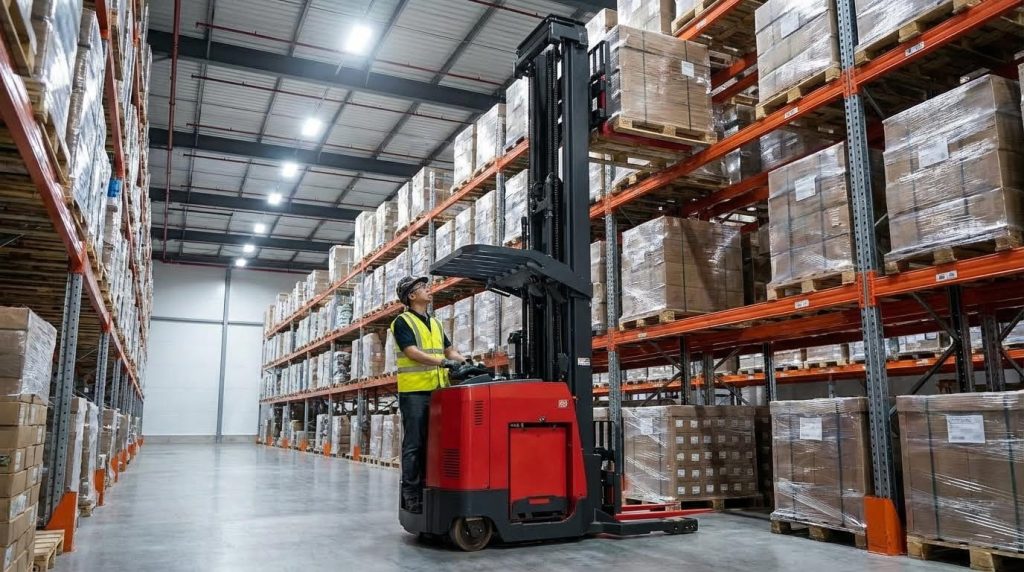
Equipment condition, safety technology, and site layout decide how safely a lift operator can travel with a full pallet. This section links inspections, traffic design, and modern safety systems to everyday travel choices such as fork height, speed, and route selection.
Pre‑Use Inspections And Preventive Maintenance
Safe answers to how should a lift operator travel with a full pallet always start with a truck that is mechanically sound. A structured pre‑use inspection and planned maintenance program reduce the chance of brake loss, steering failure, or mast collapse under load.
Key goals of inspections and maintenance
- Confirm the truck can steer, brake, lift, and lower safely under rated load.
- Detect cracks, leaks, or damage before they cause a tip‑over or dropped pallet.
- Ensure all safety devices work so travel with a full pallet stays controlled and predictable.
The checklist below groups critical items operators should verify before moving any loaded pallet.
| Inspection Area | What To Check | Why It Matters For Loaded Travel |
|---|---|---|
| Brakes & Parking Brake | Service brake response, parking brake holding power per inspection guidance | Prevents roll‑away and allows controlled stopping with heavy pallets. |
| Steering & Direction Controls | Free steering movement, no excessive play, correct forward/reverse response for trucks and pallet jack | Maintains precise lane tracking in narrow aisles with elevated loads. |
| Hydraulic System & Mast | Leak‑free hoses, smooth lift/tilt, secure mast pins, no abnormal noise during operation | Prevents sudden drop or mast failure while carrying a full pallet. |
| Forks & Carriage | Straight forks, no cracks or weld repairs, correct lock pin engagement, backrest integrity per inspection checklist | Ensures the pallet remains supported during braking, turns, and on ramps. |
| Tires & Wheels | No tears, flat spots, low pressure, or uneven wear on tires and rollers for forklifts and pallet jacks | Maintains stability and predictable stopping distance under heavy loads. |
| Fluids & Leaks | Engine oil, hydraulic oil, coolant, fuel, and battery water at proper levels; no drips or pools under truck per daily checklist | Prevents overheating, loss of lift, or unexpected power loss mid‑travel. |
| Safety Devices | Horn, warning lights, alarms, seat belt, mirrors, windscreen condition verified pre‑shift | Improves communication and visibility around pedestrians and blind corners. |
| Pallet & Load Interface | Fork blade condition, fork spread, pallet deck boards and stringers intact, no exposed nails before loading | Reduces risk of board breakage and sudden loss of the pallet during travel. |
Any defect that affects steering, braking, lifting, or structural integrity must trigger lockout until repair, not “work‑around” driving with lighter loads. This rule is critical when a site expects frequent full‑capacity pallet movements. Documented daily inspections with operator name, time, defects, and pass/fail status support both compliance and trend analysis for preventive maintenance. Inspection guidance
Traffic Management, Aisle Design, And Visibility
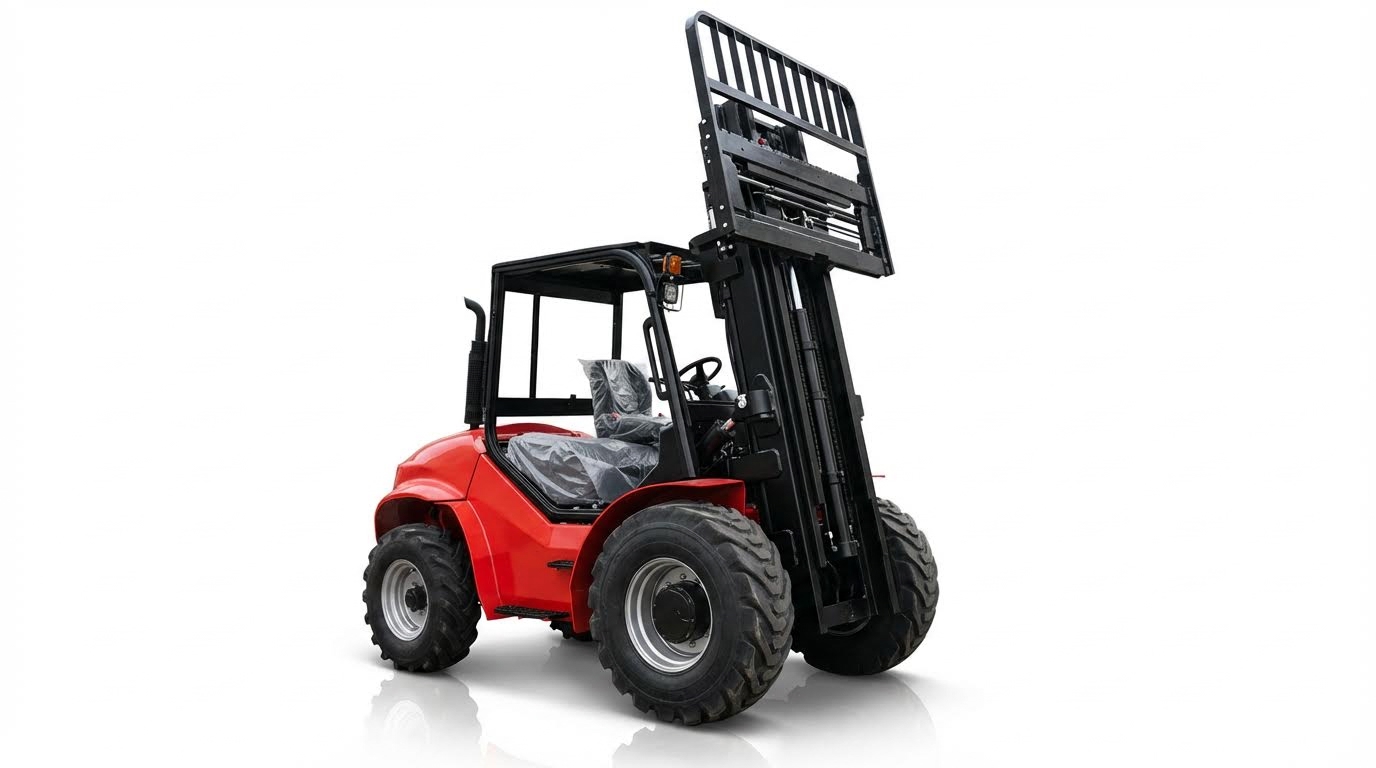
Even a perfectly maintained truck is unsafe if the site layout forces risky maneuvers with full pallets. Traffic rules, aisle geometry, and visibility tools should guide how a lift operator travels with a full pallet through the building.
Good layout design reduces sharp turns, blind conflicts with pedestrians, and the need to travel long distances with elevated loads just to see around obstacles.
- Separate people and trucks wherever possible.
- Design aisles around turning radius and pallet size, not just racking density.
- Use markings and signs to tell operators exactly how to move with loaded pallets.
| Design / Management Element | Practical Implementation | Effect On Loaded Travel |
|---|---|---|
| Traffic Segregation | Dedicated equipment lanes, pedestrian walkways, and protected crossings using barriers or railings per traffic management guidance | Allows operators to focus on load control instead of constant collision avoidance. |
| Aisle Width & Geometry | Set aisle width for truck type, pallet size, and turning radius, with extra space at rack ends and intersections. | Reduces tight turns with elevated loads and minimizes risk of racking impact. |
| Speed Management | Posted speed limits by zone, floor condition, and pedestrian density; stricter limits near crossings and docks as recommended | Aligns travel speed with stopping distance when carrying full pallets. |
| Visibility Aids | Convex mirrors at intersections, floor markings, overhead signs, and adequate lighting in all aisles. | Improves line of sight so operators can keep forks low instead of over‑raising for visibility. |
| Floor Condition Control | Routine repair of potholes, expansion joints, and uneven slabs; anti‑slip treatments where needed. | Reduces jolts that can destabilize tall or heavy pallets during travel. |
| Pedestrian Training | Briefings on crossing rules, eye‑contact with operators, and use of designated walkways in traffic plans | Lowers surprise encounters that force emergency braking with a full pallet. |
How layout choices change operator behavior
- Wide, straight aisles encourage travel with forks low and mast slightly back, instead of weaving around obstacles.
- Clearly marked “no‑pedestrian” zones allow higher but still controlled speeds with full pallets.
- Good lighting and mirrors reduce the temptation to raise the load for better visibility, which would shift the center of gravity upward.
When planning or revising a site, always test routes with the largest pallet and the heaviest typical load. If an operator must reverse long distances or perform multi‑point turns with a full pallet, the layout needs correction, not more “operator awareness” posters.
Advanced Safety Systems And Ergonomic Features
Modern safety and ergonomic features help standardize how a lift operator should travel with a full pallet, even when skill levels vary. These systems cannot replace training, but they reduce the consequences of errors and fatigue.
- Electronic systems manage speed, stability, and collision risk.
- Ergonomic features keep operators comfortable and focused during long shifts.
- Monitoring tools verify that trucks carry and move loads within safe limits.
| Feature Category | Example Technologies | Benefit For Full‑Pallet Travel |
|---|---|---|
| Load & Weight Control | On‑truck load indicators and weighing pallet weighing scales that show actual weight when operators are unsure about load mass | Prevents exceeding rated capacity and keeps the combined center of gravity inside the stability envelope. |
| Automatic Speed Management | Systems that reduce speed automatically when turning or when forks are raised beyond a set height per modern safety guidance | Limits lateral forces and tip‑over risk when traveling with elevated or heavy pallets. |
| Electronic Stability & Collision Avoidance | Stability control that monitors speed, steer angle, and load; sensors that detect obstacles and slow or stop the truck in real time | Helps keep the truck inside its stability triangle and reduces impact risk in congested zones. |
| Ergonomic Operator Interfaces | Adjustable controls, vibration‑dampening seats or platforms, and side‑shift or tilting masts for fine positioning as ergonomic measures | Reduces fatigue and awkward body positions, improving consistency in fork height and mast tilt with full pallets. |
| Visibility & Camera Systems | Cameras, displays, and enhanced lighting for high stacking or obstructed‑view loads in tall storage | Allows operators to keep the load lower while maintaining vision, instead of lifting the pallet into their sightline. |
| Monitoring & Verification | On‑truck sensors and scales to verify axle loads, plus visual checks for gaps, misalignment, or protrusions after loading | Ensures the pallet stays secure and within limits throughout the route. |
Linking technology to operator travel habits
- Use load indicators to confirm the pallet is within capacity before lifting and moving.
- Rely on automatic speed reduction to support, not replace, the habit of slowing before turns and pedestrian zones.
- Leverage cameras and good lighting so the operator can travel with forks 100–150 mm above the floor, mast slightly back, and full focus on route and pedestrians.
When equipment capability, safety technology, and site design work together, the answer to how should a lift operator travel with a full pallet becomes simple: within rated capacity, forks low, mast back, speed controlled, and route clearly defined by the environment itself.
Final Best Practices And Policy Recommendations
Safe travel with loaded pallets depends on one consistent idea: keep the truck and load inside their engineered limits at all times. The stability triangle, low fork height, and slight mast tilt back work together to keep the center of gravity deep inside the stable zone, even during braking or on rough floors. Capacity rules, data plates, and weight control prevent hidden overloads that can turn a routine move into a forward tip‑over.
Driving techniques then manage the dynamic forces that try to push the truck outside that envelope. Low speed, wide and deliberate turns, loads kept uphill on ramps, and strict fork‑low rules give operators margin when conditions change. Good pallets, full fork engagement, and tight wrapping stop the load from becoming a second moving part.
Equipment condition, site layout, and modern safety systems must support these habits. Atomoving recommends that leaders lock unsafe trucks out, redesign aisles that force risky maneuvers, and use technology to enforce speed and height limits. Build these principles into training, standard procedures, and supervision. When policy, layout, and equipment all point in the same direction, operators can move full pallets in a stable, predictable, and repeatable way shift after shift.
Frequently Asked Questions
How should a lift operator travel with a full pallet on the forks?
To safely travel with a full pallet, approach the load squarely and insert the forks fully under the pallet. Lift the load slightly and tilt the forks back to secure it against the carriage. For unbalanced loads, keep the heavier side closer to you. Before moving, ensure the load is stable and tilted slightly backward. Travel at a safe speed and always watch for obstacles or pedestrians. Forklift Safety Guide.
What precautions should a lift operator take when moving a pallet in a shared workspace?
Operators should separate forklift traffic from pedestrians whenever possible. Always yield the right of way to pedestrians. If someone crosses your path, stop the forklift immediately. Maintain a safe speed and remain vigilant about people or obstacles in the area. These practices align with OSHA guidelines for powered industrial trucks. OSHA Pedestrian Safety.
How can a lift operator ensure the load is secure before traveling?
Before moving, lift the pallet slightly off the ground and check that it is balanced and stable. Tilt the forks back slightly to secure the load against the carriage. Ensure the heavier side of an unbalanced load faces the carriage. Avoid sharp turns or sudden stops while transporting. These steps help prevent accidents and maintain safety during operation.